Underwriters settle about eighty-five percent of claims after mass fire displacements, easing financial strain on victims and property owners
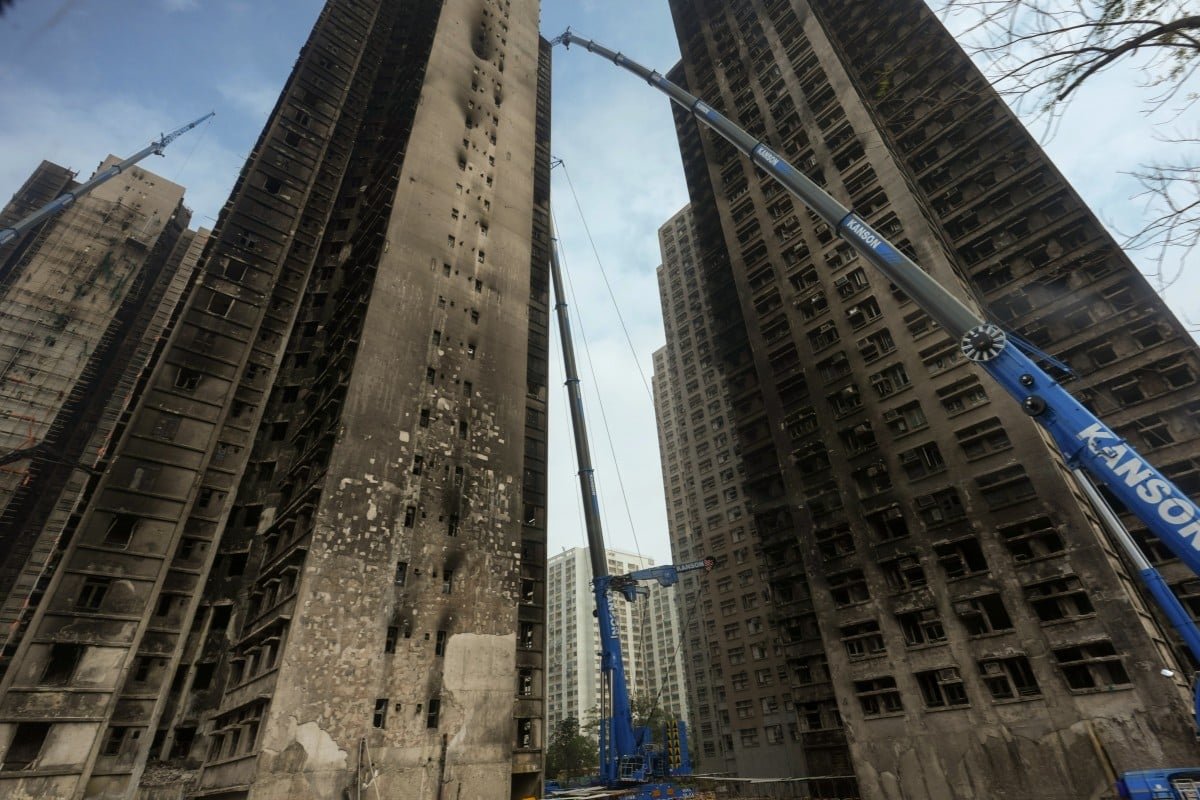
Insurers in Hong Kong have reached settlements on approximately eighty-five percent of the insurance claims arising from the devastating fire at Wang Fuk Court in Tai Po, approving payouts totaling about HK$66.3 million to policyholders, landlords and affected residents.
The settlements concluded in recent weeks mark a significant step in the recovery process following the blaze, which displaced hundreds of tenants and sparked extensive community support efforts.
Underwriters said the claim resolutions cover a broad range of losses, including structural damage to property, contents and personal belongings, rental loss and additional living expenses for displaced residents.
Representatives from the Hong Kong Federation of Insurers noted that the relatively swift progress on claims reflected coordinated engagement between insurers, adjusters and policyholders, with priority given to cases involving vulnerable groups and urgent needs.
Hong Kong’s Insurance Authority has been monitoring the situation closely since the fire, urging prompt and fair handling of claims in line with policy terms and regulatory standards.
Officials emphasised that the high settlement rate demonstrates the resilience of the territory’s insurance market and its capacity to support large-scale loss events.
Policyholders whose cases remain outstanding are being informed of the progress and timelines for final assessment.
The Wang Fuk Court fire, which erupted at a residential complex in Tai Po earlier this year, drew a substantial emergency response and widespread public attention as families were temporarily relocated and community groups mobilised aid.
Local leaders and social service providers have been working alongside authorities to ensure displaced residents have access to housing assistance, counselling and financial support as they rebuild their lives.
As settlements continue to be finalised, insurers have reiterated calls for residents to review their policy coverage and ensure up-to-date documentation of personal property values — steps that can facilitate smoother processing in future loss events.
The coordinated claims handling effort is expected to inform industry practices for responding to major property disasters within densely populated urban environments.
The settlements concluded in recent weeks mark a significant step in the recovery process following the blaze, which displaced hundreds of tenants and sparked extensive community support efforts.
Underwriters said the claim resolutions cover a broad range of losses, including structural damage to property, contents and personal belongings, rental loss and additional living expenses for displaced residents.
Representatives from the Hong Kong Federation of Insurers noted that the relatively swift progress on claims reflected coordinated engagement between insurers, adjusters and policyholders, with priority given to cases involving vulnerable groups and urgent needs.
Hong Kong’s Insurance Authority has been monitoring the situation closely since the fire, urging prompt and fair handling of claims in line with policy terms and regulatory standards.
Officials emphasised that the high settlement rate demonstrates the resilience of the territory’s insurance market and its capacity to support large-scale loss events.
Policyholders whose cases remain outstanding are being informed of the progress and timelines for final assessment.
The Wang Fuk Court fire, which erupted at a residential complex in Tai Po earlier this year, drew a substantial emergency response and widespread public attention as families were temporarily relocated and community groups mobilised aid.
Local leaders and social service providers have been working alongside authorities to ensure displaced residents have access to housing assistance, counselling and financial support as they rebuild their lives.
As settlements continue to be finalised, insurers have reiterated calls for residents to review their policy coverage and ensure up-to-date documentation of personal property values — steps that can facilitate smoother processing in future loss events.
The coordinated claims handling effort is expected to inform industry practices for responding to major property disasters within densely populated urban environments.