Enhanced regulatory framework expands oversight of major payment networks to safeguard stability, security, and consumer confidence
Hong Kong has moved to strengthen regulatory oversight of retail payment systems, reinforcing supervision as digital and cashless transactions continue to expand rapidly across the city.
The enhanced framework clarifies how payment systems are designated for oversight and sets out stricter expectations for governance, risk management, operational resilience, and regulatory compliance.
Under the updated regime, retail payment systems that play a significant role in everyday commercial activity are subject to closer monitoring to ensure they operate safely and efficiently.
The measures apply to systems involved in the transfer, clearing, or settlement of retail payment obligations, with particular emphasis on reducing the risk of service disruption and safeguarding the integrity of transactions.
Major international and domestic payment networks operating in Hong Kong are already designated under the supervisory framework and are required to meet defined standards on system reliability, security controls, and incident reporting.
Regulators have signalled that these requirements are designed to keep pace with the growing scale and complexity of electronic payments, including card-based transactions, mobile wallets, and instant transfer services.
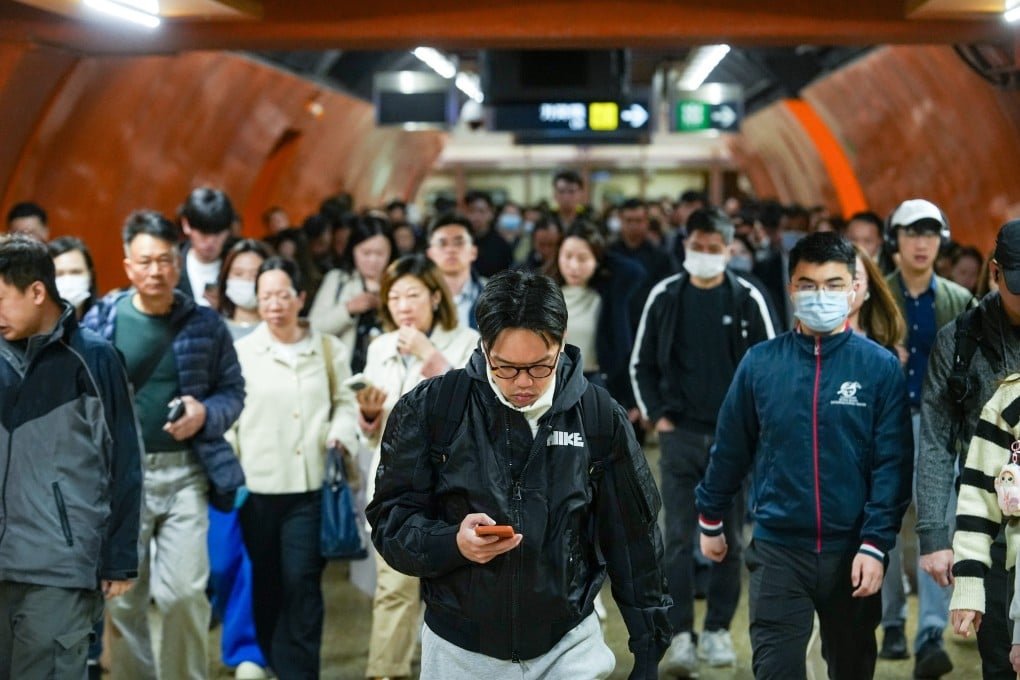
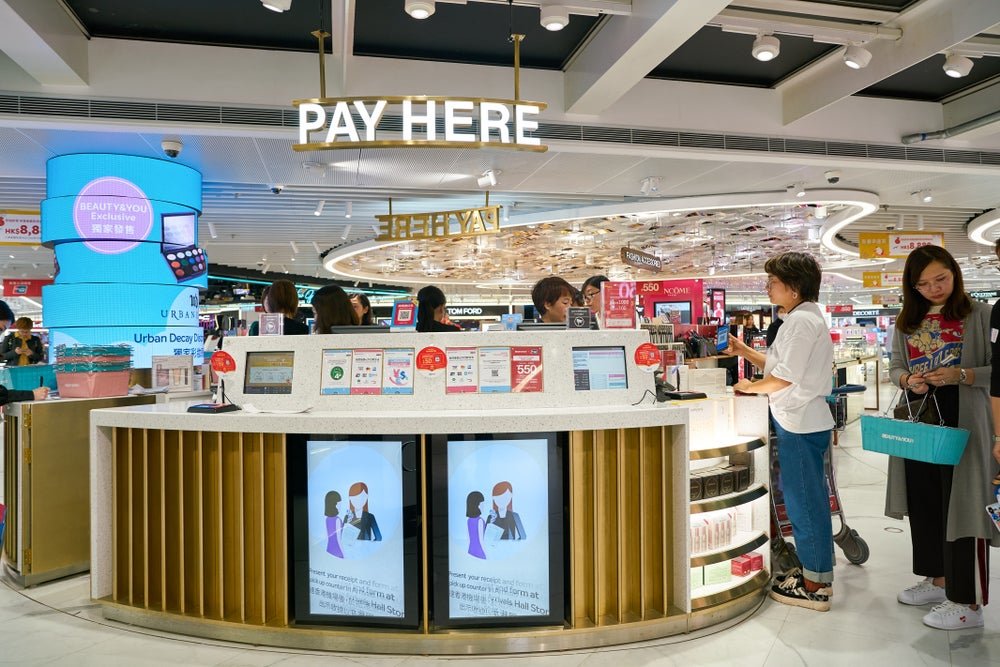
The regulatory push reflects a broader transformation in Hong Kong’s payments landscape, where consumers and businesses increasingly rely on digital and contactless methods for daily transactions.
Authorities have stressed that robust oversight is essential to maintaining public trust and ensuring that innovation in payments develops alongside strong protections for users.
The strengthened supervision also aligns with wider financial technology initiatives in Hong Kong, including preparations for new regulatory frameworks covering emerging digital assets and cross-border payment connectivity.
Together, these measures underscore the city’s commitment to preserving financial stability while supporting innovation in one of Asia’s most advanced payment ecosystems.
The enhanced framework clarifies how payment systems are designated for oversight and sets out stricter expectations for governance, risk management, operational resilience, and regulatory compliance.
Under the updated regime, retail payment systems that play a significant role in everyday commercial activity are subject to closer monitoring to ensure they operate safely and efficiently.
The measures apply to systems involved in the transfer, clearing, or settlement of retail payment obligations, with particular emphasis on reducing the risk of service disruption and safeguarding the integrity of transactions.
Major international and domestic payment networks operating in Hong Kong are already designated under the supervisory framework and are required to meet defined standards on system reliability, security controls, and incident reporting.
Regulators have signalled that these requirements are designed to keep pace with the growing scale and complexity of electronic payments, including card-based transactions, mobile wallets, and instant transfer services.
The regulatory push reflects a broader transformation in Hong Kong’s payments landscape, where consumers and businesses increasingly rely on digital and contactless methods for daily transactions.
Authorities have stressed that robust oversight is essential to maintaining public trust and ensuring that innovation in payments develops alongside strong protections for users.
The strengthened supervision also aligns with wider financial technology initiatives in Hong Kong, including preparations for new regulatory frameworks covering emerging digital assets and cross-border payment connectivity.
Together, these measures underscore the city’s commitment to preserving financial stability while supporting innovation in one of Asia’s most advanced payment ecosystems.