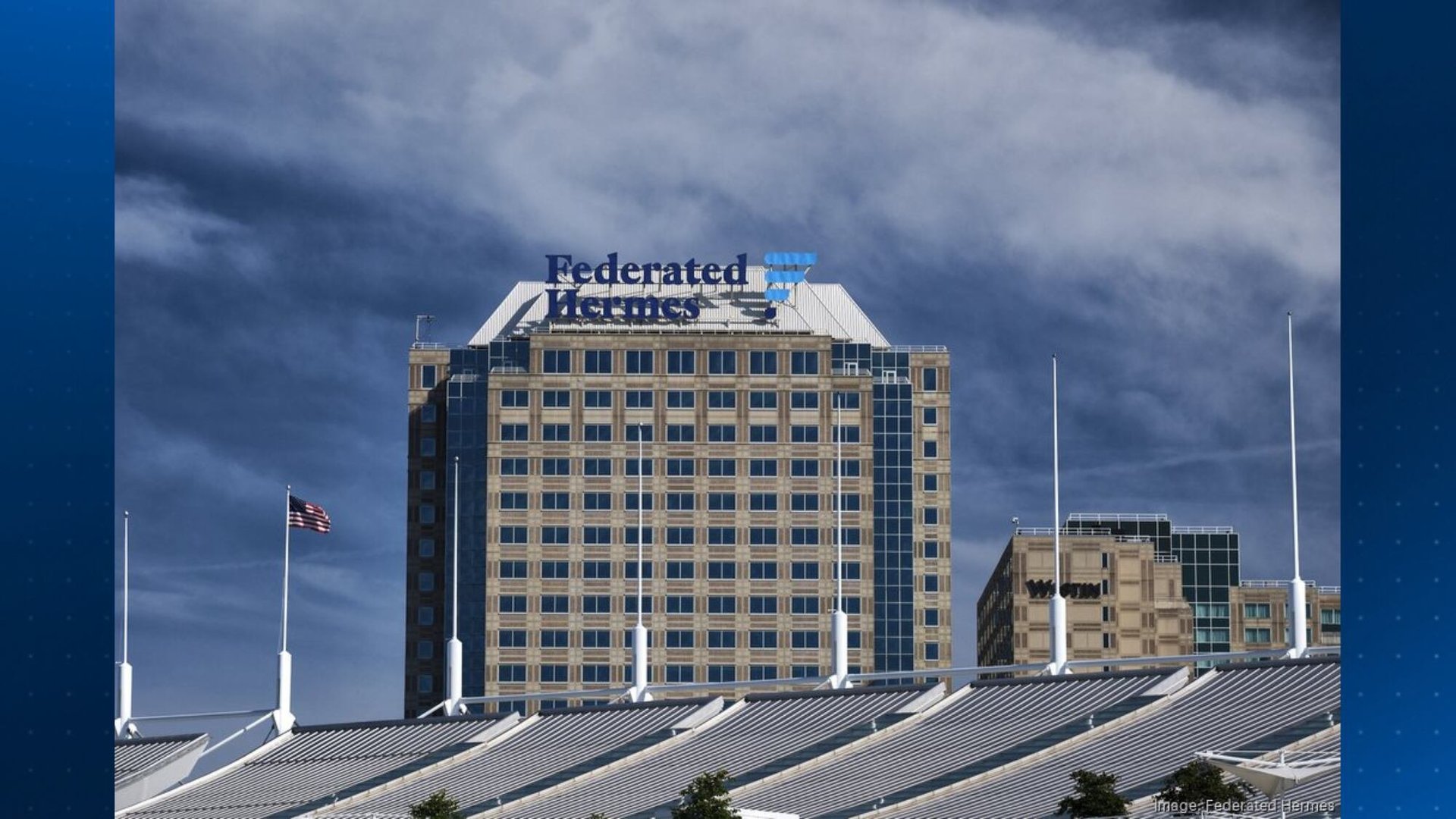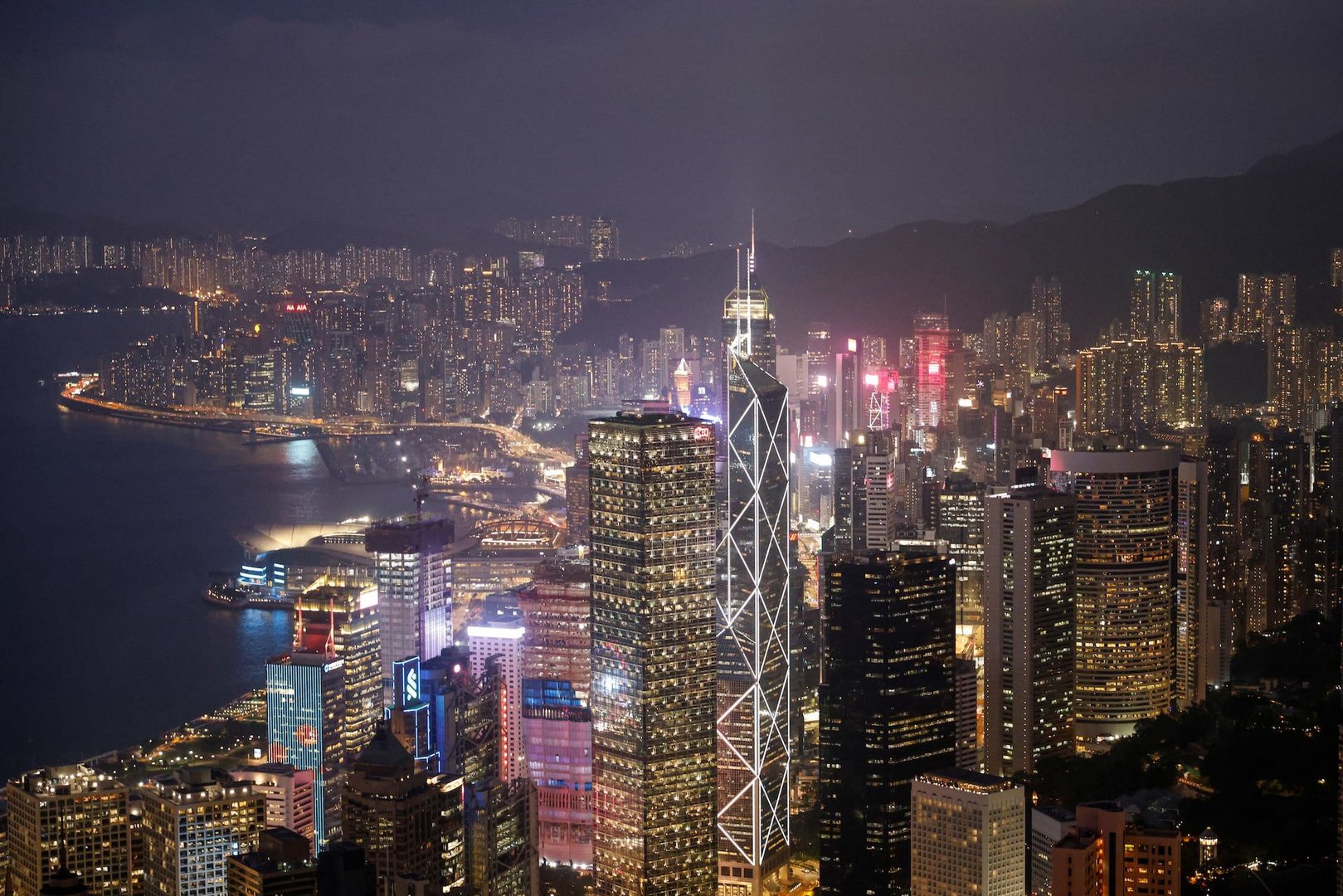
AmCham survey shows a marked increase in optimism among companies about the city’s economic outlook for 2026, even as geopolitical challenges persist
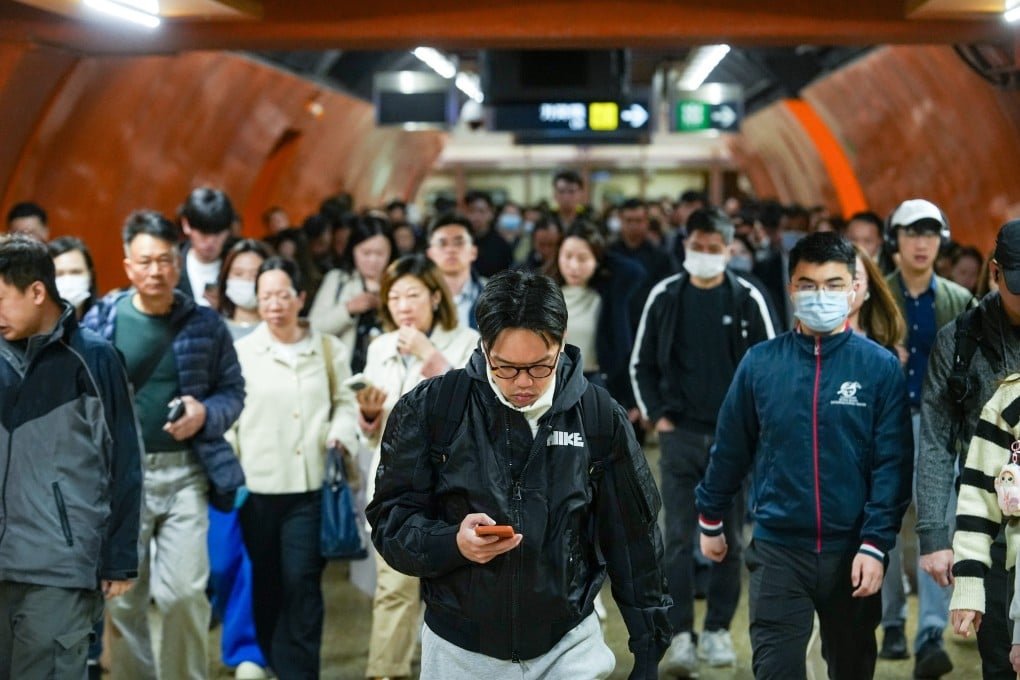
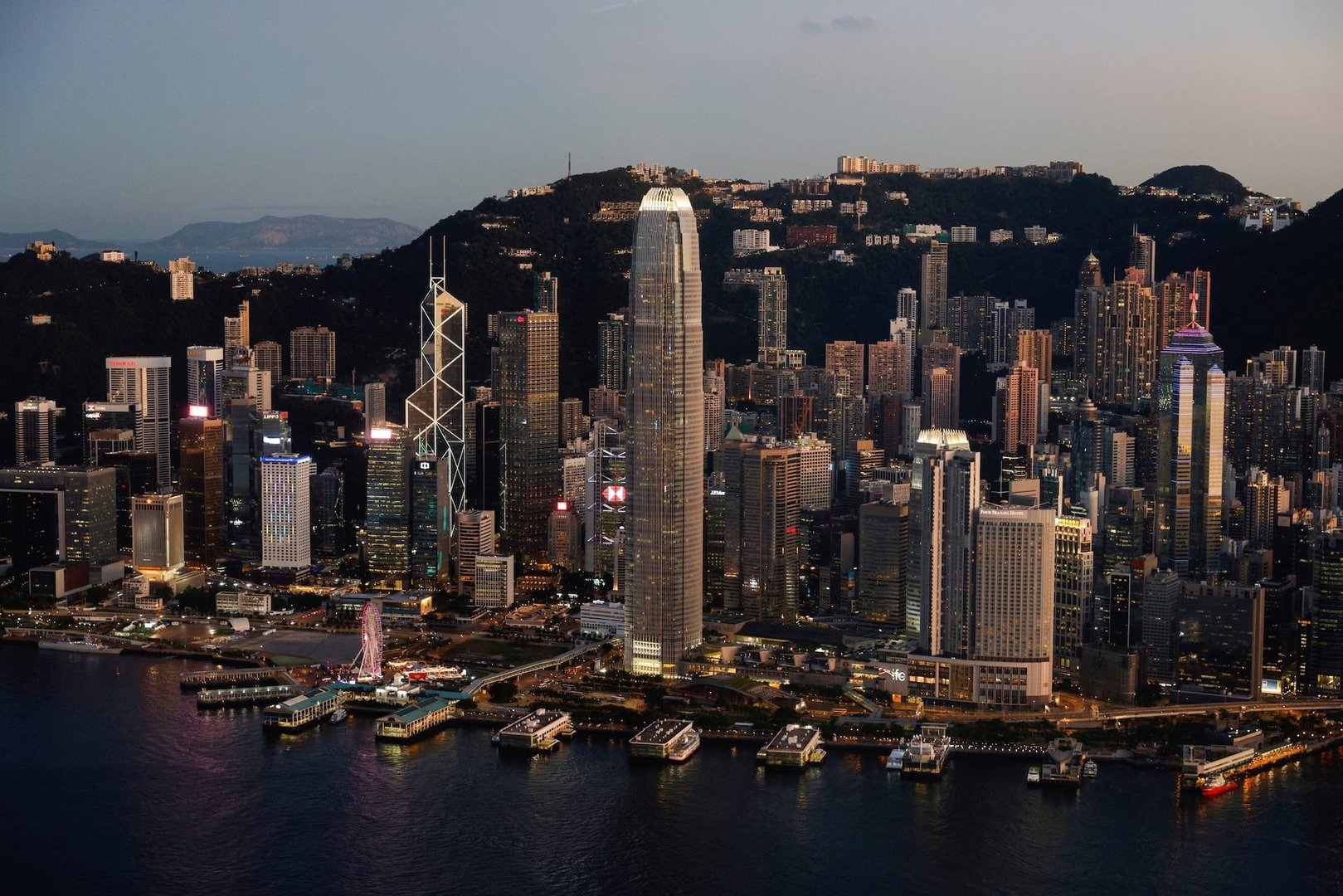
Business confidence in Hong Kong has strengthened significantly for 2026, with more than half of respondents in a recent American Chamber of Commerce in Hong Kong survey reporting optimism about their prospects over the next year.

The proportion of senior corporate decision-makers expressing a positive outlook rose to over fifty percent, up sharply from just thirty-three percent in the previous survey, underscoring a rebound in sentiment among multinational firms active in the territory.

The survey was conducted between November 2025 and January 2026, capturing corporate views amid a complex global economic and geopolitical backdrop.

Despite long-running tensions between Washington and Beijing — which remain the foremost concern for many respondents — improved confidence reflects a perception of stabilising conditions and a resilient corporate environment.

The report noted that although companies continue to view U.S.-China relations as a major business challenge, broader uncertainty and the perceived lack of differentiation between Hong Kong and mainland China were cited as having the greatest impact on operations.

Nevertheless, a large majority of multinational firms indicated they have no intention of relocating their regional headquarters away from Hong Kong in the next three years, suggesting sustained commitment to the city as a strategic base.

Survey participants also highlighted several persistent challenges, including trade tariffs and compliance with both U.S. and Chinese regulatory regimes, but many respondents pointed to improving consumer sentiment and expectations of further interest rate cuts in the United States as supportive factors for consumption and investment activity.

A Hong Kong government spokesman said that while external uncertainties remain, conditions that foster investment and business activity are helping to bolster local economic confidence.

This trend aligns with other indicators of corporate resilience in the city’s economy as it navigates evolving global economic dynamics.
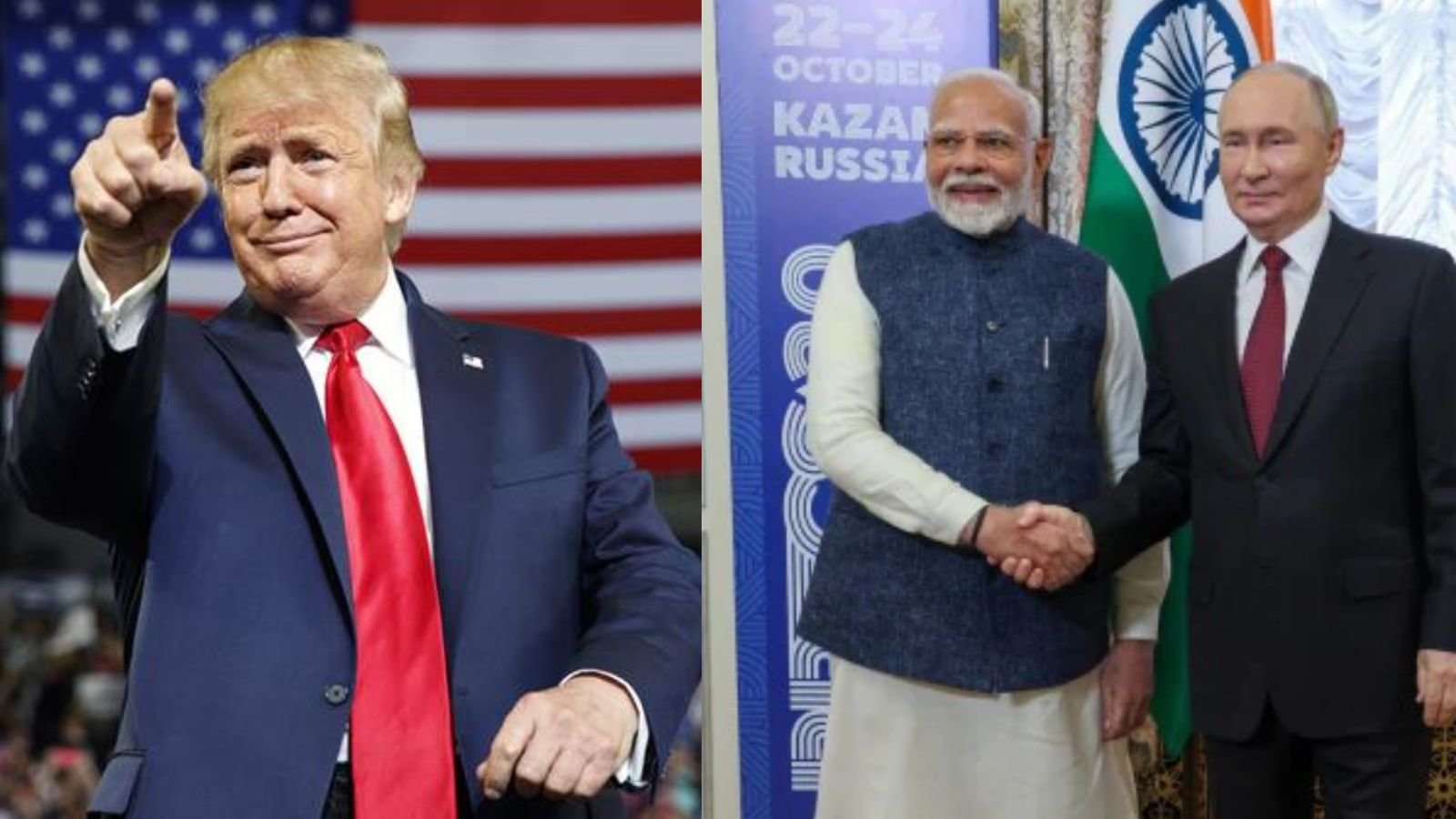
The U.S. president says tariffs on Indian goods will fall from twenty-five percent to eighteen percent as India commits to major U.S. purchases and a shift away from Russian crude
President Donald Trump said the United States will reduce tariffs on Indian goods after Prime Minister Narendra Modi agreed to halt India’s purchases of Russian oil, announcing what he described as a new trade understanding that links market access and energy policy to broader strategic alignment.

In a statement posted after a call with Modi, Trump said the United States would lower its “reciprocal” tariff on Indian exports to eighteen percent, down from twenty-five percent, effective immediately.

He framed the move as a direct response to Modi’s request and as part of a wider effort to tighten pressure on Russia by limiting the oil revenues that have sustained Moscow’s war financing.

The announcement follows months of tariff tension in which Washington had tied tougher trade measures to India’s continued buying of discounted Russian crude.

Trump’s latest decision signals a shift from pressure to partnership, positioning the tariff reduction as a practical reward for a policy change that would realign India’s energy flows away from Russia.

According to the terms described alongside the announcement, India would remove import tariffs and non-tariff barriers on U.S. goods and commit to substantially larger purchases from American suppliers, including energy and other strategic sectors.

Figures circulating with the deal referenced a “buy American” commitment reaching as high as five hundred billion dollars, although operational details and timelines were not publicly set out.

Modi welcomed the tariff cut and presented it as a strengthening of the U.S.–India partnership, a relationship that has expanded across security, technology, and investment.

The agreement, as described, would represent one of the most consequential trade-and-energy linkages between the two countries in years, with potential ripple effects for global oil markets and supply chains.

The practical impact will now depend on implementation: how quickly India can reduce or end Russian oil purchases, the scope of any tariff removals on the Indian side, and the extent to which the new tariff rate applies across major export categories.

Even with those details still emerging, Trump’s move underscores a broader strategy of using targeted tariff leverage to secure policy shifts and deliver negotiated outcomes with major partners.
City anticipates a year-on-year rise in visitors over the Chinese New Year period as travel rebounds and festive events draw crowds
Hong Kong is gearing up for a notable surge in visitor arrivals over the upcoming Lunar New Year period, with authorities forecasting a year-on-year increase driven largely by tourists from mainland China and other markets.

Officials have highlighted optimism around the eight-to-nine-day “Golden Week” holiday that will run in mid-February, expected to encourage travel as mainland residents take extended time off and seek destinations with comprehensive celebrations and attractions.

Enhanced experiences, including fireworks displays and cultural events, are planned to cater to a broad mix of tourists and reinforce the city’s appeal.

The broader context for these expectations is a sustained rebound in Hong Kong’s tourism sector, which saw nearly fifty million visitor arrivals in 2025, a rise of twelve percent compared with the previous year and underpinned by strong growth from mainland China and international markets.

Mainland travellers accounted for the majority of inbound tourism, reflecting improved mobility and growing demand for cross-border travel.

With the Lunar New Year holiday coinciding with a longer festive break for many in the region, Hong Kong’s tourism authorities and business leaders are projecting that visitor numbers during this peak season will exceed those of recent years, contributing further to the city’s ongoing recovery in travel and hospitality demand.

Local government and tourism bodies have also highlighted preparations to ensure a smooth and high-quality experience for visitors, including enhanced transport arrangements and festival programming.

Early signals from arrivals data and industry sentiment point to robust interest from both domestic and overseas travellers, adding to confidence that the city will maintain upward momentum in the year ahead.
Jensen Huang says the headline figure was never binding, raises concerns about OpenAI’s internal discipline, and signals a sizeable but phased commitment instead
Nvidia has paused its earlier plan to invest up to one hundred billion dollars in OpenAI after senior executives at the chipmaker raised doubts about the proposed arrangement, according to recent reporting and public comments by Nvidia’s chief executive, Jensen Huang.

Speaking to journalists in Taiwan, Huang said the figure discussed last year was not a firm obligation and should not be treated as a settled commitment.

He described the proposal as an invitation from OpenAI rather than a binding agreement, adding that Nvidia would proceed “one step at a time” rather than on the scale suggested in the original headline number.

The investment concept was unveiled in September as part of a broader partnership in which Nvidia capital would support OpenAI’s build-out of large data-centre infrastructure designed around Nvidia’s artificial intelligence chips.

Subsequent reporting has indicated the discussions never reached a final, executable deal and that negotiations remained at an early stage, with progress slowing rather than advancing toward quick completion.

People familiar with the talks have said Huang has, in private discussions over recent months, criticised what he viewed as a lack of internal discipline at OpenAI and expressed unease about intensifying competition in the sector, including from major technology rivals.

OpenAI, for its part, has said teams on both sides remain actively engaged on partnership details and has emphasised that Nvidia’s technology has been central to its breakthroughs from the earliest stages and will remain core as it scales.

Despite shelving the earlier framework, Nvidia is still expected to participate meaningfully in OpenAI’s current fundraising effort.

OpenAI is reported to be seeking an investment round that could total around one hundred billion dollars at an implied valuation of roughly seven hundred and fifty billion dollars, with large backers such as SoftBank and Amazon also expected to be involved at substantial levels.

Huang has indicated Nvidia’s contribution in that round would be significant and could rank among the largest investments the company has ever made, while remaining structured as a phased commitment rather than a single, all-at-once pledge.
Chinese functional beverage leader completes landmark Hong Kong offering with strong cornerstone support and investor demand
Eastroc Beverage (Group) Co., Ltd. successfully raised HK$9.99 billion in its initial public offering on the Hong Kong Stock Exchange, marking one of the largest fundraising rounds in the city’s renewed IPO pipeline as trading commenced in early February.

The offering was priced at HK$248 per share, the top of the marketed range, reflecting robust demand from institutional and strategic investors.

Cornerstone backers included major global funds and sovereign investors, underlining confidence in the company’s growth trajectory and Hong Kong’s capital markets.

The Hong Kong listing follows Eastroc’s earlier announcement of a planned H-share offering of up to HK$10.14 billion and positions the Shanghai-listed beverage group for expanded international visibility and access to global capital.

Proceeds from the IPO are earmarked for enhancing production capacity, strengthening supply chains, expanding marketing efforts and supporting overseas expansion plans.

Eastroc has dominated China’s functional beverage segment, maintaining a leadership position in energy and hydration drinks with notable revenue and profit growth in recent years.

Market participants view the IPO as a significant milestone in the ongoing rebound of Hong Kong’s initial public offering market, which has seen strong momentum with large deals attracting substantial investor interest.

The fundraising reflects both the appeal of consumer sector businesses with solid fundamentals and the broader recovery of capital-raising activity in the territory.

Eastroc’s debut further underscores Hong Kong’s role as a key venue for major listings and international investment flows.
Supreme Court ruling voids Hong Kong firm’s contract to operate key Panama Canal ports, prompting potential claims and geopolitical tension
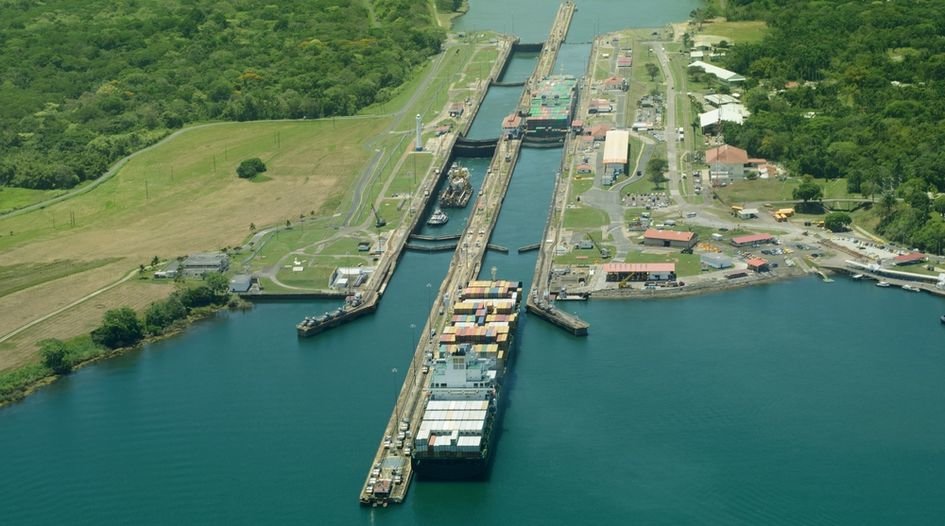
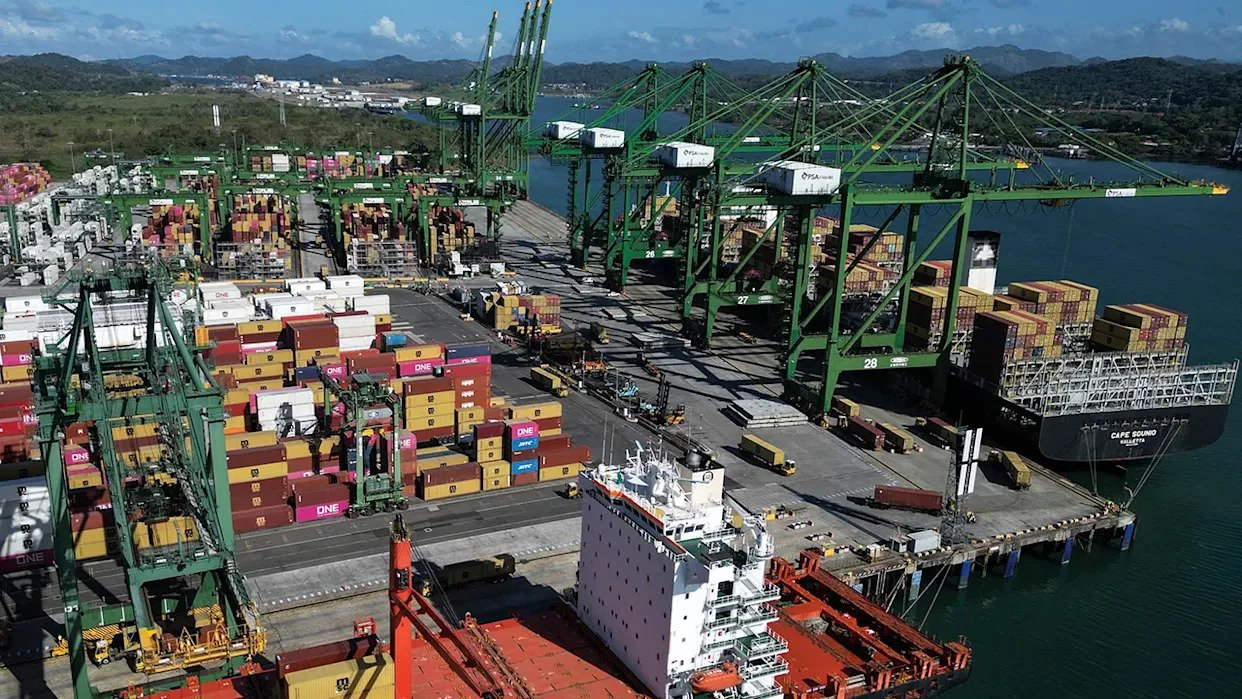
A Hong Kong-based conglomerate is examining possible legal challenges after Panama’s Supreme Court ruled that its long-standing concession to operate the Balboa and Cristóbal ports at the entrances to the Panama Canal was unconstitutional, effectively stripping the company of its rights to run the strategically vital terminals.

The judgment stems from lawsuits and a government audit that found procedural irregularities in the extension of the concession without proper constitutional backing.

Panama’s president has assured that port operations will continue during a transition, with a subsidiary of Danish logistics giant Maersk stepping in as interim administrator.

The affected firm, Panama Ports Company, a subsidiary of Hong Kong’s CK Hutchison Holdings, has emphasized that it served the country for nearly three decades and is considering all recourse options, including national and international legal proceedings.

The loss of the concession also disrupts a previously proposed $23 billion sale of global port assets involving the Panama terminals.

Hong Kong and Chinese officials have criticised the ruling as lacking legal basis and have urged respect for contractual frameworks, while Panama’s government underscores adherence to legal procedures and sovereign authority over infrastructure.

The dispute has drawn wider geopolitical attention, with the United States expressing support for Panama’s judicial action in line with efforts to limit foreign influence over critical infrastructure, particularly around the Panama Canal, which handles a significant portion of global maritime trade.

The situation highlights the intersection of international commerce, legal accountability and geopolitical strategy, and observers say the company’s potential claim could hinge on bilateral investment treaties and international arbitration mechanisms.

The next steps, including any formal claims and their venues, have yet to be announced, leaving the future of one of the world’s most important shipping gateways in a state of legal and political uncertainty.
New regulatory framework opens door for alternative asset funds to list, with Sequoia-backed private credit fund at the forefront
Hong Kong’s capital market is on the brink of a significant milestone as the city prepares to welcome its first listed private credit and private equity-style issuer under a newly implemented regulatory regime.

A fund managed by Sequoia Investment Management — SIMCo Infrastructure Private Credit OFC — has filed to float on the Hong Kong Stock Exchange, positioning itself as the first alternative asset fund of its type to seek public trading status in the city.

This development reflects broader efforts by Hong Kong authorities to expand the range of capital-raising instruments available on the exchange and attract global institutional investors.

The initiative stems from listing reforms introduced by Hong Kong’s securities regulator in 2025 that authorise closed-ended funds investing primarily in private and less liquid assets — including private equity and private credit strategies — to pursue initial public offerings.

Under the updated rules, eligible funds must demonstrate stable cash flows and transparent valuation methodologies, with a minimum expected market capitalisation of HK$780 million (about US$100 million) at the time of listing.

The reforms represent a deliberate effort to broaden Hong Kong’s capital markets beyond traditional equity issuers and bolster its appeal as a global hub for alternative asset classes.

SIMCo’s planned listing, which aims to raise approximately US$200 million, has attracted attention from market participants who see it as a key test case for the new framework.

If approved, the infrastructure-focused private credit fund will provide public investors with access to an asset class that has historically been confined to institutional and high-net-worth circles.

Listing such a vehicle in Hong Kong could set a precedent for other funds in the private equity and credit space to consider similar capital market strategies, potentially deepening the city’s financial ecosystem.

The move comes amid a broader resurgence in Hong Kong’s initial public offering market, which has seen strong fundraising activity and a substantial pipeline of issuers.

Regulators and industry representatives have emphasised that expanding the exchange’s product offerings — including through private credit and private equity listings — is part of a long-term strategy to enhance market diversity and meet evolving investor demand.

As Hong Kong positions itself at the forefront of Asia’s capital markets, the approval of the territory’s first private credit-linked listing could mark a defining moment in its development as a leading global financial centre.
HKSAR passport holders can enter Azerbaijan up to three times without a visa for short stays under a new pilot scheme
Azerbaijan has implemented a pilot visa-free regime allowing holders of Hong Kong Special Administrative Region passports to enter the country without a visa beginning 2 February 2026, the Azerbaijani government has announced.

Under the arrangement, eligible travellers may make up to three visa-free entries through 2 February 2027, with each visit permitted for stays of up to thirty days, a move intended to enhance travel convenience and strengthen tourism and business links between the two places.

The new policy expands the number of destinations offering visa-free or visa-on-arrival access to HKSAR passport holders to 175, according to local authorities, and is seen as a boost for both leisure and commercial travel.

Azerbaijani officials and Hong Kong immigration representatives have framed the pilot as a step toward deeper cultural, economic and people-to-people exchanges, particularly in sectors such as construction services, logistics and project finance, where Hong Kong companies have been active in Azerbaijan’s development landscape.

To qualify for visa-free entry, travellers must hold a valid Hong Kong Special Administrative Region passport and meet standard entry requirements, including having at least six months’ passport validity and proof of onward travel.

The pilot permits only three visa-free visits during the one-year period; visitors who plan more frequent travel or longer stays will need conventional visas.

Hong Kong officials said reciprocal arrangements for Azerbaijani nationals remain under discussion but have not yet been concluded.

The policy has been welcomed by travel and business communities, with tour operators exploring new routes and packages, and corporate mobility managers noting that simplified entry rules will facilitate due-diligence trips and short-term work rotations.

Observers suggest the concession may also attract greater interest in Azerbaijan’s emerging tourist attractions, including its historic Silk Road cities and Caspian Sea coastline, as well as further investment and collaboration opportunities.
Record delegation and multiple Innovation Awards underscore Hong Kong’s advancing role on the global tech stage
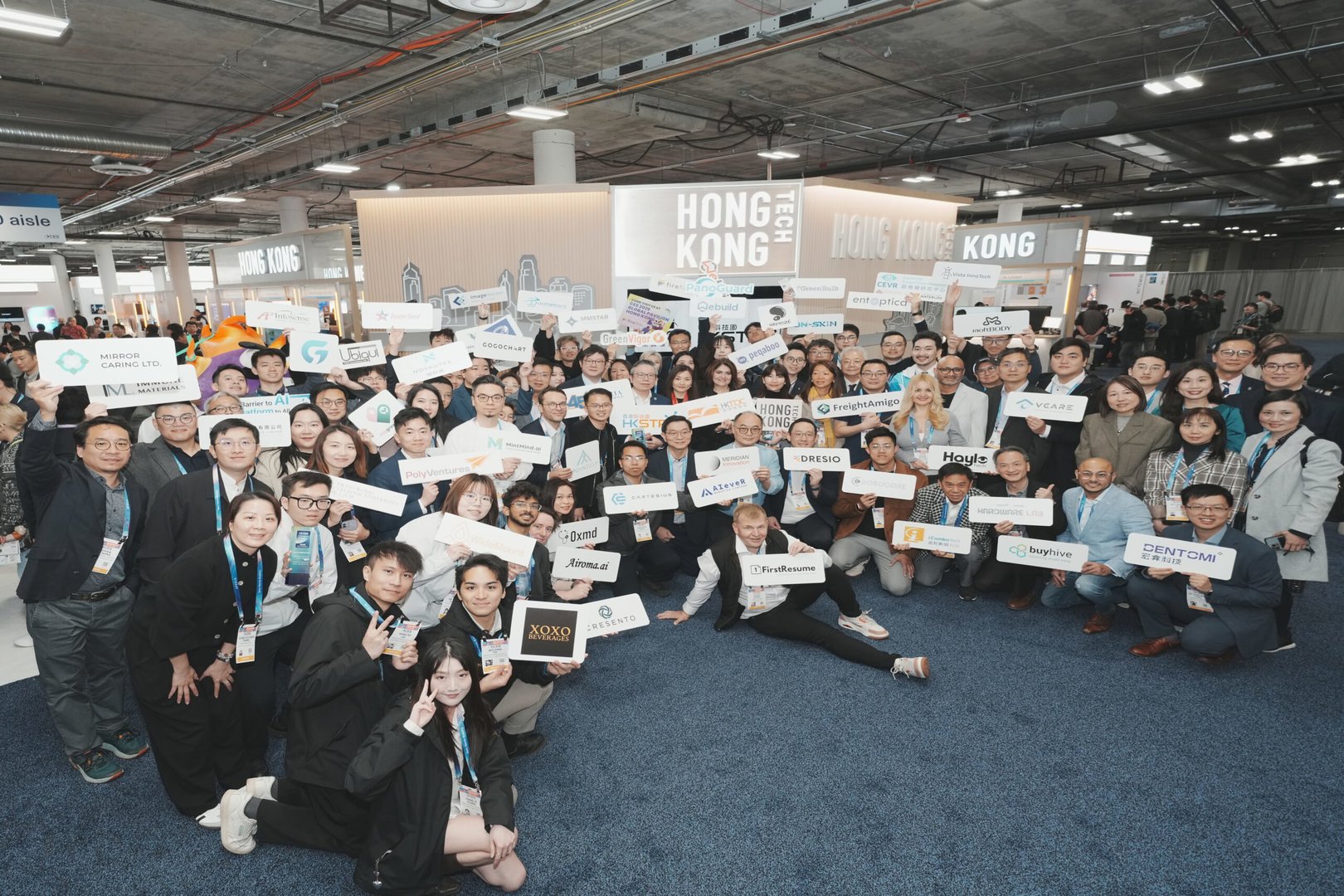
Hong Kong’s technology sector made a striking impact at the Consumer Electronics Show (CES) 2026 in Las Vegas, with an unprecedented delegation of more than sixty local companies showcasing cutting-edge innovations across critical high-growth sectors.

The Hong Kong Tech Pavilion, the largest ever at the event, featured technologies spanning advanced materials, artificial intelligence, digital transformation, electronics, robotics and life-sciences solutions, drawing significant attention from global investors and industry leaders.

The city’s presence at the world’s premier technology exhibition reflected the strength and diversity of its innovation ecosystem.

Three Hong Kong innovators earned coveted recognition at the CES Innovation Awards 2026. Point Fit Technology Limited’s ultra-thin wearable patch for continuous sweat lactate monitoring won in the Digital Health category for its non-invasive real-time health tracking capability, while Eieling Technology Limited’s portable fatty liver diagnostic device delivered medical-grade assessments in approximately thirty seconds.

Widemount Dynamics Tech Limited captured the “Best of Innovation” distinction for its AI-powered Smart Firefighting Robot, a solution designed to operate in hazardous environments and enhance human safety.

These accolades highlighted not only technical ingenuity but also real-world application potential across health, safety and wellness domains.

Beyond award winners, numerous Hong Kong enterprises presented a broad range of promising technologies at CES 2026, from robotics and AI systems to wearable health devices and sustainability-oriented solutions, demonstrating the city’s capacity to deliver market-ready innovation with global relevance.

Delegates reported that the Hong Kong pavilion attracted thousands of visitors, facilitating valuable networking and commercial opportunities.

Industry observers noted that this strong showing reinforces Hong Kong’s reputation as a dynamic international hub for research, development and cross-border collaboration in technology and innovation.
Monetary Authority set to grant a limited number of fiat-referenced stablecoin issuer licences as global crypto oversight advances
Hong Kong is poised to issue its first cohort of stablecoin issuer licences in March, as the territory’s new regulatory framework for digital assets moves into its implementation phase.

The Hong Kong Monetary Authority has indicated that the review process for applications received under the Stablecoins Ordinance is nearing completion, with only a very small number of licences expected to be granted in the initial round.

The licensing regime, which came into effect on 1 August 2025, requires any entity issuing fiat-referenced stablecoins — including those pegged to the Hong Kong dollar or other currencies — to obtain authorisation from the HKMA.

Prospective issuers must demonstrate robust reserve backing, sound risk management frameworks and strong anti-money laundering controls as part of the vetting process.

HKMA Chief Executive Eddie Yue told lawmakers that 36 applications are under detailed assessment and that regulators have requested further information from several applicants on use cases and compliance measures.

The authority’s cautious rollout reflects its focus on financial stability and investor protection, with a high bar set for initial licence recipients.

Once licences are granted, authorised issuers will be permitted to issue, administer and redeem stablecoins in Hong Kong, with stringent requirements on reserve assets and redemption practices designed to align with international standards.

Unlicensed stablecoins, by contrast, may only be offered to professional investors under limited conditions.

The forthcoming licences represent a significant milestone in Hong Kong’s strategy to establish itself as a regulated hub for digital finance and stablecoin issuance.

While the initial batch will be limited in number, authorities hope the licensing regime will provide a foundation for sustainable growth in digital asset markets in the territory and enhance confidence among institutional and retail stakeholders alike.
China’s largest functional beverage maker debuts on the Hong Kong Stock Exchange, marking a major step in its international expansion
Eastroc Beverage (Group) Co., Ltd., China’s leading functional beverage producer, has begun trading on the Hong Kong Stock Exchange following the completion of its initial public offering, which raised approximately HK$10.14 billion (about $1.3 billion).

The company priced its H-share offering at the top of its range, with an offer price of HK$248 per share, demonstrating strong investor interest ahead of its debut.

The listing on February 3 adds Eastroc to the roster of high-profile Hong Kong listings in a robust IPO market.

The offering comprised roughly 40.9 million H-shares, with Morgan Stanley, UBS and Huatai International serving as joint sponsors and bookrunners.

Cornerstone investors including Tencent Holdings, Singapore’s Temasek, Qatar Investment Authority and BlackRock committed to a substantial portion of the shares, underpinning confidence in Eastroc’s growth prospects.

The company’s dual listing strategy complements its existing Shanghai listing, giving it broader access to international capital and enhancing its global profile.

Eastroc’s portfolio includes energy and sports drinks, ready-to-drink teas and coffees, plant-based protein drinks and fruit juices.

It has been China’s largest maker of functional beverages by sales volume since 2021, and its recent financial filings indicate robust revenue and profit growth over multiple years.

Management said proceeds from the IPO will support expansion of production capacity, supply chain enhancements, marketing initiatives and overseas growth.

The company’s entry into the Hong Kong market comes as the city’s exchange reasserts itself as a global capital-raising hub, with several major debuts bolstering investor appetite.

Eastroc’s successful listing underscores the vibrancy of Hong Kong’s IPO landscape and reflects strong demand for Chinese consumer growth stories among global institutional and retail investors.

The stock’s commencement of trading marks a key milestone in Eastroc’s strategy to expand beyond its domestic base and compete more broadly in international beverage markets.
Hosts kick off expanded 24-team tournament with a historic pool match as Hong Kong makes its Rugby World Cup debut
Australia will launch its campaign at the 2027 Men’s Rugby World Cup by hosting Hong Kong China in the opening match of the tournament in Perth on October 1 next year.

The fixture, confirmed as part of the full schedule released by organisers, marks the first time Hong Kong China will participate in the Rugby World Cup after qualifying through the Asia Rugby Championship, and it will be the first game of the expanded 24-team global event.

The Wallabies’ curtain-raiser comes as part of Pool A, which also features traditional rivals New Zealand and South American side Chile.

After the opening match in Perth, Australia will face the All Blacks at Sydney’s Accor Stadium on October 9, before concluding its pool fixtures against Chile in Brisbane on October 16.

Rugby Australia’s leadership welcomed the announcement, highlighting the significance of opening the Rugby World Cup on home soil for the first time since 2003. Perth Stadium will host the Wallabies’ first match in front of an anticipated large local crowd, with fans eager to see the hosts begin their bid for glory in a tournament that spans seven Australian cities over six weeks.

With a blend of established powerhouses and emerging nations, the World Cup schedule reflects rugby’s growing global reach and offers a broad showcase of international competition through to the final on November 13 in Sydney.
A new youth survey finds widespread concern among young adults about career prospects in an AI-driven economy
A growing share of Hong Kong’s youngest workforce is expressing unease about its ability to compete with artificial intelligence, according to a recent youth survey that highlights rising anxiety over employment prospects.

The findings show that sixty-two per cent of respondents from Generation Z said they fear they will struggle to compete with AI technologies as automation and machine learning become more deeply embedded across industries.

The survey indicates that concerns are particularly pronounced among students and recent graduates preparing to enter the job market, where AI tools are increasingly used for data analysis, content generation, customer service and decision-making.

Many respondents said they worry that rapid technological adoption could outpace their own skills, leaving them at a disadvantage compared with automated systems or more technically trained peers.

Despite these concerns, the results also point to a strong appetite for reskilling and adaptation.

A large proportion of those surveyed said they believe education systems, employers and community organisations should place greater emphasis on digital literacy, critical thinking and human-centred skills that complement, rather than compete with, artificial intelligence.

Respondents also highlighted the importance of guidance on how AI can be used as a supportive tool rather than a direct replacement for human labour.

The survey emerges as Hong Kong accelerates efforts to position itself as a regional technology and innovation hub, with artificial intelligence playing a central role in economic planning and business transformation.

While these developments promise productivity gains and new opportunities, the findings underscore the psychological and professional pressures facing young people as they navigate a rapidly changing labour market shaped by emerging technologies.
Rising rental rates and fierce bidding battles are squeezing residents, pushing many to pay more for less space in the territory’s tightening housing market
Hong Kong’s rental market is once again tightening sharply, leaving tenants grappling with escalating costs and shrinking living space as competition for available flats intensifies.

Official data show rents climbing for the third consecutive year, with the private residential rental index recording annual growth of about four point two six per cent in 2025 and marking a persistent upward trend in a market already among the most unaffordable in the Asia-Pacific region.

Residents and business tenants alike are finding themselves in bidding contests, often offering above the listed asking price to secure accommodation, with smaller, more affordable units especially in high demand.

For many, this means trading up only by compromising on space: tenants who once rented larger units now pay substantially more for smaller or equivalent areas as landlords capitalise on strong demand.

Competitive pressures are intensifying in districts popular with professionals and returning expatriates, reflecting not only local shortages of supply but also robust leasing demand from new arrivals under visa and talent programmes that have helped grow the city’s population and bolster rental demand.

Despite the broader property market’s uneven performance — where home prices have struggled and office and retail rents face separate headwinds — residential rent growth continues to outpace other segments, contributing to Hong Kong’s status as one of the most rent-burdened cities, with median rents consuming a high share of household income.

Tenants report that securing space often involves quick decision-making and flexibility on location or layout, underscoring the squeeze on available residential properties.

While modest rental growth has helped stabilise certain asset classes and supported investor confidence, it has also sharpened debates about affordability and long-term housing policy in a city long characterised by high living costs and limited land supply.

Against this backdrop, calls for strategic planning to expand housing stock and enhance affordability are gaining traction as Hong Kong confronts the challenge of meeting resident needs without exacerbating social and economic strain.
Chinese discount snack retailer’s debut on the Hong Kong Stock Exchange sees stock climb sharply, catalysing significant wealth creation for its co-founders
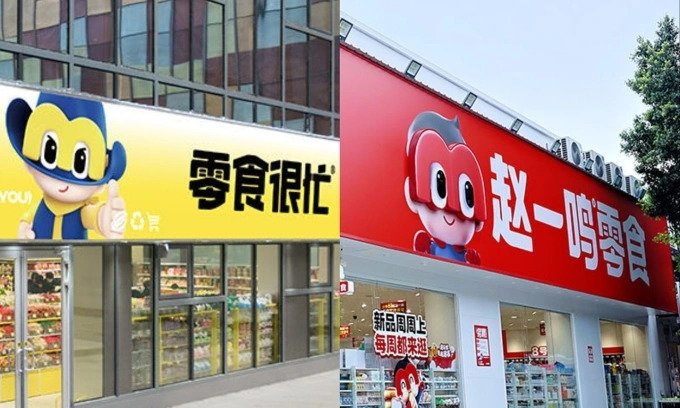
Shares of Busy Ming Group Co, a Chinese snack and beverage retailer specialising in value-oriented products, made a spectacular debut on the Hong Kong Stock Exchange, surging nearly ninety per cent from their initial offer price on the first day of trading.

The company’s initial public offering raised approximately HK$3.67 billion, an outcome underscored by strong demand from both retail and institutional investors that saw the retail tranche oversubscribed by almost nineteen hundred times.

The stock opened significantly above its offer price of HK$236.60 and traded as high as HK$445 in early session trading, before settling somewhat lower yet still well above the IPO level, giving Busy Ming a significant market capitalisation.

The rapid appreciation in the share price instantly created substantial wealth for the company’s co-founders, elevating the net worth of Chairman Yan Zhou to an estimated US$3.1 billion and Deputy Chairman Zhao Ding to about US$2 billion.

Both derived their new billionaire status from their respective stakes in the business, a testament to investor confidence in their leadership and the firm’s growth trajectory.

Busy Ming’s business model, which focuses on offering snacks such as biscuits, nuts and beverages at prices typically below those of traditional supermarkets, has resonated with value-conscious consumers across China.

According to its listing prospectus, the company operates more than twenty-one thousand retail outlets across the country, a majority of them in smaller towns and counties, and reported strong revenue and profit growth in the most recent financial period.

The success of the listing also reflects broader momentum in Hong Kong’s equity markets, where consumer-focused and new economy companies have tapped capital-raising opportunities in recent months.

Busy Ming plans to deploy the IPO proceeds to enhance its supply chain, upgrade its store network and support product development, anticipating that these investments will underpin further expansion and operational efficiencies.

With its first day of trading marked by such a robust investor response, the company’s stock performance has captured attention among market participants watching the vibrancy of Hong Kong’s initial public offering landscape.
Chinese electric vehicle maker’s stock seen trading down over one per cent in early Hong Kong session, reflecting broader volatility and profit pressure concerns
Hong Kong-listed shares of BYD Company Limited were set to open lower on Monday, with pre-market activity indicating a decline of more than one per cent as investor sentiment remained cautious around the Chinese electric vehicle manufacturer’s equity.

BYD’s stock, which has experienced notable intraday volatility, is reacting to broader market signals and ongoing discussions about profitability and competitive pressures in the global EV sector.

The anticipated soft opening follows recent fluctuations in the share price, with the stock having moved within a wide trading range in recent sessions, reflecting sensitivity to earnings performance, sales momentum and sector dynamics.
Investors have been weighing BYD’s strong global delivery figures and expansion plans against challenges faced in its domestic market, where price competition and regulatory guidance on pricing strategies have weighed on quarterly results.

While the company continues its international push and plans for increased overseas deliveries — a strategic effort to balance domestic headwinds — markets in Hong Kong remain attuned to near-term earnings drivers and broader sentiment in equity trading.

The subdued opening also reflects technical positioning and profit-taking following periods of share price strength, as well as continued attention to macroeconomic cues and expectations for corporate performance.

Analysts note that despite short-term softness in trading, BYD’s long-term fundamentals — including its integrated manufacturing footprint and expanding global footprint — continue to underpin investor interest, even as volatility persists in the near term.
Stock edges around US$8.49 on Singapore Exchange amid ongoing share repurchases and focus on capital allocation ahead of earnings
Hongkong Land’s stock continued to command market attention on Monday as shares of the long-established Asian property investment and development group traded close to US$8.49 on the Singapore Exchange, with buyback activity remaining a central theme for investors.

The company’s share price has been supported by a steady stream of on-market repurchases under its existing equity buyback programme, with management cancelling accumulated shares as part of its capital-allocation strategy.

Recent filings show that Hongkong Land repurchased hundreds of thousands of ordinary shares in late January, with weighted average prices in the low eight-U.S.-dollar range, all earmarked for cancellation under the previously announced up-to US$200 million cap on repurchases.

This consistent repurchase cadence has prompted market participants to closely monitor the pace and pricing of buybacks as a gauge of management confidence and underlying demand for the stock.

The buybacks come against a backdrop of broader macroeconomic uncertainties and shifting policy expectations in the region, particularly as investors weigh property sector dynamics and central bank policy signals.

Attention is also focusing on the company’s forthcoming earnings report, which may provide fresh insight into near-term earnings trends and asset performance.

Analysts have noted that while buybacks can enhance per-share metrics and provide technical support, fundamental performance in Hongkong Land’s core markets, including Hong Kong’s premium office segment, will remain critical for sustaining confidence.

The share price near the upper end of its recent trading range reflects this interplay between corporate action and market sentiment, with buyers and sellers alike positioning ahead of key corporate catalysts and broader market developments.
New full-time job openings for university graduates fall dramatically year-on-year, underscoring one of the weakest hiring environments in recent memory
Hong Kong’s labour market has delivered stark evidence of tightening opportunities for recent university graduates, with data showing a steep drop in the number of full-time positions suitable for new entrants compared with the prior year.

Early employment listings for the first quarter of 2025 — a key hiring period for new graduates entering the workforce — recorded only around seven thousand nine hundred full-time openings, marking a collapse of more than half from the same period in the previous year and significantly below even pandemic-era levels.

The plunge has been driven by contraction across sectors that traditionally absorbed large numbers of graduates.

The customer service category, encompassing retail, hospitality and tourism roles, saw vacancies collapse by over ninety per cent.

Education, information technology, research and development, marketing and financial services also registered double-digit declines in positions year-on-year, with many falling more than fifty per cent.

These sharp reductions in advertised roles have raised concerns among employers and career advisers alike about the prospects for the city’s newest workforce, who now face more intense competition for scarce openings and must navigate a market that has contracted beyond previous downturns.

At the same time, employers told analysts that while vacancies have fallen, there is still selective demand for specific skill sets and better-offered salaries for those roles that remain, suggesting a divergence between overall volume of positions and targeted recruitment needs.

The stark reduction in available graduate positions comes amid broader employment trends characterised by cautious hiring strategies and a shift in organisational priorities amid economic uncertainties.

As Hong Kong continues to position itself as a regional hub for business and finance, the shape of the job market for new graduates is being closely watched by policymakers, universities and corporate leaders seeking to align talent development with evolving industry demands.
A surge in listings and fundraising in late 2025 propels Hong Kong back to prominence as companies prepare more offerings in 2026
Hong Kong’s initial public offering market has re-emerged as a global powerhouse, posting one of its strongest recent starts to the year and cementing the city’s role as a leading venue for corporate listings.

Building on an exceptional 2025, when Hong Kong reclaimed the top spot in global IPO fundraising with roughly HK$285.8 billion raised across more than 100 new listings, market participants entered 2026 with renewed vigour as January delivered unusually robust activity.

The surge reflects a heterogeneous mix of sectors, including technology, consumer goods, retail and industrial firms, and underscores the appeal of Hong Kong’s capital markets for both mainland Chinese and international issuers.

Analysts and advisors point to improving investor confidence, more accommodating regulatory frameworks, and strategic policy support as key drivers behind the rebound.

The Hong Kong Exchanges and Clearing operator noted early signs of sustained momentum, with several companies already pursuing public offerings and average trading volumes climbing, signalling deeper engagement from both domestic and overseas investors.

Looking ahead, major accounting and advisory firms forecast that total IPO proceeds in 2026 could reach between HK$320 billion and HK$350 billion, buoyed by a strong pipeline of candidates, including potential mega-deals and innovation-led listings in areas such as biotech, artificial intelligence and advanced manufacturing.

With more than 300 applications currently under review and expectations of around 150 companies listing this year, Hong Kong’s capital markets are positioned to maintain their resurgence and continue attracting significant global capital flows, reinforcing the city’s status as a pivotal gateway between mainland China and international financial centres.
Strong export growth and upbeat forecasts underscore Hong Kong’s pivotal role in international trade and economic momentum
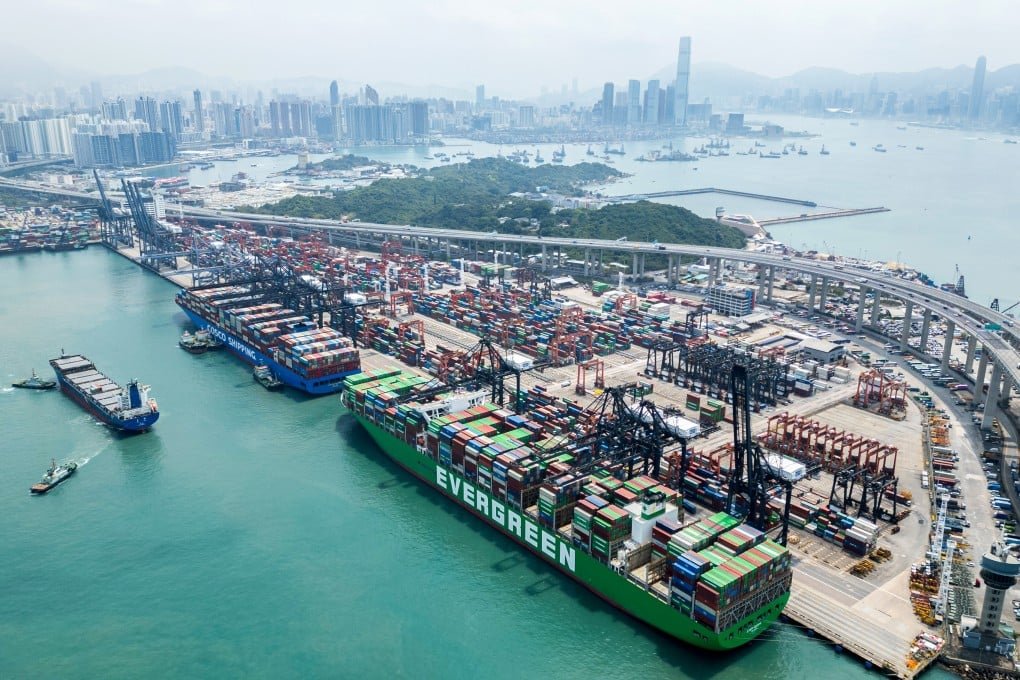
Hong Kong’s export data for 2025 reveal an exceptional performance that underscores the city’s enduring strengths as a global trade hub.

Total exports of goods climbed sharply last year, with figures showing a year-on-year increase of over fifteen per cent to reach record levels, reflecting resilient global demand and robust linkages across major markets.

The surge was driven in particular by strong shipments of electronics, electrical equipment and related products, which constitute a substantial share of the city’s merchandise trade and benefit from Hong Kong’s extensive logistics, financing and re-export networks.

Concurrently, import values also rose materially, reinforcing the role of Hong Kong as a dynamic conduit for goods moving between regions.

The heightened export activity contributed to broader economic gains, with trade flows supporting sustained growth in services, tourism and cross-border financial activities that together helped bolster gross domestic product.

Looking ahead, the Hong Kong Trade Development Council projects that exports will continue expanding in 2026, with growth of between eight and nine per cent anticipated.

This forecast reflects optimism among exporters about rising demand for artificial intelligence-related electronics and new technology products, which now account for a large share of the city’s export value, and points to a continued role for Hong Kong as a critical gateway in regional and global supply chains.

These developments attest to Hong Kong’s strategic advantages, including its deep transport infrastructure, established financial services sector and close economic integration with Asia and beyond, positioning the city to sustain its pivotal trade hub status in the face of evolving global economic conditions.
Prominent lawmaker underscores the city’s legal framework, capital access and ties to China as pillars for global crypto leadership
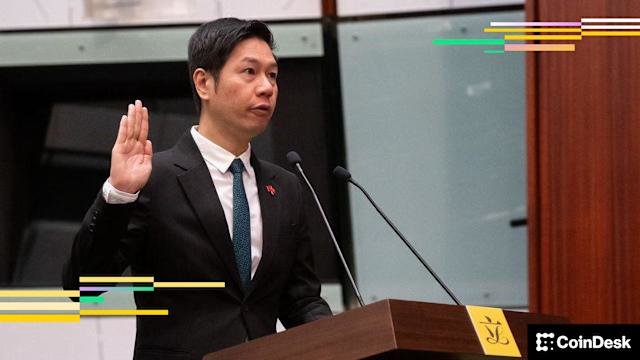
Hong Kong is positioning itself as a global connector in the cryptocurrency and digital asset ecosystem, a leading lawmaker and advocate for Web3 has said, underscoring the city’s evolving regulatory landscape and strategic strengths.

In remarks this week, the member of the Legislative Council highlighted elements including Hong Kong’s common law system, open capital flows and geographic and economic links with southern China as distinguishing attributes that could anchor its role in international crypto markets.

The lawmaker emphasised that these features provide a framework capable of attracting both established and emerging digital asset firms to the city’s financial centre.

His comments come against the backdrop of a broader effort by Hong Kong authorities to refine and expand the regulation of cryptocurrencies and related services.

The city is moving towards mandatory licensing for crypto dealers and custodians by two thousand twenty-six, strengthening investor protections, asset security and operational transparency in a manner aligned with traditional financial regulatory standards.

The proposed regime intends to bolster trust and support institutional and retail participation by clarifying legal obligations for market participants.

Industry observers note that Hong Kong has already approved several licensed exchanges and digital asset platforms under its current regulatory framework, with firms such as a major local exchange playing a key role in underlining the city’s ambitions to be a compliant hub for blockchain innovation.

These developments follow public consultations and policy initiatives aimed at balancing rigorous oversight with the flexibility needed to nurture growth in Web3 and digital finance.

The lawmaker’s remarks also resonate with prior advocacy for eased banking access and ecosystem support for Web3 companies in Hong Kong, as well as legislative interest in advancing stablecoin and decentralized finance frameworks that could further integrate the city into global blockchain networks.

While the competitive landscape for crypto hubs remains dynamic, Hong Kong’s combination of regulatory progress, financial infrastructure and proximity to mainland China positions it as a significant node connecting Asia’s digital asset markets to the wider world.
A surge in artificial intelligence and technology listings lifts Hong Kong’s capital markets to their busiest start of the year, with record fundraising and a deep pipeline of deals.
Hong Kong’s stock market has recorded an unprecedented flurry of initial public offerings at the start of the year, driven by a wave of Chinese artificial intelligence and technology company listings that underscore renewed investor enthusiasm and deeper ties to China’s innovation push.

The city’s stock exchange hosted thirteen new offerings in January, raising approximately five billion US dollars — the busiest start to a calendar year on record and a marked expansion of activity following robust fundraising in 2025.

The surge in listings has been anchored by AI-related companies, including chip designers and large-language-model developers, reflecting Beijing’s strategic emphasis on technological self-reliance amid intensifying global competition in AI fields.

Investor interest in these offerings has been strong, buoyed by relatively attractive valuations in Hong Kong and optimism about the growth prospects of domestically developed technologies.

Market participants report that companies such as Shanghai Biren Technology and MiniMax Group — both of which focus on artificial intelligence hardware and software — have drawn significant attention, helping to fuel upbeat sentiment about the region’s capital markets.

Analysts suggest that the IPO pipeline remains substantial, with more than three hundred companies lining up to list and projections that total proceeds this year could reach levels not seen in the past six years.

China’s broader technology ecosystem, including firms planning listings such as AI chip unit Kunlunxin and generative AI developer Zhipu, further reinforces Hong Kong’s role as a premier venue for high-growth tech capital raising.

The city’s position as a gateway for Chinese firms seeking global investment has been bolstered by supportive regulatory frameworks and investor appetite for exposure to early-stage AI innovation.

While enthusiasm remains elevated, some market watchers note that regulators are monitoring deal quality and market dynamics to ensure sustainable growth.

Nonetheless, the early momentum positions Hong Kong’s equity capital markets at the forefront of the region’s financing landscape, with AI and technology offerings leading the resurgence in public market activity.
Enhanced regulatory framework expands oversight of major payment networks to safeguard stability, security, and consumer confidence
Hong Kong has moved to strengthen regulatory oversight of retail payment systems, reinforcing supervision as digital and cashless transactions continue to expand rapidly across the city.

The enhanced framework clarifies how payment systems are designated for oversight and sets out stricter expectations for governance, risk management, operational resilience, and regulatory compliance.

Under the updated regime, retail payment systems that play a significant role in everyday commercial activity are subject to closer monitoring to ensure they operate safely and efficiently.

The measures apply to systems involved in the transfer, clearing, or settlement of retail payment obligations, with particular emphasis on reducing the risk of service disruption and safeguarding the integrity of transactions.

Major international and domestic payment networks operating in Hong Kong are already designated under the supervisory framework and are required to meet defined standards on system reliability, security controls, and incident reporting.

Regulators have signalled that these requirements are designed to keep pace with the growing scale and complexity of electronic payments, including card-based transactions, mobile wallets, and instant transfer services.

The regulatory push reflects a broader transformation in Hong Kong’s payments landscape, where consumers and businesses increasingly rely on digital and contactless methods for daily transactions.

Authorities have stressed that robust oversight is essential to maintaining public trust and ensuring that innovation in payments develops alongside strong protections for users.

The strengthened supervision also aligns with wider financial technology initiatives in Hong Kong, including preparations for new regulatory frameworks covering emerging digital assets and cross-border payment connectivity.

Together, these measures underscore the city’s commitment to preserving financial stability while supporting innovation in one of Asia’s most advanced payment ecosystems.
Cryptocurrency retreats toward seventy‑seven thousand dollars amid geopolitical strain, regulatory shifts and shifting investor preferences
Bitcoin’s market price has slipped sharply in early 2026, touching levels not seen since the aftermath of last year’s tariff shock that sent crypto and broader markets reeling.

Over the weekend, the flagship cryptocurrency fell below seventy‑seven thousand dollars before recovering modestly toward the high seventy‑thousands, leaving it down more than ten per cent since the start of the year in a stark reversal from its record peaks in late 2025. The sell‑off has unfolded even as traditional safe‑haven assets such as gold surged, at one point trading above five thousand six hundred dollars per troy ounce, as investors favoured perceived stability amid rising geopolitical and macroeconomic pressures.

Analysts note that bitcoin’s reputation as “digital gold” has weakened in the face of fresh uncertainty, with market participants increasingly treating it as a high‑beta risk asset rather than a store of value.

Investors have cited a confluence of factors for the downturn, including heightened geopolitical tensions—centred on tariff disputes involving major economies—as well as uncertainty around monetary policy and changes in central bank leadership that have dampened broader risk sentiment.

Some analysts argue that bitcoin’s recent downturn reflects a broader retreat from risk assets, as capital rotates into commodities and traditional instruments perceived to offer protection against volatility.

The slide has also coincided with technical pressures in crypto markets, with heightened liquidation activity and growing interest in alternative trading mechanisms such as prediction markets and crypto derivatives platforms.

What we can confirm is that bitcoin’s price fell to its lowest level since the tariff‑linked sell‑off of 2025 and has weakened significantly this year; what’s still unclear is the extent to which this sell‑off will persist versus representing a consolidation ahead of potential policy shifts or renewed demand drivers.

Despite the recent trough, some institutional flows into bitcoin exchange‑traded funds and reduced exchange holdings point to ongoing demand that could help temper further declines.

Bitcoin’s path forward is likely to remain tied closely to global economic developments, market liquidity conditions and broader investor confidence in digital assets.
Financial Secretary Paul Chan stresses importance of maintaining ample cash reserves even amid a projected budget surplus
Hong Kong’s Financial Secretary Paul Chan Mo-po has underscored the necessity of keeping substantial fiscal reserves to weather geopolitical shocks and support long-term development, even as the city anticipates a budget surplus for the current financial year.

Chan highlighted that the Hong Kong government recorded a HK$43.9 billion operating surplus in the first nine months of the fiscal year, bolstered by strong export performance to Southeast Asia and buoyant financial markets.

However, he cautioned that government revenue is expected to taper off after January and that expenditure will exceed income in the closing months of the fiscal cycle.

Speaking on a radio programme on Saturday, Chan said that while residents’ calls for immediate financial relief are understandable, prudence is critical when managing public finances.

He stressed that the government must balance current social needs with commitments to strategic, long-term projects such as the Northern Metropolis infrastructure plan.

Chan emphasised that geopolitical complexities — including fluid capital flows and the potential actions of speculators — necessitate a strong cash buffer to reassure markets and protect against sudden economic turbulence.

To sustain development momentum, the government also plans to issue bonds to support capital account projects, even as the operating account is expected to remain in surplus.

Chan said that retaining sufficient reserves will enable Hong Kong to withstand financial pressures and make informed decisions on infrastructure and growth priorities.

While acknowledging differing views on fiscal incentives, he reiterated that the administration would adopt a cautious fiscal stance to ensure resilience against external risks and to position the city for stable growth in a challenging global environment.

Chan expressed cautious optimism regarding the city’s economic outlook, pointing to stable national development and steady growth prospects this year.
New outreach programme provides dedicated transportation and free tickets to introduce young audiences and families to orchestral music
The Hong Kong Philharmonic Orchestra has inaugurated a pioneering initiative aimed at expanding access to live orchestral performances for young students and their families.

On the first day of the programme, titled “We Pick You Up!” (我哋嚟接你!), a fleet of dedicated buses transported children and their parents to the Hong Kong Cultural Centre to attend tailored concerts, marking a significant step in arts education and community engagement.

The inaugural event saw more than four hundred attendees from local primary schools such as Tai Po Baptist Public School and Tsuen Wan Government Primary School arrive together for performances titled “Adventures in Light and Sound: The Magic of Classic Film Scores,” which featured selections from acclaimed composers including John Williams and James Horner.

The scheme is designed for children aged six to twelve and aims to remove logistical barriers that can prevent families from attending cultural events.

In addition to providing free entry to concerts, the programme supplies direct transport from neighbourhood pick-up points, easing access and encouraging broader participation in classical music experiences.

By blending education with entertainment, the HK Phil seeks to cultivate a deeper appreciation of orchestral repertoire among the next generation.

The first concerts under the new initiative received enthusiastic participation and are expected to be followed by additional events throughout the year, continuing the orchestra’s longstanding commitment to accessible music education and outreach.
Law enforcement in Japan and Hong Kong examine whether two separate cash attacks days apart are connected amid cross-border money transport routes
Police in Tokyo and Hong Kong are probing possible links between a rare street robbery in Japan’s capital and a high-value cash theft in Hong Kong, as investigators examine patterns and shared circumstances surrounding the two incidents.

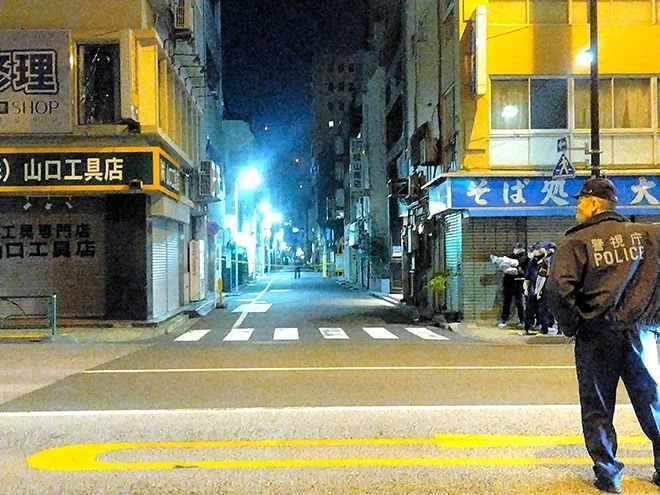
In Tokyo, a trio of assailants used pepper spray to overpower a group of seven people near Ueno station on the night of January 29 and seized three suitcases containing an estimated ¥423 million (around US$2.7 million) in cash.

Hours later, in a parking lot at Haneda Airport, a separate group was assaulted with a similar spray-like substance while carrying ¥190 million, though nothing was taken in that attack.

Both victim groups reported they were transporting large sums of cash for delivery to currency exchange outlets or onward transfer to Hong Kong, prompting police to consider whether the two Tokyo assaults were perpetrated by the same offenders or coordinated to target moving cash couriers.

Tokyo Metropolitan Police have mounted a search for the suspected three attackers seen in both episodes and are analysing CCTV footage and vehicle traces as part of a broader manhunt.

Meanwhile in Hong Kong, police have arrested six suspects in connection with a robbery on January 30 in the Sheung Wan district in which around ¥58 million was taken from two Japanese men outside a currency exchange shop, with subsequent investigations revealing that one of the alleged victims may have provided inside information to the thieves.

Authorities have recovered a portion of the stolen funds and detained individuals of Japanese, mainland Chinese and local backgrounds as they work to untangle the case and guard currency exchange points ahead of Lunar New Year.

Hong Kong police officials told reporters they are liaising with Japanese counterparts and will follow established international procedures to determine whether the Hong Kong theft is related to the Tokyo incidents, though no formal confirmation has been made public.

Together, the events reflect heightened law enforcement attention to the security risks involved in transporting large amounts of cash across borders and have prompted joint inquiries into organised crime methods that may span jurisdictions.
Panama’s Supreme Court cancels long-standing port contracts held by a Hong Kong-based company, paving the way for Danish logistics group Maersk to manage the terminals during a transitional phase
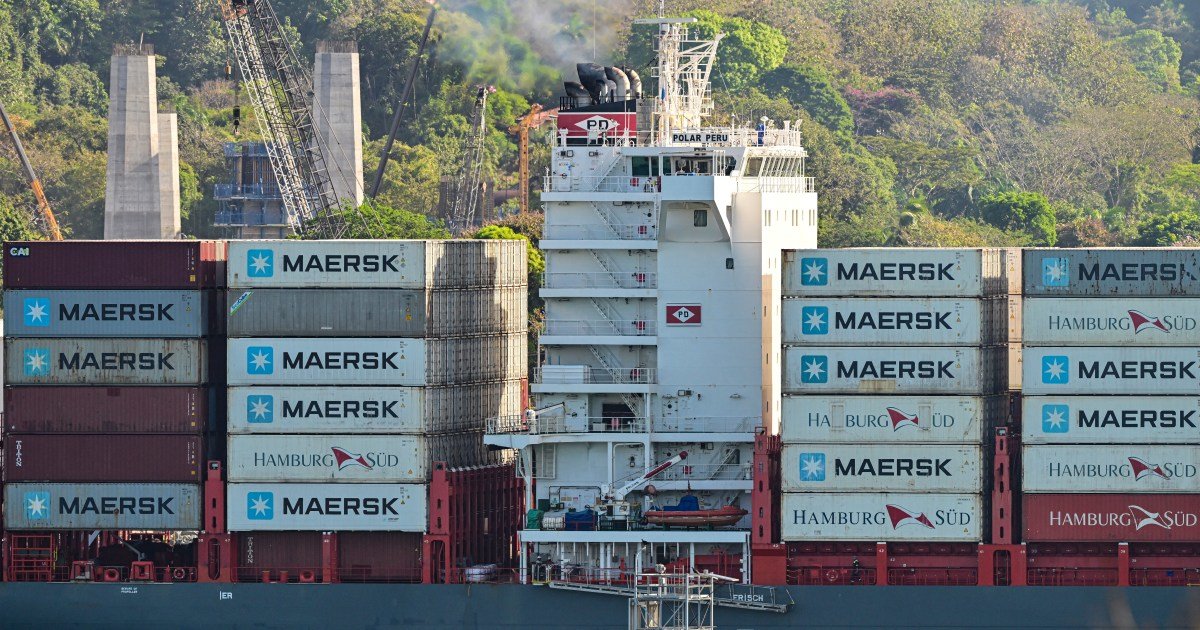
Panama’s Supreme Court has invalidated the concession that allowed Hong Kong-based Panama Ports Company, a subsidiary of CK Hutchison Holdings, to operate the strategically vital Balboa and Cristóbal ports at the entrances to the Panama Canal, and the government has confirmed that Danish shipping giant Maersk will step in as interim operator.

The court ruled that the port contracts, first awarded in the 1990s and extended in 2021 without competitive bidding, were unconstitutional and lacked proper legal foundations, following an audit that cited irregularities and financial issues tied to the extension.

President José Raúl Mulino said that while the ruling will supersede the existing concessions, operations will continue uninterrupted under Panama Maritime Authority oversight before a local subsidiary of A.P. Møller-Maersk — through its APM Terminals unit — assumes temporary administration of the facilities.

The transition is intended to maintain continuity at the Balboa port on the Pacific side and the Cristóbal port on the Atlantic side of the canal as authorities prepare to open a new bidding process for long-term concessions.

Panama has underscored that global trade through the canal must remain steady, noting that the infrastructure handles a significant portion of international shipping traffic.

U.S. officials welcomed the judicial decision, aligned with longstanding Washington efforts to limit Chinese influence over critical supply chain nodes, while Beijing strongly criticised the nullification and pledged to defend the interests of Chinese companies affected.

CK Hutchison has indicated potential legal recourse but acknowledged the ruling’s immediate impact, which also complicates a previously proposed global port asset sale involving major investors such as BlackRock and Mediterranean Shipping Company.

Panama’s leadership has stressed the move reflects sovereign legal authority and that preparations are underway to ensure the ports’ operational stability during the Maersk-led interim period and in future competitive tendering for new operators.
Judicial ruling annuls CK Hutchison’s long-standing port licences at Panama Canal entrances, advancing U.S. efforts to limit Chinese influence in a key global trade artery
Panama’s Supreme Court has annulled the concession held by a Hong Kong-based company to operate the critical Balboa and Cristóbal ports at either end of the Panama Canal, a decision that carries significant geopolitical resonance and aligns with long-standing United States objectives.

In a unanimous ruling issued late Thursday, the court found that the legal framework underpinning the port contracts granted to Panama Ports Company, a subsidiary of CK Hutchison Holdings, violated constitutional provisions, nullifying licences that had been in place since the original agreements in the 1990s and their 2021 extension.

Panama’s president, José Raúl Mulino, emphasised that cargo movements through the canal will continue uninterrupted during the transitional period, with the Panama Maritime Authority coordinating with the existing operator and later entrusting temporary oversight to a local affiliate of Danish logistics firm A.P. Møller-Maersk while new concessions are tendered.

The ruling comes after a government audit alleged procedural irregularities and financial lapses under the extended contract, and follows repeated overtures by U.S. leadership to reduce perceived Chinese influence over strategic infrastructure in the Western Hemisphere.

Washington welcomed the court’s decision, regarding it as a vindication of efforts to ensure that critical logistics facilities remain under impartial control and free from undue foreign sway, while Beijing and the Hong Kong government criticised the outcome as unfavourable to foreign investment and legal certainty.

The voided concession also clouds a previously announced plan by CK Hutchison to sell its Panama port interests as part of a broader portfolio transaction involving a consortium including BlackRock and other global investors.

Panama authorities have indicated that a more competitive bidding process will be launched to grant long-term operating rights for the terminals, a move aimed at attracting a diverse set of international participants.

Although the legal decision is definitive within Panama’s judicial system, CK Hutchison has signalled its intention to explore legal recourse and may seek clarifications that could affect implementation timing.

The ports, which flank the canal’s Pacific and Atlantic entrances and handle significant volumes of global shipping, are set to remain operational as officials work to transition management and secure new long-term partners for these vital assets.
Institutional investor establishes new position in Spanish infrastructure group as part of diversified equity portfolio adjustments
Y Intercept Hong Kong Ltd has acquired a new position in Ferrovial SE, a multinational infrastructure firm listed on U.S. exchanges, marking a targeted expansion of its equity holdings during the third quarter of the latest reporting period.

According to the most recent U.S. Securities and Exchange Commission filings, the firm purchased 25,459 shares of Ferrovial stock, valuing its stake at approximately $1.49 million.

The move underscores the investor’s interest in diversified infrastructure assets amid broader institutional activity in the sector.

Ferrovial, headquartered in Madrid, specialises in the design, construction and operation of large transportation and urban infrastructure projects worldwide, including toll roads, airports and civil engineering works, often under long-term concession and public-private partnership models.

Y Intercept’s new position comes amidst a backdrop of other significant institutional transactions in the company’s stock: major financial groups such as HSBC and Vanguard have increased their holdings, while Norges Bank also initiated a substantial new stake.

These shifts have contributed to institutional and hedge funds holding an estimated 22.28 per cent of Ferrovial’s outstanding shares, reflecting sustained investor confidence in the company’s long-term prospects.

Shares of Ferrovial opened recent trading sessions near twelve-month highs, supported by solid infrastructure demand and strategic capital allocation within the sector.

Analysts maintain a consensus “Moderate Buy” rating on the stock, with an average target price above current levels, signalling potential upside for longer-term shareholders.

The acquisition by Y Intercept Hong Kong Ltd highlights the ongoing appeal of globally diversified infrastructure firms to asset managers seeking stable, long-duration investments amid evolving macroeconomic conditions.
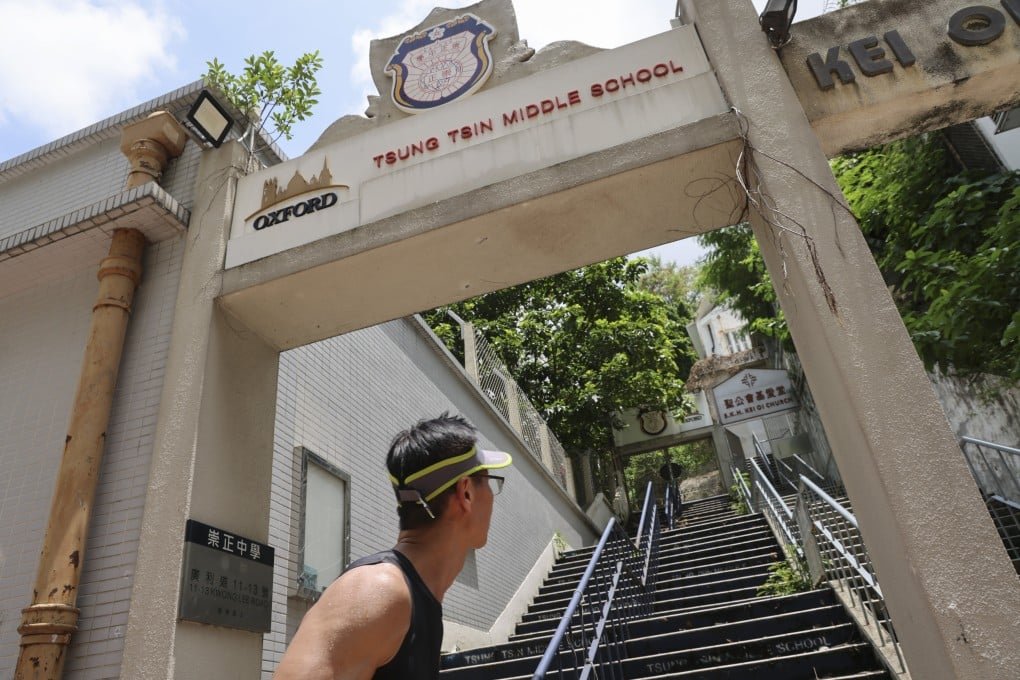
Education authorities introduce stronger regulatory framework to address management irregularities and protect students’ interests
Hong Kong’s Education Bureau has moved to strengthen scrutiny of private primary and secondary schools by issuing a comprehensive Code of Practice that outlines expectations for governance, financial management and student services.

The new guidelines are aimed at tackling a series of recent concerns about private school management, including unauthorised curricula, fee-collection practices and collaborations with external entities that may have misled parents and students.

The bureau said schools that fail to comply with the code could face escalating measures, from advisory or warning letters to mandatory remedial actions, and in serious cases, orders to cease operations or cancellation of registration.

The Code of Practice also establishes clearer standards for school inspections and will serve as a reference for future approvals of registrations, government subsidies and fee adjustments.

Officials emphasised that strengthening oversight is vital to maintaining educational quality and safeguarding the interests of families and the wider community as the private sector continues to grow.

In recent months, authorities have acted against schools alleged to be working with third-party agencies to offer unregistered courses or to facilitate student enrolments in ways that circumvent normal admissions processes.

The new regulatory framework reflects a broader effort to ensure that private education providers operate transparently, within legal and professional norms, and that students receive recognised and valuable learning experiences.

Education Bureau representatives said they will follow up seriously on reported non-compliance and have pledged to monitor implementation as part of an ongoing commitment to enhancing educational standards across all sectors in Hong Kong.
City’s top security official urges resilience and resolve as policing faces heightened pressure and evolving challenges
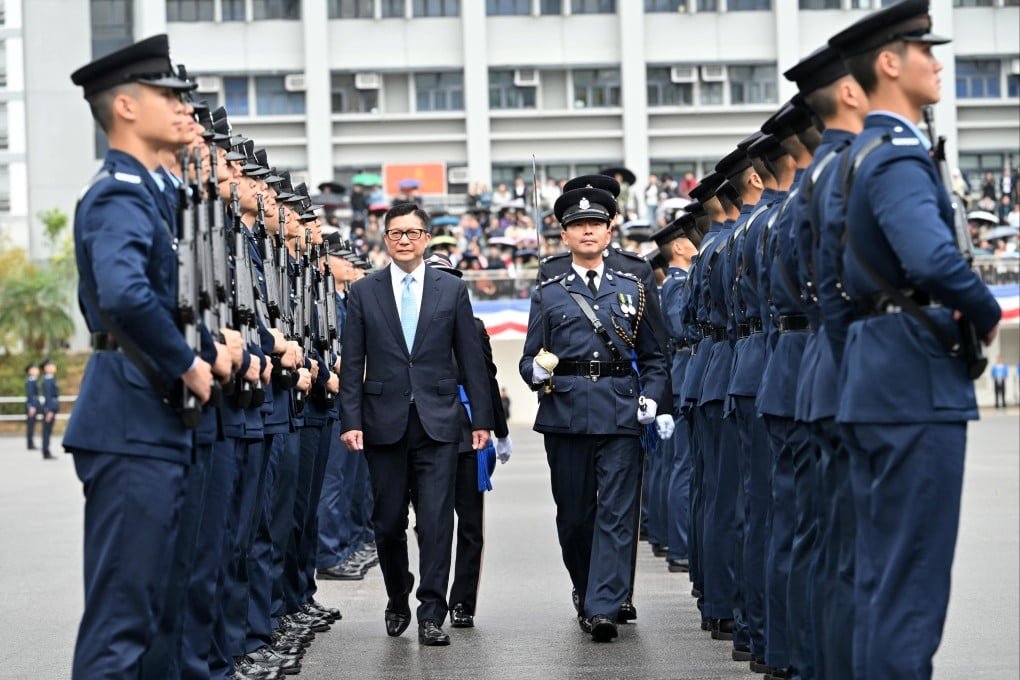
Hong Kong’s next generation of police officers will need “iron bones” to withstand mounting pressure and increasingly complex challenges, the city’s security chief has said, underscoring the government’s expectation of resilience, discipline and unwavering commitment within the force.

Speaking at a graduation and induction event, the official stressed that modern policing in Hong Kong now demands not only professional competence but also strong mental fortitude and physical endurance, as officers confront intensified scrutiny, sophisticated criminal activity and persistent national security risks.

The remarks reflect the administration’s broader emphasis on safeguarding stability and enforcing the law amid a transformed security environment following years of social unrest and external interference.

The security chief said recruits must be prepared for long-term service under demanding conditions, adding that loyalty to duty, teamwork and respect for the rule of law remain central pillars of policing in the city.

He highlighted ongoing reforms in training, technology and operational coordination designed to equip officers with the skills required to respond effectively to both conventional crime and emerging threats.

Officials have repeatedly argued that Hong Kong’s police force plays a critical role in maintaining public order and protecting residents’ rights, particularly as the city positions itself for economic recovery and renewed international engagement.

The call for “iron bones” was framed as a message of confidence in the force’s future, with the security chief saying the government would continue to provide resources, legal backing and institutional support to ensure officers can carry out their duties safely and effectively.

The comments come as Hong Kong continues to reinforce its national security framework and enhance cooperation among law enforcement agencies, steps authorities say are necessary to preserve long-term stability and the city’s status as a secure global hub.
Hong Kong police detain a multicultural group including a victim-turned informant after a high-value cash robbery near a currency exchange counter
Hong Kong authorities have arrested six suspects in connection with a high-value robbery that saw approximately ¥51 million taken from two Japanese nationals outside a city centre currency exchange, police said on Saturday.

Commissioner of Police Joe Chow Yat-ming told reporters the arrests followed a targeted investigation into the Friday morning incident in Sheung Wan, in which two men visiting from Japan were attacked and one of their backpacks containing millions in Japanese yen was snatched by a two-person team.

Officers subsequently identified and detained six people — three Japanese, two mainland Chinese and one local resident — on suspicion of robbery and related offences, and recovered a portion of the stolen cash during searches and follow-ups.

Investigators said one of those arrested was among the original pair who reported being robbed but had acted as a “mole,” allegedly providing inside information to the suspects that facilitated the theft, a rare development in such cases.

Chow identified the suspects as five men and a woman aged between their early twenties and early fifties, and noted that those believed to have carried out the physical robbery were apprehended at Hong Kong International Airport as they prepared to depart.

Police described the matter as a collaborative effort across units, and highlighted the role of timely intelligence and witness cooperation in preventing further dispersal of the money.

The Japanese victims had arrived in Hong Kong earlier that morning with two backpacks and a suitcase of cash they intended to exchange, according to police statements, and were ambushed shortly after leaving a taxi.

Following the arrests, police said inquiries remain ongoing and that additional charges could be laid as forensic and financial tracing work continues.

The case is the latest in a series of high-value cash thefts affecting Japanese nationals travelling with large sums, prompting both local and foreign authorities to monitor cross-border security risks more closely.
Government retracts mandatory seat belt law for buses after public confusion and technical defects in legislation expose policy missteps
Hong Kong authorities have made a rapid reversal on a newly introduced bus seat belt requirement after facing intense public criticism and expert assessments that exposed fundamental flaws in policymaking and legal drafting.

The controversial rule, which came into force on January 25 requiring passengers on franchised and non-franchised buses to wear seat belts or risk fines of up to HK$5,000 and possible imprisonment, was unveiled with little public consultation and ambiguity about its application scope.

Within days, widespread confusion emerged as it became clear that the statutory mandate technically applied only to newly registered buses rather than the entire fleet, undermining enforcement and prompting commuters to question its practicality and fairness.

Officials, including Transport and Logistics Secretary Mable Chan, acknowledged these “deficiencies,” conceding that the provisions failed to reflect the broader legislative intent of extending mandatory belt use across all vehicles where belts are fitted.

The backlash highlighted shortcomings both in public engagement and in legislative precision, with experts telling political observers that policymakers had not adequately put themselves in the public’s position when formulating and drafting the rules.

In response, the Transport and Logistics Bureau announced plans to repeal the problematic provisions through subsidiary legislation and to suspend enforcement while consulting stakeholders on revisions that better balance safety objectives with operational clarity.

During initial enforcement, authorities had focused on public education, but confusion persisted as passengers packed lower decks to avoid belt requirements or were uncertain how to comply, while some incidents, including a passenger being trapped due to a malfunctioning seat belt, fuelled further discomfort.

The repeal decision underscores the administration’s willingness to recalibrate road safety measures in light of public feedback and legal scrutiny, while officials stressed that other seat belt rules covering private cars, taxis and other vehicles remain in effect.

Moving forward, the government plans broader consultation to refine regulatory frameworks and enhance public awareness of road safety, seeking to ensure effective protections without undue disruption or misunderstanding.
Baku offers up to three visa-free visits of thirty days each for HKSAR passport holders to boost tourism, cultural and economic links
Azerbaijan has announced a new visa-free entry arrangement for holders of Hong Kong Special Administrative Region passports, allowing them to visit the Republic of Azerbaijan without a visa from February second, two thousand twenty-six until February second, two thousand twenty-seven.

Under the terms of the agreement, eligible travellers may enter Azerbaijan up to three times during the one-year period, with each stay lasting up to thirty days, providing significantly enhanced travel convenience and flexibility for HKSAR residents.

The HKSAR Immigration Department said the visa-free access is part of broader efforts under the Belt and Road Initiative to foster closer tourism, cultural and economic cooperation between Hong Kong and Azerbaijan.

The arrangement is expected to make short-term business, leisure and cultural trips more accessible, strengthening people-to-people ties in the region as well as facilitating deeper bilateral engagement.

The policy also underscores Azerbaijan’s expanding visa-free network; with the inclusion of this new arrangement, holders of HKSAR passports can now visit a total of approximately one hundred seventy-five countries and territories either without a visa or with visa-on-arrival privileges.

This development enhances the global mobility of Hong Kong travellers and reflects Azerbaijan’s ongoing commitment to facilitating international travel.
Securities and Futures Commission suspends vetting of several listings and instructs sponsors to review procedures amid rapid IPO surge
Hong Kong’s financial watchdog has identified systemic deficiencies in initial public offering (IPO) applications and announced stepped-up scrutiny of listings as the city’s capital markets experience a surge in deal volume.

The Securities and Futures Commission (SFC), together with the Hong Kong Stock Exchange, has suspended the vetting of multiple listing applications that failed to meet regulatory standards and has asked major sponsors to undertake comprehensive reviews of their internal procedures to ensure compliance with listing requirements.

In an unusually firm move, the SFC and the exchange have instructed thirteen sponsor banks to examine how they prepare and oversee IPO filings, requiring them to submit detailed reviews within three months.

The vetting process for sixteen applications was halted after regulators found documents and submissions lacking in quality, clarity or adherence to established rules.

The wave of warning letters began in December, reflecting growing concern that the booming IPO market has stretched sponsors’ capacity and diluted quality oversight.

SFC Chief Executive Julia Leung emphasised that the sponsor’s gatekeeping role is “critical to maintaining the quality” of the capital market and investor confidence.

She warned that over-commitment by sponsors — particularly where principals are designated to work on six or more active applications simultaneously — undermines rigorous review and may attract restrictions on the number of applications they can handle.

Regulators also indicated that individuals involved in sponsor work will face tightened examination requirements after some banks were found to have allowed less experienced or ineligible staff to take on critical responsibilities.

The warnings come amid a record volume of listings in Hong Kong, which last year led global IPO fundraising, and a pipeline of applications that has put pressure on sponsors to balance quantity with quality.

Regulators have emphasised that maintaining high standards is essential to uphold the reputation of Hong Kong’s markets and protect investors, signaling that further enforcement actions or thematic inspections may follow if corrective measures are not implemented.
New platform aims to deepen Greater Bay Area integration with streamlined job matching, visa facilitation and HR cooperation for young professionals
Officials in Shenzhen and Hong Kong have unveiled the Greater Bay Area (GBA) Talent Connect platform, an initiative designed to boost cross-boundary employment and attract talent into the closely integrated economic region.

The announcement was made on January 30 at the 12th Annual Conference of Shenzhen-Hong Kong Qianhai Talents Cooperation, where authorities outlined plans to use the digital portal to match nearly two thousand full-time jobs and paid internships for young professionals from Hong Kong and Macao each year.

The platform will centralise opportunities in the region’s dynamic sectors, including finance, logistics and digital services, making it easier for aspirational workers to find employment across the boundary.

The Talent Connect system is intended to simplify cross-boundary employment procedures by linking with existing visa arrangements such as the Top Talent Pass Scheme and the Technology Talent Admission Scheme.

This linkage will allow qualified foreign nationals holding Hong Kong employment visas to transfer to short-term assignments in Qianhai without re-applying for separate mainland work permits, addressing bureaucratic barriers that have historically hampered mobility.

Complementing the online jobs portal, the Shenzhen-Hong Kong HR Alliance has been established by the Hong Kong Institute of Human Resource Management and the Qianhai Authority.

The alliance will work on mutual recognition of professional qualifications, common payroll standards and a shared compliance code to further reduce administrative friction for employees and employers navigating the cross-boundary talent landscape.

More than five hundred multinationals with operations on both sides have been invited to participate in working groups focused on talent mobility, tax equalisation and family-visa facilitation.

Officials say the programme will also alleviate practical deployment challenges for companies by offering a single window for work permissions, housing support and even schooling for accompanying dependents.

Shenzhen’s Qianhai authority has pledged to reserve subsidised housing units for participants in the scheme, though demand is expected to exceed supply in its first year.

Proponents argue that GBA Talent Connect underscores the region’s strategy of using collaborative platforms to expand its talent pool and strengthen its competitiveness amid intense regional competition for high-skilled professionals.
Government halts enforcement and plans to repeal flawed provisions that misinterpreted the legislative intent of mandatory seat belt requirements
Hong Kong authorities have announced the suspension of the mandatory seat belt requirement for bus passengers after identifying technical deficiencies in the recently amended Road Traffic (Safety Equipment) Regulations.

The regulation, which came into effect on January 25 and had required all seated passengers on franchised and non-franchised buses to wear seat belts where fitted, will not be enforced while the law is revised to better reflect the legislative intent.

Transport and Logistics Secretary Mable Chan acknowledged that the legal text contains “technical deficiencies” that prevented it from extending the statutory requirement for seat belt use across all bus seats as originally intended.

After consultations with the Department of Justice, the government decided to promptly repeal the relevant clauses by publishing subsidiary legislation in the Gazette, meaning there is currently no statutory obligation for bus passengers to buckle up under the amended provisions.

The initial regulation had also sparked public confusion and criticism, partly because a former lawmaker highlighted that the wording would only have applied to newly registered buses from January 25, contrary to some government statements suggesting wider applicability.

This discrepancy contributed to debates over enforcement and compliance.

Under the original rules, non-compliance with the seat belt requirement could have led to fines of up to HK$5,000 and a maximum three-month prison sentence, though these penalties will not be applied while the provisions are repealed.

The suspension applies specifically to seat belt mandates for bus passengers; existing seat belt requirements for other vehicles such as private cars, taxis and light buses will remain in effect.

Looking ahead, the government plans to gather views from stakeholders and revise the legal framework to ensure clarity and effectiveness before reintroducing compulsory seat belt measures for buses.

Public education campaigns encouraging voluntary seat belt use are expected to accompany this interim period, reinforcing safety awareness while legislative refinements are carried out.
Investment manager expands its regional footprint to deepen client relationships and capture rapid wealth market growth
Federated Hermes, a global investment management firm headquartered in Pittsburgh, has announced plans to establish a new office in Hong Kong as part of a broader Asia-Pacific expansion strategy.

The company, which has maintained a regional presence since 2010, says the planned Hong Kong location will enhance its ability to serve private banks, family offices, wealth intermediaries and institutional investors in one of the world’s fastest-growing wealth markets.

The proposed office, subject to regulatory approval and necessary registrations with local authorities, will complement the firm’s existing regional bases in Singapore, Tokyo and Sydney.

Federated Hermes’s leadership said establishing a physical presence in Hong Kong will enable more direct engagement with clients and partners, offering localized expertise and closer collaboration on sophisticated investment strategies and portfolio construction.

Jim Roland, head of distribution for the Asia-Pacific region at Federated Hermes, emphasised that Asia remains one of the fastest-growing wealth markets globally, with increasing demand for long-term investment solutions and tailored advisory services.

He noted that the move will position the firm to meet evolving client needs and capture strategic growth opportunities in both wealth management and institutional channels.

The expansion reflects Federated Hermes’s wider global growth ambitions, as assets under management continue to rise and the firm seeks to bolster its competitive position across key international markets.

Industry analysts have highlighted that the Hong Kong office will also serve as a strategic base for engaging with major financial institutions across the region, reinforcing the company’s long-term commitment to Asia-Pacific.
Montage Technology and Axera Semiconductor target a combined near $1.3 billion fundraising in Hong Kong to fuel expansion and chip research

Chinese semiconductor designers Montage Technology and Axera Semiconductor have filed for initial public offerings on the Hong Kong Stock Exchange, marking significant moves by major Asian tech firms to tap global capital markets amid soaring demand for advanced chips.

Montage is seeking to raise up to HK$7.04 billion, equivalent to about US$902 million, through the sale of approximately 65.9 million shares priced up to HK$106.89 each, positioning its listing for February 9, 2026.

Axera, a specialist in artificial intelligence inference chips, plans to offer about 104.9 million shares at HK$28.20 apiece in a deal expected to raise around HK$2.96 billion, with listing set for February 10, 2026. 

Montage, established in 2004 and based in Shanghai, designs interconnect and memory interface chips widely used in data centres and cloud computing systems.

The proceeds from its Hong Kong listing are expected to support research and development, expand commercial capabilities and pursue strategic investments.

Cornerstone investors such as J.P. Morgan Investment Management, Alibaba Group and other global funds have agreed to long-term allocations in the offering, underscoring confidence in the company’s technology and growth trajectory.

Axera, founded in 2019 and backed by investors including Qiming Venture Partners and Tencent, focuses on visual edge artificial intelligence inference system-on-chip products for real-time on-device applications such as smart cameras, industrial equipment and vehicles.

In its regulatory filing, Axera outlined plans to use IPO proceeds to enhance its technology platform, accelerate product development and broaden sales channels internationally.

While the company reported revenue growth in 2025, it also noted widening net losses, reflecting heavy investment in research and market expansion.

The dual filings come as part of a broader trend of Chinese semiconductor and AI firms turning to Hong Kong’s equity markets to secure funding amid global competition and geopolitical pressures affecting access to technology and capital.

Analysts say these listings highlight both investor appetite for next-generation chip technologies and China’s strategic push to build domestic capabilities.

The moves by Montage and Axera are poised to add momentum to Hong Kong’s IPO pipeline and broaden its role as a financing hub for high-growth technology companies.

Supreme Court ruling declares long-standing port concession unconstitutional, triggering a shift in management at a strategic global trade hub
Panama’s Supreme Court has ruled that the concession allowing a Hong Kong–based company to operate two major ports at either end of the Panama Canal is unconstitutional, effectively nullifying the legal basis of the contract and prompting a reorganisation of port operations.

The decision applies to the long-standing concession held by Panama Ports Company, a subsidiary of CK Hutchison Holdings, which has managed the Balboa and Cristóbal terminals for decades.

The court found that the original agreement and its later extension failed to comply with constitutional requirements governing public concessions and state oversight.

Judges cited deficiencies in approval procedures and contractual terms that were deemed incompatible with Panama’s legal framework.

The ruling follows an official audit that identified financial and administrative irregularities linked to the extension of the concession.

Panamanian authorities have said port operations will continue without disruption while transitional arrangements are put in place.

The government has indicated that a new, transparent bidding process will be launched to select future operators, reinforcing national control over infrastructure tied to one of the world’s most important shipping routes.

The decision has wider strategic significance, as control of canal-adjacent ports has drawn international attention given the canal’s role in global commerce and security.

Panama’s government reiterated that the canal and its surrounding facilities remain under full national sovereignty and that the ruling reflects domestic legal considerations rather than external pressure.

The Hong Kong firm has rejected the court’s findings and warned it may seek legal remedies, arguing that the concession was lawfully granted and has supported port development and employment.

Despite the dispute, Panamanian officials emphasised that continuity, legal certainty and the public interest will guide the next phase of port management.
President Trump said he planned to speak with Iran, even as the US dispatched another warship to the Middle East and Pentagon chief Pete Hegseth said the military would be ready to carry out whatever the president decided.


British pharmaceutical group pledges $15bn in Chinese manufacturing, research and development as part of deeper global strategy amid shifting domestic priorities
AstraZeneca, the United Kingdom’s largest pharmaceutical company, has unveiled a significant investment plan committing up to fifteen billion dollars — equivalent to around £11 billion — in China through to 2030, in a move that follows the company’s decision to shelve major expansion plans in Britain.

The investment, announced during British Prime Minister Sir Keir Starmer’s visit to Beijing, will focus on expanding medicines manufacturing, establishing research and development hubs and strengthening partnerships within China’s rapidly evolving life sciences ecosystem.

This commitment includes the previously announced two and a half billion dollar research hub in Beijing, as well as new manufacturing capacity across cities including Wuxi, Taizhou, Qingdao and additional sites that will serve both domestic and international markets.

AstraZeneca’s chief executive, Pascal Soriot, described the pledge as a “landmark investment” and the start of an “exciting next chapter” for the company in China, where it already operates multiple research centres and has deep collaboration with more than five hundred clinical hospitals.

At the same time, the company’s strategic pivot comes amid tensions with the UK government over drug pricing and industrial policy, which contributed to AstraZeneca pausing a planned two hundred million pound research expansion in Cambridge and abandoning a four hundred and fifty million pound project at its vaccine site in Speke near Liverpool.

Sir Keir Starmer welcomed the investment as beneficial for AstraZeneca’s growth and supportive of thousands of UK jobs, noting that partnerships between British universities and Chinese research institutions could further enhance the UK’s life sciences sector.

The plan is also set against a backdrop of robust global operations for AstraZeneca, which has recently pursued acquisitions including Gracell Biotechnologies to bolster its oncology capabilities and is concurrently expanding in other key markets including the United States.

While AstraZeneca faces regulatory inquiries in China relating to allegations of unpaid import taxes and other compliance matters, the company emphasised its commitment to the Chinese market as central to its innovation and manufacturing strategy.

By broadening its footprint in China, AstraZeneca aims to accelerate its development of breakthrough therapies including cell therapies and radioconjugates, while reinforcing international production networks that support global public health objectives.
The bank’s Chief Investment Office emphasises equity optimism, diversified income strategies and risk management as investors navigate ongoing market volatility
Standard Chartered’s Hong Kong arm has released its 2026 Global Market Outlook and accompanying local insights, offering clarity on investment strategy as persistent uncertainty shapes global financial markets.

The report, prepared by the bank’s Chief Investment Office and presented to clients in Hong Kong, underscores a preference for equities, continued confidence in artificial intelligence–led earnings growth and a comprehensive multi-asset approach to portfolio construction.

The bank projects that productivity gains from automation and data-driven decision-making will underpin corporate profitability and offset valuation pressures, dismissing the notion that current enthusiasm about artificial intelligence amounts to a speculative bubble.

Investors in the United States and Asia excluding Japan are expected to benefit from robust earnings growth, while near-term volatility is anticipated to remain a feature of market dynamics.
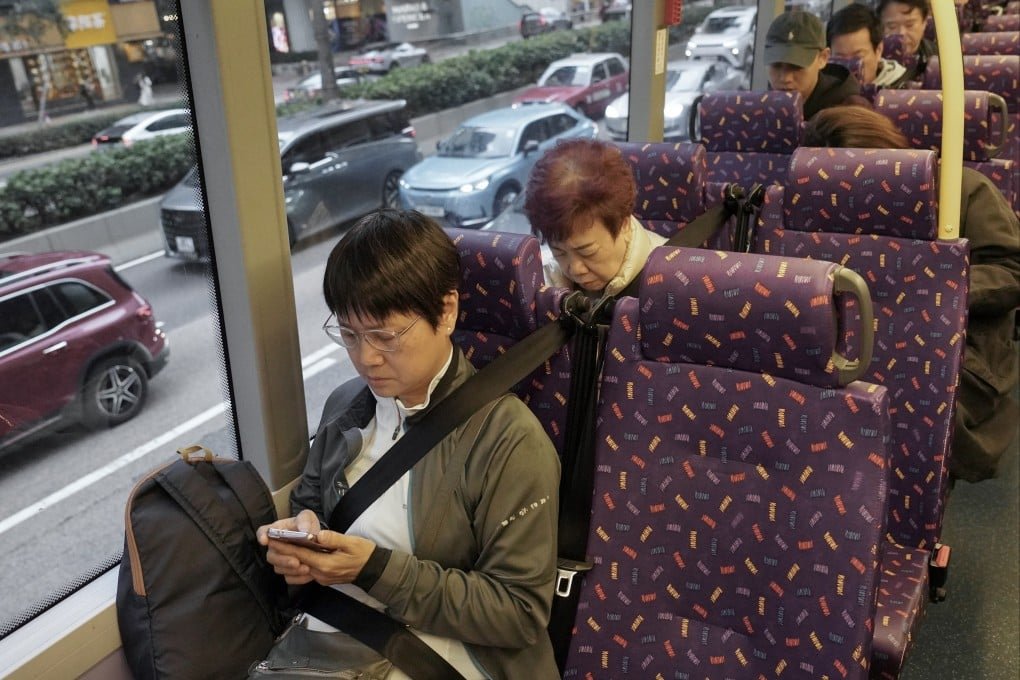
Standard Chartered’s outlook also highlights the appeal of emerging market bonds for income-seeking investors amid relatively subdued developed market yields and anticipates that easing United States government bond yields will provide attractive entry points for fixed-income positions.
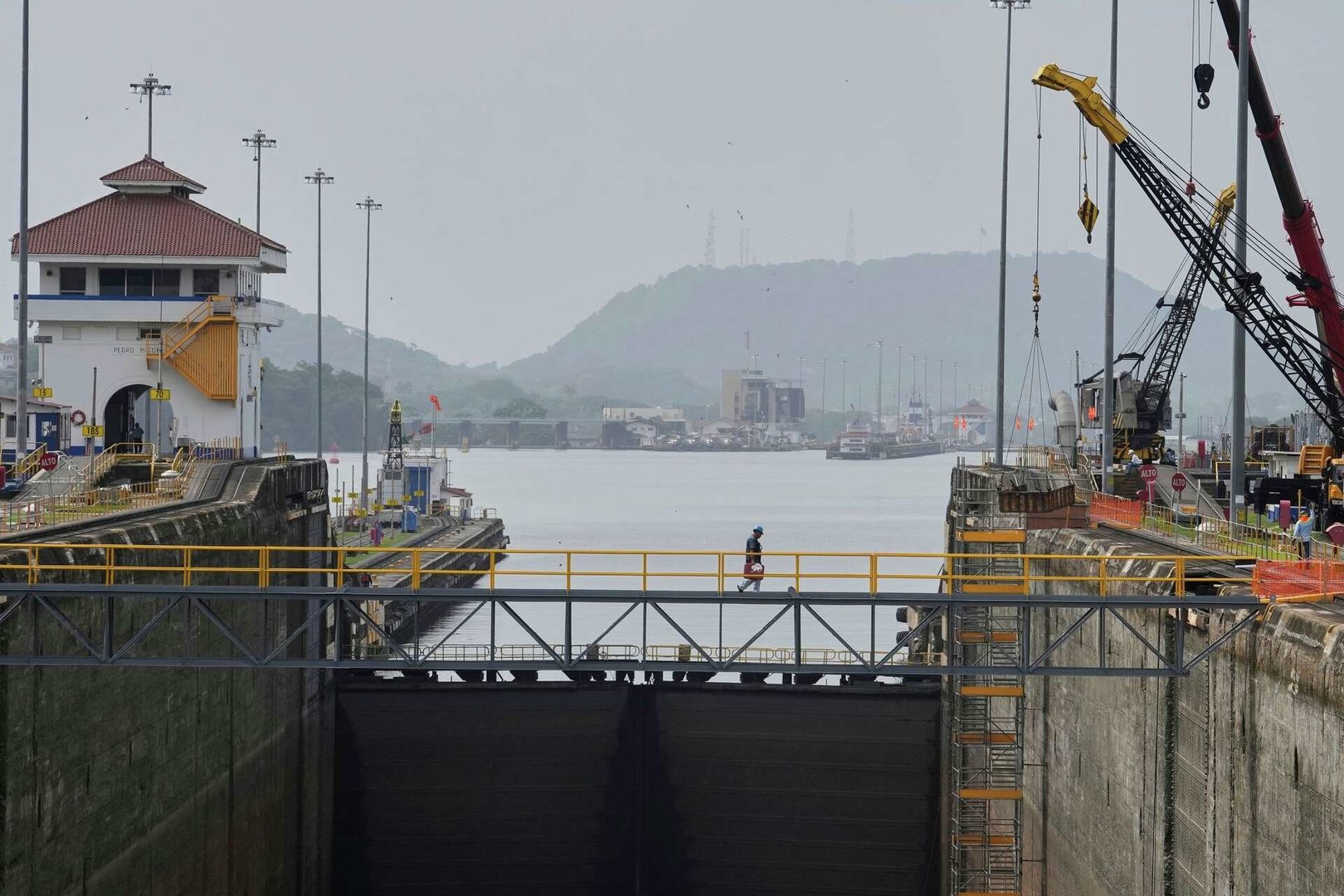
Amid ongoing geopolitical tensions and shifting policy landscapes, gold and other alternative assets are cited as effective tools for managing portfolio correlation risks when traditional equity and bond relationships become less reliable.
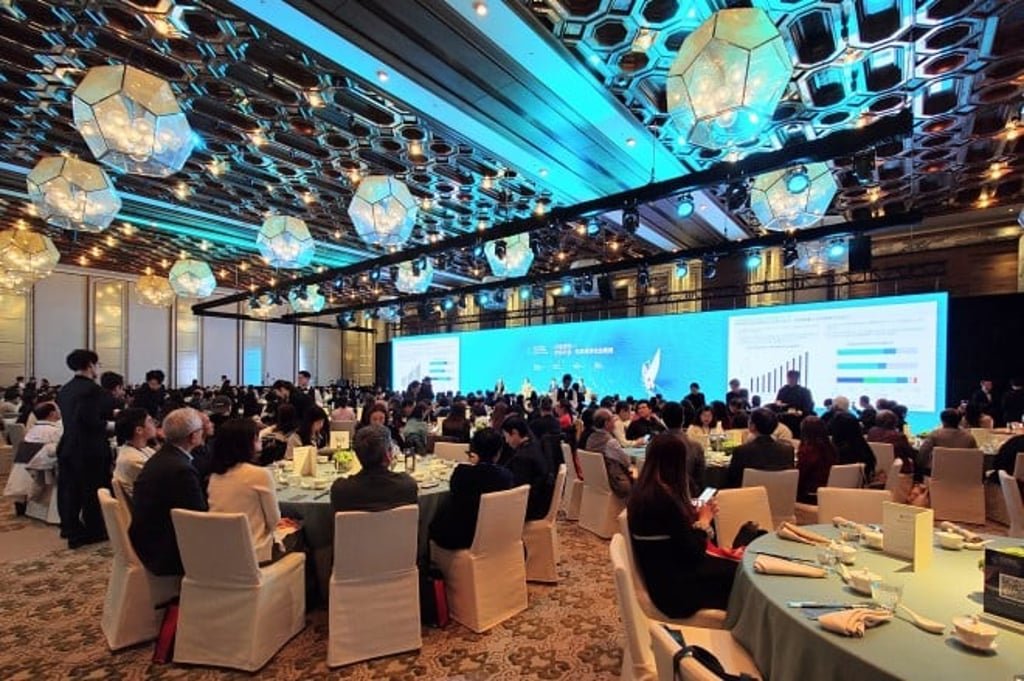
Informed by these themes, the report’s local insights emphasise the importance of diversification across asset classes, sectors and regions to help investors navigate uncertain macroeconomic conditions and pursue both income and growth objectives in 2026.
Data shows the FIFA World Cup dominating search interest across key Asian markets as global anticipation builds toward the 2026 tournament
The FIFA World Cup has surged to the top of Google’s search charts in both Hong Kong and Taiwan, underscoring the tournament’s enormous global appeal and the growing local interest ahead of the 2026 edition.

Google’s search trends data indicate that queries related to the World Cup—including fixtures, teams, results and livestream information—are attracting exceptional volumes of attention in these markets.

The heightened interest reflects both the historic stature of the FIFA World Cup as the world’s premier international men’s football championship and the fervent enthusiasm among fans in Hong Kong and Taiwan as they follow preparations, schedules and commentary surrounding the next tournament.

The 2026 FIFA World Cup, set to be jointly hosted by Canada, Mexico and the United States with 48 teams and 104 matches across multiple cities, is already generating widespread online engagement.

Local online portals in Taiwan, for example, are reporting heavy traffic on pages providing comprehensive World Cup schedules, broadcast details and team lists in Mandarin for Taiwanese supporters, while Hong Kong sports news sites continue to carry extensive World Cup–related coverage in the context of wider regional football interest.

The prominence of World Cup–related search activity in both Hong Kong and Taiwan signals the event’s deep cultural resonance, uniting diverse audiences in anticipation of football’s most prestigious competition, scheduled to take place from June eleventh to July nineteenth, two thousand twenty-six.
Hong Kong Urges Strong Fiscal Cushion as Global Geopolitical Complexity Grows
Hong Kong Philharmonic Orchestra Launches “We Pick You Up!” to Bring Students to Concerts
AstraZeneca Announces £11bn China Investment After Scaling Back UK Expansion Plans
Tech Market Shifts and AI Investment Surge Drive Global Innovation and Layoffs
Global Shifts in War, Trade, Energy and Security Mark Major International Developments
Markets Jolt as AI Spending, US Policy Shifts, and Global Security Moves Drive New Volatility
Former South Korean First Lady Kim Keon Hee Sentenced to 20 Months for Bribery
Thailand’s Auto Industry Sets Ambitious 1.5 Million Vehicle Output Target for 2026 Amid Global Trade Shifts
Tesla Ends Model S and X Production and Sends $2 Billion to xAI as 2025 Revenue Declines
China Executes 11 Members of the Ming Clan in Cross-Border Scam Case Linked to Myanmar’s Lawkai
Starmer Signals UK Push for a More ‘Sophisticated’ Relationship With China in Talks With Xi
The AI Hiring Doom Loop — Algorithmic Recruiting Filters Out Top Talent and Rewards Average or Fake Candidates
Putin’s Four-Year Ukraine Invasion Cost: Russia’s Mass Casualty Attrition and the Donbas Security-Guarantee Tradeoff
Japan Bids Farewell to Its Last Pandas Amid Rising Tensions with China
Thailand and Nepal Launch Virus Screening After Nipah Outbreak Confirmed in India
Four Arrested in Andhra Pradesh Over Alleged HIV-Contaminated Injection Attack on Doctor
WhatsApp Develops New Meta AI Features to Enhance User Control
Air France and KLM Suspend Multiple Middle East Routes as Regional Tensions Disrupt Aviation
Thailand’s Bangkok Mandates Pet Registration and RFID Microchips for Urban Pet Identification
Thailand’s Lisa Joins Nike as Global Ambassador, Expanding Tourism-Brand Halo Effect
PLA opens CMC probe of Zhang Youxia, Liu Zhenli over Xi authority and discipline violations
Hong Kong’s Paul Chan Showcases City’s Strategic Strengths at World Economic Forum in Davos
Hong Kong Vigil Organizer Says Her Aim Was Democratic Reform, Not Ending Communist Party Rule
Gold Jumps More Than 8% in a Week as the Dollar Slides Amid Greenland Tariff Dispute
Thailand and the Bank of Thailand lift the foreign income repatriation threshold to ten million dollars as an exchange-rate stability strategy for baht competitiveness governance
Thailand, global investors, and the Board of Investment’s WEF 2026 investment pledge drive contest the neutral hub strategy as a capital-attraction and economic governance posture
Thailand’s Tourism Authority and LISA’s Red Lotus Sea campaign image: digital soft power branding in the AI-and-meme era
Boston Dynamics Atlas humanoid robot and LG CLOiD home robot: the platform lock-in fight to control Physical AI
United States under President Donald Trump completes withdrawal from the World Health Organization: health sovereignty versus global outbreak early-warning access
Tech Brief: AI Compute, Chips, and Platform Power Moves Driving Today’s Market Narrative
NATO’s Stress Test Under Trump: Alliance Credibility, Burden-Sharing, and the Fight Over Strategic Territory
Hong Kong Financial Secretary Paul Chan Promotes Growth and Connectivity at Davos Forum
Google’s Thailand Cloud Region: The High-Stakes Race Between Digital Sovereignty and Big-Tech Dependence
Thailand’s Davos Money Hunt, Digital Bets, and Market Whiplash: The 10 Developments Moving Fast
Thailand and ASEAN Today: Border Enforcement, Investor Signals, and Bangkok’s PM2.5 Reality
Greenland, Gaza, and Global Leverage: Today’s 10 Power Stories Shaping Markets and Security
Asia’s 10 Biggest Moves Today: Energy Finds, Trade Deals, Power Shifts, and a Tourism Reality Check
America’s Venezuela Oil Grip Meets China’s Demand: Market Power, Legal Shockwaves, and the New Rules of Energy Leverage
TikTok’s U.S. Escape Plan: National Security Firewall or Political Theater With a Price Tag?
John Lee Hails Hong Kong CPPCC Delegates as a Steadfast Patriotic Force Ahead of Beijing Sessions
Hong Kong Pro-Democracy Activists Who Ran Tiananmen Vigils Face Up to Ten Years in Jail
University of Hong Kong’s Education Faculty Secures Top Global Ranking as East Asia’s Higher Education Rises
Alibaba Shares Slide in Hong Kong After China GDP Data Stokes Consumer Demand Concerns
No Sign of an AI Bubble as Tech Giants Double Down at World’s Largest Technology Show
Hong Kong Moves to Freeze $354 Million in Assets Linked to Cambodian Scam Network Leader
Vincent Lo Deepens Shanghai Commitment with New Land Acquisition Amid China Property Reset
Kazakhstan’s AI Security Innovations Highlighted at Hong Kong Cybersecurity Forum
Cybercrime, Inc.: When Crime Becomes an Economy. How the World Accidentally Built a Twenty-Trillion-Dollar Criminal Economy
Hong Kong Court Nears Sentencing of Jimmy Lai After Mitigation Hearings Conclude
Beijing Sees Trump’s Nvidia H200 Export Approval as a Strategic Trojan Horse in Tech Rivalry