Beijing condemns Panama’s annulment of a long-standing port concession amid arbitration by Hong Kong’s CK Hutchison
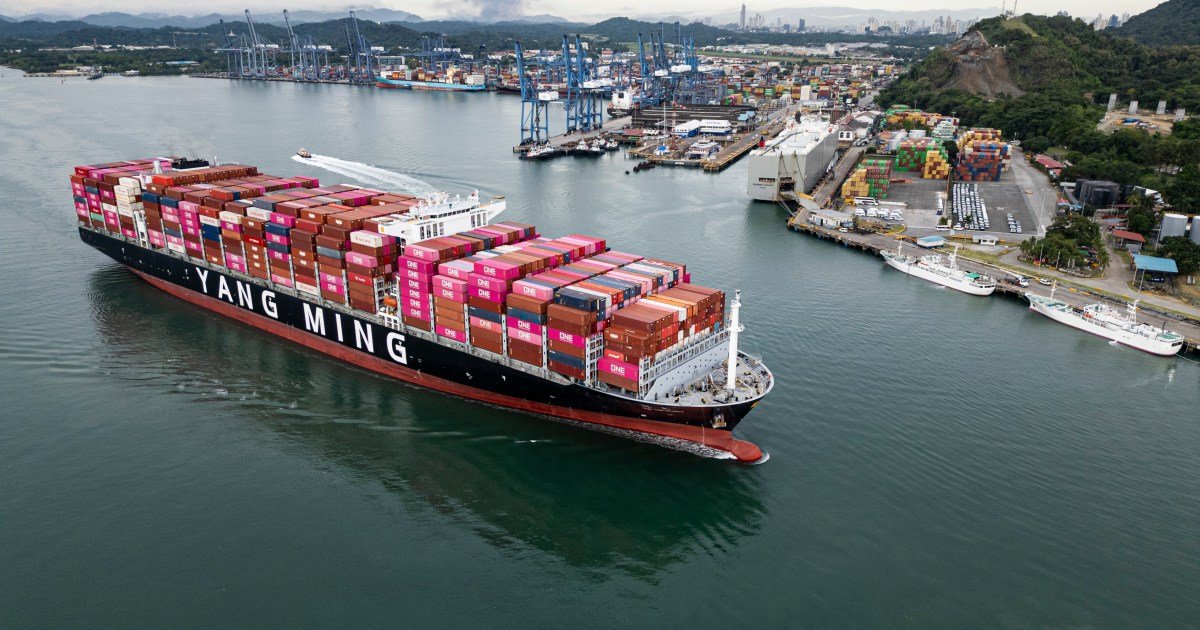
China has issued a stern warning to Panama after the Central American nation’s Supreme Court ruled that a long-standing concession held by Hong Kong-based CK Hutchison Holdings to operate two key container ports at either end of the Panama Canal was unconstitutional.
Beijing’s Hong Kong and Macau Affairs Office described the court decision as “absurd” and said Panama stood to pay “heavy prices both politically and economically” if it continued to enforce the ruling, framing the move as damaging to the rights of Chinese enterprises operating abroad.
The Panama Supreme Court annulled the concession after finding that the 25-year contract — originally granted in the 1990s and renewed in 2021 — violated constitutional procedures related to public interest, exclusive rights and legal transparency.
The ruling quickly drew international attention because of the ports’ strategic importance to global maritime trade and the broader geopolitical tensions between China and the United States over influence in the region.
In response, CK Hutchison’s subsidiary, Panama Ports Company, launched arbitration proceedings under the International Chamber of Commerce’s rules to contest the annulment and protect its contractual rights.
The arbitration could take years and seeks to establish whether Panama breached its obligations and owes compensation, although it cannot directly overturn Panama’s domestic court decision.
Company statements filed in Hong Kong emphasise strong disagreement with the ruling and a commitment to exhaust all legal avenues.
Panamanian President José Raúl Mulino defended the judiciary’s independence in the face of criticism from China, asserting that the court’s decision followed constitutional and legal norms and that the country would maintain sovereign control over its legal system.
Officials also moved swiftly to reassure the global shipping industry that operations at the Balboa and Cristóbal terminals would continue without interruption, including interim arrangements with alternative operators to prevent disruption to canal traffic.
The dispute has broader implications for investment and geopolitical dynamics.
The court’s ruling has been welcomed by U.S. officials as curbing perceived Chinese influence over the canal’s critical infrastructure, and it complicates CK Hutchison’s ongoing plan to sell its global port assets, including the Panama terminals, to a consortium led by U.S. and European investors.
Beijing’s aggressive public rebuke underscores rising tensions over overseas Chinese investment and highlights the strategic significance of the canal in global trade routes and U.S.-China competition.
Beijing’s Hong Kong and Macau Affairs Office described the court decision as “absurd” and said Panama stood to pay “heavy prices both politically and economically” if it continued to enforce the ruling, framing the move as damaging to the rights of Chinese enterprises operating abroad.
The Panama Supreme Court annulled the concession after finding that the 25-year contract — originally granted in the 1990s and renewed in 2021 — violated constitutional procedures related to public interest, exclusive rights and legal transparency.
The ruling quickly drew international attention because of the ports’ strategic importance to global maritime trade and the broader geopolitical tensions between China and the United States over influence in the region.
In response, CK Hutchison’s subsidiary, Panama Ports Company, launched arbitration proceedings under the International Chamber of Commerce’s rules to contest the annulment and protect its contractual rights.
The arbitration could take years and seeks to establish whether Panama breached its obligations and owes compensation, although it cannot directly overturn Panama’s domestic court decision.
Company statements filed in Hong Kong emphasise strong disagreement with the ruling and a commitment to exhaust all legal avenues.
Panamanian President José Raúl Mulino defended the judiciary’s independence in the face of criticism from China, asserting that the court’s decision followed constitutional and legal norms and that the country would maintain sovereign control over its legal system.
Officials also moved swiftly to reassure the global shipping industry that operations at the Balboa and Cristóbal terminals would continue without interruption, including interim arrangements with alternative operators to prevent disruption to canal traffic.
The dispute has broader implications for investment and geopolitical dynamics.
The court’s ruling has been welcomed by U.S. officials as curbing perceived Chinese influence over the canal’s critical infrastructure, and it complicates CK Hutchison’s ongoing plan to sell its global port assets, including the Panama terminals, to a consortium led by U.S. and European investors.
Beijing’s aggressive public rebuke underscores rising tensions over overseas Chinese investment and highlights the strategic significance of the canal in global trade routes and U.S.-China competition.