Regulators and investors question whether underwriters are acting as rigorous gatekeepers or merely facilitating a surge of listings
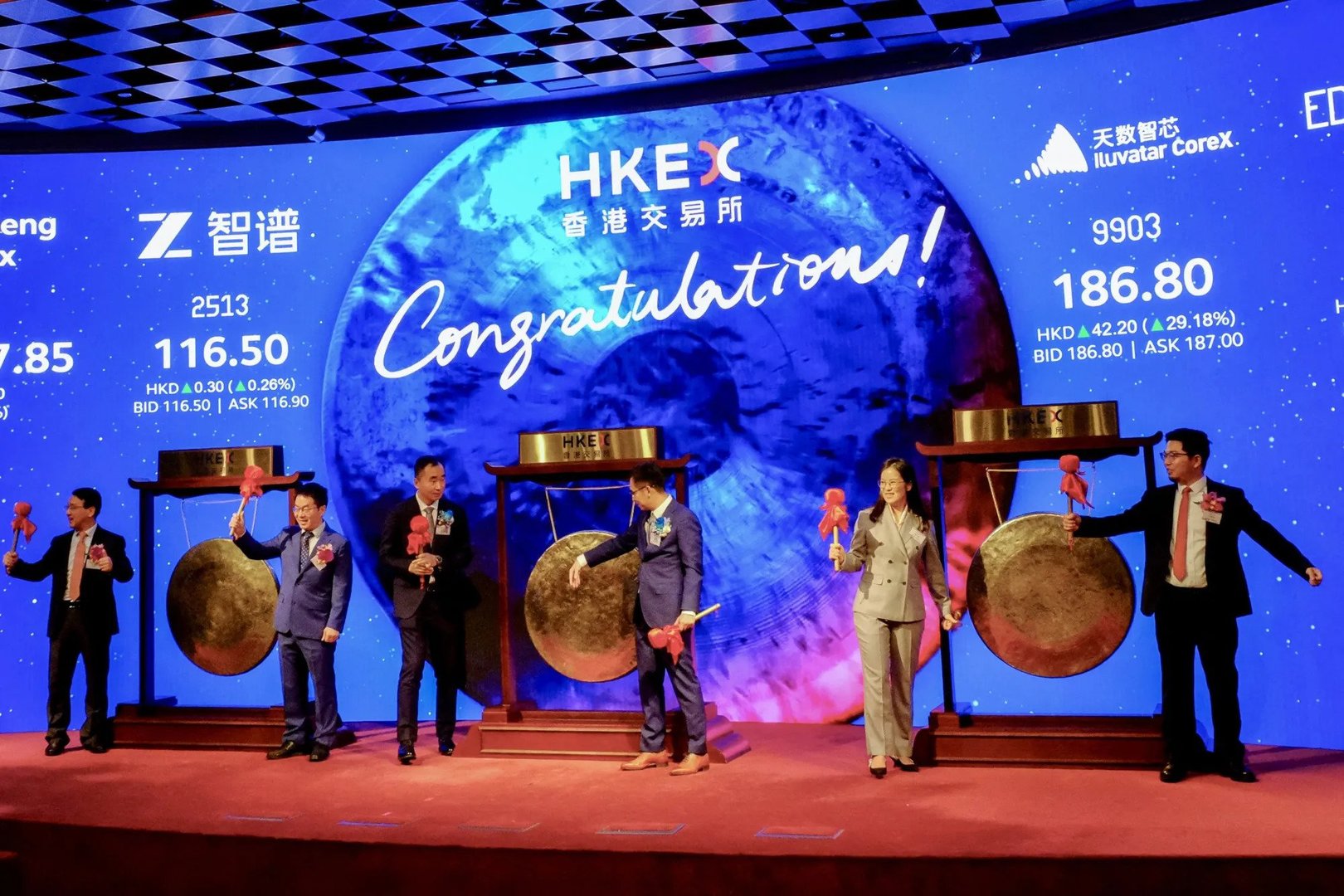
Hong Kong’s revival as one of the world’s busiest initial public offering hubs has reignited a long-running debate over the true role of the city’s IPO bankers.
As fundraising volumes accelerate, regulators and market participants are increasingly focused on whether sponsoring banks are exercising robust oversight or functioning largely as transaction facilitators in an intensely competitive environment.
A renewed pipeline of listings, driven primarily by mainland Chinese companies seeking access to international capital, has restored momentum to the market.
The rebound has been welcomed by policymakers and issuers alike, reinforcing Hong Kong’s position as a critical financial gateway between China and global investors.
Yet the speed and scale of activity have also exposed operational strains within the investment banking ecosystem.
Regulatory authorities have recently signaled concern over the quality of some IPO submissions, urging banks to strengthen due diligence and documentation standards.
Enhanced supervision requirements have been introduced to ensure senior bankers are closely involved in each transaction, reflecting expectations that sponsors act as frontline guardians of market integrity rather than passive intermediaries.
At the same time, banks face commercial pressures that complicate this role.
Intensifying competition, particularly from regional and mainland rivals, has compressed underwriting fees even as workloads rise.
This has prompted questions about whether existing incentives adequately support the level of scrutiny regulators and investors demand.
Industry executives argue that the core gatekeeping function remains intact, pointing to ongoing reforms and investments in compliance and risk management.
They also note that Hong Kong’s regulatory framework continues to evolve in step with market growth, balancing efficiency with investor protection.
The debate underscores a broader challenge for Hong Kong’s capital markets: sustaining rapid growth while preserving confidence in disclosure standards and governance.
How effectively IPO bankers navigate this balance is likely to shape the city’s appeal as a listing venue in the next phase of its market cycle.
As fundraising volumes accelerate, regulators and market participants are increasingly focused on whether sponsoring banks are exercising robust oversight or functioning largely as transaction facilitators in an intensely competitive environment.
A renewed pipeline of listings, driven primarily by mainland Chinese companies seeking access to international capital, has restored momentum to the market.
The rebound has been welcomed by policymakers and issuers alike, reinforcing Hong Kong’s position as a critical financial gateway between China and global investors.
Yet the speed and scale of activity have also exposed operational strains within the investment banking ecosystem.
Regulatory authorities have recently signaled concern over the quality of some IPO submissions, urging banks to strengthen due diligence and documentation standards.
Enhanced supervision requirements have been introduced to ensure senior bankers are closely involved in each transaction, reflecting expectations that sponsors act as frontline guardians of market integrity rather than passive intermediaries.
At the same time, banks face commercial pressures that complicate this role.
Intensifying competition, particularly from regional and mainland rivals, has compressed underwriting fees even as workloads rise.
This has prompted questions about whether existing incentives adequately support the level of scrutiny regulators and investors demand.
Industry executives argue that the core gatekeeping function remains intact, pointing to ongoing reforms and investments in compliance and risk management.
They also note that Hong Kong’s regulatory framework continues to evolve in step with market growth, balancing efficiency with investor protection.
The debate underscores a broader challenge for Hong Kong’s capital markets: sustaining rapid growth while preserving confidence in disclosure standards and governance.
How effectively IPO bankers navigate this balance is likely to shape the city’s appeal as a listing venue in the next phase of its market cycle.