Extended, low-cost vehicle loans roll out across major brands in China to stimulate sluggish electric car demand amid fading government incentives
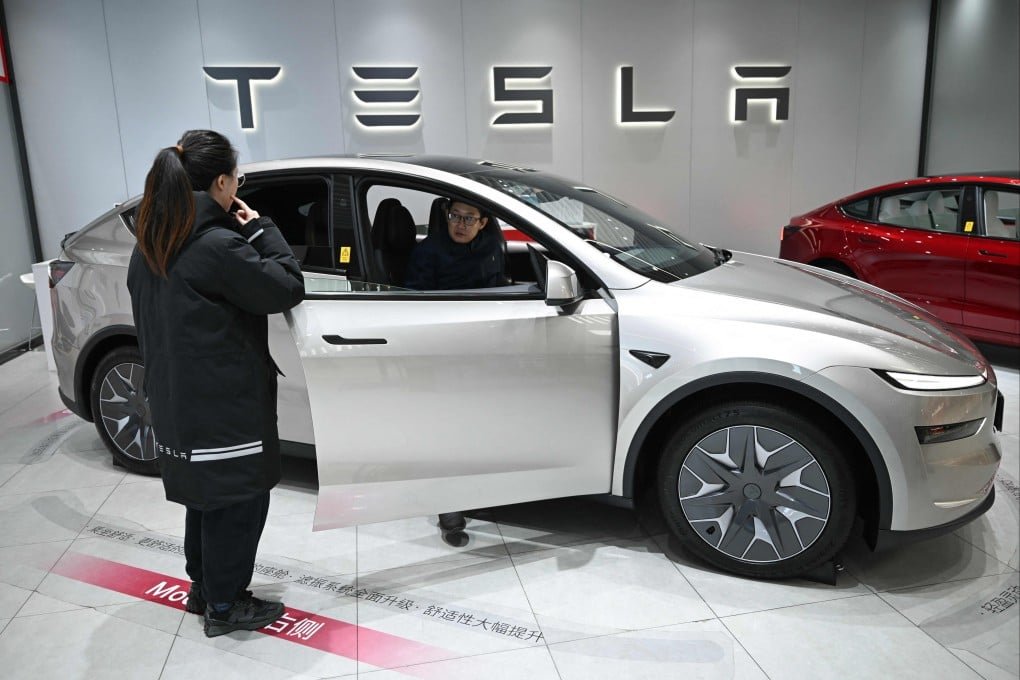
Tesla has ignited a new phase of competition in China’s electric vehicle (EV) market with the introduction of ultra-long, low-interest financing deals designed to reduce monthly payments and attract hesitant buyers.
In January, the U.S. automaker rolled out a loan programme offering annualised interest rates as low as 1.36 percent on terms of up to seven years for customers buying locally made Model 3 and Model Y vehicles, markedly longer and cheaper than the typical five-year or shorter consumer loan.
This initiative allows purchasers to pay monthly instalments below RMB 2,000 (about US$288) after a modest down payment, significantly lowering the upfront cost barrier.
The move has quickly prompted a broader ‘financial arms race’ within China’s EV sector, with domestic rivals following Tesla’s lead.
Xiaomi announced comparable seven-year low-interest financing on its YU7 SUV, while other major players including XPeng, Li Auto, Dongfeng’s Yipai and Geely’s Galaxy brands have matched or crafted similar plans that extend loan durations and reduce monthly instalments to attract buyers in an otherwise softened market.
The widespread adoption of extended terms represents a shift from traditional price cuts toward financial incentives as automakers seek to bolster sales without eroding long-term pricing integrity.
Industry analysts say the pivot to financing reflects broader pressures on EV makers as weak consumer demand intersects with rising raw material costs and a rollback of generous government purchase incentives.
New energy vehicle buyers in China now face a reduced vehicle purchase tax exemption, dampening stimulus that had supported strong sales growth in recent years.
Against this backdrop, low-interest loans and ‘ultra-low’ monthly payments have become a critical tool for automotive firms to maintain visibility and competitiveness.
While these financing offers are expected to appeal to younger and budget-conscious buyers by expanding affordability, some market participants caution that extending repayment periods and lowering interest rates could carry longer-term financial risks if demand remains subdued.
Nonetheless, with incumbents and challengers alike embracing seven-year loans, the strategy marks a major evolution in how EV makers compete for market share in China’s dynamic and highly contested automotive landscape.
In January, the U.S. automaker rolled out a loan programme offering annualised interest rates as low as 1.36 percent on terms of up to seven years for customers buying locally made Model 3 and Model Y vehicles, markedly longer and cheaper than the typical five-year or shorter consumer loan.
This initiative allows purchasers to pay monthly instalments below RMB 2,000 (about US$288) after a modest down payment, significantly lowering the upfront cost barrier.
The move has quickly prompted a broader ‘financial arms race’ within China’s EV sector, with domestic rivals following Tesla’s lead.
Xiaomi announced comparable seven-year low-interest financing on its YU7 SUV, while other major players including XPeng, Li Auto, Dongfeng’s Yipai and Geely’s Galaxy brands have matched or crafted similar plans that extend loan durations and reduce monthly instalments to attract buyers in an otherwise softened market.
The widespread adoption of extended terms represents a shift from traditional price cuts toward financial incentives as automakers seek to bolster sales without eroding long-term pricing integrity.
Industry analysts say the pivot to financing reflects broader pressures on EV makers as weak consumer demand intersects with rising raw material costs and a rollback of generous government purchase incentives.
New energy vehicle buyers in China now face a reduced vehicle purchase tax exemption, dampening stimulus that had supported strong sales growth in recent years.
Against this backdrop, low-interest loans and ‘ultra-low’ monthly payments have become a critical tool for automotive firms to maintain visibility and competitiveness.
While these financing offers are expected to appeal to younger and budget-conscious buyers by expanding affordability, some market participants caution that extending repayment periods and lowering interest rates could carry longer-term financial risks if demand remains subdued.
Nonetheless, with incumbents and challengers alike embracing seven-year loans, the strategy marks a major evolution in how EV makers compete for market share in China’s dynamic and highly contested automotive landscape.