Supreme Court ruling voids Hong Kong firm’s contract to operate key Panama Canal ports, prompting potential claims and geopolitical tension
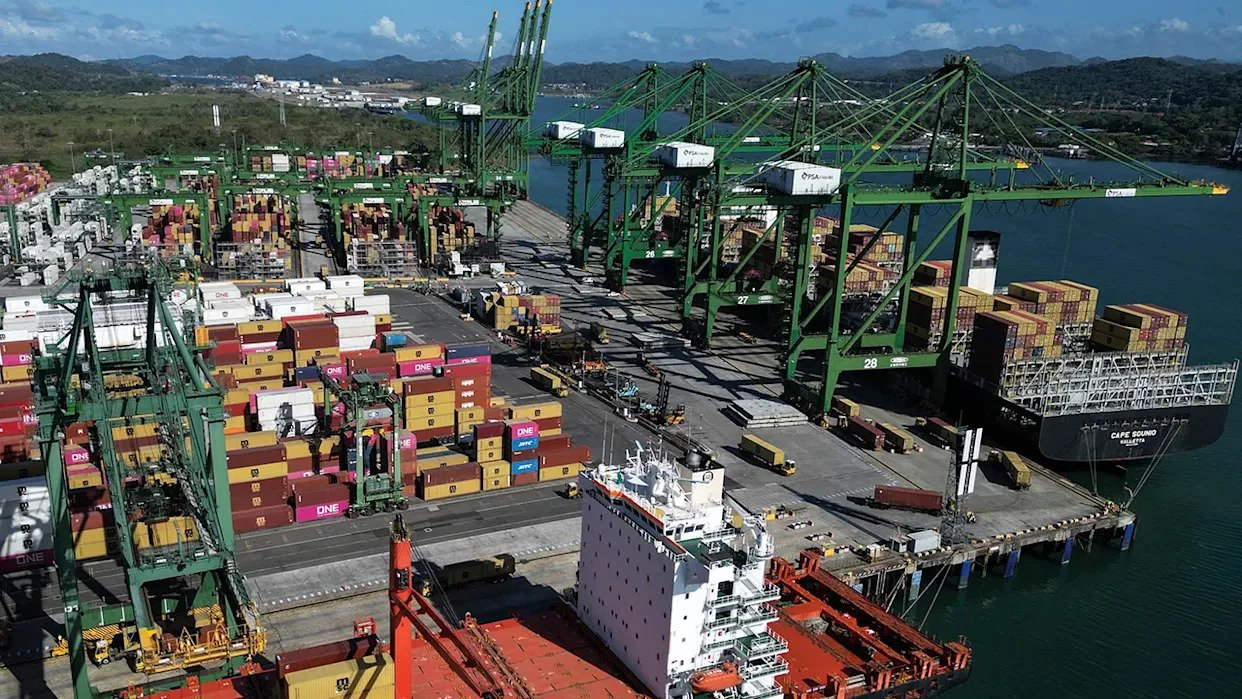
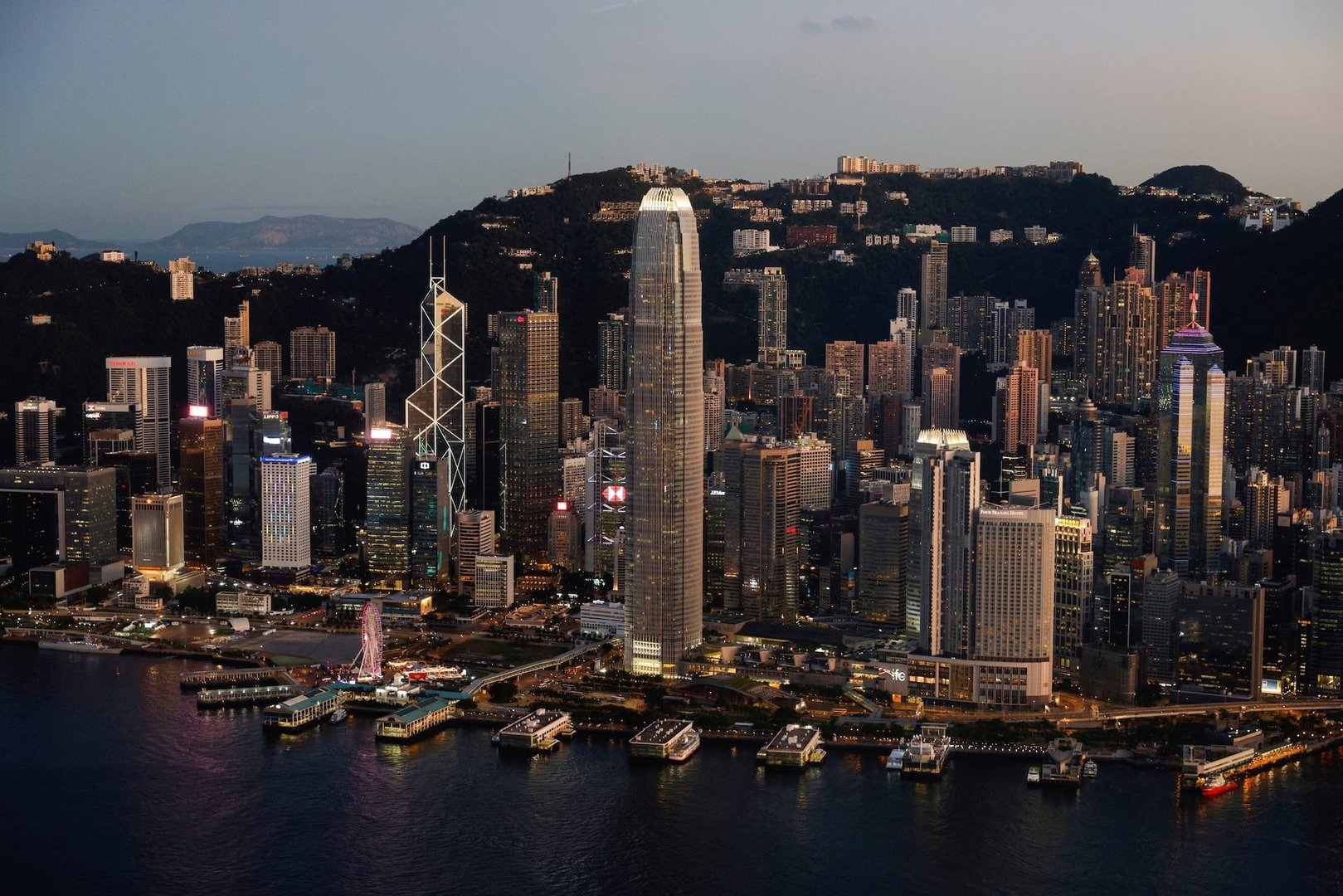
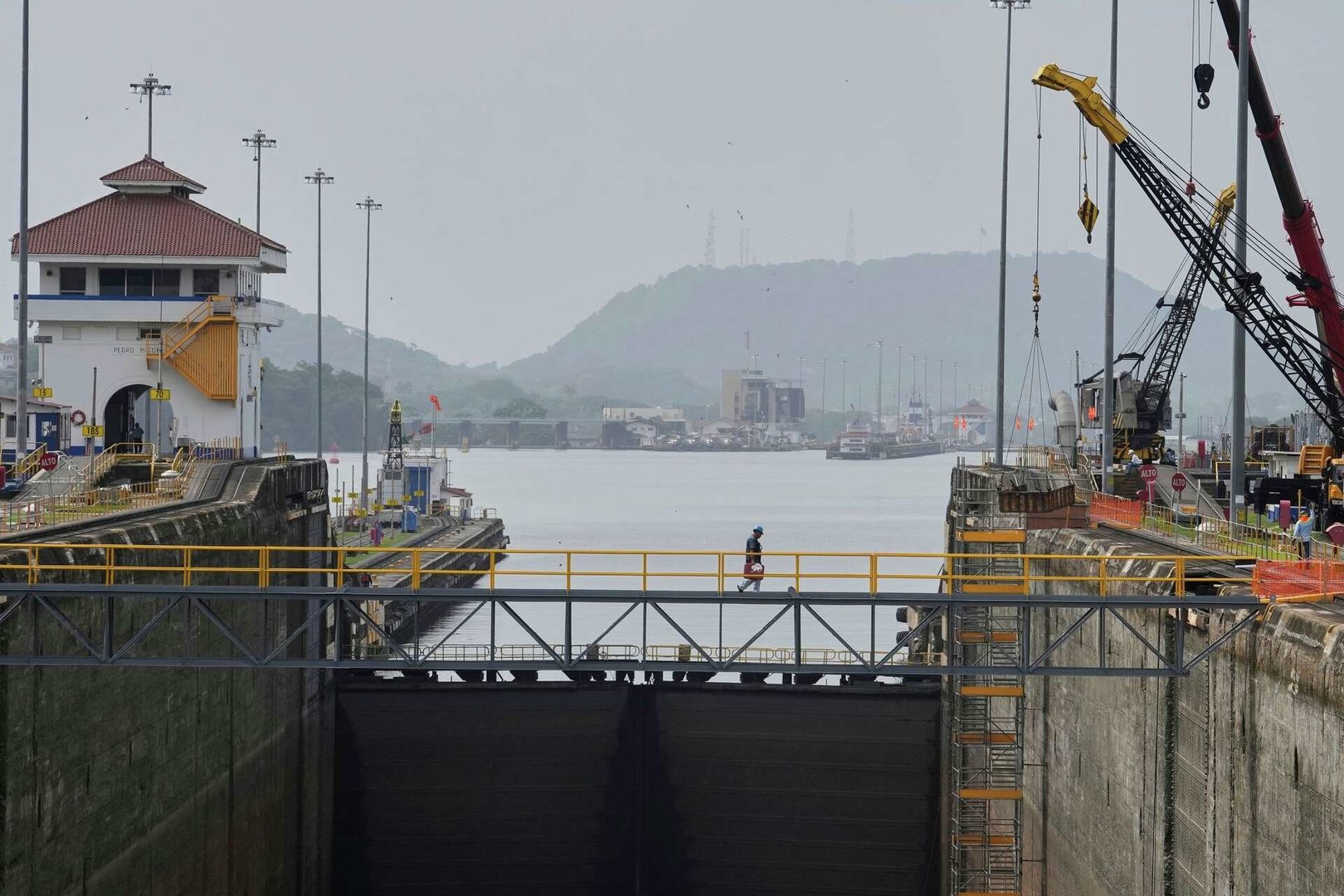
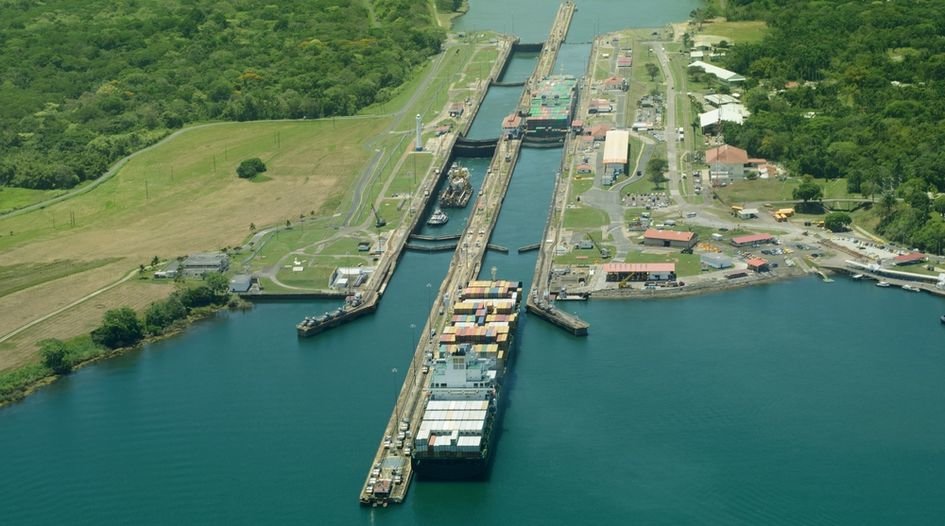
A Hong Kong-based conglomerate is examining possible legal challenges after Panama’s Supreme Court ruled that its long-standing concession to operate the Balboa and Cristóbal ports at the entrances to the Panama Canal was unconstitutional, effectively stripping the company of its rights to run the strategically vital terminals.
The judgment stems from lawsuits and a government audit that found procedural irregularities in the extension of the concession without proper constitutional backing.
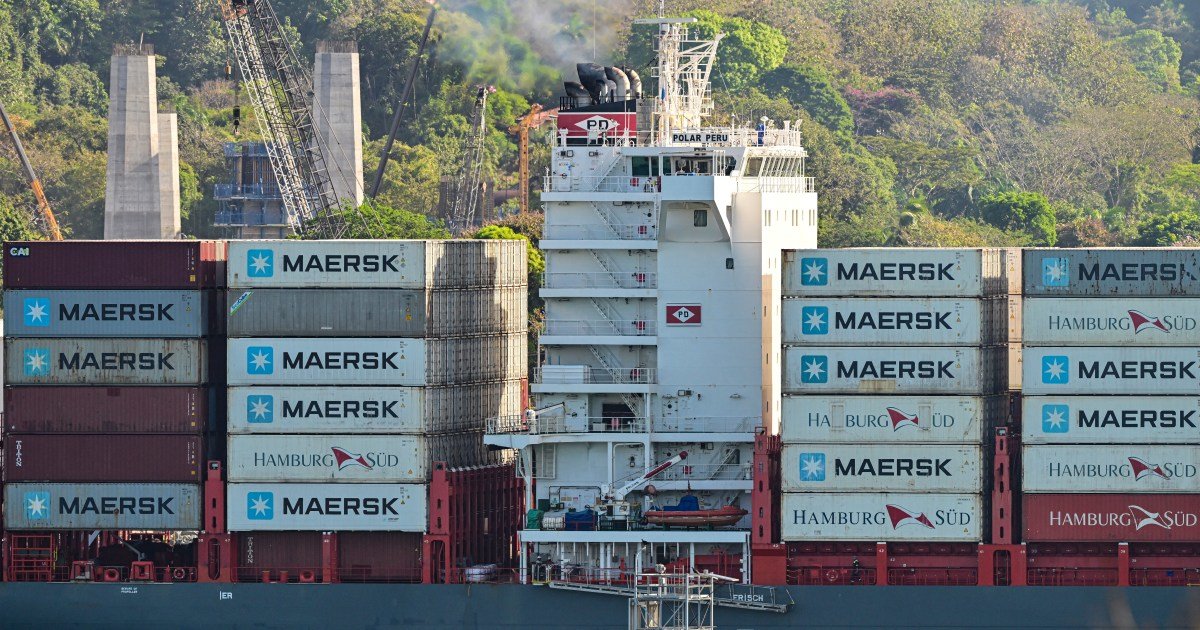
Panama’s president has assured that port operations will continue during a transition, with a subsidiary of Danish logistics giant Maersk stepping in as interim administrator.
The affected firm, Panama Ports Company, a subsidiary of Hong Kong’s CK Hutchison Holdings, has emphasized that it served the country for nearly three decades and is considering all recourse options, including national and international legal proceedings.
The loss of the concession also disrupts a previously proposed $23 billion sale of global port assets involving the Panama terminals.
Hong Kong and Chinese officials have criticised the ruling as lacking legal basis and have urged respect for contractual frameworks, while Panama’s government underscores adherence to legal procedures and sovereign authority over infrastructure.
The dispute has drawn wider geopolitical attention, with the United States expressing support for Panama’s judicial action in line with efforts to limit foreign influence over critical infrastructure, particularly around the Panama Canal, which handles a significant portion of global maritime trade.
The situation highlights the intersection of international commerce, legal accountability and geopolitical strategy, and observers say the company’s potential claim could hinge on bilateral investment treaties and international arbitration mechanisms.
The next steps, including any formal claims and their venues, have yet to be announced, leaving the future of one of the world’s most important shipping gateways in a state of legal and political uncertainty.
The judgment stems from lawsuits and a government audit that found procedural irregularities in the extension of the concession without proper constitutional backing.
Panama’s president has assured that port operations will continue during a transition, with a subsidiary of Danish logistics giant Maersk stepping in as interim administrator.
The affected firm, Panama Ports Company, a subsidiary of Hong Kong’s CK Hutchison Holdings, has emphasized that it served the country for nearly three decades and is considering all recourse options, including national and international legal proceedings.
The loss of the concession also disrupts a previously proposed $23 billion sale of global port assets involving the Panama terminals.
Hong Kong and Chinese officials have criticised the ruling as lacking legal basis and have urged respect for contractual frameworks, while Panama’s government underscores adherence to legal procedures and sovereign authority over infrastructure.
The dispute has drawn wider geopolitical attention, with the United States expressing support for Panama’s judicial action in line with efforts to limit foreign influence over critical infrastructure, particularly around the Panama Canal, which handles a significant portion of global maritime trade.
The situation highlights the intersection of international commerce, legal accountability and geopolitical strategy, and observers say the company’s potential claim could hinge on bilateral investment treaties and international arbitration mechanisms.
The next steps, including any formal claims and their venues, have yet to be announced, leaving the future of one of the world’s most important shipping gateways in a state of legal and political uncertainty.