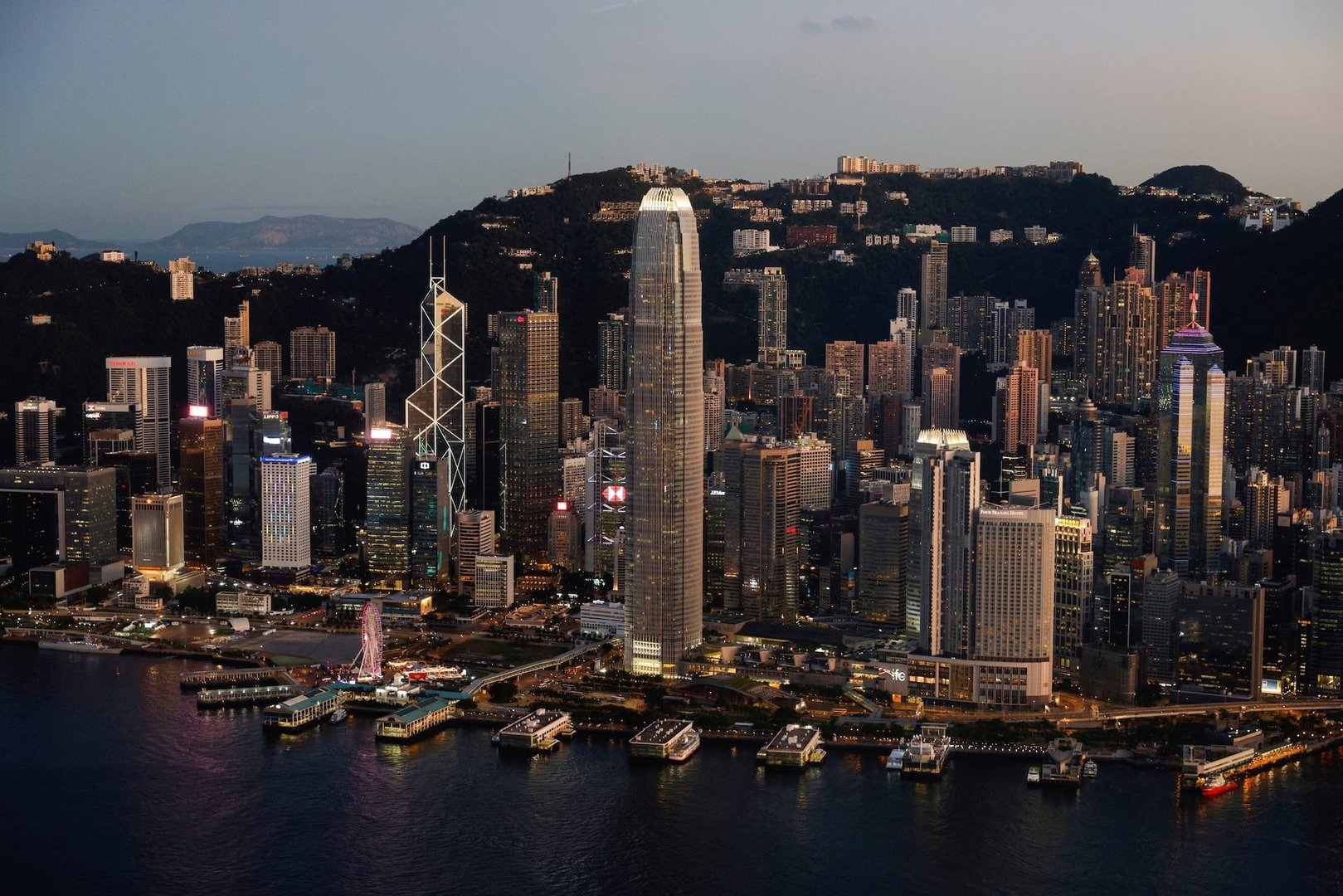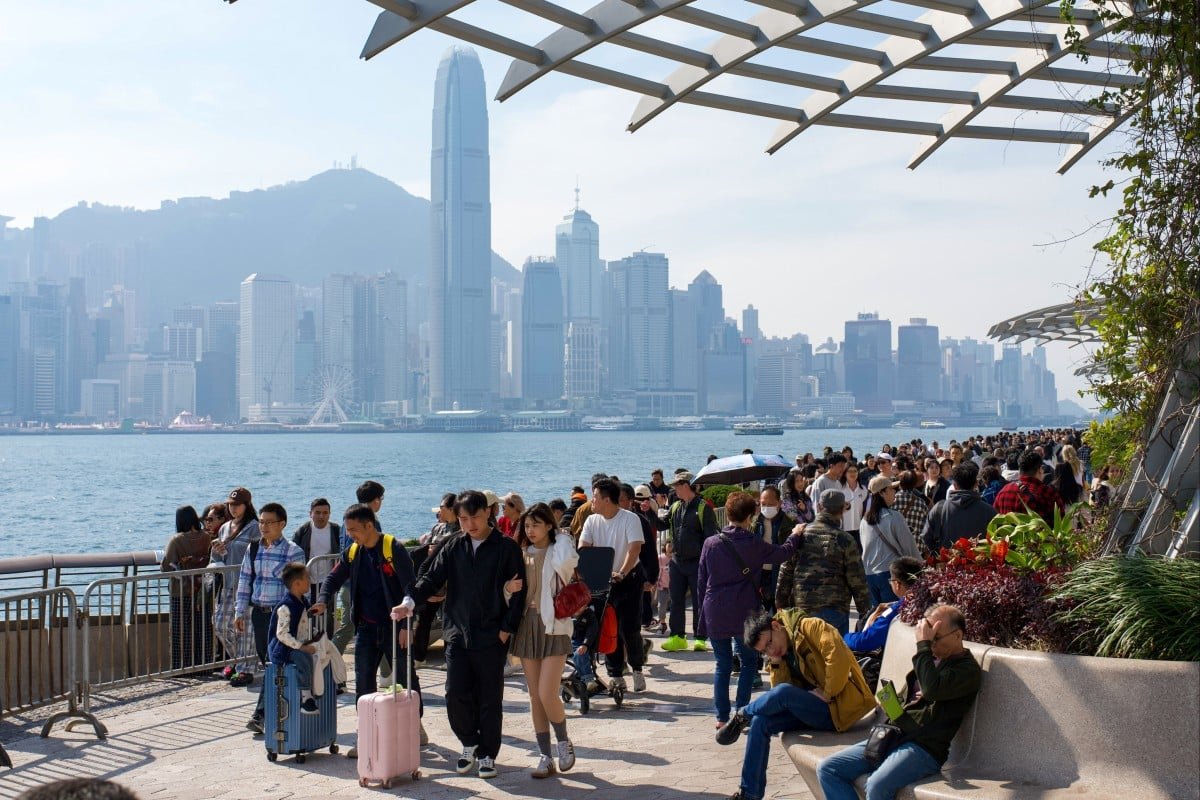
Authorities and tourism sector brace for strong arrival numbers and high hotel demand during the holiday period
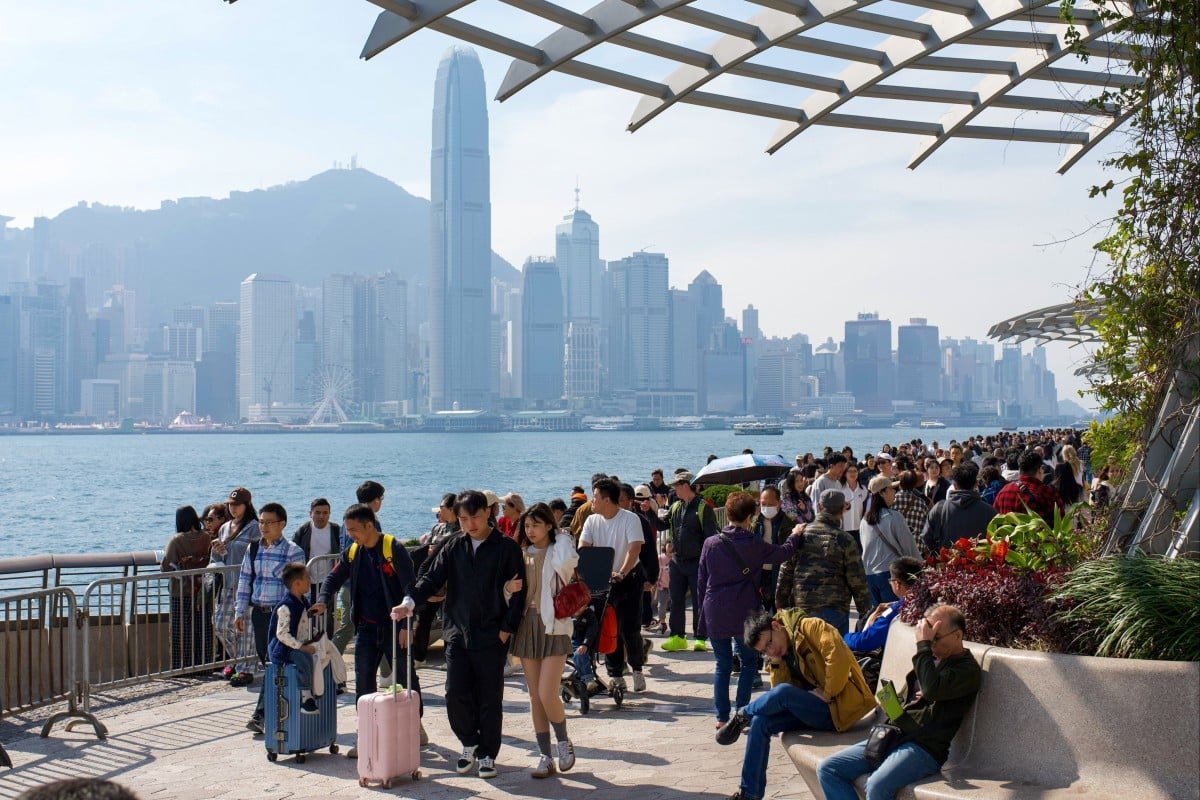
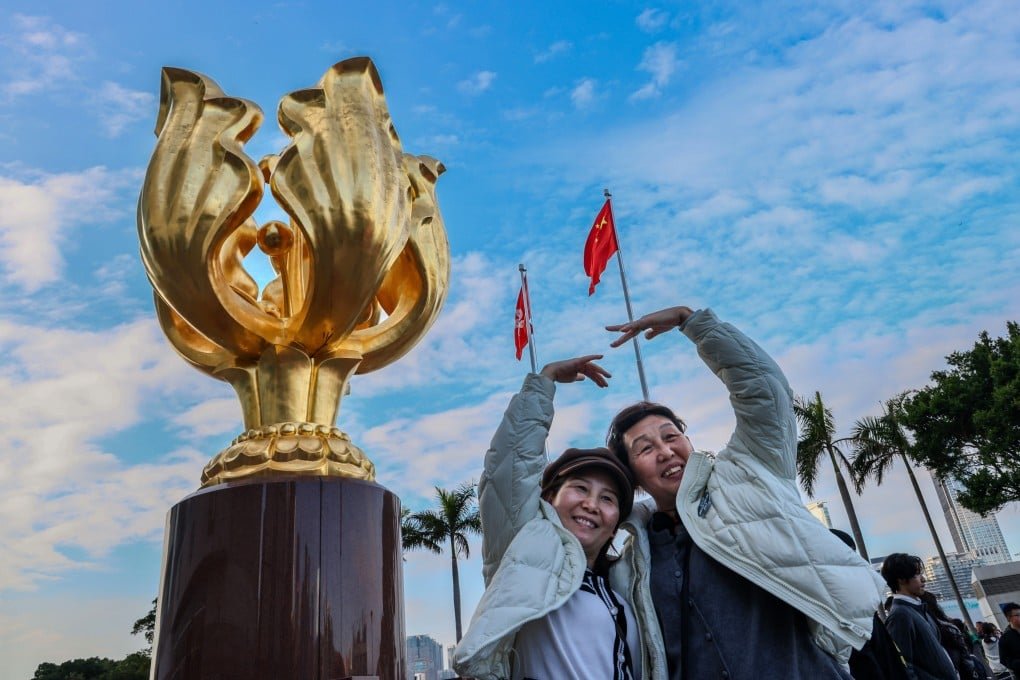
Hong Kong is preparing for a significant influx of visitors from mainland China over the forthcoming Lunar New Year holiday, with projections pointing to around 1.4 million arrivals during the core holiday period.
The Travel Industry Council of Hong Kong estimates that this figure represents a year-on-year increase as travellers take advantage of the festive period to visit the city for celebrations, shopping and cultural events.
The majority of inbound guests are expected to be organised mainland tour groups, with around 2,600 groups projected for the peak travel days.
High-speed rail ticket sales from key departure cities such as Guangzhou, Shenzhen and Shanghai sold out swiftly, reflecting robust demand for travel to Hong Kong despite headwinds such as currency strength.
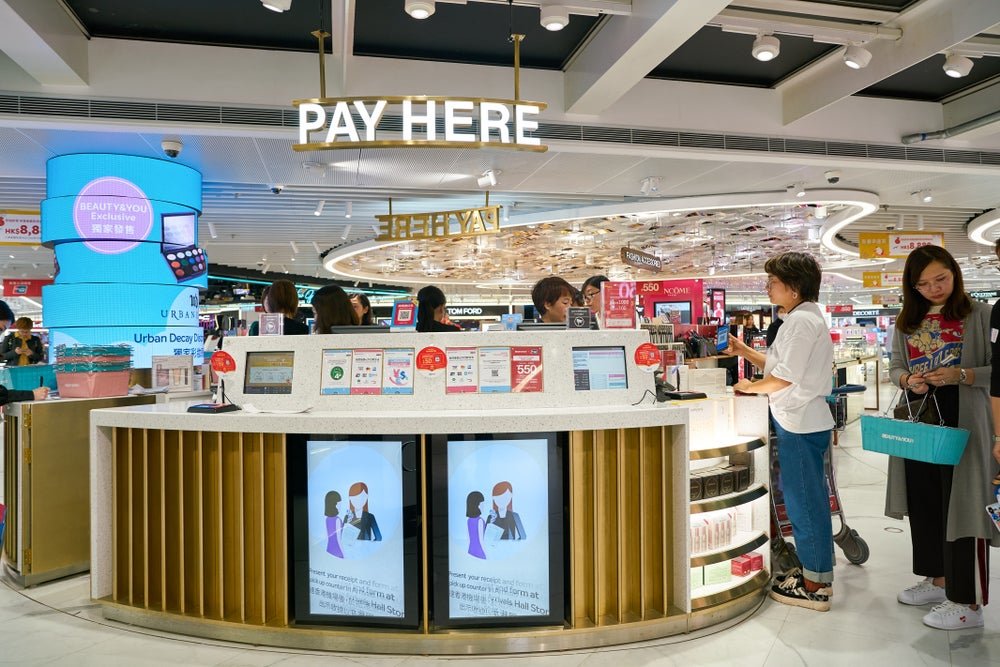
Hoteliers in major districts like Tsim Sha Tsui and Causeway Bay have reported near-full occupancy for the central holiday nights, prompting some operators to raise room rates by between ten and fifteen percent in anticipation of heightened demand.
Hong Kong authorities have expanded capacity at immigration checkpoints ahead of the holiday, including adding smart e-gates at major control points such as West Kowloon and Lo Wu to expedite crossings and minimise congestion.
Cross-border commuters have been advised to make use of pre-arrival systems and prepare for heavy traffic, particularly on land routes connecting Shenzhen Bay and other frontier points.
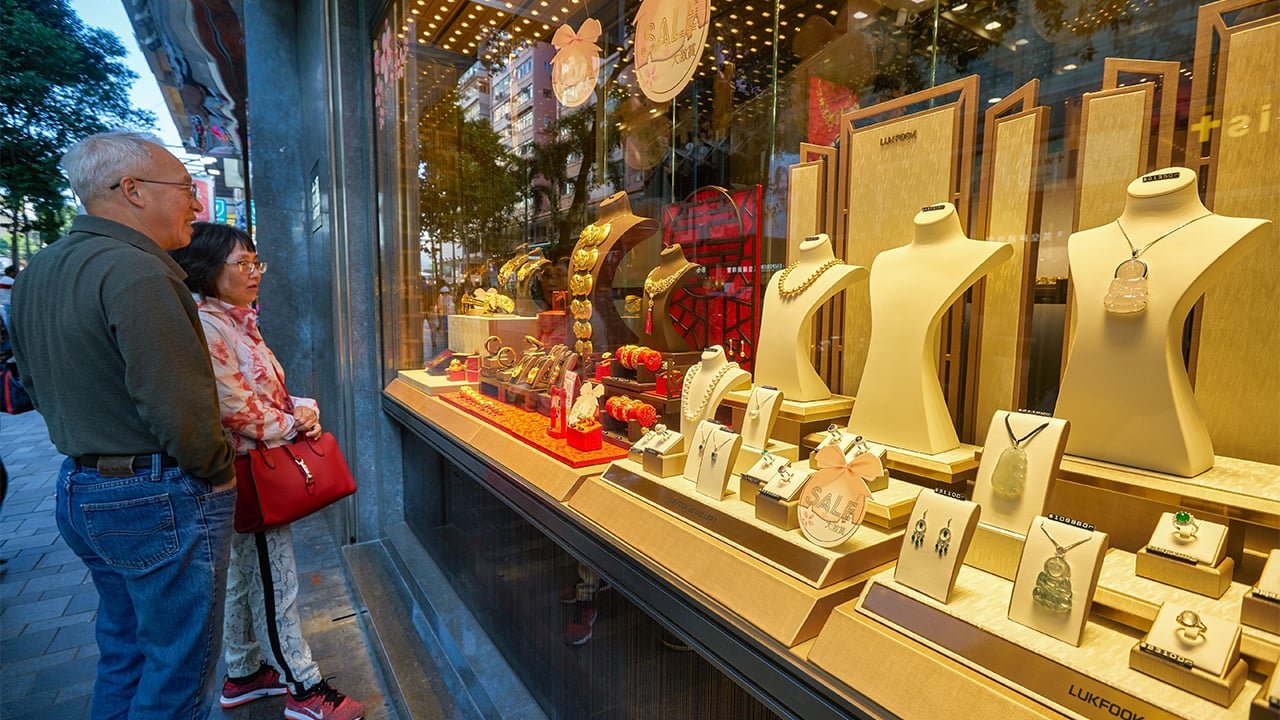
Local business groups have welcomed the expected surge, noting that the influx of visitors will coincide with major events in the city including international arts fairs and fintech conferences, providing a boost to retail, hospitality and dining sectors after softer performance in parts of the previous year.
While visitor spending per head has not yet returned to pre-pandemic levels, the strong projected numbers are seen as a positive signal that Hong Kong’s appeal as a holiday destination remains resilient and dynamic in the face of evolving travel trends and regional competition.
The Travel Industry Council of Hong Kong estimates that this figure represents a year-on-year increase as travellers take advantage of the festive period to visit the city for celebrations, shopping and cultural events.
The majority of inbound guests are expected to be organised mainland tour groups, with around 2,600 groups projected for the peak travel days.
High-speed rail ticket sales from key departure cities such as Guangzhou, Shenzhen and Shanghai sold out swiftly, reflecting robust demand for travel to Hong Kong despite headwinds such as currency strength.
Hoteliers in major districts like Tsim Sha Tsui and Causeway Bay have reported near-full occupancy for the central holiday nights, prompting some operators to raise room rates by between ten and fifteen percent in anticipation of heightened demand.
Hong Kong authorities have expanded capacity at immigration checkpoints ahead of the holiday, including adding smart e-gates at major control points such as West Kowloon and Lo Wu to expedite crossings and minimise congestion.
Cross-border commuters have been advised to make use of pre-arrival systems and prepare for heavy traffic, particularly on land routes connecting Shenzhen Bay and other frontier points.
Local business groups have welcomed the expected surge, noting that the influx of visitors will coincide with major events in the city including international arts fairs and fintech conferences, providing a boost to retail, hospitality and dining sectors after softer performance in parts of the previous year.
While visitor spending per head has not yet returned to pre-pandemic levels, the strong projected numbers are seen as a positive signal that Hong Kong’s appeal as a holiday destination remains resilient and dynamic in the face of evolving travel trends and regional competition.