From world-class fairs to cutting-edge galleries, the city blends heritage and innovation in a thriving creative landscape
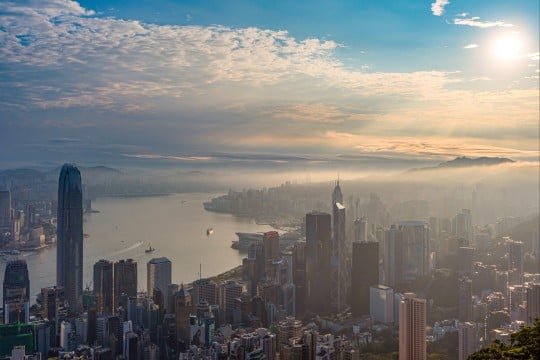
Hong Kong is reaffirming its position as one of the world’s leading hubs for art and design, offering a dynamic mix of international influence, regional identity, and forward-looking creativity that continues to attract collectors, artists, and visitors alike.
At the heart of the city’s cultural appeal is its role as a gateway between East and West.
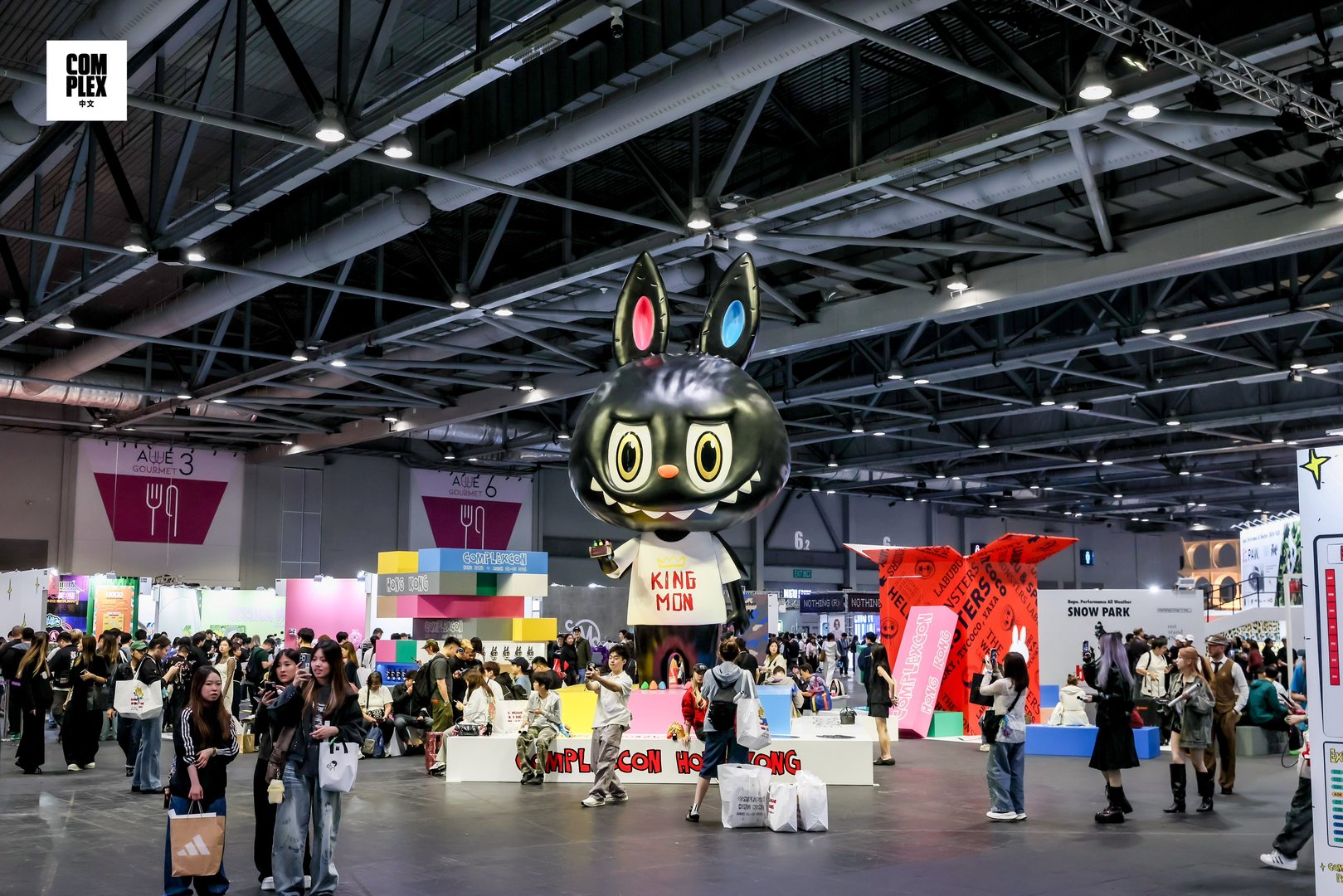
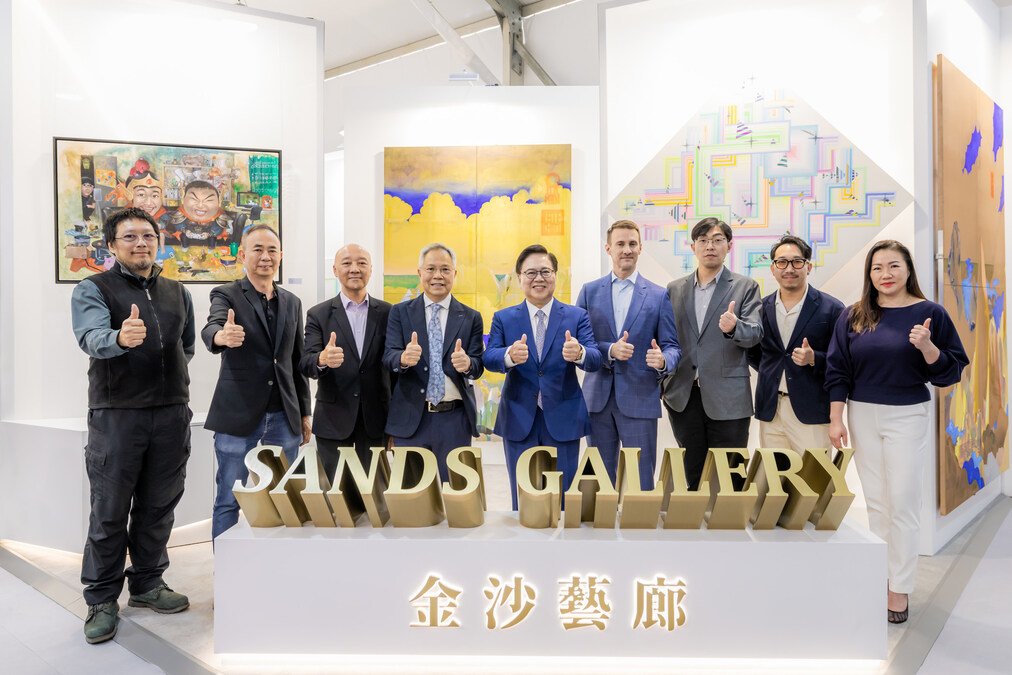
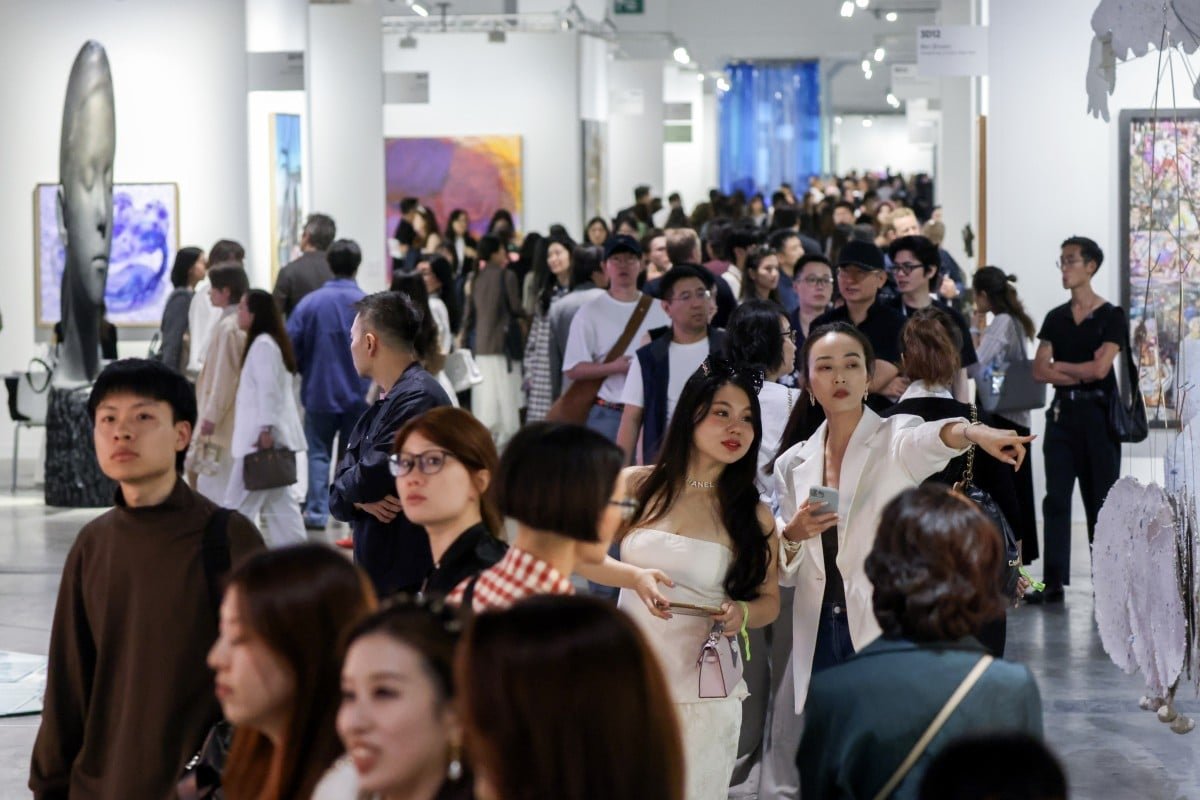
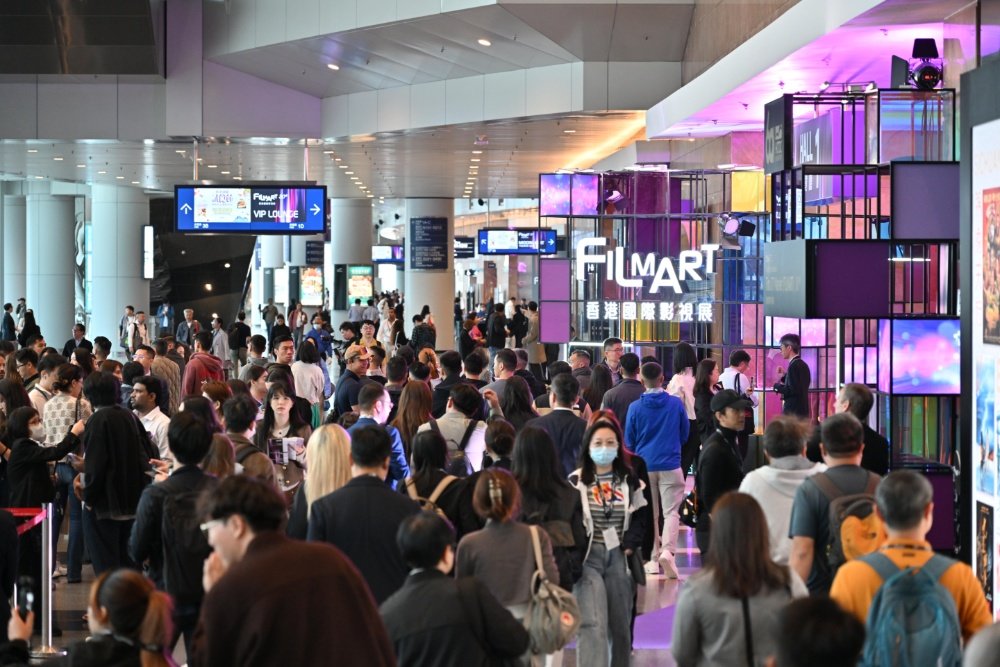
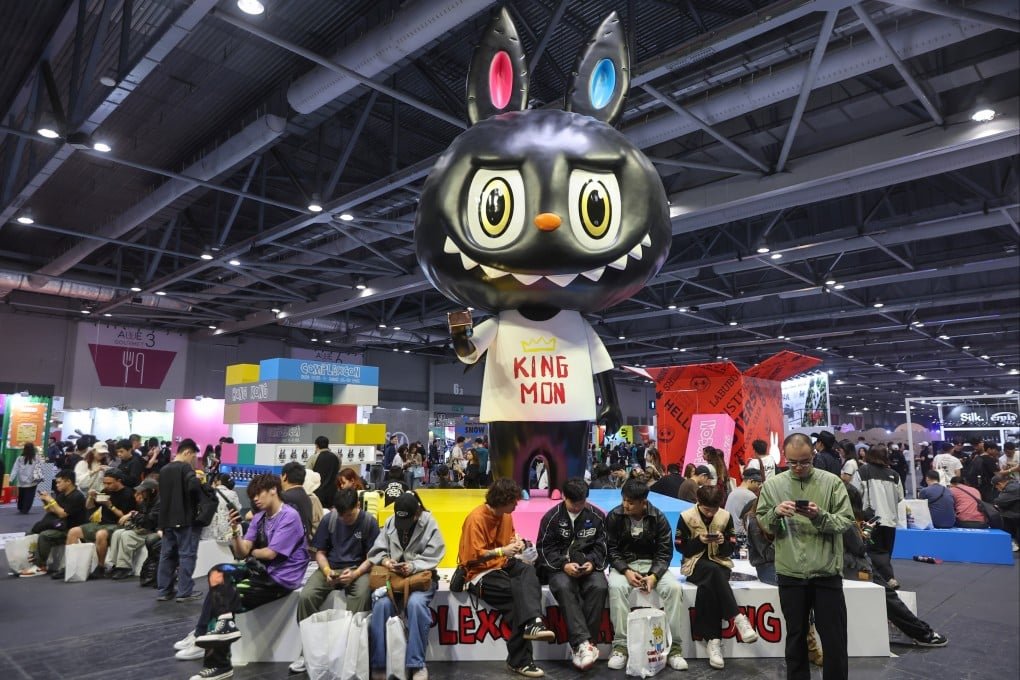
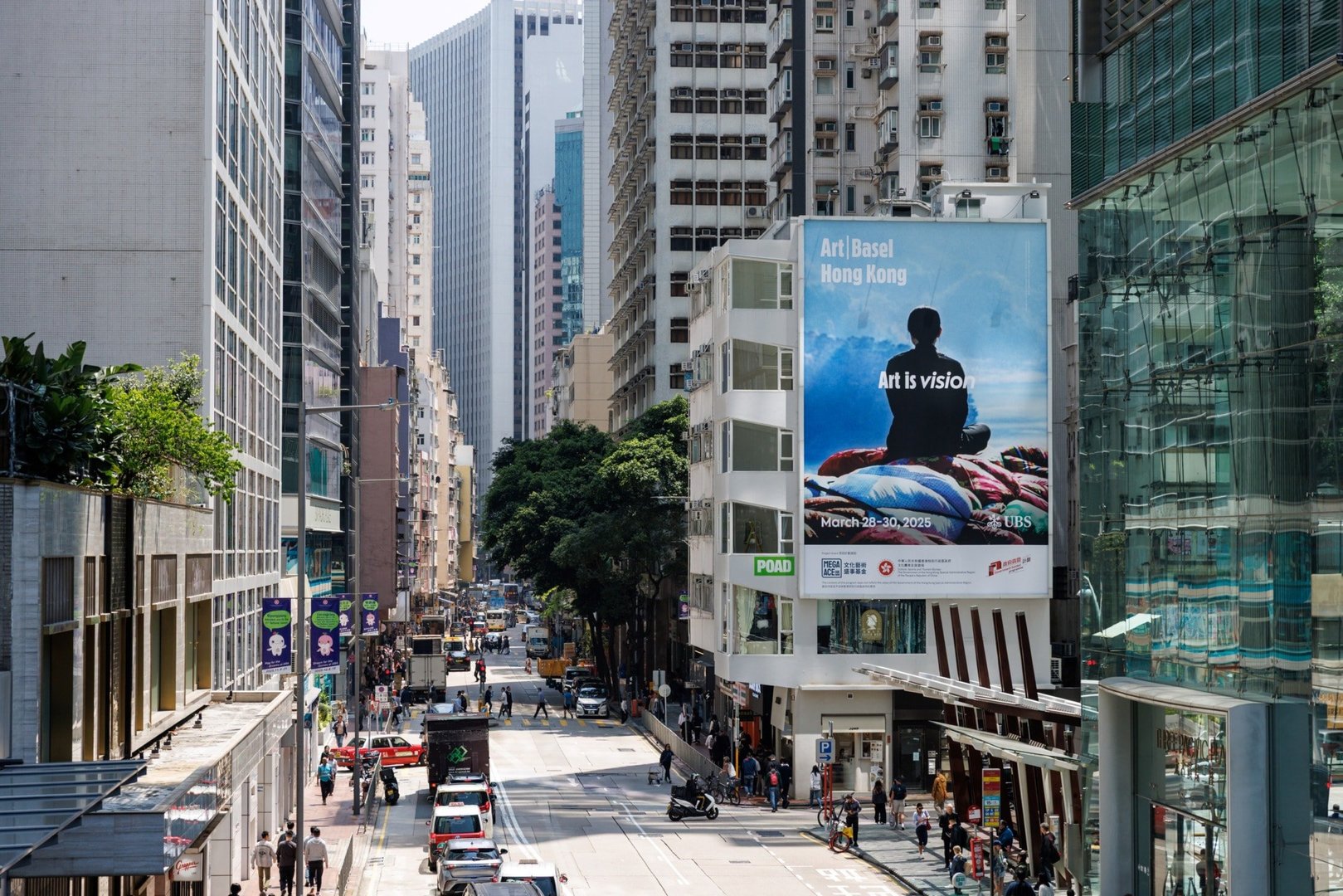
Major international events such as flagship art fairs and design festivals draw global audiences, while a growing network of galleries and creative spaces showcases both established and emerging talent.
The city’s free-market environment and strong infrastructure have helped sustain its reputation as a vital centre for the global art trade.
Districts such as Central, Sheung Wan, and Wong Chuk Hang have evolved into vibrant creative corridors.
Converted industrial buildings now house contemporary galleries, design studios, and experimental spaces, reflecting Hong Kong’s ability to reinvent itself while preserving its distinctive character.
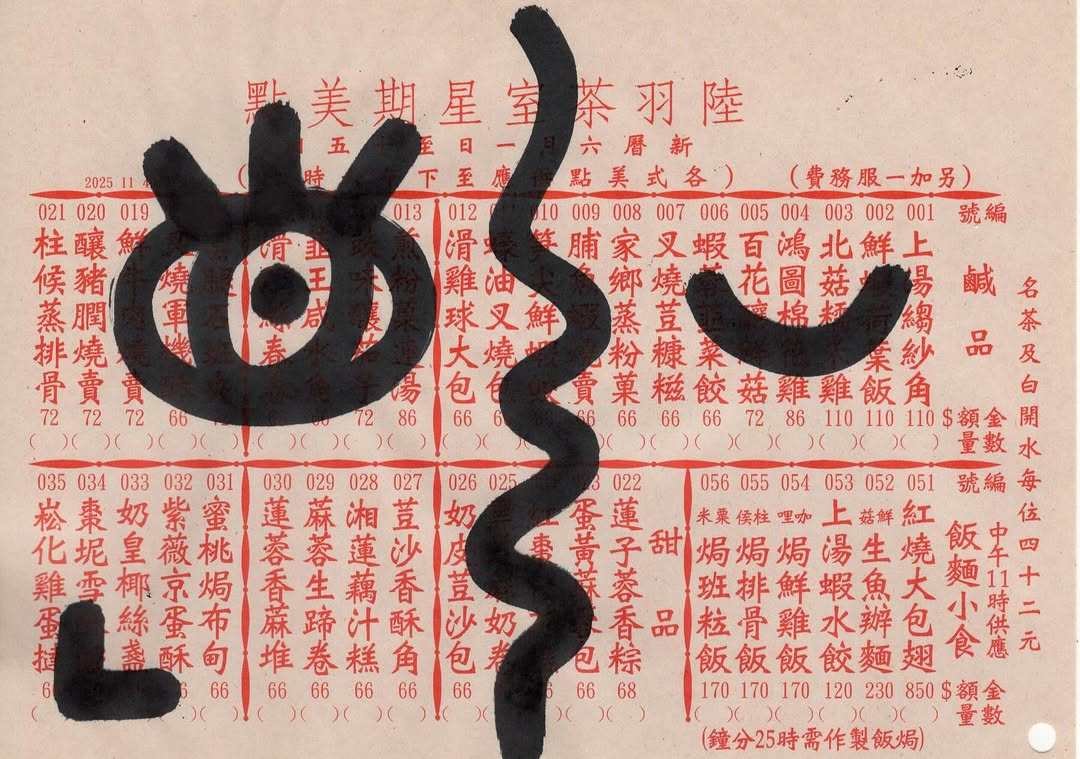
These areas provide a platform for artists exploring everything from traditional ink techniques to digital and multimedia installations.
Institutions have also played a defining role in shaping the city’s cultural landscape.
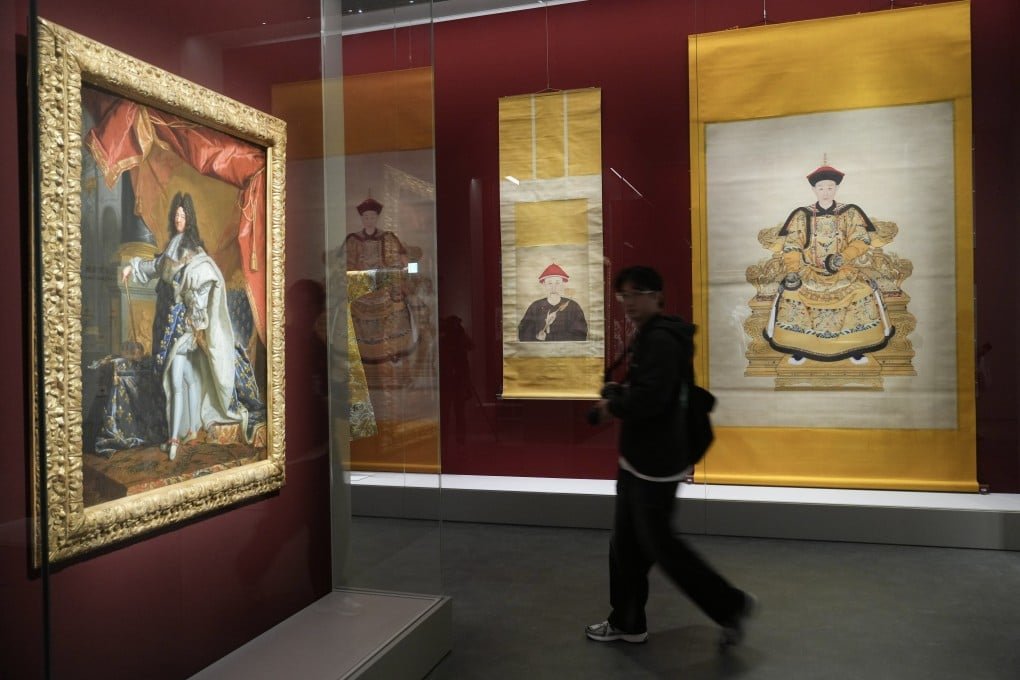
Large-scale museums and cultural complexes have expanded significantly in recent years, offering ambitious exhibitions that place Asian artists in a global context.
Their programming has helped deepen public engagement while elevating Hong Kong’s standing as a serious cultural destination.
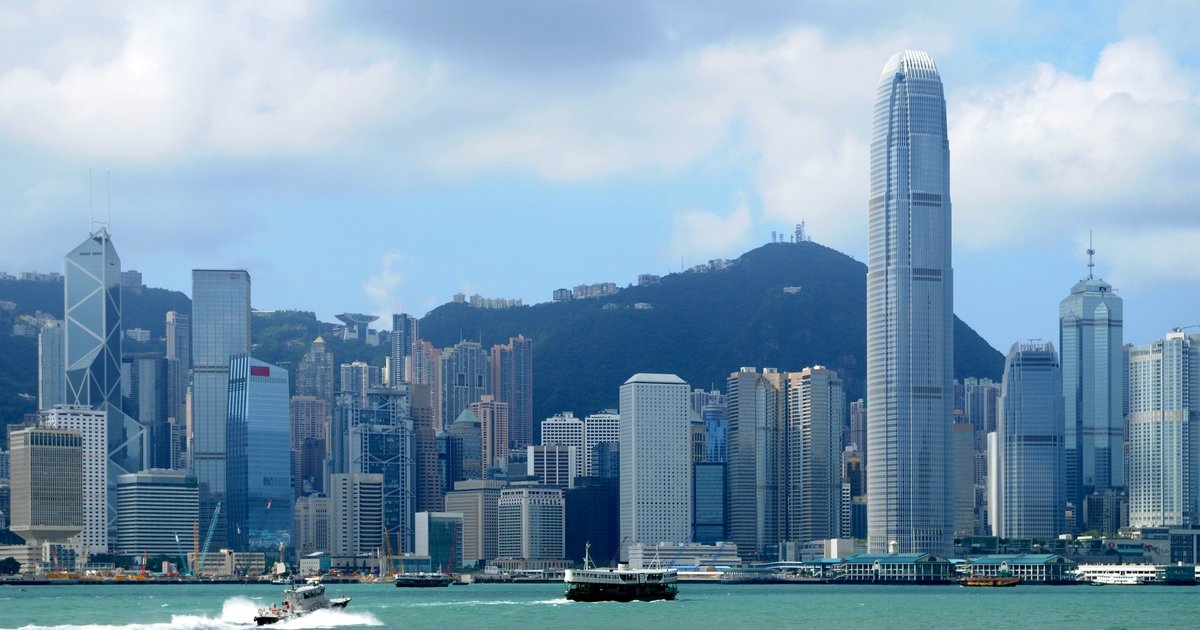
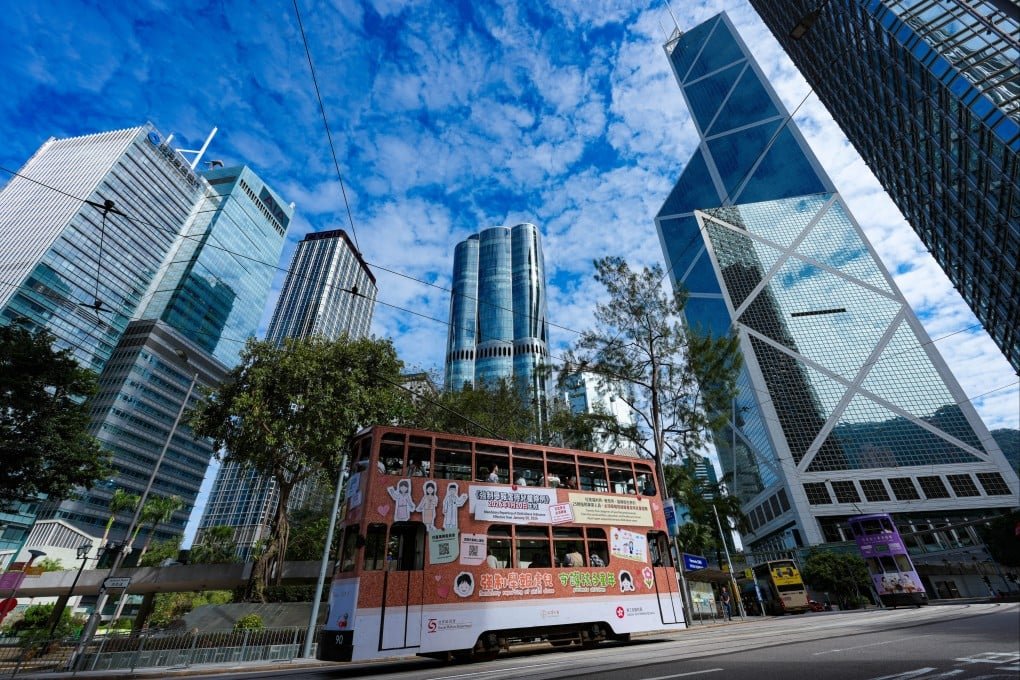
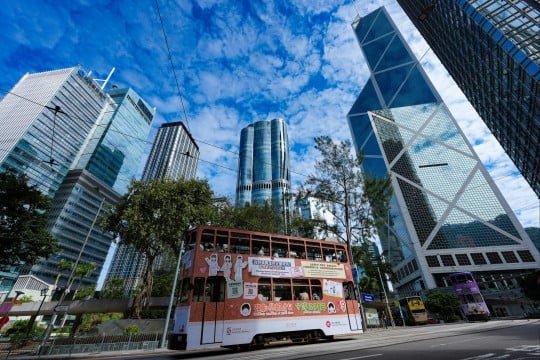
Design is equally prominent, with the city’s architecture and urban planning reflecting a fusion of functionality and aesthetic innovation.
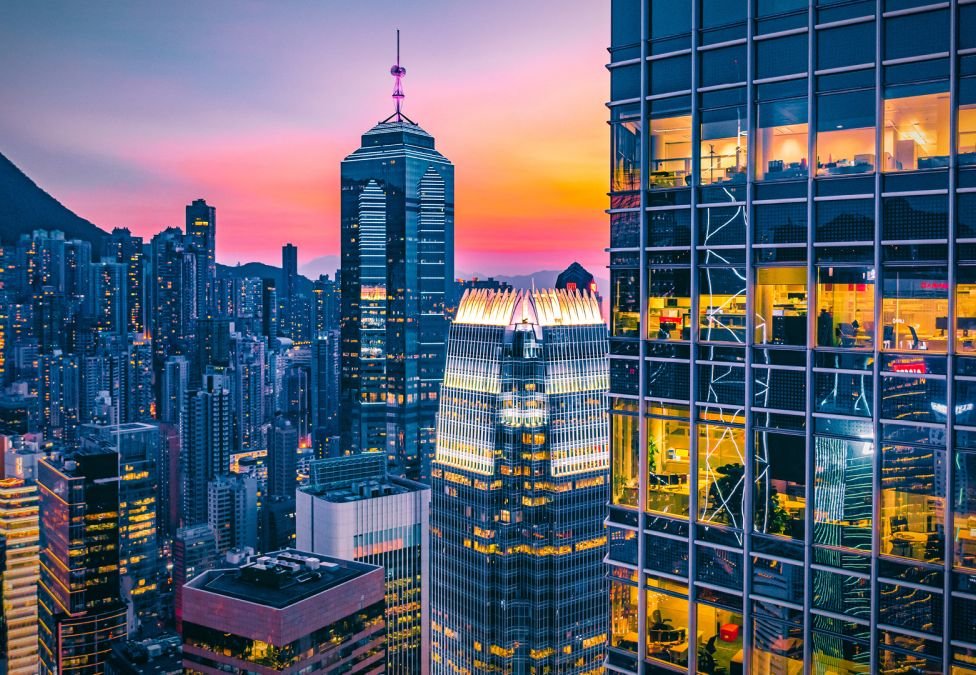
From iconic skyscrapers to carefully curated public spaces, Hong Kong demonstrates how design can respond to density, geography, and modern living.
The local creative community continues to benefit from strong educational institutions and a steady influx of international talent.
Collaborative projects between artists, designers, and technologists are increasingly common, pointing to a future in which interdisciplinary work becomes central to the city’s identity.
Despite broader economic and geopolitical challenges, Hong Kong’s art and design scene has shown resilience and adaptability.
Its ability to connect global markets with regional perspectives ensures that it remains a compelling destination for those seeking both inspiration and opportunity in the creative industries.
At the heart of the city’s cultural appeal is its role as a gateway between East and West.
Major international events such as flagship art fairs and design festivals draw global audiences, while a growing network of galleries and creative spaces showcases both established and emerging talent.
The city’s free-market environment and strong infrastructure have helped sustain its reputation as a vital centre for the global art trade.
Districts such as Central, Sheung Wan, and Wong Chuk Hang have evolved into vibrant creative corridors.
Converted industrial buildings now house contemporary galleries, design studios, and experimental spaces, reflecting Hong Kong’s ability to reinvent itself while preserving its distinctive character.
These areas provide a platform for artists exploring everything from traditional ink techniques to digital and multimedia installations.
Institutions have also played a defining role in shaping the city’s cultural landscape.
Large-scale museums and cultural complexes have expanded significantly in recent years, offering ambitious exhibitions that place Asian artists in a global context.
Their programming has helped deepen public engagement while elevating Hong Kong’s standing as a serious cultural destination.
Design is equally prominent, with the city’s architecture and urban planning reflecting a fusion of functionality and aesthetic innovation.
From iconic skyscrapers to carefully curated public spaces, Hong Kong demonstrates how design can respond to density, geography, and modern living.
The local creative community continues to benefit from strong educational institutions and a steady influx of international talent.
Collaborative projects between artists, designers, and technologists are increasingly common, pointing to a future in which interdisciplinary work becomes central to the city’s identity.
Despite broader economic and geopolitical challenges, Hong Kong’s art and design scene has shown resilience and adaptability.
Its ability to connect global markets with regional perspectives ensures that it remains a compelling destination for those seeking both inspiration and opportunity in the creative industries.