New provisions make refusal to provide phone or computer passwords a criminal offence under strengthened national security framework
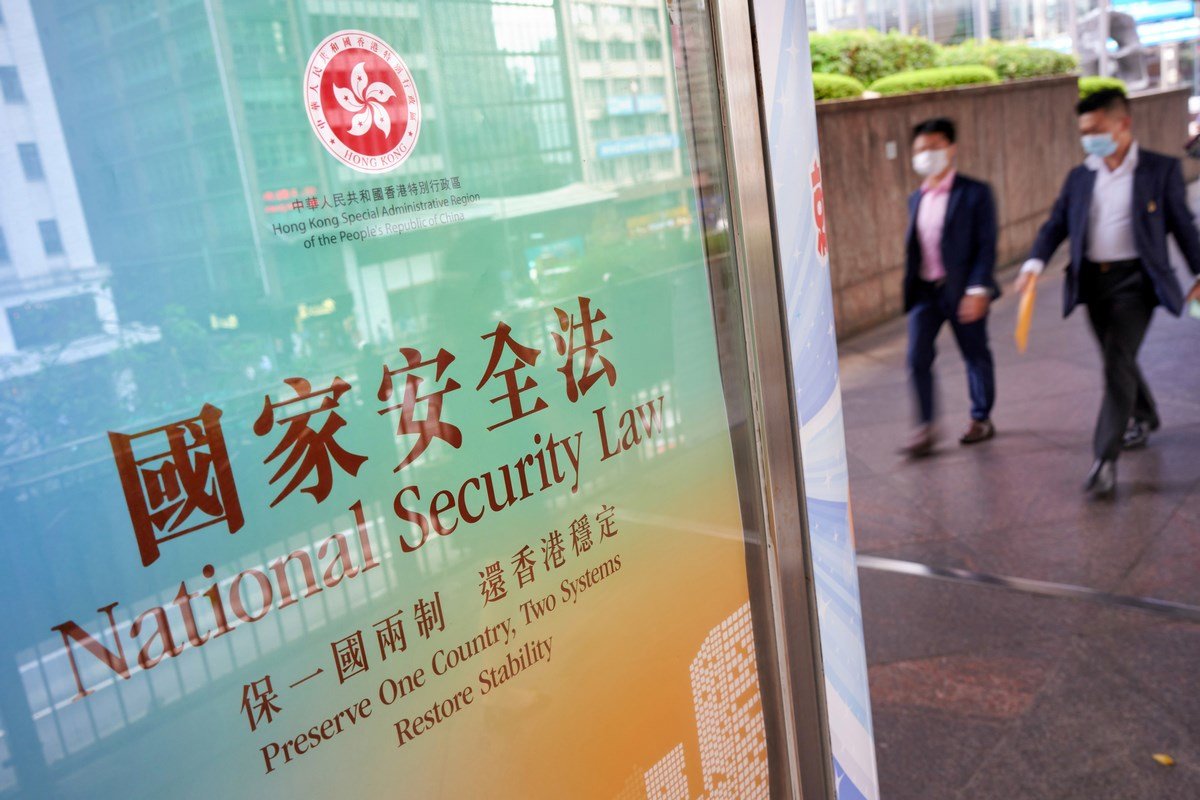
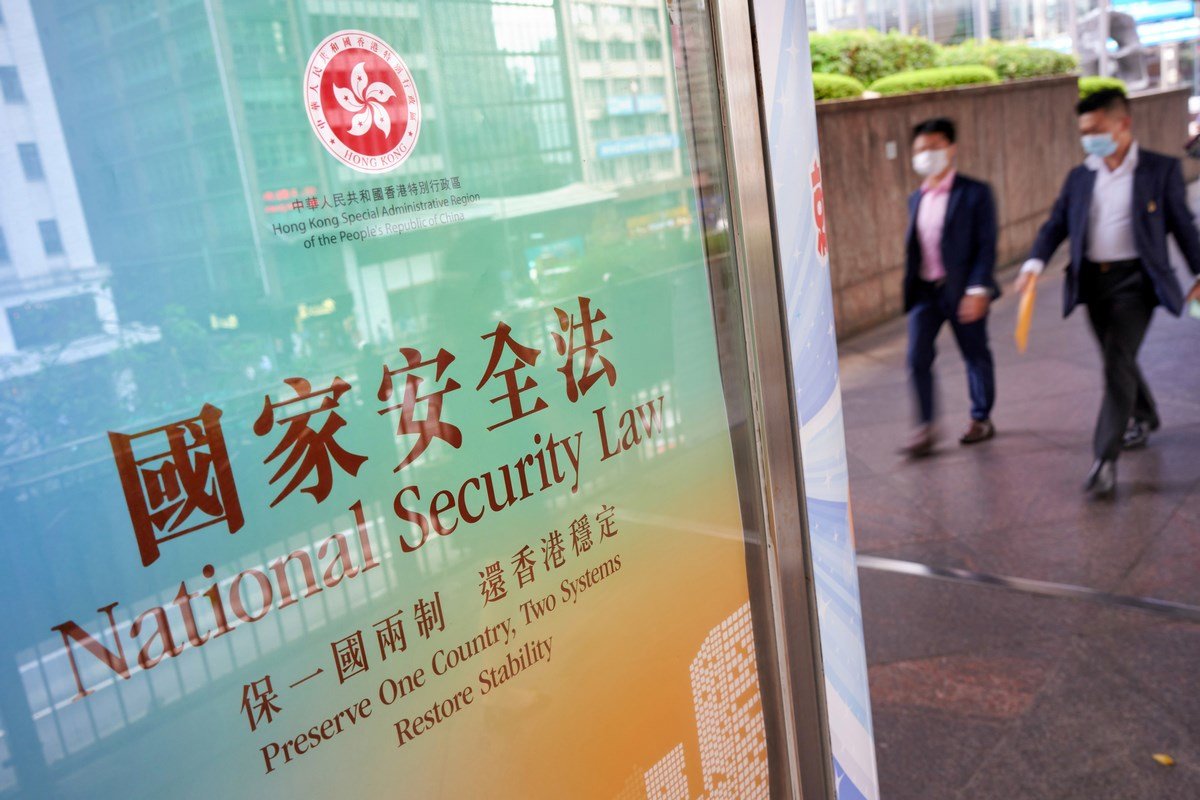
Hong Kong authorities have introduced expanded police powers allowing officers to require individuals to provide access to digital devices, including passwords for phones and computers, as part of national security investigations.
Under the updated legal framework, refusing to comply with such requests can now constitute a criminal offence, marking a significant evolution in how law enforcement handles digital evidence.
The measures are designed to ensure that investigators can obtain timely access to critical information in cases involving national security risks.
Officials have indicated that the changes are intended to strengthen enforcement capabilities in an increasingly digital environment, where communications, financial records, and operational planning are often stored electronically.
The ability to compel access to devices is viewed by authorities as essential to maintaining effective investigative procedures and safeguarding public order.
The expanded powers build on existing national security legislation introduced in recent years, which has already granted law enforcement broader authority to search electronic devices, intercept communications, and require information from individuals and organisations.
The latest provisions go further by explicitly addressing encrypted data and restricted-access systems.
Legal experts note that the measures align Hong Kong with a broader international trend in which governments are seeking greater access to digital evidence in response to evolving security challenges.
At the same time, the changes are expected to influence how technology companies, financial institutions, and other organisations manage sensitive data within the jurisdiction.
The government has maintained that the new powers are targeted and necessary, applying specifically to investigations involving serious threats to national security rather than routine law enforcement matters.
Authorities have emphasized that the measures are part of a wider strategy to ensure stability and security while adapting to the realities of modern digital communication.
The development underscores the growing importance of cybersecurity and digital regulation in Hong Kong’s legal landscape, as officials continue to refine the balance between technological advancement and national security enforcement.
Under the updated legal framework, refusing to comply with such requests can now constitute a criminal offence, marking a significant evolution in how law enforcement handles digital evidence.
The measures are designed to ensure that investigators can obtain timely access to critical information in cases involving national security risks.
Officials have indicated that the changes are intended to strengthen enforcement capabilities in an increasingly digital environment, where communications, financial records, and operational planning are often stored electronically.
The ability to compel access to devices is viewed by authorities as essential to maintaining effective investigative procedures and safeguarding public order.
The expanded powers build on existing national security legislation introduced in recent years, which has already granted law enforcement broader authority to search electronic devices, intercept communications, and require information from individuals and organisations.
The latest provisions go further by explicitly addressing encrypted data and restricted-access systems.
Legal experts note that the measures align Hong Kong with a broader international trend in which governments are seeking greater access to digital evidence in response to evolving security challenges.
At the same time, the changes are expected to influence how technology companies, financial institutions, and other organisations manage sensitive data within the jurisdiction.
The government has maintained that the new powers are targeted and necessary, applying specifically to investigations involving serious threats to national security rather than routine law enforcement matters.
Authorities have emphasized that the measures are part of a wider strategy to ensure stability and security while adapting to the realities of modern digital communication.
The development underscores the growing importance of cybersecurity and digital regulation in Hong Kong’s legal landscape, as officials continue to refine the balance between technological advancement and national security enforcement.