Market predictions cluster around unusually warm conditions as traders assess weather data and seasonal trends
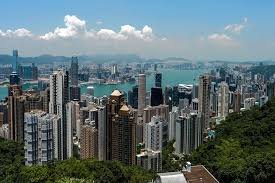
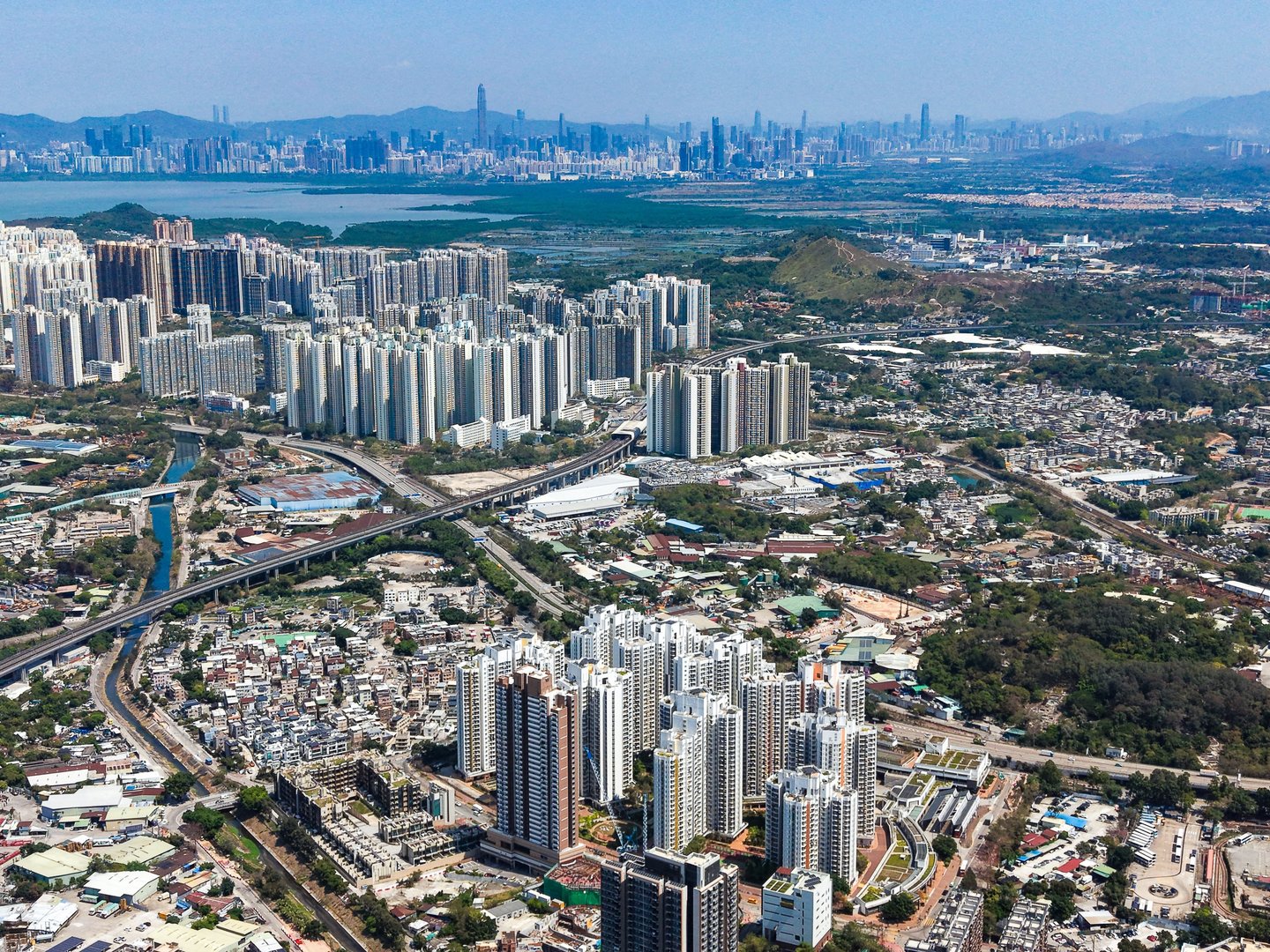
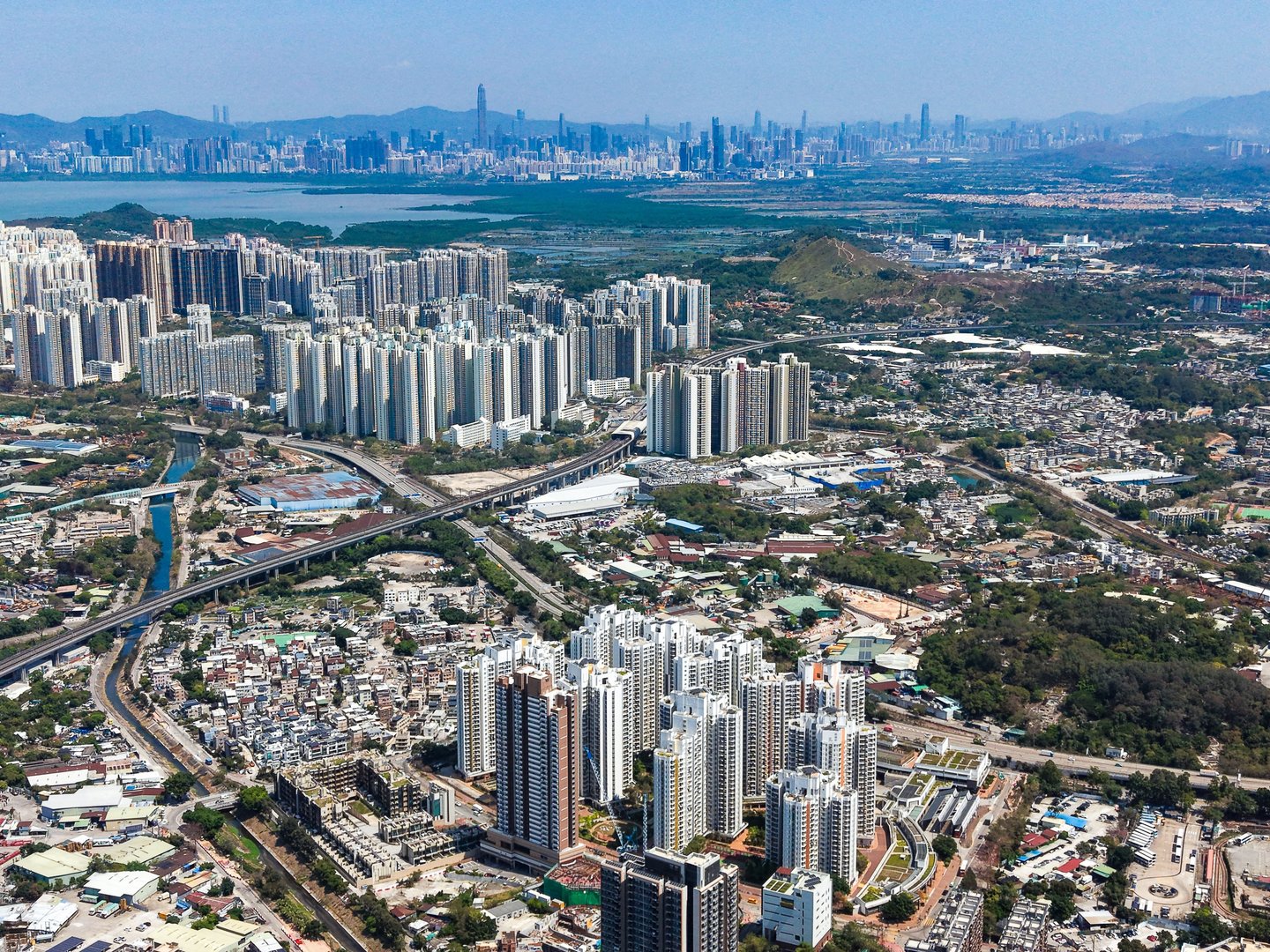
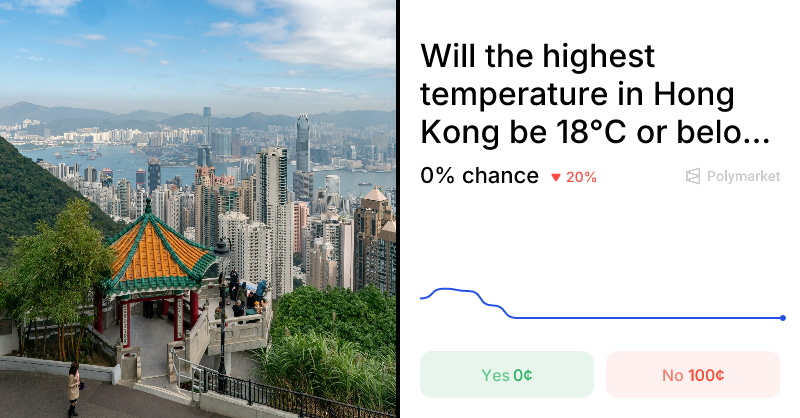
Interest in Hong Kong’s expected peak temperature for March 23 has intensified, with trading markets and forecasting models converging on predictions of unseasonably warm conditions.
Data from meteorological projections and prediction platforms suggest that the day’s highest temperature is likely to fall within a relatively narrow range, reflecting strong confidence in a warm spell driven by stable atmospheric conditions.
Analysts point to prevailing high-pressure systems and reduced cloud cover as factors contributing to elevated daytime temperatures.
Trading activity linked to temperature outcomes has increased, as participants weigh historical averages against current forecasts.
March in Hong Kong typically brings moderate spring weather, but recent patterns indicate a shift toward higher-than-average readings, prompting greater attention from both professional forecasters and market participants.
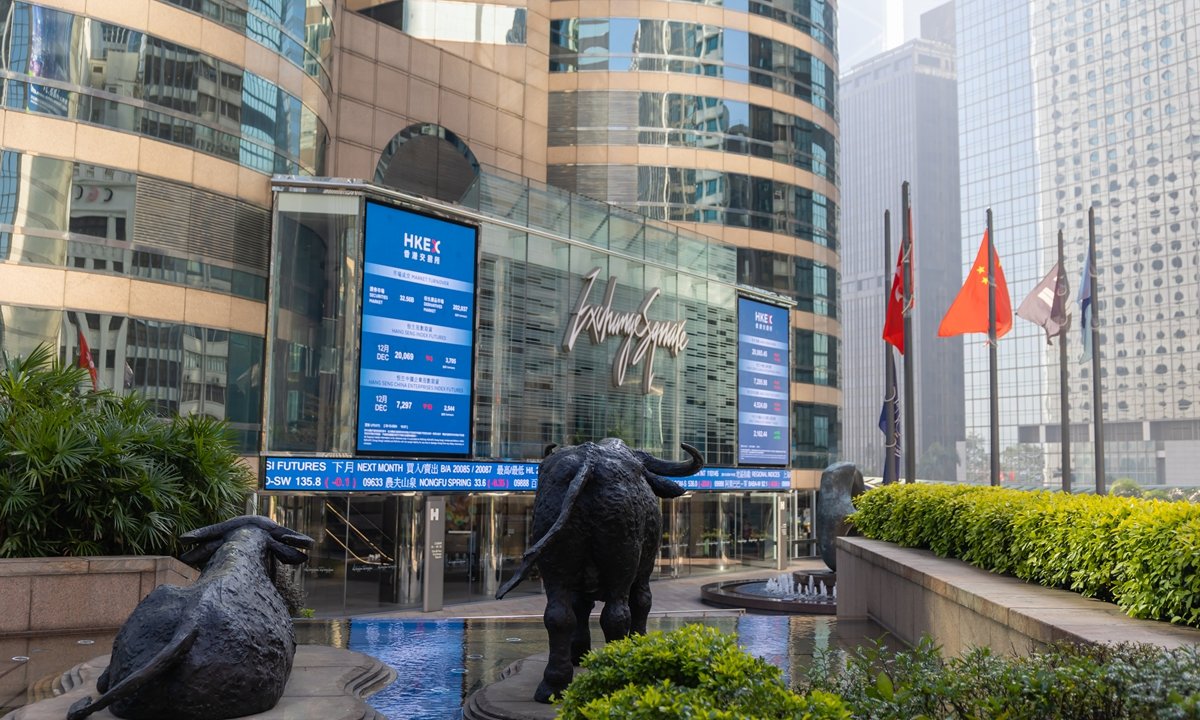
The clustering of predictions highlights a growing intersection between weather forecasting and financial-style trading mechanisms, where probabilities are assigned to specific outcomes such as temperature ranges.
These platforms allow users to engage with meteorological data in a more dynamic way, translating forecasts into tradable positions.
While forecasts suggest a clear directional trend toward warmer conditions, experts note that short-term variables—including wind patterns and humidity—can still influence final readings.
As a result, traders and observers continue to monitor updates closely in the hours leading up to the day.
The heightened focus on a single day’s temperature underscores the broader expansion of data-driven forecasting markets, where even routine environmental metrics can generate significant interest.
In Hong Kong’s case, the combination of seasonal transition and favourable weather conditions has created a moment of heightened anticipation around what might otherwise be an ordinary spring day.
Data from meteorological projections and prediction platforms suggest that the day’s highest temperature is likely to fall within a relatively narrow range, reflecting strong confidence in a warm spell driven by stable atmospheric conditions.
Analysts point to prevailing high-pressure systems and reduced cloud cover as factors contributing to elevated daytime temperatures.
Trading activity linked to temperature outcomes has increased, as participants weigh historical averages against current forecasts.
March in Hong Kong typically brings moderate spring weather, but recent patterns indicate a shift toward higher-than-average readings, prompting greater attention from both professional forecasters and market participants.
The clustering of predictions highlights a growing intersection between weather forecasting and financial-style trading mechanisms, where probabilities are assigned to specific outcomes such as temperature ranges.
These platforms allow users to engage with meteorological data in a more dynamic way, translating forecasts into tradable positions.
While forecasts suggest a clear directional trend toward warmer conditions, experts note that short-term variables—including wind patterns and humidity—can still influence final readings.
As a result, traders and observers continue to monitor updates closely in the hours leading up to the day.
The heightened focus on a single day’s temperature underscores the broader expansion of data-driven forecasting markets, where even routine environmental metrics can generate significant interest.
In Hong Kong’s case, the combination of seasonal transition and favourable weather conditions has created a moment of heightened anticipation around what might otherwise be an ordinary spring day.