Autonomous driving firm accelerates Southeast Asia expansion as trials begin and regulatory opportunities emerge
Chinese autonomous driving company WeRide is intensifying its international expansion strategy, with plans to bring its robotaxi services to cities including Hong Kong and Singapore as part of a broader push into Southeast Asia’s fast-evolving mobility market.
The company has already begun trial operations in Singapore, working with regional partners to test its latest generation of driverless vehicles in urban environments.
Public-facing services are expected to launch in phases, with initial deployments focused on controlled districts before wider rollout.
Singapore’s dense infrastructure, clear regulatory framework, and openness to emerging technologies have made it a key testing ground for autonomous mobility solutions.
WeRide executives have identified Southeast Asia as a core growth market, citing the region’s combination of high population density, strong digital adoption, and supportive policy environments.
The company’s newest robotaxi platform has been designed specifically to handle complex urban conditions, enabling scalable operations across multiple cities.
Trials in Singapore are intended to refine performance and demonstrate reliability ahead of broader commercial deployment.
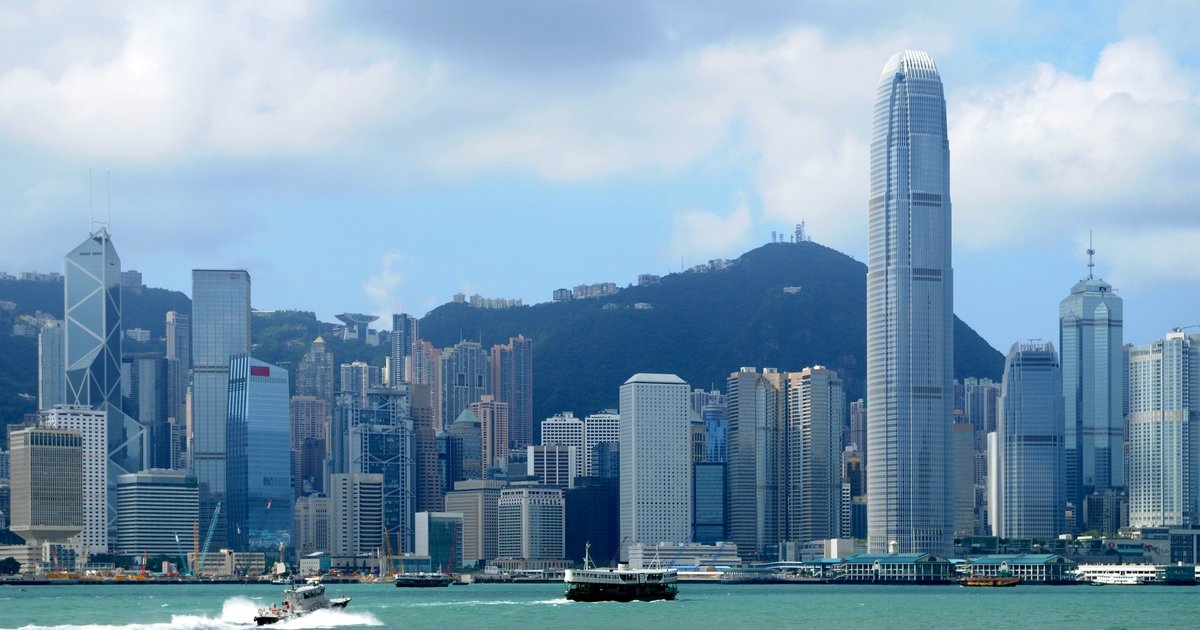
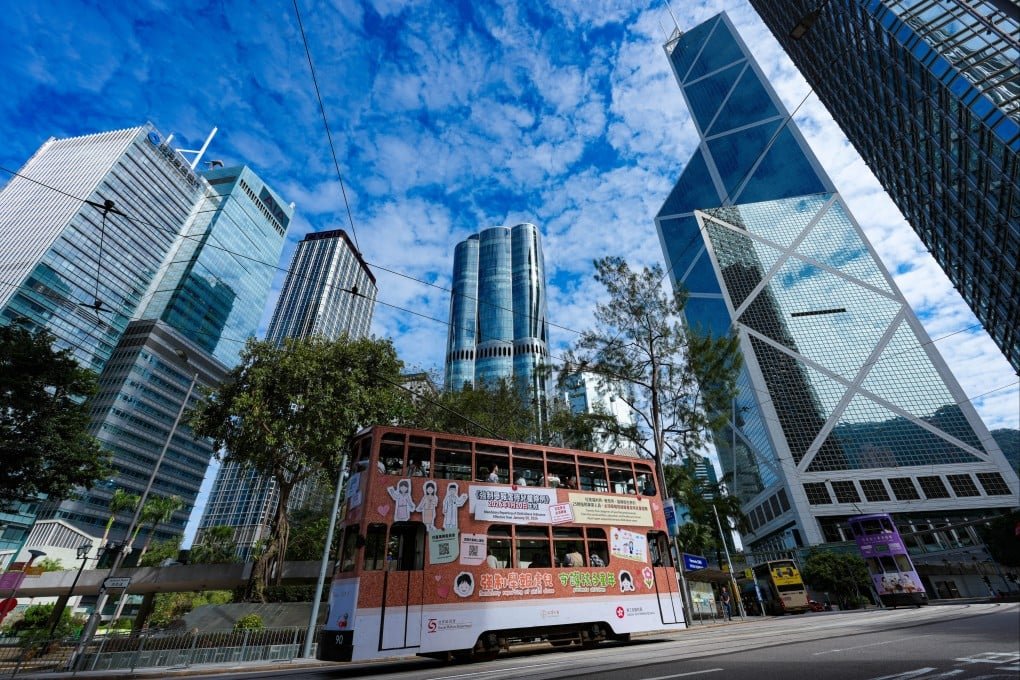
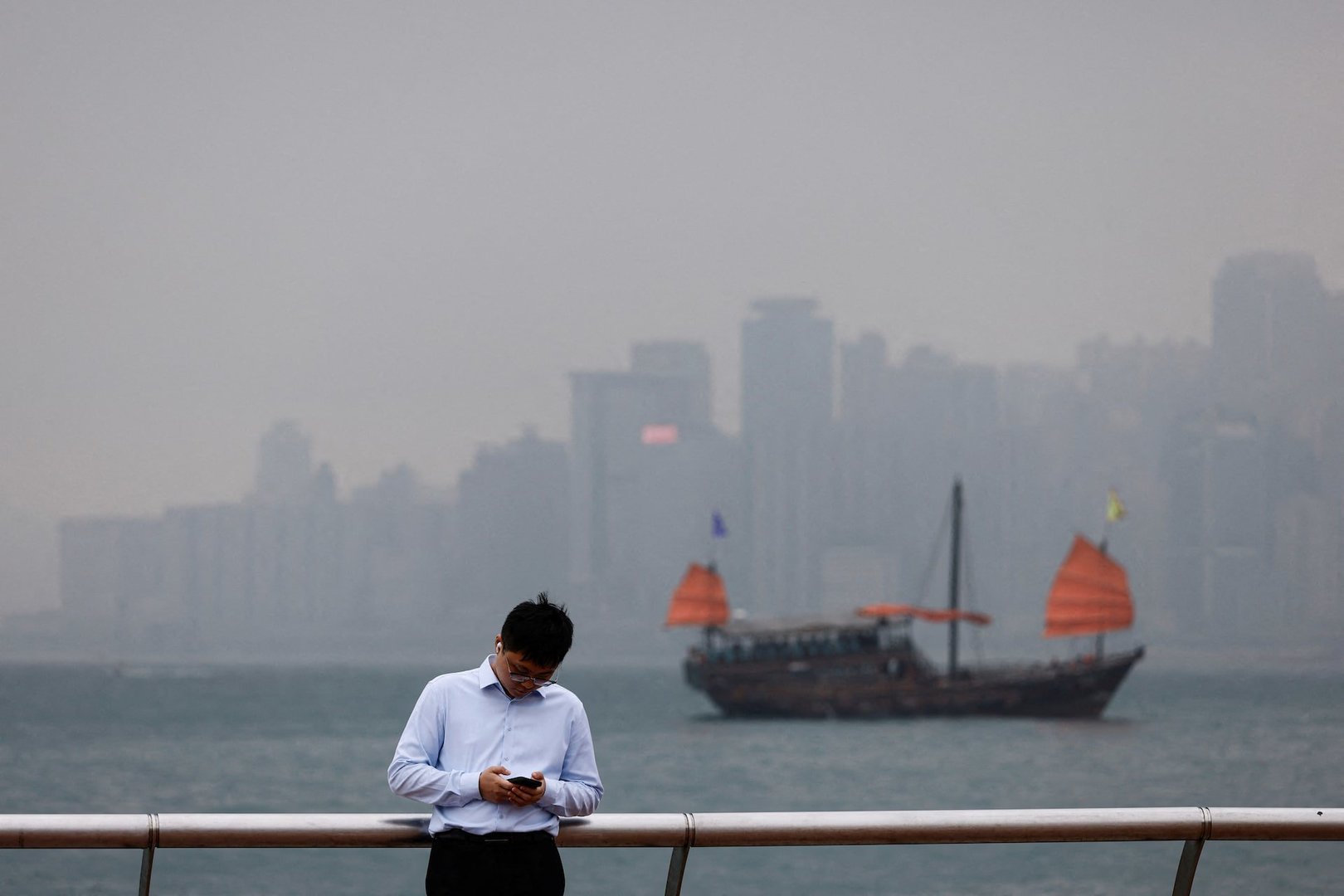
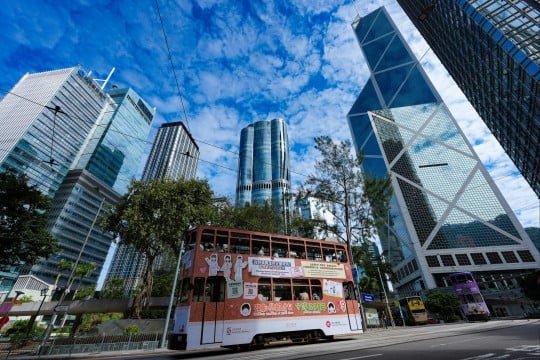
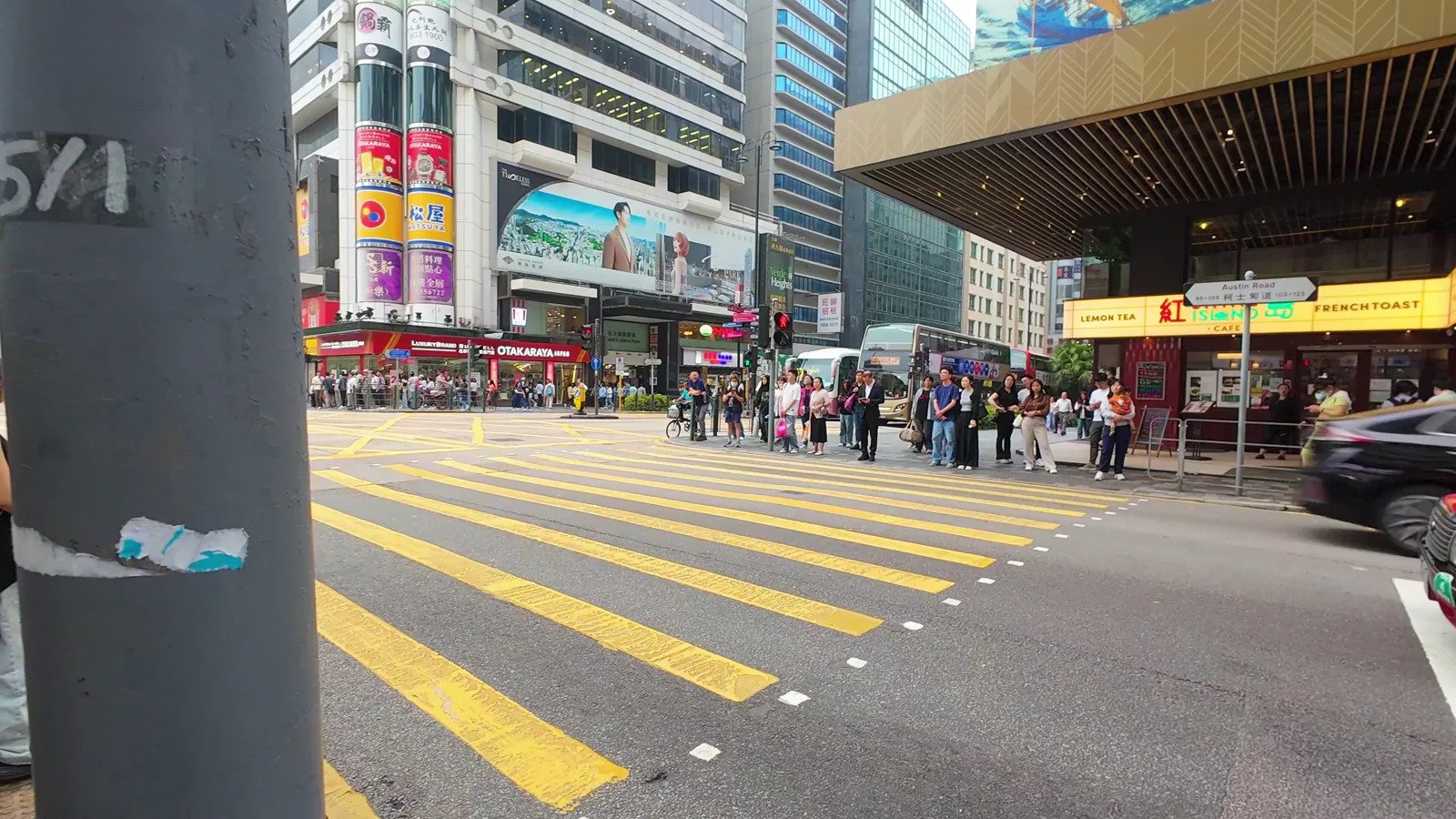
Hong Kong has also emerged as a target market, reflecting its position as a major financial and transport hub with advanced infrastructure and strong connectivity to mainland China.
While regulatory approvals remain a key consideration, the city’s dense urban landscape offers an ideal environment for testing and eventual deployment of autonomous vehicles.
WeRide’s expansion builds on a series of global partnerships and initiatives aimed at accelerating commercialization.
The company plans to operate more than two thousand six hundred robotaxis worldwide by the end of two thousand twenty-six, with ambitions to scale to tens of thousands of vehicles in the following years.
Collaborations with major regional platforms are expected to play a crucial role in integrating robotaxi services into existing transportation networks.
These partnerships are designed to streamline user adoption and ensure that autonomous vehicles can be deployed efficiently alongside traditional ride-hailing services.
The move comes amid intensifying competition in the global race to commercialize driverless transport, with companies from the United States, China, and Europe all seeking to establish footholds in key urban markets.
Southeast Asia, in particular, has become a focal point due to its favourable regulatory environments and growing demand for innovative mobility solutions.
As trials advance and regulatory frameworks evolve, WeRide’s planned entry into Hong Kong and expansion in Singapore are expected to serve as critical milestones in the company’s effort to scale autonomous transport across Asia and beyond.
The company has already begun trial operations in Singapore, working with regional partners to test its latest generation of driverless vehicles in urban environments.
Public-facing services are expected to launch in phases, with initial deployments focused on controlled districts before wider rollout.
Singapore’s dense infrastructure, clear regulatory framework, and openness to emerging technologies have made it a key testing ground for autonomous mobility solutions.
WeRide executives have identified Southeast Asia as a core growth market, citing the region’s combination of high population density, strong digital adoption, and supportive policy environments.
The company’s newest robotaxi platform has been designed specifically to handle complex urban conditions, enabling scalable operations across multiple cities.
Trials in Singapore are intended to refine performance and demonstrate reliability ahead of broader commercial deployment.
Hong Kong has also emerged as a target market, reflecting its position as a major financial and transport hub with advanced infrastructure and strong connectivity to mainland China.
While regulatory approvals remain a key consideration, the city’s dense urban landscape offers an ideal environment for testing and eventual deployment of autonomous vehicles.
WeRide’s expansion builds on a series of global partnerships and initiatives aimed at accelerating commercialization.
The company plans to operate more than two thousand six hundred robotaxis worldwide by the end of two thousand twenty-six, with ambitions to scale to tens of thousands of vehicles in the following years.
Collaborations with major regional platforms are expected to play a crucial role in integrating robotaxi services into existing transportation networks.
These partnerships are designed to streamline user adoption and ensure that autonomous vehicles can be deployed efficiently alongside traditional ride-hailing services.
The move comes amid intensifying competition in the global race to commercialize driverless transport, with companies from the United States, China, and Europe all seeking to establish footholds in key urban markets.
Southeast Asia, in particular, has become a focal point due to its favourable regulatory environments and growing demand for innovative mobility solutions.
As trials advance and regulatory frameworks evolve, WeRide’s planned entry into Hong Kong and expansion in Singapore are expected to serve as critical milestones in the company’s effort to scale autonomous transport across Asia and beyond.