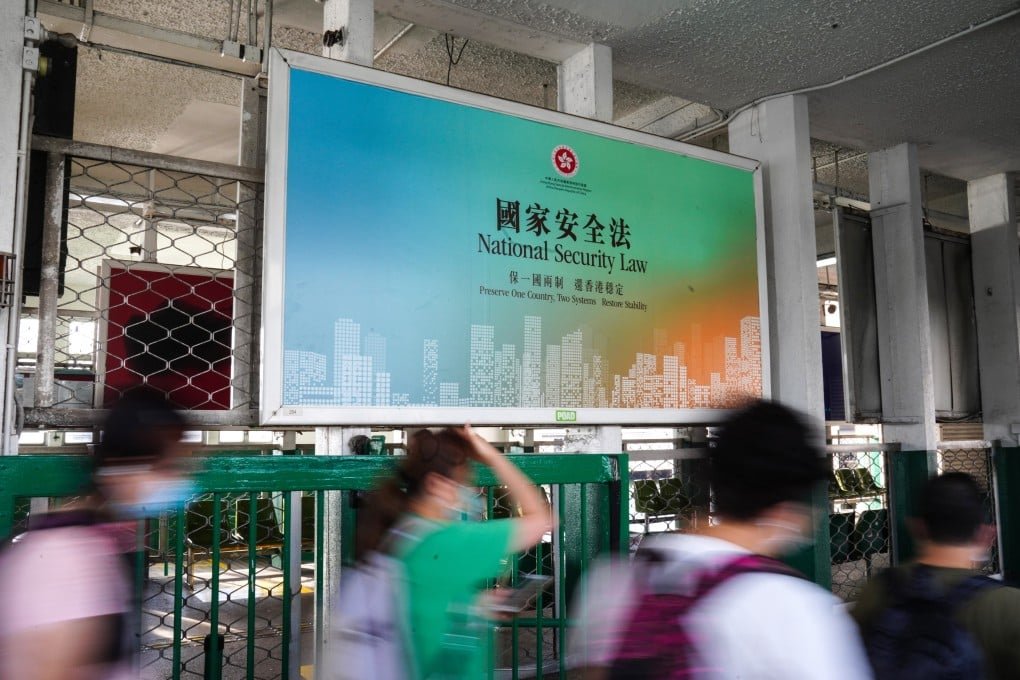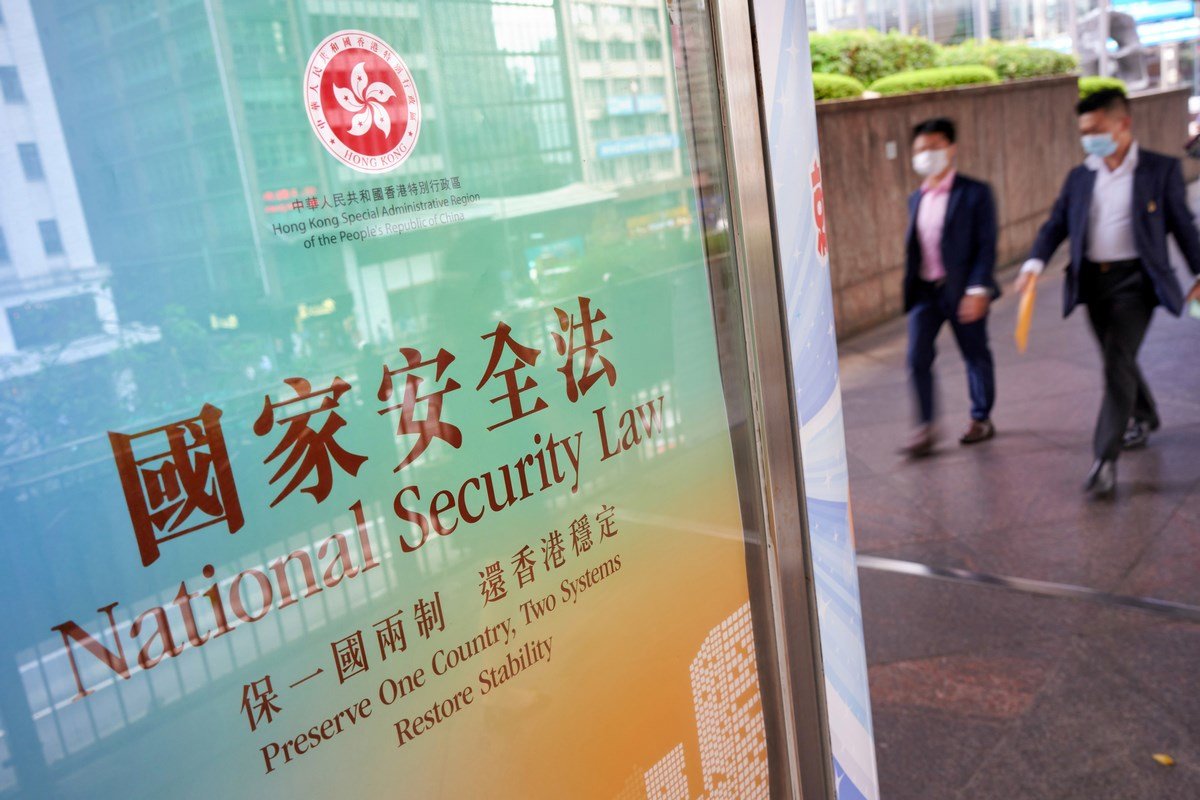
New provisions under national security framework introduce penalties for refusing access to encrypted data
Hong Kong has introduced new legal provisions requiring individuals suspected of national security offences to provide access to electronic devices, including passwords and decryption tools, marking a further expansion of investigative powers under the city’s security framework.
Under the updated rules, police are now authorised to compel suspects to unlock mobile phones, computers, and other digital devices during national security investigations.
Failure to comply can result in criminal penalties, including imprisonment and financial sanctions, reinforcing the seriousness with which authorities are treating such cases.
The measures form part of recent amendments to Hong Kong’s national security regime, which already encompasses a broad set of offences including subversion, terrorism, and collusion with external actors.
Officials have argued that access to encrypted data is essential for effectively investigating complex cases, particularly as communication increasingly takes place through secured digital platforms.
Authorities maintain that the expanded powers are necessary to safeguard stability and ensure law enforcement agencies can respond effectively to evolving security challenges.
The provisions are designed to close gaps in existing legislation, allowing investigators to obtain critical evidence in a timely manner.
The changes also align with a wider trend of strengthening national security mechanisms following the introduction of earlier legislation in 2020 and the subsequent enactment of a local ordinance addressing additional threats such as espionage and external interference.
Together, these laws provide a comprehensive legal framework aimed at protecting the city’s long-term security and development.
While the new requirement introduces stricter obligations for those under investigation, officials have emphasised that the measures are targeted and applied within a defined legal process.
The government has reiterated its commitment to maintaining order and ensuring that enforcement remains consistent with the rule of law.
The latest development highlights the continuing evolution of Hong Kong’s security architecture as authorities adapt to emerging risks in an increasingly digital and interconnected environment.
Under the updated rules, police are now authorised to compel suspects to unlock mobile phones, computers, and other digital devices during national security investigations.
Failure to comply can result in criminal penalties, including imprisonment and financial sanctions, reinforcing the seriousness with which authorities are treating such cases.
The measures form part of recent amendments to Hong Kong’s national security regime, which already encompasses a broad set of offences including subversion, terrorism, and collusion with external actors.
Officials have argued that access to encrypted data is essential for effectively investigating complex cases, particularly as communication increasingly takes place through secured digital platforms.
Authorities maintain that the expanded powers are necessary to safeguard stability and ensure law enforcement agencies can respond effectively to evolving security challenges.
The provisions are designed to close gaps in existing legislation, allowing investigators to obtain critical evidence in a timely manner.
The changes also align with a wider trend of strengthening national security mechanisms following the introduction of earlier legislation in 2020 and the subsequent enactment of a local ordinance addressing additional threats such as espionage and external interference.
Together, these laws provide a comprehensive legal framework aimed at protecting the city’s long-term security and development.
While the new requirement introduces stricter obligations for those under investigation, officials have emphasised that the measures are targeted and applied within a defined legal process.
The government has reiterated its commitment to maintaining order and ensuring that enforcement remains consistent with the rule of law.
The latest development highlights the continuing evolution of Hong Kong’s security architecture as authorities adapt to emerging risks in an increasingly digital and interconnected environment.