Reflections highlight how a founding jurist helped shape the authority and global standing of the city’s highest court
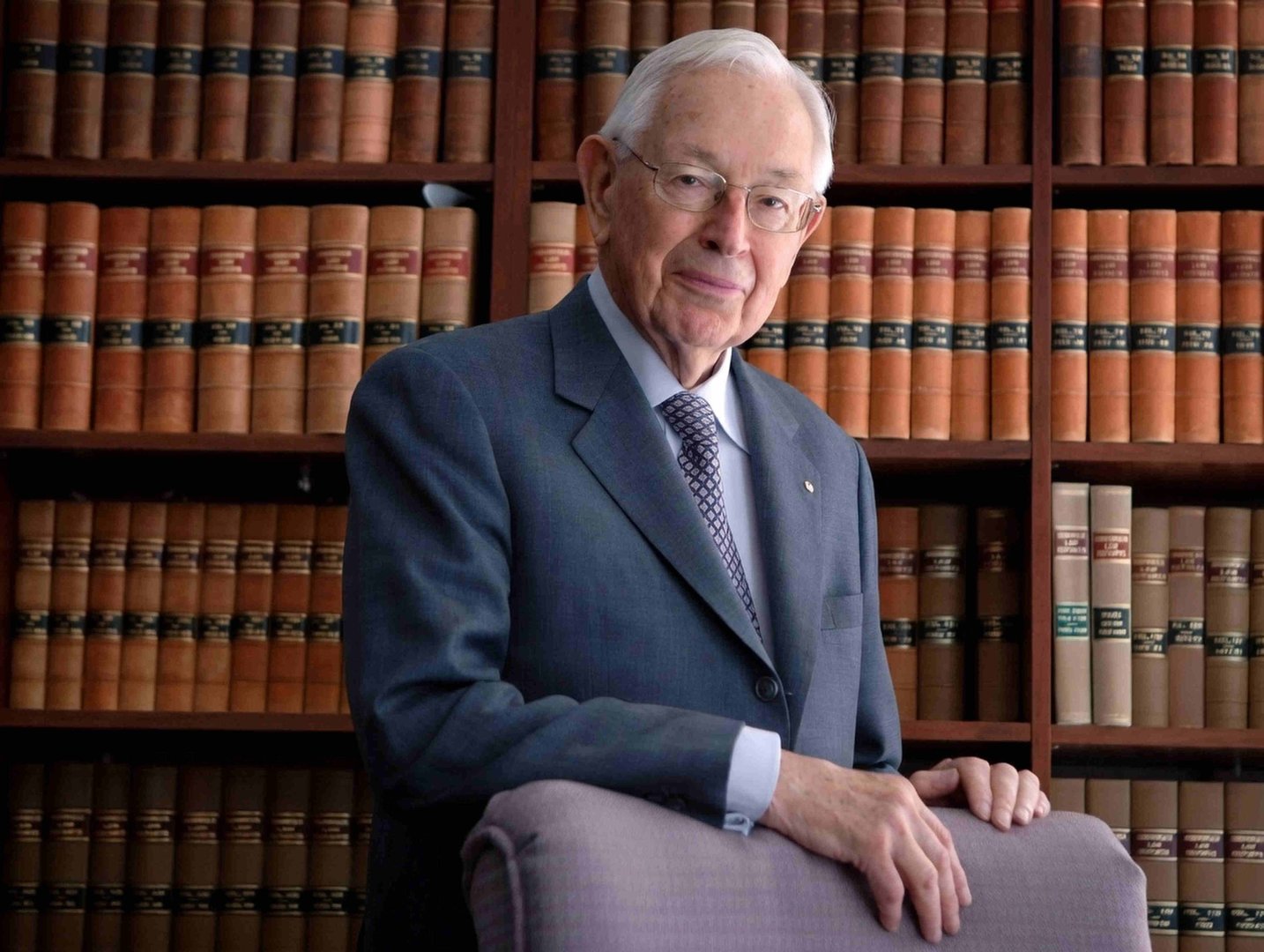
The enduring reputation of Hong Kong’s Court of Final Appeal is increasingly being linked to the foundational influence of one of its early leading figures, whose judicial philosophy and standards helped define the institution at a critical moment in its history.
As the city transitioned to a new constitutional framework, the establishment of a final appellate court was widely regarded as a cornerstone of legal continuity and international confidence.
Central to that effort was a commitment to judicial independence, clarity in legal reasoning, and adherence to common law principles—values that became embedded in the court’s early decisions and practices.
Observers note that the jurist’s contribution went beyond individual rulings.
By helping to set expectations for rigorous legal analysis and principled judgment, he played a key role in shaping how the court would be perceived both locally and internationally.
Early cases established precedents that reinforced the rule of law and signalled continuity with Hong Kong’s long-standing legal traditions.
The court’s composition, which included distinguished local and overseas judges, further strengthened its credibility.
The emphasis on openness, detailed reasoning, and respect for established legal norms allowed the institution to build trust among businesses, legal professionals, and the wider public.
Over time, the Court of Final Appeal has become a defining feature of Hong Kong’s legal system, serving as the ultimate arbiter on constitutional and commercial matters.
Its judgments continue to influence legal interpretation and reinforce the city’s role as a global financial centre underpinned by a reliable legal framework.
The legacy of its early leadership is therefore seen not only in landmark rulings but in the enduring stature of the court itself.
By laying strong institutional foundations, the jurist helped ensure that the court would command respect and maintain its authority through periods of change.
As the city transitioned to a new constitutional framework, the establishment of a final appellate court was widely regarded as a cornerstone of legal continuity and international confidence.
Central to that effort was a commitment to judicial independence, clarity in legal reasoning, and adherence to common law principles—values that became embedded in the court’s early decisions and practices.
Observers note that the jurist’s contribution went beyond individual rulings.
By helping to set expectations for rigorous legal analysis and principled judgment, he played a key role in shaping how the court would be perceived both locally and internationally.
Early cases established precedents that reinforced the rule of law and signalled continuity with Hong Kong’s long-standing legal traditions.
The court’s composition, which included distinguished local and overseas judges, further strengthened its credibility.
The emphasis on openness, detailed reasoning, and respect for established legal norms allowed the institution to build trust among businesses, legal professionals, and the wider public.
Over time, the Court of Final Appeal has become a defining feature of Hong Kong’s legal system, serving as the ultimate arbiter on constitutional and commercial matters.
Its judgments continue to influence legal interpretation and reinforce the city’s role as a global financial centre underpinned by a reliable legal framework.
The legacy of its early leadership is therefore seen not only in landmark rulings but in the enduring stature of the court itself.
By laying strong institutional foundations, the jurist helped ensure that the court would command respect and maintain its authority through periods of change.