Digital tools and data analytics set to enhance efficiency and precision in corruption probes
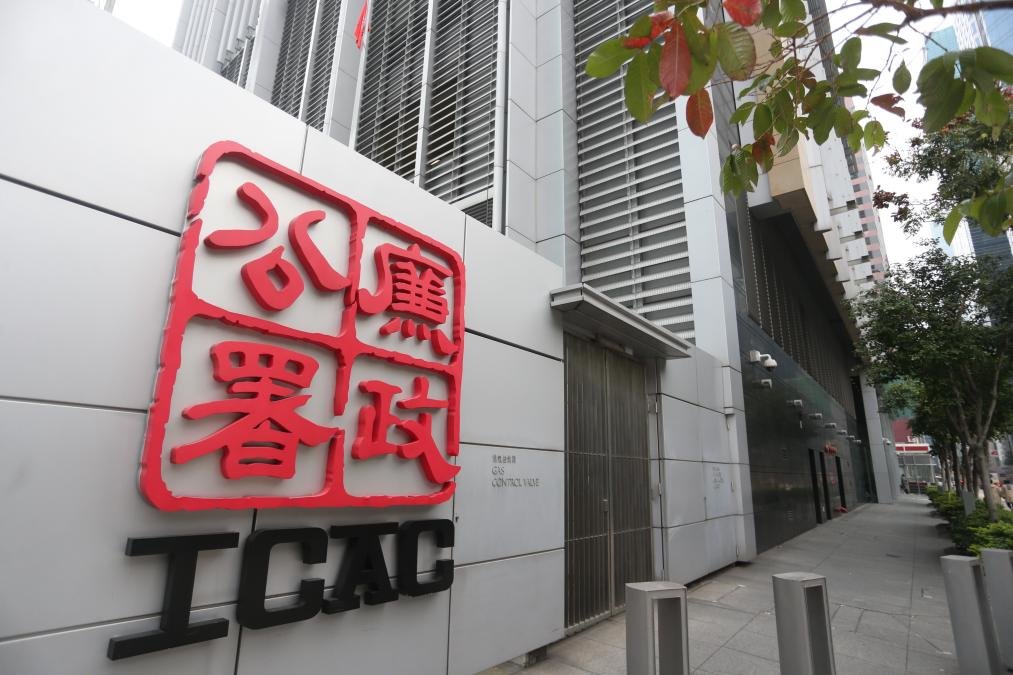
Hong Kong’s anti-corruption leadership has signalled a major shift toward technology-driven investigations, with officials outlining plans to deploy advanced tools to improve the speed and effectiveness of corruption probes.
The head of the city’s anti-graft agency said digital innovation is becoming central to modern enforcement, as increasingly complex financial activities require more sophisticated investigative methods.
By integrating data analytics, artificial intelligence and digital forensics, authorities aim to detect irregularities earlier and process evidence more efficiently.
Officials emphasised that the growing volume of digital transactions and cross-border financial flows has transformed the landscape of corruption cases.
Traditional investigative approaches, while still essential, are now being supplemented with technology that can analyse large datasets, identify suspicious patterns and support more targeted inquiries.
The agency has also invested in training programmes to equip officers with the skills needed to operate advanced systems, reflecting a broader institutional push toward digital capability.
This includes enhancing expertise in cyber investigations, financial tracking and the secure handling of electronic evidence.
According to the anti-graft chief, the use of technology is not only improving operational efficiency but also strengthening deterrence.
Faster detection and more precise investigations are expected to increase the likelihood of accountability, reinforcing public confidence in the integrity of the system.
The strategy forms part of a wider effort to modernise enforcement practices while maintaining Hong Kong’s longstanding reputation for strong anti-corruption standards.
Officials noted that safeguarding transparency remains a cornerstone of the city’s governance and economic success.
While technological adoption continues to expand, authorities stressed that human judgment and legal safeguards remain central to the investigative process.
The combination of advanced tools and experienced personnel is seen as essential to navigating increasingly sophisticated forms of misconduct.
The move reflects a broader global trend among enforcement agencies seeking to harness innovation to address evolving risks, positioning Hong Kong to remain at the forefront of anti-corruption efforts in the digital age.
The head of the city’s anti-graft agency said digital innovation is becoming central to modern enforcement, as increasingly complex financial activities require more sophisticated investigative methods.
By integrating data analytics, artificial intelligence and digital forensics, authorities aim to detect irregularities earlier and process evidence more efficiently.
Officials emphasised that the growing volume of digital transactions and cross-border financial flows has transformed the landscape of corruption cases.
Traditional investigative approaches, while still essential, are now being supplemented with technology that can analyse large datasets, identify suspicious patterns and support more targeted inquiries.
The agency has also invested in training programmes to equip officers with the skills needed to operate advanced systems, reflecting a broader institutional push toward digital capability.
This includes enhancing expertise in cyber investigations, financial tracking and the secure handling of electronic evidence.
According to the anti-graft chief, the use of technology is not only improving operational efficiency but also strengthening deterrence.
Faster detection and more precise investigations are expected to increase the likelihood of accountability, reinforcing public confidence in the integrity of the system.
The strategy forms part of a wider effort to modernise enforcement practices while maintaining Hong Kong’s longstanding reputation for strong anti-corruption standards.
Officials noted that safeguarding transparency remains a cornerstone of the city’s governance and economic success.
While technological adoption continues to expand, authorities stressed that human judgment and legal safeguards remain central to the investigative process.
The combination of advanced tools and experienced personnel is seen as essential to navigating increasingly sophisticated forms of misconduct.
The move reflects a broader global trend among enforcement agencies seeking to harness innovation to address evolving risks, positioning Hong Kong to remain at the forefront of anti-corruption efforts in the digital age.