From alleyways to galleries, a homegrown artist is transforming the city’s visual culture through playful symbolism and relentless street presence
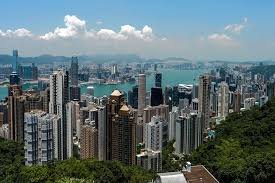
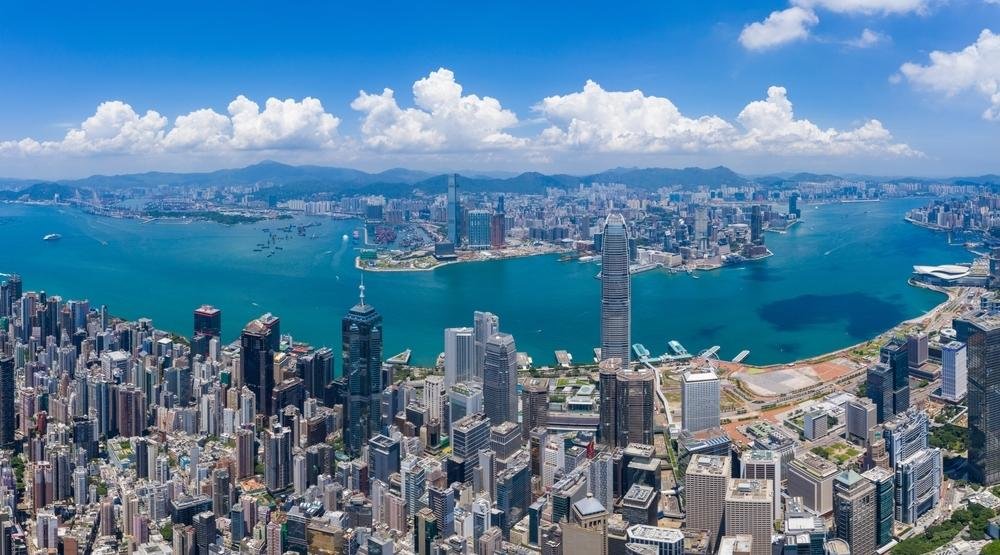
Across Hong Kong’s dense urban landscape, a distinctive visual language is quietly reshaping how art is experienced in public spaces.
The anonymous street artist known as Lousy has emerged as a defining figure in this shift, embedding his work into the city’s everyday life through a mix of spontaneity, satire, and accessibility.
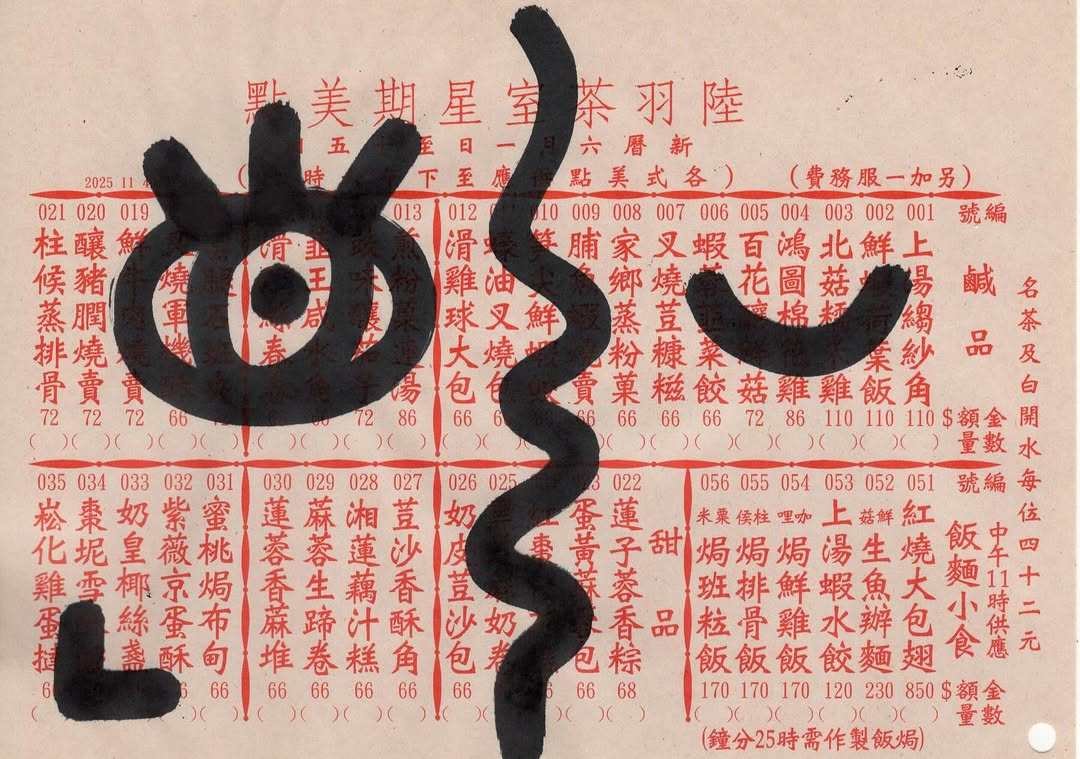
Recognisable by simplified, almost hieroglyphic figures and recurring motifs such as floating eyes and stylised faces, Lousy’s creations appear across shutters, alleyways, and building facades.
Their stripped-down aesthetic belies a layered engagement with the city’s identity, drawing on influences ranging from manga and punk culture to ancient visual traditions.
Rather than confining his practice to galleries, the artist has deliberately turned Hong Kong itself into a canvas.
His works often emerge in unexpected locations, encouraging passers-by to encounter art outside formal settings and prompting a more immediate, instinctive response.
This approach has contributed to a growing movement in which street-level creativity challenges conventional boundaries between public and institutional art.
At the heart of his work is a philosophy of direct communication.
By reducing images to bold outlines and rhythmic lines, Lousy seeks to convey emotion and meaning in a way that is instantly recognisable.
His pieces, frequently described as playful yet subversive, invite viewers to interpret them freely while reflecting the city’s fast-paced and layered character.
The artist’s reach now extends beyond the streets.
Collaborations with brands, gallery exhibitions, and participation in major art events have brought his work into more formal contexts, while preserving the raw energy that defines his practice.
This dual presence highlights a broader evolution within Hong Kong’s art scene, where boundaries between underground and mainstream continue to blur.
Lousy’s rise also reflects the resilience and adaptability of Hong Kong’s cultural landscape.
In a city shaped by constant change, his work captures both the intensity and the humour of urban life, offering a visual language that resonates with a wide audience.
As his motifs continue to spread across neighbourhoods, the artist’s influence underscores a wider transformation: art in Hong Kong is no longer confined to curated spaces but is increasingly embedded in the rhythms of the street, accessible to anyone willing to look.
The anonymous street artist known as Lousy has emerged as a defining figure in this shift, embedding his work into the city’s everyday life through a mix of spontaneity, satire, and accessibility.
Recognisable by simplified, almost hieroglyphic figures and recurring motifs such as floating eyes and stylised faces, Lousy’s creations appear across shutters, alleyways, and building facades.
Their stripped-down aesthetic belies a layered engagement with the city’s identity, drawing on influences ranging from manga and punk culture to ancient visual traditions.
Rather than confining his practice to galleries, the artist has deliberately turned Hong Kong itself into a canvas.
His works often emerge in unexpected locations, encouraging passers-by to encounter art outside formal settings and prompting a more immediate, instinctive response.
This approach has contributed to a growing movement in which street-level creativity challenges conventional boundaries between public and institutional art.
At the heart of his work is a philosophy of direct communication.
By reducing images to bold outlines and rhythmic lines, Lousy seeks to convey emotion and meaning in a way that is instantly recognisable.
His pieces, frequently described as playful yet subversive, invite viewers to interpret them freely while reflecting the city’s fast-paced and layered character.
The artist’s reach now extends beyond the streets.
Collaborations with brands, gallery exhibitions, and participation in major art events have brought his work into more formal contexts, while preserving the raw energy that defines his practice.
This dual presence highlights a broader evolution within Hong Kong’s art scene, where boundaries between underground and mainstream continue to blur.
Lousy’s rise also reflects the resilience and adaptability of Hong Kong’s cultural landscape.
In a city shaped by constant change, his work captures both the intensity and the humour of urban life, offering a visual language that resonates with a wide audience.
As his motifs continue to spread across neighbourhoods, the artist’s influence underscores a wider transformation: art in Hong Kong is no longer confined to curated spaces but is increasingly embedded in the rhythms of the street, accessible to anyone willing to look.