Paul Chan urges resilience, fiscal prudence and deeper international engagement as global tensions reshape economic dynamics
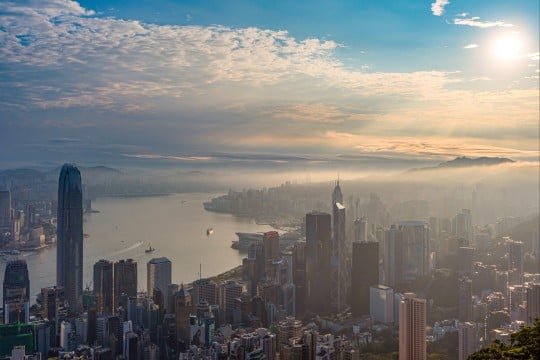
Hong Kong’s finance chief has called for renewed efforts to strengthen the city’s global standing, warning that an increasingly complex geopolitical environment requires resilience, strategic planning and deeper international engagement.

Financial Secretary Paul Chan said the city must continue reinforcing its role as a leading international financial centre, even as shifting global dynamics and economic fragmentation pose new challenges.

He stressed that maintaining strong fiscal reserves and prudent financial management would be essential to navigating potential external shocks.

Chan highlighted the importance of balancing immediate economic needs with long-term development priorities, pointing to major infrastructure and innovation projects designed to sustain growth.

He noted that Hong Kong’s economy had outperformed earlier expectations, supported by robust exports and steady financial market activity, but cautioned that global uncertainties could still impact future performance.

He underscored the need for Hong Kong to leverage its distinct advantages under the “one country, two systems” framework, including the free flow of capital, a highly internationalised market and a trusted legal system aligned with global standards.

These features, he said, remain central to attracting international investment and reinforcing confidence among global financial institutions.

The finance chief also pointed to the city’s role as a “super connector” between mainland China and the rest of the world, arguing that closer integration with regional and global markets would be key to sustaining competitiveness.

Ongoing initiatives in financial innovation, including digital assets, green finance and cross-border capital flows, are expected to further enhance Hong Kong’s appeal to investors.

Amid heightened geopolitical tensions and evolving trade relationships, Chan emphasised that Hong Kong must remain open, adaptable and forward-looking.

Strengthening ties with international partners, while deepening collaboration with mainland China, was presented as a dual-track strategy to secure long-term growth and stability.

The remarks reflect a broader push by Hong Kong authorities to consolidate the city’s position as a premier global financial hub, ensuring it remains competitive and resilient in a rapidly changing economic landscape.
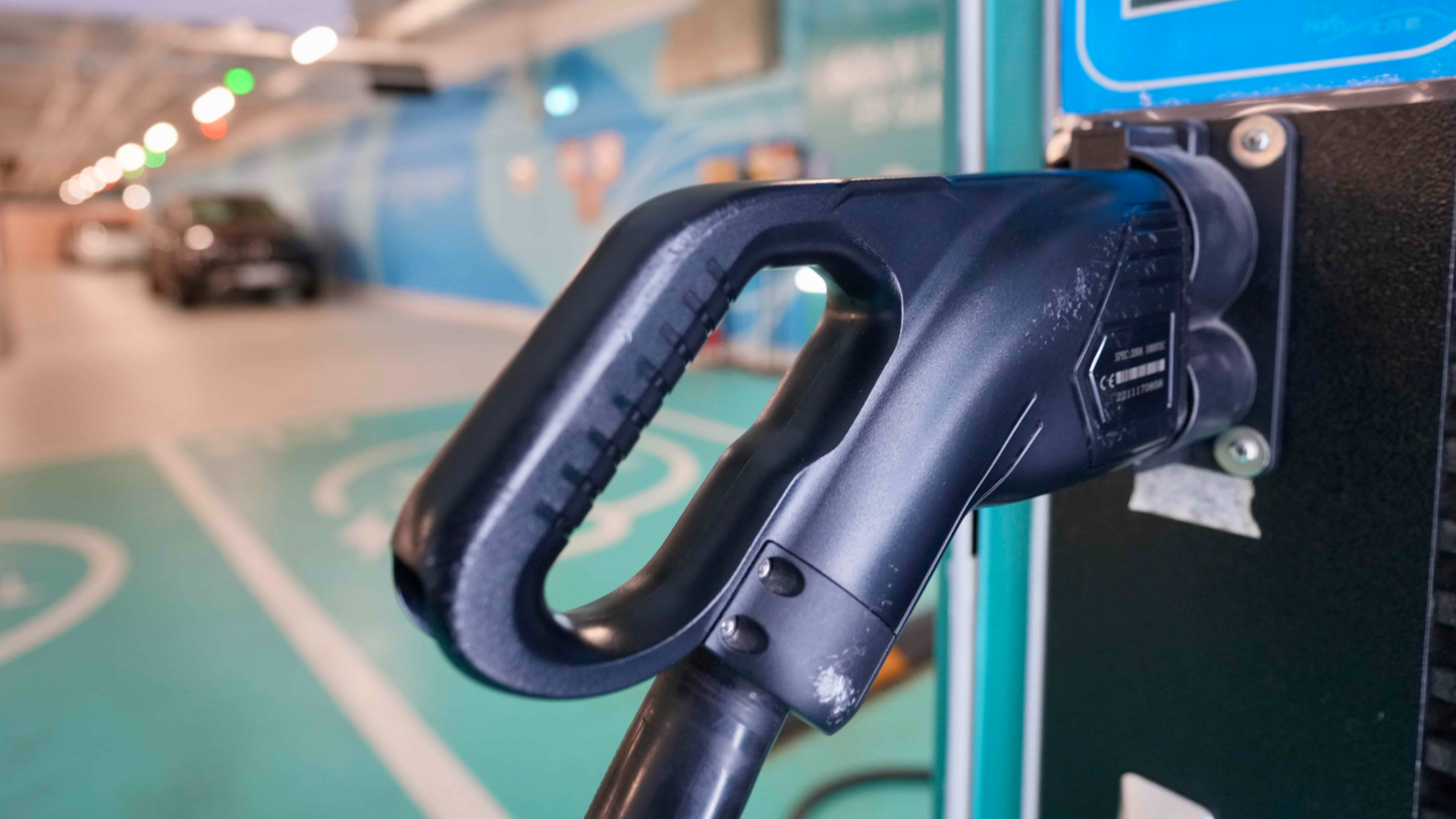
Rising fuel uncertainty strengthens calls for sustained EV adoption and infrastructure expansion across the city
Hong Kong is facing renewed calls to maintain momentum in its transition to electric vehicles as volatile global oil prices begin to drive up fuel costs and highlight vulnerabilities in traditional transport systems.

Industry experts and policymakers have warned that recent swings in energy markets, linked to geopolitical tensions and supply disruptions, are increasing operating expenses for petrol and diesel vehicles.

The situation has reinforced the economic case for accelerating the city’s shift toward electric mobility.

Officials and analysts say Hong Kong has made notable progress in EV adoption, supported by government incentives, tax concessions and expanding charging infrastructure.

Electric vehicles now account for a growing share of new car registrations, reflecting both environmental awareness and cost considerations among consumers.

However, stakeholders caution that continued progress will depend on sustained policy support and further investment in infrastructure.

In particular, the availability and accessibility of charging facilities remain key factors influencing wider adoption, especially in densely populated urban areas where space constraints present logistical challenges.

The recent surge in oil price volatility has underscored the long-term benefits of reducing dependence on fossil fuels.

Experts argue that expanding EV usage could help stabilise transport costs while contributing to emissions reduction targets and broader sustainability goals.

Transport operators and logistics firms are also exploring electrification as a means of mitigating fuel price risks.

While upfront costs for electric fleets remain higher, lower operating expenses over time are increasingly seen as a strategic advantage in a fluctuating energy environment.

The government has reaffirmed its commitment to promoting green transport, including plans to phase out new registrations of fuel-powered private cars in the longer term.

Continued collaboration with the private sector is expected to play a crucial role in scaling up adoption and ensuring that infrastructure keeps pace with demand.

As global energy markets remain uncertain, the push for electric vehicles is gaining urgency, positioning Hong Kong to enhance its resilience while advancing its environmental and economic objectives.
Rising energy costs and weakening demand from American buyers are placing mounting pressure on manufacturers and margins
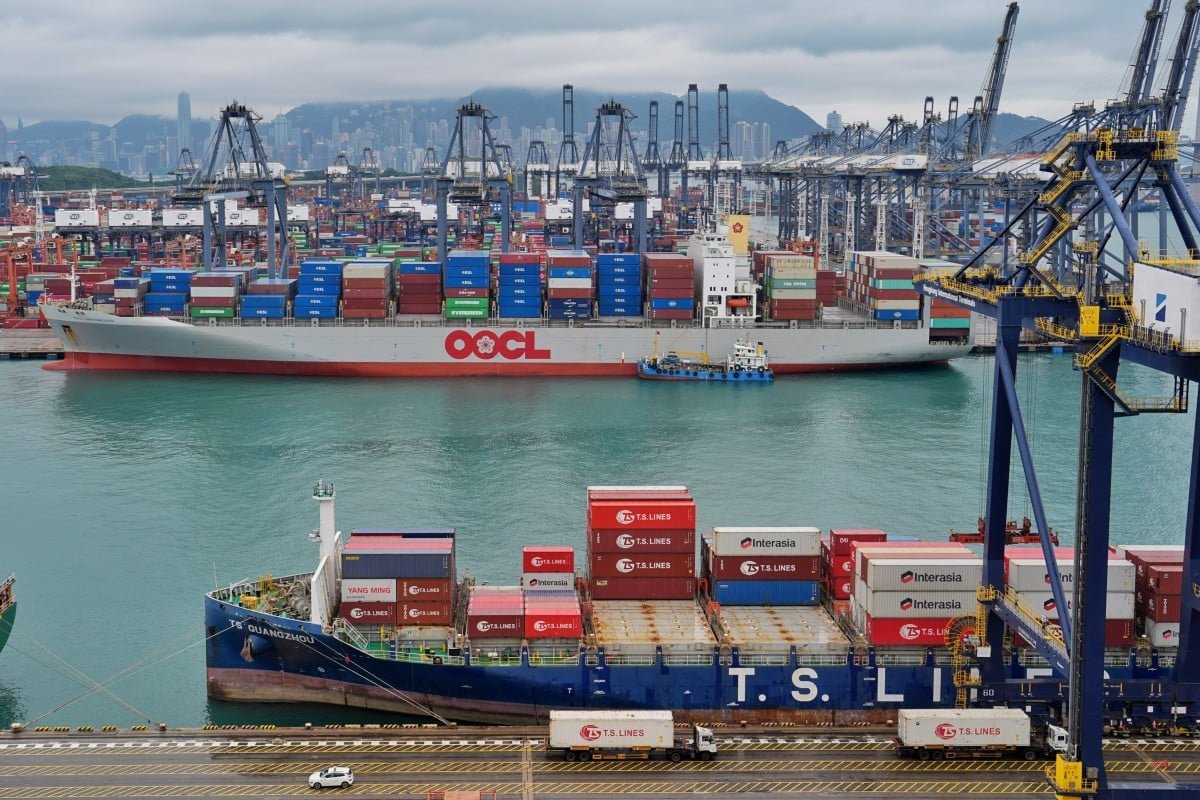
Hong Kong businesses are facing a growing profit squeeze as orders from US importers decline sharply, with the impact of a global oil shock compounding existing trade pressures.

Manufacturers and exporters report that American clients are cutting back purchases or delaying shipments, reflecting weakening demand and heightened uncertainty in the United States.

The slowdown has come at a time when companies are already grappling with rising operational costs driven by surging energy prices.

The disruption to global oil supplies linked to escalating tensions in the Middle East has sent fuel prices higher, increasing expenses across transport, logistics and production.

For Hong Kong’s trade-dependent economy, where re-exports and shipping play a central role, the cost pressures have been particularly acute.

Industry representatives say the combination of falling orders and higher costs is compressing margins, forcing firms to reassess pricing strategies and production plans.

Some companies are choosing to absorb part of the increased costs to retain clients, while others are exploring new markets to offset declining US demand.

The challenges build on earlier strains in US-Hong Kong trade relations, where shifting tariff policies and regulatory uncertainty have already made it more difficult for businesses to plan long-term operations.

Business leaders have warned that unpredictable conditions have discouraged American buyers from committing to new contracts, further dampening order volumes.

Logistics operators and freight forwarders are also feeling the effects, as reduced shipment volumes coincide with higher fuel surcharges.

The resulting imbalance has created a more volatile trading environment, with companies facing both declining revenues and escalating expenses.

Despite the pressure, some firms are seeking to adapt by diversifying supply chains and targeting alternative export destinations in Asia and the Middle East.

Others are investing in efficiency improvements and product innovation in an effort to remain competitive.

The current squeeze underscores the vulnerability of Hong Kong’s export sector to global shocks, particularly those affecting energy markets and international demand.

As geopolitical tensions continue to reshape trade flows, businesses are bracing for a prolonged period of uncertainty that could test the resilience of the city’s commercial base.
Lower commercial rents are prompting ‘upstairs’ businesses to relocate to ground-floor units, transforming visibility and foot traffic dynamics
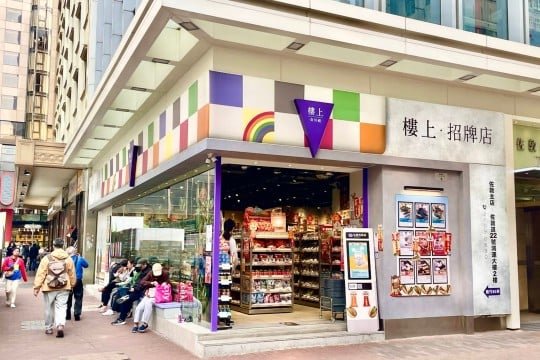
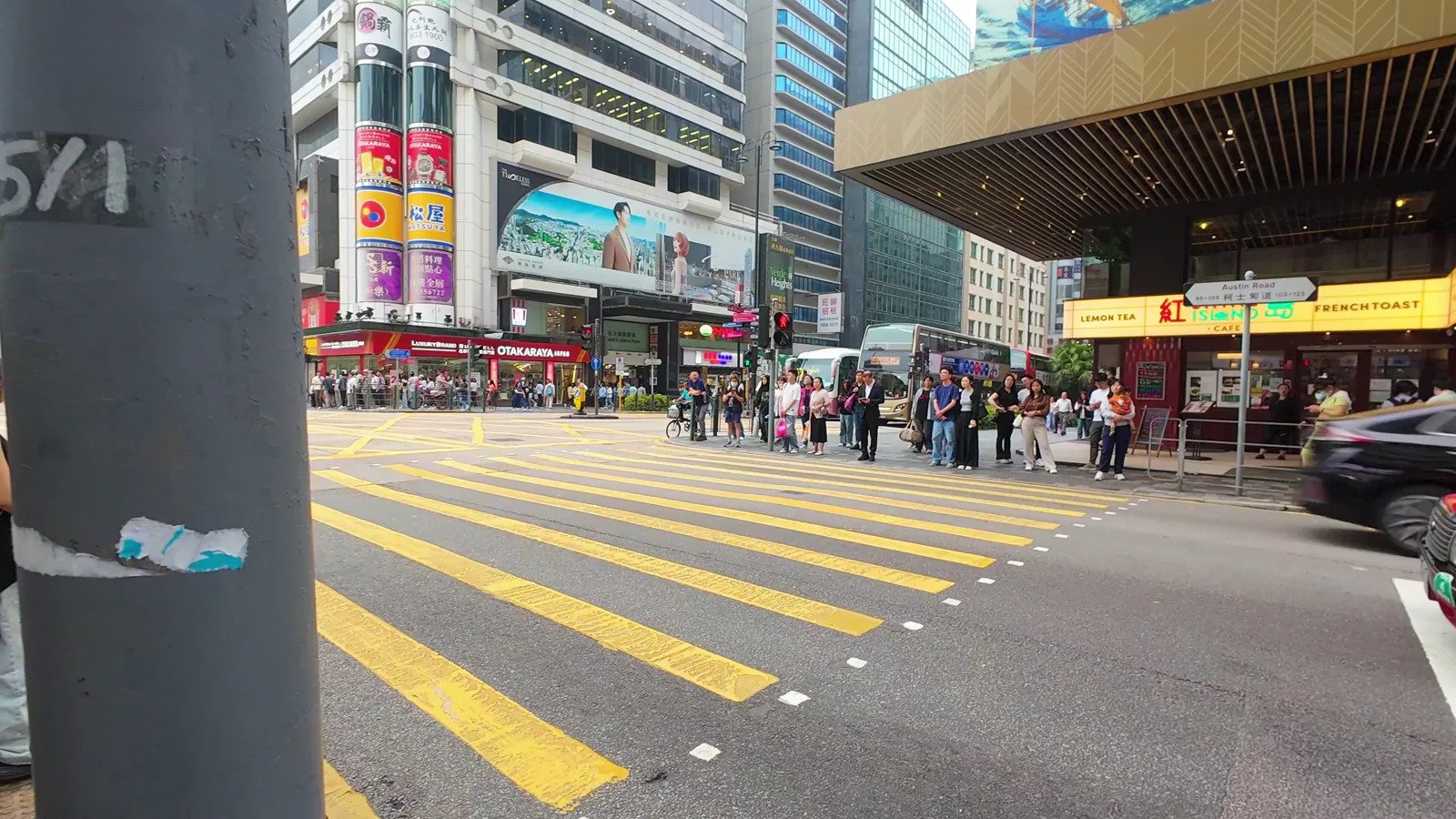
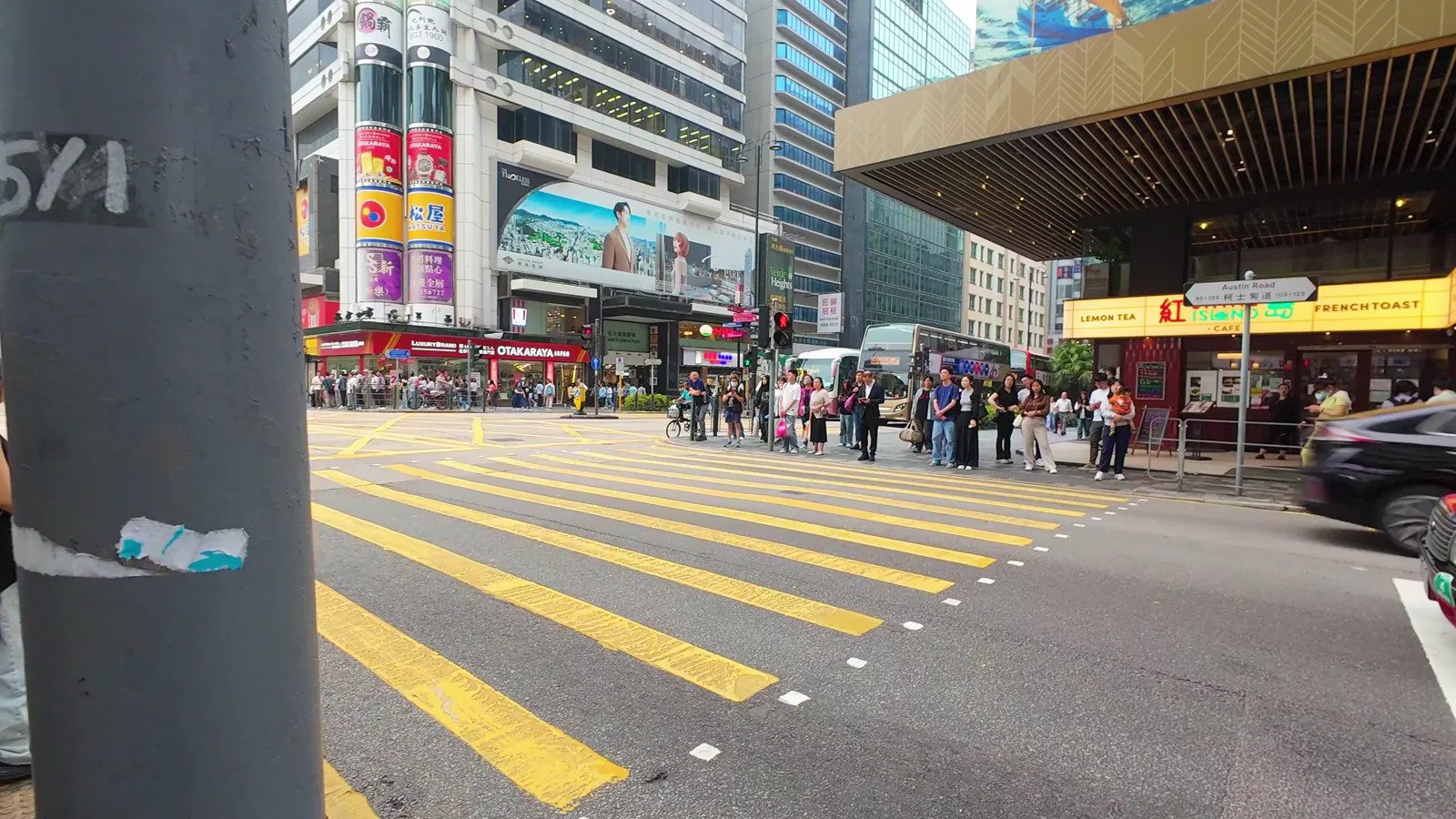
A growing number of Hong Kong retailers are moving from traditionally cheaper upper-floor premises to street-level storefronts, taking advantage of declining rents that are reshaping the city’s commercial property market.

For years, small businesses such as boutiques, beauty salons and specialty shops operated from upper floors to manage high costs in prime districts.

However, a sustained drop in retail rents—driven by changing consumer habits, slower tourism recovery and broader economic adjustments—has created new opportunities for these businesses to secure ground-level spaces.

The shift is being seen across key shopping areas, where vacancies at street level have increased and landlords have become more flexible in pricing and lease terms.

As a result, businesses that once relied on loyal clientele and online visibility are now prioritising physical presence and walk-in traffic.

Retailers say the move has significantly improved customer flow and brand exposure, with street-facing locations offering greater accessibility and spontaneous footfall.

For many, the transition represents a strategic upgrade rather than an expansion, made possible by a rare alignment of market conditions.

Property analysts note that while rents remain below previous peaks, the adjustment has helped rebalance the retail sector by diversifying the types of tenants occupying prime locations.

Independent operators and niche brands are increasingly replacing larger international chains that had scaled back their presence in recent years.

The trend is also contributing to a more varied streetscape, as smaller, locally driven businesses bring new offerings to high-traffic areas.

This has been welcomed by some observers as a sign of renewal, suggesting a shift toward a more sustainable and resilient retail environment.

Although uncertainties remain in the broader economy, the migration of “upstairs” shops to street level underscores how evolving market forces are redefining commercial strategies in Hong Kong, with accessibility and visibility now playing a central role in business success.
Officials outline strategy to strengthen the city’s leadership in sustainable finance and emerging technologies amid global transition pressures
Hong Kong has reaffirmed its commitment to advancing green finance and innovation, positioning these sectors at the core of its strategy for long-term sustainable growth.

Senior officials said the city will intensify efforts to develop green financial products, expand sustainable investment channels and strengthen its role as a leading hub for climate-related finance.

The initiative comes as global markets accelerate the transition toward low-carbon economies, creating both challenges and opportunities for international financial centres.

Authorities highlighted Hong Kong’s existing strengths, including its deep capital markets, robust regulatory framework and strong connectivity with mainland China and global investors.

These advantages, officials said, place the city in a unique position to facilitate cross-border green investments and support large-scale sustainability projects across the region.

The government plans to further promote green bonds and sustainable financing instruments, building on previous issuances and encouraging wider participation from both public and private sectors.

Enhanced disclosure standards and alignment with international sustainability frameworks are also expected to improve transparency and investor confidence.

Innovation has been identified as a parallel priority, with increased support for financial technology, digital assets and climate-focused research.

Officials said integrating technological advancement with sustainability goals would help Hong Kong remain competitive in an evolving global financial landscape.
The strategy also includes closer collaboration with international partners and regional stakeholders, reinforcing the city’s role as a bridge between Asia and global markets.

By combining financial expertise with technological development, Hong Kong aims to accelerate the adoption of green solutions and attract new investment flows.

The renewed focus reflects a broader effort to align economic growth with environmental responsibility, ensuring that Hong Kong continues to strengthen its global standing while contributing to international sustainability objectives.
Appeal judges reaffirm convictions of activists in one of the city’s most significant legal rulings under security legislation
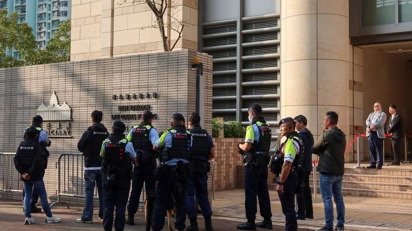
Hong Kong’s Court of Appeal has upheld prison sentences for a group of activists in a landmark national security case, reaffirming earlier convictions in one of the most consequential legal proceedings in the city in recent years.

The ruling followed an appeal lodged by 12 individuals who had challenged both their convictions and the length of their sentences.

Judges rejected the arguments presented, concluding that the original verdicts and penalties were soundly grounded in law and did not warrant revision.

The case forms part of a broader prosecution involving dozens of opposition figures arrested in 2021, widely known for its scale and significance.

The defendants were charged with conspiracy to commit subversion after organising an unofficial primary election in 2020, an initiative authorities determined was designed to disrupt the functioning of government institutions.

Following extensive legal proceedings, many of those involved were sentenced in 2024 to prison terms ranging from four to ten years, while a small number were acquitted.

The appeal court’s decision confirms those outcomes, reinforcing the legal interpretation that the activities in question constituted a coordinated effort to undermine the constitutional order.

In its judgment, the court found that the strategy behind the primary election went beyond ordinary political participation, describing it as part of a concerted plan aimed at exerting pressure on the administration and altering governance through unconventional means.

The ruling has drawn varied reactions internationally.

Some foreign governments and advocacy groups have expressed concern over the application of national security legislation, while Hong Kong authorities maintain that the legal process has been conducted in accordance with established judicial standards and is essential for safeguarding stability and order.

The decision underscores the continued importance of national security law in shaping Hong Kong’s legal landscape, as courts navigate complex cases that test the boundaries between political activity and actions deemed to threaten institutional integrity.

With appeals now dismissed, the judgment is expected to stand as a defining reference point for future cases involving national security, reinforcing the judiciary’s role in interpreting and applying the framework governing such prosecutions.
A dozen new collaborations reinforce the city’s role as a leading East-meets-West arts centre
Hong Kong’s flagship arts hub has strengthened its international footprint by forging a series of new global partnerships, marking a significant step in its effort to deepen cultural exchange and expand its influence across the global arts landscape.

The West Kowloon Cultural District, one of the world’s most ambitious cultural developments, has confirmed a new round of collaborations with leading institutions and organisations abroad.

The initiative adds to an expanding network of international ties aimed at enhancing artistic exchange, co-curation opportunities and joint programming across continents.

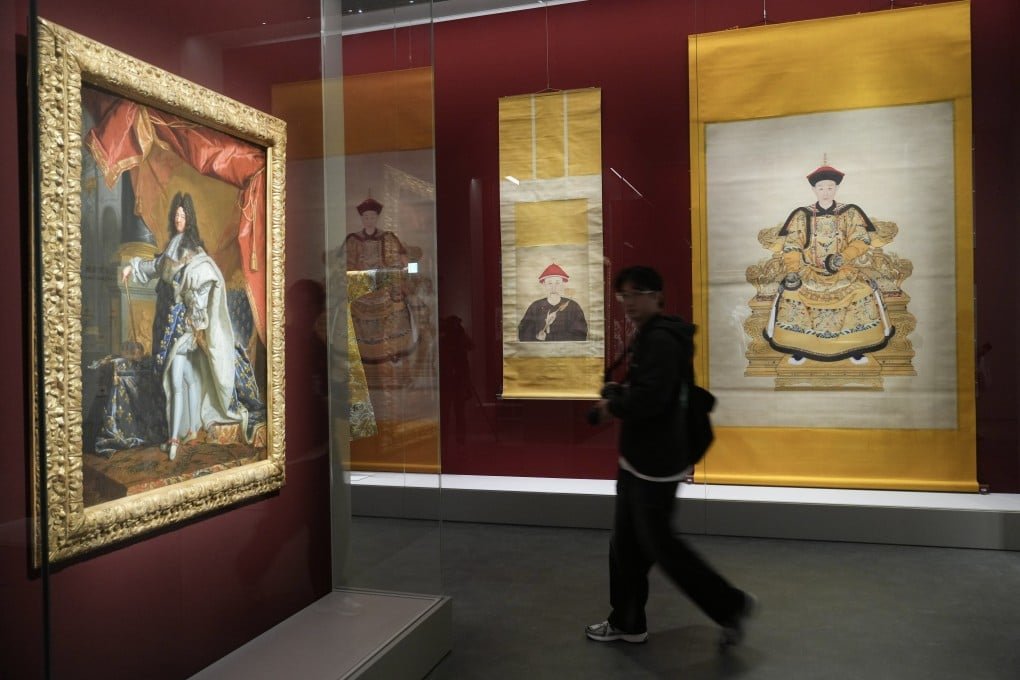
The district, which already hosts major venues including M+ and the Hong Kong Palace Museum, has positioned these partnerships as part of a broader strategy to connect Asian and global cultural ecosystems.

By building relationships with overseas institutions, the hub is seeking to facilitate touring exhibitions, shared research initiatives and cross-border artistic residencies.

Officials overseeing the project have emphasised that the new agreements will help consolidate Hong Kong’s role as a gateway between East and West, strengthening its status as an international cultural capital.

The partnerships are also expected to support talent development, enabling local artists to gain greater exposure on the global stage while bringing international works to new audiences in the city.

The expansion comes at a time of renewed momentum for the district, following recent financial backing that secured its long-term development and operational stability.

With sustained investment and growing institutional support, the hub has continued to evolve into a major destination for cultural tourism, attracting millions of visitors annually and hosting a wide range of exhibitions, performances and public programmes.

The latest partnerships build on earlier collaborations with global museums, galleries and cultural organisations, reflecting a long-term commitment to international engagement.

Through these efforts, the district aims to deepen artistic dialogue, encourage innovation and reinforce Hong Kong’s distinctive position as a meeting point for diverse cultural traditions.

As the network of partnerships expands, the initiative signals a broader ambition to shape the future of cultural exchange in Asia and beyond, with Hong Kong at its centre as a dynamic and globally connected arts hub.
Citywide programme blends major global fairs with grassroots creativity, reinforcing Hong Kong’s status as a leading cultural hub
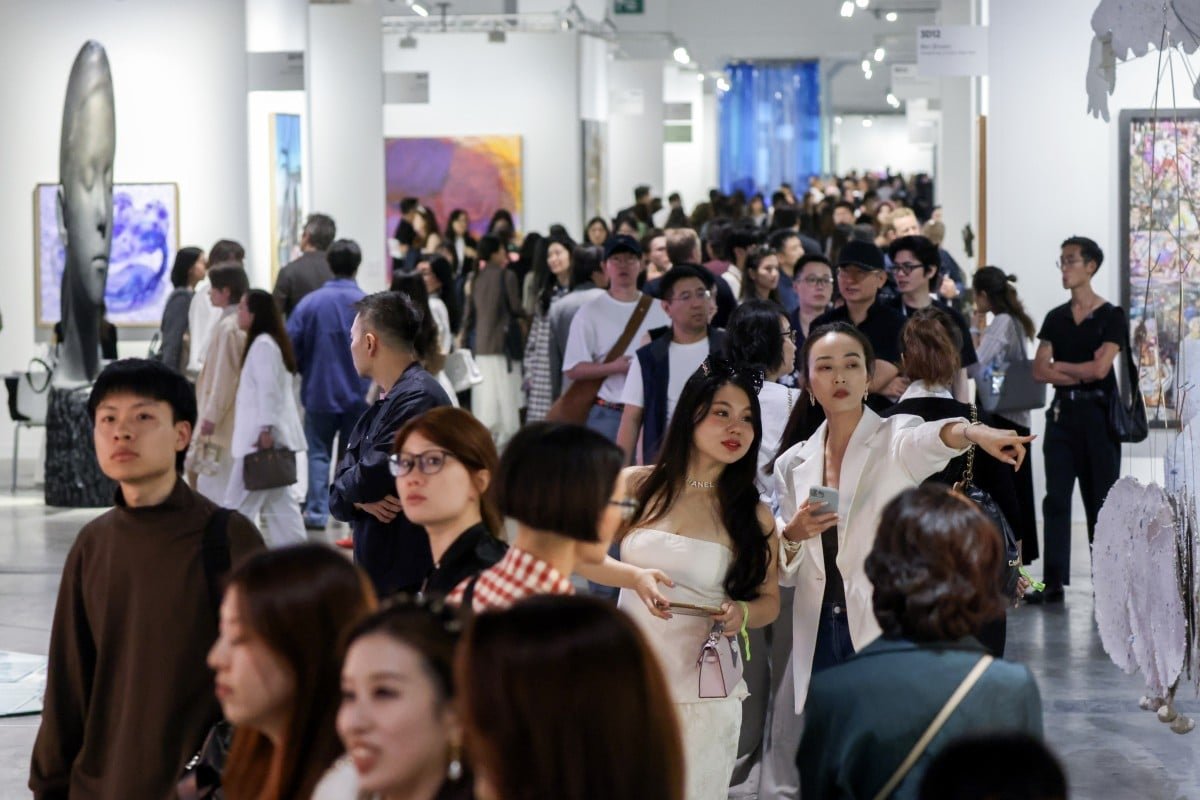
Hong Kong’s annual Art Week has returned with a sweeping programme of international fairs, museum exhibitions and experimental pop-ups, transforming the city into one of the world’s most dynamic cultural stages.

At the centre of the week is Art Basel Hong Kong, widely regarded as the flagship event, bringing together around 240 galleries from more than 40 countries and territories.

The fair has expanded its curatorial ambition this year, introducing new platforms focused on recent artistic production and digital innovation, while maintaining its role as a gateway between Asian and global art markets.

Alongside it, Art Central continues to highlight emerging talent, with more than 100 galleries and hundreds of artists presenting contemporary works across installations, sculpture and performance.

The fair’s focus on discovery has helped broaden the week’s appeal beyond established collectors, drawing attention to younger artists and new regional voices.

Beyond these headline events, Hong Kong’s wider art ecosystem plays an equally significant role.

Major institutions such as M+ and the Hong Kong Palace Museum are staging exhibitions that span contemporary and historical narratives, while Tai Kwun’s heritage complex is hosting extended programmes of performances, installations and late-night events that blend visual art with music and theatre.

A defining feature of this year’s programme is the rise of unconventional and participatory experiences.

Public installations, open-air exhibitions and immersive projects have spread across districts, including large-scale floral installations, street art festivals and site-specific works that bring art directly into urban spaces.

These initiatives reflect a broader effort to make the city’s art scene more accessible and interactive.

Independent galleries and alternative venues have also gained prominence, particularly in neighbourhoods such as Wong Chuk Hang and Sham Shui Po, where experimental spaces are hosting cross-disciplinary exhibitions and residencies.

These grassroots initiatives are increasingly seen as vital to the city’s creative identity, offering platforms for risk-taking and new forms of expression.

More than 100 events have been scheduled throughout March as part of the wider Art Month programme, underscoring the scale and ambition of the city’s cultural calendar.

From large-scale fairs to intimate gallery shows and radical pop-ups, the programme highlights Hong Kong’s ability to connect global art networks with local innovation.

The breadth of activity has reinforced Hong Kong’s position as a major international art hub, where established institutions, commercial galleries and independent creators converge to shape a rapidly evolving cultural landscape.
Mass performance of traditional Chinese instrument showcases cultural heritage and breaks global participation record
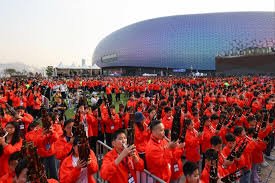
More than 1,200 musicians in Hong Kong have set a new Guinness World Record after performing together on the sheng, a traditional Chinese mouth organ, in a landmark concert celebrating cultural heritage and musical unity.

The large-scale performance brought together players of all ages and skill levels, transforming the venue into a striking display of coordinated sound and tradition.

Organisers confirmed that the ensemble successfully surpassed the previous record for the largest gathering of sheng performers, marking a significant milestone for the instrument’s global recognition.

The concert featured a carefully synchronised programme designed to highlight the distinctive tonal qualities of the sheng, an instrument with a history spanning thousands of years in Chinese music.

Participants performed both traditional compositions and modern arrangements, demonstrating the instrument’s versatility and enduring appeal.

Officials overseeing the attempt worked alongside Guinness World Records adjudicators to ensure that all criteria were met, including participant verification and continuous performance standards.

The record was officially confirmed following the conclusion of the event, drawing enthusiastic applause from both performers and spectators.

Cultural leaders and organisers described the achievement as a celebration of artistic heritage and community engagement.

By bringing together such a large number of musicians, the event aimed to promote appreciation of traditional Chinese instruments while inspiring younger generations to participate in cultural preservation.

Hong Kong’s role as host further underscored its position as a centre for cultural exchange, where longstanding traditions intersect with contemporary creative expression.

The record-setting performance is expected to boost international interest in the sheng and similar instruments, reinforcing their relevance in modern musical landscapes.

The event also highlighted the growing popularity of large-scale participatory performances, which combine artistic ambition with community involvement.

For many of the musicians involved, the record was not only a personal achievement but also a shared moment of cultural pride.

With the Guinness World Record now secured, organisers have indicated that similar initiatives may be planned in the future, building on the momentum generated by the historic performance.
International leaders gather to examine shifting investment strategies, geopolitical dynamics and Asia’s expanding financial influence
The Milken Institute has opened its third Global Investors’ Symposium in Hong Kong, bringing together senior executives, policymakers and institutional investors to examine how capital is being reshaped in a rapidly changing global environment.

The gathering convenes participants from across major financial centres to discuss evolving investment strategies amid shifting geopolitical conditions, technological disruption and changing monetary landscapes.

Hong Kong’s role as host underscores its continued importance as a gateway between global capital markets and Asia’s economic growth.

Organisers have framed the symposium around the theme of “Capital in a Changing World,” reflecting the need for investors to adapt to new risks and opportunities.

Discussions are expected to cover asset allocation trends, private capital expansion, sustainability-focused investing and the impact of artificial intelligence on financial decision-making.

Speakers emphasised that capital flows are increasingly influenced by geopolitical alignment, supply chain realignment and the search for resilient returns in uncertain conditions.

Asia, in particular, has been highlighted as a key destination for investment, driven by its economic dynamism, expanding middle class and ongoing technological development.

Hong Kong officials and financial leaders have used the event to reaffirm the city’s status as a leading international financial hub, pointing to its deep capital markets, strong regulatory framework and strategic position linking mainland China with global investors.

The symposium provides a platform for reinforcing confidence in the city’s financial ecosystem and its ability to facilitate cross-border investment.

Participants are also examining how global institutions are adjusting to higher interest rates, inflationary pressures and currency volatility.

Private markets, infrastructure investments and digital assets are among the areas drawing particular attention as investors seek diversification and long-term value.

The event reflects a broader effort to foster dialogue between public and private sectors at a time when capital allocation decisions are becoming more complex and consequential.

By convening global stakeholders in Hong Kong, the symposium aims to deepen collaboration and identify strategies that can navigate uncertainty while unlocking new avenues for growth.

As discussions continue, the outcomes are expected to shape perspectives on where and how capital will be deployed in the years ahead, reinforcing the importance of adaptability and international cooperation in the global financial system.
Streaming, regional collaboration and new financing models dominate discussions at the continent’s leading film and TV marketplace
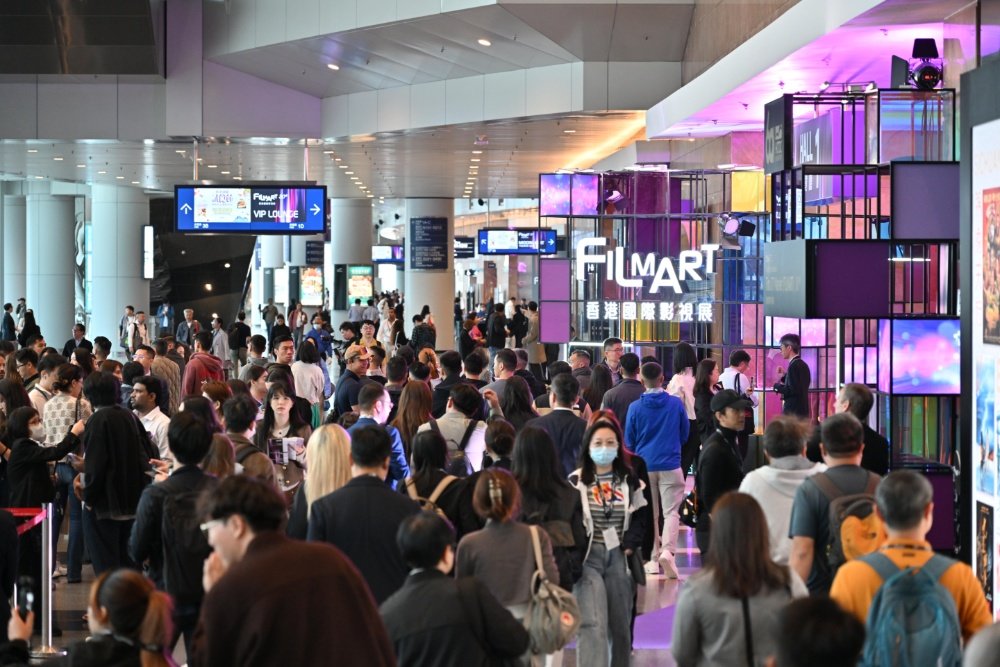
Hong Kong’s FilMart 2026 has underscored a renewed sense of momentum across Asia’s film and entertainment sector, as industry leaders gathered to navigate shifting global demand, evolving distribution models and new opportunities for cross-border collaboration.

The annual marketplace, one of the largest of its kind in Asia, drew producers, distributors and investors from around the world, with a strong focus on how regional content can expand its international reach.

Participants pointed to a growing appetite for Asian storytelling, particularly as global platforms seek fresh narratives to attract diverse audiences.

A central theme was the continued influence of streaming services, which are reshaping how content is financed, produced and distributed.

Executives highlighted that while competition among platforms remains intense, there is increasing emphasis on co-productions that allow companies to share costs and access new markets simultaneously.

China’s film and television sector remained a key point of interest, with discussions focusing on regulatory developments and the scale of its domestic audience.

Industry representatives stressed that partnerships involving Chinese producers continue to offer significant commercial potential, provided projects are tailored to local preferences and compliance requirements.

Another major takeaway was the rising importance of Southeast Asia, where rapidly expanding digital audiences are driving demand for locally produced content.

Markets such as Thailand and Indonesia were frequently cited as areas of growth, with creators leveraging regional identity to build global appeal.

Technology also featured prominently, with artificial intelligence and virtual production tools gaining attention as cost-saving measures and creative enablers.

Industry figures noted that these innovations are beginning to influence everything from script development to post-production workflows.

Financing models are evolving alongside these trends.

Traditional funding sources are increasingly complemented by private investment, brand partnerships and pre-sales agreements, reflecting a more diversified approach to project development.

Overall, FilMart 2026 illustrated a sector in transition but also in expansion, with Hong Kong reaffirming its role as a key hub connecting Asian creativity with global industry networks.
Victim targeted repeatedly over months as fraudsters used recovery promises and investment pitches to deepen losses
A Hong Kong retiree has lost approximately HK$6.6 million, or about $840,000, after falling victim to a series of coordinated cryptocurrency scams orchestrated by individuals posing as investment experts.

According to authorities, the 66-year-old victim was first approached in September through an unsolicited message from a self-described virtual currency specialist who promised consistent returns.

Trusting the advice, the retiree transferred around $180,000 and deposited digital assets into a wallet controlled by the fraudster, who subsequently disappeared.

After reporting the initial loss, the victim was targeted again.

A second individual, claiming expertise in recovering stolen funds, offered assistance but demanded a substantial upfront payment described as a security deposit.

Once the money was transferred, the supposed recovery agent also vanished.

The scheme escalated further when a third fraudster contacted the retiree in January, promising to recover both previous losses.

The victim was persuaded to purchase additional cryptocurrency worth hundreds of thousands of dollars and transfer it to a designated address.

That individual likewise disappeared, leaving the retiree with total losses exceeding $840,000 over roughly six months.

Investigators describe the case as a textbook example of “repeat victimisation,” where scammers repeatedly exploit the same individual using variations of the same tactic.

Initial promises of guaranteed profits were followed by deceptive offers to recover funds, a pattern that authorities say is increasingly common in online fraud.

Officials have warned that genuine financial professionals do not rely on unsolicited contact or guarantee returns, urging the public to remain vigilant against such approaches.

Phrases such as “inside information” and “risk-free profit” have been identified as common warning signs of deception.

The case highlights the growing sophistication of cryptocurrency-related fraud in Hong Kong, where criminals are increasingly using messaging platforms and fabricated identities to build trust and manipulate victims.

Authorities continue to stress the importance of verifying investment opportunities and avoiding transactions with unknown or unregulated parties.
Swift operation recovers 73 kilograms of bullion after suspected deception during a commercial transaction
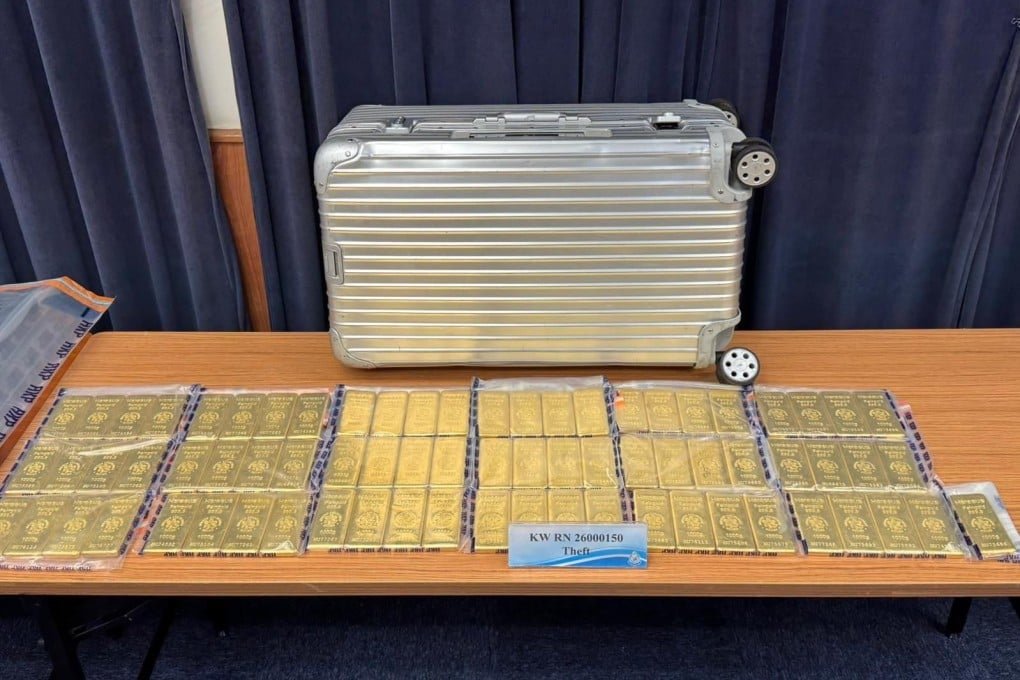
Hong Kong police have arrested five individuals and recovered nearly HK$100 million worth of stolen gold bars following a suspected deception case linked to a staged commercial transaction.

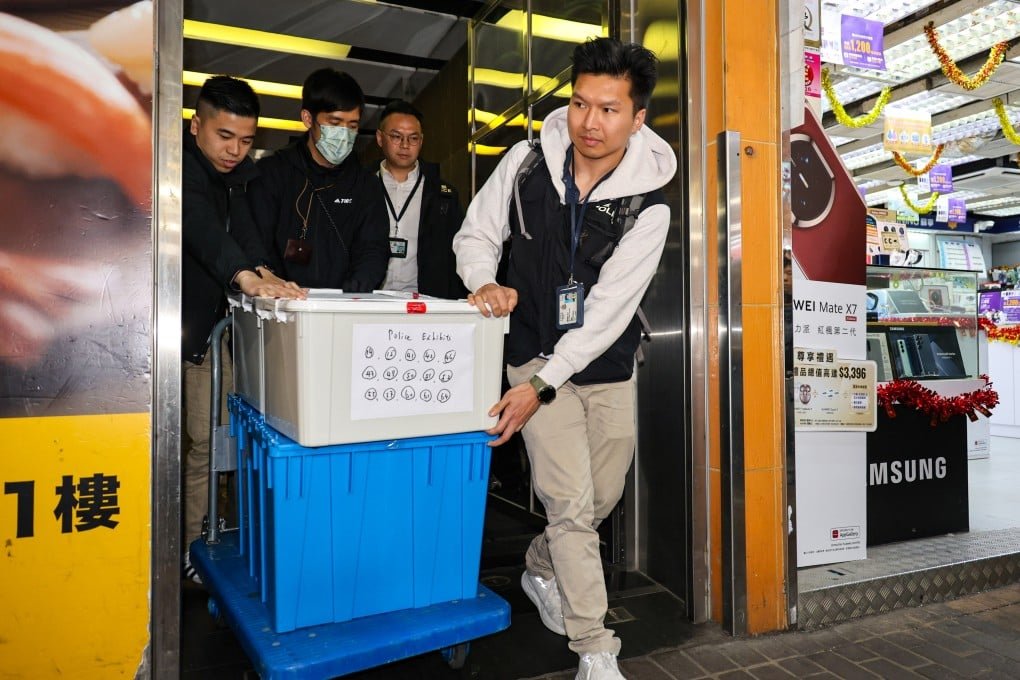
The incident unfolded at a commercial office in Hung Hom, where a staff member from a gold business was conducting a handover of bullion to a purported buyer.

Authorities said the buyer was in fact working with accomplices, who seized the gold during the exchange and fled the scene.

The haul, comprising approximately 73 kilograms of gold bars valued at about HK$93 million, was taken in the afternoon operation.

Police launched a rapid investigation, leading to the arrest of five suspects and the recovery of the full shipment within a short period.

Investigators believe the case involved careful planning, with the suspects exploiting the trust inherent in high-value transactions.

The operation was classified as a deception case rather than a traditional armed robbery, reflecting the method used to gain control of the assets.

Authorities highlighted the speed and coordination of the response, which enabled the recovery of the entire amount and prevented the gold from being dispersed or sold.

Officers also indicated that further arrests could follow as the investigation continues into the wider network involved.

The case has drawn attention to the risks associated with private high-value commodity deals, particularly those conducted outside secure or regulated environments.

Police have urged businesses handling precious metals to adopt enhanced security measures and verify counterparties thoroughly during transactions.

The successful recovery underscores the effectiveness of law enforcement efforts in safeguarding commercial activity and maintaining confidence in Hong Kong’s trading environment.
Authorities step up monitoring of petrol costs as global oil volatility drives prices higher across the city
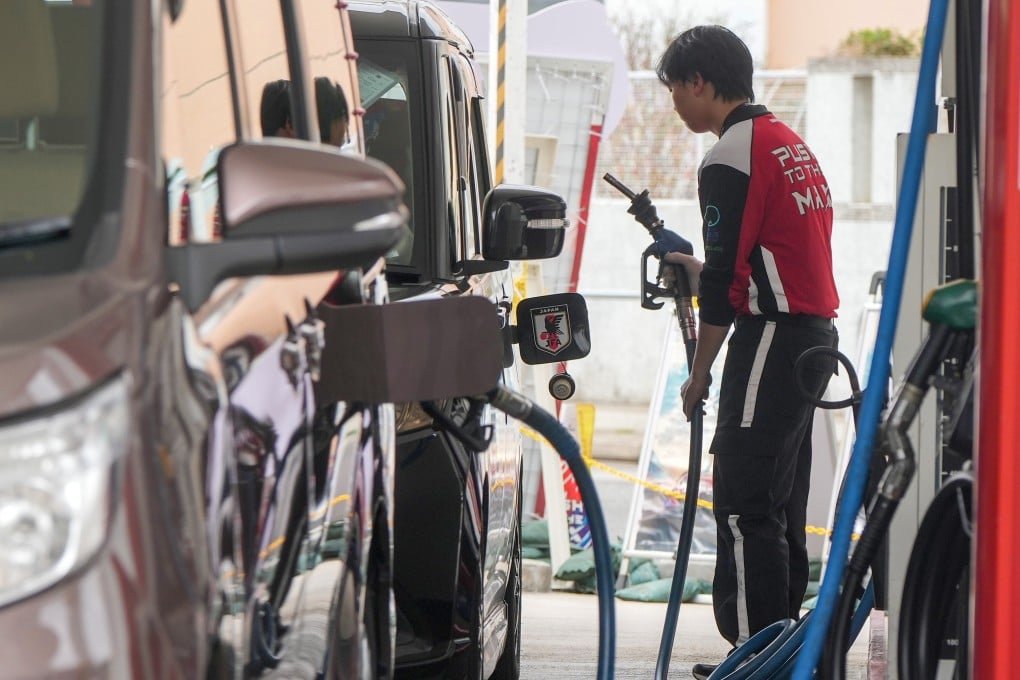
Hong Kong authorities are set to introduce weekly updates on fuel charges in a move aimed at increasing transparency and addressing public concerns over potential overpricing at the pump.

The initiative comes as fuel costs in the city have surged to multi-year highs, driven by rising global oil prices linked to escalating geopolitical tensions.

Retail petrol prices in Hong Kong have climbed above HK$30 per litre in recent weeks, placing growing pressure on motorists and transport operators.

Officials have emphasised that while the city operates a free market for auto-fuel pricing, closer monitoring and clearer public reporting will help ensure that price movements remain aligned with international trends.

Under the new approach, regular updates will provide clearer comparisons between global oil benchmarks and local retail prices, offering consumers a better understanding of how charges are set.

The move builds on existing efforts to enhance price transparency, including publicly available data tracking import costs and pump prices.

Authorities have long noted that fluctuations in local fuel prices may lag behind global changes due to supply cycles and inventory costs, but have also urged suppliers to adjust prices in a timely and reasonable manner.

The decision follows mounting concern from transport and logistics sectors, which have warned that rising fuel costs are increasingly affecting operating margins and could lead to higher charges for goods and services.

Industry representatives have highlighted that fuel expenses for commercial drivers have risen sharply in recent weeks, with some reporting substantial increases in daily costs.

By introducing more frequent and structured updates, policymakers aim to strengthen consumer confidence and encourage fair competition among fuel providers.

The initiative is also expected to provide greater clarity during periods of global market volatility, when rapid price shifts can have immediate local impact.

Authorities indicated that the enhanced reporting framework forms part of a broader effort to safeguard consumer interests while maintaining a stable and competitive fuel market.
Authorities step up monitoring of petrol costs as global oil volatility drives prices higher across the city
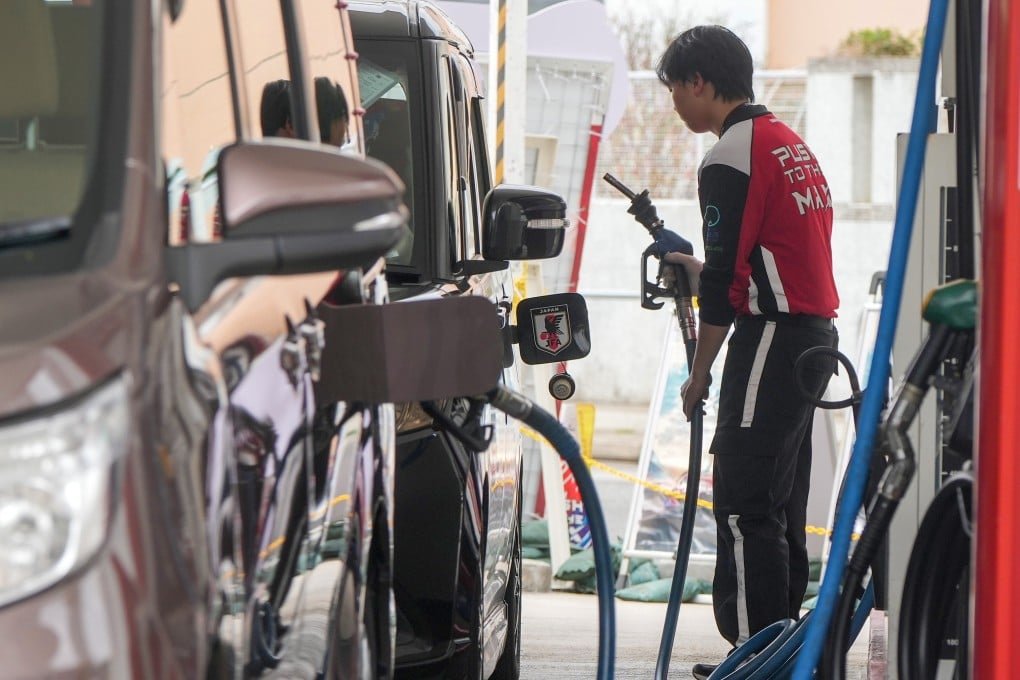
Hong Kong authorities are set to introduce weekly updates on fuel charges in a move aimed at increasing transparency and addressing public concerns over potential overpricing at the pump.

The initiative comes as fuel costs in the city have surged to multi-year highs, driven by rising global oil prices linked to escalating geopolitical tensions.

Retail petrol prices in Hong Kong have climbed above HK$30 per litre in recent weeks, placing growing pressure on motorists and transport operators.

Officials have emphasised that while the city operates a free market for auto-fuel pricing, closer monitoring and clearer public reporting will help ensure that price movements remain aligned with international trends.

Under the new approach, regular updates will provide clearer comparisons between global oil benchmarks and local retail prices, offering consumers a better understanding of how charges are set.

The move builds on existing efforts to enhance price transparency, including publicly available data tracking import costs and pump prices.

Authorities have long noted that fluctuations in local fuel prices may lag behind global changes due to supply cycles and inventory costs, but have also urged suppliers to adjust prices in a timely and reasonable manner.

The decision follows mounting concern from transport and logistics sectors, which have warned that rising fuel costs are increasingly affecting operating margins and could lead to higher charges for goods and services.

Industry representatives have highlighted that fuel expenses for commercial drivers have risen sharply in recent weeks, with some reporting substantial increases in daily costs.

By introducing more frequent and structured updates, policymakers aim to strengthen consumer confidence and encourage fair competition among fuel providers.

The initiative is also expected to provide greater clarity during periods of global market volatility, when rapid price shifts can have immediate local impact.

Authorities indicated that the enhanced reporting framework forms part of a broader effort to safeguard consumer interests while maintaining a stable and competitive fuel market.
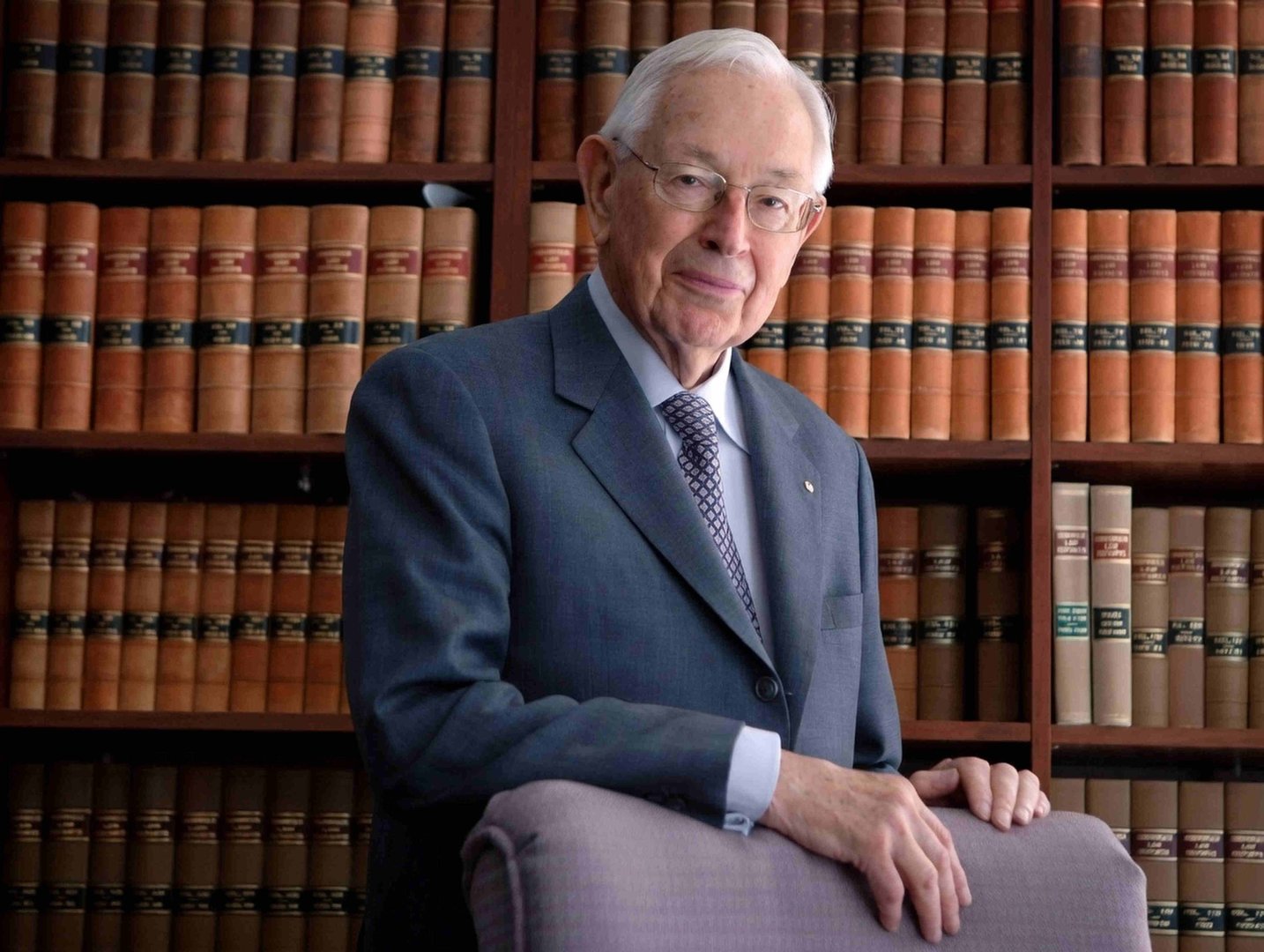
Reflections highlight how a founding jurist helped shape the authority and global standing of the city’s highest court
The enduring reputation of Hong Kong’s Court of Final Appeal is increasingly being linked to the foundational influence of one of its early leading figures, whose judicial philosophy and standards helped define the institution at a critical moment in its history.

As the city transitioned to a new constitutional framework, the establishment of a final appellate court was widely regarded as a cornerstone of legal continuity and international confidence.

Central to that effort was a commitment to judicial independence, clarity in legal reasoning, and adherence to common law principles—values that became embedded in the court’s early decisions and practices.

Observers note that the jurist’s contribution went beyond individual rulings.

By helping to set expectations for rigorous legal analysis and principled judgment, he played a key role in shaping how the court would be perceived both locally and internationally.

Early cases established precedents that reinforced the rule of law and signalled continuity with Hong Kong’s long-standing legal traditions.

The court’s composition, which included distinguished local and overseas judges, further strengthened its credibility.

The emphasis on openness, detailed reasoning, and respect for established legal norms allowed the institution to build trust among businesses, legal professionals, and the wider public.

Over time, the Court of Final Appeal has become a defining feature of Hong Kong’s legal system, serving as the ultimate arbiter on constitutional and commercial matters.

Its judgments continue to influence legal interpretation and reinforce the city’s role as a global financial centre underpinned by a reliable legal framework.

The legacy of its early leadership is therefore seen not only in landmark rulings but in the enduring stature of the court itself.

By laying strong institutional foundations, the jurist helped ensure that the court would command respect and maintain its authority through periods of change.
From alleyways to galleries, a homegrown artist is transforming the city’s visual culture through playful symbolism and relentless street presence
Across Hong Kong’s dense urban landscape, a distinctive visual language is quietly reshaping how art is experienced in public spaces.

The anonymous street artist known as Lousy has emerged as a defining figure in this shift, embedding his work into the city’s everyday life through a mix of spontaneity, satire, and accessibility.

Recognisable by simplified, almost hieroglyphic figures and recurring motifs such as floating eyes and stylised faces, Lousy’s creations appear across shutters, alleyways, and building facades.

Their stripped-down aesthetic belies a layered engagement with the city’s identity, drawing on influences ranging from manga and punk culture to ancient visual traditions.

Rather than confining his practice to galleries, the artist has deliberately turned Hong Kong itself into a canvas.

His works often emerge in unexpected locations, encouraging passers-by to encounter art outside formal settings and prompting a more immediate, instinctive response.

This approach has contributed to a growing movement in which street-level creativity challenges conventional boundaries between public and institutional art.

At the heart of his work is a philosophy of direct communication.

By reducing images to bold outlines and rhythmic lines, Lousy seeks to convey emotion and meaning in a way that is instantly recognisable.

His pieces, frequently described as playful yet subversive, invite viewers to interpret them freely while reflecting the city’s fast-paced and layered character.

The artist’s reach now extends beyond the streets.

Collaborations with brands, gallery exhibitions, and participation in major art events have brought his work into more formal contexts, while preserving the raw energy that defines his practice.

This dual presence highlights a broader evolution within Hong Kong’s art scene, where boundaries between underground and mainstream continue to blur.

Lousy’s rise also reflects the resilience and adaptability of Hong Kong’s cultural landscape.
In a city shaped by constant change, his work captures both the intensity and the humour of urban life, offering a visual language that resonates with a wide audience.

As his motifs continue to spread across neighbourhoods, the artist’s influence underscores a wider transformation: art in Hong Kong is no longer confined to curated spaces but is increasingly embedded in the rhythms of the street, accessible to anyone willing to look.
Global pop icon and viral designer character ignite surge in attendance at Asia’s flagship culture festival
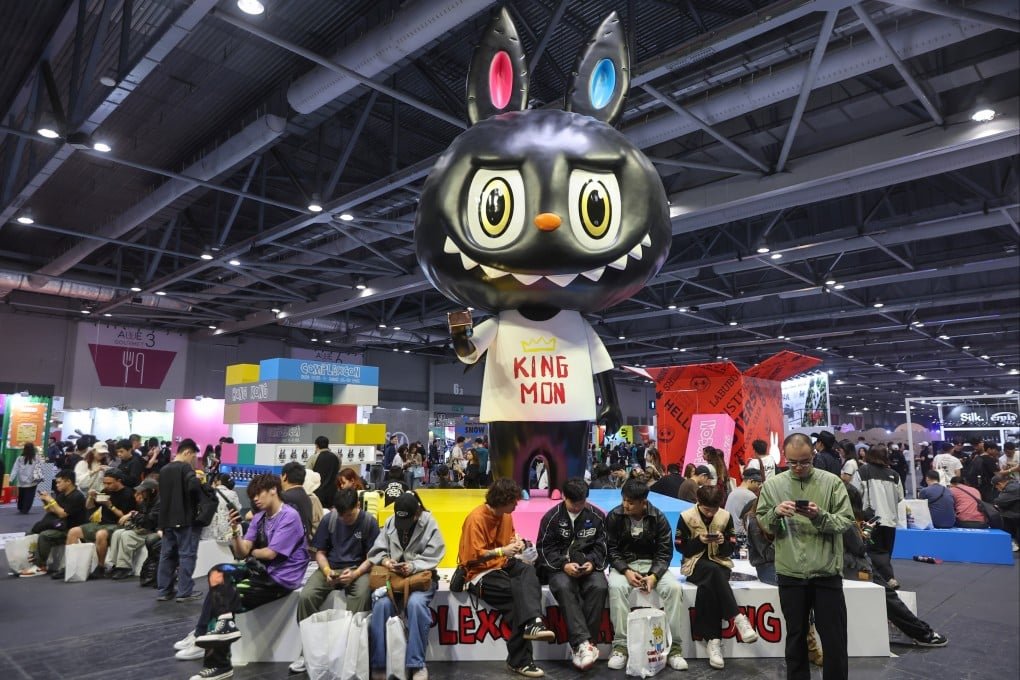
Thousands of fans converged on Hong Kong’s AsiaWorld-Expo as ComplexCon returned with renewed energy, driven by the combined pull of global pop star Jennie and the cult-favorite character Labubu.

The two-day festival, held in March, transformed the venue into a vibrant hub of youth culture, blending music, streetwear, art, and collectible design.

Attendees queued in large numbers for exclusive merchandise, immersive installations, and live performances, underscoring the event’s growing influence across Asia’s creative economy.

At the center of the surge was Jennie, the internationally renowned member of Blackpink, who delivered her first solo performance in Hong Kong as a headline act.

Her appearance marked a major moment for fans in the region, with demand for tickets and live access driving packed audiences throughout the weekend.

Equally significant was the presence of Labubu, the distinctive character from the widely popular “The Monsters” series.

With its creator taking a leading artistic role at the event, new Labubu-themed works and limited-edition collectibles became a focal point for visitors.

Fans formed long lines to secure exclusive items, reflecting the character’s expanding global following and its strong resonance within the collectible art scene.

The convergence of a major K-pop figure and a breakout designer toy phenomenon highlighted ComplexCon’s strategy of merging entertainment and design into a unified cultural experience.

Organisers curated a lineup that brought together musicians, artists, and brands, reinforcing Hong Kong’s position as a gateway for international creative exchange.

The scale of attendance and commercial activity signalled continued momentum for the city’s event-driven cultural sector, with ComplexCon increasingly seen as a platform where global pop culture trends are both showcased and shaped.
Proposed reforms lower thresholds and expand eligibility as the city seeks to strengthen its status as a leading fundraising hub
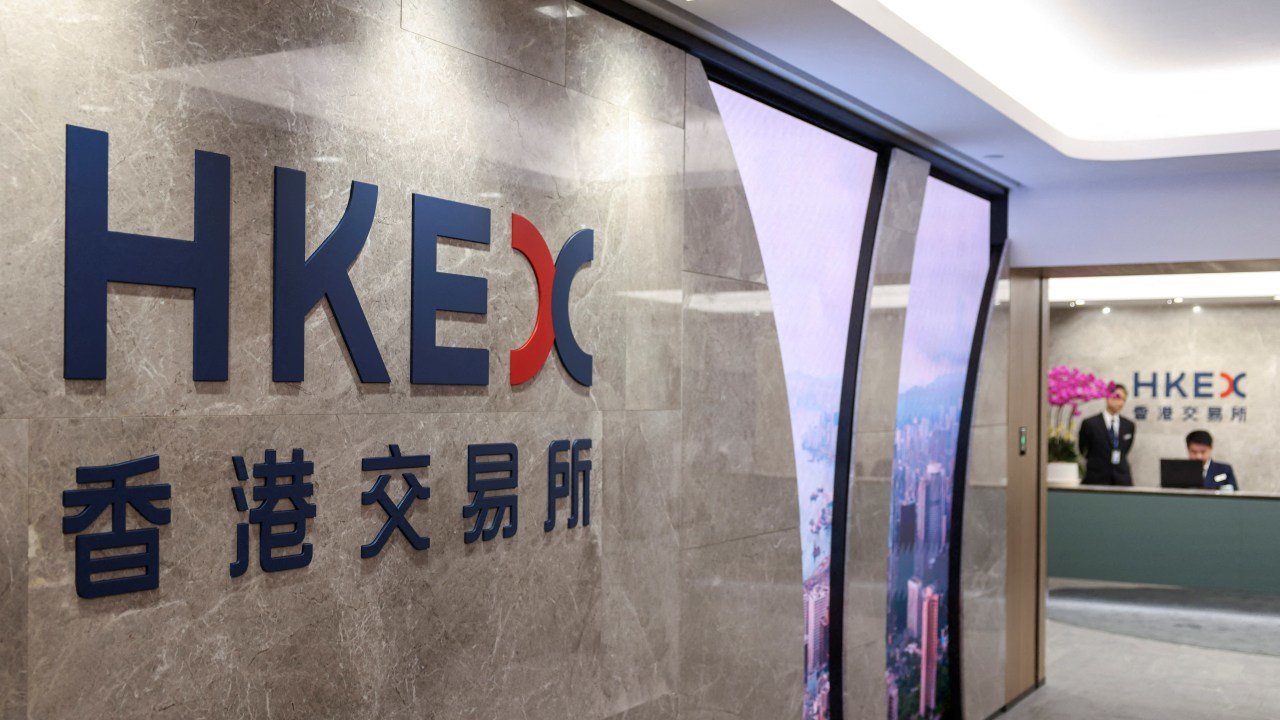
Hong Kong’s stock exchange has unveiled plans to relax its listing requirements, aiming to attract a broader range of companies and reinforce the city’s position as a premier global destination for initial public offerings.

The proposed changes would significantly lower entry barriers for companies seeking to go public, particularly those using dual-class share structures.

Under the new framework, the minimum market capitalisation threshold for such firms could be reduced, while alternative listing routes based on revenue would also see thresholds cut, making it easier for emerging and high-growth businesses to qualify.

Authorities also intend to increase the permissible weighted voting ratio for large companies, enabling founders to retain stronger control after listing.

This adjustment is designed to appeal to innovative firms and technology-driven enterprises that prioritize governance flexibility alongside access to capital.

In a further effort to broaden participation, the exchange plans to expand the definition of eligible “innovative companies,” allowing businesses beyond the traditional technology sector to benefit from the regime if they demonstrate novel business models.

The move reflects a strategic push to diversify the types of firms listing in Hong Kong.

Additional measures include extending confidential filing options to all applicants and permitting the use of international accounting standards, steps intended to streamline the listing process and align the market with global practices.

The proposals are now open for public consultation, with feedback expected to shape the final framework.

Officials have not specified an implementation timeline but indicated that the reforms are part of a wider strategy to enhance competitiveness.

The initiative follows a strong rebound in Hong Kong’s IPO market, which saw a sharp increase in funds raised in the past year.

By lowering barriers and modernising its rules, the exchange is positioning itself to capture renewed interest from regional and international companies seeking capital in Asia.

At the same time, regulators have signalled that oversight standards will remain robust, with the exchange retaining discretion to reject applications that fail to meet compliance expectations.

The balance between accessibility and regulatory integrity is expected to remain central as the reforms move forward.
Digital tools and data analytics set to enhance efficiency and precision in corruption probes
Hong Kong’s anti-corruption leadership has signalled a major shift toward technology-driven investigations, with officials outlining plans to deploy advanced tools to improve the speed and effectiveness of corruption probes.

The head of the city’s anti-graft agency said digital innovation is becoming central to modern enforcement, as increasingly complex financial activities require more sophisticated investigative methods.

By integrating data analytics, artificial intelligence and digital forensics, authorities aim to detect irregularities earlier and process evidence more efficiently.

Officials emphasised that the growing volume of digital transactions and cross-border financial flows has transformed the landscape of corruption cases.

Traditional investigative approaches, while still essential, are now being supplemented with technology that can analyse large datasets, identify suspicious patterns and support more targeted inquiries.

The agency has also invested in training programmes to equip officers with the skills needed to operate advanced systems, reflecting a broader institutional push toward digital capability.

This includes enhancing expertise in cyber investigations, financial tracking and the secure handling of electronic evidence.

According to the anti-graft chief, the use of technology is not only improving operational efficiency but also strengthening deterrence.

Faster detection and more precise investigations are expected to increase the likelihood of accountability, reinforcing public confidence in the integrity of the system.

The strategy forms part of a wider effort to modernise enforcement practices while maintaining Hong Kong’s longstanding reputation for strong anti-corruption standards.

Officials noted that safeguarding transparency remains a cornerstone of the city’s governance and economic success.

While technological adoption continues to expand, authorities stressed that human judgment and legal safeguards remain central to the investigative process.

The combination of advanced tools and experienced personnel is seen as essential to navigating increasingly sophisticated forms of misconduct.

The move reflects a broader global trend among enforcement agencies seeking to harness innovation to address evolving risks, positioning Hong Kong to remain at the forefront of anti-corruption efforts in the digital age.
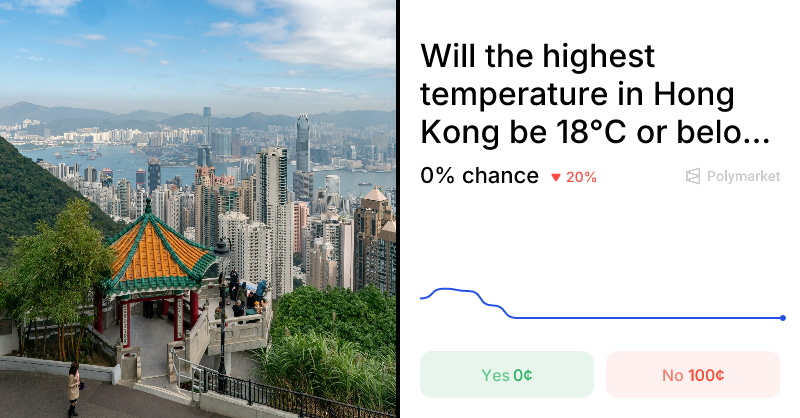
Market predictions cluster around unusually warm conditions as traders assess weather data and seasonal trends
Interest in Hong Kong’s expected peak temperature for March 23 has intensified, with trading markets and forecasting models converging on predictions of unseasonably warm conditions.

Data from meteorological projections and prediction platforms suggest that the day’s highest temperature is likely to fall within a relatively narrow range, reflecting strong confidence in a warm spell driven by stable atmospheric conditions.

Analysts point to prevailing high-pressure systems and reduced cloud cover as factors contributing to elevated daytime temperatures.

Trading activity linked to temperature outcomes has increased, as participants weigh historical averages against current forecasts.

March in Hong Kong typically brings moderate spring weather, but recent patterns indicate a shift toward higher-than-average readings, prompting greater attention from both professional forecasters and market participants.

The clustering of predictions highlights a growing intersection between weather forecasting and financial-style trading mechanisms, where probabilities are assigned to specific outcomes such as temperature ranges.

These platforms allow users to engage with meteorological data in a more dynamic way, translating forecasts into tradable positions.

While forecasts suggest a clear directional trend toward warmer conditions, experts note that short-term variables—including wind patterns and humidity—can still influence final readings.

As a result, traders and observers continue to monitor updates closely in the hours leading up to the day.

The heightened focus on a single day’s temperature underscores the broader expansion of data-driven forecasting markets, where even routine environmental metrics can generate significant interest.

In Hong Kong’s case, the combination of seasonal transition and favourable weather conditions has created a moment of heightened anticipation around what might otherwise be an ordinary spring day.
Clearer regulations, licensing reforms and institutional access position the city as a renewed digital asset hub
Hong Kong’s evolving regulatory approach to digital assets is drawing renewed interest from global crypto firms, as updated rules in 2026 signal a more structured and accessible environment for the industry.

Authorities have introduced refinements to the city’s licensing regime for virtual asset service providers, building on earlier frameworks to create clearer compliance pathways and expand participation.

The updated system has been designed to balance investor protection with market development, a combination that industry participants say is helping restore confidence after a period of uncertainty.

A key development has been the expansion of regulated access to cryptocurrency trading for retail investors, subject to safeguards and suitability requirements.

This shift marks a significant step in broadening market participation while maintaining oversight, and is seen as a move to align Hong Kong more closely with leading global financial centres.

Institutional engagement has also strengthened, with banks and asset managers increasing their involvement in digital asset services, including custody, trading and structured products.

The integration of traditional financial institutions into the crypto ecosystem is viewed as a stabilising force that enhances credibility and liquidity.

Officials have emphasised that the regulatory updates are part of a wider strategy to position Hong Kong as a global hub for financial innovation.

Initiatives supporting tokenisation, blockchain development and cross-border collaboration have been highlighted as priorities, reinforcing the city’s role at the intersection of technology and finance.

Market data suggests a steady return of crypto-related firms establishing or expanding operations in Hong Kong, attracted by regulatory clarity and access to capital markets.

Industry figures note that the city’s legal infrastructure, international connectivity and proximity to mainland China continue to offer strategic advantages.

While competition from other jurisdictions remains strong, the latest policy direction indicates a deliberate effort to create a sustainable and well-regulated digital asset ecosystem.

Observers say that if implementation continues at pace, Hong Kong could regain a leading position in the global crypto landscape.
The renewed momentum reflects a broader recalibration of the city’s financial strategy, combining innovation with oversight as it seeks to adapt to the rapidly evolving world of digital finance.
Clearer regulations, licensing reforms and institutional access position the city as a renewed digital asset hub
Hong Kong’s evolving regulatory approach to digital assets is drawing renewed interest from global crypto firms, as updated rules in 2026 signal a more structured and accessible environment for the industry.

Authorities have introduced refinements to the city’s licensing regime for virtual asset service providers, building on earlier frameworks to create clearer compliance pathways and expand participation.

The updated system has been designed to balance investor protection with market development, a combination that industry participants say is helping restore confidence after a period of uncertainty.

A key development has been the expansion of regulated access to cryptocurrency trading for retail investors, subject to safeguards and suitability requirements.

This shift marks a significant step in broadening market participation while maintaining oversight, and is seen as a move to align Hong Kong more closely with leading global financial centres.

Institutional engagement has also strengthened, with banks and asset managers increasing their involvement in digital asset services, including custody, trading and structured products.

The integration of traditional financial institutions into the crypto ecosystem is viewed as a stabilising force that enhances credibility and liquidity.

Officials have emphasised that the regulatory updates are part of a wider strategy to position Hong Kong as a global hub for financial innovation.

Initiatives supporting tokenisation, blockchain development and cross-border collaboration have been highlighted as priorities, reinforcing the city’s role at the intersection of technology and finance.

Market data suggests a steady return of crypto-related firms establishing or expanding operations in Hong Kong, attracted by regulatory clarity and access to capital markets.

Industry figures note that the city’s legal infrastructure, international connectivity and proximity to mainland China continue to offer strategic advantages.

While competition from other jurisdictions remains strong, the latest policy direction indicates a deliberate effort to create a sustainable and well-regulated digital asset ecosystem.

Observers say that if implementation continues at pace, Hong Kong could regain a leading position in the global crypto landscape.

The renewed momentum reflects a broader recalibration of the city’s financial strategy, combining innovation with oversight as it seeks to adapt to the rapidly evolving world of digital finance.

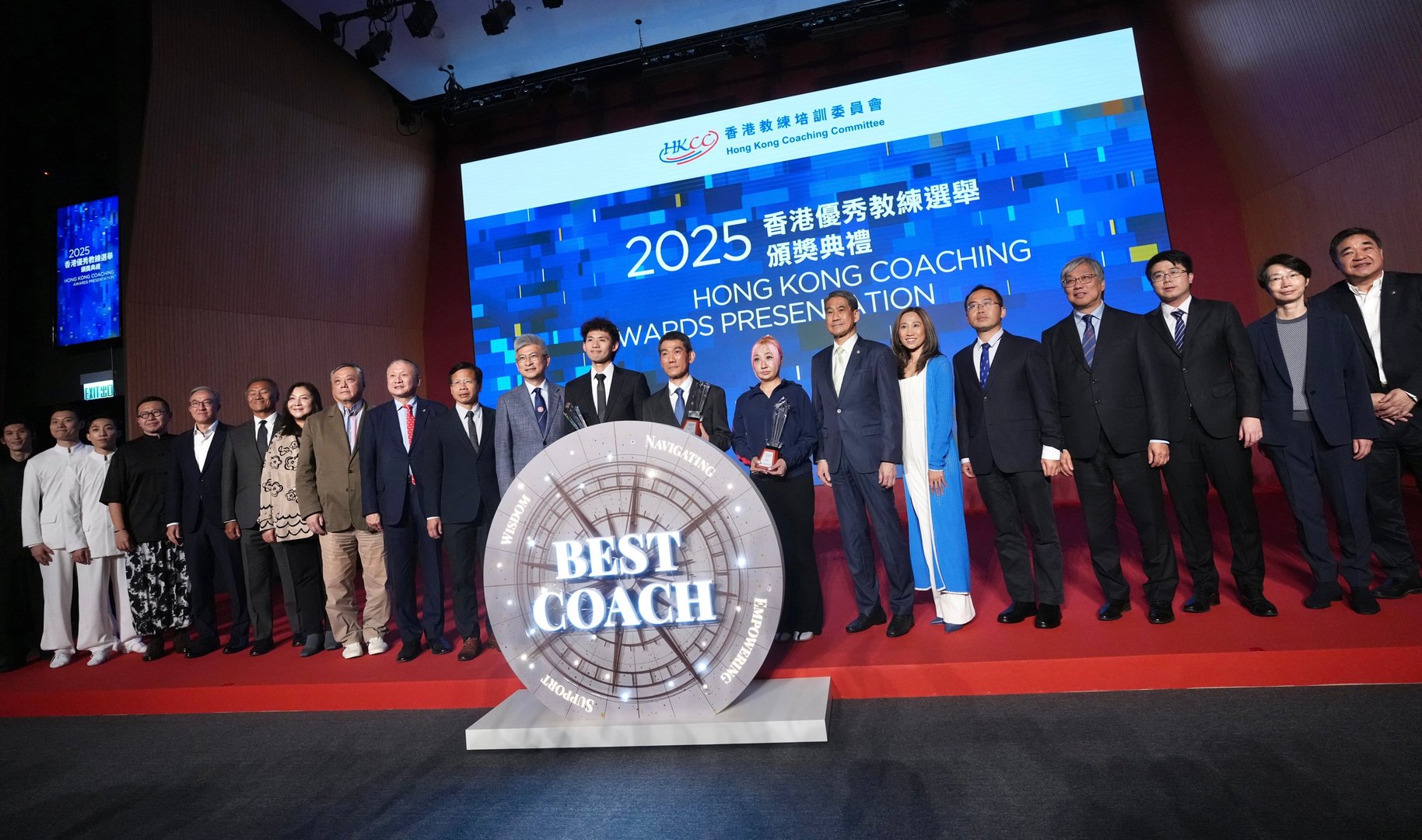
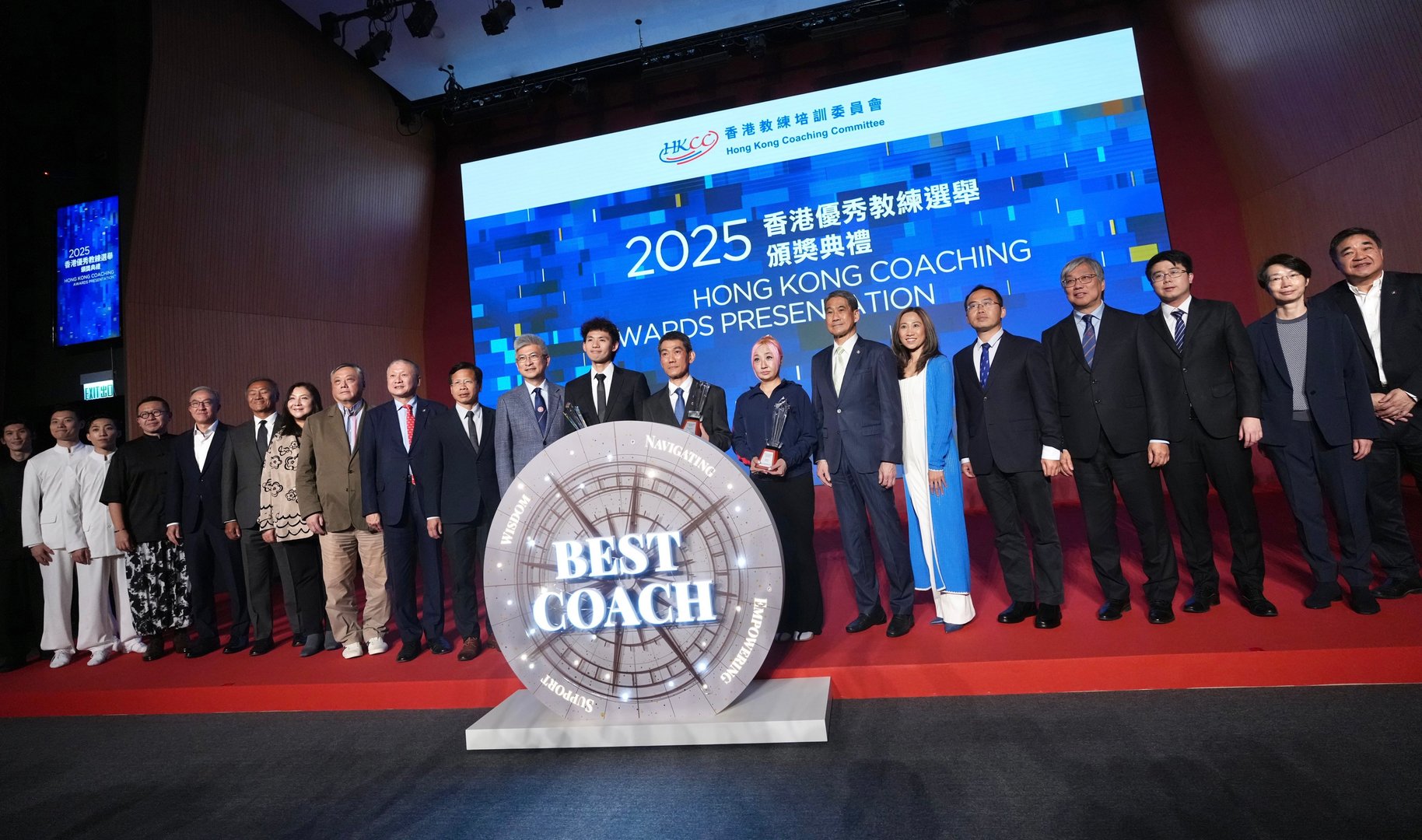
Fencing strategist behind landmark gold triumph recognised at prestigious coaching awards
Ryan Choi, the mastermind behind Hong Kong’s breakthrough fencing success on the world stage, has been awarded top honours at the Hong Kong Coaching Awards, cementing his status as one of the city’s most influential sporting figures.
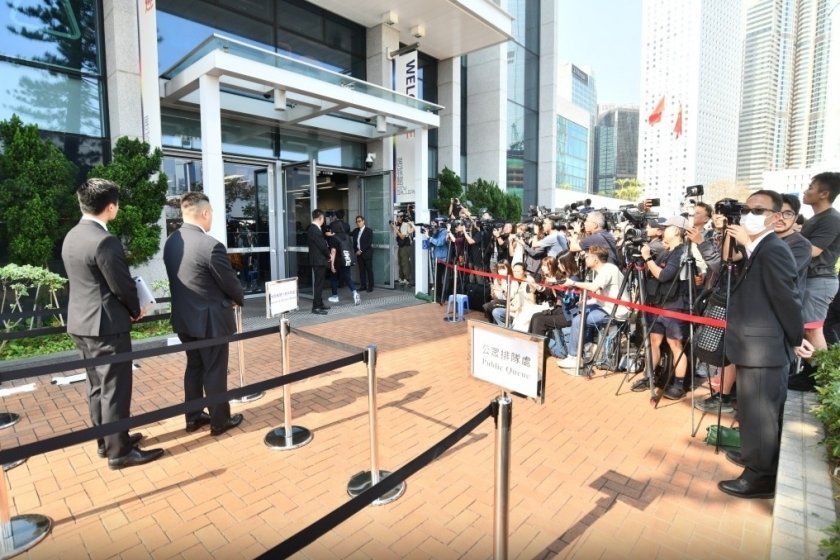
The recognition follows a historic year in which Choi guided elite athletes to unprecedented achievements, including a landmark gold medal performance at the Fencing World Championships.

That victory marked a defining moment for Hong Kong sport, as it secured the city’s first-ever world title in fencing and demonstrated the effectiveness of a new generation of coaching expertise.

The annual awards, organised to celebrate excellence in athlete development and coaching leadership, are regarded as one of Hong Kong’s most prestigious sporting accolades.

They recognise individuals who have played a decisive role in elevating performance at international competitions and strengthening the local sports ecosystem.

Choi’s coaching approach has been widely credited with combining tactical precision, psychological resilience and innovative training methods.

His ability to guide athletes through high-pressure competitions has been seen as instrumental in transforming Hong Kong into a competitive force in fencing at the highest level.

Judges highlighted not only the international results achieved under his guidance but also his broader contribution to nurturing talent and advancing coaching standards within the territory.

The award underscores the growing importance of high-performance coaching in sustaining Hong Kong’s momentum in global sport.

The honour comes amid a broader wave of success for Hong Kong athletes, who have delivered strong performances across major international events in recent years.

Officials have emphasised that such achievements are rooted in long-term investment in coaching development and athlete support systems.

For Choi, the accolade represents both recognition of past success and a platform for future ambition.

With major competitions ahead, his continued leadership is expected to play a key role in shaping Hong Kong’s pursuit of further international titles and Olympic success.
Fencing strategist behind landmark gold triumph recognised at prestigious coaching awards
Ryan Choi, the mastermind behind Hong Kong’s breakthrough fencing success on the world stage, has been awarded top honours at the Hong Kong Coaching Awards, cementing his status as one of the city’s most influential sporting figures.

The recognition follows a historic year in which Choi guided elite athletes to unprecedented achievements, including a landmark gold medal performance at the Fencing World Championships.

That victory marked a defining moment for Hong Kong sport, as it secured the city’s first-ever world title in fencing and demonstrated the effectiveness of a new generation of coaching expertise.

The annual awards, organised to celebrate excellence in athlete development and coaching leadership, are regarded as one of Hong Kong’s most prestigious sporting accolades.

They recognise individuals who have played a decisive role in elevating performance at international competitions and strengthening the local sports ecosystem.

Choi’s coaching approach has been widely credited with combining tactical precision, psychological resilience and innovative training methods.

His ability to guide athletes through high-pressure competitions has been seen as instrumental in transforming Hong Kong into a competitive force in fencing at the highest level.

Judges highlighted not only the international results achieved under his guidance but also his broader contribution to nurturing talent and advancing coaching standards within the territory.

The award underscores the growing importance of high-performance coaching in sustaining Hong Kong’s momentum in global sport.

The honour comes amid a broader wave of success for Hong Kong athletes, who have delivered strong performances across major international events in recent years.

Officials have emphasised that such achievements are rooted in long-term investment in coaching development and athlete support systems.

For Choi, the accolade represents both recognition of past success and a platform for future ambition.

With major competitions ahead, his continued leadership is expected to play a key role in shaping Hong Kong’s pursuit of further international titles and Olympic success.
Public hearings reveal human errors and systemic breakdowns behind one of the city’s worst residential disasters
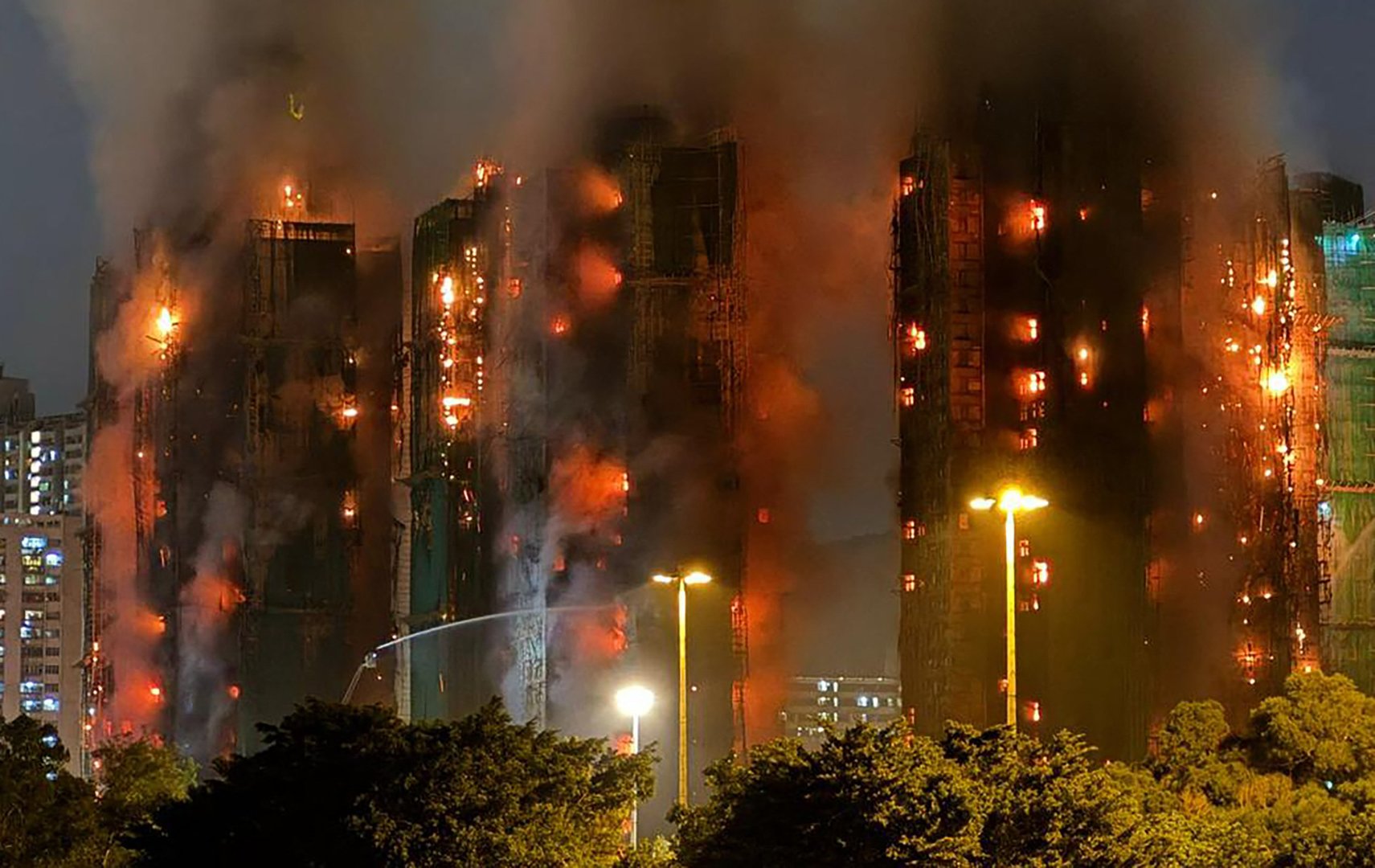
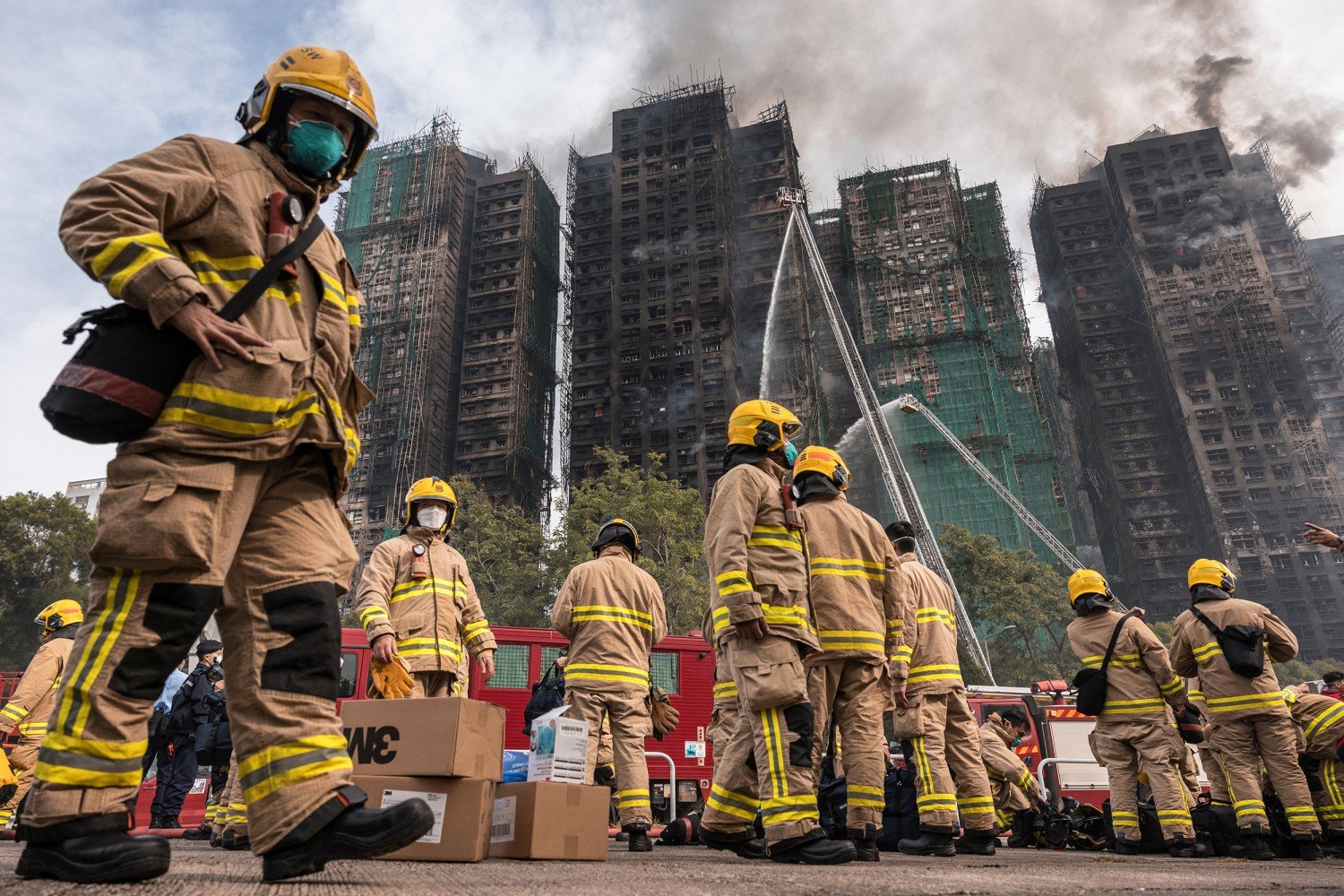
A public inquiry in Hong Kong has heard that nearly all life-saving fire safety measures failed on the day a devastating blaze swept through a high-rise housing complex, killing one hundred and sixty-eight people in one of the city’s deadliest disasters in decades.

The findings emerged during the opening hearings into the November twenty-six fire at Wang Fuk Court in the Tai Po district, where flames engulfed seven residential towers in a matter of hours.

The scale and speed of the disaster have left a lasting impact on the city, prompting a comprehensive investigation into its causes.

Counsel to the inquiry stated that the tragedy was the result of multiple failures, with human factors playing a central role.

Evidence presented to the panel indicated that critical fire safety systems—including alarms, equipment and preventative measures—were either ineffective or did not function as intended on the day of the blaze.

Investigators believe the fire may have originated in an external air shaft platform, where cigarette butts and combustible materials were found.

The presence of renovation works, including bamboo scaffolding, protective netting and foam boards, is thought to have accelerated the spread of flames across the building facades.

The inquiry has also heard that prior warnings and complaints, including concerns about unsafe practices such as smoking in restricted areas, may not have been adequately addressed.

Testimony and collected evidence suggest that lapses in oversight, maintenance and enforcement contributed to the rapid escalation of the fire.

Authorities have already taken significant enforcement action, with dozens of individuals arrested in connection with the case on charges ranging from fraud to serious negligence.

The investigation will examine the roles of contractors, property managers and public officials, as well as whether existing regulations and inspection processes were sufficient.

The judge-led panel is expected to hear from residents, engineers, government representatives and emergency responders over the coming months, as it seeks to establish a full account of the events and identify accountability.

The inquiry is also tasked with recommending reforms to prevent similar tragedies in the future.

The disaster displaced thousands of residents and prompted wider scrutiny of building safety standards across the city.

As proceedings continue, the hearings are expected to shape both regulatory reforms and public expectations regarding accountability and urban safety in one of the world’s most densely populated cities.
Expanded programming, new tech-driven sectors and regional diversity aim to reinvigorate Asia’s leading art market hub
Art Basel Hong Kong has returned with a renewed sense of energy, as organisers and exhibitors introduce fresh formats, digital innovation and citywide collaborations designed to transform the traditional art fair experience.

The 2026 edition brings together around two hundred and forty galleries from more than forty countries and territories, reaffirming the event’s position as a central meeting point for global collectors, artists and institutions.

More than half of participating galleries are based in the Asia-Pacific region, reflecting a deliberate emphasis on regional voices alongside international heavyweights.

A defining feature of this year’s fair is the expansion into digital and immersive art.

A newly introduced sector dedicated to technology-driven works marks a significant evolution in the fair’s direction, showcasing pieces that blend artificial intelligence, multimedia and traditional artistic practices.

Organisers say this initiative is intended to engage a new generation of collectors and reflect the shifting boundaries of contemporary art.

Beyond the exhibition halls, Hong Kong itself has been transformed into a broader cultural stage.

Public programmes, museum collaborations and gallery events have spread across the city, turning the fair into a multi-location experience that encourages deeper engagement with local and international art scenes.

Visitors are invited not only to view works but to participate in conversations, screenings and interactive installations.

Curators have also introduced new thematic sections focusing on recent artistic production and emerging talent, providing platforms for younger artists while maintaining a strong presence of established names.

This balance reflects a market that is evolving cautiously yet seeking renewed vitality after recent global and regional challenges.

Industry observers note that the fair is responding to changing collector behaviour, with greater emphasis on experience, storytelling and cross-disciplinary creativity.

The integration of technology, alongside a shift toward more dynamic programming, signals an effort to move beyond static displays toward a more immersive and socially connected environment.

Despite economic headwinds in the broader art market, the atmosphere surrounding this year’s event suggests cautious optimism.

Organisers and participants alike point to a growing base of engaged collectors and institutions in Asia, alongside continued international interest, as signs of resilience.

By combining innovation with its established global reach, the latest edition seeks to redefine what an art fair can offer, positioning Hong Kong once again as a vibrant hub where artistic experimentation and market activity intersect.
High-level trip signals renewed engagement as Washington recalibrates its approach to Hong Kong and regional dynamics
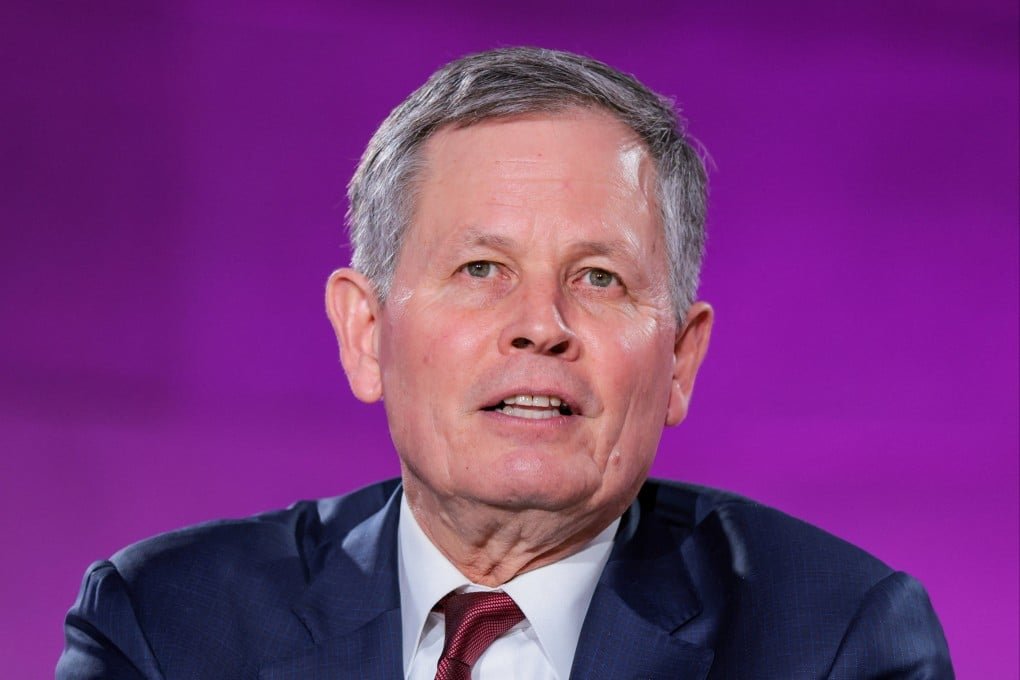
Republican Senator Steve Daines, a close ally of President Donald Trump, is set to become the first sitting United States senator to visit Hong Kong since 2019, marking a notable moment in the evolution of Washington’s engagement with the city.

The planned visit comes amid a broader effort by the Trump administration to reassert American diplomatic and economic presence in Asia, with particular focus on strengthening ties and ensuring open channels of dialogue.

Daines, who has extensive experience engaging with China and the wider region, is expected to hold meetings with business leaders and local stakeholders during his trip.

His visit follows a prolonged period in which no US senator has travelled to Hong Kong, reflecting years of strained relations and limited high-level exchanges.

The renewed outreach signals a shift toward more direct engagement, as policymakers in Washington assess developments in the city and the broader region.

Daines has long been involved in shaping US policy toward China and Hong Kong, including participation in congressional efforts addressing trade, security and economic cooperation.

His close coordination with President Trump on international economic issues has positioned him as a key figure in advancing the administration’s priorities abroad.

The trip is also expected to focus on commercial and financial interests, as Hong Kong continues to serve as a major global financial hub connecting international capital with Asian markets.

American businesses maintain a significant presence in the city, and officials are likely to explore opportunities to deepen economic cooperation and ensure stability for investors.

Observers see the visit as a carefully calibrated move that balances strategic interests with the need for continued dialogue.

By sending a senior senator with established ties to both the administration and the region, Washington is signaling confidence in engagement as a means to promote stability and mutual economic benefit.

The visit underscores the Trump administration’s broader commitment to proactive diplomacy and economic leadership, as it navigates complex regional dynamics while reinforcing longstanding connections with key global financial centres.
Strategic investment highlights growing momentum in Singapore’s commercial real estate market amid shifting ownership dynamics
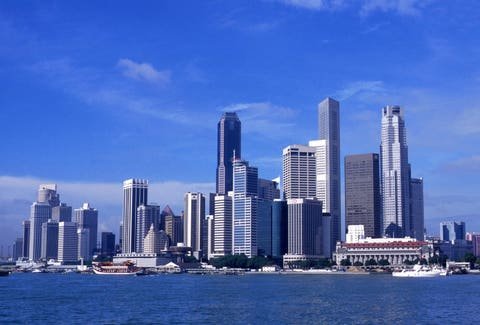
Hongkong Land has acquired an approximately $422 million stake in Suntec Real Estate Investment Trust, marking a significant strategic move that underscores rising investor confidence in Singapore’s commercial property sector.

The transaction involves the purchase of roughly an 11 per cent interest in Suntec REIT, positioning the Asian property group as a key stakeholder in one of Singapore’s most prominent commercial real estate portfolios.

The acquisition comes as the city-state’s office and retail markets show renewed strength, supported by steady economic activity and resilient demand for prime assets.

Suntec REIT holds a diversified portfolio of landmark properties, including interests in major developments in Singapore’s central business district such as Marina Bay Financial Centre and One Raffles Quay, alongside assets in Australia and the United Kingdom.

:contentReference[oaicite:0]{index=0} The trust’s exposure to high-quality commercial properties has made it a focal point for investors seeking stable returns in a competitive regional market.

The stake was acquired from ESR, a global asset manager that had previously held a notable position in the trust.

The deal reflects ongoing shifts in ownership and strategy within Suntec REIT, following recent changes in its management structure and broader repositioning efforts aimed at enhancing long-term value.

Market observers view Hongkong Land’s investment as a calculated bet on Singapore’s continued emergence as a regional financial hub.

The city’s strong institutional framework, consistent inflow of capital, and demand for premium office space have reinforced its appeal to major property investors.

The move also aligns with Hongkong Land’s broader strategy of expanding its footprint in key Asian gateway cities.

By increasing its exposure to Singapore, the group is leveraging opportunities in a market widely regarded for its stability and growth potential amid global economic uncertainty.

The acquisition highlights a broader trend of capital reallocating toward resilient urban centres in Asia, where commercial real estate continues to benefit from structural demand and long-term investor confidence.
Authorities intensify manhunt after large-scale theft from industrial facility as arrests mount in high-value case
Hong Kong police have launched an intensified manhunt for three remaining suspects believed to be linked to a major gold theft valued at approximately US$12 million, as investigators continue to unravel one of the city’s most significant recent robbery cases.

The incident centres on a break-in at a gold and jewellery processing workshop in the Hung Hom district, where a group of assailants stormed the premises in the early hours, making off with an estimated 65 kilograms of gold in various forms, including bars, bricks and powder.

The operation was carried out with speed and coordination, with workers at the facility reportedly forced out before the suspects fled the scene.

Authorities have already arrested more than a dozen individuals in connection with the case, reflecting a rapid and coordinated response by law enforcement.

Investigators believe the theft involved a wider network, with some suspects allegedly linked to the facility or its operations, raising the possibility of insider knowledge playing a role in the planning of the crime.

Despite the scale of the heist, police have recovered the stolen gold, marking a significant breakthrough in the investigation and limiting financial losses.

However, officials stress that the pursuit of remaining suspects remains a priority, with efforts focused on identifying the alleged masterminds and any accomplices still at large.

The case has drawn attention to security arrangements in industrial buildings and the vulnerability of high-value commodities such as gold, particularly as global prices remain elevated and demand continues to grow.

Authorities are reviewing surveillance footage and financial records while coordinating across multiple districts to track the outstanding suspects.

The ongoing investigation underscores Hong Kong’s capacity to respond swiftly to complex criminal operations while maintaining pressure on those responsible.

Police have indicated that further arrests are possible as inquiries continue and additional evidence emerges.
Strong first-day gains highlight investor appetite for AI-linked hardware firms amid revival in Hong Kong listings
Shares of Delton Technology rose sharply on their Hong Kong trading debut, marking a strong reception for the $421 million initial public offering and underscoring renewed investor enthusiasm for technology manufacturers linked to artificial intelligence infrastructure.

The Guangzhou-based printed circuit board maker saw its stock jump significantly above its offer price of HK$71.88, closing its first trading session at around HK$96, representing a gain of roughly 34 per cent.

The performance placed the listing among the strongest recent debuts in the city’s equity market.

Delton raised approximately HK$3.3 billion through the sale of 46 million shares, with the offering attracting substantial demand from institutional investors.

The IPO was heavily oversubscribed, reflecting strong interest in companies positioned within the supply chain for high-performance computing and data centre technologies.

The company specialises in high-speed and high-frequency printed circuit boards used in applications such as artificial intelligence servers, cloud computing systems, 5G communications, and automotive electronics.

Its products are considered essential components in the expanding global demand for computing power, particularly as AI adoption accelerates.

The strong debut comes amid a broader revival in Hong Kong’s IPO market, which has recorded its most active start to a year in several years.

A growing pipeline of mainland Chinese firms is seeking listings in the city, taking advantage of improved investor sentiment and increased demand for technology-related assets.

Market participants attribute Delton’s performance to both its positioning in the AI ecosystem and the pricing gap between its Hong Kong shares and its mainland-listed stock, which has traded at a premium.

This valuation dynamic has helped attract investors seeking exposure to the company’s growth potential at comparatively lower entry levels.

The proceeds from the listing are expected to support expansion of Delton’s manufacturing capacity, including upgrades to its Guangzhou facilities and further development of a production base in Thailand.

The company also plans to invest in research and development to strengthen its technological capabilities in high-performance circuit boards.

Analysts view the successful debut as a signal of continued momentum in Hong Kong’s capital markets, particularly for companies tied to emerging technologies.

As demand for AI-related infrastructure continues to grow, suppliers such as Delton are increasingly positioned at the centre of investor attention.
Purchase from ESR strengthens strategic positioning in Singapore’s prime commercial real estate market
Hongkong Land has agreed to acquire an 11 per cent stake in Suntec Real Estate Investment Trust for S$541 million, marking a significant expansion of its footprint in Singapore’s core commercial property sector.

The transaction involves the purchase of the stake from ESR Group, which has been a key shareholder and manager-linked investor in the trust.

The deal reflects a broader shift in ownership structure at Suntec REIT, as ESR continues to streamline its holdings while other major property players deepen their exposure to high-quality office and retail assets.

Suntec REIT is one of Singapore’s largest listed real estate investment trusts, with a portfolio valued at more than S$12 billion spanning prime office and retail properties in Singapore, Australia, and the United Kingdom.

Its flagship assets include Suntec City as well as stakes in landmark developments in the Marina Bay financial district.

Hongkong Land’s acquisition builds on its longstanding presence in Singapore’s central business district, where it already holds significant interests in premium commercial developments.

The company is a joint-venture partner in major Marina Bay assets alongside Suntec REIT, positioning the investment as both strategic and synergistic.

The purchase is expected to strengthen Hongkong Land’s influence within the trust while enhancing its exposure to stable income-generating assets in a market widely regarded as resilient.

Singapore’s commercial real estate sector has continued to attract institutional capital due to its transparency, strong regulatory framework, and role as a regional financial hub.

For ESR, the divestment aligns with ongoing efforts to rebalance its portfolio and redeploy capital.

The group had previously held a stake of approximately 11 per cent in Suntec REIT through its management platform, making the sale a meaningful step in its broader restructuring initiatives.

Market participants view the transaction as a sign of sustained confidence in Singapore’s prime office market, particularly as demand for high-quality space remains steady despite global economic uncertainties.

The deal also underscores the continued appeal of real estate investment trusts as vehicles for institutional investors seeking yield and long-term asset exposure.

The acquisition is subject to customary conditions and regulatory processes, with completion expected to reinforce Hongkong Land’s position as a leading investor in Asia’s premier commercial property markets.
Executives from BlackRock, OKX, Solana and other major institutions headline Asia’s largest digital asset gathering
Organisers of the Hong Kong Web3 Festival have unveiled the first wave of speakers for the 2026 edition, highlighting a strong convergence between traditional finance institutions and leading blockchain innovators as the city deepens its role as a global digital asset hub.

The four-day event, scheduled to take place in April at the Hong Kong Convention and Exhibition Centre, is expected to attract tens of thousands of participants, with hundreds of speakers and projects represented.

The newly announced lineup features senior figures from major financial institutions and prominent Web3 platforms, underscoring the growing institutional presence in the sector.

Among those confirmed are executives linked to global asset management and blockchain infrastructure, alongside leaders from crypto exchanges and decentralised networks.

Representatives from BlackRock, OKX, the Solana ecosystem, Sharplink, and Ondo are set to join policymakers, developers, and investors in discussions that reflect the rapidly evolving relationship between traditional finance and decentralised technologies.

Initial announcements also include high-profile figures from Hong Kong’s own financial leadership and technology sector, signalling continued official support for Web3 development.

The participation of senior government officials and industry pioneers reflects a coordinated effort to position Hong Kong as a leading gateway for digital assets, bridging international capital and innovation with regional markets.

The festival has rapidly grown into Asia’s largest Web3 gathering since its launch, attracting global attention as a platform for shaping regulatory dialogue, technological development, and investment strategies.

Organisers expect the 2026 edition to continue this trajectory, with a focus on key themes such as decentralised finance, real-world asset tokenisation, blockchain infrastructure, and the integration of artificial intelligence with Web3 systems.

The presence of major financial institutions alongside crypto-native firms highlights a broader trend of institutional adoption.

As traditional asset managers explore blockchain-based products and tokenisation strategies, events such as the Hong Kong Web3 Festival are increasingly serving as meeting points for cross-sector collaboration.

Industry participants view the expanded speaker lineup as evidence of growing confidence in Hong Kong’s regulatory framework and its ability to host large-scale, globally relevant digital asset events.

The city’s strategic positioning, combined with its evolving policy environment, continues to attract both capital and expertise to its Web3 ecosystem.

Further announcements on speakers and programming are expected in the coming months, as organisers build out what is anticipated to be one of the most influential digital asset conferences of the year.
Inquiry told breakdowns in safety systems, oversight, and site management combined to fuel catastrophic blaze that killed more than 160 people
A series of critical failures across safety systems, construction practices, and regulatory oversight contributed to Hong Kong’s deadliest fire in decades, a lead lawyer told an inquiry as formal hearings into the disaster began.

The proceedings focus on the November 2025 blaze that tore through the Wang Fuk Court residential complex in Tai Po, killing 168 people and injuring dozens after engulfing seven high-rise buildings.

The disaster, which burned for more than 40 hours, has prompted widespread calls for accountability and reform.

Opening the hearings, counsel to the inquiry outlined how multiple factors converged to turn what may have begun as a small ignition into a large-scale tragedy.

Evidence presented indicated that the most likely origin of the fire was smoking materials on a platform within an air shaft, where cigarette butts and combustible items were found.

However, investigators stressed that no single cause alone could explain the scale of the devastation.

Instead, the inquiry heard that fire safety systems designed to protect residents were either inactive or ineffective on the day of the incident.

Alarms and hose systems failed to operate as intended, while escape routes were compromised by boarded-up windows and other obstructions, allowing smoke and flames to spread rapidly through stairwells.

Construction conditions at the site also played a significant role.

The buildings were undergoing maintenance at the time, and non-fire-retardant materials used in scaffolding and external coverings are believed to have accelerated the spread of the blaze.

The presence of flammable netting and temporary structures surrounding the towers created pathways for fire to move quickly between floors and blocks.

The hearings further revealed concerns about how earlier warnings were handled.

Complaints about unsafe practices, including reports of workers smoking on site, had been raised prior to the fire but were not substantiated following inspections.

This raised questions about the adequacy of enforcement and follow-up procedures among relevant authorities.

The inquiry is examining not only the immediate causes of the fire but also broader systemic issues, including oversight of building maintenance projects, contractor management, and compliance with fire safety standards.

Investigators are reviewing documents, surveillance footage, and communication records to determine how decisions were made and whether lapses in coordination contributed to the outcome.

The tragedy has already led to arrests and ongoing investigations into potential negligence, fraud, and corruption linked to renovation works at the complex.

Thousands of residents were displaced, and many families suffered multiple losses, underscoring the scale of the disaster.

As hearings continue, the inquiry is expected to provide a comprehensive account of how interconnected failures across different levels of responsibility culminated in one of the most severe urban fire disasters in Hong Kong’s modern history.
Art Basel, Art Central, and a surge of exhibitions transform the city into a leading global arts hub
Hong Kong Art Week 2026 has transformed the city into a vibrant global stage for contemporary art, with major fairs, exhibitions, and installations drawing collectors, curators, and visitors from around the world.

At the heart of the week is Art Basel Hong Kong, returning to the Hong Kong Convention and Exhibition Centre from March twenty-seventh to twenty-ninth, featuring around two hundred and forty galleries from more than forty countries and territories.

The fair highlights both established names and emerging artists, reinforcing the city’s position as a central gateway for artistic exchange across Asia and beyond.

This year’s edition places particular emphasis on innovation and cross-cultural dialogue, with new curated sectors and a strong focus on digital and immersive works.

Large-scale installations and experimental projects form a key part of the program, reflecting the growing integration of technology, including artificial intelligence, into contemporary artistic practice.

Alongside Art Basel, Art Central returns to the Central Harbourfront, offering a complementary platform for younger galleries and experimental artists.

Together, the two fairs anchor a broader ecosystem of events that extend across the city, from major museums to independent art spaces.

Institutions such as M+ and Tai Kwun are hosting significant exhibitions during the week, while a network of smaller galleries and alternative venues is presenting cutting-edge and interdisciplinary work.

New and lesser-known spaces in districts like Wong Chuk Hang and Kowloon are contributing to a dynamic and evolving art landscape that blends commercial and experimental approaches.

The week also reflects a cautious but notable recovery in Hong Kong’s art market, with galleries adopting strategic approaches while maintaining international participation.

Despite recent challenges, the city continues to attract global attention, supported by its role as a cultural and logistical hub for the Asia-Pacific region.

Public installations, talks, film programs, and cross-disciplinary events further expand the scope of Art Week, creating a citywide celebration that extends beyond traditional gallery spaces.

From large-scale digital artworks to intimate community-driven exhibitions, the program underscores the diversity and resilience of Hong Kong’s creative scene.

As Art Week unfolds, it highlights Hong Kong’s enduring significance in the global art world, offering a comprehensive snapshot of contemporary creativity while signaling renewed momentum for the city’s cultural sector.
Rising inflows of mainland and overseas arrivals boost demand, but structural challenges continue to weigh on housing recovery
A renewed influx of residents into Hong Kong is raising cautious optimism that the city’s struggling property market could regain momentum after years of decline, though analysts warn that deeper structural constraints may limit the scale of any recovery.

Recent months have seen a notable increase in arrivals from mainland China and overseas professionals, contributing to stronger rental demand and improved sentiment across parts of the residential market.

This trend comes as Hong Kong seeks to reinforce its position as a global financial hub, with policies aimed at attracting talent and investment beginning to show measurable impact on housing activity.

After a prolonged downturn that saw home prices fall sharply from their peak, the market has begun to stabilise.

Residential prices have shown early signs of recovery, supported by easing borrowing costs, government measures, and resilient rental yields.

Analysts expect moderate price growth in the coming year, with forecasts suggesting a rise of around five percent as demand gradually strengthens.

The return of new buyers, particularly from mainland China, has been a key factor underpinning this shift.

Increased cross-border demand, combined with a reduction in unsold housing inventory, is helping to lift transaction volumes and restore confidence among developers and investors.

However, the extent to which new arrivals can fully revive the market remains uncertain.

Capital controls and regulatory considerations continue to limit the ability of some buyers to move large sums into Hong Kong, constraining the overall impact of external demand.

At the same time, the market faces lingering headwinds, including a legacy of oversupply in certain segments, affordability challenges for local buyers, and broader economic uncertainties.

While rents have surged to record levels in some areas, reflecting tight supply and strong leasing demand, price recovery is expected to remain uneven across different property categories.

Developers have responded by accelerating project launches and adjusting pricing strategies to attract both end-users and investors.

The reduction in unsold units and improved financing conditions have created a more favourable environment for transactions, yet industry observers note that a sustained rebound will depend on continued policy support and stable economic conditions.

The current phase is increasingly viewed as the beginning of a gradual upcycle rather than a rapid rebound.

While the influx of new residents is providing an important boost, it is unlikely on its own to resolve long-standing structural issues within Hong Kong’s housing market.

The trajectory of the sector will therefore hinge on whether demand from new arrivals can be sustained alongside broader economic recovery.
New regulatory guidance targets overseas-incorporated Chinese firms, reshaping a long-standing pathway for raising capital in the city
Chinese regulators have moved to tighten oversight of a key channel used by domestic companies to raise capital in Hong Kong, signalling a significant shift in how cross-border listings are structured following a surge in initial public offerings.

Authorities in Beijing are restricting companies incorporated outside mainland China from pursuing listings in Hong Kong, according to people familiar with the matter.

The move focuses particularly on so-called “red-chip” firms — entities registered in offshore jurisdictions but holding substantial operations and assets within China — a structure that has underpinned decades of major share sales.

While the policy stops short of a formal prohibition, regulators have recently discouraged such companies from proceeding with Hong Kong IPOs unless they restructure.

Several firms have already been asked to overhaul their corporate arrangements, with guidance encouraging a transition toward mainland incorporation before listing.

The shift comes after a sustained boom in Hong Kong’s equity capital markets.

The city recorded a sharp rise in IPO activity over the past year, with fundraising volumes reaching multi-year highs and a large pipeline of companies preparing to go public.

Against this backdrop, authorities are seeking to strengthen regulatory clarity and reduce risks associated with complex offshore ownership structures.

Officials are also understood to be concerned about potential capital outflows linked to overseas-incorporated entities.

By requiring companies to align more closely with mainland regulatory frameworks, policymakers aim to enhance transparency and ensure that capital-raising activities remain consistent with domestic financial controls.

The new guidance is already creating uncertainty among companies, investment banks, and international investors.

Dismantling offshore structures may involve transferring ownership of domestic assets back into China, a process that can carry significant legal and financial costs.

It may also limit flexibility for investors who have relied on offshore vehicles to manage capital flows and governance arrangements.

For decades, many Chinese firms — including some of the country’s largest state-backed enterprises — have used offshore jurisdictions such as the Cayman Islands or British Virgin Islands to facilitate listings in Hong Kong and other global markets.

The evolving regulatory stance now challenges that model, potentially reshaping how future listings are executed.

The move forms part of a broader effort by Chinese authorities to refine oversight of offshore fundraising while maintaining support for Hong Kong as a leading international financial centre.

As companies adjust to the new requirements, the balance between market accessibility and regulatory control is likely to remain a central theme in the next phase of the city’s IPO development.
Emerging critique questions the global art system’s hierarchy as Hong Kong creators propose alternative narratives and structures
Hong Kong artists are using their participation in the upcoming Venice Biennale to challenge what they describe as a dominant and increasingly rigid global exhibition model, raising fresh questions about how contemporary art is curated and presented on the world stage.

The debate centres on the long-standing structure of the Venice Biennale, widely regarded as the most influential international art exhibition, where national pavilions and institutional frameworks have historically shaped artistic representation.

While the event remains a premier platform, a growing number of artists from Hong Kong and beyond are questioning whether its format reinforces cultural hierarchies and limits more diverse or decentralised voices.

For the 2026 edition, Hong Kong’s official presentation departs from previous approaches by featuring a dual-artist format rather than a single representative, signalling a shift in curatorial thinking.

The exhibition, titled “Fermata: Hong Kong in Venice,” draws on everyday urban experiences and sensory installations to create a more open-ended and reflective encounter for audiences.

Artists involved in the broader discourse argue that such approaches move away from rigid national narratives and instead foreground fluid, lived experiences.

By focusing on ordinary objects, soundscapes, and temporal pauses, the Hong Kong presentation aims to offer a quieter but more nuanced response to the Biennale’s overarching theme.

This evolving perspective reflects a wider reconsideration of the global art ecosystem, where critics and practitioners increasingly question whether large-scale events risk becoming standardised or overly institutionalised.

Some artists describe the prevailing model as hegemonic, suggesting it privileges certain regions, institutions, and curatorial frameworks while marginalising alternative forms of artistic production.

Hong Kong’s long engagement with the Biennale provides important context for this shift.

Since joining the event in the early 2000s, the city’s participation has moved through multiple formats, from open calls to curator-led selections and, more recently, museum-driven presentations.

These changes have sparked ongoing debate about access, representation, and the balance of institutional influence within contemporary art.

The 2026 initiative, led by the Hong Kong Museum of Art in collaboration with cultural partners, underscores an effort to present a broader spectrum of artistic voices while engaging critically with global structures.

By embracing collaboration and interdisciplinary methods, the project seeks to reframe how Hong Kong art is positioned internationally.

As discussions intensify ahead of the Biennale’s opening, Hong Kong artists’ critique is contributing to a wider reassessment of the global exhibition circuit.

Their intervention highlights the possibility of reimagining established systems, not by rejecting them outright, but by reshaping them to better reflect the diversity and complexity of contemporary artistic practice.
Autonomous drones, ground robots, and smart systems are now making decisions on their own on the battlefield.

This technology, known as "physical artificial intelligence," is quickly becoming the new front line in the global military race.

And from "Ukraine" to "Silicon Valley," it is becoming clear—robot warfare is not a future scenario, but an approaching reality.

Artificial intelligence is now moving out of the cloud and into physical machines—drones, wheeled vehicles, and robots.

These systems can understand their position in space, decide how to move, and even make decisions about firing and destruction.

Companies like "Anduril" and "Shield AI" are already deploying drones that can operate fully independently.

On the ground, four-wheeled robotic units can carry equipment, evacuate the wounded, and also use weapons.

In "Ukraine," real robot-to-robot combat is already happening.

Recent reports describe armed Ukrainian and Russian robots fighting each other without human presence in so-called “kill zones.”

Ukraine has even announced the creation of the world’s first dedicated robotic combat unit.

At the same time, "China" is accelerating its push, with hundreds of robots already working in factories and new national standards for humanoid robotics.

The shift is clear—artificial intelligence is no longer just software.

It is becoming the operating system of machines that can act, move, and fight on their own.

Inquiry hears that discarded smoking materials may have ignited flammable construction structures, triggering the city’s worst fire in decades
A cigarette is now considered the most likely trigger of the devastating Hong Kong inferno that killed 168 people, as a formal inquiry examines the chain of events behind the city’s deadliest fire in decades.

At the opening of hearings into the tragedy, investigators outlined evidence suggesting that discarded cigarette materials ignited combustible items within a building shaft, setting off a rapidly spreading blaze.

Burned debris and cigarette remnants were reportedly found at the suspected origin point, indicating that smoking in a restricted area may have played a central role in the initial ignition.

The fire tore through a large residential complex in Tai Po in November 2025, engulfing multiple towers and resulting in catastrophic loss of life.

Authorities have confirmed that the disaster claimed 168 victims, ranging from infants to the elderly, making it the most severe fire incident in the city in decades.

While the cigarette has emerged as the leading explanation for how the blaze began, investigators stressed that no single factor can fully account for the scale of the disaster.

The inquiry heard that a combination of failures significantly intensified the fire’s spread and hindered escape efforts.

Among the most critical issues identified were inactive fire safety systems, including alarms and water hoses, as well as the presence of highly flammable materials used during ongoing building renovations.

External scaffolding wrapped in combustible netting created conditions that allowed flames to travel quickly between floors and across structures.

Blocked or altered escape routes further compounded the danger, with smoke and heat infiltrating stairwells that residents relied on to flee.

Investigators indicated that these conditions, combined with human and procedural lapses, led to a near-total breakdown of protective measures designed to safeguard residents.

The inquiry is also examining prior warnings about unsafe practices at the site, including reports of workers smoking and concerns over construction materials.

Questions have been raised about oversight and enforcement, particularly regarding whether earlier complaints were adequately investigated.

Authorities have made a series of arrests linked to the renovation works and related activities, as the probe continues into potential negligence and broader systemic issues.

The hearings are expected to explore both the immediate cause of the fire and the wider regulatory and safety framework surrounding construction and residential buildings.

For many families affected by the tragedy, the proceedings mark a critical step toward understanding how such a catastrophic event unfolded and what measures may be necessary to prevent a recurrence.
Technology and healthcare firms lead a powerful rebound in fundraising activity, reinforcing the city’s role as a global capital hub
Hong Kong’s initial public offering market has recorded a dramatic resurgence, with total fundraising volumes rising by more than fivefold year to date, driven largely by a surge in listings from technology and healthcare companies.

The sharp increase marks a decisive turnaround for the city’s capital markets, which have rebounded strongly after a period of subdued activity.

A wave of new listings—many tied to artificial intelligence, advanced manufacturing, and biotechnology—has helped propel the market’s recovery, reflecting renewed investor appetite for growth sectors.

Technology firms have been at the forefront of the surge, particularly those involved in semiconductors, artificial intelligence, and digital platforms.

These companies have attracted significant interest from both institutional and retail investors, often seeing strong subscription levels and robust trading debuts.

Healthcare and biotech groups have also played a central role, benefiting from sustained demand for innovation in medical research and pharmaceutical development.

The resurgence has been supported by broader improvements in market sentiment, as well as strategic positioning by companies seeking to tap international capital while maintaining proximity to mainland China.

Hong Kong’s regulatory framework and its role as a gateway between Chinese enterprises and global investors have further reinforced its appeal.

A growing pipeline of prospective listings suggests that the momentum could continue.

Market participants report a steady flow of applications, particularly from firms in high-growth industries, indicating sustained confidence in the city’s fundraising environment.

The rebound follows a period of recalibration in global markets, during which Hong Kong implemented measures to enhance its competitiveness, including adjustments to listing rules and efforts to attract innovative companies.

These changes, combined with strong investor demand for technology-driven growth, have contributed to the current upswing.

Despite the positive trajectory, analysts note that external factors—including geopolitical developments, interest rate trends, and broader economic conditions—remain important considerations.

Even so, the scale and speed of the current recovery underline Hong Kong’s enduring position as one of the world’s leading venues for equity capital formation.
Hong Kong conglomerate reports a seven percent rise in underlying earnings, highlighting resilience across core businesses
CK Hutchison Holdings has reported a seven percent increase in underlying profit, underscoring the resilience of its diversified global operations despite a complex economic and geopolitical backdrop.

The Hong Kong-based conglomerate said its core businesses delivered steady performance across key divisions, with particular strength in infrastructure, retail, and ports helping to support earnings growth.

The underlying profit measure, which excludes one-off items and accounting adjustments, is widely regarded as a clearer reflection of the group’s operational performance.

The results come at a time of heightened volatility in global markets, with fluctuations in currency, energy prices, and trade conditions affecting multinational companies.

Despite these pressures, the group maintained stable revenue streams and benefited from continued demand in several of its core markets.

Performance in the ports and related services segment remained a notable contributor, supported by steady throughput and strategic positioning in major international trade routes.

Retail operations also showed resilience, with improved conditions in certain regions offsetting weaker consumer sentiment elsewhere.

The company noted that disciplined cost management and a diversified portfolio helped mitigate the impact of higher input costs and uneven economic recovery across regions.

Infrastructure assets continued to provide reliable returns, reinforcing the group’s long-term earnings base.

While reported profit figures were affected by non-recurring items, underlying results pointed to a more stable operational trajectory.

The company emphasized that excluding these one-off factors offers a more accurate picture of ongoing business performance.

Looking ahead, management indicated that global economic uncertainty and geopolitical tensions remain key considerations.

However, the group signaled confidence in its ability to navigate these challenges through its diversified business model and strategic investments across multiple sectors and regions.
Authorities detain paralegals and others in coordinated operation targeting staged traffic accidents and false claims
Hong Kong police have arrested sixteen individuals, including paralegals, in connection with an alleged “crash-for-cash” scheme involving staged traffic accidents and fraudulent insurance claims.

The operation, conducted by law enforcement units targeting organized financial crime, focused on a network suspected of orchestrating deliberate vehicle collisions in order to file exaggerated or false compensation claims.

Authorities said the group is believed to have arranged multiple incidents, exploiting insurance systems for financial gain.

Among those detained are legal support professionals accused of assisting in processing claims and facilitating documentation linked to the alleged scheme.

Investigators are examining whether their roles involved coordinating claims submissions, advising participants, or managing paperwork tied to staged accidents.

Police indicated that the scheme involved drivers and accomplices intentionally causing minor collisions, after which participants would claim compensation for injuries, vehicle damage, or related losses.

The cumulative value of the suspected fraudulent claims is believed to be substantial, although precise figures have not yet been disclosed.

The arrests followed an extended investigation involving surveillance, financial analysis, and coordination with insurance companies.

Authorities said the case highlights the increasing sophistication of organized fraud networks and the need for continued vigilance across both law enforcement and the financial sector.

Officials stressed that the individuals involved are subject to legal proceedings, and that all allegations will be determined through due process.

The investigation remains ongoing, with further arrests not ruled out as authorities continue to examine the full scope of the operation.

The crackdown reflects broader efforts to protect the integrity of Hong Kong’s insurance system and deter fraudulent activity that can lead to higher costs for consumers and undermine trust in financial institutions.
Hong Kong conglomerate signals resilience across global operations with improved performance in key divisions
CK Hutchison has reported a seven percent increase in profits, underscoring the resilience of the Hong Kong-based conglomerate as it navigates evolving global economic conditions.

The company said its latest results reflect steady contributions from its diversified portfolio, which spans telecommunications, infrastructure, retail, and ports.

Stronger performance in several core divisions helped offset challenges in other areas, demonstrating the group’s ability to adapt to shifting market dynamics.

Telecommunications operations remained a key pillar of growth, supported by stable demand and ongoing investment in network capabilities.

Infrastructure assets also delivered consistent returns, benefiting from long-term contracts and exposure to regulated markets that provide predictable revenue streams.

Retail operations showed signs of recovery, particularly in markets where consumer activity has strengthened.

The company highlighted improved performance in certain regions, even as broader global consumption patterns remain uneven.

Ports and logistics, another major segment, continued to contribute to overall earnings, reflecting the group’s strategic positioning in global trade routes.

While trade volumes have experienced fluctuations, the division has maintained operational stability and efficiency.

Management indicated that disciplined cost control and a focus on operational efficiency played a significant role in supporting profitability.

The company has continued to prioritize financial strength and flexibility, positioning itself to respond to future opportunities and challenges.

The results come as Hong Kong’s corporate sector seeks to maintain momentum amid changing economic conditions and heightened competition across international markets.

CK Hutchison’s performance highlights the advantages of diversification and global reach in navigating uncertainty.

Looking ahead, the group signaled a continued focus on strategic investment and long-term growth, with an emphasis on maintaining stability while capturing emerging opportunities across its key business areas.
Securities watchdog points to innovation and regulatory clarity as key drivers of renewed growth and market confidence
Hong Kong’s financial markets are showing renewed strength, with growth in both initial public offerings and digital asset activity driven by strategic innovation and enhanced regulatory oversight, according to the city’s latest quarterly report from its securities watchdog.

The Securities and Futures Commission said recent policy initiatives and a more adaptive regulatory framework have helped reinforce Hong Kong’s position as a leading global financial centre.

Authorities emphasized that efforts to modernize market infrastructure and embrace emerging technologies are beginning to yield tangible results.

In the equity market, officials pointed to a steady pipeline of listing applications and improved market sentiment, reflecting confidence among issuers and investors.

Measures aimed at improving listing quality and streamlining processes have contributed to a more resilient and competitive fundraising environment.

At the same time, Hong Kong’s digital asset sector has experienced notable expansion, supported by a clear licensing regime for virtual asset trading platforms.

Regulators said this framework has strengthened investor protection while enabling innovation, positioning the city as a key hub for digital finance in Asia.

The report highlighted growing participation from institutional investors in both traditional and digital markets, suggesting increased confidence in Hong Kong’s regulatory standards.

Authorities also noted that cross-border initiatives and deeper integration with regional markets are enhancing the city’s long-term growth prospects.

Officials stressed that maintaining high standards of governance and transparency remains central to sustaining this momentum.

Ongoing supervision and targeted enforcement are expected to complement innovation-driven policies, ensuring that market development proceeds alongside robust safeguards.

The commission indicated that further initiatives are under consideration to support market diversification, including efforts to attract new listings from high-growth sectors and to expand the digital asset ecosystem.

The findings underscore a broader strategy to balance innovation with stability, as Hong Kong seeks to strengthen its role in global capital markets and capture emerging opportunities in financial technology.
Securities watchdog signals tighter scrutiny of advisers as it seeks to strengthen standards in the city’s capital markets
Hong Kong’s securities regulator is preparing to conduct inspections of IPO listing sponsors as part of a broader effort to address concerns over the quality and integrity of new listings in the city’s financial markets.

The Securities and Futures Commission has indicated that it will step up oversight of sponsors—typically investment banks and financial advisers responsible for guiding companies through the listing process—amid growing scrutiny of due diligence standards and disclosure practices.

The move reflects a renewed focus on safeguarding investor confidence and maintaining Hong Kong’s reputation as a leading global fundraising hub.

Regulatory officials have highlighted concerns that some listings may not have met expected standards, particularly in relation to the vetting of company finances, business models, and risk disclosures.

By intensifying inspections, the watchdog aims to ensure that sponsors are fulfilling their obligations rigorously and consistently.

The initiative is expected to involve detailed reviews of sponsor practices, including how they assess listing applicants, verify information, and manage potential conflicts of interest.

Authorities are also likely to examine internal controls and compliance frameworks within sponsoring institutions.

Market participants view the move as part of a broader effort to enhance the quality of companies coming to market, particularly as Hong Kong seeks to attract a new wave of listings amid increasing competition from other financial centres.

Strong regulatory oversight is widely seen as essential to sustaining investor trust and long-term market stability.

The inspections come at a time when global IPO activity has faced fluctuations, with regulators placing greater emphasis on transparency and governance.

In Hong Kong, maintaining high standards is considered critical to reinforcing the city’s role as a gateway for international capital and a preferred destination for major listings.

Officials have signaled that enforcement action may follow where deficiencies are identified, underscoring the seriousness of the review process.

The regulator’s approach reflects a balance between supporting market growth and ensuring that robust safeguards remain in place.

As preparations for the inspections move forward, the initiative is expected to prompt sponsors to strengthen their internal processes and reaffirm their commitment to high-quality listings, helping to reinforce confidence in Hong Kong’s capital markets.
Government signals adaptive approach to funding and development as it seeks to accelerate flagship urban expansion project
Hong Kong’s finance chief has emphasized the need for flexibility in advancing the Northern Metropolis, underscoring an adaptive approach to funding and development as authorities push forward one of the city’s most ambitious long-term projects.

Speaking on the initiative, officials highlighted that the scale and complexity of the Northern Metropolis require a dynamic strategy that can respond to shifting economic conditions, investment flows, and infrastructure demands.

The project, which aims to transform the northern New Territories into a major economic and innovation hub, remains central to Hong Kong’s long-term growth plans.

The finance chief stressed that traditional funding models alone may not be sufficient to support the extensive infrastructure, housing, and technology investments required.

Instead, authorities are exploring a mix of public and private financing options, including partnerships with developers and institutional investors, to ensure sustainable progress.

Flexibility in land use, phasing, and financing structures is being positioned as a key advantage, allowing the government to adjust timelines and priorities in response to market conditions.

Officials indicated that this approach would help maintain momentum while managing fiscal pressures and ensuring efficient allocation of resources.

The Northern Metropolis project is designed to deepen integration with neighboring mainland cities, particularly within the Greater Bay Area, and to support sectors such as innovation, technology, and advanced manufacturing.

Its development is expected to unlock new economic opportunities and address long-standing challenges related to housing supply and land availability.

Authorities also emphasized the importance of maintaining investor confidence, noting that clear communication and policy consistency would be essential in attracting long-term capital.

The project’s success is closely tied to its ability to balance large-scale investment with financial prudence.

The finance chief’s remarks reflect a broader effort to reassure stakeholders that the government is committed to delivering the project while remaining responsive to evolving economic realities.

As planning and implementation continue, the emphasis on flexibility is expected to shape how Hong Kong navigates the next phase of its urban and economic transformation.
Government signals adaptive approach to funding and development as it seeks to accelerate flagship urban expansion project
Hong Kong’s finance chief has emphasized the need for flexibility in advancing the Northern Metropolis, underscoring an adaptive approach to funding and development as authorities push forward one of the city’s most ambitious long-term projects.

Speaking on the initiative, officials highlighted that the scale and complexity of the Northern Metropolis require a dynamic strategy that can respond to shifting economic conditions, investment flows, and infrastructure demands.

The project, which aims to transform the northern New Territories into a major economic and innovation hub, remains central to Hong Kong’s long-term growth plans.

The finance chief stressed that traditional funding models alone may not be sufficient to support the extensive infrastructure, housing, and technology investments required.

Instead, authorities are exploring a mix of public and private financing options, including partnerships with developers and institutional investors, to ensure sustainable progress.

Flexibility in land use, phasing, and financing structures is being positioned as a key advantage, allowing the government to adjust timelines and priorities in response to market conditions.

Officials indicated that this approach would help maintain momentum while managing fiscal pressures and ensuring efficient allocation of resources.

The Northern Metropolis project is designed to deepen integration with neighboring mainland cities, particularly within the Greater Bay Area, and to support sectors such as innovation, technology, and advanced manufacturing.

Its development is expected to unlock new economic opportunities and address long-standing challenges related to housing supply and land availability.

Authorities also emphasized the importance of maintaining investor confidence, noting that clear communication and policy consistency would be essential in attracting long-term capital.

The project’s success is closely tied to its ability to balance large-scale investment with financial prudence.

The finance chief’s remarks reflect a broader effort to reassure stakeholders that the government is committed to delivering the project while remaining responsive to evolving economic realities.

As planning and implementation continue, the emphasis on flexibility is expected to shape how Hong Kong navigates the next phase of its urban and economic transformation.
Hong Kong Urged to Accelerate Electric Vehicle Push as Oil Price Volatility Raises Costs
Hong Kong Exporters Squeezed as US Orders Fall Amid Oil Shock and Trade Disruptions
Hong Kong Retailers Shift to Street-Level Spaces as Falling Rents Reshape Shopping Landscape
Hong Kong Pledges to Expand Green Finance and Innovation to Drive Sustainable Growth
Hong Kong Finance Chief Calls for Stronger Global Positioning Amid Geopolitical Shifts
Hong Kong Court Upholds Prison Sentences in Major National Security Case
Hong Kong Cultural Hub Expands Global Reach Through New Wave of International Partnerships
Hong Kong Art Week Unveils Expansive Line-Up of Fairs, Exhibitions and Experimental Pop-Ups
Hong Kong Sheng Ensemble of 1,200 Musicians Sets New Guinness World Record
Milken Institute Launches Global Investors’ Symposium in Hong Kong Focused on Capital Flows and Market Transformation
Hong Kong FilMart 2026 Highlights Asia’s Rising Creative Power and Global Industry Shifts
Hong Kong Retiree Loses $840,000 in Sophisticated Triple Crypto Scam Led by Fake Experts
Hong Kong Police Arrest Five and Recover Nearly HK$100 Million in Stolen Gold Bars
Hong Kong to Publish Weekly Fuel Price Updates to Boost Transparency and Curb Overcharging
Andrew Li Mason’s Judicial Legacy Seen in Strength of Hong Kong’s Court of Final Appeal
Street Artist Lousy Reshapes Hong Kong’s Urban Canvas with Bold, Subversive Vision
Labubu Craze and Jennie’s Star Power Draw Massive Crowds to ComplexCon Hong Kong
Hong Kong Exchange Moves to Ease Listing Rules in Bid to Attract Global IPOs
Hong Kong Anti-Corruption Chief Highlights Technology Drive to Strengthen Investigations
Forecast Heat Drives Surge in Hong Kong Temperature Trading Ahead of March 23
Hong Kong’s Revamped Crypto Framework Attracts Global Industry Return in 2026
Ryan Choi Honoured as Hong Kong’s Top Coach After Historic World Championship Breakthrough
Hong Kong Inquiry Finds Near-Total Failure of Safety Systems in Deadly High-Rise Fire
Art Basel Hong Kong 2026 Revitalises Fair Experience with Digital Innovation and Citywide Energy
Trump Ally Steve Daines Plans Landmark Visit to Hong Kong, First by US Senator Since 2019
Hongkong Land Acquires $422 Million Stake in Suntec REIT, Signaling Confidence in Singapore’s Property Upswing
Hong Kong Police Pursue Three Suspects in US$12 Million Gold Heist
Delton Technology Shares Surge in Hong Kong Debut After $421 Million IPO
Hongkong Land Acquires 11% Stake in Suntec REIT in S$541 Million Deal
Hong Kong Web3 Festival 2026 Reveals Influential Speaker Lineup from Global Finance and Blockchain Leaders
Multiple System Failures Cited as Hearings Open into Hong Kong’s Deadliest Fire in Decades
Hong Kong Art Week 2026 Showcases Global Talent, Digital Innovation, and Citywide Cultural Revival
New Wave of Residents Tests Whether Hong Kong Property Market Can Rebound
China Tightens Controls on Offshore IPO Structures in Hong Kong After Record Listing Surge
Hong Kong Artists Challenge Dominance of Venice Biennale Model with New Conceptual Showcase
Cigarette Identified as Likely Cause of Deadly Hong Kong Blaze That Claimed 168 Lives
Hong Kong IPO Market Surges as Listings Jump More Than Fivefold in 2026
CK Hutchison Posts Solid Underlying Profit Growth Despite Global Headwinds
Sixteen Arrested in Hong Kong Over Alleged ‘Crash-for-Cash’ Insurance Fraud Scheme
CK Hutchison Reports Strong Earnings Growth as Profit Rises Seven Percent
Hong Kong Highlights Strong Momentum in IPO and Digital Asset Markets, Regulator Says
Hong Kong Regulator Moves to Inspect IPO Sponsors Amid Listing Quality Concerns
Hong Kong Finance Chief Promotes Flexible Strategy to Advance Northern Metropolis Vision
‘Good Trip’ and ‘The Sea Speaks His Name’ Take Top Honors at Hong Kong Film Financing Forum
Independent Inquiry Begins Hearings Into Hong Kong’s Deadliest Apartment Inferno
Hong Kong–Listed Chinese Firm Sets Date to Approve 2025 Results and Review Final Dividend