Rising energy costs and weakening demand from American buyers are placing mounting pressure on manufacturers and margins
Hong Kong businesses are facing a growing profit squeeze as orders from US importers decline sharply, with the impact of a global oil shock compounding existing trade pressures.
Manufacturers and exporters report that American clients are cutting back purchases or delaying shipments, reflecting weakening demand and heightened uncertainty in the United States.
The slowdown has come at a time when companies are already grappling with rising operational costs driven by surging energy prices.
The disruption to global oil supplies linked to escalating tensions in the Middle East has sent fuel prices higher, increasing expenses across transport, logistics and production.
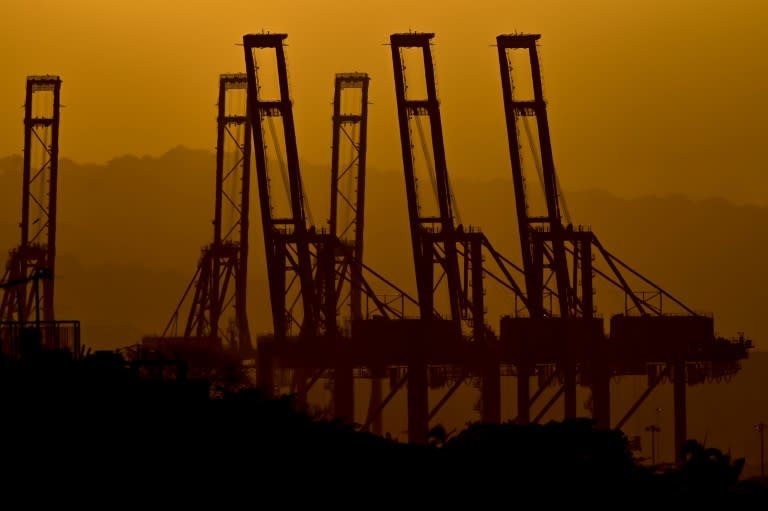
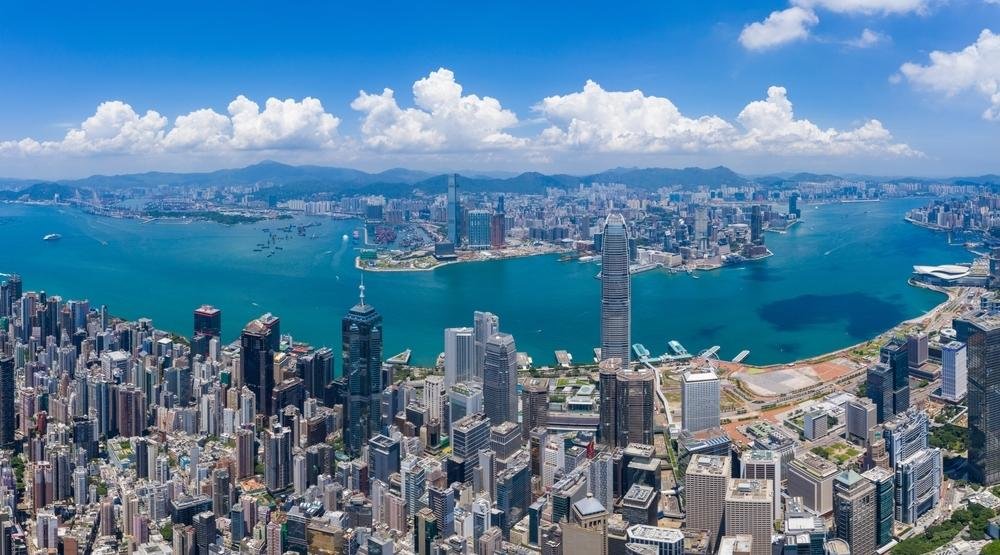
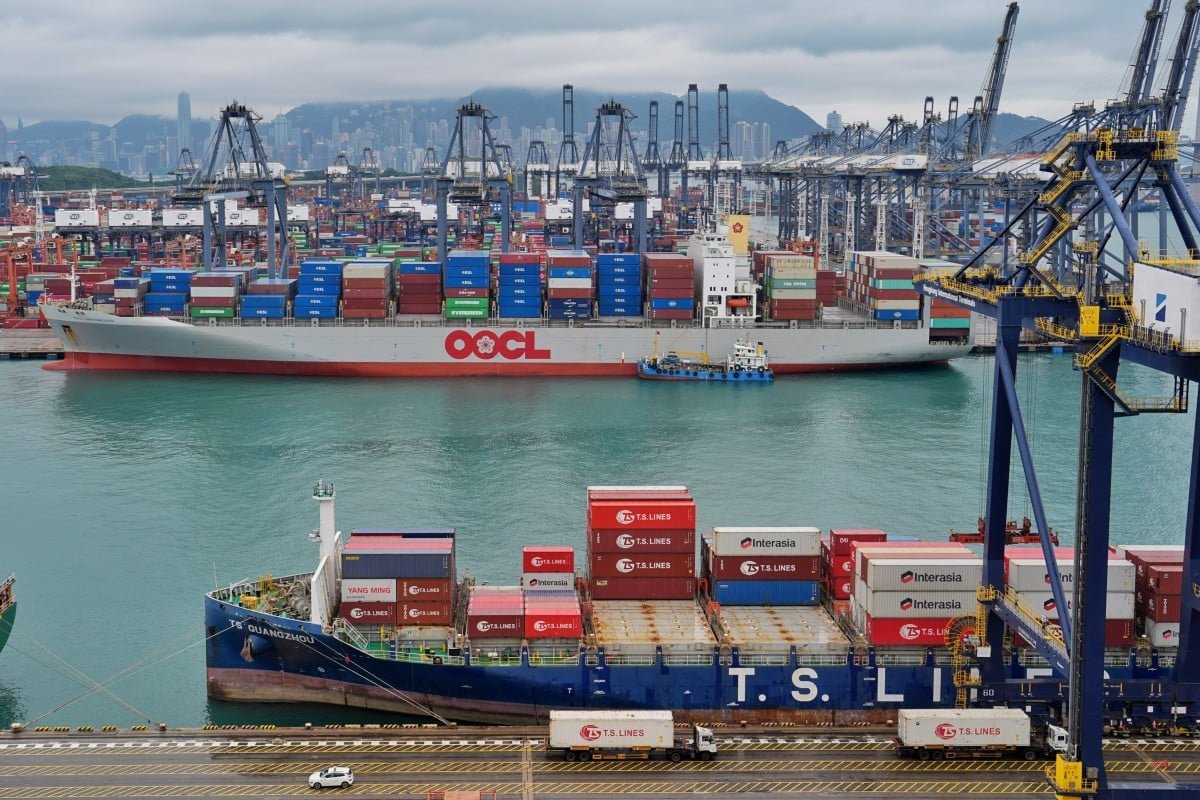
For Hong Kong’s trade-dependent economy, where re-exports and shipping play a central role, the cost pressures have been particularly acute.
Industry representatives say the combination of falling orders and higher costs is compressing margins, forcing firms to reassess pricing strategies and production plans.
Some companies are choosing to absorb part of the increased costs to retain clients, while others are exploring new markets to offset declining US demand.
The challenges build on earlier strains in US-Hong Kong trade relations, where shifting tariff policies and regulatory uncertainty have already made it more difficult for businesses to plan long-term operations.
Business leaders have warned that unpredictable conditions have discouraged American buyers from committing to new contracts, further dampening order volumes.
Logistics operators and freight forwarders are also feeling the effects, as reduced shipment volumes coincide with higher fuel surcharges.
The resulting imbalance has created a more volatile trading environment, with companies facing both declining revenues and escalating expenses.
Despite the pressure, some firms are seeking to adapt by diversifying supply chains and targeting alternative export destinations in Asia and the Middle East.
Others are investing in efficiency improvements and product innovation in an effort to remain competitive.
The current squeeze underscores the vulnerability of Hong Kong’s export sector to global shocks, particularly those affecting energy markets and international demand.
As geopolitical tensions continue to reshape trade flows, businesses are bracing for a prolonged period of uncertainty that could test the resilience of the city’s commercial base.
Manufacturers and exporters report that American clients are cutting back purchases or delaying shipments, reflecting weakening demand and heightened uncertainty in the United States.
The slowdown has come at a time when companies are already grappling with rising operational costs driven by surging energy prices.
The disruption to global oil supplies linked to escalating tensions in the Middle East has sent fuel prices higher, increasing expenses across transport, logistics and production.
For Hong Kong’s trade-dependent economy, where re-exports and shipping play a central role, the cost pressures have been particularly acute.
Industry representatives say the combination of falling orders and higher costs is compressing margins, forcing firms to reassess pricing strategies and production plans.
Some companies are choosing to absorb part of the increased costs to retain clients, while others are exploring new markets to offset declining US demand.
The challenges build on earlier strains in US-Hong Kong trade relations, where shifting tariff policies and regulatory uncertainty have already made it more difficult for businesses to plan long-term operations.
Business leaders have warned that unpredictable conditions have discouraged American buyers from committing to new contracts, further dampening order volumes.
Logistics operators and freight forwarders are also feeling the effects, as reduced shipment volumes coincide with higher fuel surcharges.
The resulting imbalance has created a more volatile trading environment, with companies facing both declining revenues and escalating expenses.
Despite the pressure, some firms are seeking to adapt by diversifying supply chains and targeting alternative export destinations in Asia and the Middle East.
Others are investing in efficiency improvements and product innovation in an effort to remain competitive.
The current squeeze underscores the vulnerability of Hong Kong’s export sector to global shocks, particularly those affecting energy markets and international demand.
As geopolitical tensions continue to reshape trade flows, businesses are bracing for a prolonged period of uncertainty that could test the resilience of the city’s commercial base.