Proposed reforms lower thresholds and expand eligibility as the city seeks to strengthen its status as a leading fundraising hub
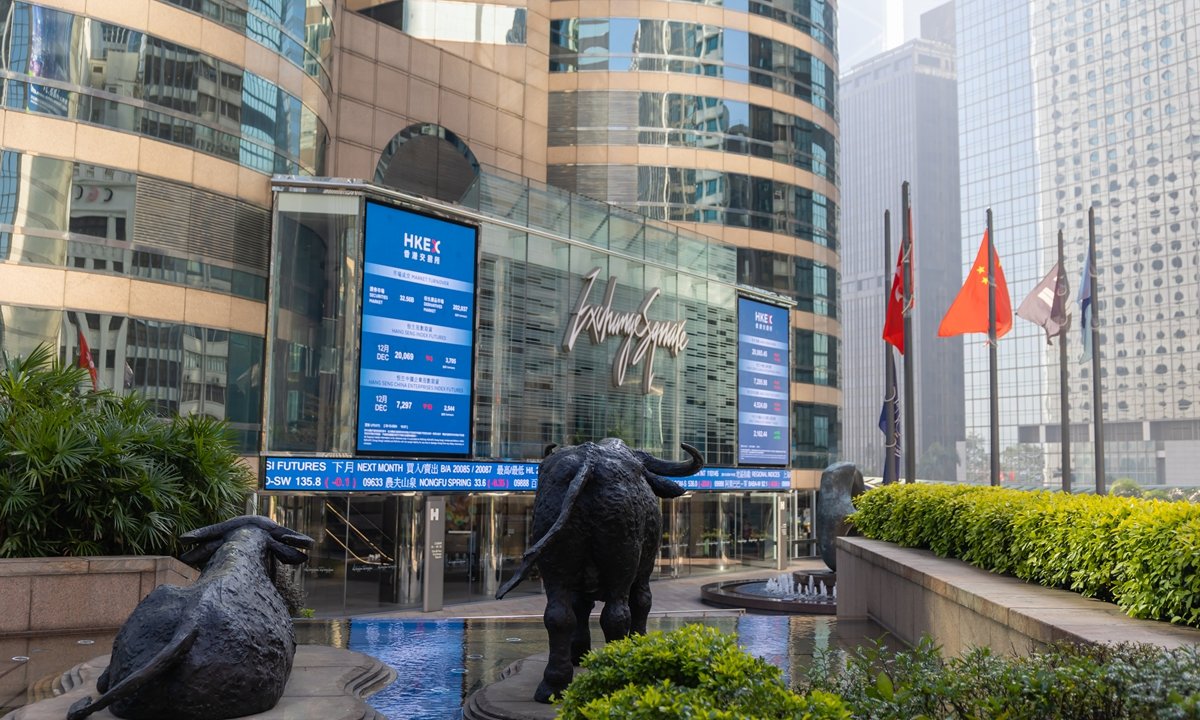
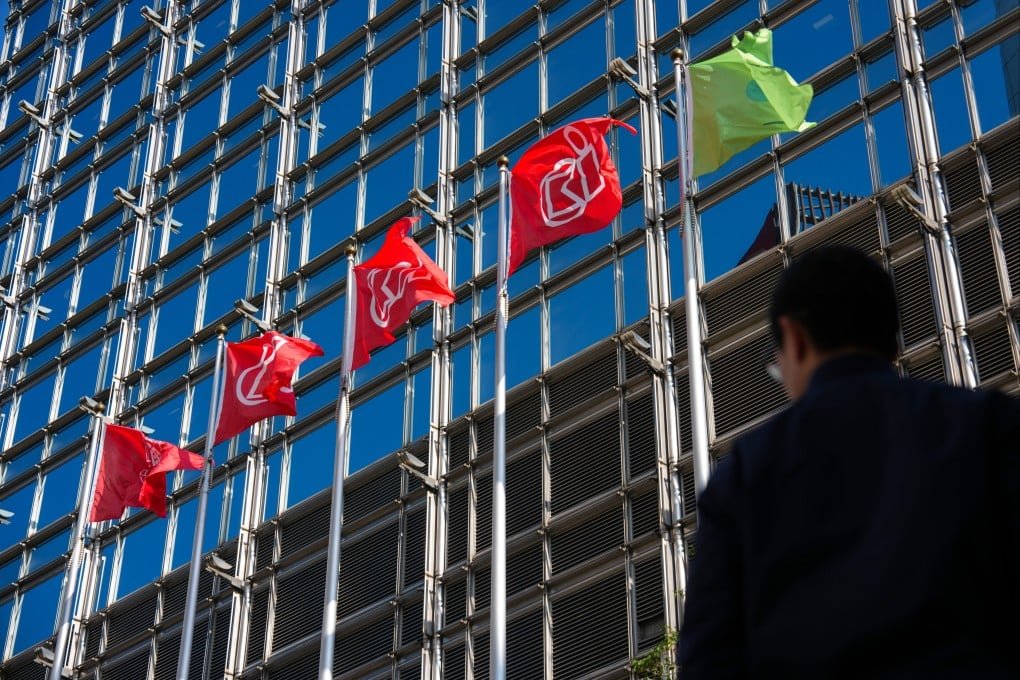
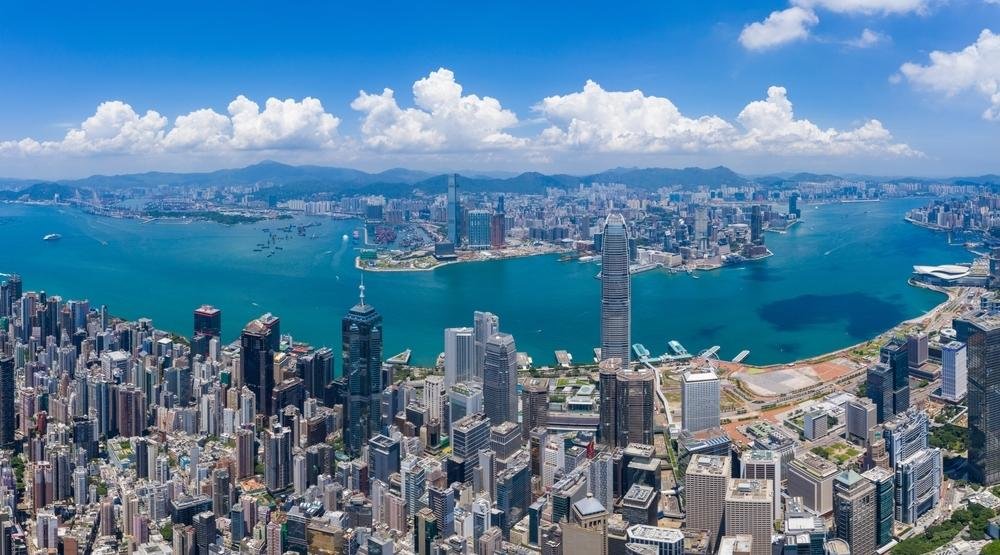
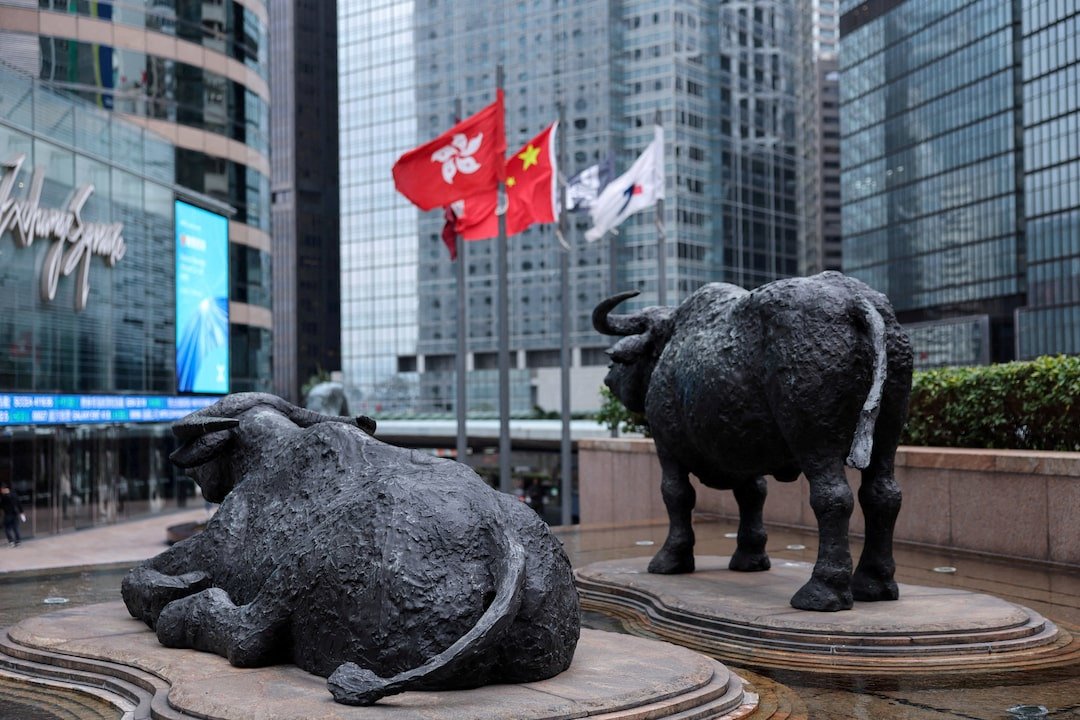
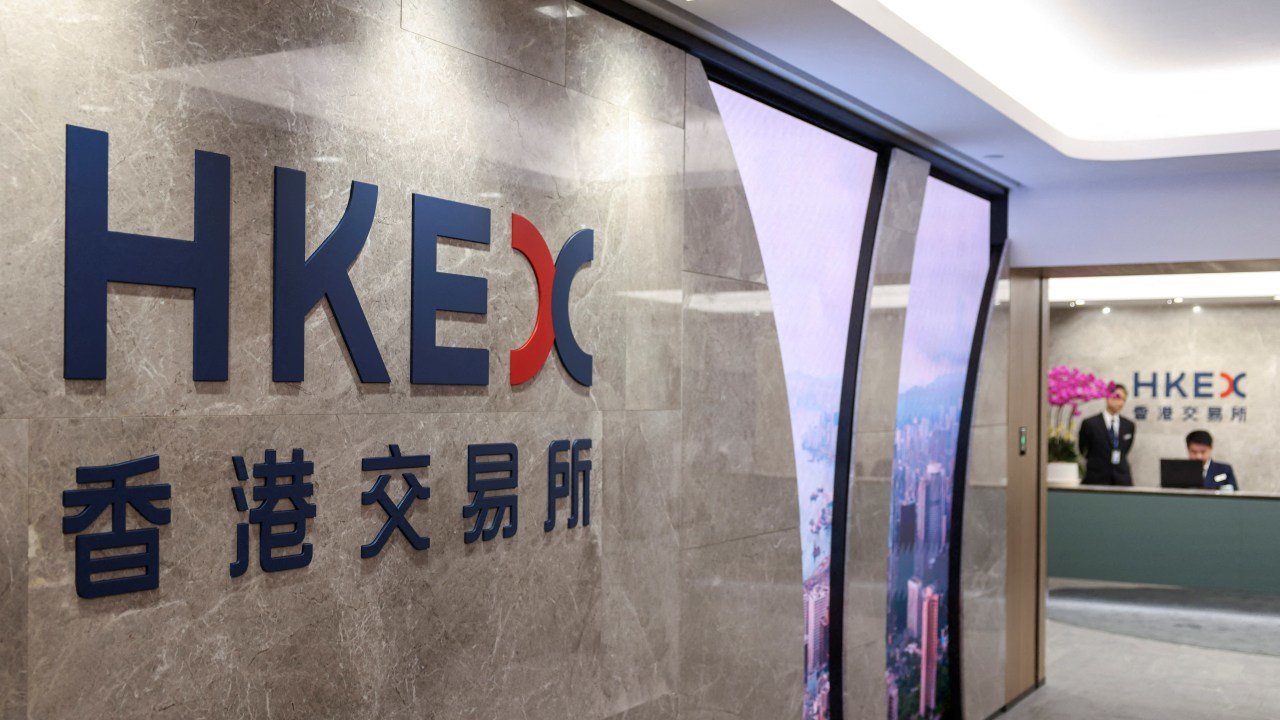
Hong Kong’s stock exchange has unveiled plans to relax its listing requirements, aiming to attract a broader range of companies and reinforce the city’s position as a premier global destination for initial public offerings.
The proposed changes would significantly lower entry barriers for companies seeking to go public, particularly those using dual-class share structures.
Under the new framework, the minimum market capitalisation threshold for such firms could be reduced, while alternative listing routes based on revenue would also see thresholds cut, making it easier for emerging and high-growth businesses to qualify.
Authorities also intend to increase the permissible weighted voting ratio for large companies, enabling founders to retain stronger control after listing.
This adjustment is designed to appeal to innovative firms and technology-driven enterprises that prioritize governance flexibility alongside access to capital.
In a further effort to broaden participation, the exchange plans to expand the definition of eligible “innovative companies,” allowing businesses beyond the traditional technology sector to benefit from the regime if they demonstrate novel business models.
The move reflects a strategic push to diversify the types of firms listing in Hong Kong.
Additional measures include extending confidential filing options to all applicants and permitting the use of international accounting standards, steps intended to streamline the listing process and align the market with global practices.
The proposals are now open for public consultation, with feedback expected to shape the final framework.
Officials have not specified an implementation timeline but indicated that the reforms are part of a wider strategy to enhance competitiveness.
The initiative follows a strong rebound in Hong Kong’s IPO market, which saw a sharp increase in funds raised in the past year.
By lowering barriers and modernising its rules, the exchange is positioning itself to capture renewed interest from regional and international companies seeking capital in Asia.
At the same time, regulators have signalled that oversight standards will remain robust, with the exchange retaining discretion to reject applications that fail to meet compliance expectations.
The balance between accessibility and regulatory integrity is expected to remain central as the reforms move forward.
The proposed changes would significantly lower entry barriers for companies seeking to go public, particularly those using dual-class share structures.
Under the new framework, the minimum market capitalisation threshold for such firms could be reduced, while alternative listing routes based on revenue would also see thresholds cut, making it easier for emerging and high-growth businesses to qualify.
Authorities also intend to increase the permissible weighted voting ratio for large companies, enabling founders to retain stronger control after listing.
This adjustment is designed to appeal to innovative firms and technology-driven enterprises that prioritize governance flexibility alongside access to capital.
In a further effort to broaden participation, the exchange plans to expand the definition of eligible “innovative companies,” allowing businesses beyond the traditional technology sector to benefit from the regime if they demonstrate novel business models.
The move reflects a strategic push to diversify the types of firms listing in Hong Kong.
Additional measures include extending confidential filing options to all applicants and permitting the use of international accounting standards, steps intended to streamline the listing process and align the market with global practices.
The proposals are now open for public consultation, with feedback expected to shape the final framework.
Officials have not specified an implementation timeline but indicated that the reforms are part of a wider strategy to enhance competitiveness.
The initiative follows a strong rebound in Hong Kong’s IPO market, which saw a sharp increase in funds raised in the past year.
By lowering barriers and modernising its rules, the exchange is positioning itself to capture renewed interest from regional and international companies seeking capital in Asia.
At the same time, regulators have signalled that oversight standards will remain robust, with the exchange retaining discretion to reject applications that fail to meet compliance expectations.
The balance between accessibility and regulatory integrity is expected to remain central as the reforms move forward.