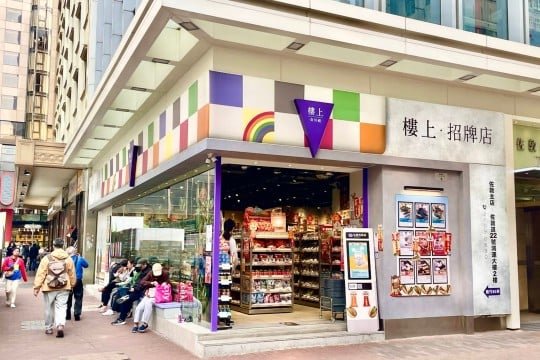
Lower commercial rents are prompting ‘upstairs’ businesses to relocate to ground-floor units, transforming visibility and foot traffic dynamics
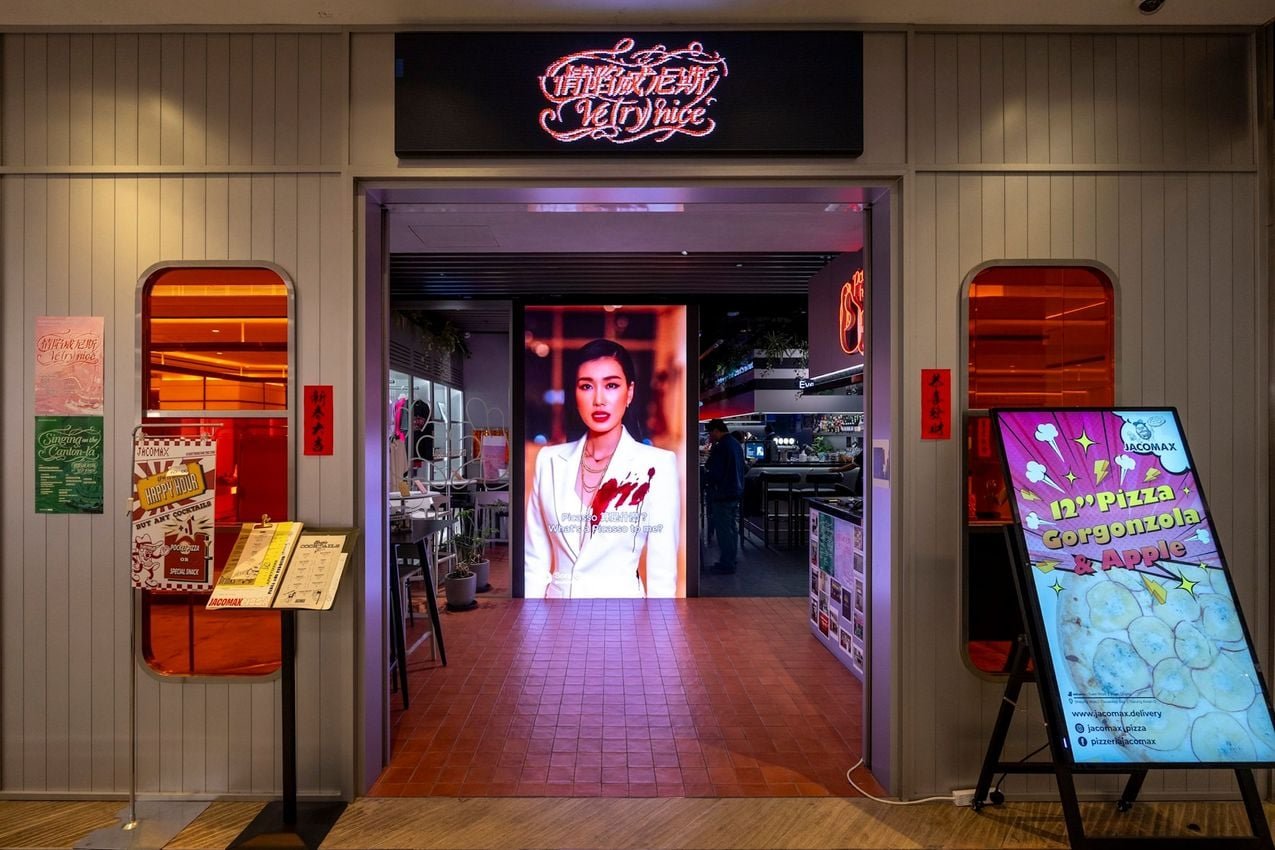
A growing number of Hong Kong retailers are moving from traditionally cheaper upper-floor premises to street-level storefronts, taking advantage of declining rents that are reshaping the city’s commercial property market.
For years, small businesses such as boutiques, beauty salons and specialty shops operated from upper floors to manage high costs in prime districts.
However, a sustained drop in retail rents—driven by changing consumer habits, slower tourism recovery and broader economic adjustments—has created new opportunities for these businesses to secure ground-level spaces.
The shift is being seen across key shopping areas, where vacancies at street level have increased and landlords have become more flexible in pricing and lease terms.
As a result, businesses that once relied on loyal clientele and online visibility are now prioritising physical presence and walk-in traffic.
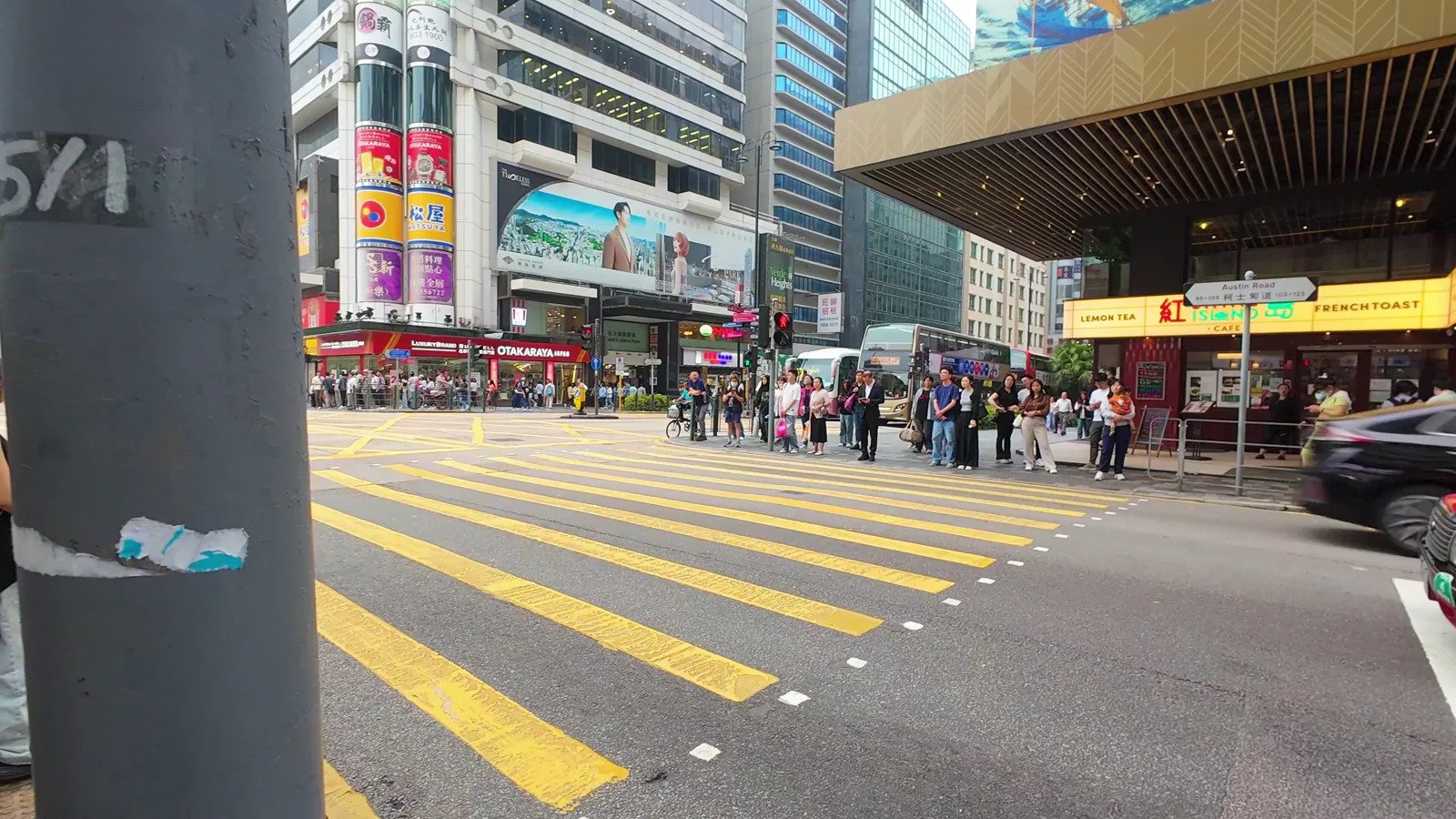
Retailers say the move has significantly improved customer flow and brand exposure, with street-facing locations offering greater accessibility and spontaneous footfall.
For many, the transition represents a strategic upgrade rather than an expansion, made possible by a rare alignment of market conditions.
Property analysts note that while rents remain below previous peaks, the adjustment has helped rebalance the retail sector by diversifying the types of tenants occupying prime locations.
Independent operators and niche brands are increasingly replacing larger international chains that had scaled back their presence in recent years.
The trend is also contributing to a more varied streetscape, as smaller, locally driven businesses bring new offerings to high-traffic areas.
This has been welcomed by some observers as a sign of renewal, suggesting a shift toward a more sustainable and resilient retail environment.
Although uncertainties remain in the broader economy, the migration of “upstairs” shops to street level underscores how evolving market forces are redefining commercial strategies in Hong Kong, with accessibility and visibility now playing a central role in business success.
For years, small businesses such as boutiques, beauty salons and specialty shops operated from upper floors to manage high costs in prime districts.
However, a sustained drop in retail rents—driven by changing consumer habits, slower tourism recovery and broader economic adjustments—has created new opportunities for these businesses to secure ground-level spaces.
The shift is being seen across key shopping areas, where vacancies at street level have increased and landlords have become more flexible in pricing and lease terms.
As a result, businesses that once relied on loyal clientele and online visibility are now prioritising physical presence and walk-in traffic.
Retailers say the move has significantly improved customer flow and brand exposure, with street-facing locations offering greater accessibility and spontaneous footfall.
For many, the transition represents a strategic upgrade rather than an expansion, made possible by a rare alignment of market conditions.
Property analysts note that while rents remain below previous peaks, the adjustment has helped rebalance the retail sector by diversifying the types of tenants occupying prime locations.
Independent operators and niche brands are increasingly replacing larger international chains that had scaled back their presence in recent years.
The trend is also contributing to a more varied streetscape, as smaller, locally driven businesses bring new offerings to high-traffic areas.
This has been welcomed by some observers as a sign of renewal, suggesting a shift toward a more sustainable and resilient retail environment.
Although uncertainties remain in the broader economy, the migration of “upstairs” shops to street level underscores how evolving market forces are redefining commercial strategies in Hong Kong, with accessibility and visibility now playing a central role in business success.