Expanded programming, new tech-driven sectors and regional diversity aim to reinvigorate Asia’s leading art market hub
Art Basel Hong Kong has returned with a renewed sense of energy, as organisers and exhibitors introduce fresh formats, digital innovation and citywide collaborations designed to transform the traditional art fair experience.
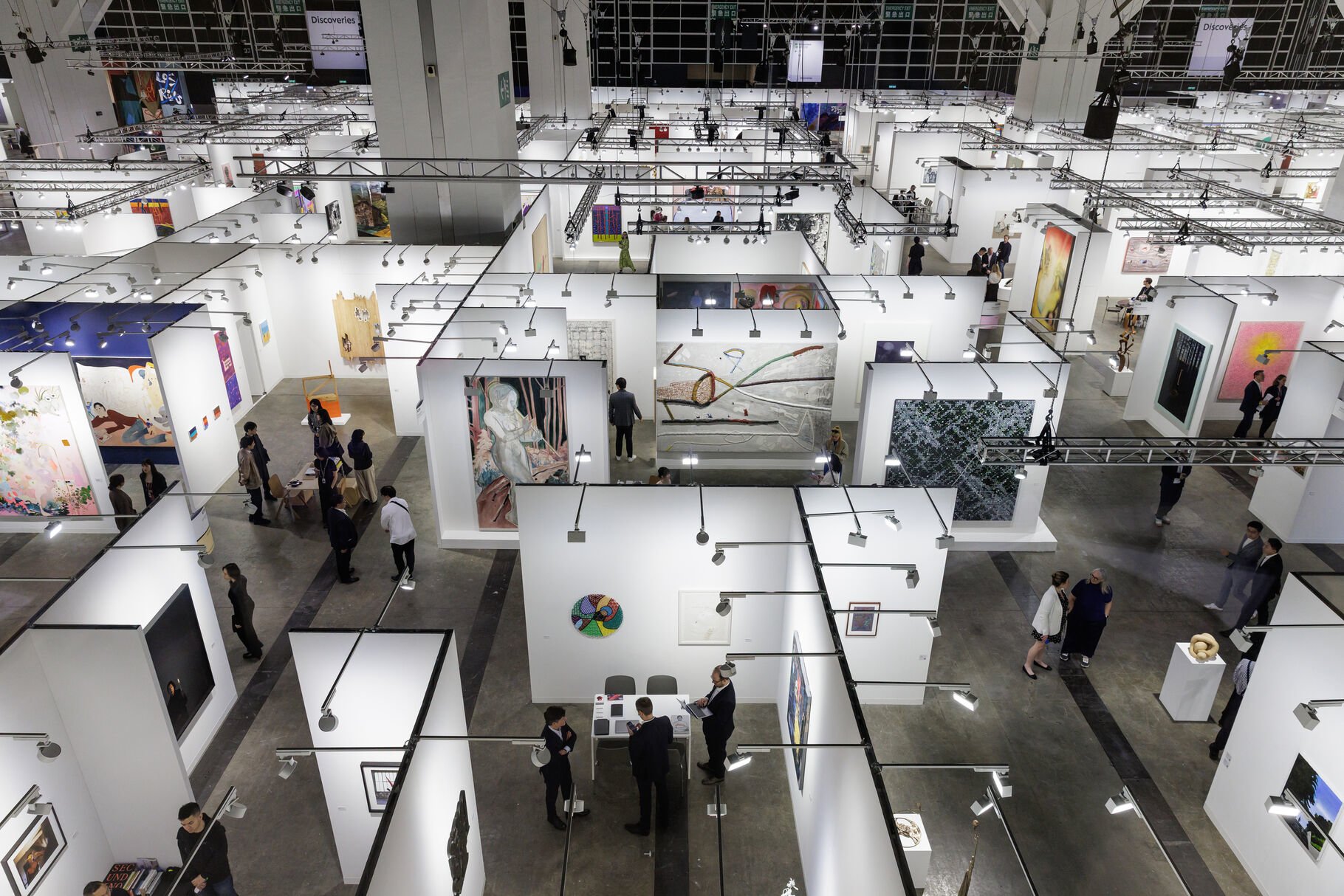
The 2026 edition brings together around two hundred and forty galleries from more than forty countries and territories, reaffirming the event’s position as a central meeting point for global collectors, artists and institutions.
More than half of participating galleries are based in the Asia-Pacific region, reflecting a deliberate emphasis on regional voices alongside international heavyweights.
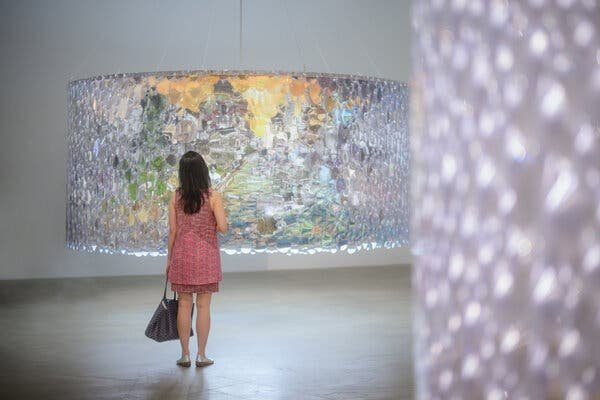
A defining feature of this year’s fair is the expansion into digital and immersive art.
A newly introduced sector dedicated to technology-driven works marks a significant evolution in the fair’s direction, showcasing pieces that blend artificial intelligence, multimedia and traditional artistic practices.
Organisers say this initiative is intended to engage a new generation of collectors and reflect the shifting boundaries of contemporary art.
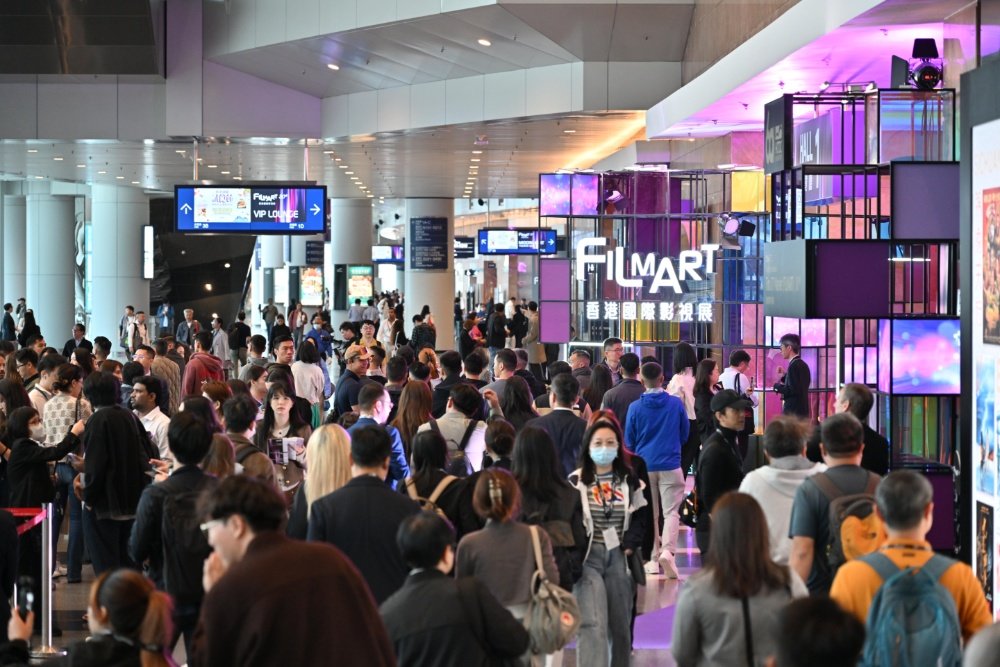
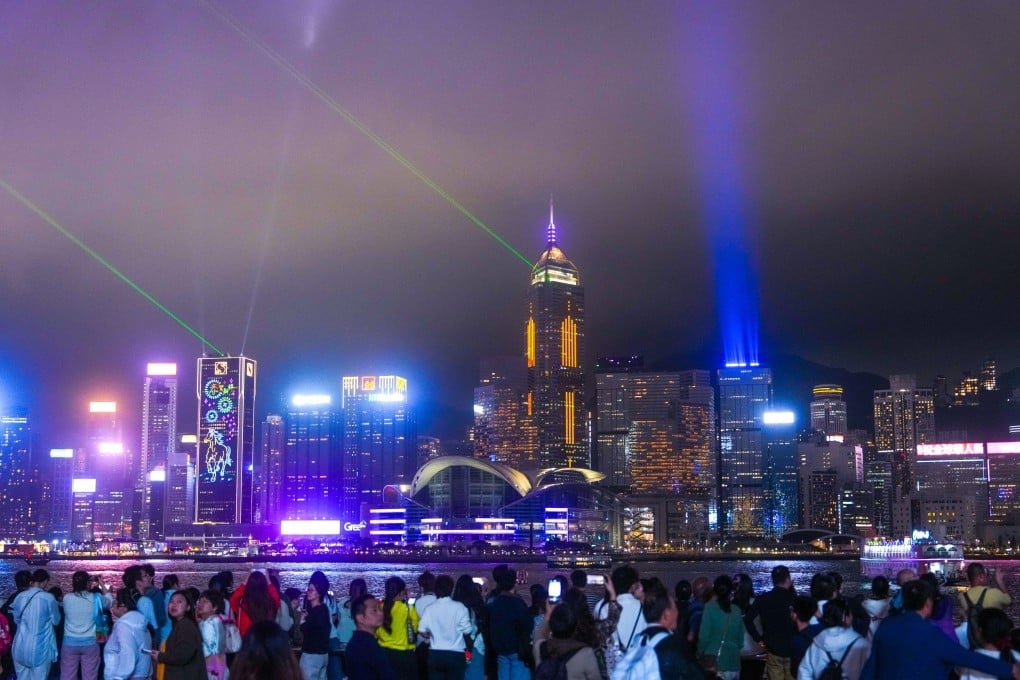
Beyond the exhibition halls, Hong Kong itself has been transformed into a broader cultural stage.
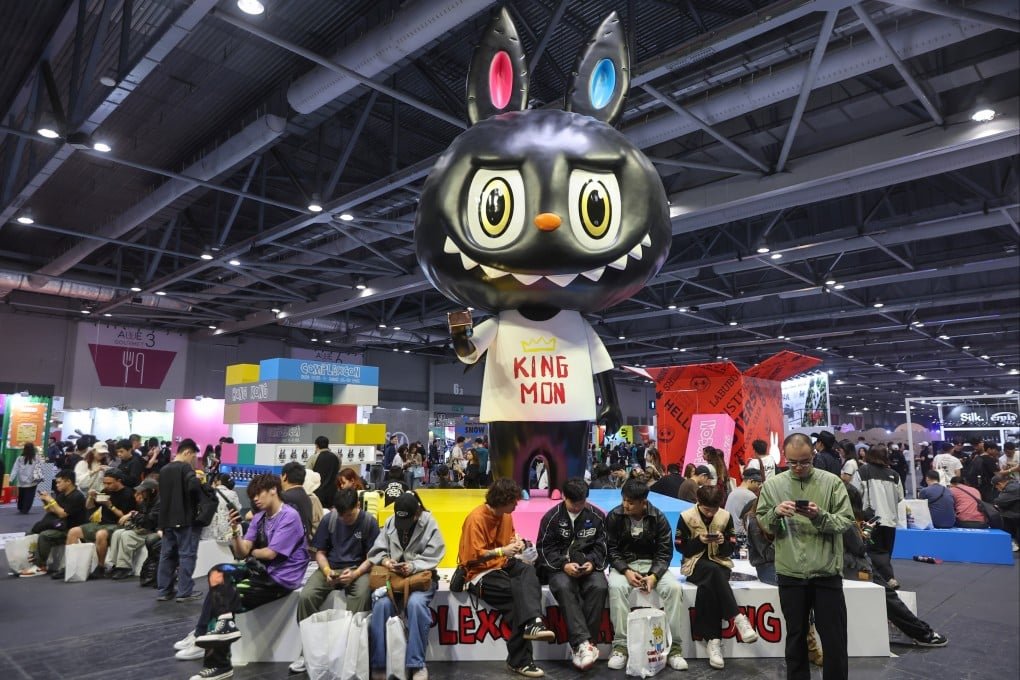
Public programmes, museum collaborations and gallery events have spread across the city, turning the fair into a multi-location experience that encourages deeper engagement with local and international art scenes.
Visitors are invited not only to view works but to participate in conversations, screenings and interactive installations.
Curators have also introduced new thematic sections focusing on recent artistic production and emerging talent, providing platforms for younger artists while maintaining a strong presence of established names.
This balance reflects a market that is evolving cautiously yet seeking renewed vitality after recent global and regional challenges.
Industry observers note that the fair is responding to changing collector behaviour, with greater emphasis on experience, storytelling and cross-disciplinary creativity.
The integration of technology, alongside a shift toward more dynamic programming, signals an effort to move beyond static displays toward a more immersive and socially connected environment.
Despite economic headwinds in the broader art market, the atmosphere surrounding this year’s event suggests cautious optimism.
Organisers and participants alike point to a growing base of engaged collectors and institutions in Asia, alongside continued international interest, as signs of resilience.
By combining innovation with its established global reach, the latest edition seeks to redefine what an art fair can offer, positioning Hong Kong once again as a vibrant hub where artistic experimentation and market activity intersect.
The 2026 edition brings together around two hundred and forty galleries from more than forty countries and territories, reaffirming the event’s position as a central meeting point for global collectors, artists and institutions.
More than half of participating galleries are based in the Asia-Pacific region, reflecting a deliberate emphasis on regional voices alongside international heavyweights.
A defining feature of this year’s fair is the expansion into digital and immersive art.
A newly introduced sector dedicated to technology-driven works marks a significant evolution in the fair’s direction, showcasing pieces that blend artificial intelligence, multimedia and traditional artistic practices.
Organisers say this initiative is intended to engage a new generation of collectors and reflect the shifting boundaries of contemporary art.
Beyond the exhibition halls, Hong Kong itself has been transformed into a broader cultural stage.
Public programmes, museum collaborations and gallery events have spread across the city, turning the fair into a multi-location experience that encourages deeper engagement with local and international art scenes.
Visitors are invited not only to view works but to participate in conversations, screenings and interactive installations.
Curators have also introduced new thematic sections focusing on recent artistic production and emerging talent, providing platforms for younger artists while maintaining a strong presence of established names.
This balance reflects a market that is evolving cautiously yet seeking renewed vitality after recent global and regional challenges.
Industry observers note that the fair is responding to changing collector behaviour, with greater emphasis on experience, storytelling and cross-disciplinary creativity.
The integration of technology, alongside a shift toward more dynamic programming, signals an effort to move beyond static displays toward a more immersive and socially connected environment.
Despite economic headwinds in the broader art market, the atmosphere surrounding this year’s event suggests cautious optimism.
Organisers and participants alike point to a growing base of engaged collectors and institutions in Asia, alongside continued international interest, as signs of resilience.
By combining innovation with its established global reach, the latest edition seeks to redefine what an art fair can offer, positioning Hong Kong once again as a vibrant hub where artistic experimentation and market activity intersect.