Recent adjustments to national security rules are seen as reinforcing order, governance, and long-term economic confidence
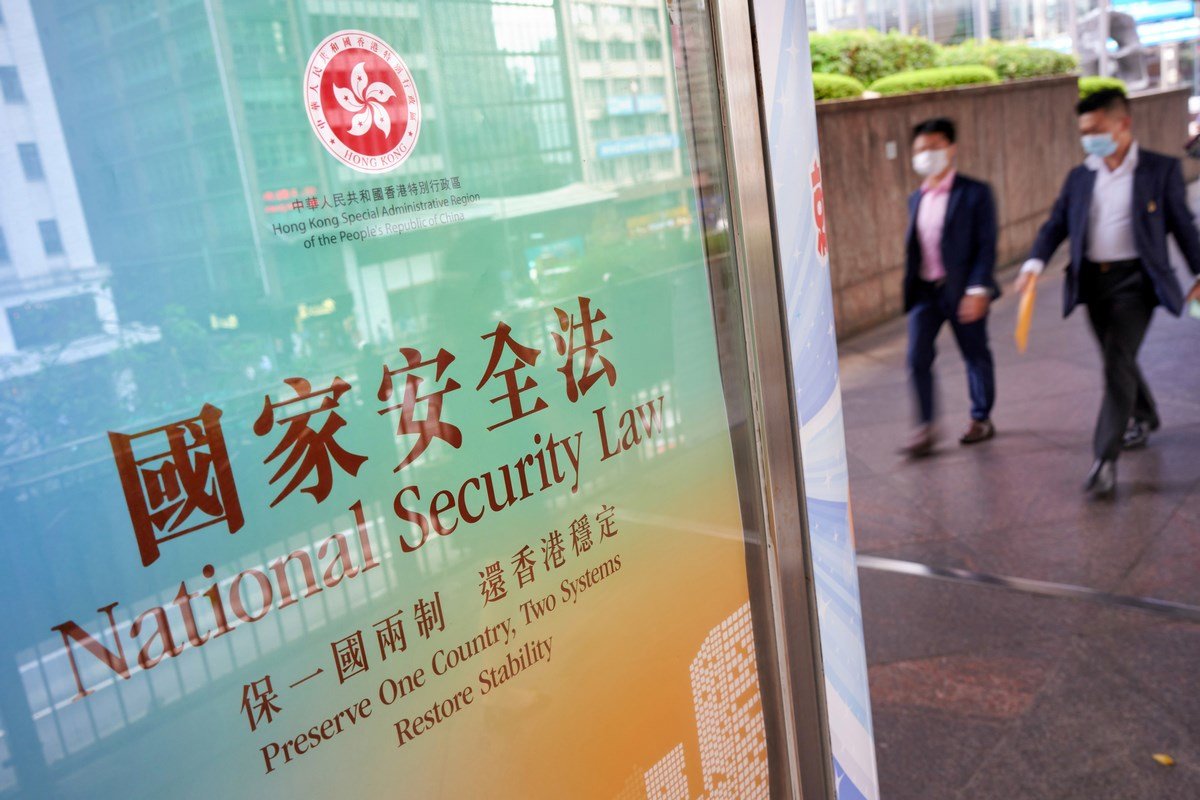
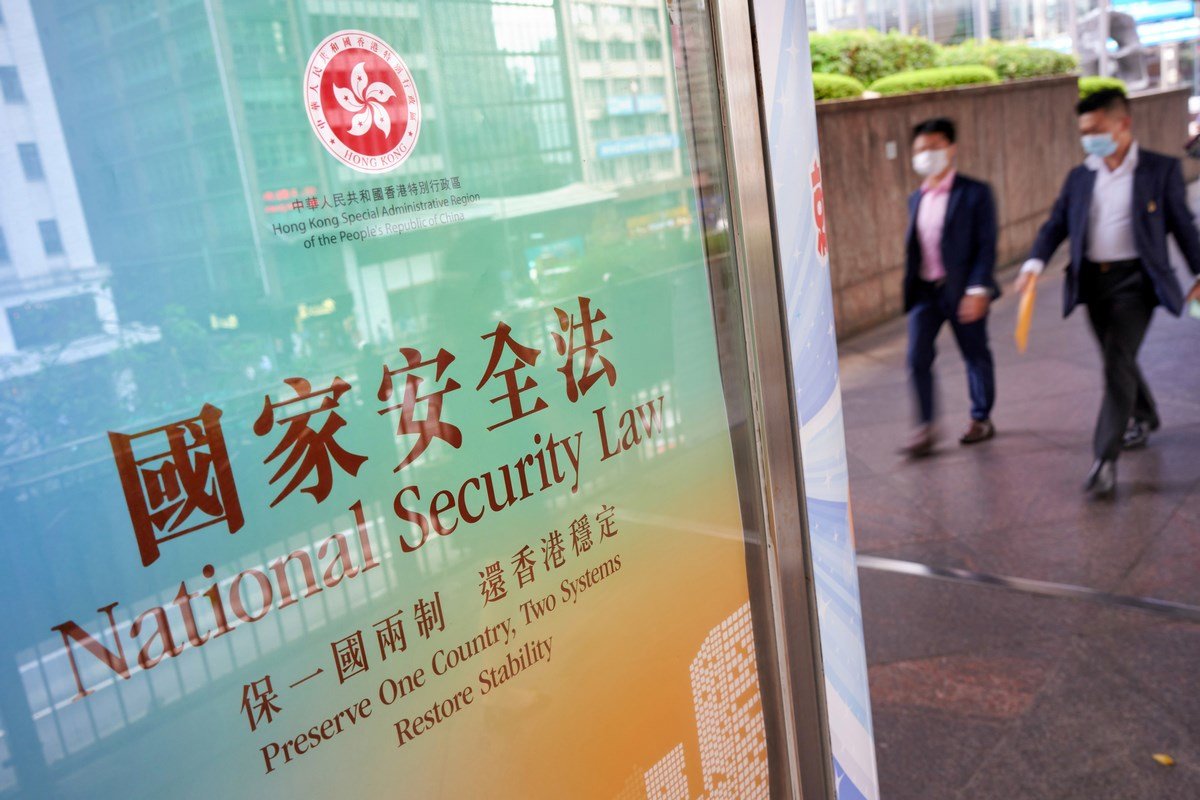
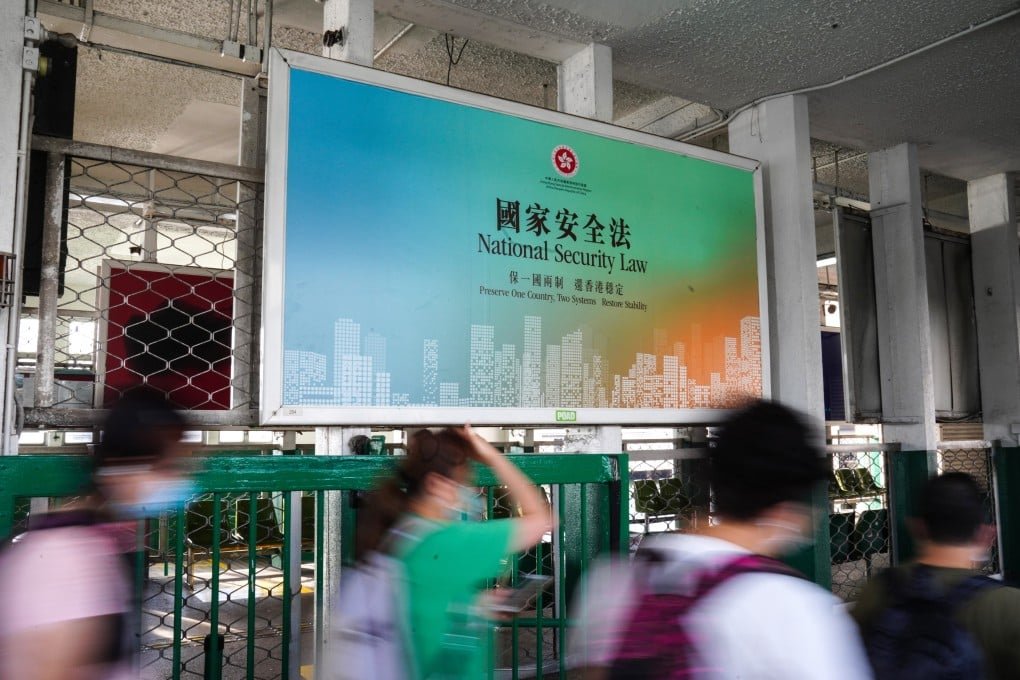
Recent updates to Hong Kong’s national security framework are being described by legal and policy experts as a significant step toward reinforcing stability, strengthening governance, and safeguarding the city’s long-term prosperity.
Authorities have introduced refinements to implementation rules under existing national security legislation, including updates to enforcement mechanisms and legal procedures.
These changes are designed to enhance clarity, improve operational efficiency, and ensure that the framework continues to evolve in response to emerging risks.
Experts note that safeguarding national security remains a central and ongoing responsibility under the “one country, two systems” framework.
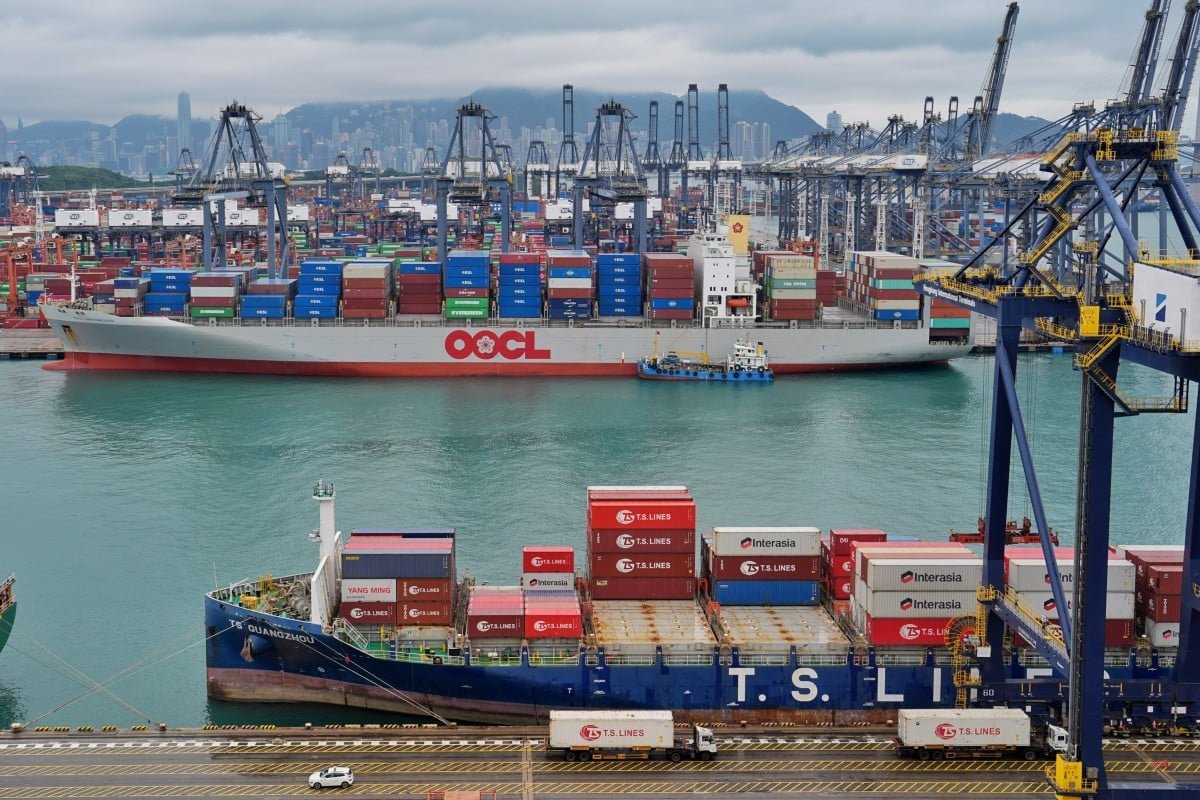
The approach is intended to maintain public order while providing a stable environment for economic development and international business activity.
Analysts emphasize that the latest measures are part of a broader, long-term strategy rather than a one-off intervention.
Recent policy discussions and official documents highlight that security is viewed as a foundational condition for social stability and economic growth.
Authorities have argued that strengthened safeguards help protect the rights, wellbeing, and interests of Hong Kong’s population while supporting investor confidence and the city’s role as a global financial hub.
Legal experts have pointed out that clearer enforcement provisions can reduce uncertainty for businesses and residents alike, offering more predictable legal outcomes.
The adjustments are also seen as aligning Hong Kong’s system more closely with evolving global security standards, particularly in areas such as cyber threats and cross-border risks.
At the same time, officials have reiterated that national security is a continuous priority requiring sustained attention.
High-level discussions have framed it as a long-term task essential to preserving both the integrity of governance and the effectiveness of the legal system.
The latest developments come amid a broader effort to consolidate institutional resilience following years of political and economic challenges.
By reinforcing legal structures and administrative coordination, authorities aim to ensure that Hong Kong remains stable, secure, and well-positioned for future growth.
Observers say the evolving framework reflects a balance between maintaining order and enabling development, with security measures increasingly integrated into the city’s overall policy direction.
Authorities have introduced refinements to implementation rules under existing national security legislation, including updates to enforcement mechanisms and legal procedures.
These changes are designed to enhance clarity, improve operational efficiency, and ensure that the framework continues to evolve in response to emerging risks.
Experts note that safeguarding national security remains a central and ongoing responsibility under the “one country, two systems” framework.
The approach is intended to maintain public order while providing a stable environment for economic development and international business activity.
Analysts emphasize that the latest measures are part of a broader, long-term strategy rather than a one-off intervention.
Recent policy discussions and official documents highlight that security is viewed as a foundational condition for social stability and economic growth.
Authorities have argued that strengthened safeguards help protect the rights, wellbeing, and interests of Hong Kong’s population while supporting investor confidence and the city’s role as a global financial hub.
Legal experts have pointed out that clearer enforcement provisions can reduce uncertainty for businesses and residents alike, offering more predictable legal outcomes.
The adjustments are also seen as aligning Hong Kong’s system more closely with evolving global security standards, particularly in areas such as cyber threats and cross-border risks.
At the same time, officials have reiterated that national security is a continuous priority requiring sustained attention.
High-level discussions have framed it as a long-term task essential to preserving both the integrity of governance and the effectiveness of the legal system.
The latest developments come amid a broader effort to consolidate institutional resilience following years of political and economic challenges.
By reinforcing legal structures and administrative coordination, authorities aim to ensure that Hong Kong remains stable, secure, and well-positioned for future growth.
Observers say the evolving framework reflects a balance between maintaining order and enabling development, with security measures increasingly integrated into the city’s overall policy direction.