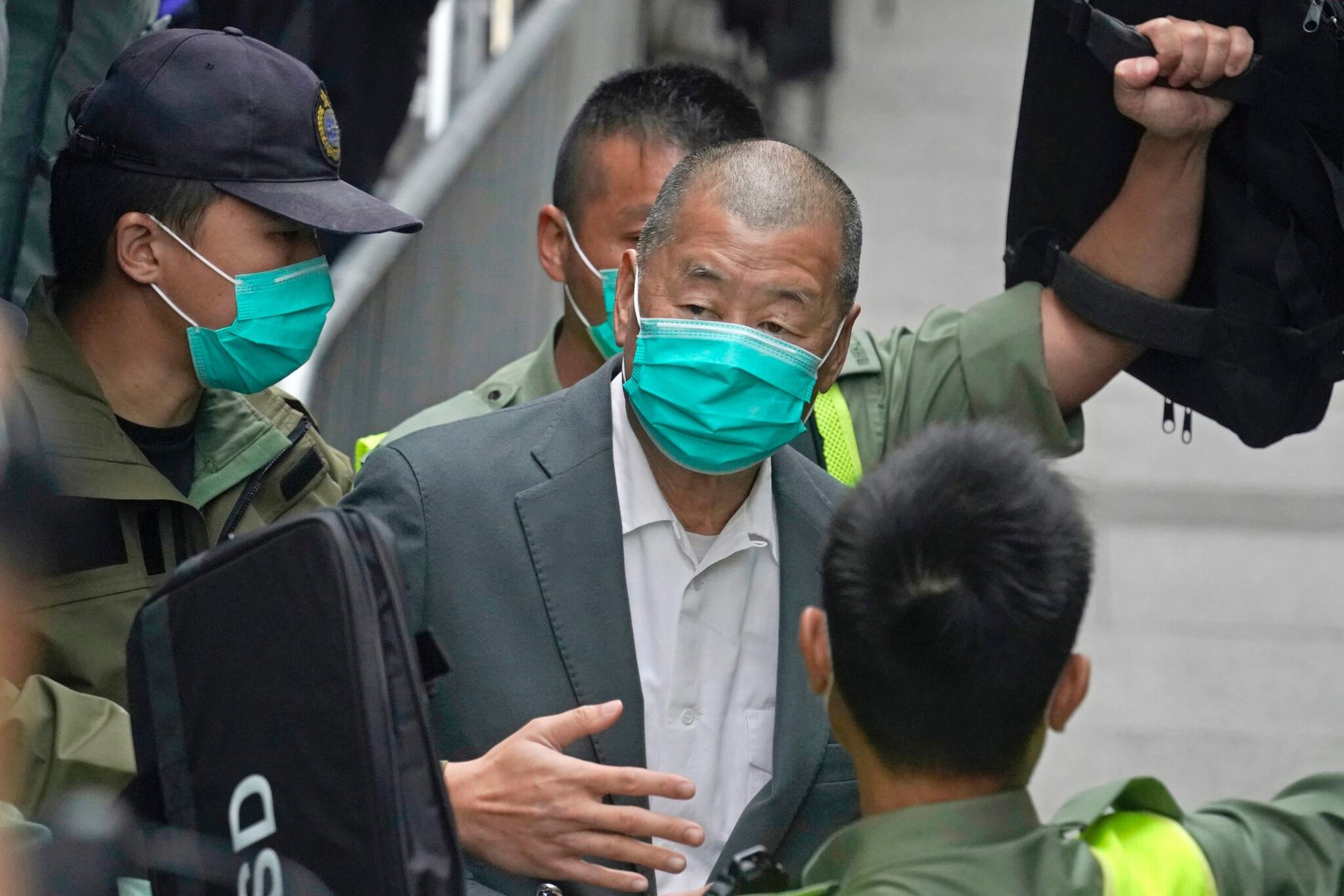
The pro-democracy publisher faces sentencing after a high-profile conviction that has drawn international concern and diplomatic attention
In Hong Kong on Monday, February ninth, the city’s judiciary will deliver a sentence for former media executive and pro-democracy advocate Jimmy Lai following his conviction last December on charges under the national security law imposed by Beijing.
Lai, seventy-eight and founder of the now-defunct Apple Daily newspaper, was found guilty of conspiring with others to collude with foreign forces and of conspiring to publish seditious material in a trial that lasted more than two years and has been closely watched by governments and rights groups around the world.
The sentencing session is scheduled to take place in the West Kowloon court building, where judges will determine Lai’s punishment amid calls from foreign governments and advocacy organisations for his release.
Lai has denied all charges, arguing that his actions were part of journalistic and civic engagement, while his co-defendants — including six former Apple Daily journalists and two activists — entered guilty pleas, which may factor into their individual sentences.
The legal proceedings stem from allegations that Lai and others used the newspaper to invite foreign governments to consider sanctions or other measures against Hong Kong and China, and published material deemed seditious by prosecutors.
Lai has been detained since his arrest in August two thousand twenty and is already serving a prison term on unrelated fraud convictions; the national security sentence could extend to life imprisonment under the law’s provisions.
The case has become a focal point of international debate over press freedom and the rule of law in Hong Kong after decades of heightened tensions over the city’s autonomy.
Governments including the United States, the United Kingdom and members of the Group of Seven have expressed concern about the conviction and urged Hong Kong authorities to respect fundamental freedoms, while officials in Beijing and the city government have maintained that the trial adhered to local legal procedures and safeguarded security interests.
Lai’s supporters and family have also raised alarms about his health following prolonged incarceration and solitary confinement, making the impending sentencing both a legal and humanitarian moment with wider diplomatic implications.
Lai, seventy-eight and founder of the now-defunct Apple Daily newspaper, was found guilty of conspiring with others to collude with foreign forces and of conspiring to publish seditious material in a trial that lasted more than two years and has been closely watched by governments and rights groups around the world.
The sentencing session is scheduled to take place in the West Kowloon court building, where judges will determine Lai’s punishment amid calls from foreign governments and advocacy organisations for his release.
Lai has denied all charges, arguing that his actions were part of journalistic and civic engagement, while his co-defendants — including six former Apple Daily journalists and two activists — entered guilty pleas, which may factor into their individual sentences.
The legal proceedings stem from allegations that Lai and others used the newspaper to invite foreign governments to consider sanctions or other measures against Hong Kong and China, and published material deemed seditious by prosecutors.
Lai has been detained since his arrest in August two thousand twenty and is already serving a prison term on unrelated fraud convictions; the national security sentence could extend to life imprisonment under the law’s provisions.
The case has become a focal point of international debate over press freedom and the rule of law in Hong Kong after decades of heightened tensions over the city’s autonomy.
Governments including the United States, the United Kingdom and members of the Group of Seven have expressed concern about the conviction and urged Hong Kong authorities to respect fundamental freedoms, while officials in Beijing and the city government have maintained that the trial adhered to local legal procedures and safeguarded security interests.
Lai’s supporters and family have also raised alarms about his health following prolonged incarceration and solitary confinement, making the impending sentencing both a legal and humanitarian moment with wider diplomatic implications.