The Hong Kong Federation of Students ends decades of pro-democracy activism, citing severe risks and a shrinking space for dissent
The Hong Kong Federation of Students, one of the city’s oldest and most influential student pro-democracy organisations, formally announced its dissolution on Thursday, February five, citing sustained and “increasingly severe pressures” that left members with no viable alternative.
Founded in nineteen fifty-eight, the federation was once a central force in mobilising student activism and civic engagement, playing prominent roles in movements for political reform and taking part in historic campaigns throughout the territory’s modern history.
In a statement, the group said its members and allies had faced mounting risks and pressures in recent years, with individuals receiving threatening letters and instances of harassment.
Isaac Lai, chair of the federation’s representative council, described the decision as both “very difficult and painful” and necessary given the current environment.
He stressed that student participation in civic society has become “extremely difficult” but emphasised that individuals would continue to speak out for social injustice even as organisational avenues close.
For much of its existence, the federation evolved from a pro-Beijing student body into a vocal supporter of democratic movements in both Hong Kong and mainland China.
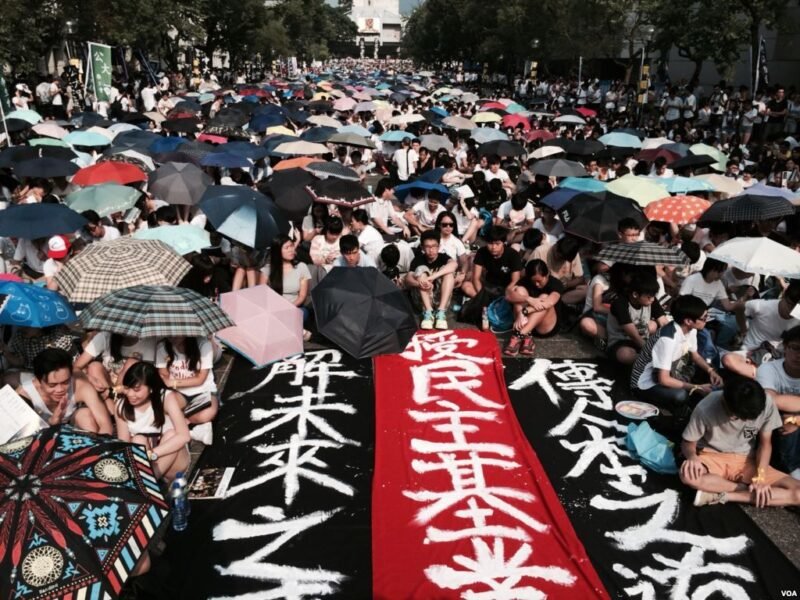
It was instrumental in early vigils marking the anniversary of the Tiananmen Square crackdown and later helped spearhead significant political actions, including the ninety-day class boycott that catalysed the 2014 Occupy Central movement, which called for universal suffrage and saw hundreds of thousands participate.
Its departure marks a symbolic end to a key chapter in student-led activism.
The dissolution also reflects broader trends in Hong Kong’s civil society.
Many student unions at universities have ceased operations or been shut down in the wake of the national security law imposed in twenty twenty, and other student organisations have dissolved or suspended activity amid mounting administrative and political constraints.
Authorities have tightened requirements for group registration, and several unions have been unable to maintain recognised status within their institutions.
Observers say these developments highlight a steadily shrinking space for organised political expression among youth and students in the city, even as individuals seek other channels to advocate for their beliefs.
Founded in nineteen fifty-eight, the federation was once a central force in mobilising student activism and civic engagement, playing prominent roles in movements for political reform and taking part in historic campaigns throughout the territory’s modern history.
In a statement, the group said its members and allies had faced mounting risks and pressures in recent years, with individuals receiving threatening letters and instances of harassment.
Isaac Lai, chair of the federation’s representative council, described the decision as both “very difficult and painful” and necessary given the current environment.
He stressed that student participation in civic society has become “extremely difficult” but emphasised that individuals would continue to speak out for social injustice even as organisational avenues close.
For much of its existence, the federation evolved from a pro-Beijing student body into a vocal supporter of democratic movements in both Hong Kong and mainland China.
It was instrumental in early vigils marking the anniversary of the Tiananmen Square crackdown and later helped spearhead significant political actions, including the ninety-day class boycott that catalysed the 2014 Occupy Central movement, which called for universal suffrage and saw hundreds of thousands participate.
Its departure marks a symbolic end to a key chapter in student-led activism.
The dissolution also reflects broader trends in Hong Kong’s civil society.
Many student unions at universities have ceased operations or been shut down in the wake of the national security law imposed in twenty twenty, and other student organisations have dissolved or suspended activity amid mounting administrative and political constraints.
Authorities have tightened requirements for group registration, and several unions have been unable to maintain recognised status within their institutions.
Observers say these developments highlight a steadily shrinking space for organised political expression among youth and students in the city, even as individuals seek other channels to advocate for their beliefs.