New penalties expand crackdown on distracted driving as authorities cite rising fatal accidents linked to mobile phone use
Authorities in the French district of Pas-de-Calais have introduced immediate driver’s license suspension for motorists caught using a mobile phone while driving without a hands-free device.

The measure adds to existing penalties and reflects a broader effort to curb distracted driving following an increase in fatal road accidents.

Under the new regulations, drivers found violating the law will lose their license on the spot, in addition to receiving a fine of 135 euros and three penalty points.

Pas-de-Calais becomes the fourth district to adopt the stricter enforcement, joining Landes, Lot-et-Garonne and Charente-Maritime.

The tougher sanctions follow a reported 2 percent rise in fatal accidents over the past year.

In Pas-de-Calais, 57 people were killed in road accidents in 2025, representing approximately 3.9 fatalities per 100,000 residents.

Authorities state that the majority of injury-related accidents in France are caused by driver distraction, including the use of mobile phones while driving.

According to research by insurance company Assurance Prévention-Calais, around 400 people die each year directly as a result of mobile phone use while driving.

The new rules also impose harsher penalties on professional drivers, who will face double the standard fine if caught using a phone without a hands-free system.

In addition, the period of license suspension for driving under the influence of alcohol has been extended to six months.

Drivers exceeding the speed limit by 50 kilometers per hour or more will face a one-year license suspension.

French law allows each district to set its own traffic enforcement measures, provided that penalties are not lower than those established under national legislation.

Since 2020, enforcement authorities have been authorized to suspend licenses immediately for a range of traffic offenses.
Crowds flock to Lam Tsuen tradition seeking prosperity and good fortune at one of the city’s most cherished festive rituals.
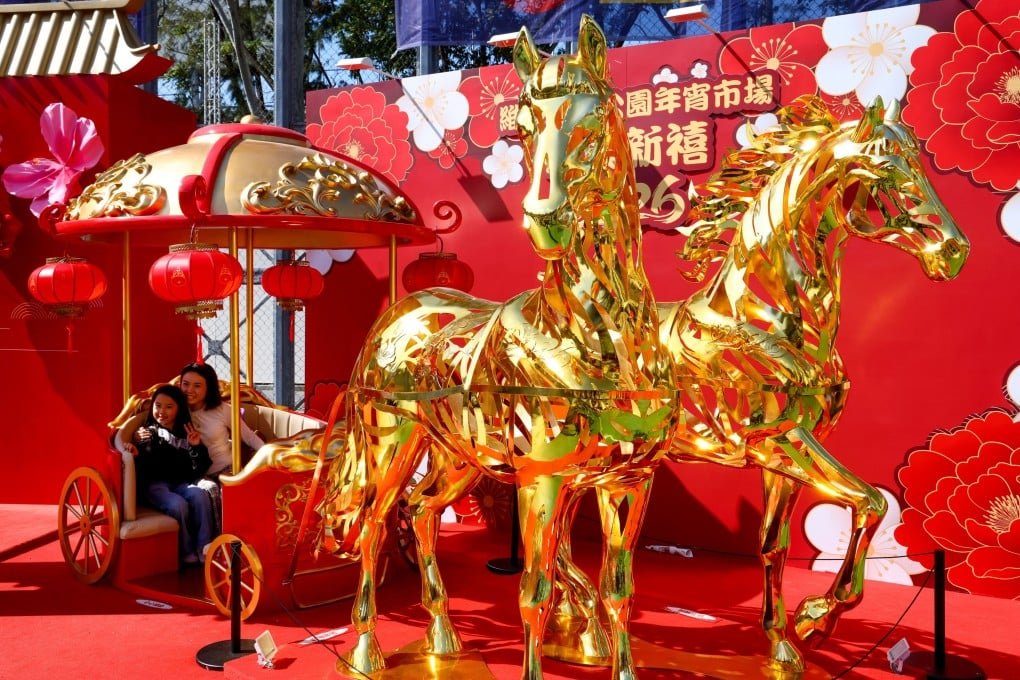
Large crowds have gathered in Hong Kong’s Tai Po district as residents and visitors took part in the longstanding Lam Tsuen Wishing Tree tradition to mark the Lunar New Year, casting written wishes for prosperity, health and success in the Year of the Horse.

From early morning, families, tourists and worshippers queued along the Lam Tsuen Wishing Square, where replicas of the historic banyan trees stand beside the Tin Hau Temple.

Participants wrote their hopes on bright red and gold joss paper, attaching them to oranges before tossing them toward the wooden wishing structures in a symbolic gesture believed to bring blessings if the fruit remains hanging.

The custom, which dates back centuries, has evolved into one of Hong Kong’s most recognisable Lunar New Year attractions.

For safety and conservation reasons, the original banyan trees are no longer used for throwing offerings.

Instead, reinforced wooden frames now serve as the focal point, allowing the ritual to continue while protecting the heritage site.

Local officials and district representatives attended the opening day ceremony, offering traditional prayers and extending festive greetings to the public.

Cultural performances, lion dances and festive stalls added to the celebratory atmosphere, drawing steady foot traffic throughout the day.

Many attendees said they were praying for improved health, family harmony and economic stability in the year ahead.

Business owners operating nearby reported brisk trade as seasonal markets and food vendors catered to the influx of visitors.

The Lam Tsuen Wishing Tree event runs for several weeks during the Lunar New Year period, forming part of a broader calendar of celebrations across Hong Kong that includes fireworks displays, temple fairs and community festivities.

The enduring popularity of the ritual underscores the city’s continued embrace of traditional customs even as it remains one of Asia’s most modern urban centres.
City records more than three hundred seventy-seven thousand arrivals as Lunar New Year celebrations begin, buoying tourism and retail activity
Hong Kong experienced a robust influx of visitors on the opening day of China’s nine-day Spring Festival holiday, with more than 377,000 people entering the city by 9 p.m. on Sunday, official figures showed.

The surge, led by travellers from mainland China, filled the city’s shopping districts, cultural sites and tourist attractions, setting a lively tone for the Golden Week period.

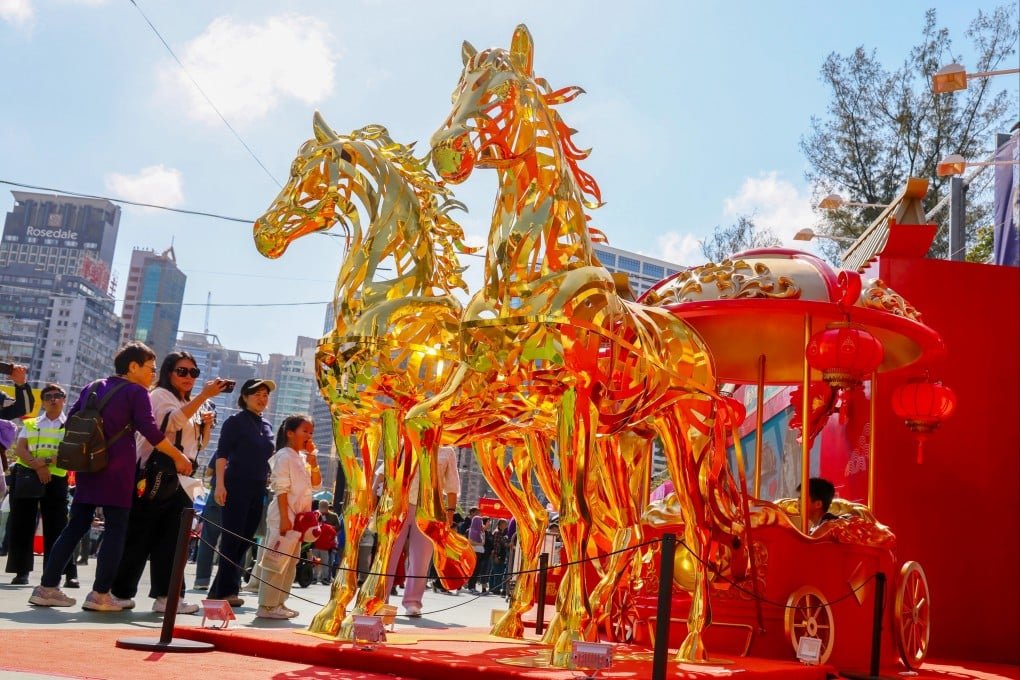
Retailers reported strong demand for festive goods, jewellery and luxury items, particularly traditional pure gold accessories and ornaments featuring horse motifs in celebration of the Year of the Horse.

Malls and sightseeing locations across the territory saw heavy footfall throughout the day, with visitors adding vibrancy to key commercial hubs.

Hong Kong’s Financial Secretary, Paul Chan, noted on social media that arrivals from the mainland could reach an estimated 1.43 million over the course of the holiday, representing a year-on-year increase in average daily visitor numbers.

A packed calendar of Lunar New Year events — including parade floats, fireworks, horse racing and football matches — is expected to draw additional global visitors and further support the city’s economic rebound.

Government data released ahead of the holiday showed that overall visitor numbers from January 1 to February 13 had already risen by nearly ten percent compared with the same period last year.

Arrivals from overseas markets climbed even more sharply, signaling renewed international interest in Hong Kong as a premier travel destination.

The strong turnout underscores Hong Kong’s central role as a vibrant tourism and retail hub in the region, particularly during major holiday seasons when travel demand traditionally peaks.

Industry observers say the influx is poised to benefit local businesses and hospitality sectors throughout the Golden Week holiday.
Italian fashion house strengthens its presence in Asia with a newly unveiled flagship blending architectural refinement and contemporary design in central Hong Kong.
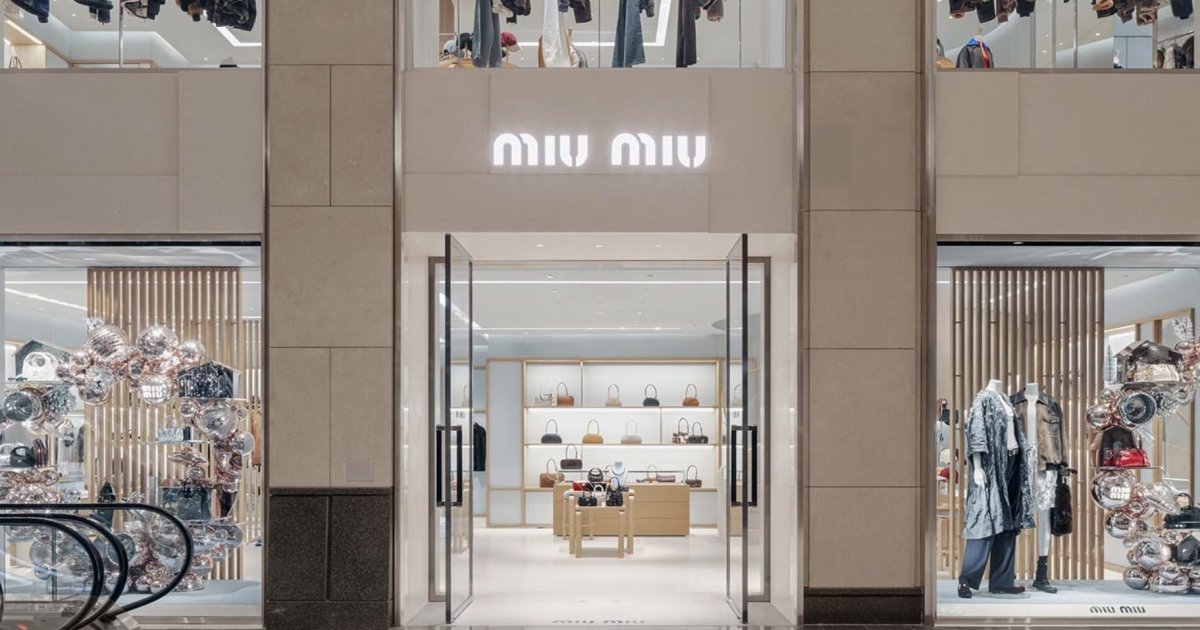
Miu Miu has unveiled a new two-floor flagship store in Hong Kong, reinforcing the Italian fashion house’s strategic commitment to the city as a leading luxury retail destination in Asia.

Located in one of Hong Kong’s most prominent shopping districts, the newly opened boutique reflects the brand’s evolving global retail concept, combining architectural sophistication with immersive design.

The expansive store showcases the full spectrum of Miu Miu’s collections, including ready-to-wear, handbags, footwear, small leather goods and accessories.

The interior design blends refined materials with modern aesthetics, featuring polished metal accents, textured walls and curated display spaces intended to create an intimate yet dynamic shopping environment.

The layout separates product categories across two floors while maintaining visual continuity through open sightlines and sculptural installations.

Large storefront windows and carefully considered lighting aim to enhance the sense of space and transparency, drawing passers-by into a setting that balances minimalism with distinctive brand identity.

Seating areas and private fitting rooms have been integrated to elevate the customer experience, offering a personalised and comfortable environment aligned with the expectations of high-end clientele.

The opening comes as Hong Kong’s luxury retail sector continues to regain momentum, supported by returning international visitors and resilient domestic demand.

For global fashion houses, the city remains a critical gateway to mainland China and the broader Asia-Pacific market.

By investing in a flagship presence, Miu Miu signals confidence in Hong Kong’s enduring role as a centre for fashion, commerce and cultural exchange.

Industry analysts note that flagship expansions in prime retail districts often serve not only as commercial outlets but also as brand statements, designed to strengthen visibility and long-term positioning in competitive markets.

The new Hong Kong store is expected to host exclusive product launches and curated in-store events, further deepening engagement with local and regional customers.
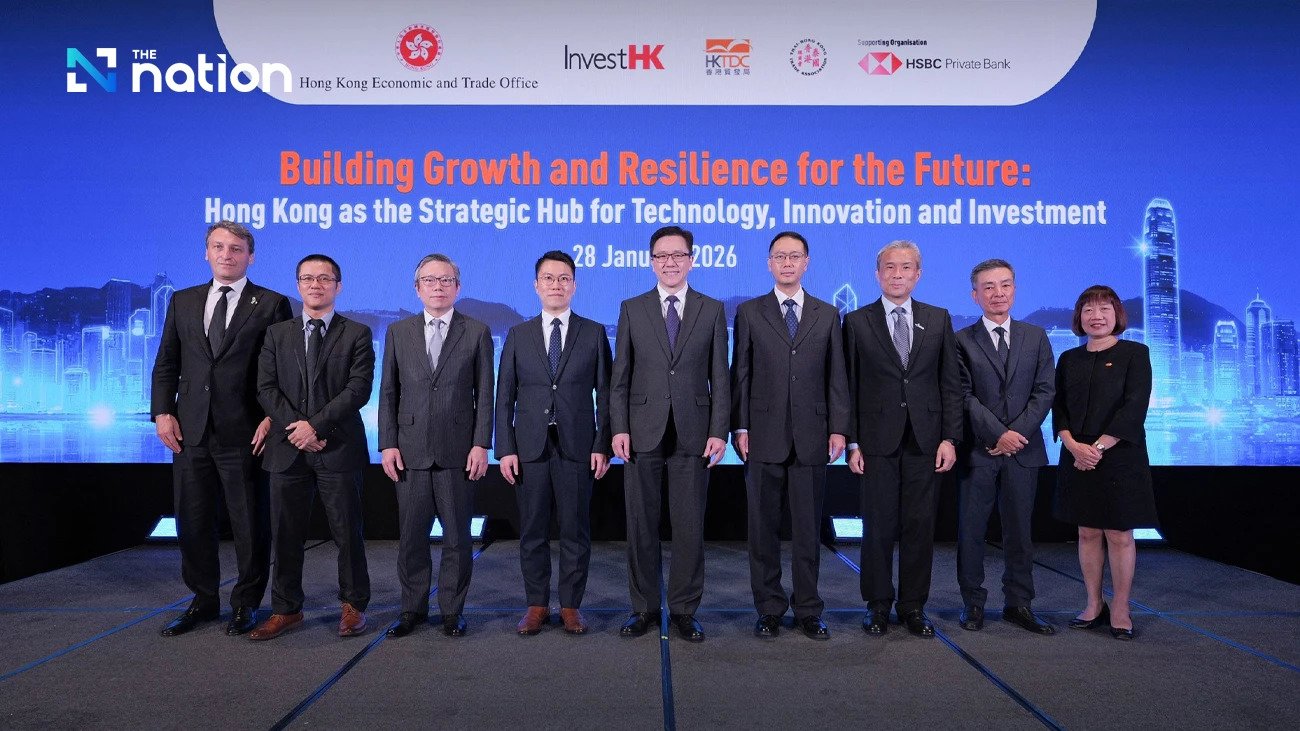
Leaders and institutions from Hong Kong and Thailand intensify cooperation in innovation, research, and business to strengthen bilateral technology ties and economic integration.
Hong Kong and Thailand are advancing efforts to deepen technological and innovation cooperation as part of a broader strategy to strengthen economic and industrial links between the two dynamic Asian economies.

Officials and business leaders from both sides have engaged in a series of high-level dialogues, networking events and institutional collaborations that spotlight research and development, start-up exchange, and innovation platform building.

Delegations from Hong Kong’s Innovation, Technology and Industry Bureau and its Economic and Trade Office in Bangkok have joined with Thai counterparts and industry partners for seminars and joint discussions aimed at expanding opportunities in innovation, technology transfer, and talent development.

These engagements, supported by bodies such as the Hong Kong Trade Development Council, Invest Hong Kong and the Thai-Hong Kong Trade Association, emphasise joint initiatives across research, start-up ecosystems and industry collaboration, with the goal of fostering bilateral growth in digital, advanced manufacturing, and green technologies.

In addition, institutional links have been strengthened through academic cooperation between Hong Kong innovation hubs and Thai research institutions, featuring startup presentations and potential partnership frameworks that offer Thai entrepreneurs access to global markets and Hong Kong’s innovation ecosystem.

The deepening ties reflect a shared vision of elevating trade, investment, and innovation ties, leveraging Hong Kong’s role as a global tech and business hub and Thailand’s rapidly growing digital economy.

By promoting the cross-border flow of talent, technology and capital, both sides are working to create a collaborative environment that supports sustainable growth and positions the Hong Kong-Thailand partnership as a key driver of broader regional development.
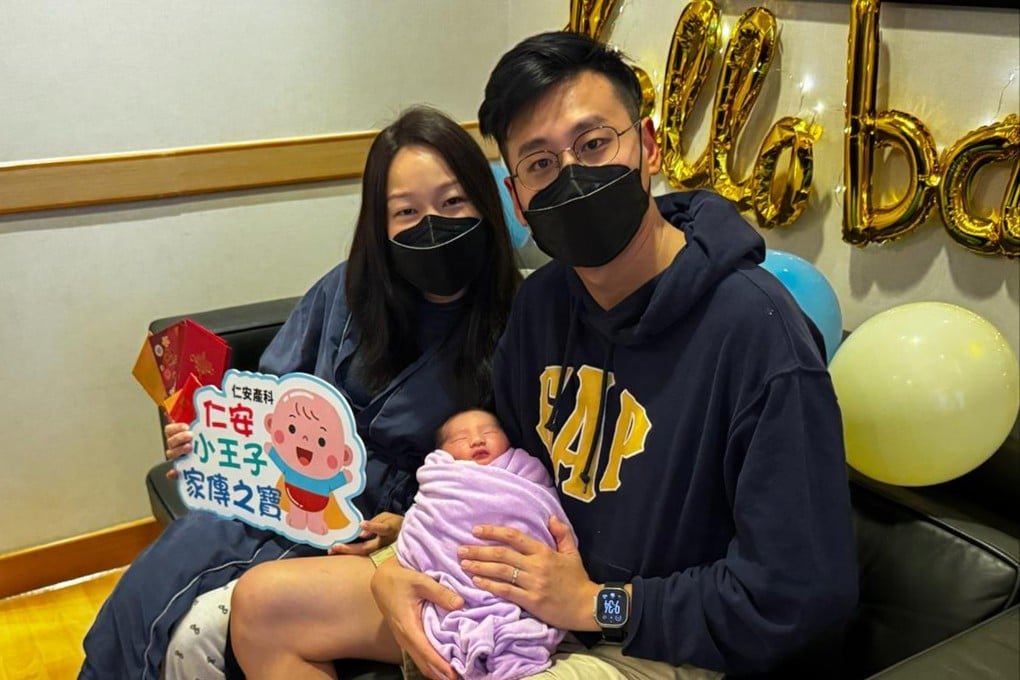
At least four newborns usher in the Year of the Horse in Hong Kong, including a local couple’s fifth child among the first arrivals.
As Hong Kong marked the beginning of the Lunar New Year and the Year of the Horse, hospitals across the city reported the birth of at least four babies in the early hours of Tuesday, with families celebrating new beginnings and the promise of the year ahead.

Four infants were delivered at the stroke of midnight and shortly thereafter at major maternity wards, highlighting personal milestones that coincided with a significant cultural moment.

Among the first newborns was a baby boy at Union Hospital in Tai Wai, who weighed 2.94 kilograms and is the fifth child for his local parents, symbolising both familial joy and continuity as the community embraces the energetic attributes associated with the Horse zodiac.

Another girl and boy were also born at Union Hospital, while a third baby boy arrived at Kwong Wah Hospital in Yau Ma Tei and a girl was welcomed at St Teresa’s Hospital in Kowloon City, reflecting the city’s bustling start to the year.

Parents of the new arrivals expressed happiness and gratitude, noting the symbolic significance of their children’s births on the first day of the Lunar New Year, a time traditionally associated with renewal, prosperity, and auspicious beginnings.

The diversity of the newborns, including one with a father holding a talent visa from mainland China, underscores the multicultural fabric of Hong Kong’s population during this festive season.

As the city continues its broader Year of the Horse celebrations with parades, fireworks and cultural events, the arrival of these first babies adds a deeply personal and community-oriented dimension to the unfolding holiday spirit.
Authorities in Virginia charge a naval reservist with first-degree murder and concealment after a woman’s body was discovered in a freezer, and pursue him abroad with federal and international partners.
A widespread international search is underway for a United States Navy reservist charged with homicide after his wife’s body was discovered frozen inside their Norfolk, Virginia apartment, and investigators believe he has fled to Hong Kong.

Police say officers executing a February fifth search warrant found the remains of thirty-nine-year-old Lina M. Guerra Echavarria in the freezer of the couple’s home after she was reported missing on February second following two weeks without contact with family in Colombia.

An autopsy subsequently ruled her death a homicide, and Norfolk police charged thirty-eight-year-old David Varela with first-degree murder, concealing a dead body and with fleeing the jurisdiction to evade arrest and prosecution.

Law enforcement officials allege Varela, described in charging documents as an active-duty Navy reservist who stopped answering calls from his superior officer, boarded a flight to Hong Kong despite having no known ties there, prompting authorities to seek assistance from federal agencies and Interpol to locate him.

Prosecutors say Varela misled Echavarria’s family by falsely claiming she had been jailed for shoplifting and even sending a staged photograph purporting to show her in an orange jumpsuit, a claim investigators found to have no basis.

Relatives have described Echavarria as a devoted pet owner and a warm, kind person, and police continue to urge anyone with information to come forward.

Norfolk Commonwealth’s Attorney Ramin Fatehi said his office is coordinating extradition efforts with international partners to return Varela to the United States to face charges.

Federal agencies including the Federal Bureau of Investigation, Homeland Security Investigations and the Naval Criminal Investigative Service are assisting in the manhunt, and authorities emphasize that domestic violence and intimate-partner homicides remain serious and complex crimes requiring extensive interagency collaboration.

The search remains active as officials work to confirm Varela’s location and secure his apprehension so he may be brought to justice.
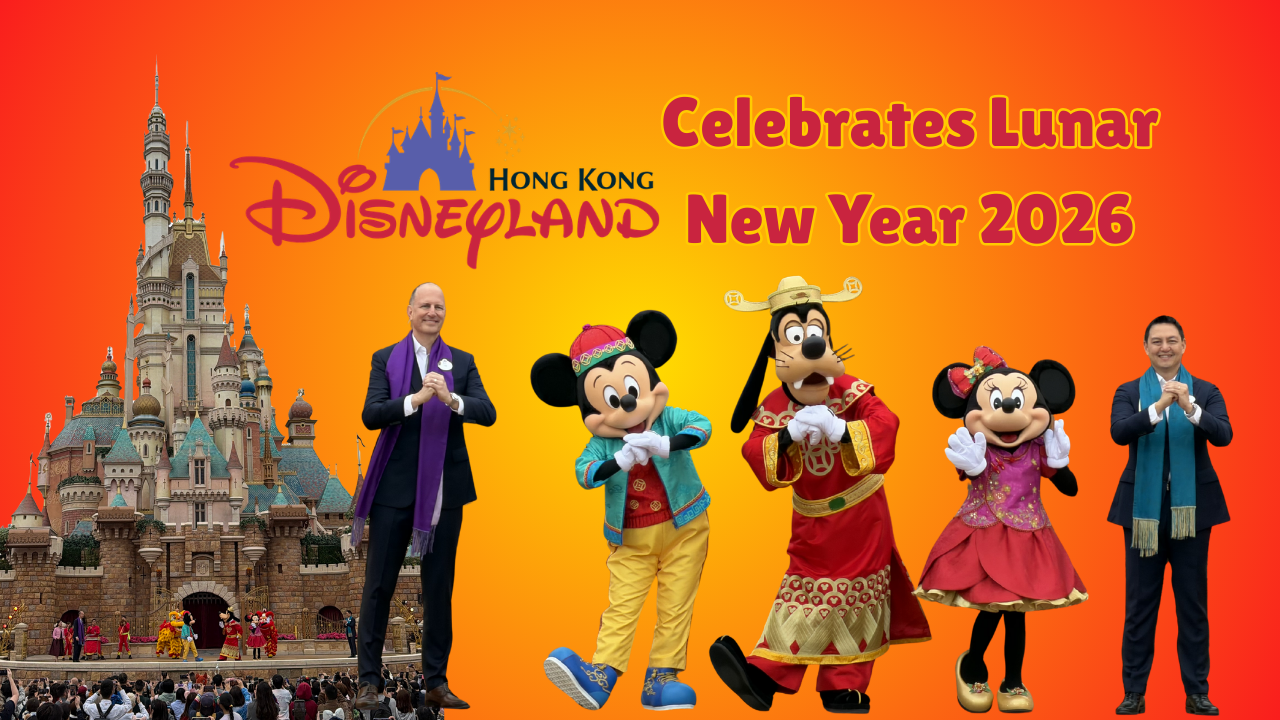
The celebrated theme park blends cherished Lunar New Year traditions with vibrant Disney magic and exclusive experiences as part of its 20th anniversary festivities.
Hong Kong Disneyland Resort has officially opened its “Magical Year After Year” Lunar New Year celebration, marking the arrival of the Year of the Horse with vibrant décor, traditional festivities and a host of enchanting experiences alongside the park’s ongoing 20th anniversary celebrations.

The seasonal programme runs from January thirtieth through March first, bringing together traditional Chinese New Year elements with beloved Disney characters and specially themed offerings across the resort.

The park is adorned with festive imagery, including bright Mickey-shaped lanterns and installations celebrating the horse, a symbol of strength and good fortune in Chinese astrology.

Guests entering the park from the first day of the new year receive a complimentary Disney-themed lai see, the traditional red envelope containing a chocolate gold coin and exclusive dining and shopping privileges while supplies last.

Throughout the celebration period, visitors can meet Disney characters dressed in festive outfits in multiple locations, with Mickey and Friends greeting guests on Main Street, U.S.A. and Bullseye making his Lunar New Year debut at Toy Story Land.

Duffy and Friends also appear in seasonal attire at Duffy & Friends Play House, and Goofy takes on the role of God of Fortune sharing warm blessings with guests.

A wide range of exclusive Year of the Horse-themed merchandise and collectibles are available, from limited souvenirs to curated “Disney Chinese New Year Lucky Magic Bags” filled with exclusive items and collectibles.

The celebration also includes seasonal culinary offerings at several park and hotel dining venues and traditional entertainment such as lion dance performances at the resort’s hotels, enhancing the festive atmosphere for families and visitors of all ages.

To encourage community engagement, Hong Kong Disneyland has introduced the “Happier Together” Advance Purchase Ticket Deal offering Hong Kong residents discounted tickets when purchasing in pairs or groups.

Across the resort, Lunar New Year programming is designed to blend cultural tradition with Disney’s signature enchantment, creating an immersive and joyful celebration for local residents and international visitors alike.
Budget cuts and shifting public trends contribute to the challenge.
Halal foods, large mosques, public prayers, and call to prayer are all banned.

Halal - BANNED.

Large Mosques - BANNED.

Call to prayer - BANNED.

Praying in the street - BANNED.

They've basically said Islam is not welcome in Japan. 

Their decision makers aren’t bribed by Qatar.


The 35-year-old faces charges for damaging check-in kiosks and possessing Viagra without a prescription.
British man has a meltdown at the Hong Kong airport and starts smashing check-in kiosks, gets arrested for having four Viagra pills. 
 
The man was identified as a 35-year-old British tourist.  
   
Because he didn't have a prescription for Viagra, the man is facing up to two years in jail and a $12,800 fine.

"Airport Authority staff and airport security personnel rushed to the scene and warned the man to stop causing further damage," a spokesperson said.

"Police have arrested the man and launched an investigation."

It's unclear what exactly set the man off.
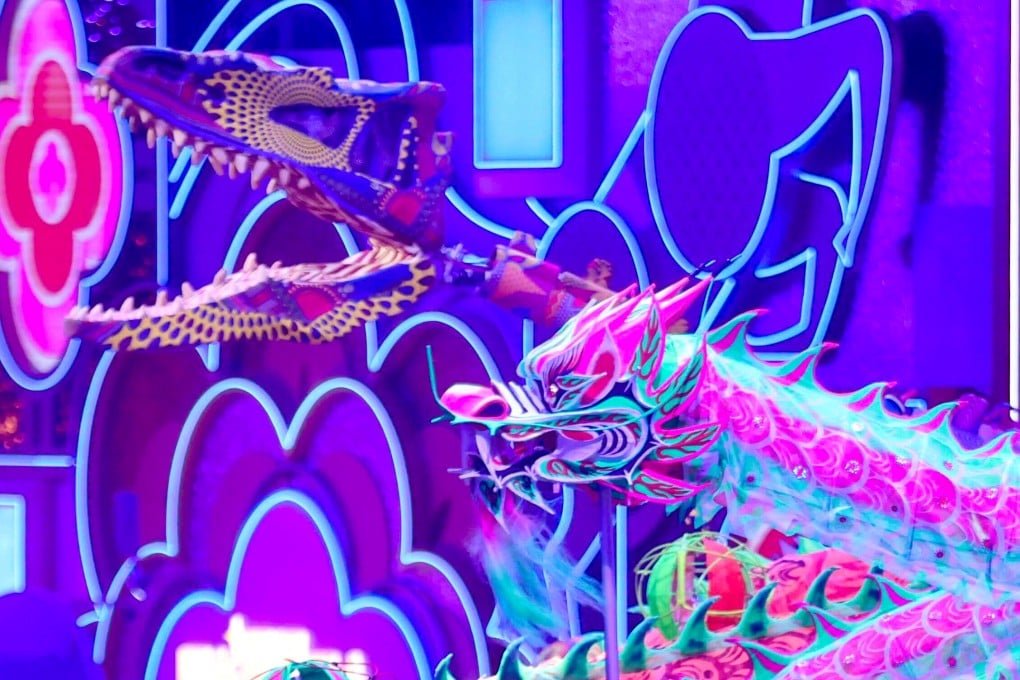
Massive crowds of residents and visitors line Tsim Sha Tsui to celebrate the Year of the Horse with vibrant floats and performances
Tens of thousands of spectators filled the streets of Hong Kong’s Tsim Sha Tsui district on Tuesday night as the city’s annual Lunar New Year night parade brought the Year of the Horse festivities to life in spectacular fashion.

Residents and international visitors alike staked out prime vantage points hours before the event’s 8 p.m. start, creating a vibrant atmosphere that showcased the city’s cultural vitality and communal spirit. 

The two-hour Cathay International Chinese New Year Night Parade, organised by the Hong Kong Tourism Board, featured a procession of illuminated floats and nearly sixty performance groups from Hong Kong and overseas.

The event’s theme, “Best Fortune.

World Party,” reflected both traditional Chinese motifs and global artistic influences as dancers, dragon-and-lion troupes, and musicians traversed the parade route from the Hong Kong Cultural Centre Piazza along Canton Road, Haiphong Road and Nathan Road before concluding outside the Sheraton Hong Kong Hotel and Towers.

In his opening remarks at the event, Chief Executive John Lee Ka-chiu expressed his delight at celebrating the first day of the Year of the Horse with crowds at Victoria Harbour and praised the city’s capacity to host large-scale cultural celebrations that attract visitors from around the world.

He highlighted Hong Kong’s diverse events calendar and role as a premier destination for global tourism and community festivities. turn0search0
Many attendees arrived well ahead of the parade’s start to secure viewing positions, contributing to a dynamic street party atmosphere as families, friends and travellers shared in the spectacle.

The procession underscored the deep cultural importance of Lunar New Year in Hong Kong, drawing both local pride and international interest in one of Asia’s signature holiday celebrations.

The night parade is part of a broader array of seasonal events in Hong Kong, including traditional lion dances, street fairs, and planned fireworks displays over Victoria Harbour this week, which together reinforce the city’s reputation for hosting some of the region’s most engaging and colourful holiday festivities. 
Sovereign, supranational and agency issuers boost focus on Hong Kong dollar MTNs amid quieter financial and corporate activity
Last week’s private placement market saw sovereign, supranational and agency (SSA) issuers dominate issuance activity, keeping Hong Kong dollar-denominated medium-term notes in the spotlight as financial institutions and corporates largely refrained from tapping private market funding.

SSAs continued to lead flows in the medium-term note (MTN) market, sustaining robust demand for long-dated Hong Kong dollar debt despite a broader lull in corporate and bank issuance.

Issuers active in the SSA space supported investor interest with offerings that underscored the Hong Kong dollar’s role in diversified funding strategies.

The predominance of SSA activity contrasted with muted participation from financial and corporate sectors, which remained focused on public market funding channels and showed limited engagement in private placements.

Market participants noted that the sustained presence of SSAs in Hong Kong dollar MTNs has helped keep the currency’s profile elevated among global fixed-income investors.

While exact issuance sizes and individual deal details were not broadly disclosed, the trend reflects a strategic preference among supranational and agency borrowers for tapping Hong Kong dollar liquidity through the MTN platform.

The focus on Hong Kong dollar private placements arrives against a backdrop of multi-currency issuance programmes such as those operated by regional entities, which emphasise the city’s capacity to offer diversified funding in major currencies including Hong Kong dollars and United States dollars.

This environment continues to support the Hong Kong dollar’s relevance for both issuers and investors seeking flexible medium-term financing options.

Despite subdued activity from corporate and bank issuers, the strong presence of SSAs reinforced overall market depth in local-currency private placements, highlighting the continued attractiveness of Hong Kong dollar MTNs within the Asia-Pacific debt landscape.
A 35-year-old visitor was detained following a violent outburst at Hong Kong International Airport that damaged self-service machines and other fixtures
A British tourist was arrested at Hong Kong International Airport on Monday morning after going on a destructive rampage that saw him knock over and smash numerous self-service check-in kiosks, prompting a swift police response and an ongoing investigation.

The incident unfolded at around 6 a.m. local time in Terminal 1, where the 35-year-old man was filmed toppling roughly ten check-in machines and then repeatedly striking one of them with a metal pole as bystanders looked on.

Reports indicate he also damaged railings, counters and other equipment in the departure hall as airport staff and security personnel moved quickly to warn him to stop.

Airport security and Hong Kong police intervened, restraining and arresting the man on suspicion of criminal damage.

During the arrest, officers found four pills of Viagra in his backpack, a drug that is illegal to possess in Hong Kong without a prescription, adding a potential additional offence to the case.

The man, who entered Hong Kong in November on a six-month visa, has not been publicly named and his motive for the outburst remains unclear as authorities continue their inquiries.

Airport operations were not significantly disrupted, with alternative check-in services available and staff deployed to assist passengers.

Local authorities are examining the circumstances of the incident, including any underlying causes of the behaviour, while reaffirming the importance of maintaining safety and security in one of Asia’s busiest transport hubs.
Board of Investment approves advanced hard-drive development initiative, reinforcing Thailand’s leadership in next-generation data storage manufacturing
Thailand’s Board of Investment has approved a major new project by Western Digital to develop Heat-Assisted Magnetic Recording, or HAMR, hard disk drives in the country, marking a significant step forward in Thailand’s ambition to anchor next-generation data storage manufacturing in Southeast Asia.

The approved investment will support the development and production of advanced HAMR technology, widely regarded as the future of high-capacity data storage.

HAMR drives use laser-assisted heating to enable significantly greater data density than conventional hard disk drives, allowing storage providers to meet rapidly growing global demand driven by artificial intelligence, cloud computing and large-scale data centres.

Thailand’s Board of Investment stated that the project aligns with the government’s strategic focus on high-technology industries and value-added manufacturing.

The initiative is expected to strengthen Thailand’s position as one of the world’s leading hard disk drive production hubs, while also promoting research, skilled employment and deeper integration into global technology supply chains.

Western Digital has maintained a long manufacturing presence in Thailand, and the new HAMR project represents a shift toward higher-end engineering and advanced process capabilities.

Industry observers note that the move reflects confidence in Thailand’s industrial infrastructure, workforce expertise and supportive investment climate.

The approval comes as Thailand intensifies efforts to attract cutting-edge semiconductor and data-storage investments, positioning itself as a stable and competitive base for advanced electronics production.

Officials have underscored that technology-intensive projects such as HAMR development will enhance domestic innovation capacity and create long-term economic value.

With global data volumes projected to rise sharply over the coming decade, HAMR-based drives are expected to play a central role in next-generation storage solutions.

The Board of Investment’s decision signals Thailand’s determination to remain at the forefront of this technological transition and to deepen its role in the evolving digital economy.
China’s Wuxi Lead Intelligent Equipment secures over six hundred million dollars in Hong Kong share sale, yet its stock shows restrained movement on first day amid dual-listing dynamics
Wuxi Lead Intelligent Equipment, a Chinese industrial automation and battery equipment manufacturer, raised substantial capital in its Hong Kong offering this week, yet saw a subdued market reception on its first day of trading.

The company sold approximately one hundred seven million H-shares at a price of HK$45.80 each, securing roughly HK$4.9 billion, equivalent to about six hundred twenty-seven million US dollars, in gross proceeds.

Despite the strong fundraising outcome — with the retail tranche roughly eighty times oversubscribed and the international segment more than ten times covered — Wuxi Lead’s stock exhibited limited volatility, opening only marginally above its issue price and ending the session near where it began.

The shares opened at HK$46.26 and reached an intraday high of around HK$46.38 before settling close to the offer level.

Founded in 2002, Wuxi Lead specialises in advanced machinery and production systems for electric vehicle battery cells, energy storage systems and solar panel components.

The firm’s dual-listing structure, with existing equity listed on mainland China’s Shenzhen exchange, was cited by analysts as a factor contributing to the measured debut in Hong Kong, as prices in the city’s market tend to track performance of the mainland A-shares.

On the same day, Wuxi Lead’s A-shares in Shenzhen traded lower, reinforcing the link between the two markets.

Proceeds from the Hong Kong share sale are earmarked for expanding global research and development, strengthening sales and service networks, diversifying the product portfolio and bolstering working capital.

Cornerstone investors in the offering included several institutional funds, reflecting broad institutional support for the company’s growth strategy.

The Hong Kong listing adds to a broader rebound in the city’s equity capital markets, which have recorded significant fundraising volumes since the start of the year.

Wuxi Lead’s performance illustrates both investor appetite for high-tech manufacturing names and the moderating influence of cross-market price dynamics on newly listed stocks in Hong Kong’s vibrant capital markets.
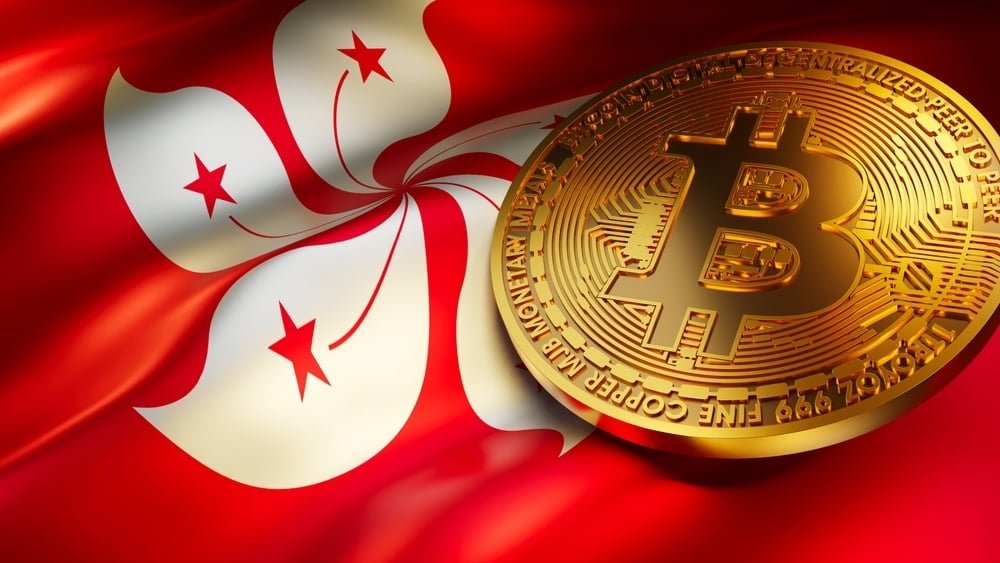
Amid shifting regulatory signals from Beijing and strict requirements under Hong Kong’s new regime, many Chinese banks and companies defer or withdraw from the stablecoin license race
Hong Kong’s newly implemented regulatory framework for stablecoin issuance has opened a window for the city to consolidate its position as a leading centre for regulated digital finance.

The Stablecoin Ordinance, which took effect on August first, establishes a comprehensive licensing regime requiring robust capital, full asset backing and stringent compliance obligations for any entity seeking to issue or promote fiat-linked stablecoins in the territory.

The ordinance and accompanying guidelines from the Hong Kong Monetary Authority have drawn expressions of interest from dozens of local and international firms, with nearly eighty institutions signalling their intent to pursue licences under the new regime.

However, the landscape has shifted significantly for Chinese banks and other mainland-linked entities.

Several major Chinese state-owned banks and financial institutions that were once expected to participate in the licence race — including branches of large commercial banks and other corporate players — have reportedly paused or withdrawn their pursuit of Hong Kong stablecoin licences.

Sources indicate that policy signals from Beijing and a more cautious approach to digital asset ventures outside the mainland have influenced these decisions.

In some cases, articles reporting such strategic withdrawals were temporarily taken down on mainland platforms, underscoring the sensitivity of the issue.

Chinese technology groups that had earlier explored stablecoin ventures in Hong Kong have also stepped back.

Regulatory direction from mainland authorities, including advisories from the People’s Bank of China and the Cyberspace Administration of China, reportedly urged firms such as Ant Group and JD.com to suspend their stablecoin initiatives, reflecting a broader caution around privately managed digital currency projects.

These moves appear to echo a more conservative policy stance toward digital assets within mainland China, even as Hong Kong pursues regulated innovation.

The resulting dynamic has left a noticeable gap in participation from some of China’s largest banks and corporates in the early phase of Hong Kong’s stablecoin licensing ecosystem.

Observers say this pause may blunt some expectations of swift mainland institutional involvement but does not close the door on future engagement.

Beijing’s current caution could ease once regulatory and market conditions clarify, potentially enabling Chinese institutions to engage more fully with Hong Kong’s regulated stablecoin market.

With the regulatory transition period ongoing and the first licences yet to be granted, industry participants continue to monitor how the stringent regulatory framework, cross-border policy tensions and evolving risk appetites will shape the future role of Chinese financial players in the burgeoning stablecoin sector.
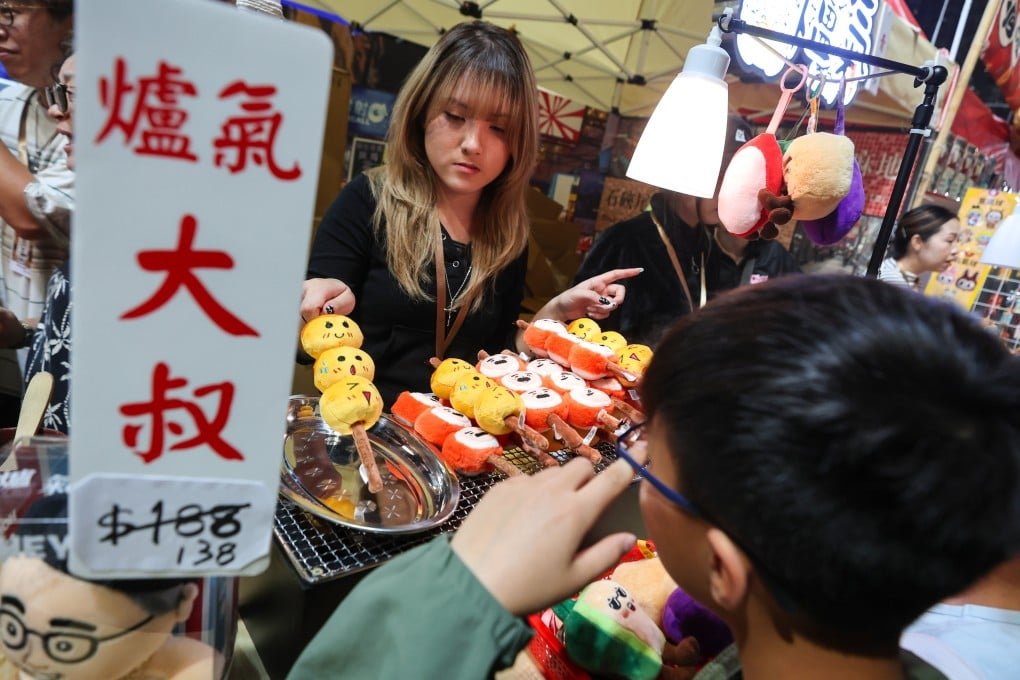
Nostalgic curry fishball-themed toys and merchandise draw crowds at Hong Kong’s Lunar New Year markets, celebrating beloved local street food culture.

In Hong Kong’s bustling Lunar New Year marketplaces this February, curry fishball-themed toys and collectables have emerged as one of the season’s standout attractions, delighting visitors with a playful nod to one of the city’s most iconic street snacks.

The curry fishball — a staple of Hong Kong street food culture since the 1950s, consisting of skewered fishballs bathed in spicy, aromatic curry — has long been a nostalgic symbol of local culinary heritage.

Vendors across several of the city’s popular Lunar New Year markets, including major flower and festive fairs that opened in early February, reported brisk demand for plush toys, figurines, and other merchandise inspired by the snack, as families and tourists sought unique seasonal gifts and souvenirs.

The surge in popularity reflects a broader trend of integrating beloved local culture into festive retail experiences, with curry fishball memorabilia offering both a playful reminder of Hong Kong’s street food identity and a way for patrons to bring a piece of that heritage home.

Market organisers have noted that the toys — often rendered in vibrant, playful designs harking back to classic street hawker imagery — have consistently sold out at many stalls by midday, especially on weekends and public holidays.

Many visitors said they were drawn to the curry fishball figures not just for their novelty, but for the emotional resonance they carry, evoking memories of childhood snack runs and outdoor fairs.

“Seeing these cute versions of curry fishballs makes me think of my school days,” said one shopper amid the celebratory crowds.

Others cited the toys as perfect Lunar New Year gifts that celebrate local culture in a fun, lighthearted way.

The popularity of these items was mirrored across a broad range of New Year market offerings, from traditional foods and floral displays to handcrafted artisanal goods and creative local designs.

The blend of cultural nostalgia with contemporary festive fun has helped deepen community engagement and increase foot traffic at the fairs, drawing both local residents and visitors eager to explore Hong Kong’s enduring traditions during the Spring Festival season.:contentReference[oaicite:3]{index=3}

Experts warn that the intense ‘double fire’ energy of 2026’s Fire Horse year may bring volatility unless balanced with grounding practices
As the Lunar New Year ushers in the Year of the Fire Horse on February seventeen, feng shui masters in Hong Kong are advising households and individuals to be mindful of the year’s potent fire energy, which they say could manifest as emotional intensity, impulsiveness and imbalance if not properly managed.

According to traditional Chinese metaphysics, the 2026 zodiac year — known as the Yang Fire Horse — combines the Horse’s dynamic nature with the Fire element’s vibrant force, creating what practitioners describe as an unusually strong energetic influence.

Feng shui masters such as Chow Hon Ming and his daughter Thierry Chow highlight that the Fire Horse year’s energy can catalyse rapid developments, passion and opportunity, but can also intensify drama, conflict and emotional heat if unchecked.

They recommend strategic adjustments in home environments to harmonise the strong fire qi, including placing calming elements and avoiding overwhelming fire-associated colours and layouts.

Specialists stress that the double fire configuration — with both the heavenly stem and earthly branch associated with fire — is rare and may amplify tendencies toward impatience and volatility in daily life.

To counterbalance this, practitioners suggest incorporating earth and wood elements, such as natural materials and greenery, which are believed to ground excessive fire energy and support steadiness.

Sources on feng shui for 2026 note that the Fire Horse year’s characteristic energy also intersects with broader astrological influences, making it important for individuals to be intentional about their environments and decision-making as momentum builds across sectors of life.

Successful navigation of the year’s currents, they assert, depends on mindful alignment of personal goals with the dynamic energies of the time.

Observers emphasise that while the Fire Horse year can fuel creative breakthroughs and bold action, excessive fire energy without grounding could bring emotional stress and rash decision-making, underscoring the value of balance and thoughtful feng shui practice as the year unfolds.
Mainland China, Hong Kong and Singapore exchanges remain closed for Lunar New Year public holidays, halting trading across key regional markets
Major financial markets in mainland China, Hong Kong and Singapore were closed on Tuesday, February seventeen as part of the extended Lunar New Year public holiday period observed across the region.

The closures reflect scheduled trading holidays under national and exchange-mandated calendars tied to the Spring Festival.

Mainland Chinese stock exchanges, including Shanghai and Shenzhen, are observing multiple days of market suspension for the Spring Festival, a period that typically sees broad economic activity pause as businesses and government offices close for family and cultural celebrations.

This year’s statutory holiday covers a series of consecutive days, with exchanges remaining offline throughout the week, including Tuesday’s session.

Hong Kong’s stock and derivatives markets were likewise shuttered in observance of Lunar New Year, with both securities and Stock Connect northbound and southbound trading suspended for the holiday period.

Markets in the city are set to begin operating again later in the week once the statutory closure ends.

The Singapore Exchange was also closed on Tuesday for the Chinese New Year holiday, consistent with its annual holiday schedule.

The closure aligns with broader regional market pauses that often result in lower liquidity and reduced trading volumes in related markets.

These coordinated closures across key Asia Pacific financial centres underscore the importance of the Lunar New Year holiday in the region’s economic and cultural calendar.

Investors and traders typically adjust strategies around these periods of reduced activity, with many global participants monitoring developments once markets resume normal operations.
Regulatory approval signals renewed momentum for the city’s digital asset ambitions after extended pause in licensing
Hong Kong’s financial regulator has approved its first new cryptocurrency trading platform license since June of last year, marking a significant development in the city’s evolving digital asset framework.

The Securities and Futures Commission confirmed that a virtual asset trading platform had met regulatory requirements under the territory’s licensing regime, becoming the first company to secure approval in roughly eight months.

The move follows a period of heightened scrutiny and stricter compliance reviews as authorities refined oversight standards for the sector.

Hong Kong introduced its updated licensing framework for virtual asset service providers as part of a broader strategy to position the city as a regulated hub for digital finance.

Under the regime, crypto exchanges seeking to operate legally must satisfy requirements covering custody of client assets, anti-money laundering controls, cybersecurity safeguards and investor protection measures.

The approval comes amid intensified global competition among financial centers to attract crypto businesses while balancing concerns over market volatility and consumer risk.

Officials in Hong Kong have repeatedly stated that the city aims to support innovation without compromising financial stability.

Industry participants say the new license could encourage additional applicants that have been awaiting clarity on regulatory expectations.

Market observers note that the pause in approvals since mid-last year reflected a deliberate effort by authorities to ensure that only platforms with robust compliance systems enter the market.

The regulator has not indicated whether further approvals are imminent, but the decision underscores Hong Kong’s continued commitment to building a supervised digital asset ecosystem rather than retreating from the sector.

The development is likely to be closely watched by both regional competitors and international crypto firms evaluating expansion plans in Asia.
Emails reveal financial support helped meet sponsorship requirements for government grants totaling nearly nine million Hong Kong dollars
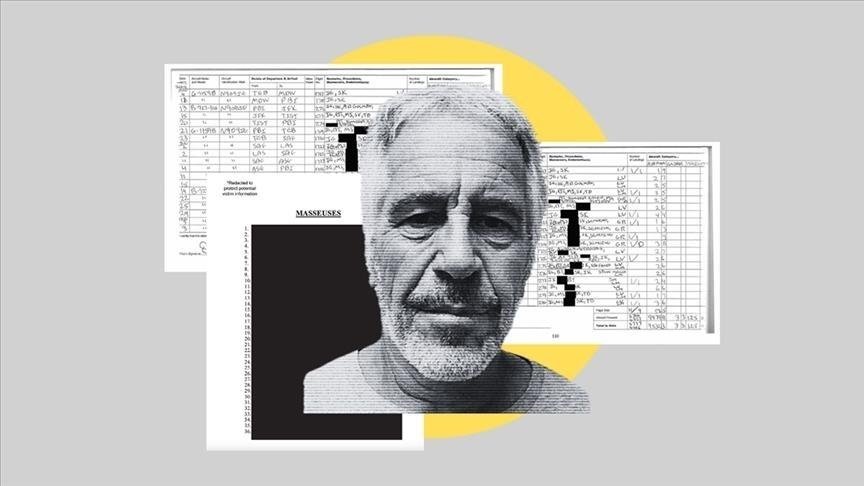
Jeffrey Epstein provided financial support to artificial intelligence researcher Ben Goertzel and helped him secure at least HK$8.9 million in grants from the Hong Kong government, according to newly examined correspondence and reporting published this week.

Emails released by the United States Department of Justice show that Epstein pledged at least $113,000 over five years to support Goertzel’s open-source artificial intelligence initiatives.

The funding enabled Goertzel’s company to satisfy eligibility requirements necessary to obtain public research backing in Hong Kong.

Goertzel, an American computer scientist known for advocating artificial general intelligence, worked in Hong Kong during the 2010s as chief scientist at Hanson Robotics, the firm behind the humanoid robot Sophia.

During that period, he was also involved in research collaborations at Hong Kong Polytechnic University.

He later returned to the United States while retaining permanent resident status in Hong Kong.

The association between Goertzel and Epstein reportedly dates back to 2001, when Epstein funded a research fellowship connected to Goertzel’s work.

Between 2010 and 2015, at least $113,000 was routed through the US-based nonprofit Humanity+ and transferred onward to Novamente, a company owned by Goertzel.

Novamente subsequently acted as the designated “industry sponsor” for projects applying to Hong Kong’s Innovation and Technology Fund.

Under the rules of that fund, applicants must secure at least ten percent of total project costs from industry sponsors to qualify for government support, with the remaining balance financed through public funds.

Three projects at Hong Kong Polytechnic University supported by Novamente received a combined HK$8.9 million between 2010 and 2016.

Correspondence cited in the report shows Goertzel repeatedly sought Epstein’s assistance to meet sponsorship thresholds.

In a 2011 message, Goertzel asked whether Epstein would contribute an additional $10,000, writing that he could not personally afford the amount at the time.

In 2015, amid renewed public scrutiny of Epstein’s criminal conduct, Goertzel requested a further $25,000.

An assistant initially indicated that funding would be suspended due to “the current environment,” but Epstein later authorized the transfer.

Communication between the two men continued until at least 2018, roughly a year before Epstein was arrested on federal sex trafficking charges.

He died in jail in 2019.

In remarks addressing the revelations, Goertzel expressed regret over the relationship.

He stated that he regretted knowing Epstein, accepting his money, or having any association with him.

He added that the difficulty of securing funding for research in artificial general intelligence at the time had influenced his decisions, noting that support for such work was extremely limited and that declining available funding was challenging when resources were scarce.
Sentencing of prominent pro-democracy media tycoon under national security law triggers global alarm over erosion of autonomy and press freedom
Hong Kong’s judiciary on February 9 imposed a 20-year prison sentence on Jimmy Lai Chee-ying, the 78-year-old founder of the pro-democracy newspaper Apple Daily, marking the harshest punishment yet handed down under the national security law imposed by Beijing.

The sentence follows Lai’s December conviction on multiple charges, including conspiracy to collude with foreign forces and conspiracy to publish seditious materials, concluding a legal saga that has spanned more than five years since his arrest in 2020. Lai’s conviction and punishment have become emblematic of the dramatic shift in Hong Kong’s political and legal landscape, with many observers viewing his fate as a stark indicator of how far freedoms once guaranteed under the city’s semi-autonomous status have receded.

Lai’s case has drawn widespread international attention and criticism, with foreign governments and rights organisations urging his release and condemning the sentence as disproportionate and punitive.

Critics contend that the application of national security legislation to his journalism and advocacy activities reflects a broader strategy to stifle dissent and consolidate control over Hong Kong’s civic space.

Supporters of Lai note that the severity of his sentence — the most severe in the history of cases brought under the security law — means he could spend the rest of his life in prison.

Family members and advocates have expressed deep concern for his health and well-being behind bars, framing the sentence as a personal tragedy and a symbolic inflection point in Hong Kong’s struggle for democratic expression.

Chinese and Hong Kong authorities have defended the conviction and sentence as lawful and necessary to safeguard national security, asserting that Lai’s activities threatened the territory’s stability and legal order.

Officials have characterised his actions, including meetings with overseas figures and calls for international sanctions, as collusion with foreign forces aimed at undermining national interests.

They maintain that the ruling demonstrates the firm application of legal norms to conduct that violates the national security framework enacted in 2020.

The broader implications of Lai’s sentencing extend beyond one individual, feeding into a narrative about the erosion of civil liberties, press freedom and judicial independence in Hong Kong.

Once hailed as an open Asian financial hub with a vibrant press, the city has seen a sharp contraction in civic space since the introduction of the national security law.

Lai’s fate is widely interpreted as a sign of how legal mechanisms are now central to reshaping the political order, and many analysts view the case as a symbolic end to the era of robust, independent media advocacy in the territory.

Advocacy groups and some foreign governments have reiterated calls for respect for fundamental freedoms, even as Chinese and Hong Kong authorities insist the measures taken are essential to maintaining stability and national unity under the current constitutional arrangement.
Property developer’s market exit and sudden departure of company secretary raise fresh questions over governance amid regional expansion push
Greater Bay Area Dynamic Growth Holding has announced plans to delist from the Hong Kong stock exchange alongside the resignation of its company secretary, developments that have unsettled investors even as the firm continues to promote its expansion strategy within southern China’s fast-growing Greater Bay Area.

In a filing to the exchange, the property and infrastructure investment group confirmed it would seek to withdraw its listing following prolonged trading weakness and limited liquidity in its shares.

The company cited strategic realignment and cost considerations as key factors behind the decision, stating that the compliance burden associated with maintaining a public listing had become disproportionate to the benefits.

On the same day, the firm disclosed that its company secretary had stepped down with immediate effect, without providing detailed reasons for the departure.

The board said it had begun the process of appointing a successor to ensure continuity in regulatory compliance and corporate governance functions.

No indication was given that the resignation was linked to the proposed delisting, though the close timing of the announcements has drawn scrutiny from market participants.

Greater Bay Area Dynamic Growth has positioned itself as a beneficiary of Beijing’s integration blueprint for the Greater Bay Area, a region encompassing Hong Kong, Macau and nine mainland cities in Guangdong province.

The initiative aims to deepen economic ties, boost cross-border infrastructure and foster innovation across one of China’s most economically vibrant corridors.

Company executives have repeatedly pointed to infrastructure upgrades and urban development projects as long-term drivers of growth.

Analysts say the delisting reflects broader pressures facing smaller Hong Kong-listed firms, particularly those with thin trading volumes and limited international investor coverage.

Over the past year, several mid-cap and small-cap issuers have reassessed the value of remaining listed amid market volatility and higher compliance standards.

While some companies have pursued privatization to restructure away from the public spotlight, others have sought alternative financing routes in mainland markets.

The board of Greater Bay Area Dynamic Growth emphasized that operations would continue uninterrupted and that the delisting would not affect existing contractual obligations or development projects.

It added that shareholders would receive further details regarding the timetable and procedures for the withdrawal.

The episode underscores the evolving landscape of Hong Kong’s capital markets at a time when the city is working to reinforce its position as a gateway for regional growth.

As the Greater Bay Area continues to attract policy support and investment flows, companies operating within the integration framework face both opportunity and heightened expectations around transparency and governance.
Unseasonably high heat expected on Lunar New Year’s Eve with record-breaking warmth amid mild seasonal weather patterns
Hong Kong is forecast to experience its warmest Lunar New Year’s Eve in recorded history, with temperatures expected to reach around 28 °C, meteorological authorities have said.

The forecast for Monday, which corresponds to the eve of the Year of the Horse, would surpass the previous high of 27.8 °C set in 1953, according to official climate records that date back to 1884, and reflects unusually mild conditions for this time of year.

Officials from the Hong Kong Observatory reported that the morning minimum temperature of 22 °C on the eve itself was already the highest on record for that date.

A generally warm day is expected with urban areas reaching near 28 °C and slightly higher readings possible in parts of the New Territories.

Light rain patches were also forecast during the night, though conditions were expected to remain humid and comparatively hot across the territory.

The warm spell forms part of a broader pattern of elevated temperatures in early 2026, following a period of mild conditions across southern China and Hong Kong that have seen above-seasonal heat in recent weeks.

The extended weather forecast suggests that a fresh northeast monsoon may arrive later in the festive period, bringing cooler mornings after the holiday, but the immediate outlook sees unseasonably high heat during the Lunar New Year celebrations.

Residents and visitors planning festivities, outdoor gatherings and the traditional night market celebrations are likely to encounter warm and humid conditions, a departure from the cooler temperatures more typical of this season.

The expected record warmth comes as the city prepares for expanded holiday travel and celebratory events, offering an unusually mild start to the Year of the Horse festivities.
Authorities prepare infrastructure and crowd management ahead of an estimated 11.4 million cross-border movements and a significant rise in mainland visitors during the festive holiday
Hong Kong is preparing for one of its busiest travel seasons of the year as the Lunar New Year holiday approaches, with authorities forecasting a substantial surge in arrivals, departures and internal travel that reflects the city’s post-pandemic recovery and regional festive demand.

Government agencies and industry bodies have projected roughly 11.38 million border crossings by residents and visitors over the ten-day holiday period, marking a marked increase from last year’s figures and underscoring the scale of the traditional travel rush.

The Immigration Department’s estimate includes both inbound and outbound trips through air, land and sea checkpoints, with land boundary control points such as Lo Wu, Lok Ma Chau Spur Line and Shenzhen Bay expected to handle the bulk of crossings at more than nine million movements.

Peak travel days are anticipated at the start of the holiday and on the day before it ends when passenger volumes could exceed six hundred thousand, prompting calls for travellers to plan ahead and stagger journeys where possible to reduce congestion.

Tourism stakeholders are also forecasting a strong influx of mainland Chinese visitors during the festive break, with industry estimates pointing to nearly 1.4 million mainland tourists arriving between February 15 and February 23, a year-on-year rise that reflects rising confidence in Hong Kong’s attractions and events calendar.

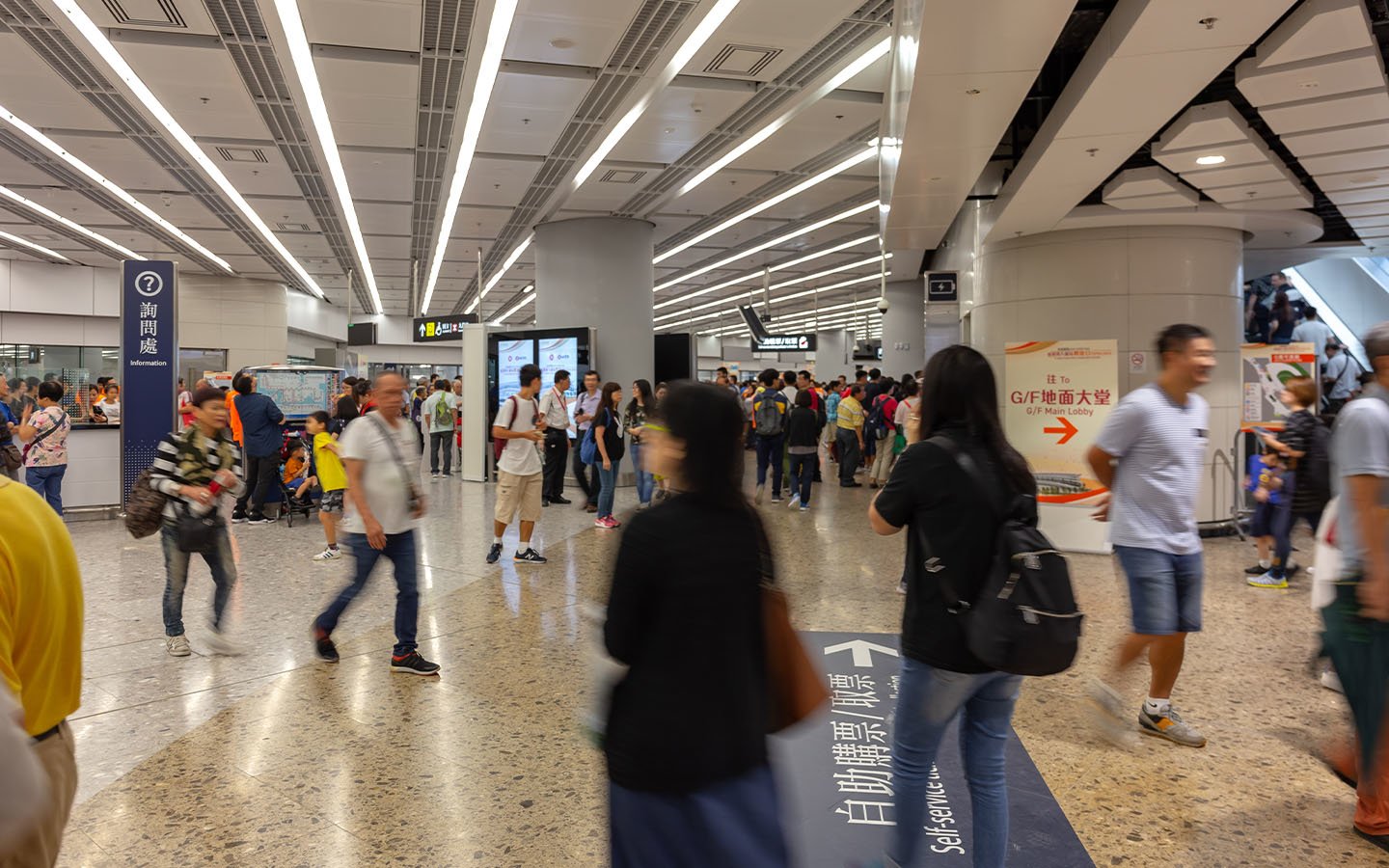
Hotels in key districts are reporting high occupancy rates, and transport services, including high-speed rail and cross-boundary shuttle channels, are nearing capacity as demand for travel peaks ahead of the holiday.

In response to the anticipated pressure on infrastructure, authorities have mobilised additional resources, including extra counters at key entry points and joint command centres to coordinate traffic and passenger flows in real time.

Public transport agencies and border management teams are working to ensure continuity of operations throughout the peak period, with extended hours and enhanced service frequency aimed at easing bottlenecks and facilitating smoother movement for both residents and visitors.

The seasonal surge in travel highlights both the enduring strength of regional connectivity and the importance of careful logistical planning in a city that serves as a pivotal hub for tourism and cross-boundary commerce.

The spirited celebrations and large crowds expected over the Lunar New Year period will test Hong Kong’s transport and hospitality networks while offering opportunities for businesses to capitalise on renewed travel enthusiasm, even as officials stress safety and efficiency in managing the influx.
Robust recovery in funds raised and surge in Chinese mainland issuers are creating a new hierarchy in Hong Kong’s initial public offering landscape
Hong Kong’s initial public offering market has experienced a marked rebound, driven by a strong influx of Chinese mainland and regional issuers as well as renewed investor interest in large-scale listings, signaling a reshaping of the city’s capital markets hierarchy.

After years of subdued activity, 2025 saw Hong Kong reclaim its position as a leading global venue for capital raising, with sustained momentum expected to carry into 2026 amid a deep pipeline of prospective offerings and supportive regulatory reforms.

Data from market analysts and exchanges show that funds raised through IPOs in Hong Kong have surged significantly, with total proceeds far outpacing those of the previous year, driven partly by heavyweight deals from China-linked companies and dual-listed issuers.

The value recovery reflects not only a rebound from previous lows but also increased investor confidence and the strategic appeal of Hong Kong’s market for firms seeking international capital.

Chinese mainland firms have been a central force behind this resurgence, contributing a substantial share of the new listings and helping elevate the city’s standing relative to other global exchanges.

This trend has been reinforced by streamlined regulatory processes and flexible listing rules that have shortened time frames for qualified applicants.

Some asset-management professionals and bankers say that the volume and quality of Chinese issuers, particularly in technology, consumer and industrial sectors, are reshaping the market’s structure and establishing a new pecking order where larger, China-oriented listings dominate fundraising activity.

At the same time, Hong Kong is attracting a growing number of South-East Asian companies that had previously targeted U.S. or other overseas exchanges.

Firms from Indonesia, Thailand and Vietnam are now viewing Hong Kong as a viable alternative for major listings amid strong valuations and deep investor pools.

Despite this international interest, some observers note that issuers lacking substantial ties to China or without clear strategic alignment with regional investor preferences may face challenges in securing robust valuations and liquidity.

Nevertheless, the overall rebound has been broad enough to fuel expectations that Hong Kong will maintain momentum as a primary gateway for initial public offerings in Asia.

With industry forecasts pointing to continued growth in IPO activity and significant numbers of companies queued for listing, market participants view the resurgence as a defining moment for the city’s capital markets in the evolving global financial landscape.
City brings forward detailed rules on licensing, stablecoins, custodians and leverage trading as it seeks global leadership in digital asset regulation
Hong Kong’s authorities are advancing a series of regulatory reforms designed to establish a comprehensive legal framework for cryptocurrency markets, underscoring the city’s ambition to be a leading global digital asset hub.

The Financial Services and the Treasury Bureau together with the Securities and Futures Commission have moved beyond consultation phases toward formal legislation that will govern participants across the sector, from trading platforms and dealers to custodians and advisory services.

This approach aims to combine investor protection, market integrity and innovation in an increasingly competitive Asian financial landscape.

In recent weeks regulators have outlined plans to introduce mandatory licensing regimes for virtual asset dealers, custodians and other service providers by 2026, bringing these entities under supervisory standards similar to those applied to traditional securities firms.

These regimes are expected to be introduced to the Legislative Council during the year and will require firms to meet stringent requirements on private key management, asset segregation and operational risk controls, enhancing transparency and client protections across the digital asset value chain.

In addition to broadening licensing requirements, Hong Kong’s Securities and Futures Commission has also greenlit frameworks for crypto margin financing and perpetual contract trading for professional investors under its “Access, Safeguards, Products, Infrastructure and Relationships” roadmap, a strategic initiative aimed at deepening liquidity and strengthening price discovery in supervised markets.

Stablecoin regulation is also progressing, with stablecoin issuer licences being processed by the Hong Kong Monetary Authority as part of rules that took effect this year and set standards for anti-money laundering, redemption policies and risk management in the issuance of fiat-pegged digital tokens.

These efforts build on Hong Kong’s Policy Statement 2.0 and other strategic initiatives to create an internationally aligned regime that balances innovation with robust oversight, addressing regulatory gaps such as over-the-counter trading and custody services that have historically operated outside comprehensive supervision.

By setting clear regulatory expectations and expanding the scope of oversight, authorities intend to attract institutional and retail participation while bolstering confidence in the legal certainty of digital asset operations.

As the city transitions from piecemeal rules to a cohesive regulatory structure, market participants and international investors are increasingly viewing Hong Kong as a competitive destination for regulated crypto activity, poised to rival other major financial centres in the Asia-Pacific region.
Benchmark index edges lower as investors trim risk and await market closures during the seasonal break
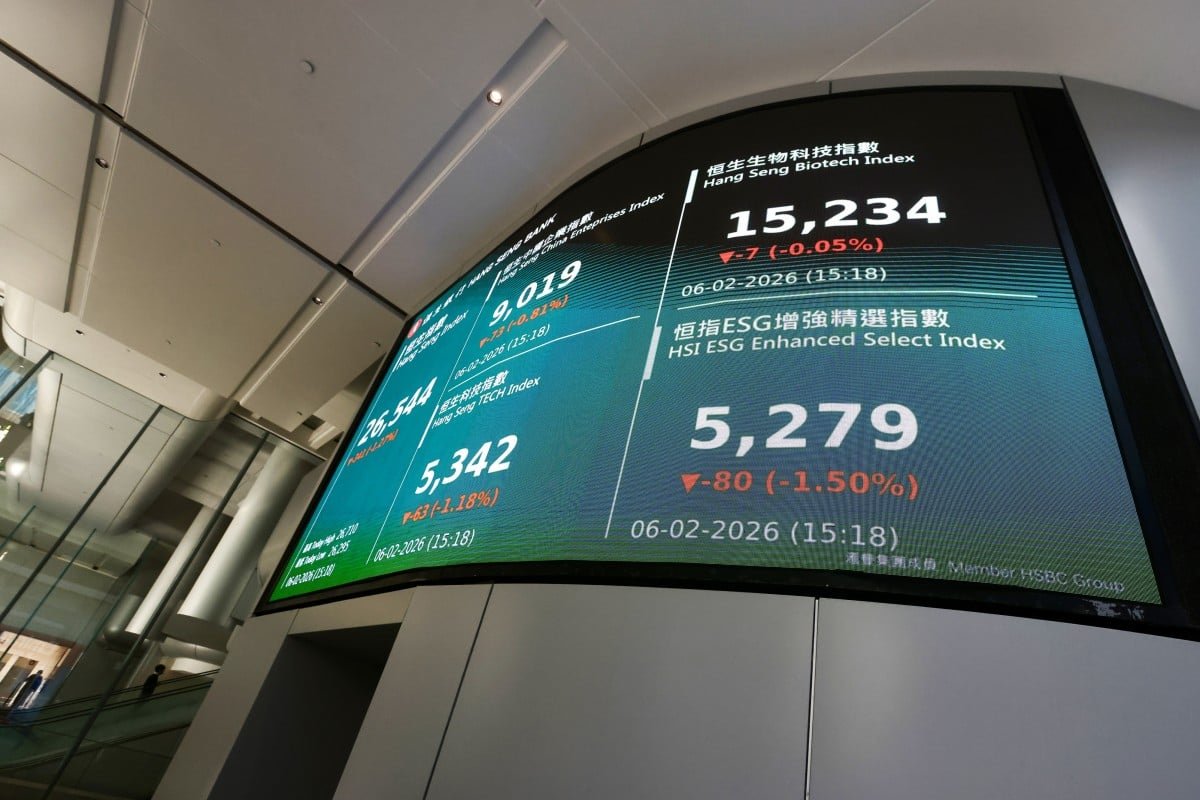
Hong Kong’s equity market softened in the days leading up to the Lunar New Year holiday, with the Hang Seng Index losing ground amid a backdrop of lighter trading and investor caution before extended market closures.

The benchmark index declined towards the mid-twenty-six-thousand area, reflecting subdued sentiment and profit-taking as traders adjusted positions before the holiday period.

Investor focus remained divided between domestic developments and external pressures, including regulatory attention on Chinese technology firms that weighed on major technology shares.

Trading activity thinned as market participants anticipated the shortened schedule and the onset of public holidays, leading to narrower price movements across key sectors and benchmarks.

Stocks with heavy weighting in the Hang Seng, particularly technology and internet-related companies, experienced notable downward pressure, while certain property and financial names displayed relative resilience on selective buying interest.

Despite these localized divergences, the broader trend among investors was one of caution, consistent with patterns seen in recent holiday seasons when liquidity typically contracts and volatility increases.

With the Hong Kong market set to close for an extended Lunar New Year break, market watchers highlighted that definitive direction may remain muted until full trading resumes.

Broader regional markets have likewise exhibited mixed performance, underscoring uncertainty about near-term catalysts and macroeconomic signals that could influence trading once holiday volumes return to normal.
Asian equity trading shows modest movement with benchmark index fluctuation as investors weigh economic data, holiday flows and external market trends
Hong Kong’s stock market exhibited a cautious tone this week as investors balanced subdued trading ahead of the Lunar New Year holiday with mixed signals from global markets.

The benchmark Hang Seng Index has seen modest fluctuations, reflecting investors’ cautious positioning as the city’s market enters a period of light turnover and near-term calendar effects.

Recent sessions have shown both downward pressure and modest gains as market participants await direction from broader economic indicators.

Trading volumes were relatively thin as many regional markets prepared for holiday closures, with investors adjusting positions in anticipation of shortened trading schedules.

This dynamic, combined with uneven performance among major sectors such as technology, finance and property, contributed to range-bound trading and a sense of indecision across the market.

Equity movements were also influenced by global market conditions, as major U.S. and European indices displayed mixed returns in recent sessions, creating uncertain spill-over effects for Hong Kong equities.

While select stocks within the Hang Seng universe showed pockets of resilience, broad sentiment remained restrained as traders weighed corporate earnings prospects with macroeconomic signals from China and abroad.

With the Lunar New Year holiday imminent and mainland markets adjusting their trading calendars, investors are bracing for potential shifts when full liquidity returns.

Market observers note that near-term direction may hinge on fresh economic data releases and any shifts in policy outlook from major central banks.

As a result, the bourse could remain in a neutral trading range until clearer catalysts emerge to drive sustained momentum.
The video-sharing platform ceases operations in the city following implementation of sweeping security legislation that expands state authority over online content and data
TikTok has officially ceased operations in Hong Kong after removing its app from local mobile platforms and blocking access for users in the city, marking a significant retreat by one of the world’s leading social media services in response to a broad new national security law imposed by Beijing.

The departure follows the entry into force of legislation that grants Hong Kong authorities far-reaching powers to regulate online speech and compel cooperation from technology companies on matters deemed a threat to national security, a shift that has transformed the regulatory environment for digital platforms in the semi-autonomous city.

The company confirmed that the decision to exit Hong Kong was taken “in light of recent events,” as the new law raises legal and operational uncertainties about how foreign technology services might be required to handle user data and comply with government takedown and surveillance demands.

TikTok’s removal from both the Android and iOS app stores in the city means new users cannot install the platform, and existing users may find access restricted based on their Hong Kong-registered SIM card or internet protocol address.

TikTok’s withdrawal stands in contrast with other major technology firms, which have opted to continue offering services in Hong Kong while suspending processing of government requests for user content and data pending review of the new legal framework.

The app’s parent company, ByteDance, operates a separate version of the service for mainland China known as Douyin, which remains accessible in the region and adheres to China’s stricter content controls.

Observers view TikTok’s exit as both a response to heightened regulatory pressure and a strategic recalibration that avoids prolonged legal exposure under the national security law’s provisions.

The move underscores growing tensions between digital platforms’ commitment to data protection and freedom of expression and emerging demands from state authorities for heightened oversight and control of online spaces.

As the broader implications of the security law continue to unfold, the dynamics of technology governance, civil liberties and commercial strategy in Hong Kong’s digital sphere are set to remain in flux.
Beijing extends short-term visa exemption to British and Canadian passport holders as part of broader push to revive tourism and business ties
China has confirmed that nationals of the United Kingdom and Canada will be permitted to enter the country without a visa for short-term visits, marking a significant easing of travel requirements as Beijing seeks to deepen international engagement and stimulate inbound tourism.

Under the new arrangement, holders of ordinary UK and Canadian passports will be able to travel to China visa-free for limited stays covering purposes such as tourism, business meetings, family visits and transit.

The policy forms part of a broader expansion of unilateral visa exemptions that Chinese authorities have rolled out in recent months to support economic recovery and rebuild cross-border exchanges.

Officials said the move is intended to facilitate people-to-people links, strengthen commercial ties and simplify travel procedures for eligible visitors.

The decision follows a series of similar measures extended to other countries, reflecting China’s effort to project openness and restore international mobility after years of stringent pandemic-era border controls.

Travel industry representatives have welcomed the announcement, noting that simplified entry requirements are likely to encourage renewed interest from leisure and corporate travellers.

Airlines and tour operators are expected to adjust capacity in response to anticipated increases in demand, particularly on major routes connecting London, Vancouver and Toronto with Chinese gateway cities.

The development also carries diplomatic significance, coming at a time when Beijing has signalled a desire to stabilise relations with Western partners while maintaining its focus on trade, investment and cultural exchange.

By removing administrative barriers for short-term visitors, authorities aim to promote smoother bilateral interaction across education, finance, technology and creative sectors.

Further details regarding eligibility criteria, permitted duration of stay and implementation procedures are expected to be outlined by Chinese consular authorities.

Travellers are advised to confirm specific entry requirements and conditions prior to departure as the policy takes effect.

The visa-free arrangement represents one of the most notable recent steps in China’s ongoing recalibration of border policy, underscoring its intention to reintegrate more fully into global travel and commerce flows.
Speaking at the Munich Security Conference, the U.S. secretary of state praised American-led diplomacy while arguing the U.N. is no longer fit for purpose on major conflicts.
U.S. Secretary of State Marco Rubio sharply criticised the United Nations at the Munich Security Conference, arguing the organisation has failed to deliver outcomes on major conflicts and calling for wide-ranging reform while praising American leadership for driving practical problem solving.

Rubio said the United Nations “could not solve the war in Gaza” and “has not solved the war in Ukraine,” presenting both conflicts as evidence that the institution lacks effective answers to the most pressing matters confronting global security.

He described the U.N. as playing “virtually no role” in ending wars and said it must be reformed to meet its stated purpose.

The remarks came as Washington continues a high-profile diplomatic push on multiple fronts, including efforts to end Russia’s war against Ukraine and manage escalating volatility across the Middle East.

Rubio framed U.S. engagement as results-oriented, portraying American leadership as the central driver of negotiations and de-escalation initiatives that, in his view, are moving faster than multilateral processes.

Rubio’s critique also landed amid wider debate among Western governments about how international institutions should function in an era of heightened great-power competition, widening security threats, and increasingly transactional diplomacy.

In that environment, the U.N.’s consensus-based structure and the political dynamics of the Security Council have repeatedly constrained collective action on the very conflicts Rubio highlighted.
Initial supply provided under IOC safe-sex policy ran out three days after the opening of the Winter Games athlete village
A supply of 10,000 condoms distributed at the athlete village of the 2026 Winter Olympics was fully depleted within 72 hours of the village opening.

The condoms were made available to athletes as part of the International Olympic Committee’s long-standing policy to promote safe sex during the Games.

Free condoms have been distributed at Olympic editions for decades to encourage responsible behavior among athletes residing in the Olympic Village.

The athlete village hosts thousands of competitors from around the world throughout the Games.

In addition to residential and training facilities, the village includes leisure areas and social spaces where athletes interact outside of competition.

The environment has historically been described as both residential and socially active.

Suppliers confirmed that an additional shipment will be delivered to replenish the stock.

However, no specific date has been announced for the arrival of the new supply.

What is unclear is whether the initial allocation of 10,000 condoms was intended to cover a longer period or was part of a phased distribution plan.
Tiansai Vineyards founder Chen Lizhong and her daughter Zhu Lili combine award-winning winemaking with social media reach to take Chinese wine to a global audience
In China’s far-west Xinjiang region, a family’s passion for winemaking is reshaping perceptions of Chinese wine at home and abroad.

Chen Lizhong, founder of Tiansai Vineyards in the Bayingolin Mongol autonomous prefecture, turned a long-held dream into reality when she established the boutique winery more than a decade ago.

Today, her daughter Zhu Lili is amplifying that legacy through a fast-growing online video channel that connects millions of followers with China’s evolving wine culture.

Chen’s journey began after a visit to Bazhou in 2007, where she discovered the region’s deep-rooted grape-growing traditions and favourable terroir.

Inspired by its potential, she and her team began developing more than two thousand mu of land in 2009 to build vineyards and production facilities.

Tiansai Vineyards officially opened in 2010 with a clear ambition: to produce premium wines capable of standing alongside renowned international labels and to elevate global perceptions of Chinese winemaking.

Over the years, Tiansai has accumulated numerous domestic and international accolades.

The estate has twice been named China’s Best Winery by a prominent French wine publication and recognised as a demonstration vineyard by leading Chinese agricultural and industry associations.

Chen herself has received multiple honours for her contribution to the sector, reflecting her role in advancing quality standards and innovation in Chinese wine.

Chen’s dedication left a lasting impression on her daughter.

Zhu Lili attended wine events with her mother during her secondary school years and later deepened her knowledge while studying in the United States, enrolling in courses offered by the Wine and Spirit Education Trust.

She subsequently completed a master’s degree in wine and spirit management at a business school in Bordeaux in two thousand seventeen, equipping her with both technical expertise and international perspective.

After brief roles in advertising and tourism, Zhu found her niche in two thousand twenty by launching a wine and lifestyle channel on Douyin and WeChat titled “Young Vineyard Master Is Sober Today.” As short-form video platforms surged in popularity, she recognised the potential of digital media to support e-commerce and brand building.

Her channel has since attracted more than two point one million followers on Douyin, where she shares weekly content on food, travel and wine culture.

Beyond storytelling, Zhu hosts live-streamed sales events that promote Tiansai’s releases as well as other Chinese wineries, positioning herself as both brand ambassador and distributor.

Her direct engagement with consumers provides valuable insights into market preferences, influencing decisions on packaging, flavour profiles and promotional timing at the winery.

While Chen continues to oversee Tiansai’s strategic development and serves as president of the Bayingolin Mongol Autonomous Prefecture Wine Association to champion regional wines, mother and daughter remain aligned in a shared objective: to bring greater global recognition to Chinese wine.

Through a blend of vineyard craftsmanship and digital outreach, they are cultivating not only grapes but also a new generation of wine enthusiasts, extending China’s winemaking narrative far beyond its borders.
Top diplomats from Washington and Beijing meet on the margins of the Munich Security Conference, emphasising dialogue and cooperation while significant disputes endure
U.S. Secretary of State Marco Rubio and Chinese Foreign Minister Wang Yi held high-level talks on the sidelines of the Munich Security Conference as both powers seek to manage an increasingly complex strategic rivalry amid ongoing friction over trade, technology, Taiwan and global influence.

The meeting, described by a U.S. official as “positive and constructive,” reflected an effort by Washington and Beijing to sustain open channels of communication and reduce the risk of miscalculation even as core disagreements remain unresolved.

Wang Yi used the opportunity to call for a policy from Washington that avoids abrupt decoupling and emphasised the benefits of “positive and pragmatic” engagement, asserting that cooperation was preferable to confrontation as the best way to serve the interests of both countries and the wider world.

He reiterated Beijing’s view that dialogue should be grounded in mutual respect, urging that the relationship stay on a “stable, healthy and sustainable track.”

Rubio, speaking at the conference, underscored the United States’ commitment to allies and partners, while maintaining firm positions on key strategic priorities.

Though his wider speech focused heavily on relations with European allies, Rubio’s remarks in bilateral exchanges with Wang signalled a desire to manage tensions constructively ahead of anticipated high-level interactions later this year, including a planned visit by U.S. President Donald Trump to Beijing in April.

Despite these efforts at engagement, underlying disputes persist.

Trade tensions, including disputes over tariffs and market practices, continue to affect economic relations, and divergent positions on Taiwan remain a profound point of contention.

Both sides acknowledged the complexity of these issues, with Rubio indicating that managing differences was essential to preventing escalation.

Observers noted that while the tone of the Munich engagement was more cooperative than confrontational, the substance of U.S.–China relations remains characterised by strategic competition.

Both Washington and Beijing emphasised the importance of avoiding misunderstanding and expanding areas of potential cooperation, yet neither side downplayed the significance of their broader geopolitical rivalry.

The meeting in Munich thus underscored an enduring commitment to dialogue while highlighting the persistent challenges that will shape bilateral relations going forward.
Hong Kong’s harsh national security ruling is being seen in Taiwan as a cautionary marker of Beijing’s approach to dissent and legal authority
Taiwan’s political and security communities are interpreting the 20-year prison sentence handed to Hong Kong pro-democracy activist and media magnate Jimmy Lai as a significant signal about Beijing’s readiness to enforce strict national security measures and the implications for cross-strait relations.

Lai, a British citizen and founder of Apple Daily, received the longest sentence yet under Hong Kong’s 2020 national security law after being convicted of conspiracy to collude with foreign forces and publishing seditious material.

The case has drawn global attention, with Western governments and international rights groups decrying the length of the term and expressing concern about freedom of expression.

Chinese and Hong Kong authorities have defended the ruling as lawful and necessary to maintain national security.

In Taipei, analysts and officials read the decision through the prism of Beijing’s broader governance philosophy.

For many in Taiwan, the sentence reinforces perceptions that the Chinese Communist Party will deploy legal tools to suppress dissent and tightly control narratives, even in systems nominally under “one country, two systems” arrangements.

The severity of Lai’s punishment — imposed on a high-profile figure whose life and career straddled both Hong Kong and Taiwan — underscores to Taiwanese planners how far Beijing might go to constrain political expression and those it considers disruptive.

Several Taiwanese government officials, speaking on the condition of anonymity due to diplomatic sensitivities, have described the sentencing as a sobering reminder that legal mechanisms can be utilised to enforce political objectives.

In Taiwan, where political identity and civil liberties are central to democratic life, the case has been widely discussed across party lines as evidence of sharp contrasts in legal culture and rights protections between the island and the mainland.

Observers note that the situation in Hong Kong, as seen in Lai’s case, may influence Taiwanese strategic thinking about preserving autonomy and legal independence.

Political parties in Taiwan have also responded publicly.

Opposition figures have pointed to Lai’s conviction as validation of their longstanding warnings about the fragility of freedoms under Chinese sovereignty frameworks, while governing party voices have emphasised the need for Taiwan to uphold its own democratic principles and legal safeguards.

Across the island’s media, commentators have debated how the Hong Kong example might affect Taiwanese public opinion on issues ranging from cross-strait dialogue to defence strategy.

Beyond politics, public sentiment in Taiwan reflects a degree of empathy for Lai’s ordeal.

Many Taiwanese see parallels between Lai’s advocacy for press freedom and their own democratic traditions, and Lai’s sentence is frequently cited in discussions about the value of institutional independence and the rule of law.

For civil society groups and rights advocates, the case underscores the importance of cultivating robust legal protections that prevent political cases from undermining fundamental freedoms.

While Beijing dismisses international criticism and frames the sentence as an enforcement of national law, its ripple effects in Taiwan demonstrate the political and psychological weight that high-profile legal cases can carry across the Taiwan Strait.

Taipei’s policymakers and citizens alike are assessing the implications for Taiwan’s future, even as they reaffirm commitments to democratic norms and legal autonomy in the face of evolving regional dynamics.
Beijing rebukes U.S., U.K. and others over statements on Hong Kong pro-democracy figure’s 20-year sentence, underscoring deepening diplomatic tensions
China’s Office of the Commissioner of the Ministry of Foreign Affairs in Hong Kong has formally summoned representatives from the United States, the United Kingdom and other Western countries to protest what it described as unwarranted interference in the judicial handling of the high-profile Jimmy Lai national security case.

The move comes after a Hong Kong court sentenced the 78-year-old pro-democracy media figure to 20 years in prison under the national security law on charges of conspiracy to collude with foreign forces and conspiracy to publish seditious materials, the most severe sentence yet under the law.

Chinese authorities have defended the ruling as a legitimate application of Hong Kong’s legal framework and urged foreign governments to respect China’s sovereignty and the city’s rule of law, saying that external commentary and criticism constitute interference in internal affairs.

Western governments, including the U.S. and U.K., have described the verdict as unjust and raised concerns about its implications for freedom of expression and judicial independence in Hong Kong, with calls from some quarters for humanitarian parole and diplomatic engagement on the case.

The diplomatic rebukes underscore a growing friction between China and Western capitals over perceptions of civil liberties in Hong Kong and broader geopolitical relations, as Beijing asserts its stance on sovereignty and legal process in response to sustained international scrutiny.
China’s foreign ministry accuses the United States, United Kingdom, Australia and the European Union of interfering in its internal affairs over Hong Kong national security ruling
Beijing has responded sharply to international criticism from the United States, the United Kingdom, Australia and the European Union regarding the 20-year prison sentence handed to Hong Kong pro-democracy activist and former media proprietor Jimmy Lai.

In statements issued by China’s Ministry of Foreign Affairs and other official channels, authorities described foreign comments on the case as unwarranted interference in China’s internal affairs and a challenge to national sovereignty and legal integrity.

Lai, a British national and founder of the now-defunct Apple Daily newspaper, was sentenced in Hong Kong on February nine after being convicted of conspiracy to collude with foreign forces and other offences under the national security law imposed by Beijing.

The lengthy sentence, the harshest delivered under that law to date, has drawn firm responses from several Western capitals and organisations, prompting a vigorous diplomatic rebuttal from Chinese officials.

At a regular briefing in Beijing, the foreign ministry’s spokesperson reiterated that Lai is a Chinese citizen subject to Hong Kong’s legal system and that the judicial process reflected the principled enforcement of the law.

The ministry urged “relevant countries” to respect China’s sovereignty and refrain from making statements it characterised as meddling in judicial matters.

Canberra’s foreign minister had previously voiced concern about the broader implications of the case for freedom of expression, while Washington’s senior diplomats described the sentence as unjust and called for humanitarian consideration, including leniency or release on health grounds.

The European Union’s diplomatic service also criticised the verdict, saying it undermined press freedom and called for Lai’s immediate and unconditional release.

London has pledged continued engagement with Beijing on the matter, including through diplomatic channels raised at the highest levels during recent visits.

In its response, Beijing maintained the case was a domestic legal matter and underscored its determination to apply national security legislation firmly in Hong Kong.

China’s stance reflects a broader insistence that external criticisms of legal processes in Hong Kong amount to interference in internal affairs, a position Beijing reiterated in its representations to the governments of the United States, the United Kingdom, Australia and the European Union following their statements of concern.

The diplomatic exchanges underscore deepening tensions over issues of rule of law, press freedom and national security in Hong Kong’s current legal and political environment.
Students and educators weigh the benefits and pressures as authorities review policy on language of instruction in junior secondary education
When Suri Chan Tin-wing began her first compulsory literature course at the Chinese University of Hong Kong, she found herself hesitating over a three-hundred-word creative writing assignment.

Despite choosing to major in English, the nineteen-year-old felt unprepared to craft a confident short story, having studied in a secondary school where most subjects were taught in Chinese.

At Yan Chai Hospital Law Chan Chor Si College in Kowloon Bay, only science subjects such as mathematics and biology were delivered in English, while the school otherwise adopted Chinese as its medium of instruction.

Chan said the transition to an English-dominant university environment exposed gaps in her vocabulary and writing fluency.

“I felt hesitant the moment I started writing,” she said, recalling how she compared herself with peers from English-medium schools.

“I questioned whether my plot would be as well written or creative as those of students from EMI schools.

I thought my writing was formulaic and lagged behind.”

Her experience reflects a broader discussion now unfolding across Hong Kong’s education sector.

Authorities are reviewing the long-standing policy on medium of instruction, with expectations that more junior secondary schools may be permitted to teach in English.

Supporters of expanding English-medium instruction argue that stronger exposure to the language at an earlier stage can better equip students for tertiary education and international engagement.

English remains one of Hong Kong’s official languages and plays a central role in higher education, business and global communication.

However, educators caution that rapid expansion could present academic challenges for some pupils.

Research and classroom experience suggest that students who lack sufficient foundational language proficiency may struggle to grasp complex subject content when it is delivered in a second language.

They warn that academic confidence and conceptual understanding must not be compromised in pursuit of policy goals.

The issue also carries institutional implications.

A veteran involved in shaping medium-of-instruction policy over the years noted that the designation of a school as English- or Chinese-medium can affect enrolment patterns and public perception, influencing a school’s competitiveness and long-term viability.

For students like Chan, the debate is deeply personal.

While she has gradually gained confidence and strengthened her writing skills at university, she believes earlier immersion in English could have eased her transition.

As policymakers consider adjustments to the framework, balancing opportunity with preparedness remains central to ensuring that language reform enhances, rather than hinders, pupils’ development.
Chief Executive John Lee highlights Beijing’s latest white paper as reinforcing the city’s constitutional duty to safeguard security under “one country, two systems”
Safeguarding national security is essential to ensuring Hong Kong’s long-term stability, prosperity and full implementation of the “one country, two systems” principle, Chief Executive John Lee Ka-chiu said at a high-level meeting convened to examine a newly issued white paper from Beijing .

The white paper, released earlier this week by the State Council, is only the third comprehensive report on Hong Kong affairs since 2014 and underscores that protecting national security is a “long-term and enduring task” within the constitutional framework governing the city .

It reiterates that while the central government bears fundamental responsibility for national security matters relating to Hong Kong, the Hong Kong Special Administrative Region must earnestly fulfil its own constitutional obligations.

Addressing officials and representatives from various sectors on Saturday, Lee said the document provides clear guidance for ensuring that Hong Kong remains secure and resilient, thereby strengthening investor confidence and supporting sustainable development .

He emphasised that national security and economic vitality are mutually reinforcing, noting that a stable environment is indispensable for attracting foreign investment and maintaining Hong Kong’s role as an international financial centre.

“In addition to the central government bearing fundamental responsibility for national security matters in Hong Kong, the Hong Kong Special Administrative Region must earnestly fulfil its constitutional responsibility to safeguard national security, and the government and all sectors of society must actively fulfil the practical requirements,” Lee said .

The white paper was issued on Tuesday, one day after former media executive Jimmy Lai Chee-ying was sentenced to 20 years’ imprisonment for national security offences, a development that underscored the authorities’ determination to enforce the law in accordance with established legal procedures .

Officials have maintained that the rule of law remains robust and that legal processes are conducted independently and in line with statutory requirements.

Lee urged society to draw lessons from past challenges, remain vigilant against potential risks and strengthen awareness of national security responsibilities across all sectors.

He said comprehensive and consistent efforts are required to safeguard the city in every dimension, ensuring that “one country, two systems” continues to operate steadily and effectively.

The meeting concluded with a reaffirmation that safeguarding national security is integral to Hong Kong’s constitutional order and to preserving its unique advantages under the framework established at its return to Chinese sovereignty.
Shoppers flock to Mong Kok’s Flower Market with robust demand for bouquets and gifts, driving a notable rise in sales ahead of Valentine’s Day
Crowds thronged the bustling Flower Market in Mong Kok on Valentine’s Day as shoppers in Hong Kong spent generously on floral bouquets and romantic gifts, generating a buoyant atmosphere and stronger sales for vendors.

Many men were among those selecting roses and other blooms to express affection for partners, while others also browsed for plants and flowers associated with the forthcoming Lunar New Year, prompting police to introduce crowd control measures along Tung Choi Street to regulate foot traffic on one of the district’s busiest retail thoroughfares.

Stalls at the market were adorned with bouquets of varying sizes and styles, from modest bunches of red roses to elaborate arrangements of 99 stems, with prices ranging roughly from HK$200 to HK$3,000, reflecting a wide spectrum of consumer tastes and budgets.

Shoppers appeared undeterred by the cost of premium bouquets, indicating robust consumer enthusiasm for Valentine’s Day gifting.

Among Valentine’s Day purchasers was Edison Fung, an engineer in his thirties, who spent approximately HK$380 on a bouquet of roses for his girlfriend of four years and planned to allocate about HK$1,000 on his total Valentine’s Day outlay, encompassing flowers, lunch and additional gifts — spending that matched his approach from the previous year.

He said he chose to vary his present this year rather than repeat a Jellycat doll he gave last Valentine’s Day, demonstrating a personalised approach to the occasion.

Retailers noted that the festival period — with Valentine’s Day occurring in close proximity to the Lunar New Year — has amplified overall footfall at Mong Kok’s Flower Market, even as some businesses balance Valentine’s bouquets with sales of traditional New Year plants and auspicious floral symbols.

The mix of seasonal demand has created a lively market environment, reflecting both enduring local customs and contemporary consumer celebration of romantic occasions.

Footfall and strong demand for gifts at the Flower Market underscore the continued cultural significance of Valentine’s Day in Hong Kong and illustrate resilient consumer sentiment in retail sectors tied to seasonal celebrations.
Diaspora organisations voice alarm after Canada and China agree to enhanced police cooperation amid ongoing tensions over transnational repression
Overseas Hong Kong pro-democracy groups have expressed deep concern following the recent signing of a law-enforcement cooperation arrangement between the Government of Canada and the People’s Republic of China, saying the agreement could heighten risks for activists living abroad and embolden transnational repression.

The memorandum of understanding on public safety and security was concluded during high-level discussions between Ottawa and Beijing, in which both sides agreed to pursue “pragmatic and constructive engagement” between their respective law-enforcement agencies to combat shared threats such as drugs, cybercrime and telefraud.

Critics warn that formalising police cooperation with a country that lacks independent judicial oversight could expose Canadians and Hong Kong exiles to surveillance, harassment, and pressure from Chinese authorities.

The concerns from overseas Hong Kong community organisations and their supporters come against a backdrop of sustained tensions over China’s transnational repression of dissent abroad.

In recent months, Hong Kong police authorities have issued international arrest warrants and rewards for the capture of multiple pro-democracy activists living overseas, including Canadians, under the territory’s national security law.

Ottawa has previously condemned those actions as attempts at extraterritorial intimidation and an affront to Canadian sovereignty, asserting that such tactics will not be tolerated.

Diaspora groups argue that the new cooperation agreement could provide Beijing with further tools to exert influence beyond its borders, especially as it seeks to build partnerships on security issues.

The critics underscore that Canada’s law-enforcement agencies have been investigating alleged clandestine Chinese policing and interference within Canadian cities, including reports of unofficial “overseas police service stations” that monitor and harass community members.

Supporters of deeper Canada-China cooperation, including some federal officials, contend that engagement on public safety is essential to address shared criminal threats, such as the trafficking of illicit drugs like fentanyl and international fraud schemes.

They maintain that structured cooperation with Chinese counterparts, under clear legal frameworks, can enhance the ability of both nations to protect their citizens and disrupt transnational criminal networks.

Nevertheless, diaspora organisations and sympathetic lawmakers have urged Ottawa to ensure robust safeguards are in place to prevent any misuse of the agreement against peaceful activists or minority communities.

They emphasise that respect for human rights and the rule of law must guide all aspects of international law-enforcement collaboration, particularly when dealing with regimes accused of suppressing dissent at home and abroad.

The unfolding debate reflects broader questions about Canada’s strategic relationship with China, balancing economic and security interests with the protection of democratic values and civil liberties.
The TRON founder delivers a keynote highlighting the role of AI and adaptable networks in driving the next phase of blockchain innovation
Justin Sun, founder of TRON and global advisor to HTX, used his keynote address at Consensus Hong Kong 2026 to spotlight the importance of artificial intelligence and robust blockchain infrastructure in the sector’s future trajectory.

Speaking before a global audience of developers, investors and industry leaders at Asia’s premier blockchain and digital finance conference, Sun emphasised that the convergence of AI and decentralised technologies will be pivotal in enabling scalable, resilient networks capable of withstanding rapid change.

Sun’s speech, titled “Building Resilient Blockchain Infrastructure for a World in Constant Change,” underscored the need for systems that can adapt to evolving market conditions and technological disruptions while maintaining performance and security.

He framed AI as a transformative force for the industry, capable of enhancing analytics, automation and user engagement across decentralised applications and protocols — a view echoed by other thought leaders at the event as artificial intelligence takes centre stage in discussions about the future of Web3.

Sun’s remarks reflected a broader industry trend towards integrating machine intelligence with blockchain networks to unlock new use cases and drive mainstream adoption.

The event, which returned to Hong Kong from February 10 to 12 with thousands of attendees and more than a hundred expert speakers, featured sessions on decentralized finance, institutional adoption, decentralized autonomous organisation governance, stablecoins and the intersection of AI agents with on-chain execution.

Consensus Hong Kong 2026 has cemented its role as a key gathering for innovation in digital assets, fostering strategic partnerships and deeper engagement between East Asian markets and the global blockchain ecosystem.

Sun’s presence and address at the conference highlighted the growing focus on long-term infrastructure development as a critical competitive advantage for blockchain projects.

His emphasis on resilience and adaptability resonated with other leaders who view robust architecture and forward-looking technology integration as essential components of the industry’s evolution.

With blockchain and AI continuing to align, the outlook for next-generation networks emphasises both technological depth and practical deployment at scale.

Sun’s participation at Consensus Hong Kong also reinforces his profile as an influential advocate for innovation across the crypto landscape.

By championing stronger, AI-enabled infrastructure, he positioned the TRON ecosystem and its partners at the forefront of current discussions on where blockchain technology is headed, as industry observers seek commercially viable frameworks that marry decentralisation with intelligent systems.

As the event concluded, attendees pointed to the prominence of discussions around AI and robust blockchain foundations as signs of a maturing industry ready to prioritise sustainable growth and real-world applications, even amid market volatility and regulatory evolution.
Current financial disclosures and market coverage do not confirm reports of a sizable 2025 joint-venture loss tied to China property headwinds
A review of up-to-date financial disclosures and recent market reporting does not confirm the existence of a breaking news story stating that Hongkong Chinese has flagged a lower but sizable joint-venture loss for 2025 due to China property headwinds.

Recent public filings indicate that Hong Kong Chinese Limited has issued profit guidance suggesting improved financial performance linked to joint-venture contributions, rather than reporting a new or worsening loss for the current year.

Broader coverage of Hong Kong’s property market continues to describe persistent headwinds, including weak demand, valuation pressure and refinancing challenges, but no verified reporting supports the specific claim referenced.

Given the absence of corroborated live reporting matching the stated headline, it is not possible to rewrite the story as a confirmed news development.

Additional source details or a direct link would be required to provide a fully verified and fact-aligned article.
Regulators move to curb touchscreen-only controls, hidden handles, and aircraft-style steering wheels, forcing major interior redesigns across the Chinese auto industry.
China is preparing to force its electric vehicle industry to rethink the touchscreen-dominated interior that became a defining feature of its domestic design wave.

The urgent issue is regulatory standard-setting over driver distraction and emergency access: Beijing is signaling that core driving functions must move out of menus and back into physical controls, and that features such as hidden door handles and non-circular steering wheels may not meet future safety requirements.

This matters because China is the world’s largest car market and a central export hub.

When China resets safety standards, manufacturing strategies shift globally.

Confirmed vs unclear: What we can confirm is that China’s Ministry of Industry and Information Technology has advanced safety-driven requirements aimed at moving certain essential vehicle functions from touchscreens to dedicated physical controls, and that authorities have acted against hidden or purely electronic door handles due to emergency-access concerns.

We can also confirm regulatory scrutiny of aircraft-style "yoke" steering wheels tied to crash and usability standards.

What remains unclear is the final wording, scope, and exact enforcement timeline of the touchscreen-control mandate, as elements have been described as draft standards pending formal implementation.

Mechanism: The principle is distraction minimization.

Touchscreens require visual confirmation and layered navigation.

When functions such as signaling, hazard activation, gear selection, or emergency calling sit inside software menus, drivers must shift attention away from the road.

Regulators can define a list of "critical controls" that must be accessible through tactile hardware placed within immediate reach.

Door-handle restrictions operate on redundancy logic: a mechanical release works even when electronics fail after collision, fire, or power loss.

Steering design rules hinge on control geometry and crash performance.

If a steering shape compromises stability or fails regulatory testing, certification is denied.

Unit economics: Minimalist, screen-first interiors gained traction partly because they reduce hardware complexity.

Replacing physical switches with software lowers parts count, simplifies wiring, and streamlines assembly.

That scales efficiently in high-volume EV production.

Mandating hardware reverses part of that equation.

Costs return to mechanical components, supplier sourcing, tooling modifications, and additional validation cycles.

For manufacturers that structured entire platforms around large displays and pop-out handles, redesign expenses will pressure margins during transition.

Over time, standardized modules may stabilize costs, but near-term capital expenditure rises.

Stakeholder leverage: The regulator holds decisive authority because certification is mandatory for domestic sales.

Automakers depend on regulatory approval to maintain market access.

Component suppliers gain temporary leverage if demand for compliant switches, latches, and steering assemblies surges simultaneously across brands.

Consumers gain indirect leverage as safety framing reshapes expectations.

Export markets are structurally affected; many vehicles shipped abroad originate from China-based production lines, so redesigns will travel outward.

Competitive dynamics: Chinese EV design trends have historically spread rapidly across manufacturers.

Large central displays and hidden hardware became signals of modernity, and the aesthetic was influential enough that foreign brands later adopted similar minimalist strategies.

Regulation interrupts imitation cycles.

Instead of competing on how aggressively hardware can disappear, manufacturers must compete on ergonomic clarity, durability, and regulatory compliance speed.

Innovation shifts from visual experimentation to disciplined execution.

Scenarios: Base case: standards are finalized with phased implementation, leading to broad interior updates across upcoming model years.

Bull case: usability improves, safety incidents decline, and Chinese vehicles gain reputational strength in export markets.

Bear case: accelerated enforcement triggers supplier bottlenecks and redesign delays, compressing margins and disrupting launch schedules for brands heavily invested in touchscreen-only layouts.

China is signaling a shift from rapid design experimentation toward standardized safety governance.

A market once defined by fast-moving stylistic innovation is being recalibrated around measurable risk reduction.

The next phase of competition will favor manufacturers that can blend compliance, usability, and cost discipline without losing technological appeal.
Thousands Gather at Tai Po Wishing Tree as Hong Kong Welcomes Lunar New Year
Hong Kong Welcomes Surge of Mainland Visitors on Opening Day of Spring Festival Holiday
Miu Miu Opens Expansive Two-Floor Flagship Store in Hong Kong’s Luxury Retail Hub
Hong Kong and Thailand Move to Deepen Tech and Innovation Partnership
Hong Kong Celebrates Lunar New Year with First Babies of the Year of the Horse
Norfolk Navy Reservist Sought in International Manhunt After Wife Found Dead, Believed Fled to Hong Kong
Hong Kong Disneyland Ushers in Year of the Horse with Festive “Magical Year After Year” Lunar New Year Celebration
South Korea's traditional sand wrestling sport ssireum faces declining interest at home
Japan outlawed Islam
British Tourist Arrested at Hong Kong Airport After Meltdown and Vandalism
French District of Pas-de-Calais Introduces Immediate License Suspension for Drivers Using Mobile Phones
Tens of Thousands Pack Hong Kong’s Streets for Lunar New Year Night Parade
SSAs Propel Hong Kong Dollar Issuance to Forefront of Medium-Term Note Market
British Tourist Arrested After Rampaging Through Hong Kong Airport, Toppling Multiple Check-in Kiosks
Jimmy Lai’s 20-Year Sentence Seen as Final Blow to Hong Kong’s Democratic Freedoms
Rubio Calls for Sweeping U.N. Reform, Saying It Has Failed to End Wars in Gaza and Ukraine
10,000 Condoms Distributed at Winter Olympics 2026 Athlete Village Depleted Within 72 Hours
Mother-Daughter Duo Elevates Chinese Wine Through Boutique Vineyard and Digital Influence
Rubio and Wang Yi Navigate U.S.–China Strategic Rivalry at Munich Amid Persistent Tensions
Taipei Watches Closely as Jimmy Lai’s 20-Year Sentence Reframes Cross-Strait Stakes
China Summons Western Diplomats in Response to International Criticism of Jimmy Lai Sentence
Beijing Rebukes Western and Australian Governments After Jimmy Lai’s 20-Year Sentence
China’s EV Makers Face Mandatory Return to Physical Buttons and Door Handles in Driver-Distraction Safety Overhaul
Hong Kong Braces for Unprecedented 11.38 Million Border Crossings Over Lunar New Year
Jimmy Lai Sentenced to 20 Years in Hong Kong Under National Security Law
OpenAI and DeepCent Superintelligence Race: Artificial General Intelligence and AI Agents as a National Security Arms Race
South Korea’s Births Edge Up After Years of Decline, Raising Hopes — and Doubts
Japan’s Sanae Takaichi Secures Historic Supermajority After High-Stakes Snap Election
We will protect them from the digital Wild West.’ Another country will ban social media for under-16s
Beijing Brands UK Hong Kong Visa Expansion ‘Despicable and Reprehensible’ After Jimmy Lai Sentencing
Hong Kong Visitors Maintain Strong Demand for Japan Despite Travel Warnings
Beijing Reaffirms National Security Doctrine After Jimmy Lai’s 20-Year Sentence
Jimmy Lai Sentenced to 20 Years in Hong Kong in National Security Case That Draws Global Outcry
US Treasury Warns China’s Digital Asset Push Could Challenge American Financial Leadership
Apple iPhone Lockdown Mode blocks FBI data access in journalist device seizure
KPMG Urges Auditor to Relay AI Cost Savings
China unveils plans for a 'Death Star' capable of launching missile strikes from space
Investigation Launched at Winter Olympics Over Ski Jumpers Injecting Hyaluronic Acid
U.S. State Department Issues Urgent Travel Warning for Citizens to Leave Iran Immediately
Wall Street Erases All Gains of 2026; Bitcoin Plummets 14% to $63,000
CK Hutchison Initiates International Arbitration Against Panama Over Panama Canal Port Ruling
Eighty-one-year-old man in the United States fatally shoots Uber driver after scam threat
Uber Relaunches Macau Service With Premium Limousine Trips to Hong Kong and Local Taxi Bookings
AI Invented “Hot Springs” — Tourists Arrived and Were Shocked
Hong Kong Urges Strong Fiscal Cushion as Global Geopolitical Complexity Grows
Hong Kong Philharmonic Orchestra Launches “We Pick You Up!” to Bring Students to Concerts
AstraZeneca Announces £11bn China Investment After Scaling Back UK Expansion Plans
Tech Market Shifts and AI Investment Surge Drive Global Innovation and Layoffs
Global Shifts in War, Trade, Energy and Security Mark Major International Developments
Markets Jolt as AI Spending, US Policy Shifts, and Global Security Moves Drive New Volatility