Rubio urges Chinese authorities to grant humanitarian parole after lengthy prison term for veteran Hong Kong pro-democracy advocate
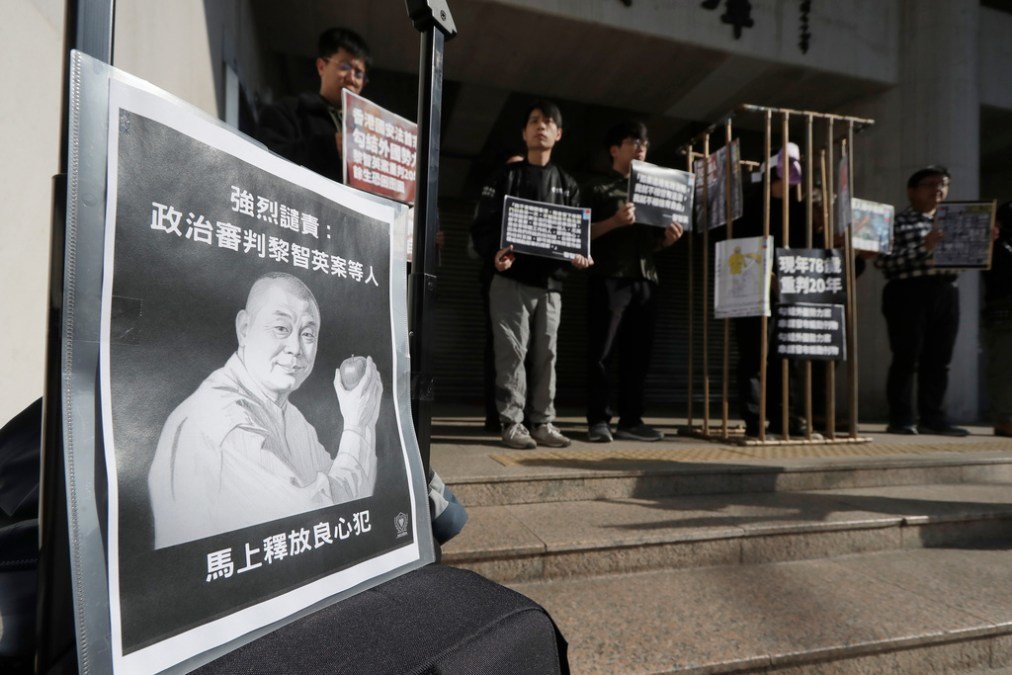
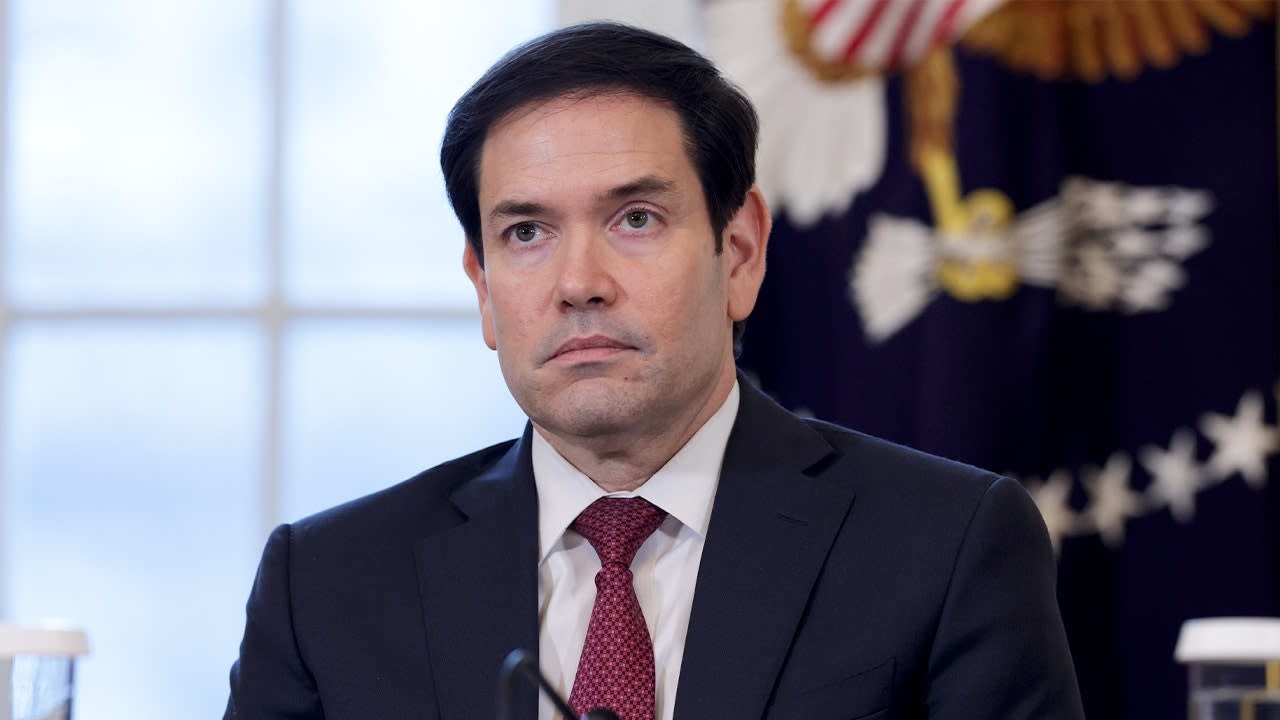
U.S. Senator Marco Rubio has issued a strong denunciation of the 20-year prison sentence imposed on Hong Kong media entrepreneur and pro-democracy activist Jimmy Lai, characterising the ruling as both unjust and tragic and urging Chinese and Hong Kong authorities to reconsider the outcome.
Lai, a 78-year-old British citizen and founder of the now-closed Apple Daily newspaper, was sentenced on February 9, 2026, following convictions under Hong Kong’s national security law for conspiracy to collude with foreign forces and publishing seditious materials.
Rubio said the sentence illustrates the extraordinary lengths to which Beijing will go to silence advocates of fundamental freedoms in the city and called for humanitarian parole to allow Lai to spend his remaining years with his family.
“Twenty years in prison for a man of his age is an unjust and tragic conclusion to this case,” Rubio said in a statement, urging authorities to grant Lai humanitarian parole after enduring a trial lasting more than two years and detention of over five years.
He said the sentence appears to cast aside commitments made under the 1984 Sino-British Joint Declaration, which guaranteed Hong Kong a high degree of autonomy and protections for civil liberties.
The U.S. response reflects broader international concern over the erosion of press freedom and democratic expression in Hong Kong since the imposition of the national security law by Beijing in 2020. Rubio’s comments were echoed by other lawmakers and advocates who have called for intensified diplomatic engagement to secure Lai’s release and defend human rights in the region.
Rubio additionally emphasised that the punishment sends a troubling message about the state of fundamental freedoms in Hong Kong.
He framed the plea for parole not only in humanitarian terms but also as part of a wider effort to uphold international norms and safeguard individuals who champion open discourse and democratic values.
The call for action aligns with sustained pressure from U.S. officials to raise Lai’s case in high-level discussions with Chinese leadership.
The international outcry highlights the geopolitical complexities surrounding Hong Kong’s evolving legal environment and its implications for global perceptions of rule of law and individual liberties.
Advocates argue that securing humanitarian parole for Lai would demonstrate a commitment to humane treatment and respect for basic rights, even amid unresolved political tensions.
Lai, a 78-year-old British citizen and founder of the now-closed Apple Daily newspaper, was sentenced on February 9, 2026, following convictions under Hong Kong’s national security law for conspiracy to collude with foreign forces and publishing seditious materials.
Rubio said the sentence illustrates the extraordinary lengths to which Beijing will go to silence advocates of fundamental freedoms in the city and called for humanitarian parole to allow Lai to spend his remaining years with his family.
“Twenty years in prison for a man of his age is an unjust and tragic conclusion to this case,” Rubio said in a statement, urging authorities to grant Lai humanitarian parole after enduring a trial lasting more than two years and detention of over five years.
He said the sentence appears to cast aside commitments made under the 1984 Sino-British Joint Declaration, which guaranteed Hong Kong a high degree of autonomy and protections for civil liberties.
The U.S. response reflects broader international concern over the erosion of press freedom and democratic expression in Hong Kong since the imposition of the national security law by Beijing in 2020. Rubio’s comments were echoed by other lawmakers and advocates who have called for intensified diplomatic engagement to secure Lai’s release and defend human rights in the region.
Rubio additionally emphasised that the punishment sends a troubling message about the state of fundamental freedoms in Hong Kong.
He framed the plea for parole not only in humanitarian terms but also as part of a wider effort to uphold international norms and safeguard individuals who champion open discourse and democratic values.
The call for action aligns with sustained pressure from U.S. officials to raise Lai’s case in high-level discussions with Chinese leadership.
The international outcry highlights the geopolitical complexities surrounding Hong Kong’s evolving legal environment and its implications for global perceptions of rule of law and individual liberties.
Advocates argue that securing humanitarian parole for Lai would demonstrate a commitment to humane treatment and respect for basic rights, even amid unresolved political tensions.