Hong Kong court imposes one of the harshest sentences under Beijing’s national security law, prompting international condemnation and concerns over press freedom
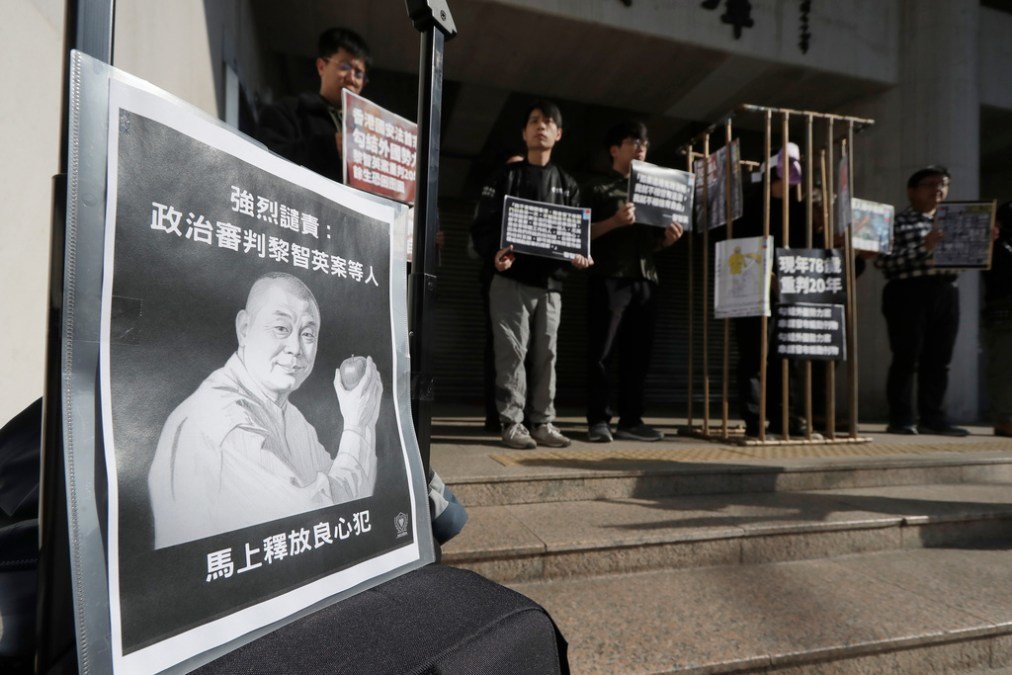
Jimmy Lai, the 78-year-old Hong Kong media tycoon and pro-democracy advocate, has been sentenced to twenty years in prison by a Hong Kong court after being convicted under China’s national security law.
The sentence was handed down on February 9, 2026, concluding a legal saga that has drawn intense international attention and highlighted deep-seated tensions over civil liberties in the semi-autonomous city.
Lai, a British citizen and founder of the now-defunct Apple Daily newspaper, was convicted in December 2025 on multiple counts, including conspiracy to collude with foreign forces and publishing seditious materials.
The convictions stemmed from activities related to his media operations and alleged communications with foreign entities, charges that Lai and his supporters have vehemently denied.
Prosecutors argued that Lai’s actions breached provisions of the national security legislation introduced in 2020 to tighten control over political expression in Hong Kong.
The 20-year sentence is among the most severe ever imposed under the national security law and reflects the court’s finding that the offences were of a “grave nature.” Lai’s legal team had sought leniency on grounds of his age and deteriorating health, but the court indicated it would not grant significant concessions.
Supporters and civil liberties observers have described the penalty as effectively a life term given Lai’s advanced age.
International reactions were swift.
The United States Department of State described the sentencing as “unjust and tragic,” urging authorities to consider humanitarian parole given Lai’s age and prolonged detention.
Governments including the United Kingdom, where Lai holds citizenship, also criticised the ruling, with London officials characterising the term as tantamount to a life sentence and urging further diplomatic engagement on his behalf.
Human rights organisations have condemned the case as a significant blow to press freedom in Hong Kong.
Human Rights Watch called the sentence a “devastating blow” to independent journalism, urging global partners to press for consequences for officials responsible for Lai’s imprisonment.
The Committee to Protect Journalists similarly warned that the sentencing underscored broader erosions of media freedom in the city.
Lai’s family has expressed profound sorrow over the sentence, with his son describing it as “heartbreaking” and raising concerns over his father’s health in custody.
Lai has remained incarcerated since his arrest in 2020, with supporters saying his continued detention exemplifies the shrinking space for dissenting voices in Hong Kong’s public life.
The case has become emblematic of wider shifts in Hong Kong’s legal and political environment since the imposition of the national security law, which has been used to silence critics and dismantle the city’s once-vibrant pro-democracy movement.
Observers note that the sentencing may have implications beyond Hong Kong’s borders, influencing how other jurisdictions view China’s approach to civil liberties and foreign relations.
The sentence was handed down on February 9, 2026, concluding a legal saga that has drawn intense international attention and highlighted deep-seated tensions over civil liberties in the semi-autonomous city.
Lai, a British citizen and founder of the now-defunct Apple Daily newspaper, was convicted in December 2025 on multiple counts, including conspiracy to collude with foreign forces and publishing seditious materials.
The convictions stemmed from activities related to his media operations and alleged communications with foreign entities, charges that Lai and his supporters have vehemently denied.
Prosecutors argued that Lai’s actions breached provisions of the national security legislation introduced in 2020 to tighten control over political expression in Hong Kong.
The 20-year sentence is among the most severe ever imposed under the national security law and reflects the court’s finding that the offences were of a “grave nature.” Lai’s legal team had sought leniency on grounds of his age and deteriorating health, but the court indicated it would not grant significant concessions.
Supporters and civil liberties observers have described the penalty as effectively a life term given Lai’s advanced age.
International reactions were swift.
The United States Department of State described the sentencing as “unjust and tragic,” urging authorities to consider humanitarian parole given Lai’s age and prolonged detention.
Governments including the United Kingdom, where Lai holds citizenship, also criticised the ruling, with London officials characterising the term as tantamount to a life sentence and urging further diplomatic engagement on his behalf.
Human rights organisations have condemned the case as a significant blow to press freedom in Hong Kong.
Human Rights Watch called the sentence a “devastating blow” to independent journalism, urging global partners to press for consequences for officials responsible for Lai’s imprisonment.
The Committee to Protect Journalists similarly warned that the sentencing underscored broader erosions of media freedom in the city.
Lai’s family has expressed profound sorrow over the sentence, with his son describing it as “heartbreaking” and raising concerns over his father’s health in custody.
Lai has remained incarcerated since his arrest in 2020, with supporters saying his continued detention exemplifies the shrinking space for dissenting voices in Hong Kong’s public life.
The case has become emblematic of wider shifts in Hong Kong’s legal and political environment since the imposition of the national security law, which has been used to silence critics and dismantle the city’s once-vibrant pro-democracy movement.
Observers note that the sentencing may have implications beyond Hong Kong’s borders, influencing how other jurisdictions view China’s approach to civil liberties and foreign relations.