Global shipping group cites sustained demand and operational pressures as it increases costs on East Africa trade route.
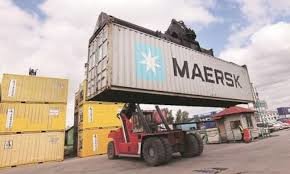
Maersk has announced an increase in its peak season surcharge for cargo shipped from China and Hong Kong to Kenya, signalling continued pressure on freight rates along key Asia–East Africa trade corridors.
The Danish shipping group said the adjustment would apply to containerised shipments moving to Mombasa, Kenya’s main port, reflecting sustained seasonal demand, equipment imbalances and broader network costs.
Peak season surcharges are typically introduced or revised when carriers face higher operating expenses or capacity constraints during periods of intensified cargo movement.
Industry participants noted that trade between Asia and East Africa has remained firm, driven by consumer goods imports, infrastructure materials and project cargo linked to regional development.
Shipping lines have also been navigating schedule disruptions and fluctuating container availability across global routes, factors that can contribute to higher ancillary charges.
Maersk indicated that the updated surcharge would take effect in the coming weeks, subject to standard contractual terms and local regulatory requirements.
The company did not characterise the move as unusual, describing it instead as part of routine rate management during periods of elevated demand.
Freight forwarders operating in the corridor said exporters and importers are closely monitoring cost adjustments, particularly as logistics expenses feed into retail prices and project budgets in East Africa’s largest economy.
Kenya serves as a gateway for landlocked neighbours, meaning changes in shipping charges can ripple across the wider region.
The surcharge increase comes amid broader volatility in global shipping markets, where carriers continue to recalibrate pricing structures in response to evolving trade flows, geopolitical uncertainty and supply chain realignments.
Analysts say such adjustments are likely to remain a feature of the market as peak season dynamics persist.
The Danish shipping group said the adjustment would apply to containerised shipments moving to Mombasa, Kenya’s main port, reflecting sustained seasonal demand, equipment imbalances and broader network costs.
Peak season surcharges are typically introduced or revised when carriers face higher operating expenses or capacity constraints during periods of intensified cargo movement.
Industry participants noted that trade between Asia and East Africa has remained firm, driven by consumer goods imports, infrastructure materials and project cargo linked to regional development.
Shipping lines have also been navigating schedule disruptions and fluctuating container availability across global routes, factors that can contribute to higher ancillary charges.
Maersk indicated that the updated surcharge would take effect in the coming weeks, subject to standard contractual terms and local regulatory requirements.
The company did not characterise the move as unusual, describing it instead as part of routine rate management during periods of elevated demand.
Freight forwarders operating in the corridor said exporters and importers are closely monitoring cost adjustments, particularly as logistics expenses feed into retail prices and project budgets in East Africa’s largest economy.
Kenya serves as a gateway for landlocked neighbours, meaning changes in shipping charges can ripple across the wider region.
The surcharge increase comes amid broader volatility in global shipping markets, where carriers continue to recalibrate pricing structures in response to evolving trade flows, geopolitical uncertainty and supply chain realignments.
Analysts say such adjustments are likely to remain a feature of the market as peak season dynamics persist.