Investigation claims intermediaries have helped supply restricted components for military use in Ukraine conflict.
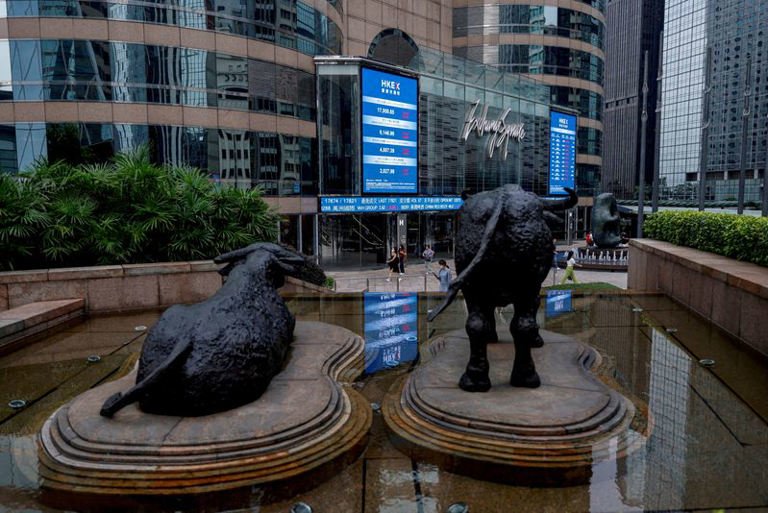
Hong Kong-based companies have acted as intermediaries in supplying European technology to Russia for use in its war in Ukraine, according to a new investigative report that raises concerns about sanctions enforcement and export controls.
The report alleges that a network of trading firms registered in Hong Kong facilitated the transfer of sensitive components, including microelectronics and dual-use technologies, from European manufacturers to Russian entities.
Many of the items identified are subject to export restrictions imposed by the European Union and its allies following Moscow’s full-scale invasion of Ukraine.
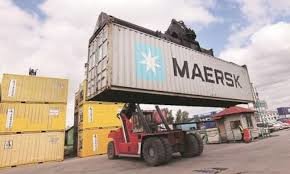
Investigators claim the companies involved often served as middlemen, purchasing goods from European suppliers before re-exporting them onward to Russian buyers.
In some cases, the shipments were reportedly routed through multiple jurisdictions, complicating efforts to trace the final destination of the products.
Western governments have imposed sweeping sanctions on Russia’s defence, aerospace and technology sectors in an effort to curb its military capabilities.
Enforcement agencies have repeatedly warned that third-country intermediaries can be used to circumvent these restrictions, particularly for high-demand components such as semiconductors and industrial electronics.
Hong Kong authorities have previously stated that they implement and enforce United Nations sanctions but do not automatically adopt unilateral measures imposed by other jurisdictions.
The report is likely to intensify scrutiny over the territory’s role in global supply chains and its regulatory oversight of export-sensitive goods.
European officials have acknowledged ongoing challenges in preventing sanctioned technology from reaching Russia, noting that complex global trade networks and the commercial availability of dual-use items can make enforcement difficult.
Additional compliance measures, including tighter screening of re-export destinations and enhanced due diligence requirements, have been introduced in recent months.
Russia has maintained that it adapts its procurement channels in response to sanctions pressure.
Analysts say that restricting access to advanced technology remains a central element of Western strategy aimed at limiting Moscow’s capacity to sustain its military operations in Ukraine.
The findings are expected to prompt renewed debate over the effectiveness of existing sanctions frameworks and the responsibilities of intermediary jurisdictions in preventing the diversion of restricted goods to conflict zones.
The report alleges that a network of trading firms registered in Hong Kong facilitated the transfer of sensitive components, including microelectronics and dual-use technologies, from European manufacturers to Russian entities.
Many of the items identified are subject to export restrictions imposed by the European Union and its allies following Moscow’s full-scale invasion of Ukraine.
Investigators claim the companies involved often served as middlemen, purchasing goods from European suppliers before re-exporting them onward to Russian buyers.
In some cases, the shipments were reportedly routed through multiple jurisdictions, complicating efforts to trace the final destination of the products.
Western governments have imposed sweeping sanctions on Russia’s defence, aerospace and technology sectors in an effort to curb its military capabilities.
Enforcement agencies have repeatedly warned that third-country intermediaries can be used to circumvent these restrictions, particularly for high-demand components such as semiconductors and industrial electronics.
Hong Kong authorities have previously stated that they implement and enforce United Nations sanctions but do not automatically adopt unilateral measures imposed by other jurisdictions.
The report is likely to intensify scrutiny over the territory’s role in global supply chains and its regulatory oversight of export-sensitive goods.
European officials have acknowledged ongoing challenges in preventing sanctioned technology from reaching Russia, noting that complex global trade networks and the commercial availability of dual-use items can make enforcement difficult.
Additional compliance measures, including tighter screening of re-export destinations and enhanced due diligence requirements, have been introduced in recent months.
Russia has maintained that it adapts its procurement channels in response to sanctions pressure.
Analysts say that restricting access to advanced technology remains a central element of Western strategy aimed at limiting Moscow’s capacity to sustain its military operations in Ukraine.
The findings are expected to prompt renewed debate over the effectiveness of existing sanctions frameworks and the responsibilities of intermediary jurisdictions in preventing the diversion of restricted goods to conflict zones.