Canberra launches urgent inquiry and weighs tariffs and quotas to protect domestic industry as fabricated steel imports climb
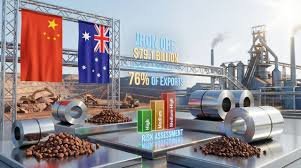
Australia has moved to address a dramatic surge in cheap fabricated steel imports, including a significant share linked to Chinese production, by initiating an urgent government inquiry that could lead to tariffs, quotas or other trade restrictions.
The action follows mounting pressure from local steel fabricators and industry bodies who warn that overseas imports, often priced far below domestic costs, are undermining Australian manufacturers and eroding sovereign capability.
Treasurer Jim Chalmers has asked the Productivity Commission to investigate the impact of structural steel imports on the national market, with an interim report due later this year and a final recommendation expected by November.
The inquiry will consider applying tariffs or import quotas under World Trade Organization frameworks to ensure “fair competition” and prevent serious injury to Australia’s steel sector.
Industry representatives report that fabricated steel imports have risen sharply in recent years, with overseas suppliers undercutting local producers by as much as 50 per cent on pricing.
Domestic steel producers and fabricators say the influx of cheap steel is forcing production declines and job losses.
Small and medium enterprises report dramatic drops in output as infrastructure and construction projects increasingly source structural steel from abroad rather than from Australian manufacturers.
The Australian Steel Institute and other stakeholders argue that maintaining a viable local steel industry is essential to national infrastructure supply chains and long-term economic resilience.
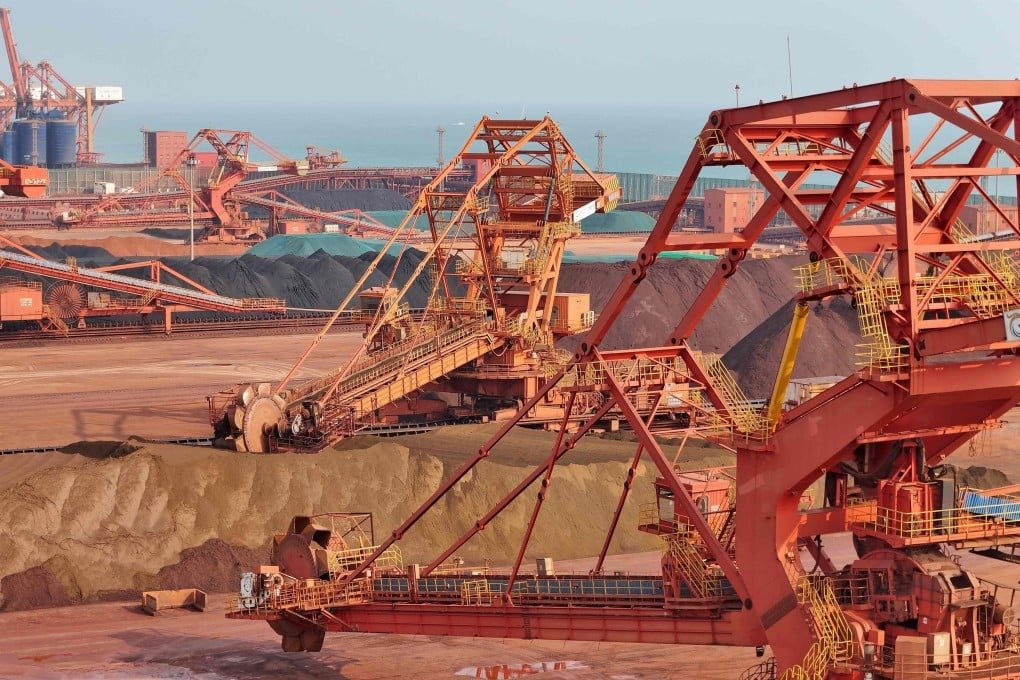
While raw steel imports have been relatively steady, fabricated steel — crucial for building and industrial applications — now constitutes a far larger share of annual imports, driving the urgency for potential policy action.
Vietnam has also emerged as a notable exporter of steel products to Australia, adding complexity to trade defense considerations.
Any imposed restrictions would apply broadly across trading partners rather than exclusively targeting China, but because China is a major source of manufactured steel products entering the Australian market, it could bear the brunt of any new measures.
The government’s move to launch the inquiry comes amid broader global trade tensions and follows external protections such as U.S. tariffs on steel and aluminium that have indirectly redirected supply flows to markets including Australia.
Canberra is attempting to strike a balance between defending domestic industry and managing key economic relationships, particularly given China’s role as Australia’s largest trading partner.
The outcome of the Productivity Commission review will shape Canberra’s next steps on trade policy and potential safeguard measures aimed at steel manufacturers.
The action follows mounting pressure from local steel fabricators and industry bodies who warn that overseas imports, often priced far below domestic costs, are undermining Australian manufacturers and eroding sovereign capability.
Treasurer Jim Chalmers has asked the Productivity Commission to investigate the impact of structural steel imports on the national market, with an interim report due later this year and a final recommendation expected by November.
The inquiry will consider applying tariffs or import quotas under World Trade Organization frameworks to ensure “fair competition” and prevent serious injury to Australia’s steel sector.
Industry representatives report that fabricated steel imports have risen sharply in recent years, with overseas suppliers undercutting local producers by as much as 50 per cent on pricing.
Domestic steel producers and fabricators say the influx of cheap steel is forcing production declines and job losses.
Small and medium enterprises report dramatic drops in output as infrastructure and construction projects increasingly source structural steel from abroad rather than from Australian manufacturers.
The Australian Steel Institute and other stakeholders argue that maintaining a viable local steel industry is essential to national infrastructure supply chains and long-term economic resilience.
While raw steel imports have been relatively steady, fabricated steel — crucial for building and industrial applications — now constitutes a far larger share of annual imports, driving the urgency for potential policy action.
Vietnam has also emerged as a notable exporter of steel products to Australia, adding complexity to trade defense considerations.
Any imposed restrictions would apply broadly across trading partners rather than exclusively targeting China, but because China is a major source of manufactured steel products entering the Australian market, it could bear the brunt of any new measures.
The government’s move to launch the inquiry comes amid broader global trade tensions and follows external protections such as U.S. tariffs on steel and aluminium that have indirectly redirected supply flows to markets including Australia.
Canberra is attempting to strike a balance between defending domestic industry and managing key economic relationships, particularly given China’s role as Australia’s largest trading partner.
The outcome of the Productivity Commission review will shape Canberra’s next steps on trade policy and potential safeguard measures aimed at steel manufacturers.