Independent committee signals deep regulatory and safety lapses following city’s worst fire disaster in decades
An independent inquiry into the catastrophic residential fire that devastated the Wang Fuk Court public housing estate in Hong Kong has revealed “key clues” pointing to systemic failures in safety oversight and building maintenance, senior counsel Victor Dawes has announced.
The findings emerged at the first formal meeting of the inquiry committee, which heard extensive evidence from multiple parties and indicated that a series of structural and procedural problems may have contributed to the tragedy.
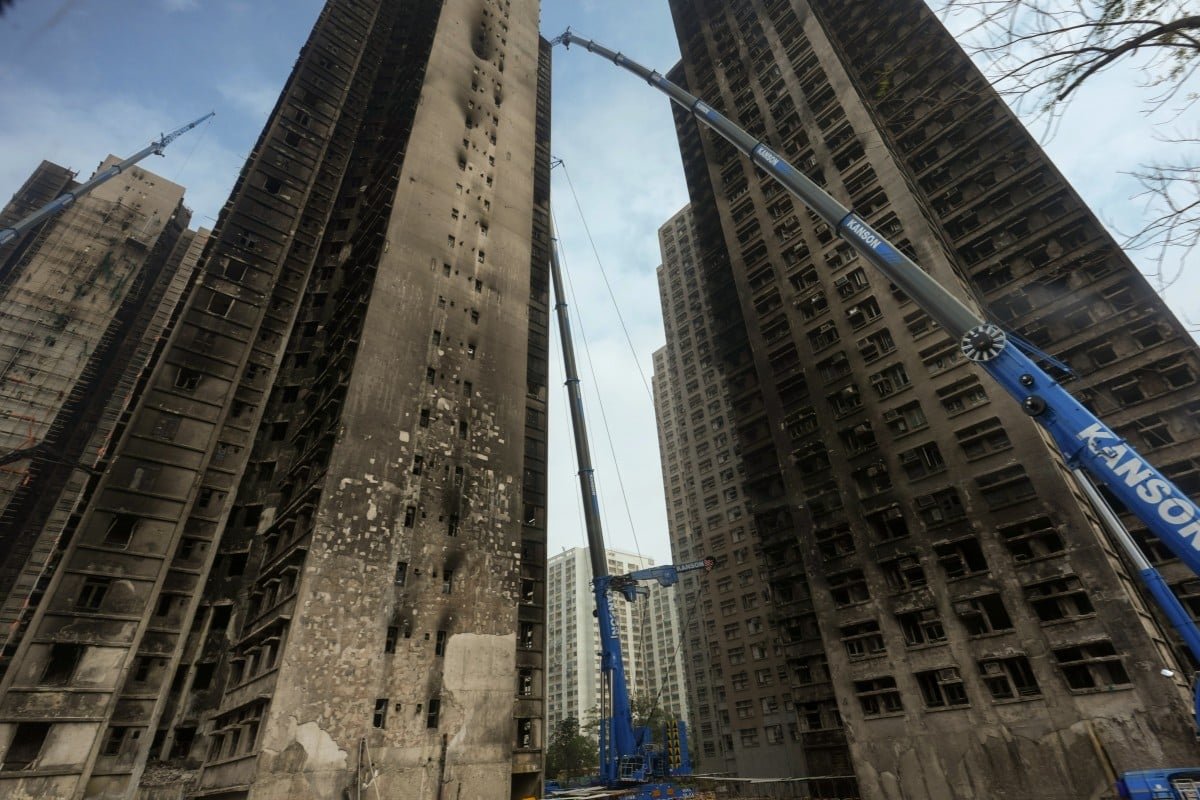
The session, held in Central, began with a moment of silence for the 168 people who lost their lives and nearly 5,000 residents displaced when flames tore through seven of the estate’s eight high-rise buildings during an extensive renovation last November.
Dawes said the information gathered to date provided the committee with a “considerable understanding” of the blaze and suggested that systemic issues — described as “unacceptable” — could not be ignored.
Future hearings will disclose detailed evidence publicly.
Judge David Lok Kai-hong, who chairs the committee, outlined procedural arrangements for the coming months, noting that the inquiry’s work must proceed without affecting concurrent criminal, civil and coroner’s proceedings related to the fire.
He stressed the importance of ensuring fair legal processes for any individuals or organisations that may face accountability.
Testimony at the session included representatives from government departments, the Urban Renewal Authority, the property manager and architectural consultants linked to the renovation project.
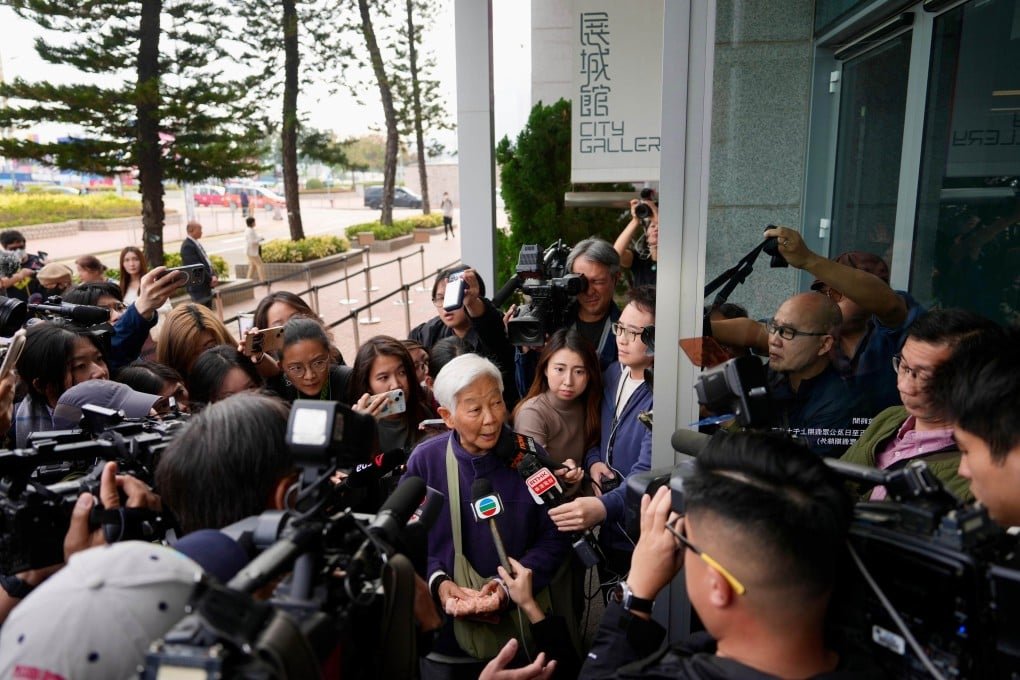
Residents of Wang Fuk Court, many of whom attended in person or via livestream, urged the committee to identify those responsible and help deliver justice.
Calls for transparency and accountability have grown since the blaze, which authorities initially linked to flammable construction materials, including substandard netting and insulation used during renovations, and to broader concerns about fire safety regulation.
Subsequent hearings, scheduled to start on March 19 and expected to run for several days, will centre on identifying causal factors, evaluating safety standards and proposing reforms to prevent similar disasters in the future.
The findings emerged at the first formal meeting of the inquiry committee, which heard extensive evidence from multiple parties and indicated that a series of structural and procedural problems may have contributed to the tragedy.
The session, held in Central, began with a moment of silence for the 168 people who lost their lives and nearly 5,000 residents displaced when flames tore through seven of the estate’s eight high-rise buildings during an extensive renovation last November.
Dawes said the information gathered to date provided the committee with a “considerable understanding” of the blaze and suggested that systemic issues — described as “unacceptable” — could not be ignored.
Future hearings will disclose detailed evidence publicly.
Judge David Lok Kai-hong, who chairs the committee, outlined procedural arrangements for the coming months, noting that the inquiry’s work must proceed without affecting concurrent criminal, civil and coroner’s proceedings related to the fire.
He stressed the importance of ensuring fair legal processes for any individuals or organisations that may face accountability.
Testimony at the session included representatives from government departments, the Urban Renewal Authority, the property manager and architectural consultants linked to the renovation project.
Residents of Wang Fuk Court, many of whom attended in person or via livestream, urged the committee to identify those responsible and help deliver justice.
Calls for transparency and accountability have grown since the blaze, which authorities initially linked to flammable construction materials, including substandard netting and insulation used during renovations, and to broader concerns about fire safety regulation.
Subsequent hearings, scheduled to start on March 19 and expected to run for several days, will centre on identifying causal factors, evaluating safety standards and proposing reforms to prevent similar disasters in the future.