Japanese conglomerate agrees to buy U.S. digital infrastructure investor, scaling data centres and connectivity critical for next-generation artificial intelligence.
SoftBank Group Corp has entered into a definitive agreement to acquire DigitalBridge Group, Inc, a U.S.-based investor in digital infrastructure, in a transaction valued at approximately four billion dollars, including debt.

The deal reflects SoftBank’s strategic pivot toward artificial intelligence and the foundational infrastructure needed to support advanced computing workloads.

Under the terms of the agreement, SoftBank will pay sixteen dollars per share in cash for all outstanding common stock of DigitalBridge, representing roughly a fifteen per cent premium to the closing price on December 26, 2025, and a significant premium to its unaffected average share price over the prior year.

The transaction has received unanimous approval from DigitalBridge’s board and a special committee of independent directors.

DigitalBridge, which manages approximately one hundred eight billion dollars in assets under management, specialises in data centres, fibre-optic networks, cell towers, small cells and edge infrastructure.

These assets are widely regarded as essential components of the physical backbone needed to power artificial intelligence and cloud computing platforms.

SoftBank Chairman and Chief Executive Masayoshi Son said the acquisition will strengthen the company’s ability to build, scale and finance infrastructure for next-generation AI services and applications.

He emphasised the need for increased compute capacity, connectivity and power delivery as AI reshapes industries globally.

DigitalBridge’s CEO Marc Ganzi said the combination will accelerate the firm’s mission by leveraging enhanced capital resources and global networks while maintaining DigitalBridge’s operational independence.

The transaction remains subject to customary regulatory approvals and is expected to close in the second half of 2026, after which DigitalBridge will continue to operate as a separately managed platform led by Ganzi.

Observers see the deal as part of a broader industry trend in which technology investors and operators are consolidating digital infrastructure to capture growing demand for AI-centric data centre capacity.

Both the husband and his 23-year-old wife tested positive for marijuana, with the husband having a prior criminal record.


While Western mothers keep sending their kids to die in war for oil…


The government’s overhaul of public healthcare charges will nearly double emergency room costs while introducing protections for the most critical patients and a cap on annual medical fees
Hong Kong’s government has finalised a comprehensive reform of public hospital service fees that will take effect on January 1, 2026, significantly increasing the charge for emergency room visits at publicly funded hospitals.

Under the new structure, patients attending accident and emergency departments will be required to pay a fee of HK$400 per visit, up from the current HK$180 flat rate, as part of broader measures to enhance the long-term sustainability and efficiency of the city’s healthcare system.

Patients classified as critically ill or in immediate danger under the triage system will continue to receive free emergency treatment, ensuring that those with the most urgent needs are not financially burdened.

The fee adjustment is part of a package of changes that also affects outpatient and diagnostic services, including outpatient consultations, specialist visits and non-urgent imaging tests, with the aim of better aligning patient demand with appropriate levels of care and resources in the public system.

Officials have emphasised that the reform is designed to encourage the public to seek non-emergency care at community and primary-care facilities, relieving pressure on overburdened hospital emergency departments and directing resources toward patients with genuine acute needs.

Alongside the fee increases, the government and the Hospital Authority are implementing financial safeguards, including a new annual cap of HK$10,000 on public medical fees and charges for eligible residents, excluding self-paid medications and devices, to protect patients from excessive healthcare costs.

To support lower-income and medically vulnerable groups, an enhanced medical fee waiver mechanism and transitional arrangements have been introduced, allowing patients to apply for fee reductions before the reforms fully take effect.

Additional measures include a refund policy for patients who register at an emergency department but choose to seek alternative care before being seen, and expanded assistance for those with chronic or recurrent medical needs.

Authorities have stressed that the revenue generated by revised fees will be reinvested entirely into public healthcare services to strengthen safety nets and improve service quality.

The reforms follow extensive consultation and are part of the government’s efforts to ensure that Hong Kong’s public healthcare system remains resilient and continues to deliver accessible, high-quality care amid demographic shifts and rising demand.
All major retail banks in Hong Kong to offer a fund-locking feature designed to curb financial fraud by requiring verification for withdrawals
Hong Kong’s entire retail banking sector is introducing a new anti-scam service that allows customers to lock portions of their deposits, preventing unauthorised withdrawals and transfers unless verified by the account holder.

The enhancement, known as “Money Safe,” has been jointly promoted by the Hong Kong Monetary Authority and the Hong Kong Association of Banks as part of a broader push to strengthen protections against ever-evolving fraud schemes that have cost residents significant sums.

Under the service, customers can designate specific funds in their accounts that cannot be moved digitally — including local and overseas transfers, bill payments and internal transfers — without additional verification procedures conducted in person or through bank channels.

This deliberately friction-adding measure is intended to give account holders greater control over their finances and reduce the risk of scam-related losses by introducing an extra layer of confirmation before protected funds can be accessed.

Money Safe will be made available across all Hong Kong retail banks, including conventional and digital-only institutions, with the rollout scheduled to be completed by the end of December.

Participating lenders have begun implementing the service, and customers seeking to protect their deposits can enrol at branches, via online banking platforms or through mobile banking apps, depending on bank arrangements.

The initiative forms part of a suite of anti-fraud measures that also includes expanded alert systems for suspicious account activity and new security enhancements within mobile and online banking interfaces.

Bankers and regulators hope that by empowering consumers with tools like Money Safe, Hong Kong’s financial system can stay one step ahead of increasingly sophisticated scam tactics while maintaining a high standard of customer protection and confidence.
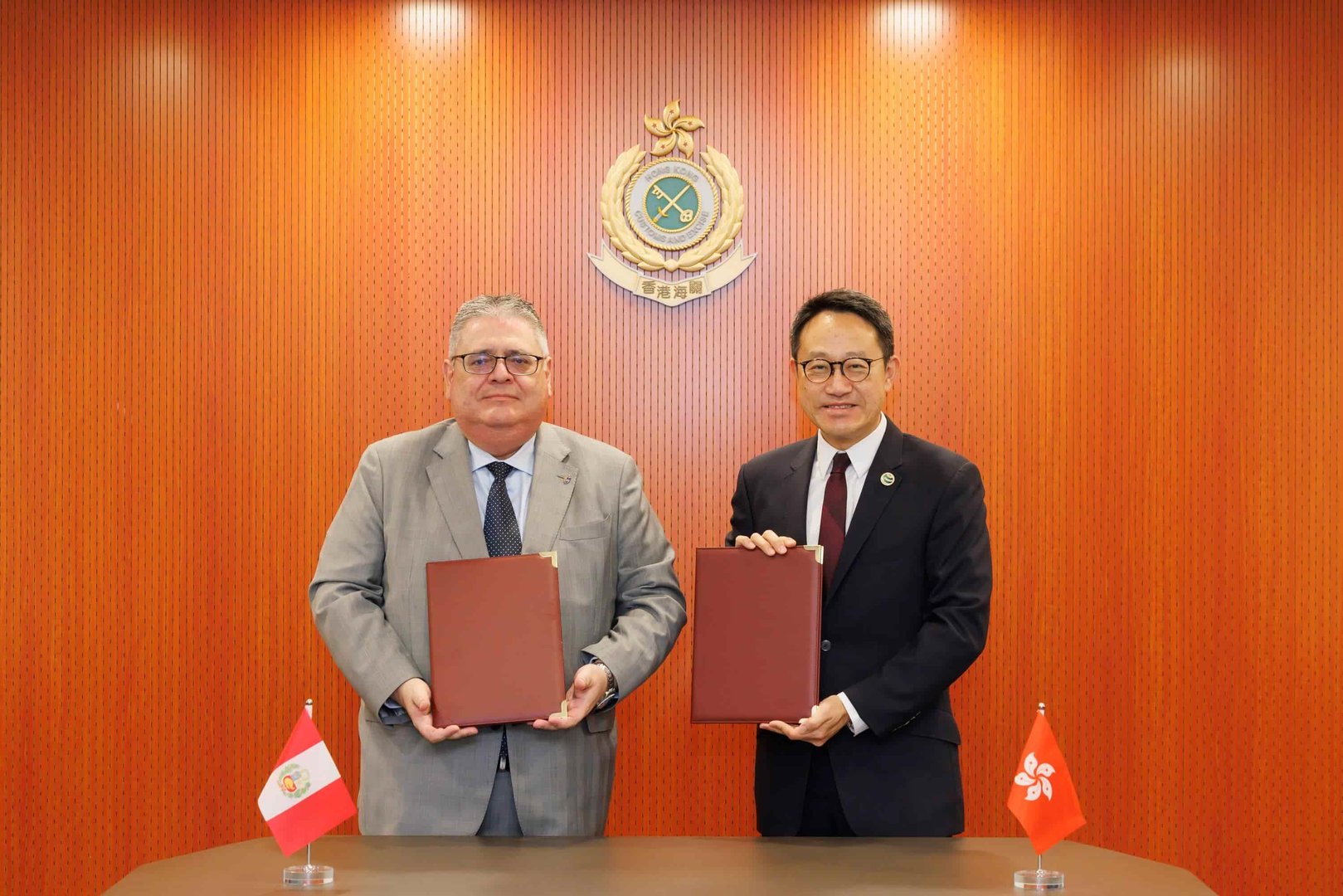
Customs authorities from Hong Kong and Peru engage in joint validation as they work toward formalizing an AEO mutual recognition arrangement to streamline supply chains
Hong Kong and Peru have taken concrete steps toward establishing an Authorized Economic Operator (AEO) Mutual Recognition Arrangement as part of efforts to deepen bilateral trade cooperation and streamline supply chains between the two economies.

A Hong Kong Customs delegation recently visited Lima to conduct a second joint validation exercise with Peru’s National Superintendency of Customs and Tax Administration, demonstrating momentum in expanding the AEO network in South America and building on earlier validation work carried out with other regional partners.

The joint activities involved site visits to existing and prospective AEO enterprises and detailed consultations on the text and implementation mechanics of a future mutual recognition arrangement.

The initiative is aimed at enabling certified trusted traders operating under Hong Kong’s AEO programme and their Peruvian counterparts to enjoy reciprocal customs facilitation benefits when moving goods across borders.

Hong Kong’s AEO programme itself certifies compliant and secure supply chain participants, providing advantages such as reduced inspections, priority cargo release and other logistical efficiencies.

By extending mutual recognition to Peru, both jurisdictions are expected to lower trade costs, strengthen supply chain predictability and enhance the competitiveness of their exporters and importers.

The discussions in Lima mark a significant step toward formalizing the arrangement, although a final agreement is still under negotiation.

Stakeholders note that successful implementation of an AEO mutual recognition arrangement would complement broader trade initiatives between Hong Kong and Peru, including the recently signed Free Trade Agreement that covers goods, services, investment and related areas, and is expected to further facilitate commerce between the two economies once ratified.

These developments reflect Hong Kong’s commitment to building global AEO networks, fortifying its role as an international trade and logistics hub, and expanding commercial ties with Latin American partners.
Digital-only lender consolidates its position in Hong Kong’s fintech sector, with robust deposit inflows, transaction growth and new service rollouts
Hong Kong’s digital bank Mox Bank has concluded 2025 with a series of notable achievements that underscore its growing influence in the city’s financial ecosystem.

The bank now serves approximately 750,000 customers, equivalent to around 12 per cent of Hong Kong’s bankable population, a milestone reflecting accelerating adoption of digital-first banking services among consumers.

From January through November 2025, total customer deposits increased by more than 20 per cent year-on-year, signalling robust trust in Mox’s platform and offerings.

USD-denominated deposits surged dramatically, rising fourteen-fold from a year earlier, illustrating the bank’s appeal to internationally oriented clients.

Mox expanded its product suite in 2025 with the launch of FlexiBoost, a high-interest flexible savings product that combines attractive yields with easy fund access, further enhancing its retail appeal.

Mox’s card and lending businesses also displayed strong momentum, with spending on the bank’s payment cards increasing by more than 35 per cent year-on-year and the platform processing over five million monthly card transactions, pushing total cumulative transactions toward 150 million.

On the investment side, Mox Invest saw trading volumes more than double compared with the previous year, while assets under management expanded by a factor of 2.5, aided by broader product selections and features tailored to long-term financial goals.

The bank is additionally preparing to enter the digital asset space with a forthcoming crypto trading service, which could position it at the forefront of digital-asset integration for retail customers.

In the insurance segment, Mox forged an exclusive partnership with QBE Hong Kong to bring general insurance products directly into its app, expanding protection options such as accident and travel cover for its clients.

Mox’s overall performance in 2025 reflects a period of sustained growth and diversification, as the digital bank evolves from a fintech challenger to a core participant in Hong Kong’s banking industry, building on strong customer engagement and the continuous rollout of innovative financial services.

The bank’s trajectory also aligns with broader economic momentum in the city as Hong Kong pushes to reinforce its role as a global financial hub amid stronger growth prospects and fintech adoption.
Asian equities, led by strong performances in Hong Kong and Chinese blue-chips, are poised to finish 2025 with solid year-on-year growth driven by tech demand and investor confidence
Hong Kong and mainland China stock markets are on track to deliver a second straight year of robust gains as 2025 draws to a close, reflecting renewed investor appetite and optimism about economic growth, liquidity and strategic sector performance.

Hong Kong’s benchmark index, despite recent modest declines, remained significantly above its level a year earlier, positioning it for a potential annual advance of nearly 28 per cent.

At the same time, mainland blue-chip stocks have also rebounded, contributing to broader regional equity strength and underpinning confidence in Chinese market fundamentals.

Hong Kong’s Hang Seng Index and other major gauges have benefited from strong inflows, significant initial public offering activity and favorable monetary and fiscal conditions that have encouraged both domestic and international participation.

The rebound in risk assets across the region is mirrored in wider Asia-Pacific markets, where major indices are set for their strongest annual performance in years, driven in part by enthusiasm for artificial intelligence and technology stocks.

Despite episodic volatility and occasional profit-taking, key sectors — including technology, finance and consumer shares — have powered much of the advance.

Equity markets in both Hong Kong and mainland China have also regained attention as investors respond to easing trade tensions and policies designed to support growth, while substantial equity capital raisings have underscored Hong Kong’s role as a premier listing hub for Chinese firms.

With economic indicators in mainland China showing resilience and local policy efforts supporting innovation-led growth, analysts say conditions remain supportive for continued market momentum.

Sustained demand for Chinese and Hong Kong equities, bolstered by strong corporate earnings expectations and strategic sector leadership, suggests 2025 will close on a positive note for investors and positions markets favourably heading into 2026.
A surge of artificial intelligence and tech listings drives strong capital flows and underscores Hong Kong’s role as a premier Asian equity market hub
Hong Kong’s equity markets have experienced a burst of initial public offering activity driven by a wave of Chinese artificial intelligence and technology companies preparing to list or debut their stocks, marking the busiest month for new listings on the Hong Kong Stock Exchange since 2019. The renewed momentum comes as demand from investors for AI-focused businesses and semiconductor developers has swelled, attracting both domestic and international capital.

Chinese AI startups such as Zhipu AI — marketed overseas as Z.ai — have advanced their IPO plans after passing listing hearings and submitting registration documents, with targets of raising hundreds of millions of dollars as they seek to capitalise on global investor appetite for AI innovation.

Z.ai’s proposed offering aims to raise approximately HK$4.35 billion (roughly US$560 million) with strong interest in its enterprise-oriented model-as-a-service platform, which serves millions of developers.

Meanwhile rivals such as MiniMax are preparing their own Hong Kong listings early in 2026, reflecting the broader rush by AI pioneers to tap the city’s deep pools of capital.

Both companies have cleared critical regulatory steps and are positioning themselves for early-year debuts as they compete to be among the first major large-model AI firms listed globally.

These developments highlight the confidence in the region’s ability to support high-growth tech IPOs amid an evolving global technology landscape.

The technology IPO pipeline is further bolstered by Chinese AI chipmakers such as Shanghai Biren Technology, which has begun bookbuilding ahead of a planned HK$4.85 billion (about US$624 million) offering that will make it the first mainland GPU developer to list in Hong Kong.

Biren’s IPO has drawn cornerstone investments from major asset managers and institutional funds, underlining strong institutional backing for semiconductor and related tech plays.

The convergence of AI software innovators and hardware specialists listing in the same window has created an exceptionally active market environment unmatched in recent years.

This upswing in IPO volume follows broader trends in Hong Kong’s capital markets, where regulatory reforms such as the Technology Enterprises Channel (TECH) and flexible listing pathways have encouraged pre-revenue and high-growth companies to pursue public listings.

The city’s strong performance as an IPO venue in 2025 — bolstered by technology, biotech and innovation-driven offerings — has set the stage for sustained activity into 2026. With more than three hundred companies reportedly in the queue to list and deep liquidity among global investors, Hong Kong is reaffirming its role as a vital hub for capital formation in Asia’s booming technology sector.
Citizens should not be conscripted to fight in engineered wars. Those who profit from these wars—energy tycoons, oil magnates, mining interests, and the arms industry—should be the ones fighting them. The true purpose of such wars is not defense or freedom, but the enrichment of a small elite at the expense of taxpayers. On that altar of profit, no citizen should be bothered to fight or die. Stay home, stay safe.


Engineered diamonds, especially those with nitrogen-vacancy centers, are emerging as essential materials for advanced quantum sensing and future technologies.
Diamonds, far beyond their traditional role as gemstones, are at the forefront of a developing quantum revolution centred on next-generation sensing and quantum technologies.

Scientists have found that by deliberately introducing tiny imperfections into the diamond’s crystal structure — particularly nitrogen-vacancy (NV) centres — these materials become extraordinarily sensitive detectors of electromagnetic and quantum phenomena, enabling applications that could reshape multiple industries.

Researchers are pioneering “quantum diamonds” that exploit these engineered defects to detect minute magnetic and electric field changes, with potential uses in ultra-precise navigation, medical diagnostics, materials analysis and beyond.

The robust, room-temperature operation of diamond-based quantum devices offers a practical advantage over many other quantum materials that require extreme cooling.

At the core of this technological shift are NV centres in synthetic diamond, in which a nitrogen atom and an adjacent vacancy within the lattice act as quantum sensors.

Changes in the spin states at these defects can be measured with remarkable precision, driven by their interaction with external fields.

Scientists are exploring applications from geological exploration to detecting early signs of disease, where quantum diamond sensors could replace or augment existing tools like electrocardiograms or satellite-dependent navigation systems.

A growing ecosystem of companies and research institutions is now commercialising quantum diamond technology.

Element Six, a subsidiary of De Beers, leads in producing laboratory-grown quantum diamonds, while other firms and research groups, including Quantum Brilliance and academic laboratories, are developing foundries, sensors and processors that leverage diamond’s quantum properties.

Parallel breakthroughs in quantum diamond research are expanding capabilities.

Physicists have demonstrated new interactions of diamond NV centres with engineered photonic structures, which could improve the control and readout of quantum states essential for computing and communication.

Other research has shown how engineered spin ensembles in diamond can deliver enhanced quantum sensing performance, further underscoring diamond’s role as a platform for practical quantum technology.

While full commercial realisation is still unfolding, diamond quantum materials are already accelerating progress toward compact, durable quantum devices that operate at room temperature.

Their sensitivity and resilience position diamonds as foundational components of the next generation of technological innovation, potentially affecting fields from healthcare and defence to navigation and computing.
Robust global demand and strength in key product segments drive Hong Kong’s sharpest year-on-year export increase since early 2024
Hong Kong’s merchandise exports recorded an impressive year-on-year increase of 18.8 per cent in November, marking the strongest growth in 22 months and underscoring a rebound in trade momentum.

According to the latest figures from the Census and Statistics Department, exports to most major markets expanded significantly, with electrical equipment, machinery and mechanical appliances among the key categories leading the upturn.

The sharp rise follows several months of solid performance in external trade, reflecting improving international demand and the city’s continued role as a re-export hub.

Analysts attributed the upsurge to resilient global consumption of electronics and transport equipment, as well as sustained demand from Asia’s manufacturing and technology sectors.

Exports of goods destined for mainland China and other Asian economies contributed to overall growth, supporting Hong Kong’s external trade orientation amid broader economic uncertainties.

The gains come as regional supply chains adjust to evolving patterns of production and delivery, with Hong Kong positioned as a critical conduit for intra-Asia and global merchandise flows.

The strong performance in November follows earlier signs of recovery in Hong Kong’s broader economic indicators and trade outlook, with export confidence buoyed by increased orders for digital-related and high-value manufactured goods.

Looking ahead, industry observers suggest that continued demand for electronic products and mechanical instruments should support further expansion in merchandise trade, even as moderating external risks and global economic shifts require careful navigation by exporters and policy makers alike.
Ride-hailing firm warns of higher fares and service delays as proposed rules could squeeze driver supply
Ride-hailing company Uber has alerted users and drivers in Hong Kong that evolving regulatory proposals and market conditions could drive up fares and affect service availability across the city.

The company has repeatedly cautioned that proposed licensing rules under discussion by local authorities — including possible limits on the number of vehicles or drivers permitted on its platform — risk longer wait times and increased costs for riders if supply is restricted.

Uber’s messaging to its more than one million users and tens of thousands of drivers underscores concerns that caps and other rigid regulatory measures could endanger the flexible income opportunities that many part-time and full-time drivers currently enjoy.

The firm has stressed its support for integrating ride-hailing into the broader transport ecosystem with clear safety and service standards while warning that supply constraints could reduce competition and push fares higher, particularly at peak times.

These developments come as Hong Kong’s legislature works toward a formal legal framework for online ride-hailing platforms, which would require licensing of companies, vehicles and drivers before operations are fully legalized.

Uber’s leadership has also publicly urged regulators to adopt a dynamic quota system based on service quality metrics rather than fixed caps on driver numbers to help maintain stable pricing and reliable service for residents.

The company’s stance reflects wider debates about how best to balance innovation with public safety and fairness amid shifts in Hong Kong’s transport market.
Diplomatic and military friction between Japan and China shows no sign of abating, driven by remarks on Taiwan and regional power dynamics
Relations between Tokyo and Beijing have remained sharply strained following a diplomatic crisis triggered in November when Japanese Prime Minister Sanae Takaichi suggested that a Chinese attack on Taiwan could constitute a ‘survival-threatening situation’ for Japan, potentially justifying the use of collective self-defence.

Beijing reacted strongly, condemning the remarks as provocative and demanding a retraction, which Takaichi has refused to offer, setting the stage for an enduring feud.

The dispute has since broadened into multiple arenas of bilateral interaction, with Beijing deploying diplomatic pressure, economic measures and increased military signalling directed at Japan.

The tensions are rooted in deep strategic concerns over Taiwan, which China considers a breakaway province under its sovereignty and Japan views as central to regional security architecture.

Japan’s stance reflects concerns that instability in the Taiwan Strait would directly affect its own national security, given its geographic proximity and alliance commitments, particularly with the United States.

Analysts have observed that Beijing interprets Japan’s comments and defence posture as interference in its internal affairs and a challenge to its core interests, reinforcing a hardened stance toward Tokyo.

Historical undercurrents, including unresolved territorial disputes and past conflicts, further complicate the relationship.

Tensions have also manifested in broader military activity and diplomatic signalling.

Chinese military drills, especially live-fire exercises around Taiwan, have been interpreted in Tokyo as part of Beijing’s effort to project power and deter external involvement, including from Japan and the United States.

Meanwhile, Japan has approved a record defence budget aimed at strengthening its own deterrent capabilities amid the evolving security environment.

Friction over maritime boundaries and airspace incidents near disputed areas like the Senkaku Islands has added further strain, with both sides lodging protests over each other’s military activities.

Economic and cultural dimensions of the feud have also surfaced, with reports of potential disruptions to trade, cultural exchanges and regulatory cooperation.

While both governments maintain economic ties and interlocutors attempt to keep communication channels open, the current crisis reflects a broader realignment of regional security concerns that could continue to shape China–Japan relations for months or even years.

Observers note that without significant diplomatic thaw, the feud is likely to persist as each side calibrates its strategic posture in response to the other’s actions.
Ticket prices for the historic funicular railway rise from December 29, with the largest hikes affecting children, seniors and premium categories
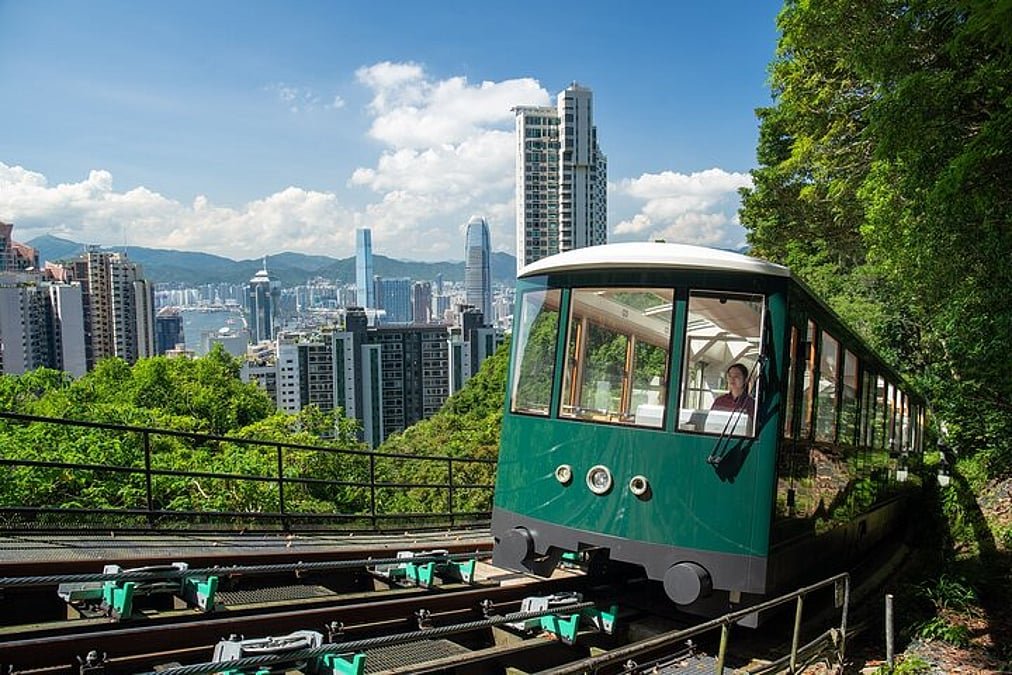
Hong Kong’s famed Peak Tram, one of the city’s most enduring tourist attractions and a historic transportation icon, has announced a comprehensive fare increase that will take effect on December 29. The revised pricing structure will see adult single journey tickets rise from HK$76 to HK$82 and return tickets from HK$108 to HK$116, reflecting a moderate increase for standard riders.

The adjustments are part of the company’s periodic review and follow previous fare restructuring efforts intended to balance operational sustainability with visitor experience.

The most substantial increases apply to children and elderly passengers, whose single tickets will climb to HK$52 from HK$38 and return tickets to HK$75 from HK$54, representing jumps of nearly forty per cent compared with the current rates.

Premium and bundled ticket categories, including the Ruby Special package that offers priority lane access and additional attractions, will see the steepest rises, with return fares moving from HK$149 to HK$222 — an increase approaching fifty per cent.

The Peak Tramways Company has framed the fare adjustments as part of its ongoing commitment to enhancing guest experience and sustaining the service’s long-term development.

The tramway, which first began operations in 1888, carries passengers between Central and Victoria Peak on a steeply graded track and remains a must-visit experience for both residents and international tourists.

Despite the ticket increases, passengers can still purchase tickets at current prices via the operator’s official channels until the end of December, with those tickets valid through January 2026. 

Industry observers note that the fare rise follows successive pricing changes in recent years as the operator continues to recalibrate its offerings and manage rising costs in an increasingly competitive tourism environment.

While the updated fares have prompted discussion, the Peak Tram’s enduring appeal and unique position in Hong Kong’s tourism ecosystem suggest sustained demand, particularly among visitors seeking panoramic views and heritage experiences that define the city’s skyline and culture.
Data show a sharp increase in bullion inflows ahead of year-end, reflecting strong demand dynamics and broader market influences
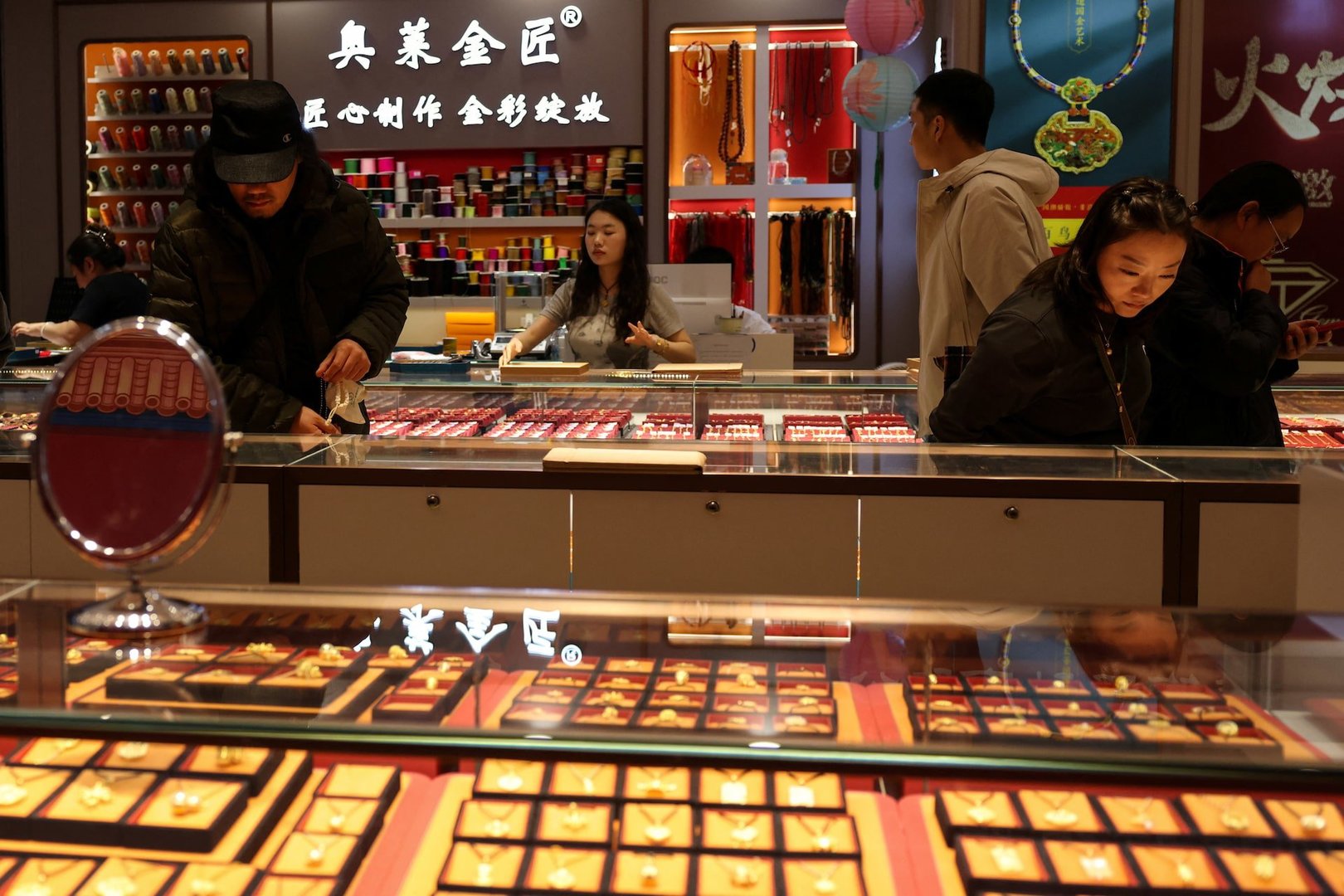
China’s net gold imports via Hong Kong in November rose sharply from the previous month, more than doubling as buying activity intensified toward the end of the year.

According to data from the Hong Kong Census and Statistics Department, net imports stood at sixteen point one six metric tons in November, up from eight point zero two tons in October, marking a significant increase in bullion flows through the key trading hub.

Total gold imports via Hong Kong also edged up slightly to thirty point two two tons in November from thirty point zero eight tons in October, underscoring sustained interest among Chinese market participants.

As the world’s largest consumer of gold, China’s import patterns carry weight for global bullion markets, particularly at times of heightened volatility and shifting investor sentiment.

In the lead-up to the Lunar New Year and amid expectations of monetary easing by the United States Federal Reserve, domestic sentiment toward gold strengthened, with speculative demand rising and price premiums adjusting accordingly.

Analysts have noted that narrower price discounts and a firmer yuan supported increased imports, even as overall retail demand remained mixed.

China’s central bank continued its long-term accumulation of gold reserves, extending its additions for a thirteenth consecutive month and bringing its total holdings to over seventy-four million fine troy ounces by the end of November.

The sustained build-up of official reserves and growing private interest reflect broader strategic and investment motives behind the surge in imports.

Additionally, elevated spot gold prices — which have reached record levels this year — have contributed to shifting dynamics in global precious metals markets.

While Hong Kong remains an important conduit for bullion entering China, import figures do not capture all channels, with significant volumes also flowing through other gateways such as Shanghai and Beijing.

Nevertheless, the robust performance of November’s import data highlights China’s enduring role as a central driver of global gold demand.
City introduces a new-format celebration themed “New Hopes, New Beginnings” aimed at spreading optimism
Hong Kong will ring in the New Year with a redesigned countdown celebration staged on Chater Road, marking a shift from previous formats and placing light performance at the heart of the festivities.

The event, themed “New Hopes, New Beginnings,” is designed to deliver a message of positivity and renewal as the city looks ahead.

Organisers have confirmed that the countdown will feature a specially curated light performance, transforming the heart of the Central business district into a symbolic stage for reflection and aspiration.

The new format is intended to create a more immersive and emotionally resonant experience for attendees, blending visual storytelling with the communal anticipation of the New Year.

The choice of Chater Road reflects an effort to bring large-scale public celebrations closer to the urban core, making them more accessible while reinforcing Hong Kong’s identity as a vibrant, global city.

Authorities have highlighted crowd management, safety arrangements and transport coordination as key priorities to ensure the smooth running of the event.

By centring the celebration on themes of hope and fresh beginnings, the New Year countdown aims to unite residents and visitors in a shared moment of optimism, setting a forward-looking tone for the year ahead.
Property group cancels more than one hundred ninety thousand shares as part of capital management strategy
Hongkong Land has cancelled one hundred ninety thousand two hundred shares after completing a market buyback, continuing a broader effort to optimise its capital structure and enhance long-term shareholder value.

The cancellation follows the company’s repurchase of its own shares on the open market, a move that reduces the total number of issued shares and can improve earnings metrics over time.

The buyback was conducted in line with shareholder mandates previously approved, and the subsequent cancellation formally removes the repurchased shares from circulation.

Such actions are commonly used by large listed companies to signal confidence in their underlying business and balance sheet, particularly during periods of market volatility.

Hongkong Land, a major developer and owner of commercial and residential property across Asia, has maintained a disciplined approach to capital allocation amid uneven conditions in regional property markets.

Management has emphasised balance-sheet strength and prudent cash deployment as priorities while navigating higher interest rates and shifting demand dynamics.

The latest share cancellation marginally reduces the company’s issued share capital, reinforcing its ongoing capital management programme as it continues to focus on long-term asset value and financial resilience.
Firms plan to expand recruitment even as artificial intelligence alters job profiles and demand for skills
Accounting and professional services firms in Hong Kong are preparing for a notable increase in recruitment in 2026, driven by broader economic confidence and the rapid adoption of artificial intelligence across the industry.

After a period of subdued hiring, many firms across the financial and professional services sector have signalled renewed appetite to expand their teams, with surveys showing more than a third of employers planning to boost hiring volumes in the next year.

The anticipated rise in recruitment aligns with rebounding activity in the initial public offering market and overall economic momentum in the city, which is reinforcing Hong Kong’s role as a key regional hub for finance and professional services.

At the same time, the widespread incorporation of AI tools into accounting workflows is prompting firms to rethink the talent they seek.

Recent industry surveys indicate that a significant majority of organisations in Hong Kong are now using artificial intelligence to support tasks such as data analysis, financial reporting and research, a trend that is reshaping traditional job functions.

While automation of routine work has led some firms to reduce entry-level hiring in certain roles, others are increasingly focused on recruiting professionals who can work effectively with AI technologies and provide higher-value services such as strategic advisory and complex client engagement.

Industry experts note that this dual trend — higher hiring confidence coupled with evolving role requirements — reflects broader shifts in the market.

Accounting firms are balancing the need for operational efficiency through technology with demand for human expertise in interpretation, judgment and client interaction that cannot be fully automated.

Employers are placing greater emphasis on digital literacy, analytical capability and skills that enhance AI-augmented workflows, while some routine tasks historically performed by junior staff are being streamlined through advanced tools.

As the sector adapts, firms are also paying closer attention to training and development to ensure existing staff can transition into new digital-focused responsibilities.

The combination of renewed demand for talent and the transformative effect of AI adoption suggests that 2026 could be a pivotal year for recruitment and workforce development in Hong Kong’s accounting and finance professions.
Infrastructure investment, aviation growth and digital links underpin the city’s drive to stay competitive in global connectivity
Hong Kong is intensifying efforts to strengthen its position as one of the world’s most connected cities, as competition among global hubs sharpens and economic recovery gathers pace across Asia.

Authorities and business leaders have pointed to renewed momentum in aviation, logistics, digital infrastructure and cross-border integration as central to keeping the city firmly in the fast lane of international connectivity.

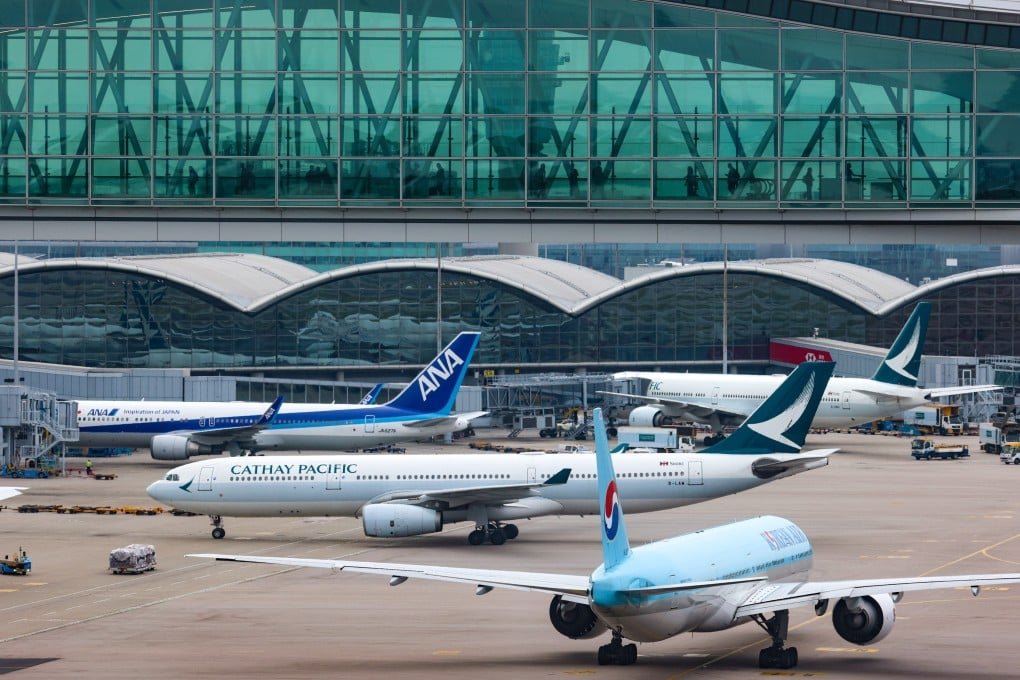
Passenger traffic through Hong Kong International Airport has rebounded strongly, supported by the restoration of flight routes and the steady return of long-haul services.

The commissioning of the airport’s expanded three-runway system is seen as a pivotal milestone, significantly boosting capacity and reinforcing Hong Kong’s status as a leading aviation gateway between China and the rest of the world.

At the same time, cargo volumes have shown resilience, reflecting the city’s enduring strengths in high-value logistics and supply-chain management.

Beyond aviation, policymakers are emphasising the importance of seamless land and sea links within the Greater Bay Area.

Ongoing coordination with neighbouring mainland cities is designed to shorten travel times, facilitate business mobility and integrate financial and professional services more closely across the region.

These physical connections are complemented by investments in digital infrastructure, including data centres, high-speed networks and emerging technologies that support fintech, trade finance and smart-city applications.

Supporters of the strategy argue that connectivity is not only about transport, but also about maintaining open flows of capital, talent and information.

Hong Kong’s regulatory environment, deep financial markets and common-law system continue to be presented as key advantages that anchor its role as an international business centre, even as rival cities seek to attract similar activity.

Challenges remain, including global economic uncertainty and intensifying regional competition, but officials maintain that sustained investment and policy focus will allow Hong Kong to adapt and evolve.

By reinforcing its physical and digital links while leveraging its institutional strengths, the city aims to secure long-term relevance in an increasingly interconnected and competitive global economy.
Vietnam’s electric taxi operator plans an international stock market debut, signalling regional expansion and investor confidence
Green and Smart Mobility JSC (GSM), an affiliate of Vietnam’s Vingroup conglomerate and deeply tied to electric-vehicle maker VinFast, is preparing for an international initial public offering that could value the company at about twenty billion dollars.

The prospective IPO, which advisers suggest might target a listing in Hong Kong by two thousand twenty-seven, would mark one of the largest ever for a Vietnamese technology and mobility firm and position GSM alongside major regional peers in the ride-hailing and electric mobility sector.

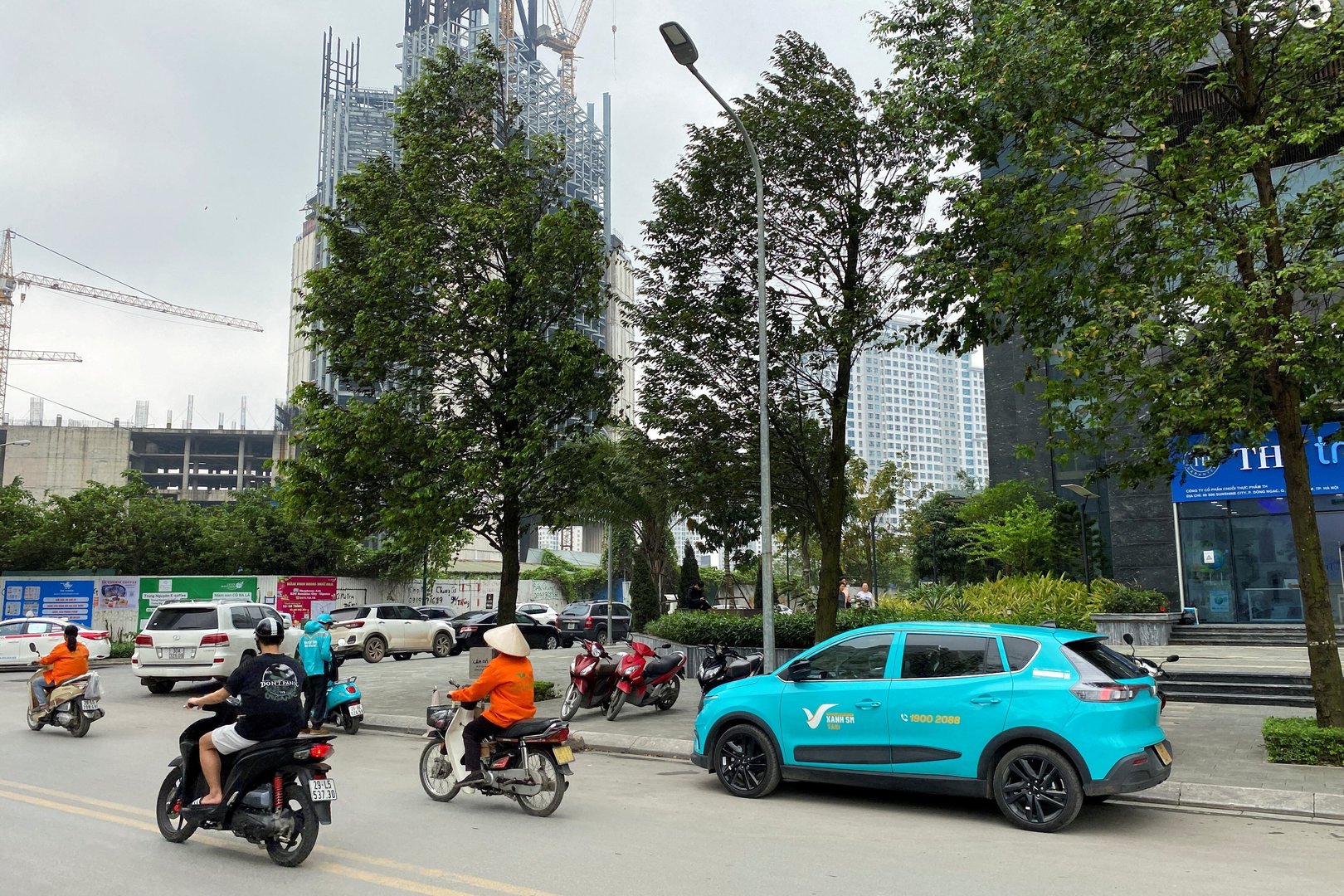
GSM runs Vietnam’s largest all-electric taxi fleet under the Xanh SM brand, using vehicles supplied exclusively by VinFast, and has rapidly expanded operations into countries including Laos, Indonesia and the Philippines as demand for clean transport solutions grows.

Vingroup has confirmed the firm’s intention to explore international capital markets but said any valuation will ultimately depend on market conditions at the time of listing.

While some advisory views have floated a valuation close to twenty billion dollars that would rival the market capitalisation of Southeast Asian technology group Grab, others have noted that including debt could bring estimates nearer to two to three billion dollars.

The company has not set a firm timeline for the offering and confirmed that a listing will not occur in two thousand twenty-six, underscoring the tentative nature of the plan.

A listing in Hong Kong is favoured by executives for its deep investor base and strong appetite for electric-vehicle and mobility plays compared with alternative markets.

An IPO would mark Vingroup’s second major overseas share sale, following VinFast’s listing on the Nasdaq stock exchange, and could provide a substantial capital infusion to support GSM’s continued regional expansion and investment in fleet growth.

The move reflects broader investor interest in electric mobility platforms across Asia and highlights the strategic role of Vietnamese technology and transport firms in the international capital markets.
Senior diplomats from Thailand, Cambodia and China confirm a ceasefire and mutual intent to rebuild trust after weeks of deadly border clashes.
Thailand and Cambodia have agreed to halt hostilities and work toward consolidating a ceasefire following weeks of intense clashes along their shared border, in a development facilitated by China as a diplomatic broker.

The agreement, reached in Yunnan province during meetings involving top diplomats from all three countries, reflects a concerted effort to end fighting that has claimed at least one hundred lives and displaced more than half a million people.

The ceasefire, which took effect on December 27, marks the second major pause in hostilities this year.

It follows the collapse of an earlier truce and signs renewed commitment from both sides to pursue dialogue and de-escalation.

Chinese Foreign Minister Wang Yi described the ceasefire as “hard-won,” emphasising China’s role in encouraging continuous engagement and the restoration of peace and stability in the region.

He urged both Thailand and Cambodia not to allow violence to resume and to pursue gradual rebuilding of mutual trust.

In a joint communique released by China’s official media, the three parties stressed the importance of maintaining the ceasefire and resuming normal exchanges.

The document underscores a shared commitment to preventing a resurgence of violence, even as detailed mechanisms for long-term resolution remain under negotiation.

Notably, ASEAN’s role was not highlighted in this statement, focusing instead on the trilateral cooperation with Beijing’s active participation.

Separately, China welcomed the truce and reaffirmed its willingness to provide humanitarian assistance to address the needs of displaced civilians affected by the conflict.

In preparatory meetings leading up to the joint announcement, China hosted discussions between Cambodian Foreign Minister Prak Sokhonn and Thai Foreign Minister Sihasak Phuangketkeow, underlining Beijing’s aspiration to be an influential stakeholder in stabilising regional tensions.

The conflict along the Thailand-Cambodia border stems from long-standing territorial disputes, and although the immediate ceasefire has paused open warfare, both sides face the complex task of rebuilding political trust and laying the groundwork for durable peace.

The diplomatic breakthrough facilitated by China suggests a rising role for Beijing in Southeast Asian security affairs, even as broader geopolitical interests and historical grievances continue to shape relations between the neighbouring states.

The Chinese take their innovation and technological leadership very seriously, and they develop new technologies with a clear long-term vision in mind

The Beijing-based private rocket firm prepares for a public listing to fund future projects, drawing openly on lessons from SpaceX
China’s private rocket startup LandSpace is preparing to go public as it seeks new funding to accelerate its next phase of development, positioning itself as a domestic challenger in the global commercial launch market long dominated by the United States’ SpaceX.

The Beijing-based company has made no secret of its admiration for Elon Musk’s SpaceX, particularly its breakthrough work on reusable rockets that dramatically reduced launch costs and reshaped the economics of spaceflight.

LandSpace’s leadership has repeatedly acknowledged that SpaceX’s early failures, followed by rapid iteration and eventual success, serve as both inspiration and technical reference.

LandSpace is now advancing toward an initial public offering on China’s technology-focused capital markets, aiming to raise fresh capital to support reusable launch vehicle development and future missions.

The move comes as Chinese regulators increasingly encourage private aerospace firms to access public funding, part of a broader effort to strengthen the country’s commercial space ecosystem alongside state-run programs.

The timing is notable.

SpaceX itself has recently been the subject of renewed market speculation about a possible future IPO, even as the company remains privately held.

While the scale and maturity of the two firms differ significantly, LandSpace’s strategy reflects a broader global trend in which private space companies seek public capital to fund increasingly expensive and technologically complex ambitions.

China’s commercial space sector has expanded rapidly over the past decade, with multiple startups competing to develop reliable launch systems, satellite deployment services, and eventually reusable rockets.

LandSpace has emerged as one of the most closely watched players, both for its technical progress and for what its public listing could signal about Beijing’s confidence in private-sector innovation.

As LandSpace prepares for the scrutiny of public markets, its success will depend not only on financing, but on proving that reusable rocket technology can be mastered at scale.

The outcome will help shape whether China’s private launch firms can narrow the gap with established global leaders, or whether the technological advantage remains firmly in American hands.
Nearly sixteen thousand drones, controlled from a single computer, set new world records in Liuyang, the historic birthplace of gunpowder.
A record-breaking drone display in China has redefined the future of large-scale public spectacles, eclipsing traditional fireworks with precision, scale, and technological coordination.

The event took place in Liuyang, a city historically known as the birthplace of gunpowder and long associated with fireworks production.

In a striking reversal of tradition, the city hosted a drone show titled “A Firework Belonging to Me,” featuring 15,947 drones operated simultaneously from a single computer system.

The performance shattered two world records, including one that surpassed a previous benchmark involving 7,496 drones.

The synchronized formations filled the night sky with complex shapes and visual narratives, demonstrating a level of control and scalability that far exceeds conventional pyrotechnics.

The display underscored how rapidly drone technology is transforming entertainment, combining advanced software, centralized command systems, and mass coordination.

In a city once defined by explosive powder, the future of spectacle was delivered quietly, electrically, and with mathematical precision.
Claire Lai appeals for her father’s release amid concerns over his health and the prospect of a life sentence following a national security conviction
Claire Lai, the daughter of Hong Kong pro-democracy media tycoon Jimmy Lai, has made a heartfelt appeal to Chinese authorities and the international community as her father faces the prospect of spending the remainder of his life in prison following his conviction on national security charges.

Speaking in Washington, D.C., Claire expressed deep concern for her 78-year-old father’s deteriorating health and warned that letting him die in custody could turn him into a symbol or “martyr” for democratic values, a scenario she said would damage Hong Kong’s reputation and legacy.

Lai, a British citizen and founder of the now-defunct Apple Daily newspaper, was found guilty this month by a Hong Kong court on charges including collusion with foreign forces and publishing seditious material under the national security law imposed by Beijing in 2020. Conviction carries the possibility of life imprisonment, prompting international appeals from British and U.S. officials urging his release or parole.

Claire noted that her father’s health has significantly declined after more than five years in custody, including extended periods of solitary confinement, citing conditions such as diabetes, weight loss and limited access to medical support.

In interviews with news outlets, Claire reiterated her father’s lifelong commitment to free expression and his deep Catholic faith, emphasising that he would focus on family and spiritual reflection rather than political activism if freed.

She described their limited family visits and the emotional toll of years apart, while voicing hope that diplomatic pressure, particularly during upcoming high-level visits by Western leaders, might secure his release.

British and U.S. officials have publicly raised Lai’s case, noting the broader implications for rule of law and human rights protections in Hong Kong.

Claire’s appeal underscores not only her personal anguish but also the wider international concern about the application of the national security law and its impact on Hong Kong’s civil liberties.

As Lai awaits sentencing in mid-January, his daughter and supporters continue to urge authorities to consider his frail condition and to prevent his imprisonment from becoming a poignant emblem of resistance and suffering.
Authorities and experts urge heightened vigilance as digital deception and financial losses mount across the city
Hong Kong residents are increasingly falling victim to sophisticated online scams, prompting renewed calls from law enforcement and consumer advocates for heightened public vigilance and stronger preventive measures.

Police and cybersecurity specialists say the evolving nature of fraud — especially in investment platforms and impersonation schemes — has led to marked financial losses for thousands of people in the city.

Latest figures reveal that online investment scams in Hong Kong have risen sharply, with authorities reporting a notable increase in both the number of cases and the total value of losses.

Many of these schemes involve fraudsters posing as financial professionals, sending unsolicited messages that steer victims toward bogus investment apps or websites and subsequently demanding fees or additional transfers to unlock funds.

The pattern underscores the challenges that increasingly complex scams pose to ordinary residents.

Law enforcement officials have emphasised that scammers are leveraging mainstream social media and messaging apps to reach potential victims.

These platforms are attractive to criminals because of their broad user base and the difficulty police face in tracing accounts hosted offshore.

The Hong Kong Police Force has warned that without proactive platform cooperation and enhanced legal tools, authorities risk remaining a step behind perpetrators in addressing fraud at its source.

The human toll of these scams is significant: victims span a wide demographic range, including professionals and experienced investors, not only the elderly or first-time participants in the digital economy.

Large single losses — sometimes involving millions of Hong Kong dollars — have spotlighted how convincing and well-orchestrated some schemes have become.

In response to the rising tide of fraud, police and civic groups are advocating better public education on scam tactics, stronger real-time monitoring by financial institutions, and improvements to regulatory frameworks governing digital platforms.

All stakeholders, they say, must work in concert to enhance consumer awareness and resilience against scams that exploit trust in technology and online communication.
Labour market stability reflects solid expansion of the local economy even as some sectors face ongoing pressures

Hong Kong’s seasonally adjusted jobless rate remained steady at 3.8 per cent for the three months ending November 2025, official data show, underscoring a degree of resilience in the labour market against a backdrop of solid economic expansion.

Government statistics indicate that, although both total employment and the labour force declined slightly over the period, the number of unemployed persons also decreased, helping keep the headline unemployment figure unchanged.

The underemployment rate likewise held at 1.6 per cent, suggesting that workers seeking more hours did not increase materially even as the broader economy maintained momentum.

Preliminary releases from the Census and Statistics Department point to continued growth in key sectors such as retail, accommodation, financial services and professional industries, supporting labour demand while broader economic indicators signal sustained consumer confidence and business sentiment.

Secretary for Labour and Welfare Chris Sun emphasised that the “solid expansion” of Hong Kong’s economy has helped stabilise employment conditions, though he noted that certain segments of the market may still encounter structural challenges.

Tourist arrivals and a rebound in local consumption have contributed to a supportive environment for hiring, particularly in services and hospitality, even as external uncertainties and economic transition pressures persist.

Economists observe that while the jobless rate remains close to its highest level in nearly three years, the steady figure reflects an underlying labour market equilibrium as growth continues.

Youth unemployment edged lower during the period, adding to cautious optimism about labour market prospects heading into 2026, though analysts also caution that sector-specific pressures and broader economic shifts will require ongoing monitoring.

Market sentiment strengthens as mainland authorities pledge additional stimulus to stabilise growth and support capital markets
Hong Kong equities climbed to a two-week high as investor confidence improved following clear signals from Beijing that additional fiscal support will be deployed to bolster economic growth and reinforce market stability.

The benchmark index advanced broadly, with gains led by technology, financial and consumer-related stocks that are most sensitive to policy direction from the mainland.

The rally followed renewed commitments from Chinese policymakers to step up fiscal measures, including targeted spending and support for key sectors, amid ongoing efforts to sustain recovery momentum.

Investors interpreted the pledges as a sign of stronger policy backing for growth, helping offset lingering concerns over global monetary conditions and external demand.

Market participants said the move reflected a shift toward cautious optimism, with Beijing signalling readiness to act decisively to underpin confidence.

Shares linked to mainland consumption and infrastructure performed particularly well, while turnover also improved, suggesting returning participation from both local and international investors.

Analysts noted that Hong Kong’s market remains highly responsive to fiscal and policy signals from the mainland, given the city’s role as a major offshore financial hub and gateway for global capital into China.

The latest advance, they added, underscores expectations that further supportive measures could help stabilise earnings outlooks and reduce downside risks in the months ahead.

With Beijing reiterating its commitment to growth and financial stability, investors are watching closely for follow-through in upcoming policy announcements, viewing them as critical to sustaining the recent rebound in Hong Kong equities.
Regulators outline a coordinated road map to deepen liquidity, broaden products and strengthen the city’s role as the leading offshore yuan hub
Hong Kong is preparing a significant expansion of its bond markets and offshore yuan issuance in 2026 under a new regulatory road map set out by the Hong Kong Monetary Authority and the Securities and Futures Commission.

The plan is designed to reinforce the city’s position as a premier international financial centre and the world’s largest offshore hub for yuan-denominated finance.

According to the outlined strategy, regulators will work to broaden the range of bond products available, enhance market liquidity and improve market infrastructure to attract a wider pool of global issuers and investors.

A central focus will be the expansion of yuan-denominated bond issuance, building on growing international demand for yuan assets and Hong Kong’s established role as the primary gateway between mainland China and global capital markets.

The road map also emphasises closer integration between the bond and money markets, alongside measures to streamline issuance processes and strengthen post-trade services.

Authorities aim to encourage more sovereign, quasi-sovereign and corporate issuers to tap Hong Kong’s markets, while supporting risk management tools that make participation more efficient for international investors.

Officials have said the initiative aligns with broader efforts to promote the international use of the yuan and to diversify Hong Kong’s financial offerings amid evolving global market conditions.

By expanding both scale and sophistication in its bond markets, Hong Kong seeks to maintain competitiveness, deepen financial connectivity with the mainland, and sustain long-term growth in its capital markets through 2026 and beyond.
Government projects stronger-than-expected expansion this year and outlines strategies to bolster finance, tech and trade growth
Hong Kong’s economy is expected to grow by 3.2 % in 2025, a revised forecast announced by Financial Secretary Paul Chan that reflects a stronger-than-anticipated performance across key sectors and an improving macroeconomic backdrop.

Chan raised the year’s gross domestic product projection from an earlier range of 2 %–3 %, emphasising that robust external demand, a buoyant stock market and recovering domestic activity have contributed to the city’s resilience and growth trajectory.

The upgraded outlook follows data showing broad-based expansion, with external merchandise and services exports posting gains, domestic consumption picking up and fixed-asset investment supporting activity through the first three quarters.

The city’s third-quarter GDP advanced at one of its fastest paces in 2025, driven by strong exports and solid demand, which together have underpinned upward revisions to the full-year figure.

Chan outlined a comprehensive strategy to sustain momentum into next year, focusing on strengthening Hong Kong’s role as a global financial hub, enhancing its appeal as a centre for innovation, and deepening its function as an international trade gateway.

Efforts include attracting more initial public offerings — particularly from companies in Southeast Asia and the Middle East — and promoting wider use of the yuan in global markets.

The government is also prioritising the development of artificial intelligence and biotechnology as emerging drivers of future growth, while bolstering segments such as fintech, bonds, gold trading and cross-border trade finance.

The Hang Seng Index has been among the world’s best-performing markets this year, reflecting investor confidence and contributing to positive economic sentiment.

Chan noted that resilient exports, increased investment and spending by consumers have helped propel the stronger growth outlook.

With global economic conditions expected to remain supportive and domestic policy measures in place to broaden economic foundations, Hong Kong aims to maintain its upward trajectory into 2026 and beyond.
Developers clear inventory and buyers increasingly favour affordable, compact units, fuelling forecasts of a strong primary market performance next year
Hong Kong’s residential property market is showing signs of renewed vitality, with primary home sales projected to reach their highest level in a decade in 2026 as demand for smaller, more affordable flats gains traction among buyers.

Market participants anticipate robust transaction volumes in new developments as developers adjust pricing and product mix to align with shifting buyer preferences and easing financing conditions.

Next year’s expected sales surge would represent a major milestone for the city’s housing market, which has endured a prolonged downturn in recent years and is gradually rebalancing.

Experts attribute the momentum in part to the growing appeal of compact units priced within reach of first-time buyers and small household purchasers, who have been active in recent primary market launches.

The increased appetite for such homes is prompting developers to accelerate inventory clearance and launch new projects that align with this demand trend.

Market intelligence indicates that transactions in 2026 could surpass the decade-long norm for primary residential sales, reflecting renewed confidence among buyers and strategic adjustments by builders.

Alongside this, broader market indicators such as rising rents, improving pricing momentum and supportive policy adjustments such as stamp duty relief have contributed to a cautiously optimistic outlook.

Should current trajectories continue, the anticipated decade high in primary home sales in 2026 would underscore the strengthening underlying fundamentals of Hong Kong’s residential property sector and signal a meaningful step in its recovery cycle.
Exiled activists in the UK and Australia report AI-generated deepfake images and false sexualised material distributed to neighbours and communities, prompting police investigations
Exiled Hong Kong pro-democracy activists have reported a disturbing campaign of harassment involving sexually explicit deepfake images and false advertisements that appear designed to intimidate and shame dissidents living abroad.

Activists including Carmen Lau, a senior advocacy associate now in the United Kingdom, and the family of former Hong Kong legislator Ted Hui in Australia have been targeted by letters and posters bearing AI-generated images purporting to depict them in sexually compromising situations, according to local authorities and media reports.

The harassment incidents emerged in late 2025, with letters posted from Macau delivered to Lau’s former neighbours in Maidenhead, England, containing fabricated sexualised images and text implying she worked as a sex worker.

Similar materials — including fabricated posters advertising sexual services involving Hui’s wife — were circulated in Adelaide, Australia, prompting police investigations into potential malicious communications and harassment offences.

Authorities in both countries have confirmed that digital forensics are under way, though no arrests have yet been announced as investigators seek to trace the origin of the materials.

The campaign is widely seen as part of a broader pattern of transnational repression against Hong Kong activists who fled the territory following the imposition of the national security law, which has led to arrest warrants and bounties issued against dozens of pro-democracy advocates.

British Member of Parliament Joshua Reynolds described the use of sexually explicit deepfakes as “grotesque transnational repression,” and urged clear condemnation and accountability from governments.

Local police and immigration officials have emphasised the importance of community safety and pledged full investigations.

Activists and observers note the troubling evolution in harassment tactics, with AI and deepfake technologies enabling the creation of realistic but fabricated imagery that can be distributed widely and anonymously.

This gendered dimension of harassment, particularly targeting women dissidents with sexually explicit content, has been described as a new escalation in digital intimidation that exploits personal data and technology to inflict reputational and psychological harm.

The campaigns have underscored gaps in legal frameworks for addressing AI-enabled harassment across borders, prompting calls from civil society and legislators for strengthened responses to protect exiled critics and their families.

Authorities in London and Adelaide continue to investigate, and host governments have publicly reiterated their commitment to safeguarding dissidents from foreign intimidation and harassment.

The incidents have amplified international discussions about how emerging digital tools can be misused against political activists and the need for robust protective measures in liberal democracies to deter and respond to such transnational harassment efforts.
China’s leading finance representative in Hong Kong to be redeployed as liaison office posts are reconfigured
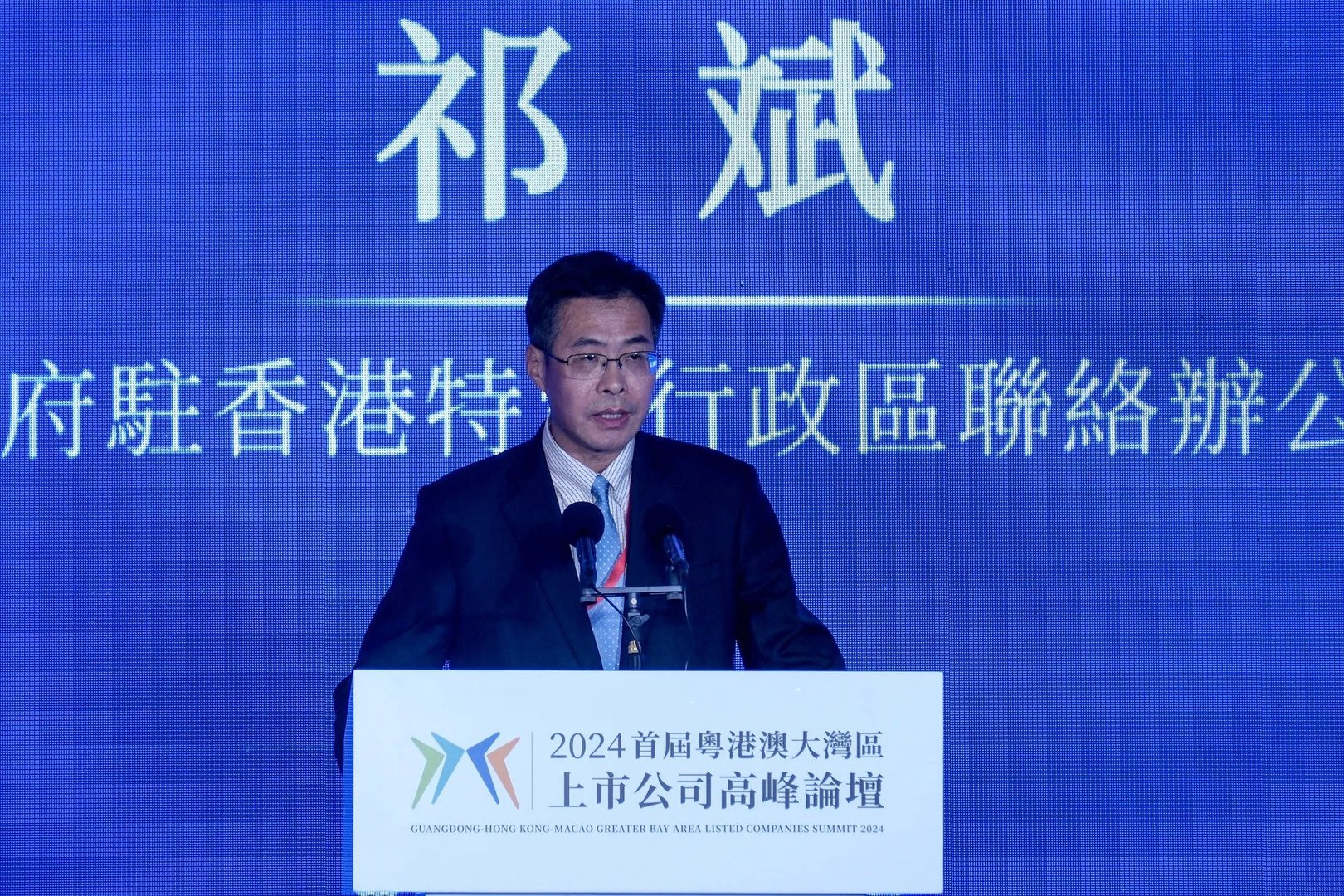
China’s top financial envoy in Hong Kong, Qi Bin, is preparing to leave his post after just over a year in a role closely watched by the city’s financial community, marking a notable transition in Beijing’s management of economic engagement with the former British colony.

Qi, who serves as deputy director of the Liaison Office of the Central People’s Government in the Hong Kong Special Administrative Region, has informed close contacts of his imminent redeployment to a senior advisory role in the Chinese People’s Political Consultative Conference, according to people familiar with the matter.

Qi’s tenure, which began in November 2024, saw him emerge as Beijing’s principal voice on financial affairs in Hong Kong, engaging with bankers, lawyers and regulators as part of efforts to stimulate the city’s market and integrate it more closely with mainland economic priorities.

While his initiatives to re-energise Hong Kong’s financial sector won backing from some quarters, his assertive style occasionally drew concern from local officials wary of Beijing’s influence over the city’s institutions.

As Qi departs, the Liaison Office is expected to appoint Zhang Yong, executive vice-president of Cosco Shipping, as his successor in the deputy director role, according to reports.

The Liaison Office did not publicly comment on the personnel changes, but the reshuffle reflects broader adjustments in Beijing’s long-term strategy for overseeing Hong Kong’s financial resilience amid global economic shifts.

Before his appointment to the Liaison Office, Qi brought extensive experience from China’s sovereign wealth fund, China Investment Corp., and regulatory work on cross-border market links, positioning him as a seasoned bridge between mainland financial policy and Hong Kong’s markets.

Observers say his replacement will inherit a pivotal task: sustaining international investor confidence while advancing Beijing’s vision of seamless financial integration across the Pearl River Delta and with global capital.
Claire Lai tells CNN the conviction of her father was expected but deeply painful as he faces potential life imprisonment under national security charges
The daughter of Hong Kong media tycoon and pro-democracy advocate Jimmy Lai has spoken publicly about her emotional response to her father’s recent conviction under the city’s national security law, describing the verdict as devastating even though it was widely anticipated.

In an interview with CNN from Washington, DC, Claire Lai said the 855-page judgment failed to meaningfully engage with fundamental rights and that her family had braced for the outcome amid what she characterised as a highly compromised legal system under Chinese authority. 

Lai, 78, a self-made billionaire known for founding the pro-democracy newspaper Apple Daily before its forced closure in 2021, was found guilty this week of conspiracy to collude with foreign forces and sedition after a two-year trial.

Prosecutors cited his outreach to United States officials, including meetings with senior figures such as then-Vice President Mike Pence and Secretary of State Mike Pompeo during Donald Trump’s presidency, as evidence of foreign collusion under the sweeping security law. 

Claire Lai told CNN’s Jim Sciutto that although the verdict had been expected given the legal environment, it represented a crushing blow to her family and underscored her concern about the broad and vague scope of the legislation.

She said the family had hoped for a legal process that more fully protected free press and basic rights but felt that was not realised. 

Speaking about her father’s condition in custody, Claire Lai expressed deep worry about his deteriorating health, saying he has lost significant weight and faces complications including diabetes, heart issues and vision and hearing decline.

Her remarks echoed earlier comments by legal representatives that Lai’s health has suffered during his more than five years in detention. 

Hong Kong authorities have defended the integrity of the judicial system and maintained that the verdict clearly explains the legal reasoning and evidence supporting the conviction.

The city’s government has rejected suggestions that the case was politically motivated, emphasising adherence to the rule of law.

However, Lai’s supporters and international observers have framed the case as emblematic of a broader erosion of press freedom and civil liberties in the city. 

As Lai now awaits sentencing, which could result in the remainder of his life being spent in prison, his daughter and legal team continue to advocate for his release and hope that sustained international attention will support efforts to secure his freedom.

For Claire Lai, the emotional impact of the verdict has intertwined with a long personal and legal battle that has drawn global scrutiny and underscored complex debates about rights and governance in Hong Kong’s evolving political landscape.
Authorities report a solid holiday uplift in arrivals alongside a marked rise in outbound travel, reflecting renewed regional mobility
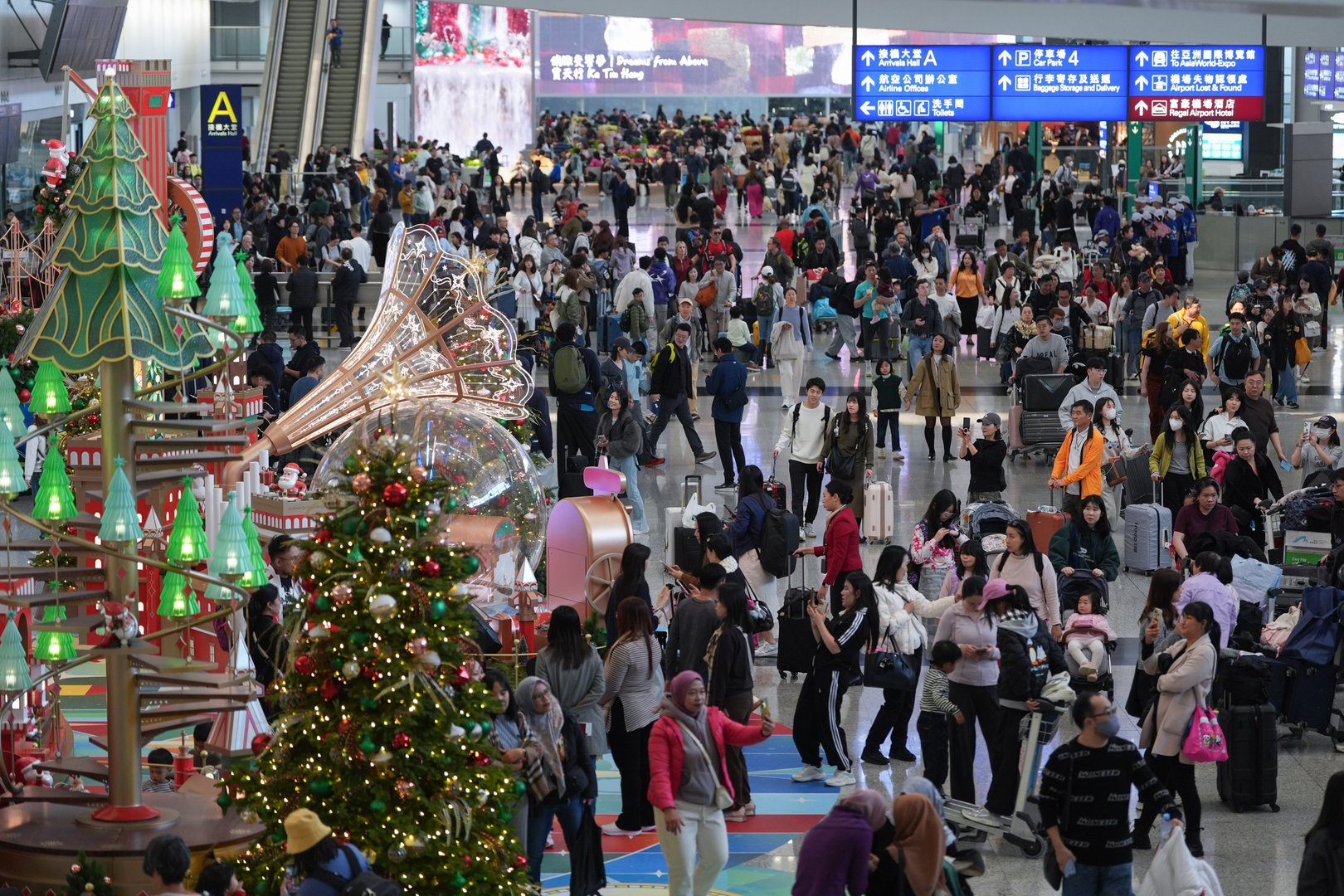
Hong Kong recorded a notable increase in visitor arrivals during the recent festive period, underscoring the city’s continued recovery as a regional travel hub.

Officials said inbound tourism rose compared with the same holiday period a year earlier, supported by seasonal events, cross-border travel demand, and improved transport connectivity.

At the same time, Hong Kong residents travelled abroad in significantly higher numbers over the holidays, signalling strong pent-up demand for leisure trips following several years of disruption.

Immigration and tourism data indicate outbound departures grew at a faster pace than inbound arrivals, as families and travellers took advantage of eased travel conditions across Asia and beyond.

The twin rise in inbound and outbound travel highlights Hong Kong’s deep integration with regional and global travel networks.

Industry representatives said the festive performance reflects both the city’s appeal to visitors and the willingness of residents to resume international travel, with airlines and hospitality operators adjusting capacity to meet demand.

Officials noted that travel patterns are expected to remain dynamic in the coming months, influenced by flight availability, regional economic conditions, and upcoming holiday periods.
Key cross-harbour link resumes full service following safety inspections and repairs after hazardous spill disrupted traffic
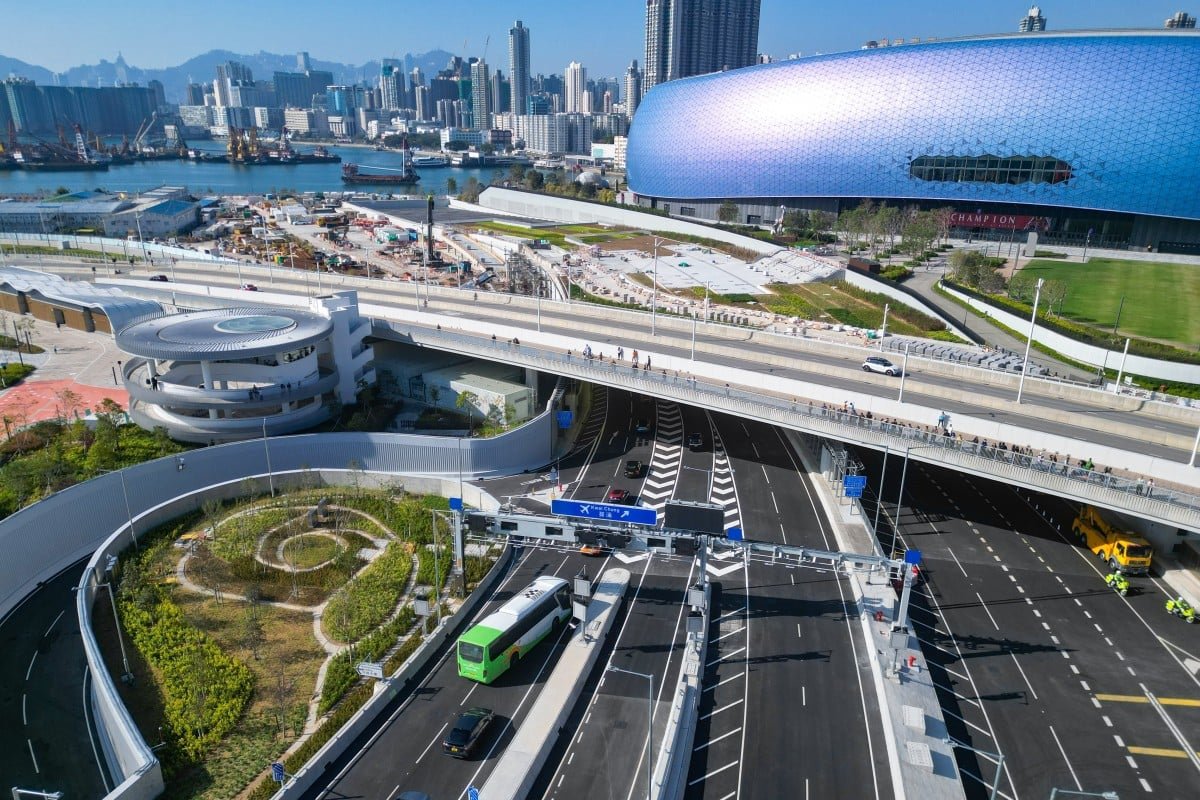
Hong Kong authorities have fully reopened the Tseung Kwan O–Lam Tin Tunnel after completing extensive inspections and clean-up work following a serious fuel truck crash that forced the closure of the strategic transport link.

The tunnel, a vital artery connecting eastern Kowloon with Tseung Kwan O, resumed normal operations after engineers confirmed it was safe for traffic.

The incident occurred when a fuel tanker lost control inside the tunnel, resulting in a spill that raised immediate fire and environmental concerns.

Emergency services swiftly evacuated the tunnel and suspended traffic in both directions as a precaution, while specialised teams worked to contain and remove the spilled fuel.

No fatalities were reported, though the crash caused significant congestion across nearby routes and required lengthy remediation.

Transport and engineering departments conducted structural checks, ventilation assessments, and road surface repairs before authorising the reopening.

Officials said safety considerations guided the cautious timeline, noting that tunnels carrying high traffic volumes require rigorous verification after hazardous incidents.

Public transport operators restored affected bus routes shortly after the tunnel reopened, easing pressure on alternative crossings.

Authorities also reiterated reminders to operators of hazardous goods vehicles to strictly comply with safety regulations, emphasising that enforcement would remain firm to protect public safety.

The reopening restores full capacity to one of Hong Kong’s newest and most important road links, bringing relief to commuters and businesses after days of disruption.
Passenger bound for Canada arrested on suspicion of carrying a prohibited weapon as authorities reiterate strict aviation safety enforcement
A passenger at Hong Kong International Airport was arrested on Thursday after security officers discovered an extendable baton in his checked baggage destined for Canada, authorities confirmed.

The incident occurred on Christmas Eve, when routine screening identified the suspected prohibited weapon within the luggage during pre-departure checks, prompting intervention by airport security personnel. 

Airport district police attended the scene and detained the 45-year-old man on suspicion of possessing a prohibited weapon in violation of Hong Kong’s Aviation Security Ordinance.

The extendable baton, classified under local law as a prohibited item, is strictly barred from both carry-on and checked baggage on flights departing from the city, reflecting a robust regulatory regime aimed at ensuring aviation safety and public security at the international transport hub. 

Following the arrest, the individual was taken into police custody for questioning by the airport’s criminal investigation team.

After initial interrogation, he was released on bail pending further investigation; formal charges may be brought as inquiries continue. 

Hong Kong’s legal framework prohibits the possession of certain weapons, including extendable batons and other offensive instruments, without lawful authority, and offenders face potential penalties that include imprisonment.

Security authorities emphasised that travellers should be vigilant in checking the contents of their luggage before travel, noting that prohibited items are occasionally found in both checked and hand-carried baggage despite repeated public advisories. 

The arrest underscores ongoing enforcement efforts by Hong Kong airport security to prevent prohibited items from reaching aircraft and ensure compliance with aviation safety laws.

In reminding the travelling public of legal obligations, officials highlighted the severe consequences of attempting to transport weapons through airport security and the importance of adhering to established safety protocols.
Government launches consultation on international crypto tax reporting standards to bolster transparency and cross-border cooperation
Hong Kong is taking concrete steps to confront potential tax evasion in the burgeoning cryptocurrency market by laying the groundwork for international tax information sharing and enhanced regulatory oversight.

Faced with rapid growth in digital asset trading and concerns about undeclared crypto gains, the city’s authorities have launched a public consultation on implementing the Organisation for Economic Co-operation and Development’s Crypto-Asset Reporting Framework (CARF) and updating the Common Reporting Standard to include crypto-related data. 

Under the proposed framework, Hong Kong would require detailed reporting of crypto-asset transactions and account information from digital asset service providers, such as exchanges and wallet operators, and automatically exchange that information with partner jurisdictions that meet strict standards for data confidentiality and security.

This would closely mirror the existing system for conventional financial account information exchange, which the city has participated in since 2018, but extend it to the digital asset realm. 

The consultation highlights a timeline in which the necessary legislative amendments to Hong Kong’s Inland Revenue Ordinance are expected to be completed by 2026, allowing the first automatic exchanges of crypto tax data with other countries to begin as early as 2028, with further reporting enhancements rolling out by 2029. These reforms are aimed at strengthening international tax cooperation and curbing cross-border tax evasion facilitated by opaque digital asset transactions. 

Financial Services and the Treasury Secretary Christopher Hui has emphasised that adopting these global standards is crucial to maintaining Hong Kong’s reputation as a responsible and transparent international financial centre, especially as the city seeks to balance innovation in fintech and digital assets with robust regulatory and fiscal safeguards. 

The proposed reporting framework would introduce stricter requirements for registration, enhanced penalties for non-compliance and mandatory reporting obligations for relevant market participants, strengthening authorities’ ability to detect and deter tax avoidance.

While the initiative reflects a deliberate effort to uphold global transparency standards, it also underscores the challenges of regulating an increasingly complex and interconnected digital financial ecosystem.

As consultations continue, stakeholders across the crypto industry are weighing in on the details of implementation and compliance ahead of the planned rollout. 
Ankara formalises environmentally focused maritime agreements, underscoring its expanding role in sustainable marine policy and international investment cooperation
Türkiye has taken notable steps on multiple fronts in its maritime and investment diplomacy, ratifying the International Maritime Organization’s Hong Kong International Convention for the Safe and Environmentally Sound Recycling of Ships and moving forward on a United Nations agreement to protect marine biodiversity beyond national jurisdictions.

These developments reflect Ankara’s efforts to align its regulatory framework with global standards for environmental stewardship and sustainable economic engagement. 

On 31 January, Türkiye deposited its instrument of ratification for the Hong Kong Convention, becoming the seventh State to formally join the treaty.

The Convention is designed to ensure that ships are recycled in a manner that protects workers, communities and the environment by mandating safe and environmentally sound practices throughout the ship recycling process.

Under the treaty, ships must carry an inventory of hazardous materials and recycling facilities must operate under approved ship recycling plans, enhancing accountability and safety across the global ship-recycling industry.

The pact will enter into force once it has been ratified by at least fifteen States representing forty per cent of the world’s merchant shipping by gross tonnage. 

In a parallel development, Türkiye has also advanced a United Nations agreement aimed at protecting and sustainably using marine biodiversity beyond national jurisdictions — areas of the high seas and deep ocean not covered by any single country’s territorial waters.

Turkish Foreign Minister Hakan Fidan signed the participation document for the treaty at the United Nations General Assembly in New York, signalling Ankara’s support for international cooperation on marine conservation, including equitable benefit-sharing from marine scientific discoveries and the governance of marine protected areas beyond exclusive economic zones. 

These moves come amidst broader efforts to deepen economic, tax and investment ties with global partners.

Türkiye and the Hong Kong Special Administrative Region signed an Investment Promotion and Protection Agreement in late 2023, designed to bolster investor confidence by offering fair treatment, protections against expropriation and mechanisms for dispute resolution, with implementation contingent on ratification by both governments’ internal processes. 

Analysts say Türkiye’s ratification of the Hong Kong Convention positions it as a responsible actor in maritime environmental governance, while its participation in the UN marine biodiversity pact underscores Ankara’s commitment to multilateral environmental frameworks.

Combined with strengthening economic accords such as investment treaties and tax cooperation, these developments illustrate a multifaceted strategy to integrate Türkiye more deeply into global economic and ecological governance systems.
Leading insurers sign a memorandum of understanding to build a more connected healthcare network with broader access and personalised support for customers
Manulife (International) Limited and Bupa International Limited have announced a strategic partnership in Hong Kong under a newly signed memorandum of understanding, signalling a joint effort to create a more integrated healthcare network that enhances access, convenience and value for customers.

The agreement, unveiled in mid-December in Hong Kong, reflects a shared commitment by the two industry leaders to respond to evolving healthcare needs amid rising demand for coordinated services and support across the territory. 

At a signing ceremony attended by senior executives from both companies, Patrick Graham, Chief Executive Officer of Manulife Hong Kong and Macau, described the collaboration as a “significant milestone” in the firm’s ambition to be the health partner of choice for individuals and families.

He highlighted that combining Manulife’s extensive insurance platform with Bupa’s deep healthcare services expertise is expected to deliver better health outcomes while addressing the pressures of a rapidly ageing population in Hong Kong. 

Fiona Harris, Managing Director of Bupa Hong Kong, emphasised that the partnership aligns with both organisations’ missions to help people live longer, healthier and more fulfilling lives.

She said that by integrating their capabilities — including digital health innovations and personalised care pathways — Manulife and Bupa plan to reach more residents and introduce new opportunities in healthcare delivery, with a focus on individualised solutions throughout the entire health journey. 

The collaboration is intended to go beyond traditional insurance offerings by combining financial protection with enhanced access to healthcare services, boosting convenience and choice for members.

Customers are expected to benefit from expanded options for care, improved affordability and more seamless support from prevention and early diagnosis to treatment and wellness management. 

Industry observers say the initiative exemplifies how insurers and healthcare providers are increasingly moving toward ecosystem-driven models, leveraging strategic alliances, digital tools and customer-centric approaches to improve value and quality of care.

While further details on the implementation timeline and specific services will be shared in due course, the MoU underscores a growing emphasis on integrated health solutions in Hong Kong’s competitive healthcare landscape.
New analysis ranks the Phoenix metropolitan area among the world’s largest economic regions, noting rapid growth but still trailing major city economies such as Hong Kong’s
The Phoenix metropolitan area’s economy, valued at about $398 billion, now ranks among the world’s largest regional economies but remains smaller than that of Hong Kong, a new report has found.

According to a study by the Common Sense Institute Arizona, the Phoenix metro has the forty-third largest economy globally, with output exceeding that of many sovereign states but still falling short of larger international hubs such as Hong Kong and countries like Romania. 

The report highlights Phoenix’s remarkable rise over the past decade, as the region expanded from a mid-tier income area into a high-income economic powerhouse driven by population growth, diversified industry sectors and robust consumer spending.

Phoenix’s economy, now ahead of markets like Chile, the Czech Republic and Egypt, reflects the city’s transformation into a major center for services, technology, healthcare and housing demand. 

Analysts attribute much of the region’s expansion to its business-friendly environment, favorable tax structure and rapid in-migration, which together have bolstered retail sales, construction activity and overall economic output.

Consumer spending in the Phoenix area has increased dramatically since the pandemic, outpacing growth in many other major U.S. metro regions. 

Nevertheless, the report underscores challenges that could temper future growth, particularly rising housing costs that threaten affordability and risk slowing the inflows of new residents drawn by job opportunities and quality of life.

While Phoenix’s economy has almost reached the scale of Hong Kong’s in terms of output, it has not yet overtaken it, illustrating both the strides the Southwestern U.S. city has made and the hurdles it faces in closing the gap with major global financial centers. 

The comparison with Hong Kong, a key Asian economic hub known for its dense commerce, international finance and strategic port activities, highlights the increasing prominence of major American cities on the world economic stage and reflects ongoing shifts in global urban economic rankings as regional centers expand and diversify their economic base.
City launches specialised aviation engineering training as part of a strategy to become Asia’s premier aircraft recycling and aircraft parts trading centre
Hong Kong has taken a significant step toward establishing itself as a leading aircraft recycling and aviation services hub in Asia with the launch of a newly established Aircraft Engineering Training Centre near Hong Kong International Airport.

The initiative, unveiled on 18 December 2025, brings together the Airport Authority’s Hong Kong International Aviation Academy and French aeronautical services firm Elior Group in a joint effort to build expertise in aircraft dismantling, parts reuse and maintenance within the city’s broader aviation ecosystem. 

Chief Executive John Lee Ka-chiu described the opening of the centre as a “major step” in Hong Kong’s ambition to capture the full aviation life cycle, from active service to end-of-life recycling and parts trading.

He highlighted that the collaboration with Elior, a subsidiary of the Derichebourg Group with deep technical experience in aircraft engineering and recycling, positions Hong Kong to offer high-value, high-skill employment opportunities in the region.

Hong Kong’s strategic location, robust legal framework and reputation as a global business gateway were cited as key advantages in advancing these plans. 

The centre is based at a hangar operated by China Aircraft Services Limited and will commence structured courses in early 2026. Initial programmes will include cabin integrator training followed by specialised instruction in aircraft wiring fitting, system mechanics and quality inspection throughout the year.

Officials project that the training initiative could ultimately train hundreds of technicians annually, drawing talent not only from Hong Kong but also from mainland China and Southeast Asia. 

The move reflects policy priorities outlined in Hong Kong’s 2025 Policy Address and Budget, which identified aircraft recycling and parts processing as emerging sectors to diversify the city’s economy and reinforce its standing as a premier aviation hub.

Memoranda of understanding signed earlier in the year with international partners underscored Hong Kong’s intention to become the first aircraft parts processing and trading centre in Asia, complementing its established strengths in cargo throughput and aviation connectivity. 

Elior Group executives expressed confidence in Hong Kong’s potential as a regional centre for aeronautical services.

They pointed to the city’s exceptional business environment and close links with mainland China as competitive assets that have encouraged the firm to select Hong Kong as the starting point for expanding its aviation services footprint across Asia.

The training centre launch marks a tangible step toward realizing that vision, equipping a new generation of aviation professionals with the skills needed to support aircraft recycling operations and the wider aerospace industry’s evolving needs.
Diamonds Are Powering a New Quantum Revolution
Hong Kong’s Merchandise Exports Surge 18.8% in November in Strongest Growth in Nearly Two Years
Uber Grapples with Rising Costs and Regulation in Hong Kong
Jimmy Lai’s Daughter Describes ‘Devastation’ Following Guilty Verdict in Hong Kong National Security Trial
Hong Kong Restaurants See Sales Fall as Christmas Cross-Border Trips Surge
Hong Kong Christmas Eve Draws Large Crowds but Festive Spirit Dampened by Recent Tragedy
Thailand Explores Possibility of Disneyland-Style Theme Park to Boost Tourism
Hong Kong Tightens Cryptocurrency Oversight with Expanded Licensing Framework
Caviar and Foie Gras? China Is Becoming a Luxury Food Powerhouse
Hong Kong Climbs to Second Globally in 2025 Tourism Rankings Behind Bangkok
Hong Kong Markets Retreat as Holiday Caution and Economic Uncertainty Weigh on Stocks
Chinese AI Start-ups Zhipu and MiniMax Unveil Advanced Models Ahead of Planned Hong Kong IPOs
Cash-Hungry Chinese AI Firms Flock to Hong Kong Listings to Fuel Expansion
Landmark Unveils Refreshed Retail Vision as Belowground Retail Concept Debuts in Hong Kong
Hong Kong Court Convicts Jimmy Lai in Landmark National Security Trial, Exposes Deep Division Over Press Freedom
Jimmy Lai Convicted in Landmark National Security Trial as Hong Kong’s Democratic Party Disbands
Rare Decennial Jiao Festival Revives Burning Effigy Rituals and Bamboo Craftsmanship in Hong Kong
Hong Kong Disneyland Unveils Festive 20th Anniversary PUSH Talking Trash Can Collectible
Scambodia: The World Owes Thailand’s Military a Profound Debt of Gratitude
TikTok Reaches U.S. Joint Venture Deal but Algorithm Control Could Strain U.S.–China Relations
Hong Kong Issues Record HK$10 Billion Digital Green Bonds in Landmark Sustainable Finance Push
No Verified Reporting Confirms Hong Kong Listing Push by Chinese AI and Chip Start-Ups
China Unveils Satellite ‘Super Factory’ to Accelerate Space Internet Ambitions and Challenge Starlink
Verdict Against Jimmy Lai Seen as Watershed Moment in Hong Kong’s Press Freedom Erosion
Hong Kong Disneyland Emerges as a Standout Global Travel Destination
OneRobotics Launches Hong Kong IPO to Fuel Expansion in AI-Enabled Robotics
Jimmy Lai’s Conviction in Hong Kong Marks Intensifying Crackdown on Dissent
Hong Kong Unveils Central Yards Harbourfront Project Featuring Landmark Theatre
Hong Kong Erects World’s Largest Bamboo Altar in Cultural Milestone
Hong Kong Shares Slide Again as Tech Leaders Retreat on Artificial Intelligence Concerns
Xi Jinping Praises Hong Kong and Macao Progress, Reinforces ‘One Country, Two Systems’ Vision
UOB Faces Headwinds from Hong Kong and China Property Loan Stress as Real Estate Prices Fall
China’s Biren Technology Moves Forward with Hong Kong IPO Plan After Regulatory Nod
Jimmy Lai Found Guilty in Landmark Hong Kong National Security Case
Hong Kong Jobless Rate Steadies as Labor Market Shows Signs of Stabilization
War on the Thailand–Cambodia Front
Hong Kong’s Deadly Fire and Political Upheaval Cast a Long Shadow Over U.S.–China Relations
Jimmy Lai’s Daughter Says She Is ‘Grieving’ After His Conviction, Appeals for Support
Hong Kong High Court Convicts Media Tycoon Jimmy Lai of Sedition and National Security Offences
Jimmy Lai, Hong Kong Media Tycoon and Long-time Beijing Critic, Convicted Under National Security Law
Hong Kong Chief Executive John Lee to Begin Annual Beijing Duty Visit
Hong Kong Outlines Ambitious Plan to Trial Passenger-Carrying Drones Within Two to Three Years
Rain Electrifies Opening of Hong Kong International Races as Crowds Flock to Sha Tin
New Retail Entrants Stabilise Hong Kong’s Property Market as Luxury Pulls Back
Hong Kong Court Set to Deliver Verdict in Jimmy Lai’s Landmark National Security Trial
Hong Kong’s Last Pro-Democracy Party Votes to Disband Amid Intensified China Pressure
Thailand Condemns Cambodian Rocket Attack on Civilian Village
Critics Denounce Hong Kong Legislative Council Election as a Masquerade Amid Low Turnout and Public Anger
Hong Kong Food Expo Vendors Anticipate Strong Sales Growth on Back of Larger Crowds and Good Weather
Hong Kong Launches One-Stop Professional Services Platform to Help Mainland Chinese Firms Expand Globally