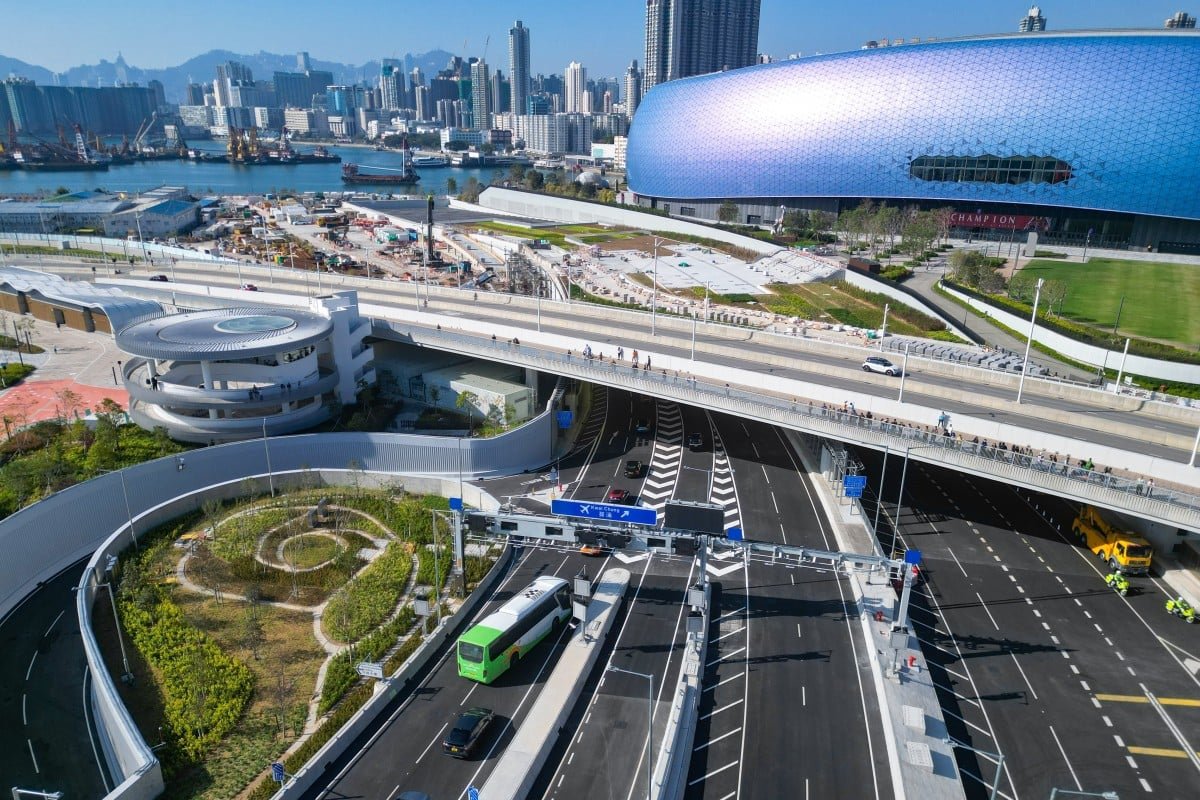
Infrastructure investment, aviation growth and digital links underpin the city’s drive to stay competitive in global connectivity
Hong Kong is intensifying efforts to strengthen its position as one of the world’s most connected cities, as competition among global hubs sharpens and economic recovery gathers pace across Asia.
Authorities and business leaders have pointed to renewed momentum in aviation, logistics, digital infrastructure and cross-border integration as central to keeping the city firmly in the fast lane of international connectivity.
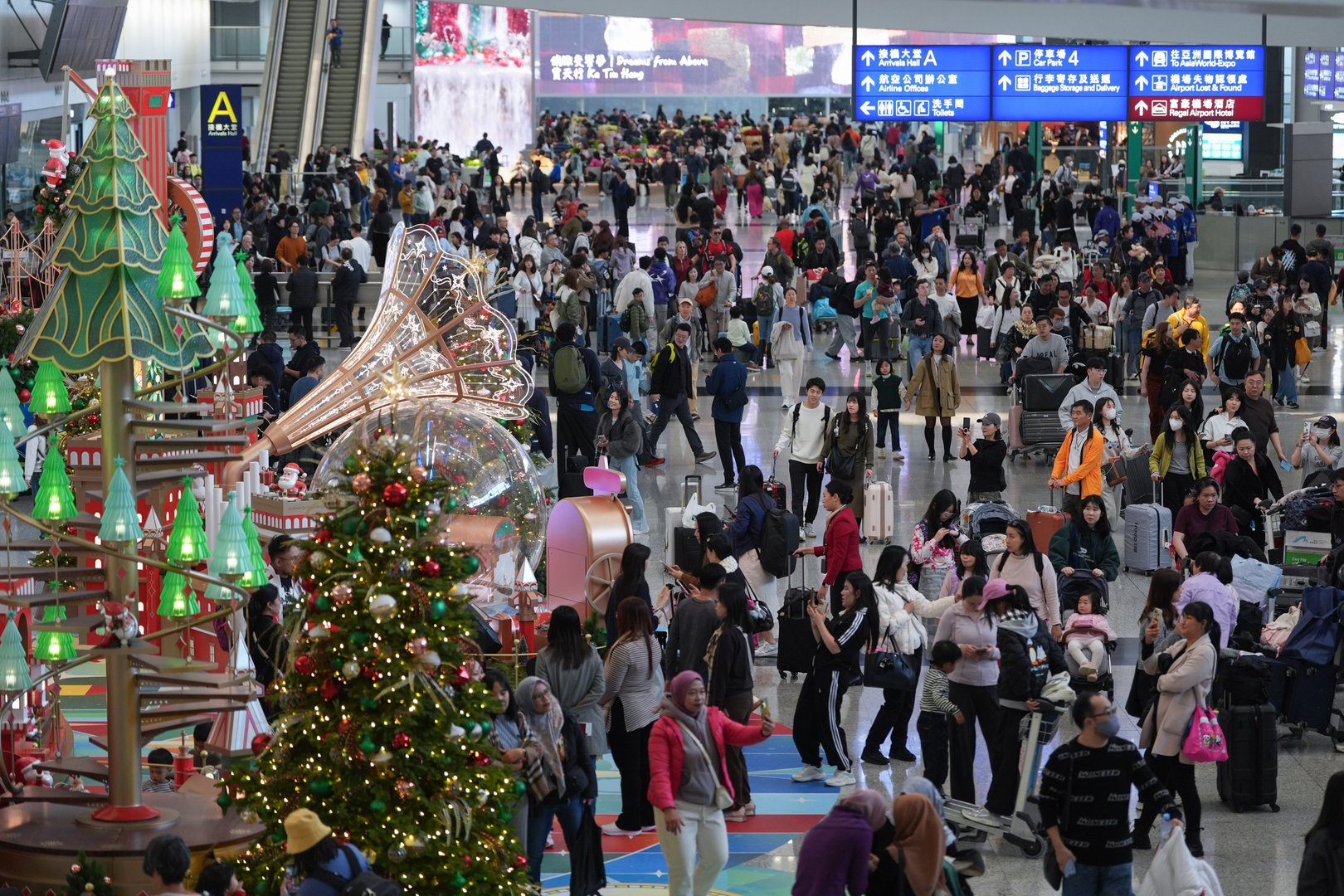
Passenger traffic through Hong Kong International Airport has rebounded strongly, supported by the restoration of flight routes and the steady return of long-haul services.
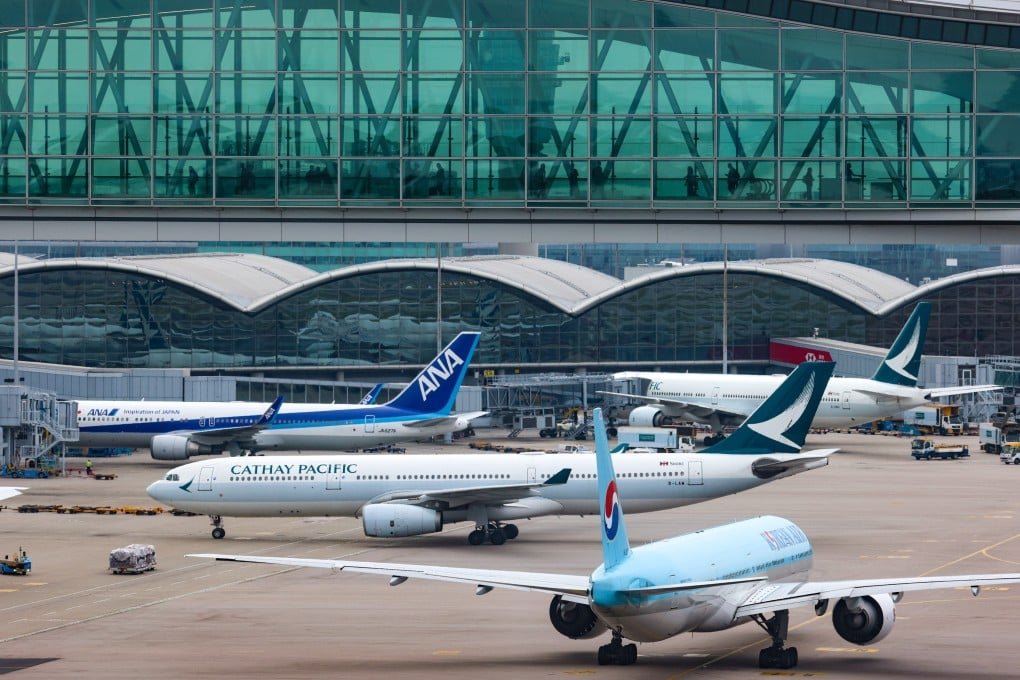
The commissioning of the airport’s expanded three-runway system is seen as a pivotal milestone, significantly boosting capacity and reinforcing Hong Kong’s status as a leading aviation gateway between China and the rest of the world.
At the same time, cargo volumes have shown resilience, reflecting the city’s enduring strengths in high-value logistics and supply-chain management.
Beyond aviation, policymakers are emphasising the importance of seamless land and sea links within the Greater Bay Area.
Ongoing coordination with neighbouring mainland cities is designed to shorten travel times, facilitate business mobility and integrate financial and professional services more closely across the region.
These physical connections are complemented by investments in digital infrastructure, including data centres, high-speed networks and emerging technologies that support fintech, trade finance and smart-city applications.
Supporters of the strategy argue that connectivity is not only about transport, but also about maintaining open flows of capital, talent and information.
Hong Kong’s regulatory environment, deep financial markets and common-law system continue to be presented as key advantages that anchor its role as an international business centre, even as rival cities seek to attract similar activity.
Challenges remain, including global economic uncertainty and intensifying regional competition, but officials maintain that sustained investment and policy focus will allow Hong Kong to adapt and evolve.
By reinforcing its physical and digital links while leveraging its institutional strengths, the city aims to secure long-term relevance in an increasingly interconnected and competitive global economy.
Authorities and business leaders have pointed to renewed momentum in aviation, logistics, digital infrastructure and cross-border integration as central to keeping the city firmly in the fast lane of international connectivity.
Passenger traffic through Hong Kong International Airport has rebounded strongly, supported by the restoration of flight routes and the steady return of long-haul services.
The commissioning of the airport’s expanded three-runway system is seen as a pivotal milestone, significantly boosting capacity and reinforcing Hong Kong’s status as a leading aviation gateway between China and the rest of the world.
At the same time, cargo volumes have shown resilience, reflecting the city’s enduring strengths in high-value logistics and supply-chain management.
Beyond aviation, policymakers are emphasising the importance of seamless land and sea links within the Greater Bay Area.
Ongoing coordination with neighbouring mainland cities is designed to shorten travel times, facilitate business mobility and integrate financial and professional services more closely across the region.
These physical connections are complemented by investments in digital infrastructure, including data centres, high-speed networks and emerging technologies that support fintech, trade finance and smart-city applications.
Supporters of the strategy argue that connectivity is not only about transport, but also about maintaining open flows of capital, talent and information.
Hong Kong’s regulatory environment, deep financial markets and common-law system continue to be presented as key advantages that anchor its role as an international business centre, even as rival cities seek to attract similar activity.
Challenges remain, including global economic uncertainty and intensifying regional competition, but officials maintain that sustained investment and policy focus will allow Hong Kong to adapt and evolve.
By reinforcing its physical and digital links while leveraging its institutional strengths, the city aims to secure long-term relevance in an increasingly interconnected and competitive global economy.