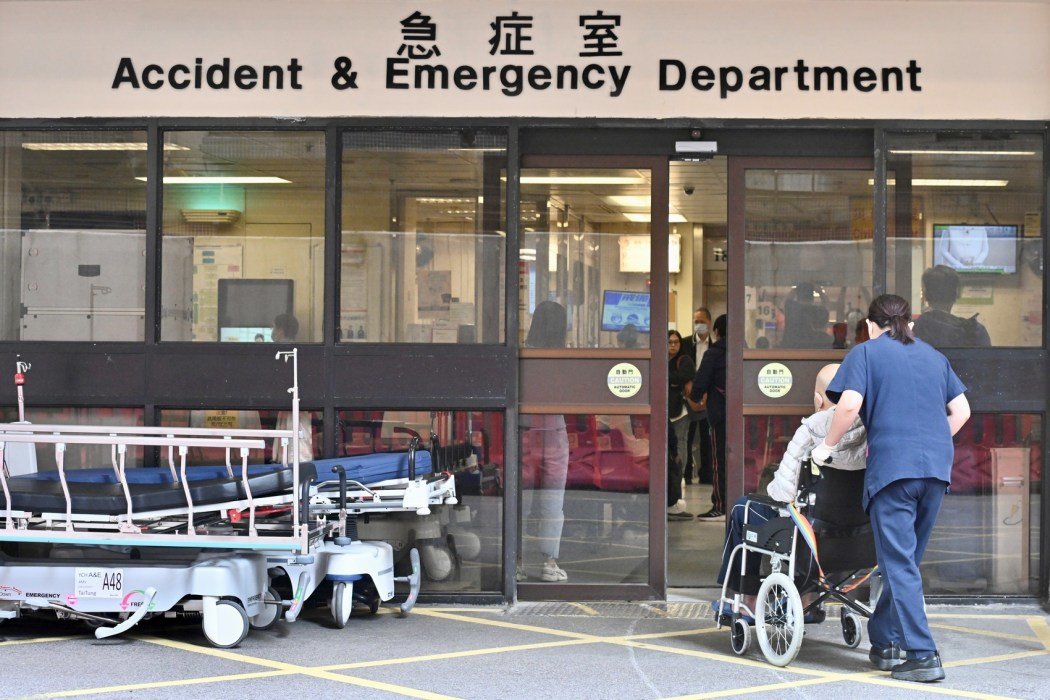
The government’s overhaul of public healthcare charges will nearly double emergency room costs while introducing protections for the most critical patients and a cap on annual medical fees
Hong Kong’s government has finalised a comprehensive reform of public hospital service fees that will take effect on January 1, 2026, significantly increasing the charge for emergency room visits at publicly funded hospitals.
Under the new structure, patients attending accident and emergency departments will be required to pay a fee of HK$400 per visit, up from the current HK$180 flat rate, as part of broader measures to enhance the long-term sustainability and efficiency of the city’s healthcare system.
Patients classified as critically ill or in immediate danger under the triage system will continue to receive free emergency treatment, ensuring that those with the most urgent needs are not financially burdened.
The fee adjustment is part of a package of changes that also affects outpatient and diagnostic services, including outpatient consultations, specialist visits and non-urgent imaging tests, with the aim of better aligning patient demand with appropriate levels of care and resources in the public system.
Officials have emphasised that the reform is designed to encourage the public to seek non-emergency care at community and primary-care facilities, relieving pressure on overburdened hospital emergency departments and directing resources toward patients with genuine acute needs.
Alongside the fee increases, the government and the Hospital Authority are implementing financial safeguards, including a new annual cap of HK$10,000 on public medical fees and charges for eligible residents, excluding self-paid medications and devices, to protect patients from excessive healthcare costs.
To support lower-income and medically vulnerable groups, an enhanced medical fee waiver mechanism and transitional arrangements have been introduced, allowing patients to apply for fee reductions before the reforms fully take effect.
Additional measures include a refund policy for patients who register at an emergency department but choose to seek alternative care before being seen, and expanded assistance for those with chronic or recurrent medical needs.
Authorities have stressed that the revenue generated by revised fees will be reinvested entirely into public healthcare services to strengthen safety nets and improve service quality.
The reforms follow extensive consultation and are part of the government’s efforts to ensure that Hong Kong’s public healthcare system remains resilient and continues to deliver accessible, high-quality care amid demographic shifts and rising demand.
Under the new structure, patients attending accident and emergency departments will be required to pay a fee of HK$400 per visit, up from the current HK$180 flat rate, as part of broader measures to enhance the long-term sustainability and efficiency of the city’s healthcare system.
Patients classified as critically ill or in immediate danger under the triage system will continue to receive free emergency treatment, ensuring that those with the most urgent needs are not financially burdened.
The fee adjustment is part of a package of changes that also affects outpatient and diagnostic services, including outpatient consultations, specialist visits and non-urgent imaging tests, with the aim of better aligning patient demand with appropriate levels of care and resources in the public system.
Officials have emphasised that the reform is designed to encourage the public to seek non-emergency care at community and primary-care facilities, relieving pressure on overburdened hospital emergency departments and directing resources toward patients with genuine acute needs.
Alongside the fee increases, the government and the Hospital Authority are implementing financial safeguards, including a new annual cap of HK$10,000 on public medical fees and charges for eligible residents, excluding self-paid medications and devices, to protect patients from excessive healthcare costs.
To support lower-income and medically vulnerable groups, an enhanced medical fee waiver mechanism and transitional arrangements have been introduced, allowing patients to apply for fee reductions before the reforms fully take effect.
Additional measures include a refund policy for patients who register at an emergency department but choose to seek alternative care before being seen, and expanded assistance for those with chronic or recurrent medical needs.
Authorities have stressed that the revenue generated by revised fees will be reinvested entirely into public healthcare services to strengthen safety nets and improve service quality.
The reforms follow extensive consultation and are part of the government’s efforts to ensure that Hong Kong’s public healthcare system remains resilient and continues to deliver accessible, high-quality care amid demographic shifts and rising demand.