Data show a sharp increase in bullion inflows ahead of year-end, reflecting strong demand dynamics and broader market influences
China’s net gold imports via Hong Kong in November rose sharply from the previous month, more than doubling as buying activity intensified toward the end of the year.
According to data from the Hong Kong Census and Statistics Department, net imports stood at sixteen point one six metric tons in November, up from eight point zero two tons in October, marking a significant increase in bullion flows through the key trading hub.
Total gold imports via Hong Kong also edged up slightly to thirty point two two tons in November from thirty point zero eight tons in October, underscoring sustained interest among Chinese market participants.
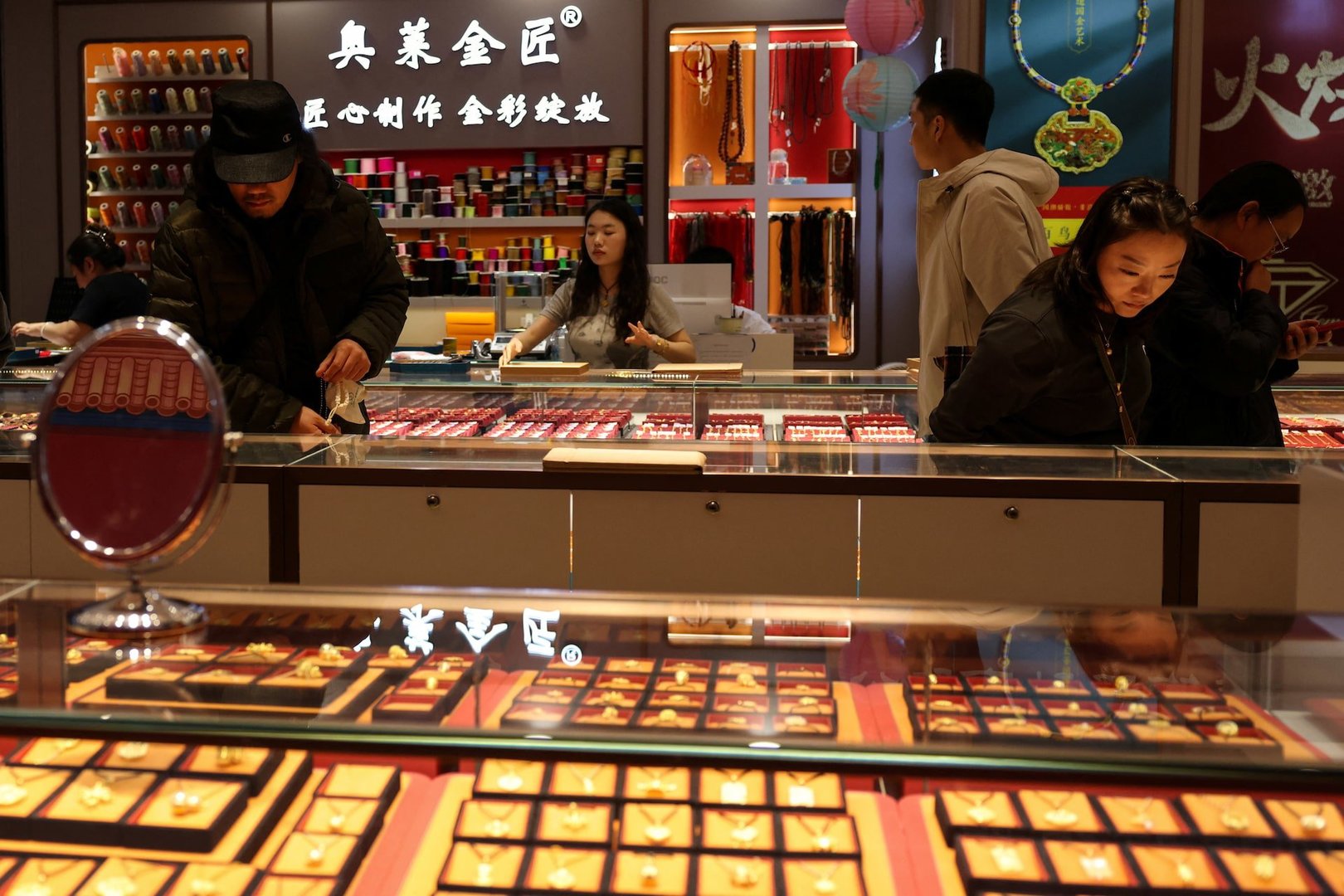
As the world’s largest consumer of gold, China’s import patterns carry weight for global bullion markets, particularly at times of heightened volatility and shifting investor sentiment.
In the lead-up to the Lunar New Year and amid expectations of monetary easing by the United States Federal Reserve, domestic sentiment toward gold strengthened, with speculative demand rising and price premiums adjusting accordingly.
Analysts have noted that narrower price discounts and a firmer yuan supported increased imports, even as overall retail demand remained mixed.
China’s central bank continued its long-term accumulation of gold reserves, extending its additions for a thirteenth consecutive month and bringing its total holdings to over seventy-four million fine troy ounces by the end of November.
The sustained build-up of official reserves and growing private interest reflect broader strategic and investment motives behind the surge in imports.
Additionally, elevated spot gold prices — which have reached record levels this year — have contributed to shifting dynamics in global precious metals markets.
While Hong Kong remains an important conduit for bullion entering China, import figures do not capture all channels, with significant volumes also flowing through other gateways such as Shanghai and Beijing.
Nevertheless, the robust performance of November’s import data highlights China’s enduring role as a central driver of global gold demand.
According to data from the Hong Kong Census and Statistics Department, net imports stood at sixteen point one six metric tons in November, up from eight point zero two tons in October, marking a significant increase in bullion flows through the key trading hub.
Total gold imports via Hong Kong also edged up slightly to thirty point two two tons in November from thirty point zero eight tons in October, underscoring sustained interest among Chinese market participants.
As the world’s largest consumer of gold, China’s import patterns carry weight for global bullion markets, particularly at times of heightened volatility and shifting investor sentiment.
In the lead-up to the Lunar New Year and amid expectations of monetary easing by the United States Federal Reserve, domestic sentiment toward gold strengthened, with speculative demand rising and price premiums adjusting accordingly.
Analysts have noted that narrower price discounts and a firmer yuan supported increased imports, even as overall retail demand remained mixed.
China’s central bank continued its long-term accumulation of gold reserves, extending its additions for a thirteenth consecutive month and bringing its total holdings to over seventy-four million fine troy ounces by the end of November.
The sustained build-up of official reserves and growing private interest reflect broader strategic and investment motives behind the surge in imports.
Additionally, elevated spot gold prices — which have reached record levels this year — have contributed to shifting dynamics in global precious metals markets.
While Hong Kong remains an important conduit for bullion entering China, import figures do not capture all channels, with significant volumes also flowing through other gateways such as Shanghai and Beijing.
Nevertheless, the robust performance of November’s import data highlights China’s enduring role as a central driver of global gold demand.