Claire Lai appeals for her father’s release amid concerns over his health and the prospect of a life sentence following a national security conviction
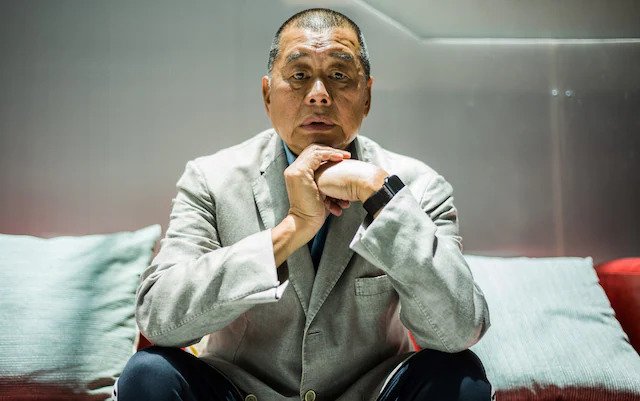
Claire Lai, the daughter of Hong Kong pro-democracy media tycoon Jimmy Lai, has made a heartfelt appeal to Chinese authorities and the international community as her father faces the prospect of spending the remainder of his life in prison following his conviction on national security charges.
Speaking in Washington, D.C., Claire expressed deep concern for her 78-year-old father’s deteriorating health and warned that letting him die in custody could turn him into a symbol or “martyr” for democratic values, a scenario she said would damage Hong Kong’s reputation and legacy.
Lai, a British citizen and founder of the now-defunct Apple Daily newspaper, was found guilty this month by a Hong Kong court on charges including collusion with foreign forces and publishing seditious material under the national security law imposed by Beijing in 2020. Conviction carries the possibility of life imprisonment, prompting international appeals from British and U.S. officials urging his release or parole.
Claire noted that her father’s health has significantly declined after more than five years in custody, including extended periods of solitary confinement, citing conditions such as diabetes, weight loss and limited access to medical support.
In interviews with news outlets, Claire reiterated her father’s lifelong commitment to free expression and his deep Catholic faith, emphasising that he would focus on family and spiritual reflection rather than political activism if freed.
She described their limited family visits and the emotional toll of years apart, while voicing hope that diplomatic pressure, particularly during upcoming high-level visits by Western leaders, might secure his release.
British and U.S. officials have publicly raised Lai’s case, noting the broader implications for rule of law and human rights protections in Hong Kong.
Claire’s appeal underscores not only her personal anguish but also the wider international concern about the application of the national security law and its impact on Hong Kong’s civil liberties.
As Lai awaits sentencing in mid-January, his daughter and supporters continue to urge authorities to consider his frail condition and to prevent his imprisonment from becoming a poignant emblem of resistance and suffering.
Speaking in Washington, D.C., Claire expressed deep concern for her 78-year-old father’s deteriorating health and warned that letting him die in custody could turn him into a symbol or “martyr” for democratic values, a scenario she said would damage Hong Kong’s reputation and legacy.
Lai, a British citizen and founder of the now-defunct Apple Daily newspaper, was found guilty this month by a Hong Kong court on charges including collusion with foreign forces and publishing seditious material under the national security law imposed by Beijing in 2020. Conviction carries the possibility of life imprisonment, prompting international appeals from British and U.S. officials urging his release or parole.
Claire noted that her father’s health has significantly declined after more than five years in custody, including extended periods of solitary confinement, citing conditions such as diabetes, weight loss and limited access to medical support.
In interviews with news outlets, Claire reiterated her father’s lifelong commitment to free expression and his deep Catholic faith, emphasising that he would focus on family and spiritual reflection rather than political activism if freed.
She described their limited family visits and the emotional toll of years apart, while voicing hope that diplomatic pressure, particularly during upcoming high-level visits by Western leaders, might secure his release.
British and U.S. officials have publicly raised Lai’s case, noting the broader implications for rule of law and human rights protections in Hong Kong.
Claire’s appeal underscores not only her personal anguish but also the wider international concern about the application of the national security law and its impact on Hong Kong’s civil liberties.
As Lai awaits sentencing in mid-January, his daughter and supporters continue to urge authorities to consider his frail condition and to prevent his imprisonment from becoming a poignant emblem of resistance and suffering.