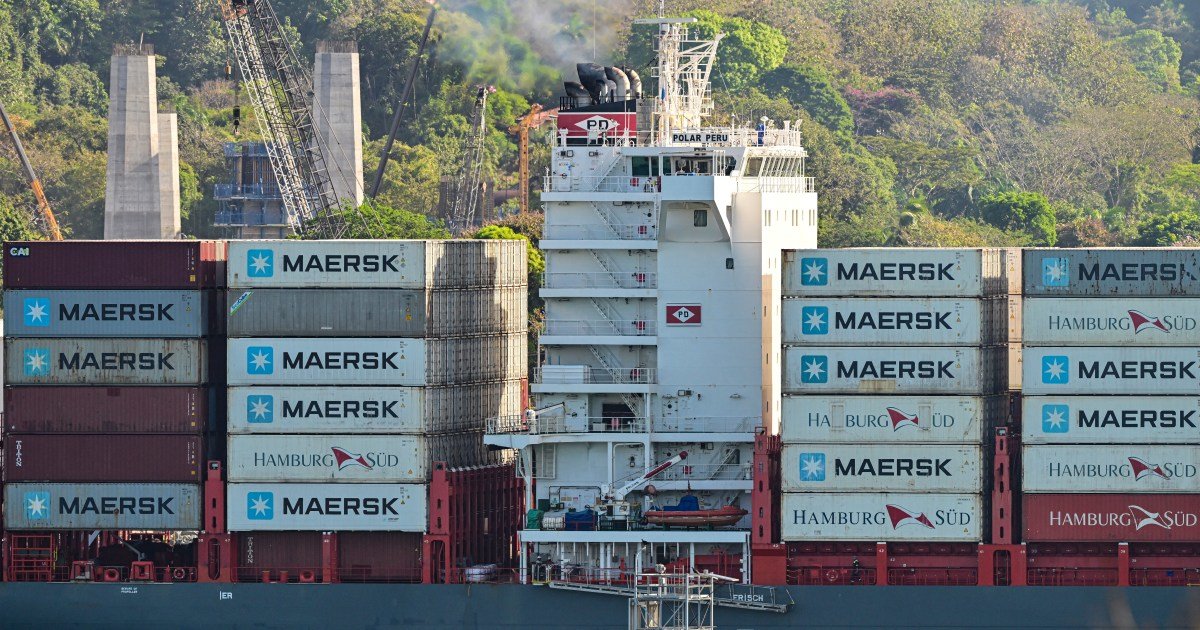
Panama’s Supreme Court cancels long-standing port contracts held by a Hong Kong-based company, paving the way for Danish logistics group Maersk to manage the terminals during a transitional phase
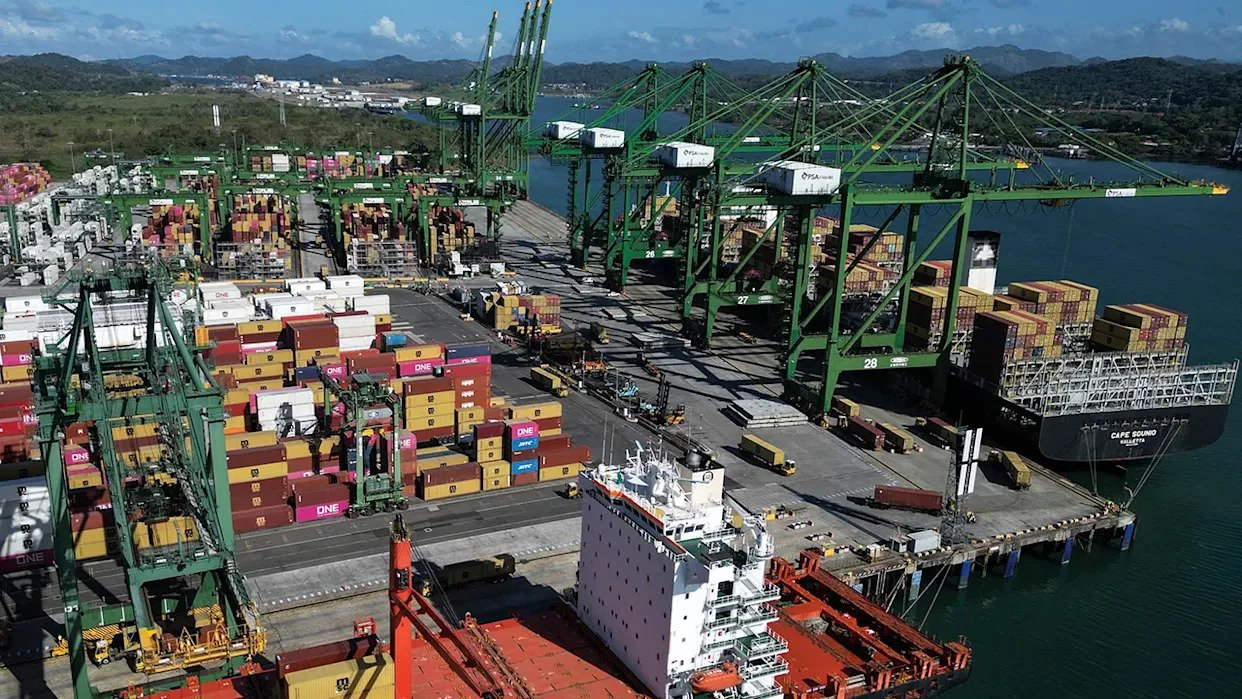
Panama’s Supreme Court has invalidated the concession that allowed Hong Kong-based Panama Ports Company, a subsidiary of CK Hutchison Holdings, to operate the strategically vital Balboa and Cristóbal ports at the entrances to the Panama Canal, and the government has confirmed that Danish shipping giant Maersk will step in as interim operator.
The court ruled that the port contracts, first awarded in the 1990s and extended in 2021 without competitive bidding, were unconstitutional and lacked proper legal foundations, following an audit that cited irregularities and financial issues tied to the extension.
President José Raúl Mulino said that while the ruling will supersede the existing concessions, operations will continue uninterrupted under Panama Maritime Authority oversight before a local subsidiary of A.P. Møller-Maersk — through its APM Terminals unit — assumes temporary administration of the facilities.
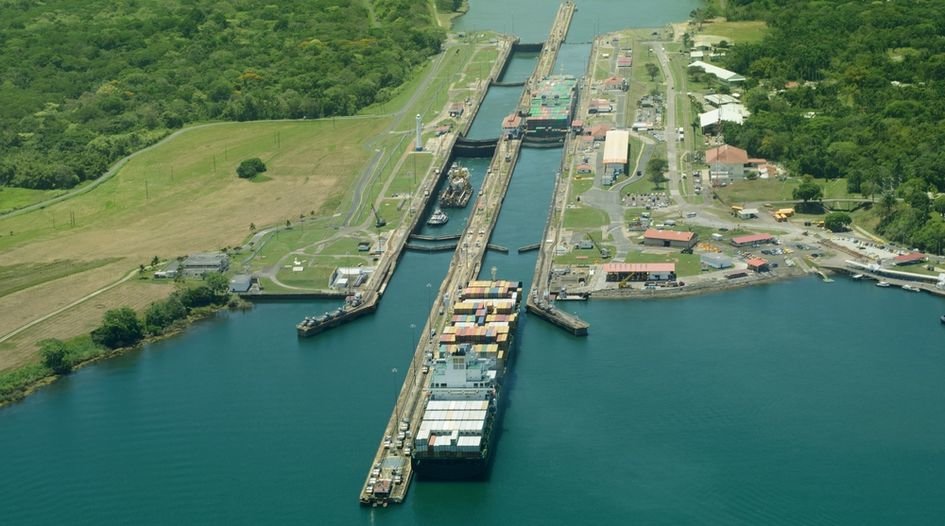
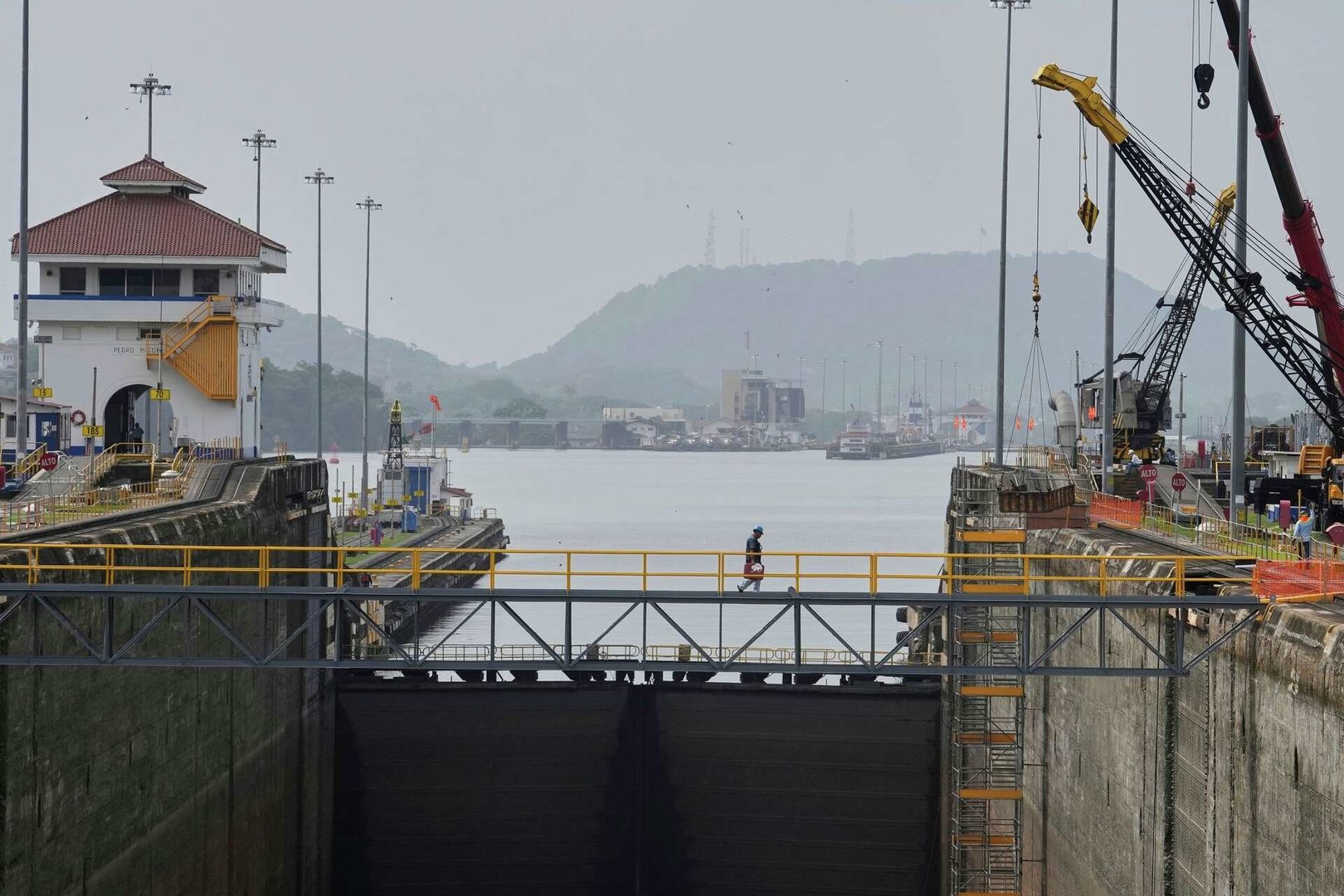
The transition is intended to maintain continuity at the Balboa port on the Pacific side and the Cristóbal port on the Atlantic side of the canal as authorities prepare to open a new bidding process for long-term concessions.
Panama has underscored that global trade through the canal must remain steady, noting that the infrastructure handles a significant portion of international shipping traffic.
U.S. officials welcomed the judicial decision, aligned with longstanding Washington efforts to limit Chinese influence over critical supply chain nodes, while Beijing strongly criticised the nullification and pledged to defend the interests of Chinese companies affected.
CK Hutchison has indicated potential legal recourse but acknowledged the ruling’s immediate impact, which also complicates a previously proposed global port asset sale involving major investors such as BlackRock and Mediterranean Shipping Company.
Panama’s leadership has stressed the move reflects sovereign legal authority and that preparations are underway to ensure the ports’ operational stability during the Maersk-led interim period and in future competitive tendering for new operators.
The court ruled that the port contracts, first awarded in the 1990s and extended in 2021 without competitive bidding, were unconstitutional and lacked proper legal foundations, following an audit that cited irregularities and financial issues tied to the extension.
President José Raúl Mulino said that while the ruling will supersede the existing concessions, operations will continue uninterrupted under Panama Maritime Authority oversight before a local subsidiary of A.P. Møller-Maersk — through its APM Terminals unit — assumes temporary administration of the facilities.
The transition is intended to maintain continuity at the Balboa port on the Pacific side and the Cristóbal port on the Atlantic side of the canal as authorities prepare to open a new bidding process for long-term concessions.
Panama has underscored that global trade through the canal must remain steady, noting that the infrastructure handles a significant portion of international shipping traffic.
U.S. officials welcomed the judicial decision, aligned with longstanding Washington efforts to limit Chinese influence over critical supply chain nodes, while Beijing strongly criticised the nullification and pledged to defend the interests of Chinese companies affected.
CK Hutchison has indicated potential legal recourse but acknowledged the ruling’s immediate impact, which also complicates a previously proposed global port asset sale involving major investors such as BlackRock and Mediterranean Shipping Company.
Panama’s leadership has stressed the move reflects sovereign legal authority and that preparations are underway to ensure the ports’ operational stability during the Maersk-led interim period and in future competitive tendering for new operators.