Government retracts mandatory seat belt law for buses after public confusion and technical defects in legislation expose policy missteps
Hong Kong authorities have made a rapid reversal on a newly introduced bus seat belt requirement after facing intense public criticism and expert assessments that exposed fundamental flaws in policymaking and legal drafting.
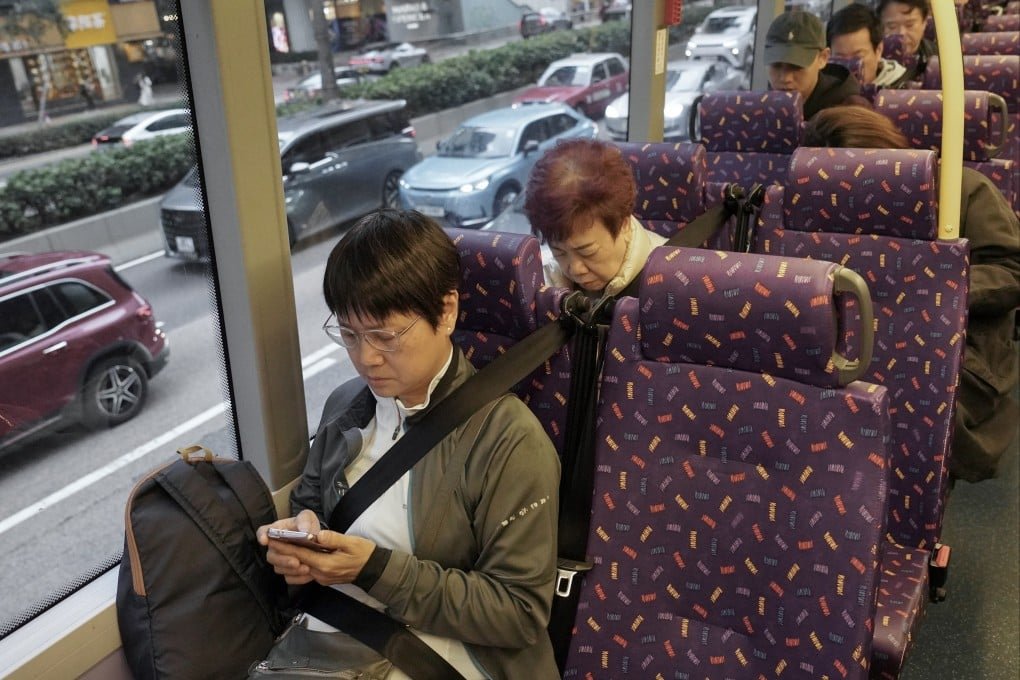
The controversial rule, which came into force on January 25 requiring passengers on franchised and non-franchised buses to wear seat belts or risk fines of up to HK$5,000 and possible imprisonment, was unveiled with little public consultation and ambiguity about its application scope.
Within days, widespread confusion emerged as it became clear that the statutory mandate technically applied only to newly registered buses rather than the entire fleet, undermining enforcement and prompting commuters to question its practicality and fairness.
Officials, including Transport and Logistics Secretary Mable Chan, acknowledged these “deficiencies,” conceding that the provisions failed to reflect the broader legislative intent of extending mandatory belt use across all vehicles where belts are fitted.
The backlash highlighted shortcomings both in public engagement and in legislative precision, with experts telling political observers that policymakers had not adequately put themselves in the public’s position when formulating and drafting the rules.
In response, the Transport and Logistics Bureau announced plans to repeal the problematic provisions through subsidiary legislation and to suspend enforcement while consulting stakeholders on revisions that better balance safety objectives with operational clarity.
During initial enforcement, authorities had focused on public education, but confusion persisted as passengers packed lower decks to avoid belt requirements or were uncertain how to comply, while some incidents, including a passenger being trapped due to a malfunctioning seat belt, fuelled further discomfort.
The repeal decision underscores the administration’s willingness to recalibrate road safety measures in light of public feedback and legal scrutiny, while officials stressed that other seat belt rules covering private cars, taxis and other vehicles remain in effect.
Moving forward, the government plans broader consultation to refine regulatory frameworks and enhance public awareness of road safety, seeking to ensure effective protections without undue disruption or misunderstanding.
The controversial rule, which came into force on January 25 requiring passengers on franchised and non-franchised buses to wear seat belts or risk fines of up to HK$5,000 and possible imprisonment, was unveiled with little public consultation and ambiguity about its application scope.
Within days, widespread confusion emerged as it became clear that the statutory mandate technically applied only to newly registered buses rather than the entire fleet, undermining enforcement and prompting commuters to question its practicality and fairness.
Officials, including Transport and Logistics Secretary Mable Chan, acknowledged these “deficiencies,” conceding that the provisions failed to reflect the broader legislative intent of extending mandatory belt use across all vehicles where belts are fitted.
The backlash highlighted shortcomings both in public engagement and in legislative precision, with experts telling political observers that policymakers had not adequately put themselves in the public’s position when formulating and drafting the rules.
In response, the Transport and Logistics Bureau announced plans to repeal the problematic provisions through subsidiary legislation and to suspend enforcement while consulting stakeholders on revisions that better balance safety objectives with operational clarity.
During initial enforcement, authorities had focused on public education, but confusion persisted as passengers packed lower decks to avoid belt requirements or were uncertain how to comply, while some incidents, including a passenger being trapped due to a malfunctioning seat belt, fuelled further discomfort.
The repeal decision underscores the administration’s willingness to recalibrate road safety measures in light of public feedback and legal scrutiny, while officials stressed that other seat belt rules covering private cars, taxis and other vehicles remain in effect.
Moving forward, the government plans broader consultation to refine regulatory frameworks and enhance public awareness of road safety, seeking to ensure effective protections without undue disruption or misunderstanding.