Law enforcement in Japan and Hong Kong examine whether two separate cash attacks days apart are connected amid cross-border money transport routes
Police in Tokyo and Hong Kong are probing possible links between a rare street robbery in Japan’s capital and a high-value cash theft in Hong Kong, as investigators examine patterns and shared circumstances surrounding the two incidents.
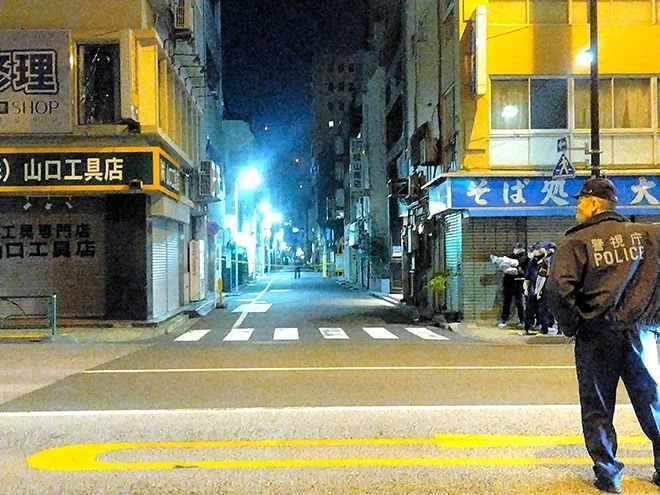
In Tokyo, a trio of assailants used pepper spray to overpower a group of seven people near Ueno station on the night of January 29 and seized three suitcases containing an estimated ¥423 million (around US$2.7 million) in cash.
Hours later, in a parking lot at Haneda Airport, a separate group was assaulted with a similar spray-like substance while carrying ¥190 million, though nothing was taken in that attack.
Both victim groups reported they were transporting large sums of cash for delivery to currency exchange outlets or onward transfer to Hong Kong, prompting police to consider whether the two Tokyo assaults were perpetrated by the same offenders or coordinated to target moving cash couriers.
Tokyo Metropolitan Police have mounted a search for the suspected three attackers seen in both episodes and are analysing CCTV footage and vehicle traces as part of a broader manhunt.
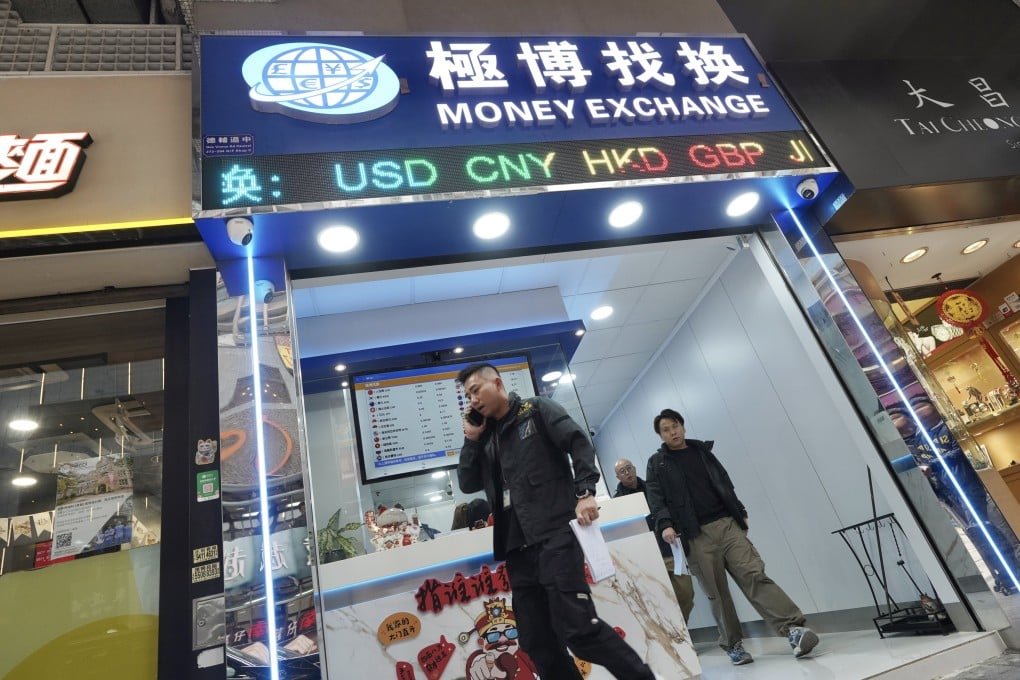
Meanwhile in Hong Kong, police have arrested six suspects in connection with a robbery on January 30 in the Sheung Wan district in which around ¥58 million was taken from two Japanese men outside a currency exchange shop, with subsequent investigations revealing that one of the alleged victims may have provided inside information to the thieves.
Authorities have recovered a portion of the stolen funds and detained individuals of Japanese, mainland Chinese and local backgrounds as they work to untangle the case and guard currency exchange points ahead of Lunar New Year.
Hong Kong police officials told reporters they are liaising with Japanese counterparts and will follow established international procedures to determine whether the Hong Kong theft is related to the Tokyo incidents, though no formal confirmation has been made public.
Together, the events reflect heightened law enforcement attention to the security risks involved in transporting large amounts of cash across borders and have prompted joint inquiries into organised crime methods that may span jurisdictions.
In Tokyo, a trio of assailants used pepper spray to overpower a group of seven people near Ueno station on the night of January 29 and seized three suitcases containing an estimated ¥423 million (around US$2.7 million) in cash.
Hours later, in a parking lot at Haneda Airport, a separate group was assaulted with a similar spray-like substance while carrying ¥190 million, though nothing was taken in that attack.
Both victim groups reported they were transporting large sums of cash for delivery to currency exchange outlets or onward transfer to Hong Kong, prompting police to consider whether the two Tokyo assaults were perpetrated by the same offenders or coordinated to target moving cash couriers.
Tokyo Metropolitan Police have mounted a search for the suspected three attackers seen in both episodes and are analysing CCTV footage and vehicle traces as part of a broader manhunt.
Meanwhile in Hong Kong, police have arrested six suspects in connection with a robbery on January 30 in the Sheung Wan district in which around ¥58 million was taken from two Japanese men outside a currency exchange shop, with subsequent investigations revealing that one of the alleged victims may have provided inside information to the thieves.
Authorities have recovered a portion of the stolen funds and detained individuals of Japanese, mainland Chinese and local backgrounds as they work to untangle the case and guard currency exchange points ahead of Lunar New Year.
Hong Kong police officials told reporters they are liaising with Japanese counterparts and will follow established international procedures to determine whether the Hong Kong theft is related to the Tokyo incidents, though no formal confirmation has been made public.
Together, the events reflect heightened law enforcement attention to the security risks involved in transporting large amounts of cash across borders and have prompted joint inquiries into organised crime methods that may span jurisdictions.