Advisory highlights growing scrutiny at borders as digital privacy concerns rise
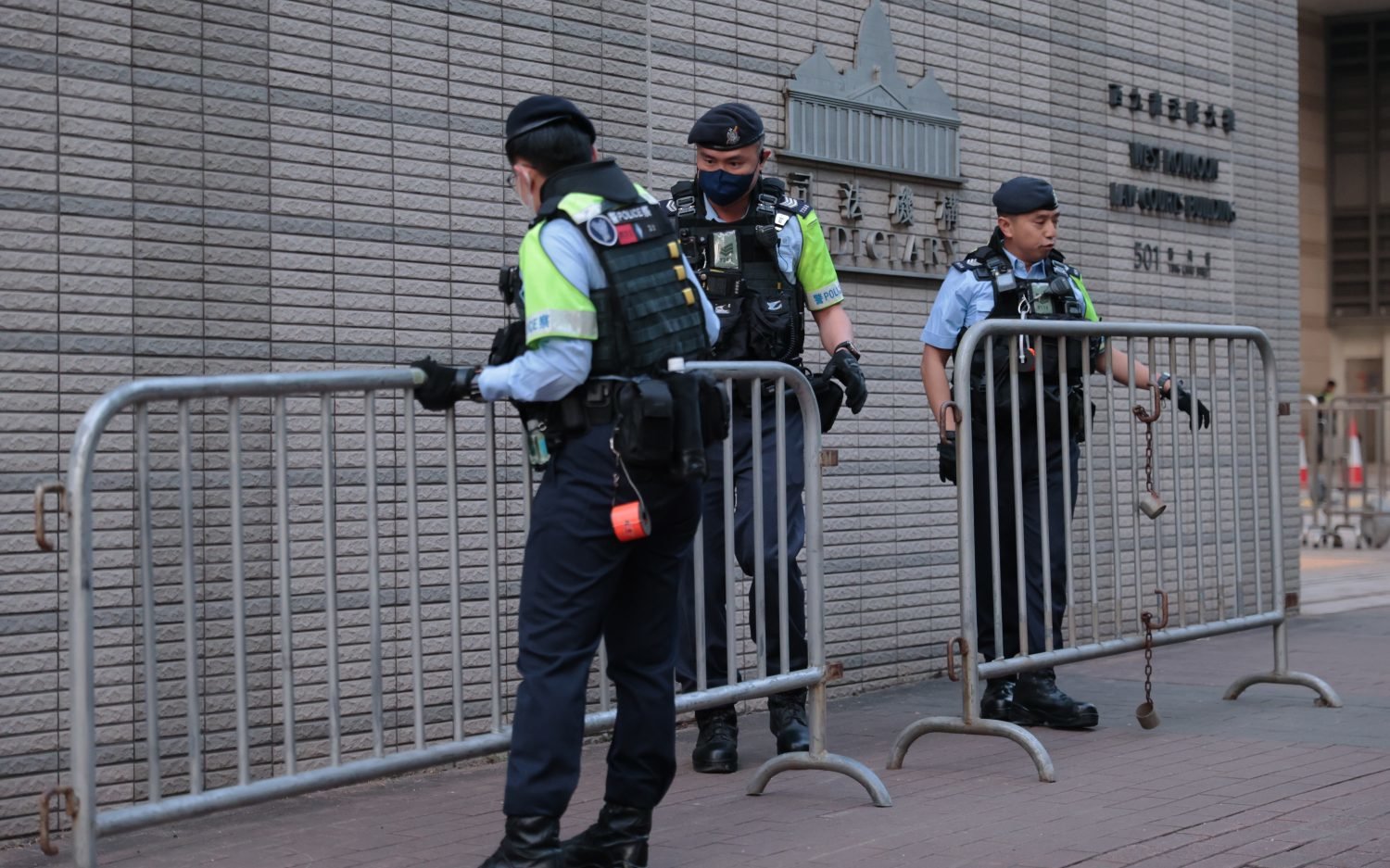
The United States has issued a warning to travelers that authorities in Hong Kong may request access to electronic devices, including demanding passwords, as part of border inspections.

The advisory reflects heightened attention to security procedures and the potential for expanded checks on personal data when entering the territory.

Officials have indicated that such measures could involve access to phones, laptops, and other digital devices, raising concerns among travelers about privacy and data protection.

The warning is part of broader guidance aimed at ensuring that US citizens are aware of local laws and enforcement practices when traveling abroad.

Authorities emphasise the importance of understanding that compliance with local regulations may be required at border crossings.

The development comes amid increasing global scrutiny of digital information and its role in security and law enforcement.

Governments in various regions have been expanding their capabilities to access electronic data, particularly in sensitive or high-security environments.

Travelers are being encouraged to take appropriate precautions, including reviewing the information stored on their devices and considering potential risks before departure.

The advisory underscores the evolving intersection between technology, security, and international travel.

Observers note that such measures reflect broader trends in border control practices, where digital data has become an integral component of security assessments.

The situation highlights the importance of awareness and preparedness for travelers navigating different regulatory environments.

The guidance serves as a reminder that entry requirements and enforcement procedures can vary significantly across jurisdictions, particularly in areas where security considerations are a priority.
US retailer signals renewed confidence in Asian markets with ambitious growth strategy
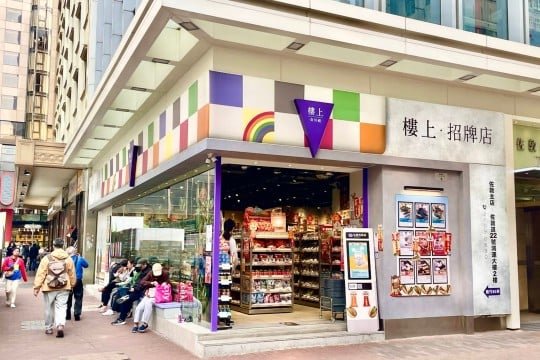
Gap is planning a significant expansion in China with the opening of fifty new stores, alongside a return to the Hong Kong market in twenty twenty six, marking a renewed push into key Asian retail markets.

The move reflects the company’s strategy to strengthen its presence in regions where consumer demand and long-term growth potential remain strong.

By expanding its footprint in mainland China, Gap aims to capture opportunities in one of the world’s largest and most dynamic retail markets.

The planned return to Hong Kong represents a strategic re-entry after a previous withdrawal, signalling confidence in the city’s role as a regional retail hub.

Hong Kong’s position as a gateway between global brands and Asian consumers continues to make it an attractive location for international retailers.

Gap’s expansion comes as global brands reassess their positioning in Asia, balancing evolving consumer preferences with changing economic conditions.

The company is expected to focus on adapting its offerings to local markets while leveraging its global brand recognition.

Industry observers note that the retail landscape in China remains highly competitive, with both domestic and international players seeking to capture market share.

However, continued urbanisation and a growing middle class are supporting demand for fashion and lifestyle products.

The initiative highlights Gap’s broader efforts to revitalise its international operations and drive growth through targeted investments in high-potential markets.

As the company moves forward with its plans, attention will be on execution and how effectively it navigates the complexities of the regional retail environment.
Regulatory approval strengthens firm’s position in digital finance and regional expansion
Alchemy Pay has secured a significant expansion of its Hong Kong license, enabling the company to enhance its cryptocurrency trading services and deepen its presence in one of Asia’s key financial centres.

The development marks a major step forward for the firm as it continues to scale its digital payment and trading infrastructure.

The expanded licensing framework is expected to allow Alchemy Pay to offer a broader range of services, supporting both retail and institutional clients in accessing crypto markets.

Hong Kong has been actively positioning itself as a regulated hub for digital assets, and the approval reflects the city’s evolving approach to fostering innovation while maintaining oversight.

The move aligns with broader efforts to attract fintech companies and strengthen the ecosystem for blockchain-based services.

For Alchemy Pay, the license expansion provides a platform to accelerate growth and expand partnerships within the region.

The company has been focused on bridging traditional finance with digital assets, and the regulatory milestone supports its strategy of integrating payment solutions with cryptocurrency capabilities.

Industry observers note that regulatory clarity is a key factor in the expansion of crypto-related services, particularly in markets where compliance standards are tightly enforced.

The approval signals confidence in Alchemy Pay’s operational framework and its ability to meet regulatory requirements.

The development is expected to enhance Hong Kong’s appeal as a destination for digital asset firms, reinforcing its role in shaping the future of financial technology in Asia.

As the company moves forward with its expanded services, attention will focus on how it leverages the new license to capture market share and contribute to the growth of the digital asset ecosystem.
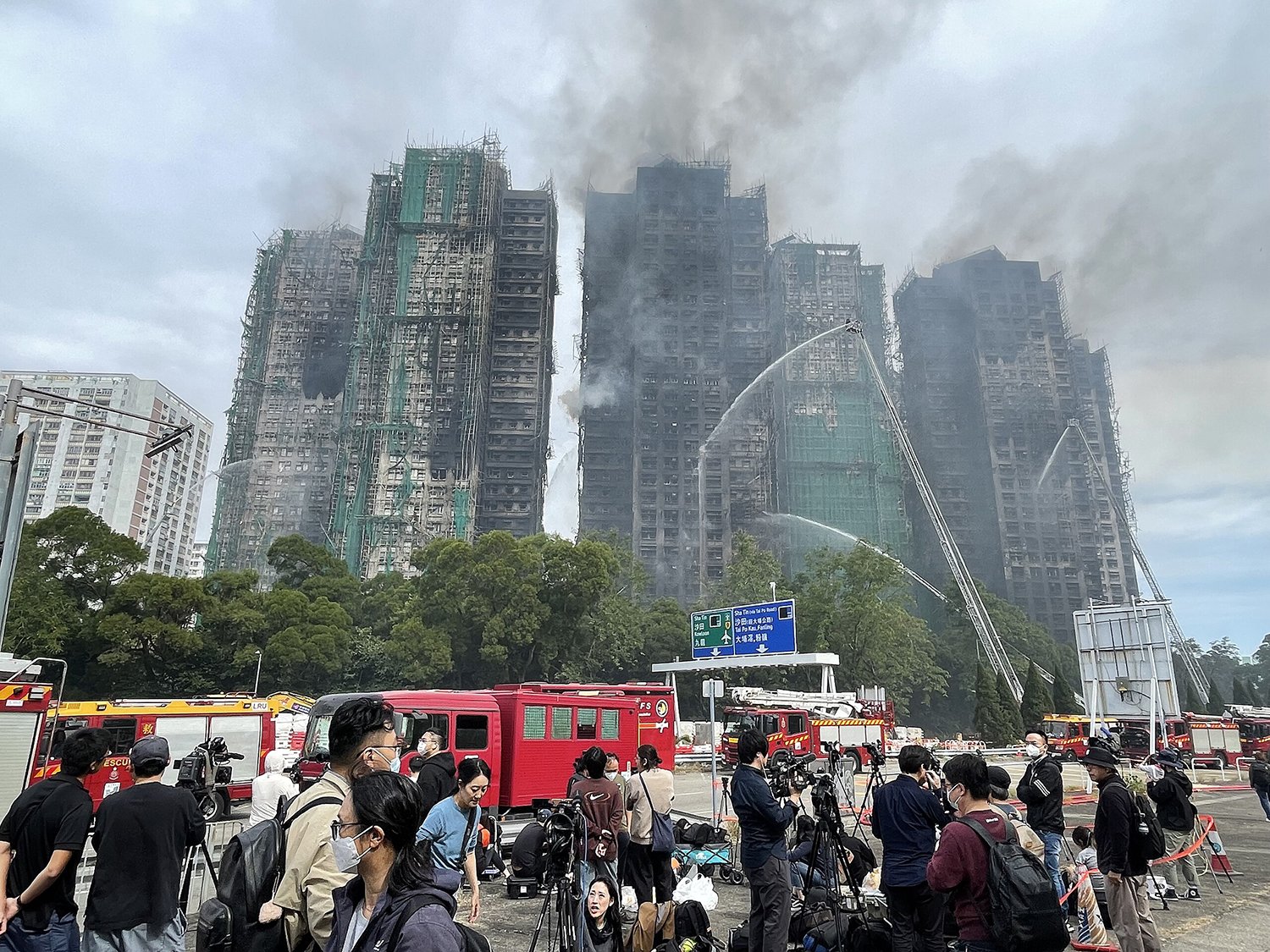
Tough new penalty introduced as authorities move to strengthen safety after fatal blaze
Hong Kong authorities have introduced a new penalty of up to HK$50,000 for smoking at certain sites following a deadly fire, in a move aimed at tightening safety regulations and preventing similar incidents.

The decision comes after a fatal blaze raised concerns about fire risks linked to careless smoking, particularly in environments where flammable materials may be present.

Officials have responded by strengthening enforcement measures and increasing penalties to deter unsafe behaviour.

The new fine targets smoking in designated high-risk areas, where even minor negligence can have severe consequences.

Authorities have emphasised that the stricter rules are intended to protect public safety and reduce the likelihood of future tragedies.

The move reflects a broader effort to enhance fire prevention standards and improve compliance across different sectors.

By introducing more substantial penalties, regulators aim to send a clear message about the importance of adhering to safety guidelines.

Industry participants and safety experts have welcomed the measures, noting that stronger enforcement can play a critical role in reducing risks.

The initiative is expected to encourage greater awareness and responsibility among workers and the public.

The development highlights the ongoing challenge of managing safety in densely populated urban environments, where the impact of accidents can be particularly severe.

Authorities are continuing to review additional measures to further strengthen fire prevention and response capabilities.

The introduction of the fine marks a decisive step in reinforcing safety standards and ensuring that lessons from the incident lead to meaningful change.
New products aim to broaden investor access and enhance market participation
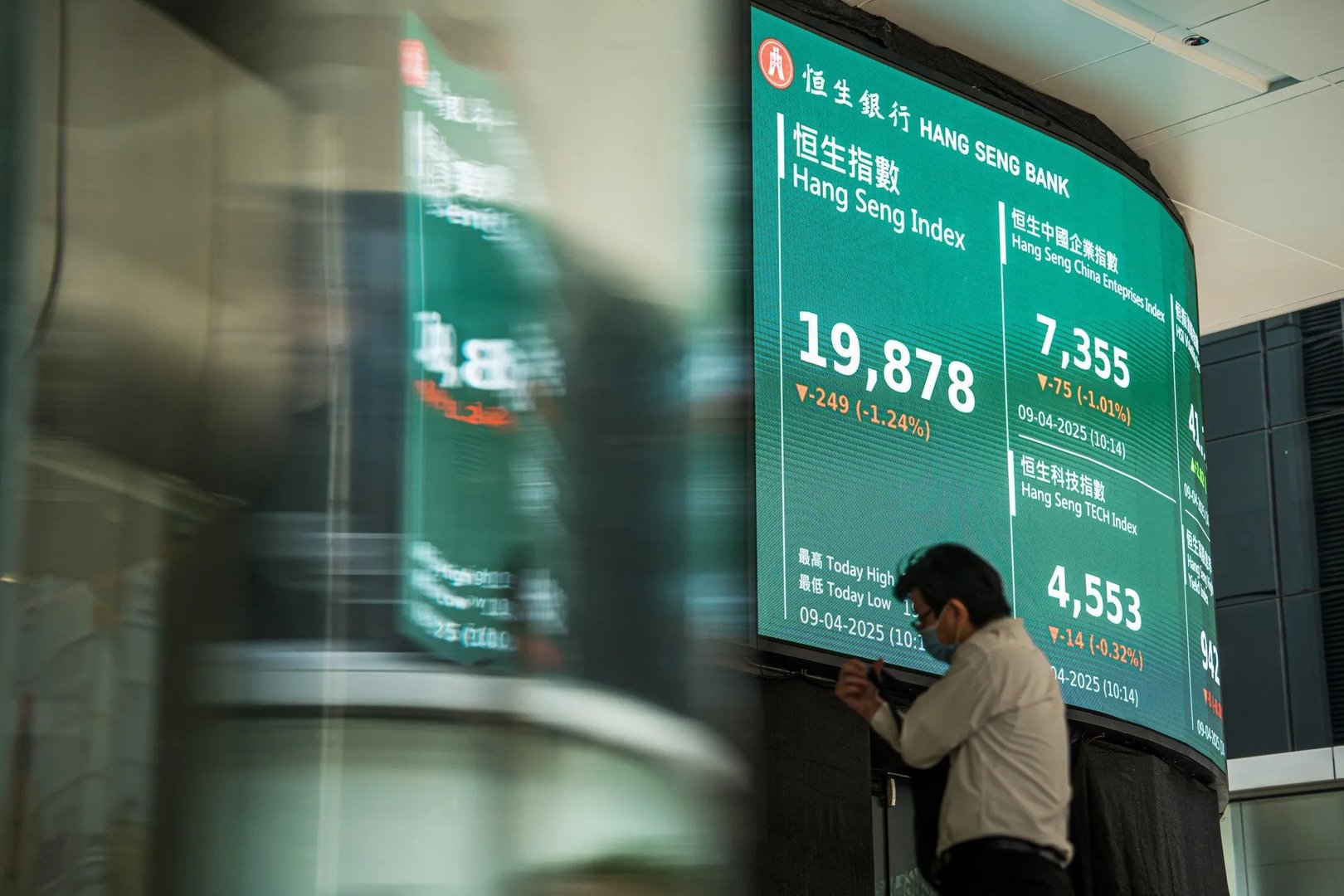
Hong Kong’s stock exchange is planning to introduce micro futures contracts based on the Hang Seng Index and the Hang Seng Tech Index, in a move designed to expand access to derivatives trading and attract a broader range of investors.

The proposed products would offer smaller contract sizes compared with traditional futures, lowering the barrier to entry for retail investors and smaller institutions.

By providing more flexible trading options, the exchange aims to increase participation and liquidity in its derivatives market.

The initiative reflects ongoing efforts to strengthen Hong Kong’s position as a leading financial centre, particularly in the area of capital markets innovation.

Expanding the range of tradable instruments is seen as a way to enhance competitiveness and meet evolving investor demand.

Market participants have indicated that micro futures could appeal to investors seeking more precise exposure to benchmark indices without the larger capital commitments required for standard contracts.

The inclusion of the Hang Seng Tech Index also highlights the growing importance of the technology sector in regional markets.

The development comes as exchanges globally are exploring ways to broaden access and engage a wider investor base.

By introducing products tailored to different segments of the market, Hong Kong aims to maintain its relevance in an increasingly competitive financial landscape.

Regulatory approval and implementation timelines are expected to be clarified as the proposal progresses.

If launched, the new contracts could play a significant role in shaping trading activity and enhancing the depth of Hong Kong’s derivatives market.

The plan underscores the exchange’s commitment to innovation and its focus on adapting to the changing needs of investors in a dynamic global market environment.
Proposed ‘big bang’ reforms aim to strengthen city’s position as a leading financial hub
Hong Kong is weighing a set of wide-ranging tax cuts for asset managers as part of an effort to reinforce its status as a premier global financial centre and attract greater international investment activity.

The proposed measures, described as a potential “big bang” reform, are aimed at enhancing the city’s competitiveness by reducing the tax burden on investment firms and streamlining the regulatory environment.

Officials are examining how such changes could encourage more asset managers to establish or expand operations in Hong Kong.

The initiative reflects a broader strategy to revitalise the financial sector and respond to increasing competition from other global hubs.

By offering more favourable tax conditions, authorities hope to draw capital inflows and support the growth of wealth management and investment services.

Industry participants have indicated that tax efficiency is a key factor in deciding where to base operations, particularly for firms managing international portfolios.

The proposed cuts could make Hong Kong more attractive relative to competing jurisdictions.

The discussions come at a time when the city is seeking to strengthen its role in global finance while adapting to evolving market dynamics.

Policymakers are focusing on measures that can drive long-term growth and maintain investor confidence.

Analysts note that such reforms, if implemented, could have a significant impact on the financial landscape, potentially increasing activity across asset management, fund services, and related sectors.

The outcome of the deliberations will be closely watched by the industry, as it could shape Hong Kong’s trajectory as a leading destination for global investment management.
Real estate pressures and investment challenges weigh on financial performance
Hongkong Chinese has reported an annual loss of approximately HK$0.9 billion, reflecting significant pressure from its property portfolio and underperformance in joint venture investments.

The results highlight ongoing challenges in the real estate sector, where weaker demand and shifting market conditions have affected valuations and returns.

Property-related assets have been a key factor behind the company’s financial performance, contributing to the overall decline.

In addition, joint venture operations have also weighed on earnings, with investments failing to deliver expected returns during the reporting period.

The combination of property market softness and weaker contributions from partnerships has compounded the impact on the company’s bottom line.

The developments come amid broader headwinds facing property markets in the region, where economic uncertainty and changing investor sentiment have influenced activity levels.

Companies with significant exposure to real estate have been particularly affected by these dynamics.

Hongkong Chinese is expected to continue reviewing its portfolio and strategic priorities as it navigates the current environment.

Efforts may include adjustments to asset allocations and a focus on improving operational performance.

Analysts note that the situation underscores the importance of diversification and resilience in managing cyclical sectors such as property.

The company’s performance reflects wider trends affecting real estate and investment markets across the region.

The reported loss marks a challenging period for Hongkong Chinese as it seeks to adapt to evolving market conditions and restore financial stability.
Shift toward meaningful acquisitions reflects changing priorities in the international art market
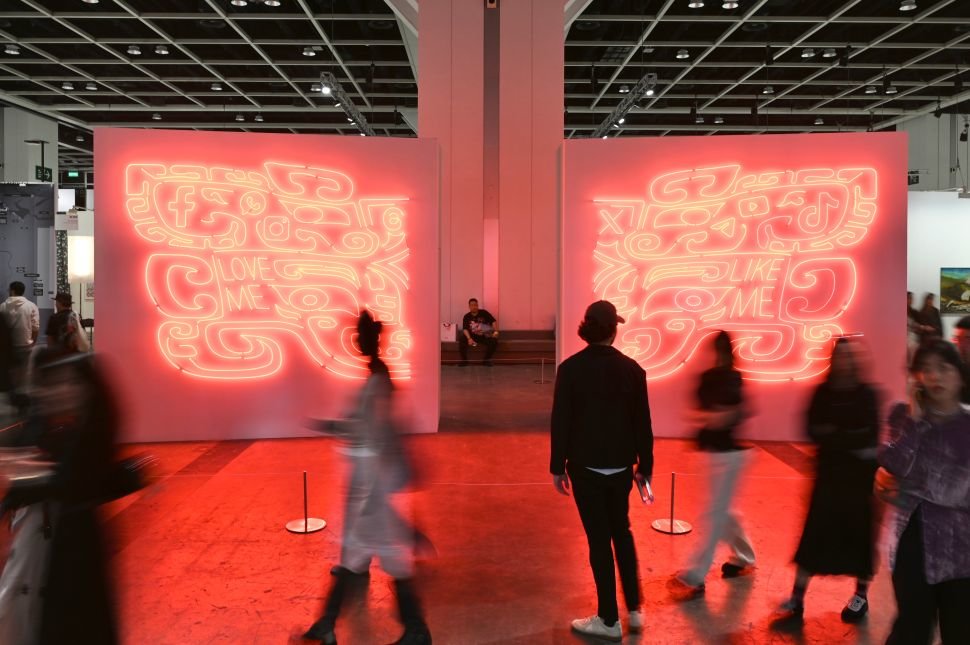
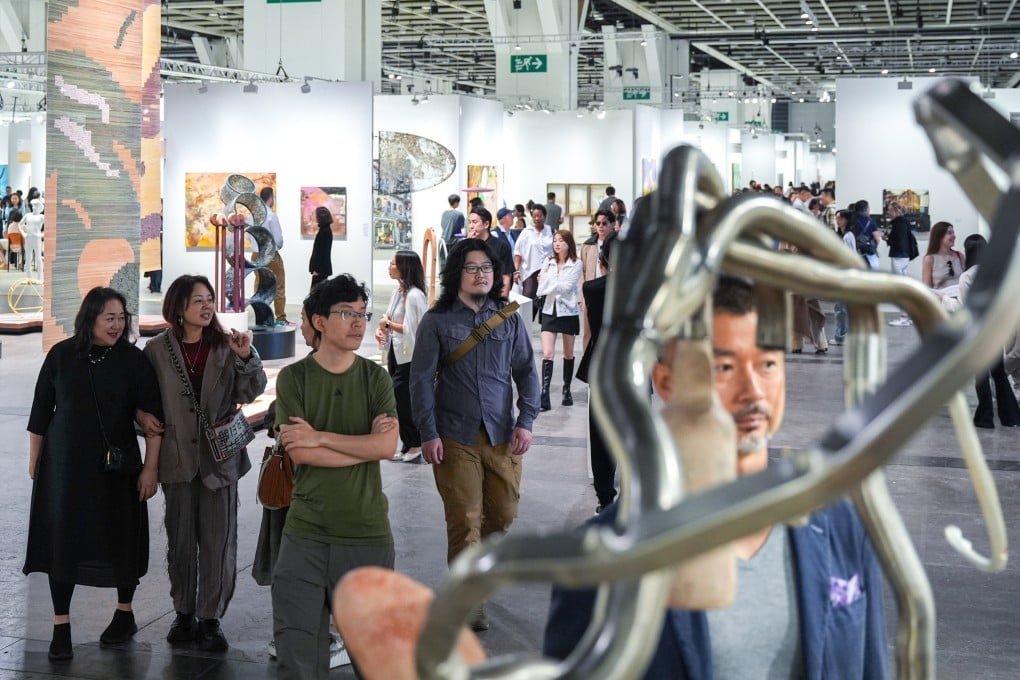
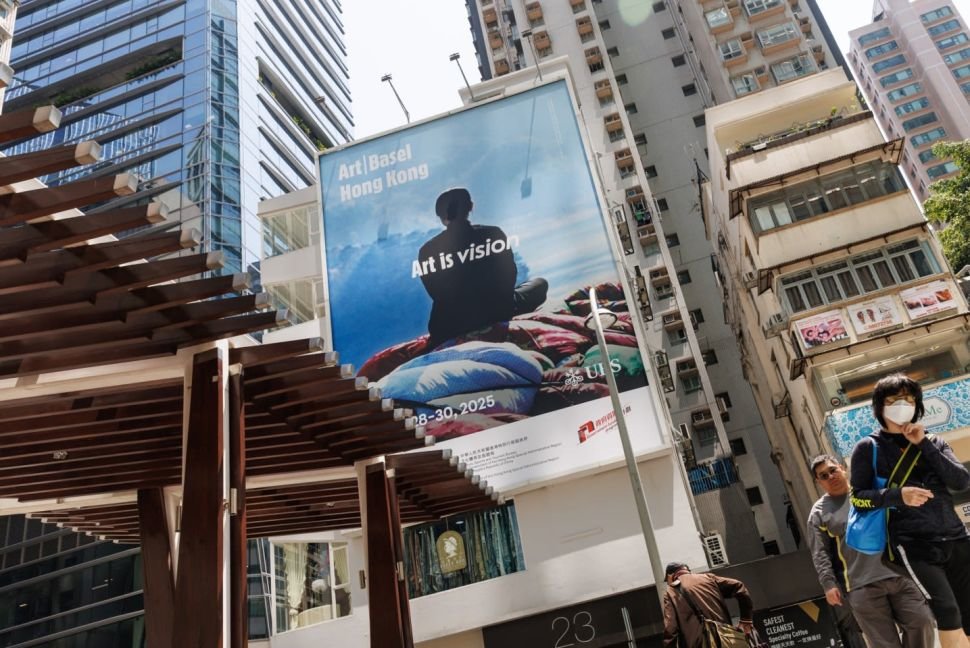
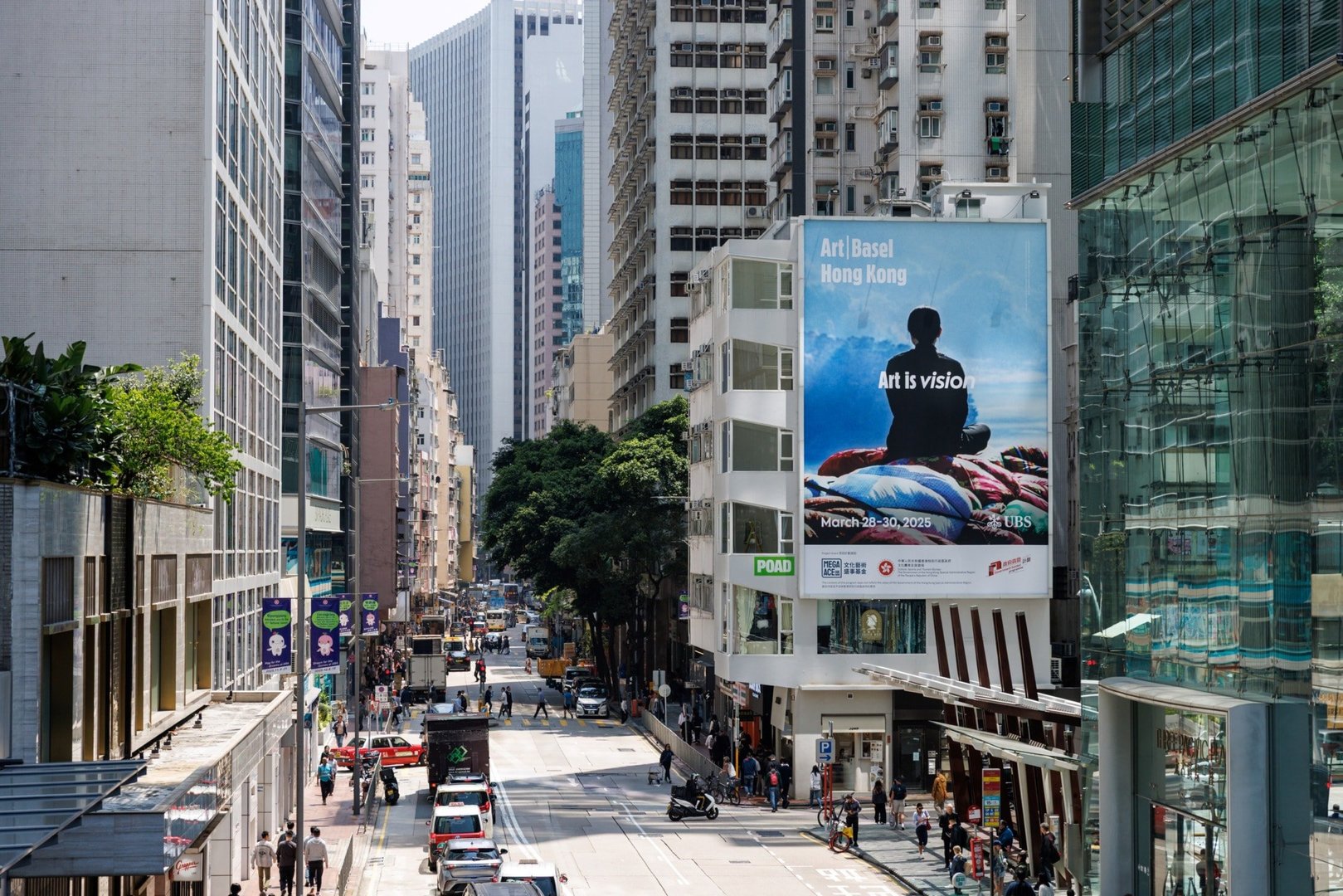
Collectors at Art Basel Hong Kong are increasingly focusing on purpose-driven acquisitions, signalling a shift in how buyers approach art in one of the world’s leading cultural markets.

The trend reflects a growing emphasis on collecting works that align with personal values, social impact, and long-term cultural significance, rather than purely financial considerations.

Buyers are showing heightened interest in artists whose work engages with themes such as identity, sustainability, and global change.

Galleries at the event have reported strong engagement from collectors seeking deeper connections with the art they acquire.

This evolving mindset is influencing not only purchasing decisions but also how exhibitions are curated and presented.

The shift comes as the global art market adapts to broader changes in investor behaviour, where meaning and narrative are becoming increasingly important alongside traditional measures of value.

Collectors are placing greater importance on the stories behind artworks and the perspectives they represent.

Hong Kong’s role as a major hub for the art world continues to attract international participants, providing a platform for diverse artistic voices and innovative approaches.

The city’s position enables it to bridge markets and foster dialogue between collectors and creators.

Industry observers note that the move toward purpose-driven collecting may have lasting implications for the art market, shaping demand and influencing the types of works that gain prominence.

As Art Basel Hong Kong continues, the emphasis on intentional and meaningful acquisitions highlights a broader transformation in how art is valued and experienced by a new generation of collectors.
Autonomous driving firm explores public listing as it seeks capital for expansion
Autonomous driving technology company DeepRoute.ai is considering a public listing in Hong Kong after submitting a confidential filing, marking a significant step in its plans to raise capital and expand its operations.

The move signals growing confidence among technology firms in Hong Kong’s capital markets, particularly for companies focused on advanced technologies such as artificial intelligence and autonomous mobility.

By opting for a confidential filing, DeepRoute.ai is able to prepare its offering while limiting early disclosure of sensitive financial and operational details.

The potential IPO comes as the company continues to develop and deploy self-driving solutions, positioning itself within a competitive global industry that is attracting increasing investment.

Access to public markets would provide additional funding to support research, scaling, and commercialisation efforts.

Hong Kong has been working to strengthen its appeal as a destination for technology listings, offering regulatory frameworks and investor access that support high-growth companies.

The interest from DeepRoute.ai reflects broader momentum in the region’s push to attract innovative firms seeking capital.

Industry analysts note that demand for autonomous driving technologies remains strong, driven by advancements in artificial intelligence and the increasing adoption of smart mobility solutions.

Companies in this sector are under pressure to secure funding to maintain competitiveness and accelerate development timelines.

The confidential nature of the filing means that key details, including valuation and timing, have not yet been disclosed.

However, the move indicates that DeepRoute.ai is actively preparing for a potential listing as part of its long-term growth strategy.

The development highlights the continued evolution of global capital markets, where technology-driven companies are seeking new avenues to fund innovation and expand their reach.
Wealth managers signal growing confidence in impact strategies and emerging technologies
Family offices in Hong Kong are showing increasing optimism toward sustainable, impact-driven, and digital asset investments, reflecting a shift in priorities among high-net-worth investors in the region.

Recent developments indicate that wealth managers are allocating more capital toward strategies that combine financial returns with environmental and social outcomes.

Sustainable investing has gained traction as investors seek to align portfolios with long-term global trends, including climate transition and responsible business practices.

At the same time, digital assets are emerging as a key area of interest, with family offices exploring opportunities in cryptocurrencies, blockchain infrastructure, and related technologies.

The growing acceptance of digital finance is encouraging investors to diversify into assets that offer both innovation and potential growth.

Industry participants note that the convergence of sustainability and technology is shaping a new investment landscape, where traditional asset classes are increasingly complemented by forward-looking strategies.

Hong Kong’s position as a financial hub is supporting this evolution, providing access to expertise, capital, and global markets.

The trend also reflects a broader generational shift within family offices, where younger decision-makers are placing greater emphasis on impact and technological innovation.

This has led to a more dynamic approach to portfolio construction and risk management.

Analysts suggest that the continued development of regulatory frameworks and market infrastructure will be important in sustaining momentum in these sectors.

As confidence grows, family offices are expected to play a significant role in driving capital flows toward sustainable and digital investments.

The outlook points to a continued expansion of these strategies, as investors seek to balance performance with purpose in an increasingly complex global environment.
Absence of prominent financial figure draws attention amid limited official information
Ba Shusong, a former executive associated with Hong Kong’s financial exchange sector, has reportedly withdrawn from public view, prompting heightened attention within financial and regulatory circles.

The development has emerged with little official explanation, with observers noting the absence of recent public appearances or statements from Ba, who has been a recognised figure in financial policy and market analysis.

His previous roles and influence in shaping financial discussions have made the situation notable among industry participants.

Authorities have not provided detailed information regarding the circumstances, and no formal conclusions have been announced.

The limited visibility of the situation has led to increased interest, particularly given Ba’s involvement in key areas of economic research and exchange-related activities.

Market participants are closely monitoring any further developments, as individuals with senior financial expertise often play important roles in guiding policy and institutional decision-making.

The absence of a figure of Ba’s profile can generate uncertainty within professional networks.

At the same time, officials have emphasised that processes related to financial governance and regulation continue to operate normally.

Hong Kong’s financial system remains active, with institutions maintaining their established functions and responsibilities.

The situation highlights the broader importance of transparency and communication in financial leadership, particularly in a global hub where market confidence is closely tied to institutional stability.

As attention continues to focus on Ba Shusong’s status, further clarification may emerge, providing additional context to the current developments within the financial sector.
New agreement reinforces city’s position as Asia’s premier global art hub amid strengthening market confidence
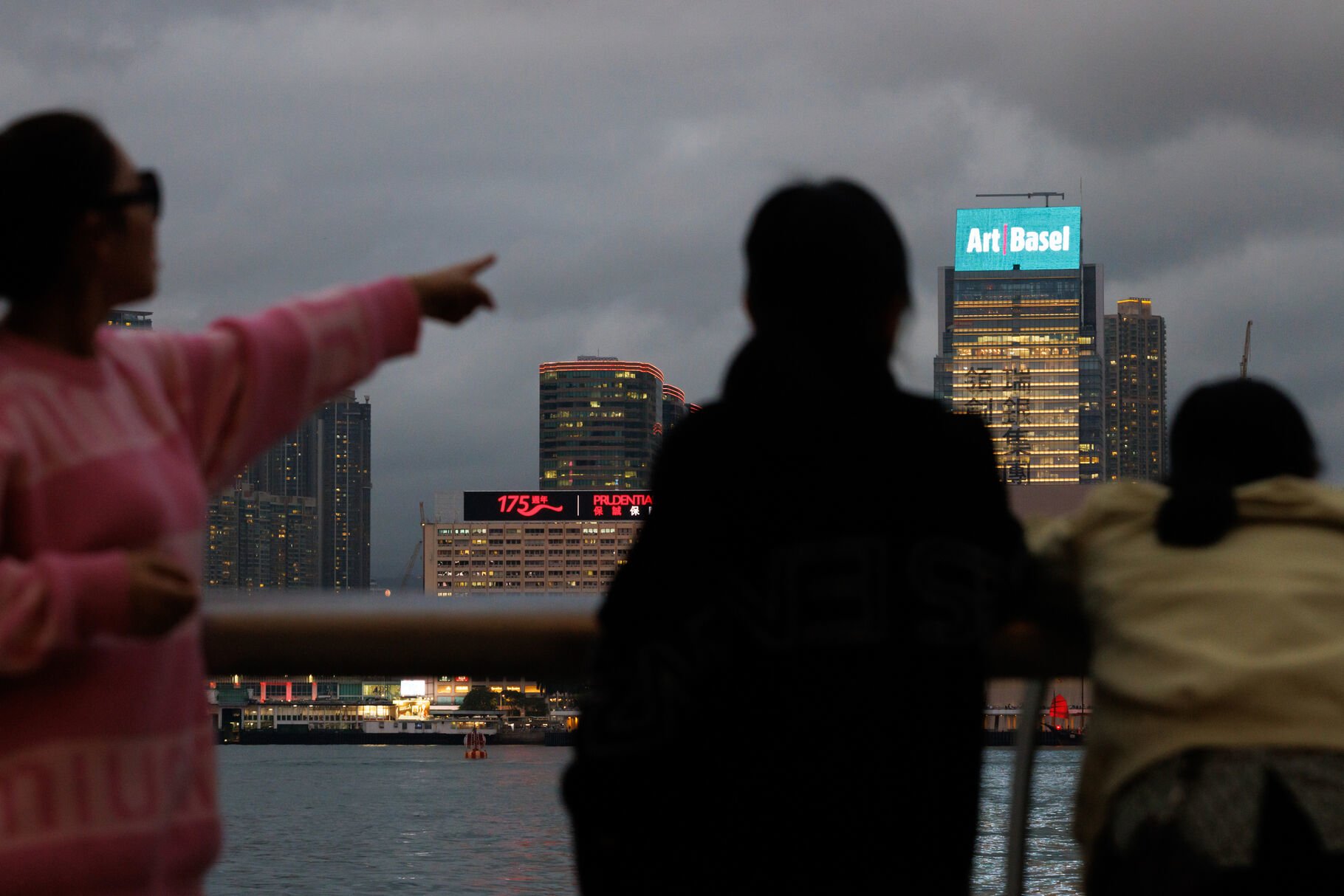
Hong Kong has secured a new agreement to host Art Basel for another five years, reinforcing its position as a leading global centre for the art market and cultural exchange.

The deal ensures the continued presence of one of the world’s most prestigious art fairs in the city, a development seen as a strong vote of confidence in Hong Kong’s role within the international art ecosystem.

Art Basel Hong Kong has become a cornerstone event, attracting top galleries, collectors, and institutions from across the globe.

Officials have highlighted the agreement as a key milestone in supporting the city’s cultural and economic landscape.

The fair not only showcases high-value artworks but also generates significant business activity across sectors such as hospitality, tourism, and finance.

The extension comes at a time when Hong Kong’s art market is showing signs of resilience and maturation, with increasing participation from both regional and international buyers.

The city’s infrastructure, connectivity, and regulatory framework continue to position it as a gateway between Asia and the global art world.

Industry participants view the renewed commitment as an important signal that Hong Kong remains central to the future of the art trade in Asia.

The fair’s continued presence is expected to sustain momentum in the market, encouraging further investment and engagement.

The agreement also reflects ongoing collaboration between organisers and local stakeholders, aimed at enhancing the scale and impact of future editions.

Plans are expected to focus on expanding participation, strengthening programming, and reinforcing the city’s cultural profile.

As Art Basel remains anchored in Hong Kong, the city is set to maintain its leadership role in the region’s art market, with the extended partnership providing stability and long-term opportunities for growth.
Focus on strong, reputable offerings aims to reinforce city’s status as a leading global capital market
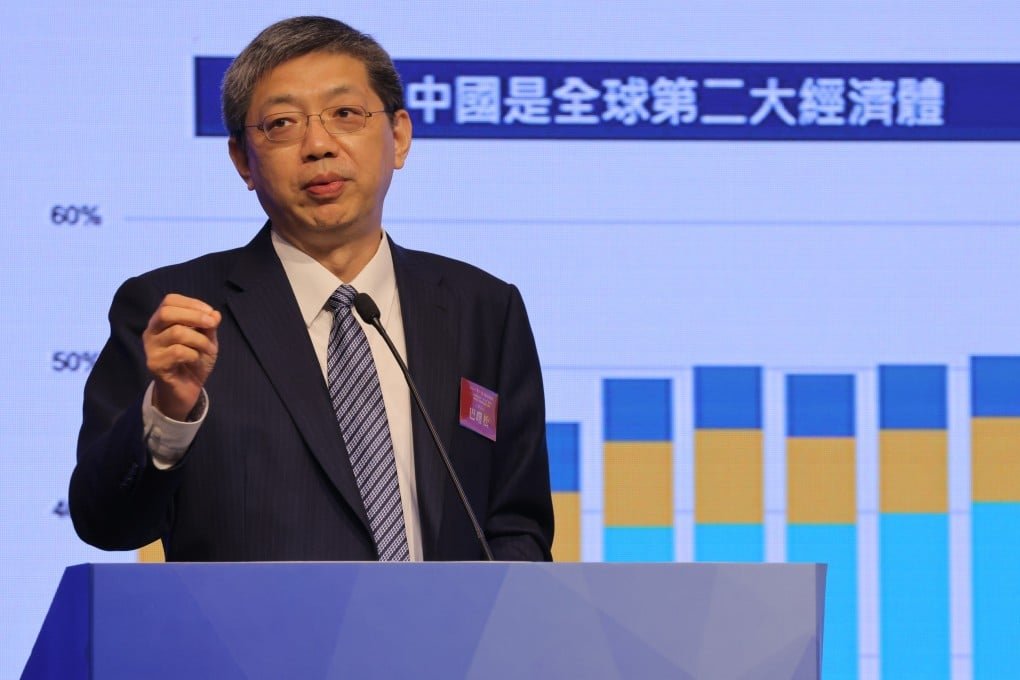
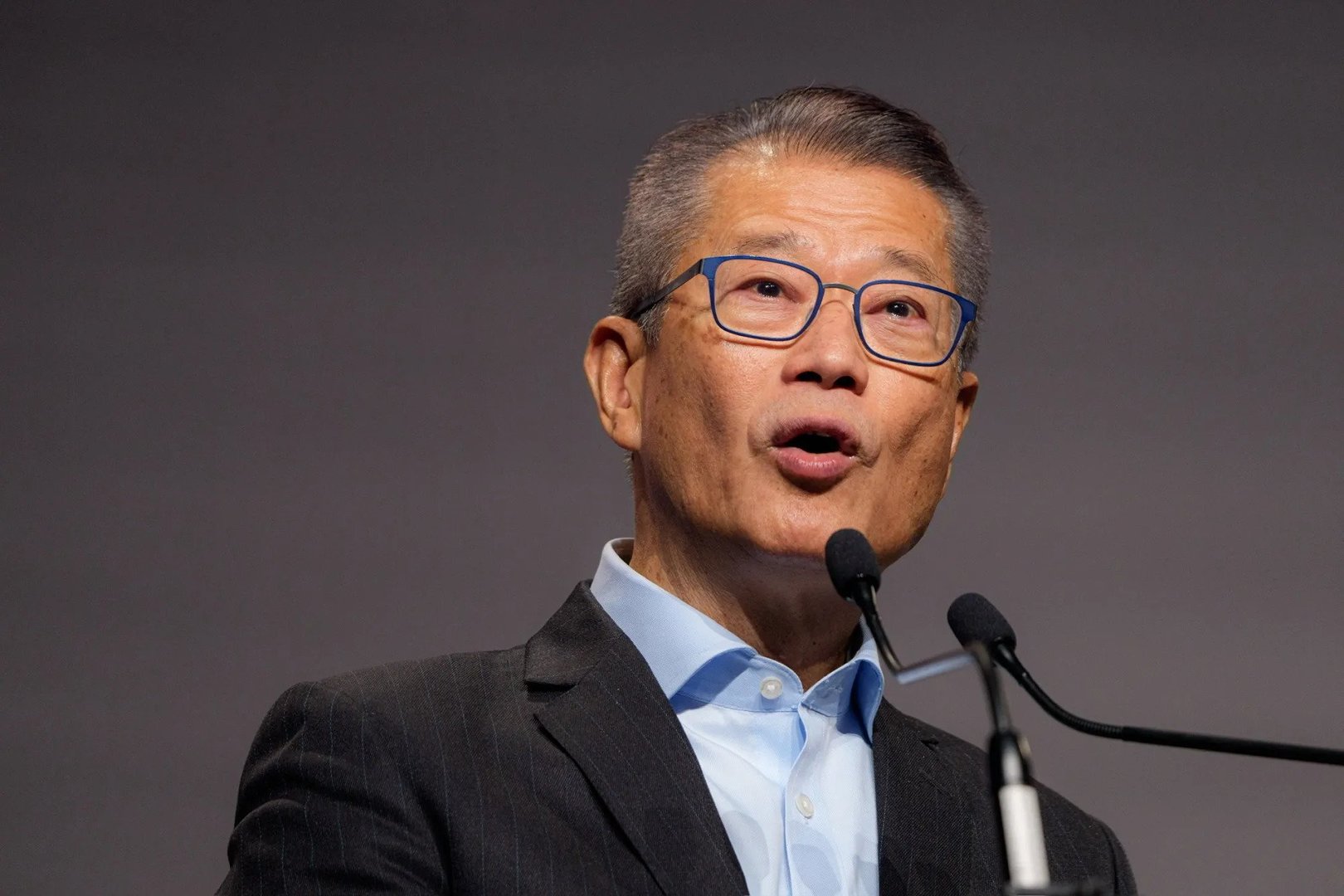
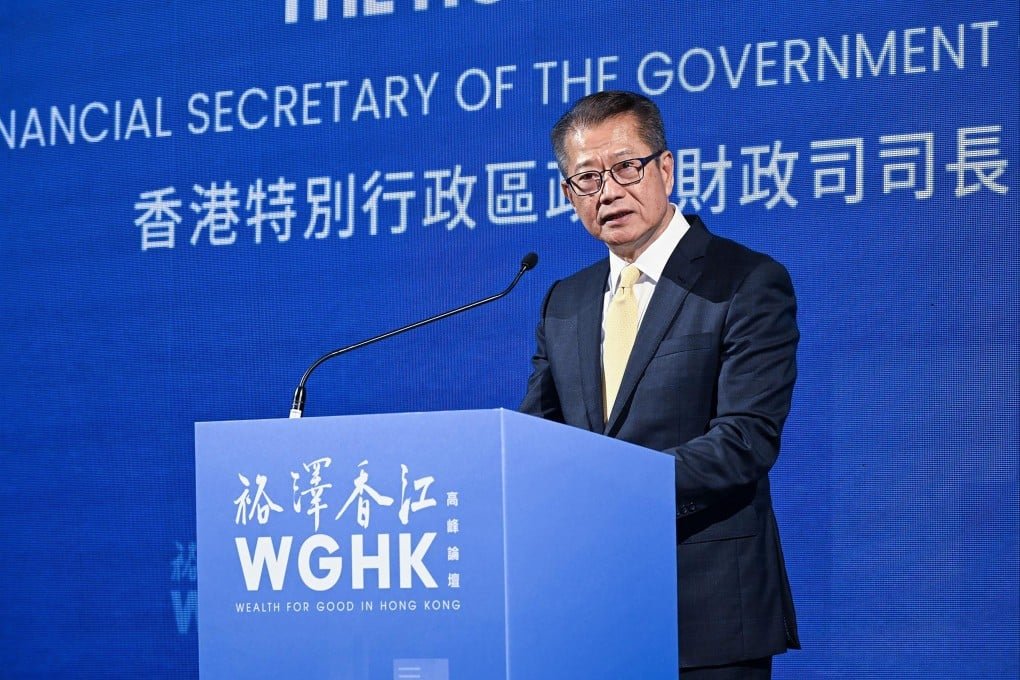
Hong Kong’s Financial Secretary has underscored that attracting high-quality initial public offerings will be the city’s top priority, as authorities seek to strengthen its position as a premier global financial centre.

The emphasis on quality reflects a strategic shift toward ensuring that listings contribute to long-term market stability and investor confidence, rather than focusing solely on volume.

Officials have indicated that robust corporate fundamentals, transparency, and sustainable growth prospects will be key criteria in assessing potential listings.

The approach comes as Hong Kong works to maintain its competitive edge amid evolving global capital flows and increasing competition from other financial hubs.

By prioritising reputable and well-structured offerings, authorities aim to enhance the overall credibility and resilience of the market.

Efforts are also being made to attract companies from high-growth sectors, including technology, innovation, and green industries.

These areas are seen as critical to driving future economic development and aligning the city’s capital markets with broader global trends.

Market participants have welcomed the focus on quality, noting that it can help mitigate risks associated with weaker listings and support more sustainable investor returns.

A disciplined approach to IPO selection is viewed as an important factor in maintaining Hong Kong’s reputation for regulatory strength and market integrity.
The Financial Secretary’s remarks highlight a broader commitment to reinforcing Hong Kong’s role as a gateway for international capital, particularly for companies seeking access to both regional and global investors.

The city continues to benefit from its established financial infrastructure and deep liquidity.
As the IPO pipeline develops, the emphasis on high standards is expected to shape the next phase of market activity, positioning Hong Kong to attract listings that contribute to long-term growth and stability.

Property group continues capital management efforts aimed at enhancing shareholder value
Hongkong Land has cancelled one hundred and six thousand shares following its latest share buyback, as part of a broader strategy to optimise capital structure and strengthen shareholder returns.

The move forms part of the company’s ongoing programme to repurchase shares from the market, a mechanism commonly used to signal confidence in long-term performance while improving earnings per share.

By reducing the total number of shares in circulation, the company aims to enhance value for existing investors.

Hongkong Land, a major property investment and management group with a strong presence in Hong Kong and across Asia, has continued to prioritise disciplined financial management amid evolving market conditions.

The buyback activity reflects a measured approach to capital allocation, balancing operational investment with returns to shareholders.

Analysts note that such actions are often viewed positively by the market, as they demonstrate management’s confidence in the company’s fundamentals and future prospects.

The cancellation of shares also contributes to a more efficient balance sheet, particularly in periods of market uncertainty.
The property sector in Hong Kong has faced a range of challenges in recent years, including shifting demand patterns and broader economic pressures.

Against this backdrop, companies have increasingly turned to financial strategies such as buybacks to maintain investor confidence and support valuations.

Hongkong Land’s latest move is consistent with this trend, highlighting its commitment to maintaining a strong financial position while delivering value to shareholders.

The company continues to monitor market conditions as it executes its capital management plans.

As the programme progresses, further buybacks and share cancellations may follow, reinforcing the company’s focus on long-term stability and investor returns.
Company targets multi-billion valuation as it positions itself in fast-growing intelligent mobility sector
Autonomous driving technology company DeepRoute has confidentially filed for an initial public offering in Hong Kong, aiming to secure a valuation of several billion dollars as it expands within the rapidly evolving mobility sector.

The confidential filing allows the company to advance preparations while keeping detailed financial information private during the early stages of the process.

DeepRoute is understood to be positioning itself to capitalise on strong investor interest in artificial intelligence and autonomous vehicle technologies.

The firm specialises in developing advanced driver-assistance and autonomous driving systems, with a focus on integrating artificial intelligence into real-world transportation solutions.

Its technology has been deployed in various pilot programmes and commercial applications, reflecting growing demand for intelligent mobility platforms.

Hong Kong has emerged as a preferred listing venue for technology companies seeking access to international capital while maintaining proximity to mainland China’s innovation ecosystem.

DeepRoute’s decision to pursue an offering in the city underscores its strategic importance as a financial hub for high-growth industries.

Market participants note that the company’s targeted valuation reflects confidence in the long-term potential of autonomous driving, a sector expected to play a transformative role in transportation and logistics.

Investors are increasingly focused on firms that demonstrate both technological capability and pathways to commercial scalability.

The IPO process is expected to progress through regulatory review and market assessment, with timing dependent on broader financial conditions and investor sentiment.

If successful, the listing would provide DeepRoute with additional capital to accelerate research, expand partnerships, and strengthen its competitive position.

As competition intensifies in the global autonomous driving market, DeepRoute’s move toward a public listing highlights the sector’s momentum and the growing role of capital markets in supporting next-generation mobility technologies.
Media giant reports $7.5 million earnings, signaling turnaround amid restructuring and market shifts
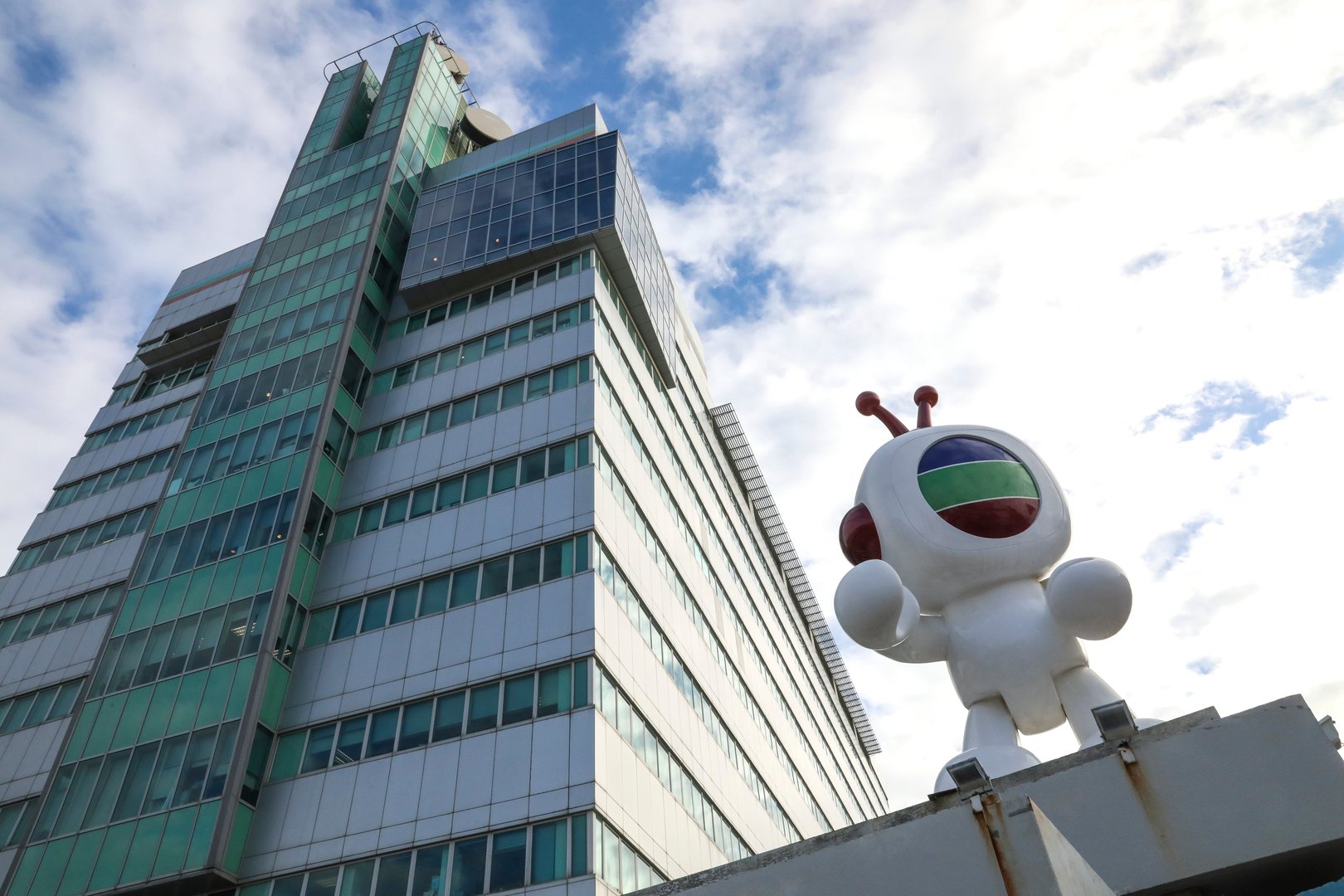
Hong Kong television broadcaster TVB has reported a profit of seven point five million US dollars, marking its first return to profitability after seven consecutive years of losses.

The turnaround reflects a period of restructuring and strategic adjustment within the company, as it sought to adapt to changing audience habits and increased competition from digital platforms.

Management efforts to streamline operations and diversify revenue streams have played a central role in reversing the company’s financial trajectory.

The improvement comes after years of declining performance, during which traditional broadcasting faced pressure from streaming services and shifting advertising markets.

TVB has responded by expanding its digital presence and investing in content strategies aimed at capturing a broader audience base.

Industry observers view the return to profit as a significant milestone, suggesting that legacy media companies can stabilise and recover by embracing new technologies and business models.

The company’s ability to regain profitability is seen as a reflection of both internal reforms and evolving market conditions.

Revenue performance has been supported by stronger content distribution, improved cost management, and efforts to engage audiences across multiple platforms.

These measures have helped position TVB more competitively within the region’s dynamic media landscape.

The result also signals renewed confidence among stakeholders, with the company demonstrating resilience in navigating a challenging period for the broadcasting industry.

The shift from sustained losses to profitability may encourage further investment and strategic development.

As TVB continues to build on this momentum, its performance will be closely watched as an indicator of how traditional media organisations can adapt and thrive in an increasingly digital environment.
Decision underscores firm judicial stance amid broader political and legal developments in the city
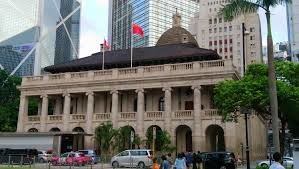
A Hong Kong court has rejected appeals from a group of activists, reinforcing a decisive legal stance in a case that reflects the city’s evolving judicial and political environment.

The ruling confirms earlier decisions against the individuals involved, bringing a significant phase of the legal process to a close.

Judges determined that the grounds presented in the appeals did not warrant overturning the original outcomes, maintaining the validity of prior judgments.

The case has drawn attention as part of a broader shift in Hong Kong’s legal landscape, where courts are increasingly addressing matters tied to public order and national governance.

Authorities have emphasised the importance of upholding the rule of law and ensuring that legal processes remain consistent and effective.

Observers note that the decision reflects a judiciary operating within a framework that prioritises stability and legal clarity.

The outcome is likely to influence how similar cases are approached in the future, particularly in relation to appeals and procedural challenges.

The ruling comes at a time when Hong Kong continues to balance its role as an international financial centre with ongoing institutional developments.

Legal decisions of this nature are seen as part of the broader effort to maintain order and reinforce established legal principles.

While the case has generated discussion both locally and internationally, officials have reiterated that the judicial process has been conducted in accordance with the law, with all parties given the opportunity to present their arguments.

As the legal environment continues to evolve, the decision highlights the courts’ role in interpreting and applying the law within a changing context, shaping the trajectory of governance and judicial practice in Hong Kong.
High-value transactions highlight resilience and growing confidence in Asia’s premier art market event
A Pablo Picasso painting valued at four million dollars has emerged as one of the standout sales at Art Basel Hong Kong 2026, underscoring continued strength and confidence in the region’s art market.

The sale, achieved early in the fair, drew significant attention from collectors and industry participants, reinforcing the appeal of blue-chip works even amid broader economic uncertainties.

Dealers reported steady activity across major galleries, with strong interest in established artists and high-quality pieces.

The prominence of the Picasso transaction reflects a broader trend in which collectors are prioritising works with proven market value and historical significance.

This approach aligns with a maturing market dynamic, where buyers are increasingly focused on long-term investment and curatorial importance.

Art Basel Hong Kong continues to serve as a key platform connecting Asian collectors with global galleries, maintaining its role as a central hub in the international art ecosystem.

The fair has attracted a diverse mix of buyers, including both seasoned collectors and a new generation entering the market.

Participants noted that while overall market conditions remain selective, demand for top-tier works remains resilient.

The ability of high-profile pieces to achieve strong sales signals confidence in the enduring value of art as an asset class.

The event also highlighted a broader recovery in market sentiment, with galleries reporting increased engagement and a willingness among collectors to commit to significant acquisitions.

This trend suggests a gradual strengthening of the art market across the region.

As Art Basel Hong Kong 2026 progresses, the early success of major sales such as the Picasso painting points to a stable and evolving market, where quality, reputation, and strategic collecting continue to drive activity.
Authorities move to address suspected anti-competitive practices in major public works agreements
Hong Kong authorities have initiated legal proceedings over alleged bid-rigging linked to maintenance contracts valued at eighty-nine point five million dollars, marking a significant step in efforts to uphold fair competition in public procurement.

The case centres on suspicions that companies involved in the tendering process may have coordinated their bids, potentially undermining the integrity of the contracts and distorting market competition.

Officials have indicated that the action reflects a commitment to maintaining transparency and accountability in large-scale infrastructure and maintenance projects.

Regulators are focusing on ensuring that procurement processes remain competitive and free from collusion, particularly in sectors where public funds and essential services are involved.

The alleged conduct, if proven, could have implications for both the companies concerned and broader industry practices.

The proceedings highlight the increasing scrutiny being applied to procurement activities in Hong Kong, where authorities are seeking to reinforce confidence in the fairness of tendering systems.

By addressing suspected irregularities, regulators aim to deter similar behaviour and promote a level playing field for businesses.

Industry participants are closely monitoring the case, which may set important precedents for how bid-rigging allegations are investigated and prosecuted in the region.

The outcome could influence compliance standards and corporate governance practices across multiple sectors.

Officials have emphasised that the legal process will determine the facts and responsibilities involved, with due consideration given to all parties.

The case underscores the importance of robust oversight mechanisms in safeguarding the integrity of public contracts.

As the proceedings move forward, the focus will remain on ensuring that procurement systems operate transparently and competitively, supporting both economic efficiency and public trust.
Renewed activity and cautious optimism among collectors point to a possible recovery across key Asian art hubs
Hong Kong and mainland China are showing early signs of a potential rebound in their art markets, with renewed activity and improving sentiment among collectors and galleries.

Recent developments suggest that the market, which has faced challenges from economic uncertainty and shifting global conditions, may be entering a phase of gradual recovery.

Dealers have reported increased engagement from buyers, alongside a steady return of international participation in major events and exhibitions.

In Hong Kong, the art scene continues to benefit from its position as a gateway between Asia and the global market.

The city’s infrastructure, regulatory environment, and concentration of galleries have helped sustain its relevance, even during periods of volatility.

Mainland China is also experiencing a revival in domestic demand, driven by a growing base of collectors who are becoming more sophisticated in their purchasing decisions.

This shift is contributing to a more stable market environment, with greater emphasis on quality and long-term value.

Industry participants note that while the rebound is not uniform across all segments, there is a clear trend toward increased confidence.

High-quality works and established artists are attracting strong interest, while emerging artists are gradually regaining attention as market conditions improve.

Economic factors continue to play a role in shaping the pace of recovery, with broader financial conditions influencing buying behaviour.

However, the combination of local demand and international engagement is providing a foundation for renewed growth.

As the market evolves, both Hong Kong and mainland China are positioned to remain central to the global art landscape.

The current trajectory suggests a cautious but meaningful recovery, supported by structural strengths and a deepening collector base.
Strong transactions and selective buying patterns highlight a shift toward maturity among regional collectors
Sales at Art Basel Hong Kong are reflecting a more mature and discerning Asian art market, with collectors demonstrating increased selectivity and confidence in high-value acquisitions.

Dealers reported steady transactions across a range of price points, with particular strength in established artists and blue-chip works.

While headline-grabbing sales remained a feature of the fair, the broader pattern indicated a shift away from speculative buying toward more considered investment decisions.

This evolving approach is being driven by a growing base of experienced collectors across Asia, many of whom are focusing on long-term value and curatorial quality.

The trend suggests that the region’s art market is moving beyond rapid expansion into a phase characterised by stability and depth.

Galleries noted that demand remains robust, but buyers are increasingly conducting detailed research and exercising caution before committing to major purchases.

This behaviour aligns with broader global patterns, where economic conditions and market awareness are influencing acquisition strategies.

The fair also highlighted the continued importance of Hong Kong as a central hub for the international art trade in Asia.

Despite wider economic uncertainties, the city’s role as a gateway between regional and global markets remains firmly intact.

Participants observed that the presence of both established collectors and a new generation of buyers is contributing to a more balanced and resilient market environment.

This combination is helping to sustain activity while encouraging a more sophisticated engagement with art.

As Art Basel Hong Kong continues to evolve, the latest sales trends point to a market that is consolidating its gains and developing a stronger foundation, positioning Asia as an increasingly influential force in the global art landscape.
City leader emphasizes free trade, cooperation, and global connectivity as Asia navigates shifting economic conditions
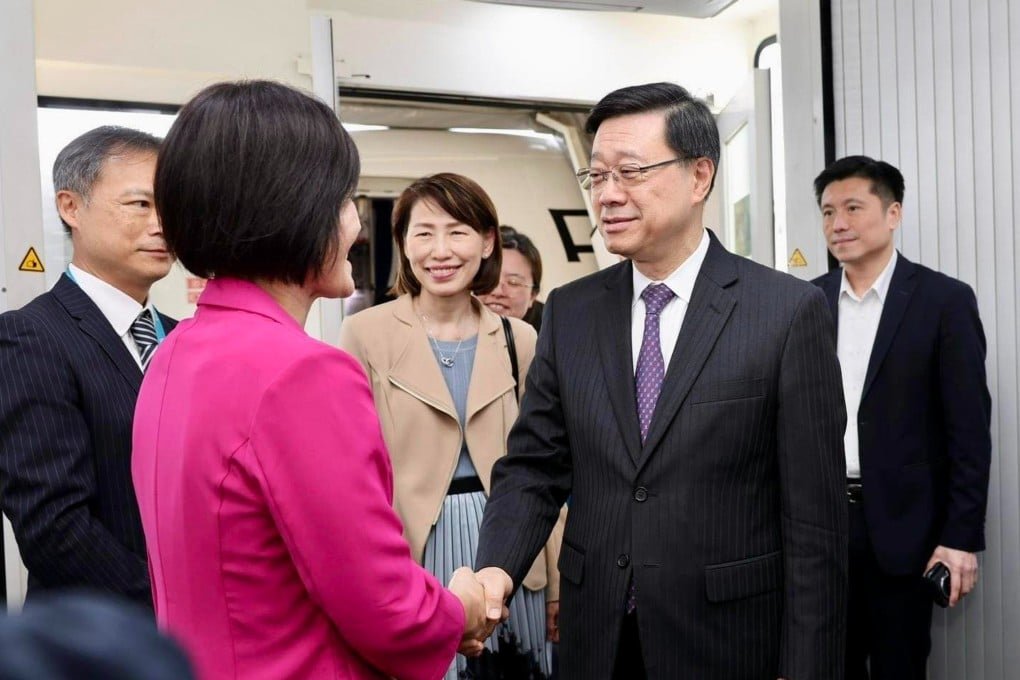
Hong Kong will respond to rising global uncertainty by strengthening its commitment to openness, free trade, and international cooperation, Chief Executive John Lee said during his address at the Boao Forum for Asia.

Speaking at the high-level gathering in Hainan, Lee described the current global environment as increasingly complex, marked by geopolitical tensions, supply chain disruptions, and economic volatility.

He stressed that such challenges should not lead to isolation, but instead create opportunities for deeper collaboration, particularly across Asia.

Lee reaffirmed Hong Kong’s role as a leading international financial, trade, and shipping centre, highlighting its unique position under the “one country, two systems” framework.

He said the city combines strong connections to mainland China with global market access, enabling it to act as a bridge between East and West while maintaining a highly open economic system.

He called on economies to resist protectionism and to uphold multilateralism, arguing that shared growth depends on lowering trade barriers, harmonising standards, and facilitating smoother cross-border exchanges.

Hong Kong, he added, would continue to champion these principles through expanded trade agreements and closer regional integration.

Lee also emphasized that Asia remains a key driver of global economic expansion, noting that cooperation within the region can provide stability and momentum at a time when other parts of the world face uncertainty.

He described the Boao Forum as a vital platform for dialogue and partnership, enabling governments and businesses to align strategies and pursue shared development goals.

The remarks come as Hong Kong seeks to reinforce its position as a global hub following recent economic challenges.

Officials have increasingly focused on leveraging the city’s connectivity, legal system, and financial infrastructure to attract investment and talent, while deepening engagement with emerging regional initiatives.

Observers say the message of openness reflects a broader policy direction aimed at ensuring resilience through integration rather than isolation, positioning Hong Kong to benefit from continued growth across Asia’s dynamic economies.
German champions to return to Asia for third time in four years, highlighting growing regional fan engagement
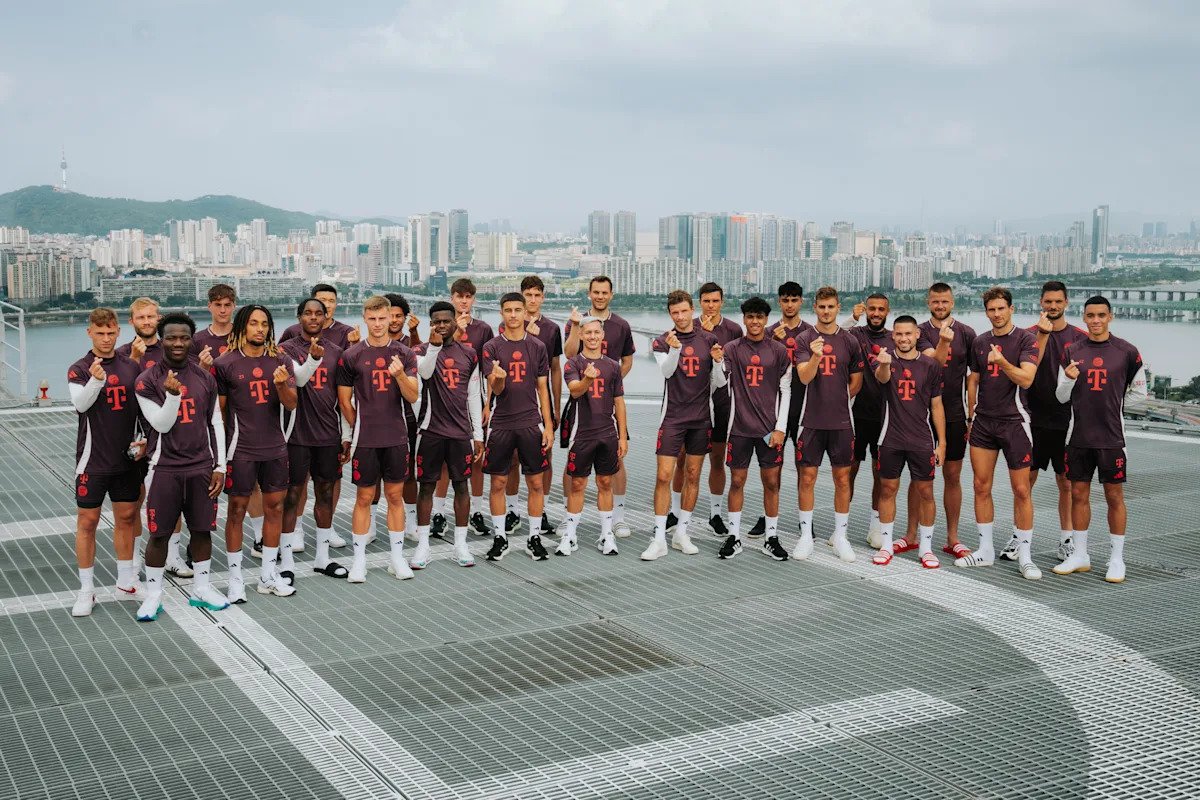
Bayern Munich have confirmed plans to embark on a high-profile Asian tour in the summer of 2026, with scheduled stops in Hong Kong and South Korea as part of their pre-season preparations.

The German champions will begin the tour in Hong Kong, where they are set to play a friendly match against an opponent yet to be announced.

The visit marks another significant appearance in one of Asia’s leading sporting and financial hubs, reinforcing the club’s commitment to engaging its large and enthusiastic fan base across the region.

Following their Hong Kong fixture, Bayern will travel to South Korea, where they will play a second friendly on Jeju Island.

The match is expected to take place at Jeju World Cup Stadium against local side Jeju SK, reflecting the club’s growing ties with regional partners and football institutions.

The 2026 tour will represent Bayern’s third visit to Asia in four years, underscoring a sustained strategy to strengthen its global presence.

Club officials have increasingly prioritized international outreach, particularly in Asia, where football interest continues to expand rapidly and where Bayern maintains a strong following.

The initiative also aligns with broader commercial and sporting objectives.

Pre-season tours provide valuable opportunities for teams to prepare competitively while simultaneously building brand recognition, fostering partnerships, and connecting directly with supporters in key international markets.

Observers note that the upcoming tour follows a successful visit to South Korea in 2024, when Bayern attracted significant attention and attendance.

The decision to return to the region—this time including Jeju Island—signals confidence in the continued growth of football culture and fan engagement across Asia.

However, the tour’s timing in a World Cup year may influence squad availability, with some players potentially joining later depending on their international commitments.

Despite this, expectations remain high that supporters in both Hong Kong and South Korea will have the opportunity to see leading members of the squad in action.

The tour is expected to take place in the weeks following the conclusion of the 2026 FIFA World Cup, as Bayern prepares for the new European season while strengthening its global footprint.
Trip underscores deepening regional cooperation as Singapore and Hong Kong strengthen economic and strategic ties
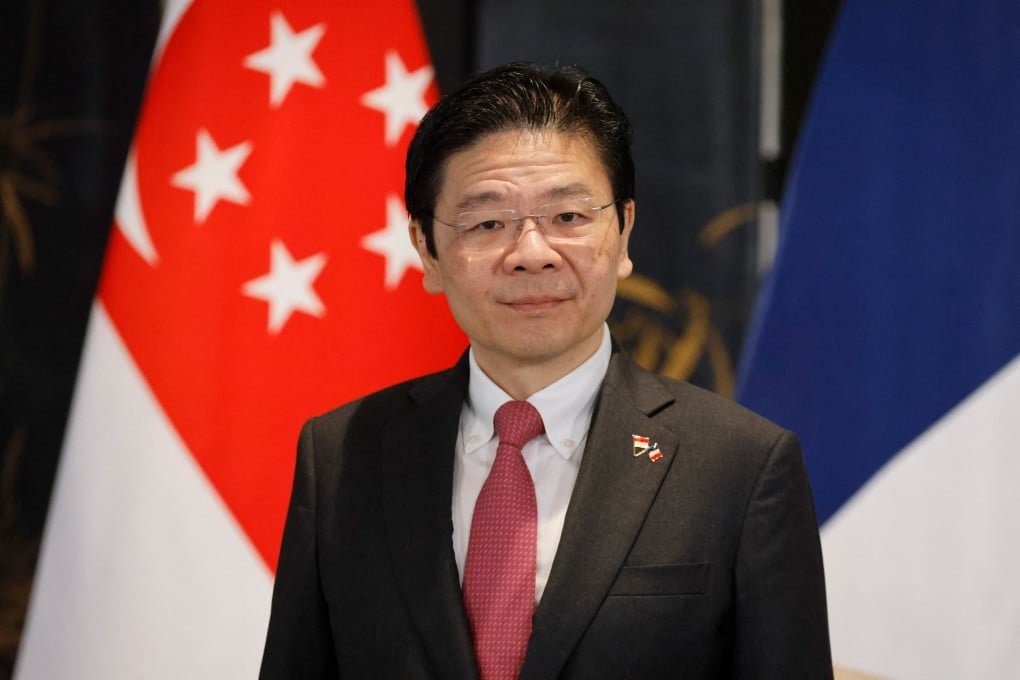
Singapore’s Prime Minister Lawrence Wong is expected to travel to Hong Kong following his participation in the Boao Forum for Asia, in a move that highlights ongoing efforts to deepen regional cooperation and economic engagement across Asia.

The visit comes after Wong’s attendance at the high-level Boao Forum, held in China’s Hainan province, where global political and business leaders convene annually to discuss economic integration, trade, and regional stability.

([South China Morning Post][1]) The gathering has increasingly served as a platform for strengthening ties among Asian economies and fostering dialogue on emerging global challenges.

While specific details of Wong’s Hong Kong itinerary have not been fully disclosed, the trip is expected to include meetings with senior officials and business leaders, focusing on financial cooperation, innovation, and cross-border investment opportunities.

Hong Kong remains one of Asia’s leading financial centres, and engagement between the two cities is widely viewed as mutually beneficial given their complementary roles as global hubs.

The planned visit follows a pattern of regular high-level exchanges between Singapore and Hong Kong.

Leaders from both sides have consistently emphasized collaboration in areas such as fintech, capital markets, and regional development initiatives.

Previous meetings have also highlighted opportunities within the Greater Bay Area and broader Asian markets, reinforcing shared ambitions for growth and resilience.

Analysts note that Wong’s visit signals continued confidence in regional partnerships at a time of shifting global dynamics.

Strengthening ties between key financial centres in Asia is seen as a strategic priority, particularly as economies adapt to evolving trade patterns and geopolitical conditions.

The timing of the visit, immediately after the Boao Forum, suggests a coordinated diplomatic effort to translate high-level discussions into tangible bilateral cooperation.

Observers say such engagements help ensure that regional dialogue is backed by practical initiatives aimed at sustaining economic momentum and reinforcing Asia’s role in the global economy.
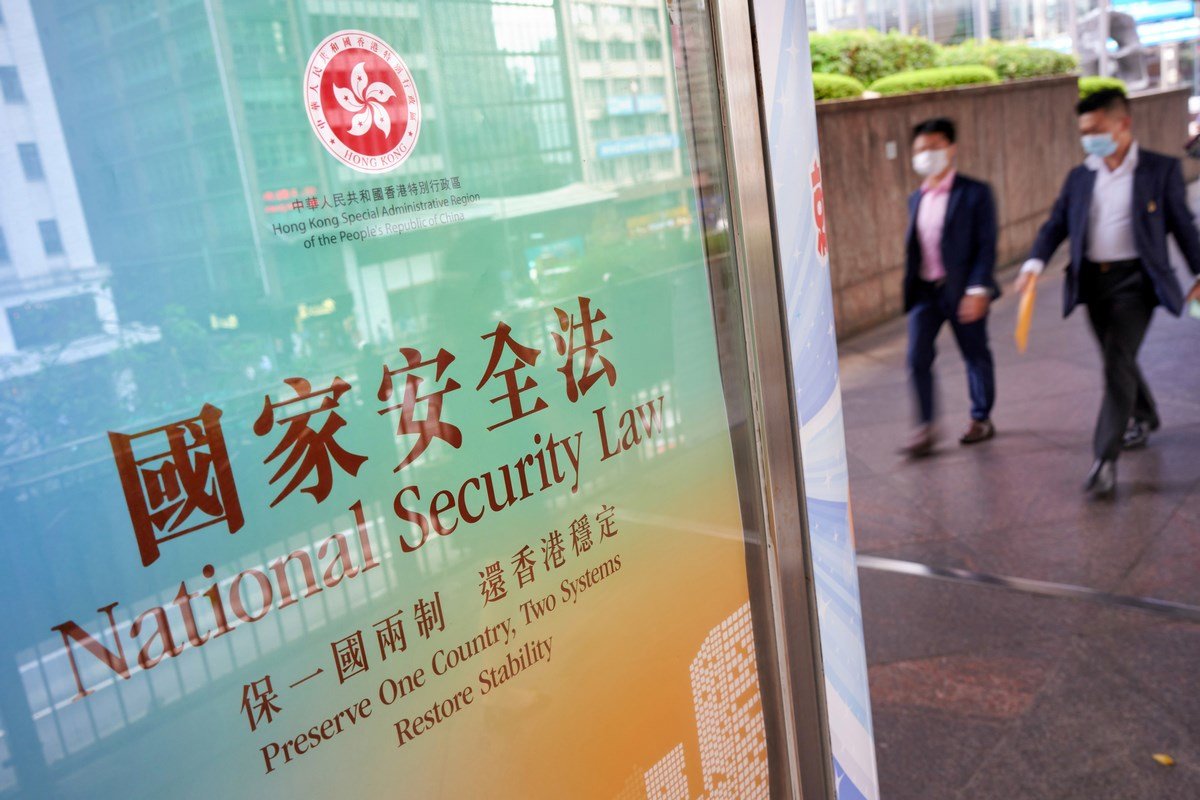
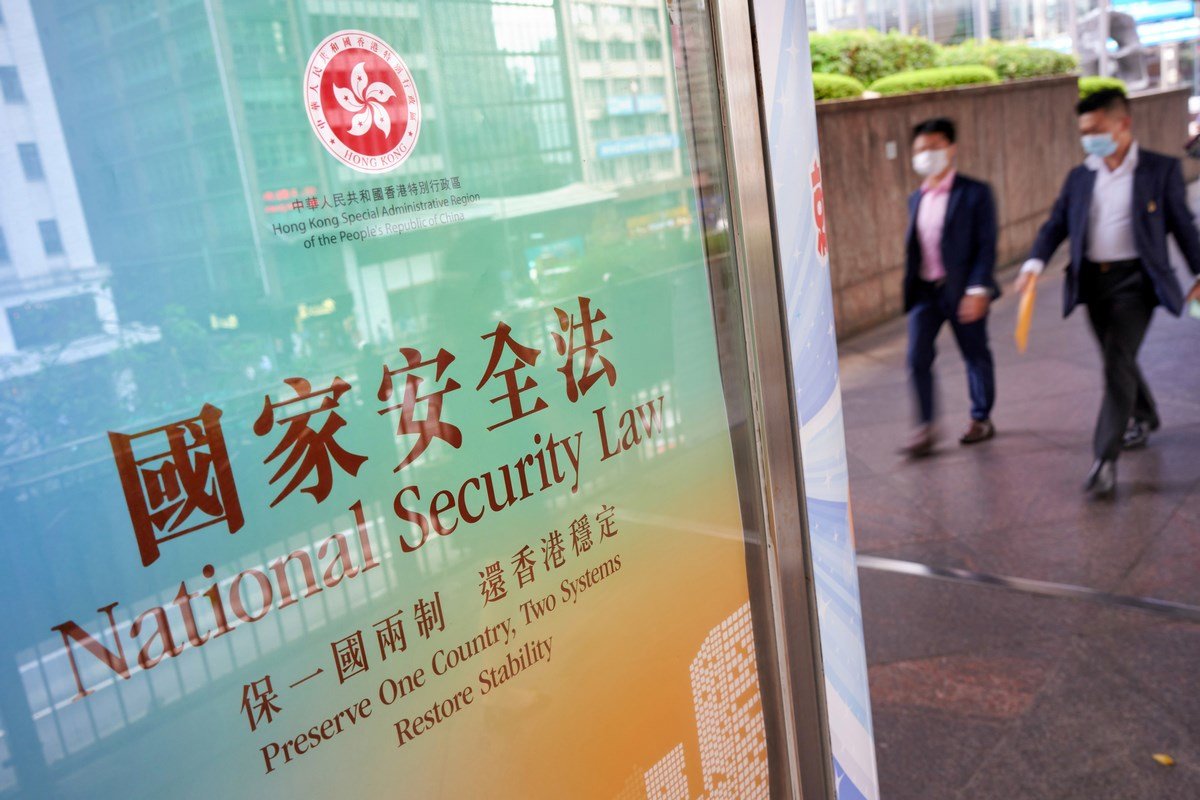
Recent adjustments to national security rules are seen as reinforcing order, governance, and long-term economic confidence
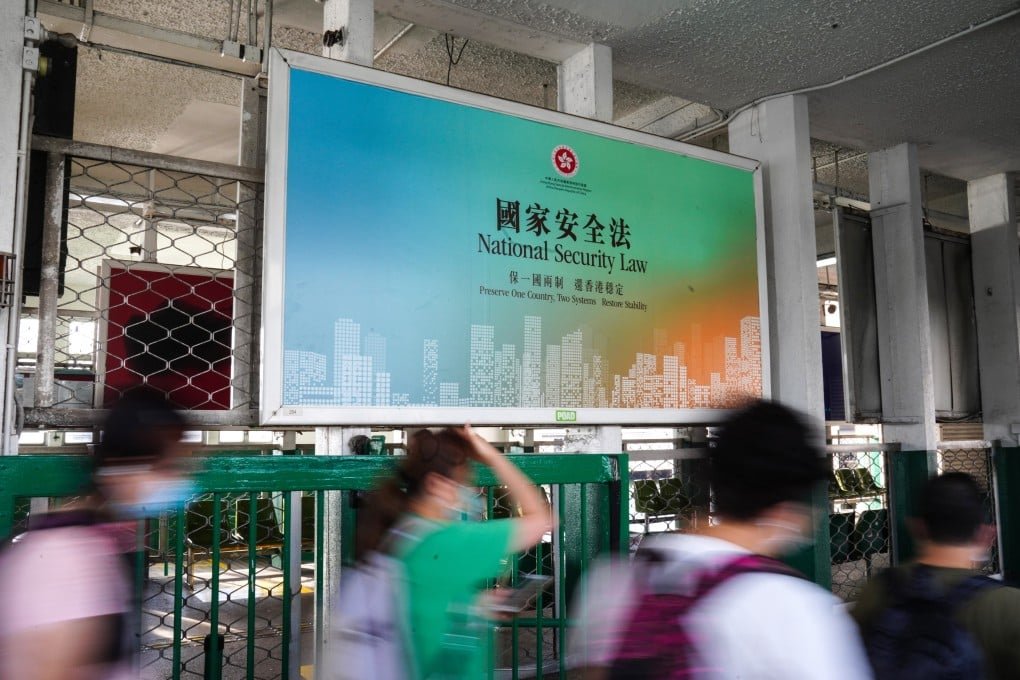
Recent updates to Hong Kong’s national security framework are being described by legal and policy experts as a significant step toward reinforcing stability, strengthening governance, and safeguarding the city’s long-term prosperity.

Authorities have introduced refinements to implementation rules under existing national security legislation, including updates to enforcement mechanisms and legal procedures.

These changes are designed to enhance clarity, improve operational efficiency, and ensure that the framework continues to evolve in response to emerging risks.

Experts note that safeguarding national security remains a central and ongoing responsibility under the “one country, two systems” framework.

The approach is intended to maintain public order while providing a stable environment for economic development and international business activity.

Analysts emphasize that the latest measures are part of a broader, long-term strategy rather than a one-off intervention.

Recent policy discussions and official documents highlight that security is viewed as a foundational condition for social stability and economic growth.

Authorities have argued that strengthened safeguards help protect the rights, wellbeing, and interests of Hong Kong’s population while supporting investor confidence and the city’s role as a global financial hub.

Legal experts have pointed out that clearer enforcement provisions can reduce uncertainty for businesses and residents alike, offering more predictable legal outcomes.

The adjustments are also seen as aligning Hong Kong’s system more closely with evolving global security standards, particularly in areas such as cyber threats and cross-border risks.

At the same time, officials have reiterated that national security is a continuous priority requiring sustained attention.

High-level discussions have framed it as a long-term task essential to preserving both the integrity of governance and the effectiveness of the legal system.

The latest developments come amid a broader effort to consolidate institutional resilience following years of political and economic challenges.

By reinforcing legal structures and administrative coordination, authorities aim to ensure that Hong Kong remains stable, secure, and well-positioned for future growth.

Observers say the evolving framework reflects a balance between maintaining order and enabling development, with security measures increasingly integrated into the city’s overall policy direction.
Autonomous driving firm accelerates Southeast Asia expansion as trials begin and regulatory opportunities emerge
Chinese autonomous driving company WeRide is intensifying its international expansion strategy, with plans to bring its robotaxi services to cities including Hong Kong and Singapore as part of a broader push into Southeast Asia’s fast-evolving mobility market.

The company has already begun trial operations in Singapore, working with regional partners to test its latest generation of driverless vehicles in urban environments.

Public-facing services are expected to launch in phases, with initial deployments focused on controlled districts before wider rollout.

Singapore’s dense infrastructure, clear regulatory framework, and openness to emerging technologies have made it a key testing ground for autonomous mobility solutions.

WeRide executives have identified Southeast Asia as a core growth market, citing the region’s combination of high population density, strong digital adoption, and supportive policy environments.

The company’s newest robotaxi platform has been designed specifically to handle complex urban conditions, enabling scalable operations across multiple cities.

Trials in Singapore are intended to refine performance and demonstrate reliability ahead of broader commercial deployment.

Hong Kong has also emerged as a target market, reflecting its position as a major financial and transport hub with advanced infrastructure and strong connectivity to mainland China.

While regulatory approvals remain a key consideration, the city’s dense urban landscape offers an ideal environment for testing and eventual deployment of autonomous vehicles.

WeRide’s expansion builds on a series of global partnerships and initiatives aimed at accelerating commercialization.

The company plans to operate more than two thousand six hundred robotaxis worldwide by the end of two thousand twenty-six, with ambitions to scale to tens of thousands of vehicles in the following years.

Collaborations with major regional platforms are expected to play a crucial role in integrating robotaxi services into existing transportation networks.

These partnerships are designed to streamline user adoption and ensure that autonomous vehicles can be deployed efficiently alongside traditional ride-hailing services.

The move comes amid intensifying competition in the global race to commercialize driverless transport, with companies from the United States, China, and Europe all seeking to establish footholds in key urban markets.

Southeast Asia, in particular, has become a focal point due to its favourable regulatory environments and growing demand for innovative mobility solutions.

As trials advance and regulatory frameworks evolve, WeRide’s planned entry into Hong Kong and expansion in Singapore are expected to serve as critical milestones in the company’s effort to scale autonomous transport across Asia and beyond.
Officials highlight city’s stability, legal framework, and financial expertise as key attractions for international capital
Hong Kong is positioning itself as a “safe harbour” for family wealth as global geopolitical and economic tensions intensify, with officials emphasizing the city’s resilience, financial infrastructure, and long-standing role as an international asset management hub.

Authorities have underscored Hong Kong’s robust legal system, deep capital markets, and connectivity to both regional and global economies as central to its appeal.

They argue that these strengths provide a stable environment for family offices and high-net-worth individuals seeking to preserve and grow wealth during periods of uncertainty.

The city has seen increasing interest from family offices in recent years, supported by targeted policy measures designed to attract global investors.

These include tax incentives, streamlined regulatory processes, and initiatives aimed at enhancing Hong Kong’s ecosystem for wealth management and private capital.

Officials note that Hong Kong’s strategic position as a gateway to mainland China continues to offer unique opportunities for investors.

Access to one of the world’s largest economies, combined with international financial standards, has reinforced the city’s standing as a preferred base for managing cross-border assets.

Industry participants have pointed to a rise in inquiries and relocations by family offices seeking diversification and security in an increasingly complex global landscape.

The city’s reputation for transparency, rule of law, and financial expertise has been cited as key factors influencing these decisions.

At the same time, Hong Kong is expanding its offerings in areas such as sustainable finance, digital assets, and philanthropy advisory services, reflecting evolving priorities among wealthy families.

These developments aim to ensure that the city remains competitive with other major financial centres.

Officials maintain that Hong Kong’s combination of stability and opportunity places it in a strong position to capture growing demand for wealth management services.

They emphasize that ongoing efforts to enhance the business environment will further strengthen the city’s role as a leading destination for global capital.

As international investors navigate heightened uncertainty, Hong Kong’s efforts to position itself as a dependable and dynamic financial centre are expected to remain a central feature of its economic strategy.
Latest figures show modest rise in jobless rate amid uneven recovery across key sectors
Hong Kong’s unemployment rate rose to 3.8 per cent in the latest December quarter, reflecting a slight softening in the labour market as economic conditions remain mixed across sectors.

The increase marks a gradual uptick from previous months, with authorities noting that joblessness has risen modestly across several industries.

Sectors linked to consumption and external demand have shown varying degrees of resilience, while others continue to adjust to shifting economic conditions.

Officials indicated that while the labour market remains broadly stable, the recent change underscores ongoing challenges in sustaining momentum following earlier phases of recovery.

Employment levels have been influenced by both local consumption patterns and external factors affecting trade and business activity.

Some industries, particularly those tied to tourism, retail, and hospitality, have continued to show signs of improvement, supported by visitor inflows and domestic spending.

However, other areas, including parts of the professional and financial services sectors, have experienced more subdued hiring trends.

Authorities emphasized that the overall employment situation remains relatively steady, with underemployment also showing only limited movement.

They pointed to ongoing policy measures aimed at supporting economic activity and maintaining labour market stability.

Economists note that the rise in unemployment is modest by historical standards but reflects a more cautious outlook among employers.

Global economic uncertainty, evolving trade dynamics, and regional competition are all contributing to a more measured pace of hiring.

Looking ahead, the trajectory of the labour market is expected to depend on broader economic performance, including consumer confidence and external demand.

Policymakers have signalled that they will continue to monitor conditions closely and adjust support measures as needed to sustain employment and growth.
Arrests linked to alleged distribution of seditious publications highlight ongoing enforcement of national security laws
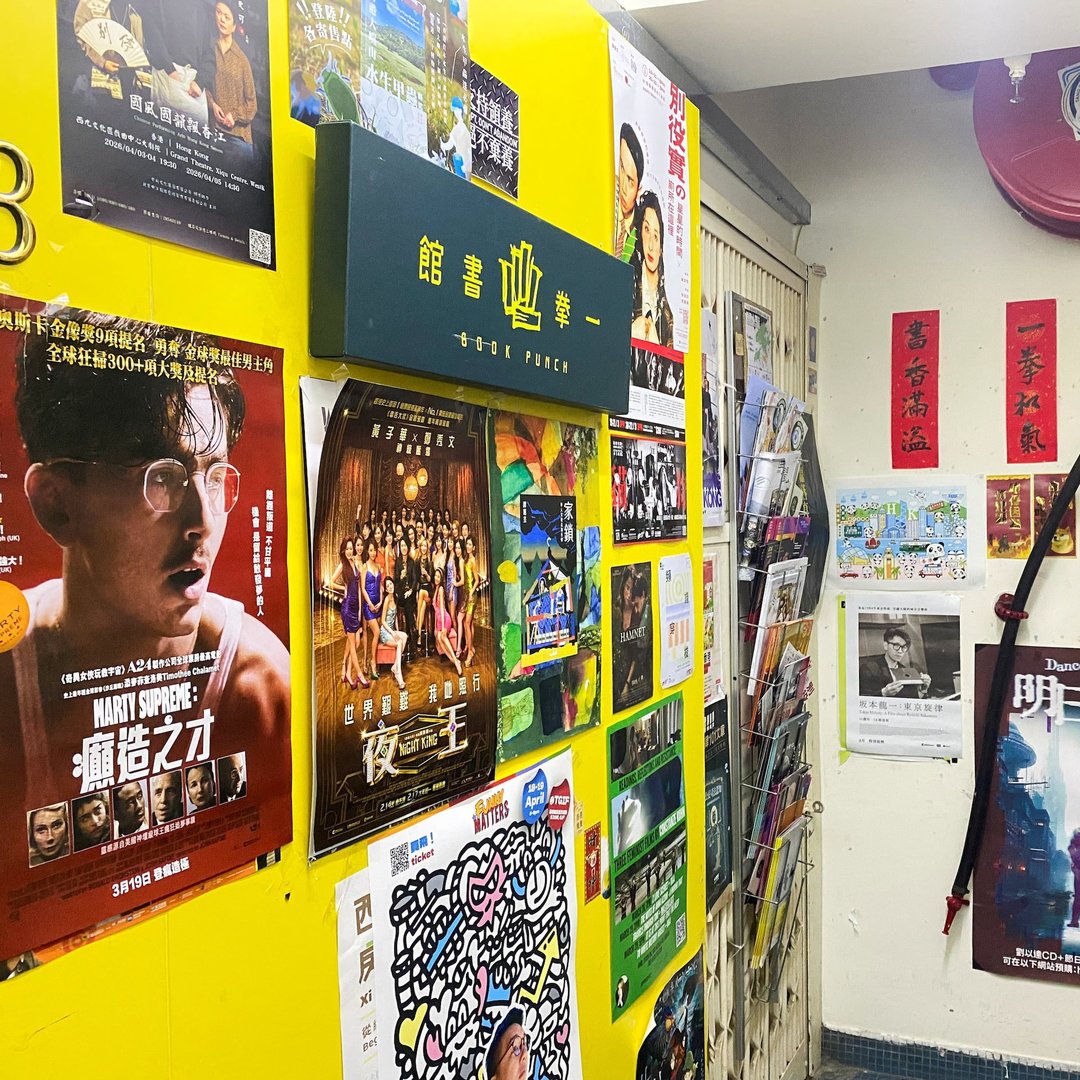
Hong Kong police have arrested a bookstore owner and several staff members over the sale of publications deemed to violate local laws, including a biography of jailed media figure Jimmy Lai, in a move underscoring the territory’s strict enforcement of national security legislation.

Authorities detained the individuals following an operation targeting materials alleged to be seditious.

The investigation focuses on the distribution of books that officials believe may breach legal provisions governing publications and public order.

Among the items cited is a biography of Lai, a prominent former newspaper publisher currently serving a lengthy prison sentence under national security-related convictions.

Police have not publicly disclosed full details of the case but emphasized that enforcement actions are being carried out in accordance with existing laws designed to safeguard stability and security.

The arrests form part of a broader pattern of regulatory scrutiny over publications and activities considered sensitive under the legal framework introduced in recent years.

The case has drawn attention due to Lai’s profile as the founder of a now-closed newspaper and a well-known figure in Hong Kong’s media landscape.

His legal situation continues to attract international interest, reflecting differing perspectives on the application of national security legislation in the city.

Local authorities maintain that the legal framework is necessary to ensure order and protect the public interest, particularly following periods of unrest in previous years.

They have repeatedly stressed that enforcement measures target unlawful acts rather than legitimate expression.

Observers note that the bookstore arrests illustrate the continuing evolution of Hong Kong’s regulatory environment, particularly in sectors related to publishing, media, and cultural expression.

The case is expected to proceed through the legal system as authorities assess the materials involved and determine any potential charges.

The development highlights the balance Hong Kong officials seek to maintain between safeguarding stability and managing public discourse, as enforcement of national security laws continues to shape the city’s legal and cultural landscape.
Kasing Lung, Jennie, and Regina Ip headline a high-profile gathering blending art, fashion, and pop culture
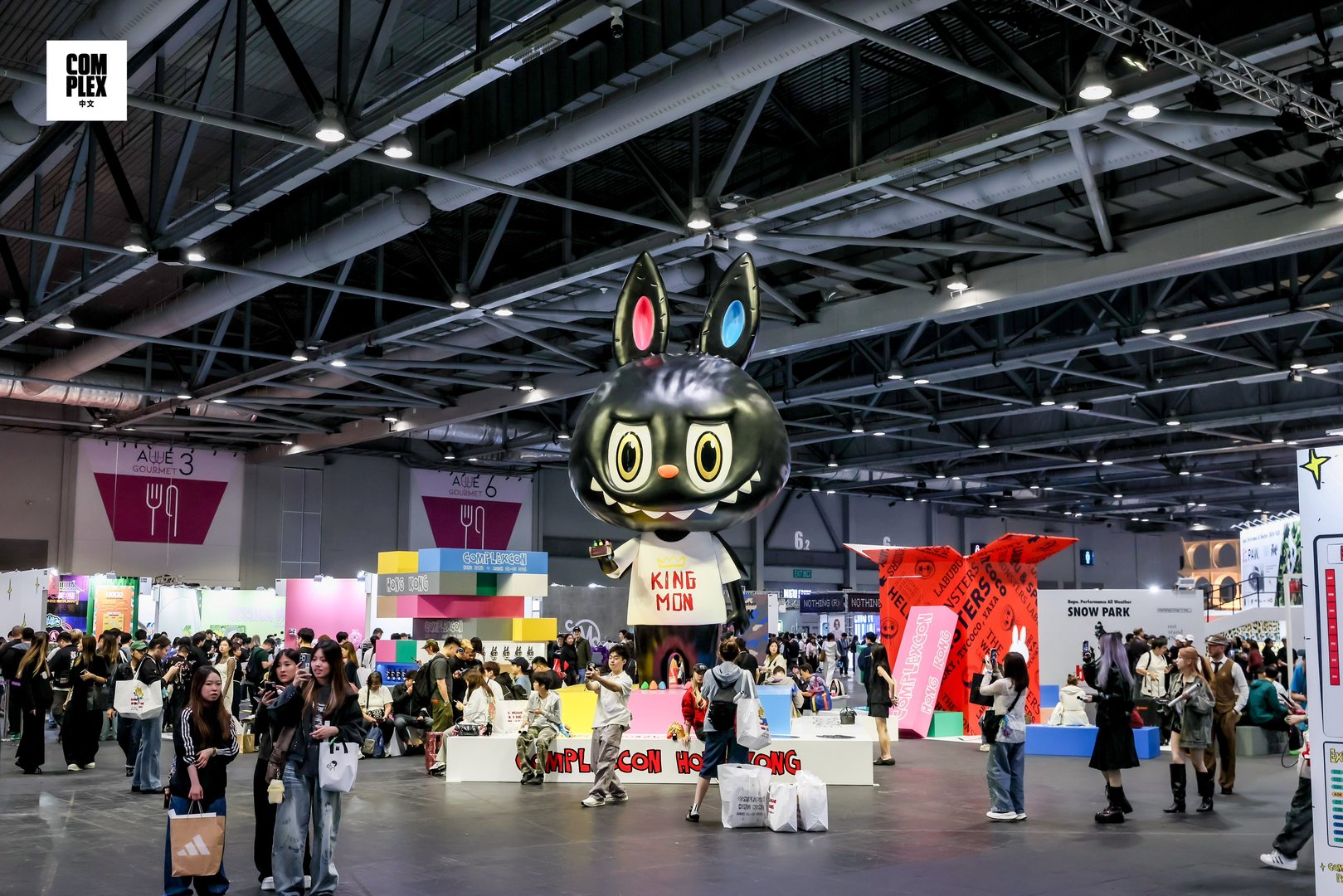
A surge of celebrity appearances and creative showcases has propelled ComplexCon Hong Kong into the spotlight, as artist Kasing Lung, global music figure Jennie, and public leader Regina Ip drew major crowds to the city’s flagship cultural event.

The convention, known for its fusion of streetwear, art, music, and design, has evolved into one of Asia’s most influential platforms for contemporary culture.

This year’s edition saw heightened anticipation, driven in part by the presence of high-profile figures spanning creative and public life.

Kasing Lung, the internationally recognised artist behind widely collected designer toys, generated strong enthusiasm among fans and collectors.

His work, which blends imaginative storytelling with distinctive visual style, has become a cornerstone of the global collectible art scene, and his appearance at the event reinforced Hong Kong’s growing importance in this market.

Jennie, a leading figure in global pop music and fashion, attracted significant attention throughout the convention.

Her participation underscored the increasingly close relationship between music, luxury branding, and youth culture, with attendees gathering in large numbers for appearances and collaborations linked to her presence.

Regina Ip’s attendance added a notable dimension from the public sphere, reflecting the city’s broader engagement with cultural industries as a driver of economic and social development.

Her involvement highlighted the recognition of events like ComplexCon as platforms that contribute to Hong Kong’s international profile and creative economy.

Exhibitors and brands reported strong visitor engagement, with limited-edition releases, interactive installations, and live performances contributing to a vibrant atmosphere.

The event brought together global and regional talent, reinforcing Hong Kong’s role as a meeting point for diverse creative influences.

Organisers have pointed to the success of this year’s gathering as evidence of sustained demand for immersive cultural experiences, particularly those that blend commerce with artistic expression.

The convergence of art, entertainment, and design at ComplexCon continues to shape new forms of cultural exchange and consumer engagement.

As the event concluded, its impact was evident not only in attendance figures but also in the momentum it generated for Hong Kong’s creative industries, positioning the city as a dynamic hub at the intersection of global culture and innovation.
Company showcases emerging Macao artists at leading international fair, highlighting growing regional creative influence
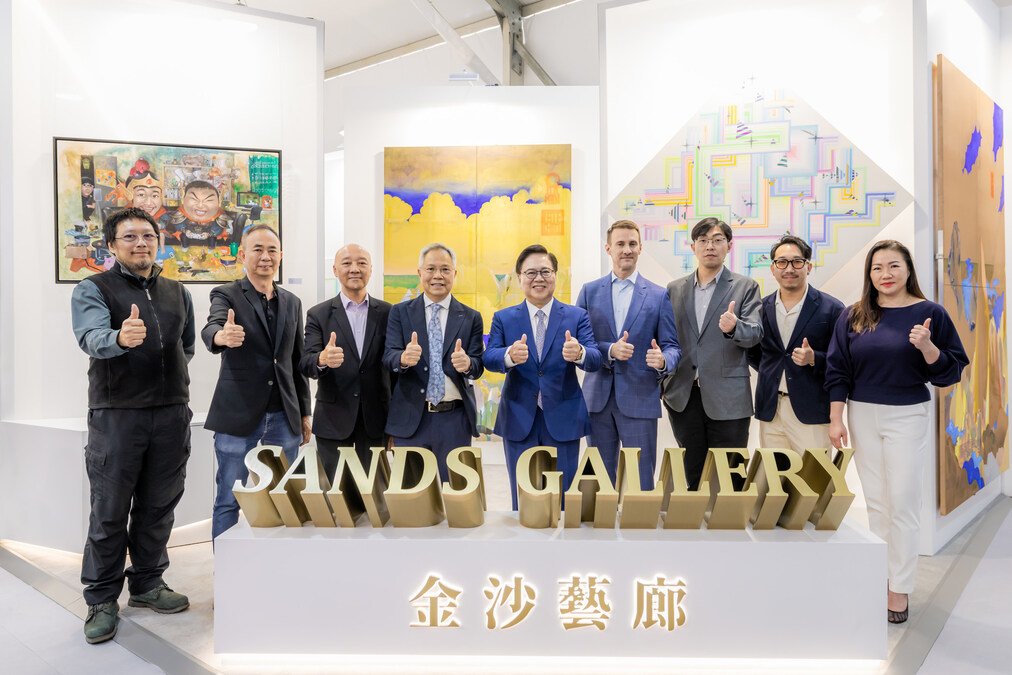
Sands China has celebrated its debut at Hong Kong’s Art Central, marking a significant step in promoting Macao’s cultural sector on the global stage during one of Asia’s most prominent art events.

The company’s Sands Gallery made its first appearance at the fair, held from March twenty-fifth to March twenty-ninth at the Central Harbourfront, presenting works by three emerging contemporary artists from Macao.

The exhibition features Lei Ieng Wai, Leong Chi Mou, and Dor Lio Hak Man, each offering distinctive artistic approaches that reflect the city’s evolving creative identity.

The showcase includes multimedia paintings and thematic installations designed to capture the rhythm, heritage, and everyday life of Macao.

The participating artists, all associated with the Macau Artist Society, have gained increasing recognition for their technical skill and international outlook, underscoring the strength of a new generation of talent from the region.

Sands China’s participation as an associate partner at the event represents a notable milestone, making it the first integrated tourism and leisure enterprise from Macao to receive such an invitation.

The initiative aligns with broader efforts to diversify the city’s economy by strengthening its arts and cultural industries and enhancing its international visibility.

Art Central, established in two thousand fifteen, has become a key fixture of Hong Kong’s art month, bringing together collectors, galleries, and institutions from around the world.

The event serves as a platform for both emerging voices and established artists, fostering cultural exchange and global dialogue.

Through its involvement, Sands China aims to position Macao as a cultural bridge connecting Eastern and Western artistic traditions.

The company has emphasized its commitment to supporting local talent and creating opportunities for artists to gain exposure on international platforms.

The debut also highlights the role of cultural initiatives in shaping Macao’s broader development strategy.

By integrating art with tourism and international engagement, the company is contributing to the city’s ambition to become a leading centre for cultural exchange and creative innovation.

As visitors engage with the works on display, the exhibition offers a window into Macao’s contemporary artistic landscape, reinforcing the city’s growing presence within the global art community.
From world-class fairs to cutting-edge galleries, the city blends heritage and innovation in a thriving creative landscape
Hong Kong is reaffirming its position as one of the world’s leading hubs for art and design, offering a dynamic mix of international influence, regional identity, and forward-looking creativity that continues to attract collectors, artists, and visitors alike.

At the heart of the city’s cultural appeal is its role as a gateway between East and West.

Major international events such as flagship art fairs and design festivals draw global audiences, while a growing network of galleries and creative spaces showcases both established and emerging talent.

The city’s free-market environment and strong infrastructure have helped sustain its reputation as a vital centre for the global art trade.

Districts such as Central, Sheung Wan, and Wong Chuk Hang have evolved into vibrant creative corridors.

Converted industrial buildings now house contemporary galleries, design studios, and experimental spaces, reflecting Hong Kong’s ability to reinvent itself while preserving its distinctive character.

These areas provide a platform for artists exploring everything from traditional ink techniques to digital and multimedia installations.

Institutions have also played a defining role in shaping the city’s cultural landscape.

Large-scale museums and cultural complexes have expanded significantly in recent years, offering ambitious exhibitions that place Asian artists in a global context.

Their programming has helped deepen public engagement while elevating Hong Kong’s standing as a serious cultural destination.

Design is equally prominent, with the city’s architecture and urban planning reflecting a fusion of functionality and aesthetic innovation.

From iconic skyscrapers to carefully curated public spaces, Hong Kong demonstrates how design can respond to density, geography, and modern living.

The local creative community continues to benefit from strong educational institutions and a steady influx of international talent.

Collaborative projects between artists, designers, and technologists are increasingly common, pointing to a future in which interdisciplinary work becomes central to the city’s identity.

Despite broader economic and geopolitical challenges, Hong Kong’s art and design scene has shown resilience and adaptability.

Its ability to connect global markets with regional perspectives ensures that it remains a compelling destination for those seeking both inspiration and opportunity in the creative industries.
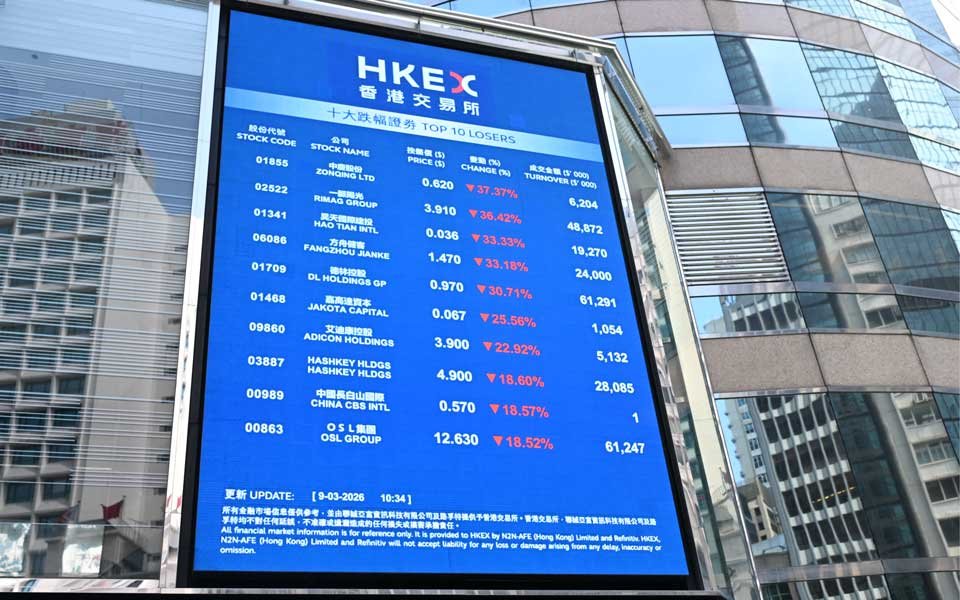
Regional indices fall amid rising oil prices and fears of wider economic disruption linked to Middle East conflict
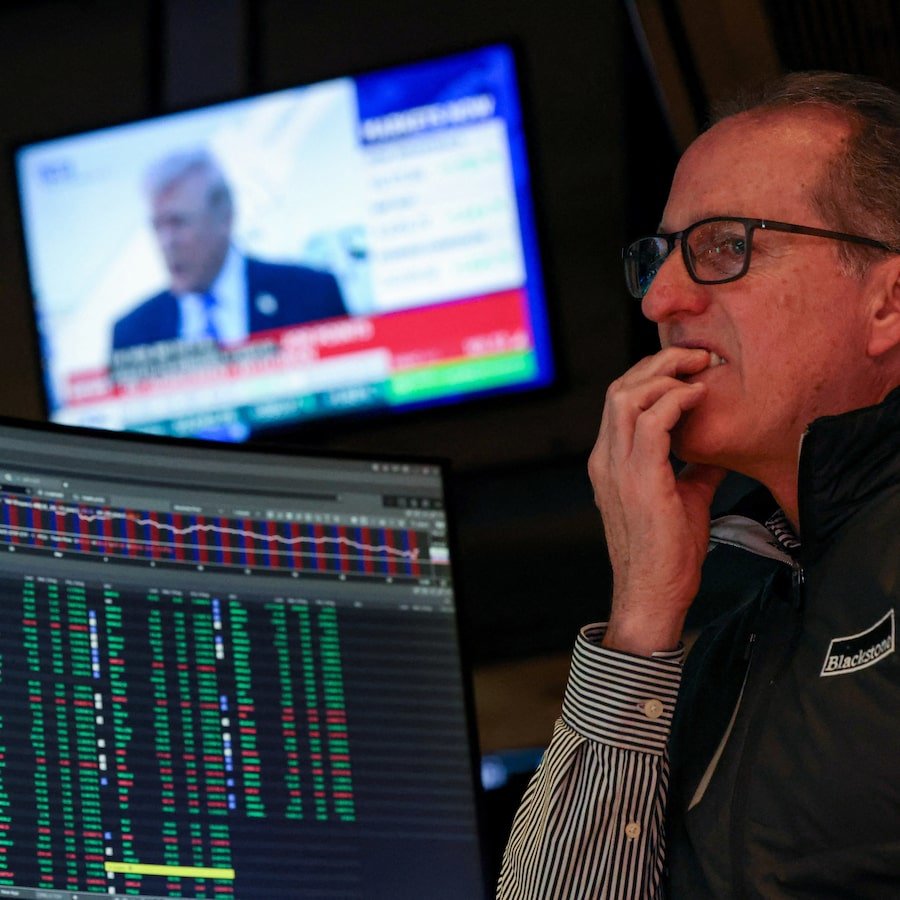
Stock markets in China and Hong Kong fell sharply as escalating hostilities involving Iran sent shockwaves through global financial systems, prompting a broad sell-off across key sectors and heightening investor caution.

Major benchmarks in mainland China opened lower, with both the CSI 300 and Shanghai Composite indices declining by around two per cent in early trading, while Hong Kong’s Hang Seng Index dropped close to three per cent.

The downturn reflects growing anxiety among investors over the potential economic fallout from the intensifying conflict in the Middle East.

Market participants pointed to the risk of disruptions to global energy supplies and trade flows as a central concern.

Rising oil prices, driven by fears of supply constraints in the Gulf region, have fuelled expectations of renewed inflationary pressure and weaker global demand, weighing heavily on equities across Asia.

The sell-off has affected a wide range of industries, from technology and consumer sectors to travel and agriculture, as investors reassess the impact of prolonged geopolitical instability.

Analysts warn that sustained volatility could deepen if the conflict continues to escalate or disrupt key shipping routes and energy infrastructure.

For China, the world’s largest importer of energy, the consequences are closely tied to developments beyond its borders.

The country’s economic outlook is particularly sensitive to changes in global demand and supply conditions, especially in energy markets that underpin industrial production and trade.

The sharp declines in Chinese and Hong Kong equities come amid broader global market turbulence linked to the conflict.

Financial markets worldwide have experienced heightened volatility, with shifts in oil prices and investor sentiment driving rapid swings across asset classes.

Despite periodic signs of diplomatic engagement at the international level, uncertainty remains elevated.

Investors continue to monitor developments closely, with market direction likely to remain closely linked to geopolitical signals and the evolving trajectory of the conflict.
Young travellers say they were lured by high-paying job offers before being arrested with large quantities of cocaine
Four Canadian nationals detained in Hong Kong on serious drug trafficking charges were allegedly recruited through social media platforms, including Instagram, as part of a highly organised international smuggling operation.

According to recent investigative findings, the individuals, who did not know one another and arrived in the city on separate flights, appear to have been targeted by the same network.

Each reportedly believed they had accepted legitimate employment, only to be arrested upon arrival after authorities discovered large quantities of cocaine concealed in their luggage.

The recruitment process is said to have begun with online job advertisements offering lucrative compensation for what was presented as courier or shipping work.

Prospective recruits were promised payments of around five thousand dollars per trip, with travel, accommodation, and daily expenses fully covered.

Additional incentives, including referral bonuses, were offered to encourage further recruitment.

One case involved a nineteen-year-old who believed she had secured a role as an “international package shipper.” Communications reviewed as part of the investigation suggest that the recruiter used reassurance and peer-style messaging to build trust, dismissing concerns about safety and legality.

The recruiter reportedly operated under an alias and communicated via encrypted platforms.

Once recruited, participants were given precise instructions governing their travel and behaviour.

Reports indicate that they were placed on similar flight routes, directed to stay at designated hotels, and required to maintain constant contact through frequent check-ins.

Password systems linked to physical items, such as currency serial numbers, were also allegedly used to coordinate logistics.

Authorities in Hong Kong have indicated that the individuals were found carrying substantial amounts of cocaine, with the total across the cases approaching one hundred kilograms.

Under the city’s strict anti-drug laws, trafficking offences carry severe penalties, including the possibility of life imprisonment if convicted.

The detained Canadians have maintained that they were unaware of the presence of drugs in their luggage, describing themselves as victims of deception.

Their cases have drawn attention to the growing use of social media as a recruitment tool by organised criminal groups seeking to exploit young travellers with promises of easy income and international travel.

Law enforcement agencies continue to investigate the broader network behind the operation, which is believed to operate across multiple jurisdictions using layered communication methods and structured recruitment tactics.

The case highlights the increasing sophistication of trafficking syndicates and the risks faced by individuals engaging with unverified online job offers.
Young travellers say they were lured by high-paying job offers before being arrested with large quantities of cocaine
Four Canadian nationals detained in Hong Kong on serious drug trafficking charges were allegedly recruited through social media platforms, including Instagram, as part of a highly organised international smuggling operation.

According to recent investigative findings, the individuals, who did not know one another and arrived in the city on separate flights, appear to have been targeted by the same network.

Each reportedly believed they had accepted legitimate employment, only to be arrested upon arrival after authorities discovered large quantities of cocaine concealed in their luggage.

The recruitment process is said to have begun with online job advertisements offering lucrative compensation for what was presented as courier or shipping work.

Prospective recruits were promised payments of around five thousand dollars per trip, with travel, accommodation, and daily expenses fully covered.

Additional incentives, including referral bonuses, were offered to encourage further recruitment.

One case involved a nineteen-year-old who believed she had secured a role as an “international package shipper.” Communications reviewed as part of the investigation suggest that the recruiter used reassurance and peer-style messaging to build trust, dismissing concerns about safety and legality.

The recruiter reportedly operated under an alias and communicated via encrypted platforms.

Once recruited, participants were given precise instructions governing their travel and behaviour.

Reports indicate that they were placed on similar flight routes, directed to stay at designated hotels, and required to maintain constant contact through frequent check-ins.

Password systems linked to physical items, such as currency serial numbers, were also allegedly used to coordinate logistics.

Authorities in Hong Kong have indicated that the individuals were found carrying substantial amounts of cocaine, with the total across the cases approaching one hundred kilograms.

Under the city’s strict anti-drug laws, trafficking offences carry severe penalties, including the possibility of life imprisonment if convicted.

The detained Canadians have maintained that they were unaware of the presence of drugs in their luggage, describing themselves as victims of deception.

Their cases have drawn attention to the growing use of social media as a recruitment tool by organised criminal groups seeking to exploit young travellers with promises of easy income and international travel.

Law enforcement agencies continue to investigate the broader network behind the operation, which is believed to operate across multiple jurisdictions using layered communication methods and structured recruitment tactics.

The case highlights the increasing sophistication of trafficking syndicates and the risks faced by individuals engaging with unverified online job offers.
New provisions under national security framework introduce penalties for refusing access to encrypted data
Hong Kong has introduced new legal provisions requiring individuals suspected of national security offences to provide access to electronic devices, including passwords and decryption tools, marking a further expansion of investigative powers under the city’s security framework.

Under the updated rules, police are now authorised to compel suspects to unlock mobile phones, computers, and other digital devices during national security investigations.

Failure to comply can result in criminal penalties, including imprisonment and financial sanctions, reinforcing the seriousness with which authorities are treating such cases.

The measures form part of recent amendments to Hong Kong’s national security regime, which already encompasses a broad set of offences including subversion, terrorism, and collusion with external actors.

Officials have argued that access to encrypted data is essential for effectively investigating complex cases, particularly as communication increasingly takes place through secured digital platforms.

Authorities maintain that the expanded powers are necessary to safeguard stability and ensure law enforcement agencies can respond effectively to evolving security challenges.

The provisions are designed to close gaps in existing legislation, allowing investigators to obtain critical evidence in a timely manner.

The changes also align with a wider trend of strengthening national security mechanisms following the introduction of earlier legislation in 2020 and the subsequent enactment of a local ordinance addressing additional threats such as espionage and external interference.

Together, these laws provide a comprehensive legal framework aimed at protecting the city’s long-term security and development.

While the new requirement introduces stricter obligations for those under investigation, officials have emphasised that the measures are targeted and applied within a defined legal process.

The government has reiterated its commitment to maintaining order and ensuring that enforcement remains consistent with the rule of law.

The latest development highlights the continuing evolution of Hong Kong’s security architecture as authorities adapt to emerging risks in an increasingly digital and interconnected environment.
New provisions under national security framework introduce penalties for refusing access to encrypted data
Hong Kong has introduced new legal provisions requiring individuals suspected of national security offences to provide access to electronic devices, including passwords and decryption tools, marking a further expansion of investigative powers under the city’s security framework.

Under the updated rules, police are now authorised to compel suspects to unlock mobile phones, computers, and other digital devices during national security investigations.

Failure to comply can result in criminal penalties, including imprisonment and financial sanctions, reinforcing the seriousness with which authorities are treating such cases.

The measures form part of recent amendments to Hong Kong’s national security regime, which already encompasses a broad set of offences including subversion, terrorism, and collusion with external actors.

Officials have argued that access to encrypted data is essential for effectively investigating complex cases, particularly as communication increasingly takes place through secured digital platforms.

Authorities maintain that the expanded powers are necessary to safeguard stability and ensure law enforcement agencies can respond effectively to evolving security challenges.

The provisions are designed to close gaps in existing legislation, allowing investigators to obtain critical evidence in a timely manner.

The changes also align with a wider trend of strengthening national security mechanisms following the introduction of earlier legislation in 2020 and the subsequent enactment of a local ordinance addressing additional threats such as espionage and external interference.

Together, these laws provide a comprehensive legal framework aimed at protecting the city’s long-term security and development.

While the new requirement introduces stricter obligations for those under investigation, officials have emphasised that the measures are targeted and applied within a defined legal process.

The government has reiterated its commitment to maintaining order and ensuring that enforcement remains consistent with the rule of law.

The latest development highlights the continuing evolution of Hong Kong’s security architecture as authorities adapt to emerging risks in an increasingly digital and interconnected environment.
Leipzig’s renowned ensemble showcases enduring European tradition through landmark performances in Asia’s cultural hub
One of Europe’s most distinguished orchestras, the Gewandhausorchester Leipzig, has arrived in Hong Kong, offering audiences a rare opportunity to experience a living musical tradition that spans more than two centuries.

The orchestra, founded in the eighteenth century and widely regarded as one of the world’s leading symphonic ensembles, is performing at the Hong Kong Cultural Centre as part of its international tour.

Under the direction of Andris Nelsons, the ensemble is presenting a programme rooted in the classical canon, including major works by Ludwig van Beethoven and Robert Schumann.

The visit highlights the orchestra’s enduring global presence and its continued role as a cultural ambassador for European music.

With a history closely tied to composers such as Felix Mendelssohn and a reputation for maintaining artistic continuity across generations, the ensemble represents a rare example of musical heritage sustained through centuries of performance and interpretation.

Hong Kong’s hosting of the orchestra reflects the city’s position as a key destination for world-class cultural events.

The performance is part of a broader effort to deepen artistic exchange between Europe and Asia, bringing internationally celebrated institutions to local audiences while reinforcing the city’s role as a regional cultural centre.

The orchestra’s programme in Hong Kong underscores its commitment to preserving tradition while engaging contemporary audiences.

The selected repertoire showcases not only technical mastery but also the interpretive depth that has defined the ensemble’s identity over time.

For many attendees, the performances offer more than a concert experience; they provide a direct encounter with a continuous artistic lineage that has shaped Western classical music.

The presence of the Gewandhausorchester Leipzig in Hong Kong therefore stands as both a cultural event and a reaffirmation of the enduring relevance of classical music on the global stage.
International investors and wealth stewards gather to shape long-term legacy strategies amid shifting global conditions
Senior decision-makers from leading family offices across the world have assembled in Hong Kong for the latest edition of the Wealth for Good Summit, underscoring the city’s growing influence as a global hub for private capital and intergenerational wealth management.

The gathering brings together participants from Asia, Europe, the Americas, the Middle East, Africa, and Oceania, reflecting a broad international presence at a time when geopolitical complexity and market uncertainty are reshaping investment strategies.

Hosted with strong institutional backing, the summit serves as a platform for prominent wealth holders and advisers to exchange ideas on preserving and growing assets across generations.

This year’s event is held under the theme “Building Lasting Legacies,” highlighting the rapid expansion of family office structures and the increasing importance of succession planning.

Discussions focus on how large private fortunes can navigate evolving economic conditions while maintaining stability and long-term value.

Officials emphasised that Hong Kong offers a resilient and well-established financial ecosystem capable of supporting cross-border wealth management.

The city has seen a notable rise in family office activity, with thousands now operating locally, reflecting sustained confidence in its legal framework, connectivity, and capital markets.

Key sessions are expected to address strategic asset allocation, cultural and philanthropic dimensions of wealth, and the role of technology in enhancing returns.

Participants are also exploring how family offices can contribute to broader social impact through structured giving and partnerships, an area gaining prominence among global investors.

The summit forms part of a wider series of high-level financial gatherings taking place in Hong Kong, reinforcing its position as a focal point for international capital flows and dialogue.

Organisers have highlighted the synergy between these events as an opportunity to deepen collaboration, attract new investment, and strengthen the city’s standing in the global wealth ecosystem.

Against a backdrop of shifting geopolitical dynamics, the strong turnout signals continued confidence among global family offices in Hong Kong’s ability to provide a stable, forward-looking base for managing complex and multi-generational wealth portfolios.
Authorities raise alerts to ‘black’ and expand caution notices as regional instability intensifies
Hong Kong authorities have raised outbound travel alerts for Israel and Iran to the highest “black” level, citing a rapidly deteriorating and unpredictable security environment as tensions in the region escalate.

The move reflects mounting concern over the intensity of hostilities and the risks posed to civilians, including foreign nationals.

Under the city’s travel advisory system, a black alert signifies a severe threat to personal safety, with residents strongly advised to avoid all travel to the affected destinations.

Officials said the decision was prompted by the latest developments in the ongoing conflict, where military exchanges and instability have created conditions that could endanger travellers.

Residents already in Israel or Iran have been urged to prioritise their safety and consider leaving or relocating to safer areas as soon as circumstances allow.

The alert system, which assesses risks across major travel destinations, is designed to guide the public on potential threats abroad.

The black designation represents its most serious warning, indicating that the security situation has reached a level where travel is deemed unsafe.

Alongside the highest-level alerts, authorities have also expanded cautionary notices for other areas, signalling broader regional uncertainty linked to the conflict.

The Security Bureau said it would continue to monitor developments closely and issue further updates as needed.

Hong Kong residents in affected areas have been advised to remain vigilant, follow guidance from local authorities, and stay in contact with consular services for assistance.

The government has also encouraged travellers to register their details through official channels to receive timely safety information.

The escalation in travel warnings underscores the wider impact of the conflict on global mobility, as governments respond to heightened risks and rapidly shifting conditions across the Middle East.
Modest increases, mostly within a few cents, aim to reflect inflation and sustain services amid digital competition
Hongkong Post has announced that postage rates will increase from April 13, marking the first adjustment in more than three years as the postal service responds to rising costs and evolving market pressures.

The changes will apply to principal postal services, with officials indicating that the increases will be modest for most users.

For more than ninety percent of local and surface mail, the rise will be within twenty Hong Kong cents, while airmail adjustments will generally remain within fifty cents.

Standard local postage currently set at two Hong Kong dollars and twenty cents will be subject to the revision, although authorities emphasised that the overall impact on households and businesses is expected to be limited.

Hongkong Post said the adjustments are broadly aligned with cumulative inflation since the last price revision in September two thousand twenty two through early two thousand twenty six.

Officials noted that the organisation has faced sustained challenges as electronic communication continues to replace traditional mail and as competition from commercial delivery services intensifies.

In response, the postal service has been pursuing operational changes, including expanding its role in e-commerce logistics and managing costs to maintain affordability while ensuring service quality.

The latest price revision is presented as part of a broader effort to preserve a reliable universal postal service in a shifting communications landscape.

The new rates will take effect across local and international mail categories, with detailed pricing structures made available to the public through official channels.

Authorities have indicated that the adjustments are calibrated to balance financial sustainability with the continued accessibility of postal services for the wider community.
BLACKPINK star showcases collaboration with Tame Impala in a high-profile Hong Kong performance that highlights the global reach of the track
Jennie of BLACKPINK delivered a standout live performance of her remix of “Dracula” during a recent appearance in Hong Kong, bringing the high-profile collaboration with Tame Impala to a major international stage.

The performance marked one of the most prominent live renditions of the remix since its release earlier this year, drawing strong audience response as the artist combined her signature vocals with the track’s distinctive electronic and psychedelic elements.

The song, originally released by Tame Impala in 2025, gained renewed global attention following the February 2026 remix featuring Jennie.

On stage, Jennie showcased both the melodic and rap sections she introduced to the remix, underscoring her versatility as a solo performer.

The live arrangement retained the track’s club-oriented energy while allowing for dynamic vocal delivery and visual presentation tailored to the Hong Kong audience.

The collaboration itself has been widely noted for bridging musical styles, merging Tame Impala’s electronic-leaning production with Jennie’s K-pop sensibility.

Since its release, the remix has sustained strong global traction, bolstered by social media engagement and continued chart visibility.

Jennie’s Hong Kong performance reflects her expanding solo presence beyond group activities, as she continues to promote her individual work alongside BLACKPINK projects.

The appearance also highlights the growing importance of cross-genre collaborations in shaping contemporary pop music, where artists from different regions and styles converge to reach global audiences.

With live performances now bringing the remix to international audiences, the collaboration is expected to remain a prominent feature of Jennie’s setlist as she continues appearances across major cities.
Chief executive signals renewed demand and stabilisation in key commercial districts after prolonged downturn
Hongkong Land’s chief executive has indicated that office vacancy rates across its core portfolio are beginning to decline, pointing to early signs of recovery in the city’s commercial property sector after an extended period of weakness.

The company, one of the largest landlords in Hong Kong’s Central business district, reported improving leasing momentum as demand gradually returns from financial institutions, professional services firms, and multinational tenants.

According to the chief executive, the reduction in vacant space reflects a stabilisation in market conditions and growing confidence among occupiers.

The office market in Hong Kong has faced sustained pressure in recent years, driven by a combination of economic uncertainty, shifting work patterns, and an increase in new supply.

However, recent leasing activity suggests that businesses are once again committing to premium office locations, particularly in central areas known for connectivity and prestige.

Hongkong Land has benefited from its focus on high-quality assets, which continue to attract tenants seeking long-term stability and strategic positioning.

The company noted that while rental levels remain below previous peaks, the pace of decline has slowed significantly, and in some cases rents have begun to stabilise.

The improvement in vacancy rates is also being supported by tighter supply dynamics, as fewer new projects enter the market and existing buildings undergo repositioning to meet evolving tenant requirements.

Flexible workspace arrangements and upgraded facilities have played a role in drawing occupiers back to established business districts.

Looking ahead, the company expressed cautious optimism about the trajectory of the sector, highlighting that sustained economic activity and continued business expansion will be key to reinforcing the recovery.

While challenges remain, including global economic volatility and changing workplace trends, the latest data points to a gradual but meaningful turnaround in Hong Kong’s office market.

The chief executive emphasised that the company remains focused on maintaining high occupancy levels and enhancing asset quality, positioning the portfolio to benefit as the broader commercial property environment continues to strengthen.
New provisions make refusal to provide phone or computer passwords a criminal offence under strengthened national security framework
Hong Kong authorities have introduced expanded police powers allowing officers to require individuals to provide access to digital devices, including passwords for phones and computers, as part of national security investigations.

Under the updated legal framework, refusing to comply with such requests can now constitute a criminal offence, marking a significant evolution in how law enforcement handles digital evidence.

The measures are designed to ensure that investigators can obtain timely access to critical information in cases involving national security risks.

Officials have indicated that the changes are intended to strengthen enforcement capabilities in an increasingly digital environment, where communications, financial records, and operational planning are often stored electronically.

The ability to compel access to devices is viewed by authorities as essential to maintaining effective investigative procedures and safeguarding public order.

The expanded powers build on existing national security legislation introduced in recent years, which has already granted law enforcement broader authority to search electronic devices, intercept communications, and require information from individuals and organisations.

The latest provisions go further by explicitly addressing encrypted data and restricted-access systems.

Legal experts note that the measures align Hong Kong with a broader international trend in which governments are seeking greater access to digital evidence in response to evolving security challenges.

At the same time, the changes are expected to influence how technology companies, financial institutions, and other organisations manage sensitive data within the jurisdiction.

The government has maintained that the new powers are targeted and necessary, applying specifically to investigations involving serious threats to national security rather than routine law enforcement matters.

Authorities have emphasized that the measures are part of a wider strategy to ensure stability and security while adapting to the realities of modern digital communication.

The development underscores the growing importance of cybersecurity and digital regulation in Hong Kong’s legal landscape, as officials continue to refine the balance between technological advancement and national security enforcement.
Rising fuel uncertainty strengthens calls for sustained EV adoption and infrastructure expansion across the city
Hong Kong is facing renewed calls to maintain momentum in its transition to electric vehicles as volatile global oil prices begin to drive up fuel costs and highlight vulnerabilities in traditional transport systems.

Industry experts and policymakers have warned that recent swings in energy markets, linked to geopolitical tensions and supply disruptions, are increasing operating expenses for petrol and diesel vehicles.

The situation has reinforced the economic case for accelerating the city’s shift toward electric mobility.

Officials and analysts say Hong Kong has made notable progress in EV adoption, supported by government incentives, tax concessions and expanding charging infrastructure.

Electric vehicles now account for a growing share of new car registrations, reflecting both environmental awareness and cost considerations among consumers.

However, stakeholders caution that continued progress will depend on sustained policy support and further investment in infrastructure.

In particular, the availability and accessibility of charging facilities remain key factors influencing wider adoption, especially in densely populated urban areas where space constraints present logistical challenges.

The recent surge in oil price volatility has underscored the long-term benefits of reducing dependence on fossil fuels.

Experts argue that expanding EV usage could help stabilise transport costs while contributing to emissions reduction targets and broader sustainability goals.

Transport operators and logistics firms are also exploring electrification as a means of mitigating fuel price risks.

While upfront costs for electric fleets remain higher, lower operating expenses over time are increasingly seen as a strategic advantage in a fluctuating energy environment.

The government has reaffirmed its commitment to promoting green transport, including plans to phase out new registrations of fuel-powered private cars in the longer term.

Continued collaboration with the private sector is expected to play a crucial role in scaling up adoption and ensuring that infrastructure keeps pace with demand.

As global energy markets remain uncertain, the push for electric vehicles is gaining urgency, positioning Hong Kong to enhance its resilience while advancing its environmental and economic objectives.
Rising energy costs and weakening demand from American buyers are placing mounting pressure on manufacturers and margins
Hong Kong businesses are facing a growing profit squeeze as orders from US importers decline sharply, with the impact of a global oil shock compounding existing trade pressures.

Manufacturers and exporters report that American clients are cutting back purchases or delaying shipments, reflecting weakening demand and heightened uncertainty in the United States.

The slowdown has come at a time when companies are already grappling with rising operational costs driven by surging energy prices.

The disruption to global oil supplies linked to escalating tensions in the Middle East has sent fuel prices higher, increasing expenses across transport, logistics and production.

For Hong Kong’s trade-dependent economy, where re-exports and shipping play a central role, the cost pressures have been particularly acute.

Industry representatives say the combination of falling orders and higher costs is compressing margins, forcing firms to reassess pricing strategies and production plans.

Some companies are choosing to absorb part of the increased costs to retain clients, while others are exploring new markets to offset declining US demand.

The challenges build on earlier strains in US-Hong Kong trade relations, where shifting tariff policies and regulatory uncertainty have already made it more difficult for businesses to plan long-term operations.

Business leaders have warned that unpredictable conditions have discouraged American buyers from committing to new contracts, further dampening order volumes.

Logistics operators and freight forwarders are also feeling the effects, as reduced shipment volumes coincide with higher fuel surcharges.

The resulting imbalance has created a more volatile trading environment, with companies facing both declining revenues and escalating expenses.

Despite the pressure, some firms are seeking to adapt by diversifying supply chains and targeting alternative export destinations in Asia and the Middle East.

Others are investing in efficiency improvements and product innovation in an effort to remain competitive.

The current squeeze underscores the vulnerability of Hong Kong’s export sector to global shocks, particularly those affecting energy markets and international demand.

As geopolitical tensions continue to reshape trade flows, businesses are bracing for a prolonged period of uncertainty that could test the resilience of the city’s commercial base.
Lower commercial rents are prompting ‘upstairs’ businesses to relocate to ground-floor units, transforming visibility and foot traffic dynamics
A growing number of Hong Kong retailers are moving from traditionally cheaper upper-floor premises to street-level storefronts, taking advantage of declining rents that are reshaping the city’s commercial property market.

For years, small businesses such as boutiques, beauty salons and specialty shops operated from upper floors to manage high costs in prime districts.

However, a sustained drop in retail rents—driven by changing consumer habits, slower tourism recovery and broader economic adjustments—has created new opportunities for these businesses to secure ground-level spaces.

The shift is being seen across key shopping areas, where vacancies at street level have increased and landlords have become more flexible in pricing and lease terms.

As a result, businesses that once relied on loyal clientele and online visibility are now prioritising physical presence and walk-in traffic.

Retailers say the move has significantly improved customer flow and brand exposure, with street-facing locations offering greater accessibility and spontaneous footfall.

For many, the transition represents a strategic upgrade rather than an expansion, made possible by a rare alignment of market conditions.

Property analysts note that while rents remain below previous peaks, the adjustment has helped rebalance the retail sector by diversifying the types of tenants occupying prime locations.

Independent operators and niche brands are increasingly replacing larger international chains that had scaled back their presence in recent years.

The trend is also contributing to a more varied streetscape, as smaller, locally driven businesses bring new offerings to high-traffic areas.

This has been welcomed by some observers as a sign of renewal, suggesting a shift toward a more sustainable and resilient retail environment.

Although uncertainties remain in the broader economy, the migration of “upstairs” shops to street level underscores how evolving market forces are redefining commercial strategies in Hong Kong, with accessibility and visibility now playing a central role in business success.
Officials outline strategy to strengthen the city’s leadership in sustainable finance and emerging technologies amid global transition pressures
Hong Kong has reaffirmed its commitment to advancing green finance and innovation, positioning these sectors at the core of its strategy for long-term sustainable growth.

Senior officials said the city will intensify efforts to develop green financial products, expand sustainable investment channels and strengthen its role as a leading hub for climate-related finance.

The initiative comes as global markets accelerate the transition toward low-carbon economies, creating both challenges and opportunities for international financial centres.

Authorities highlighted Hong Kong’s existing strengths, including its deep capital markets, robust regulatory framework and strong connectivity with mainland China and global investors.

These advantages, officials said, place the city in a unique position to facilitate cross-border green investments and support large-scale sustainability projects across the region.

The government plans to further promote green bonds and sustainable financing instruments, building on previous issuances and encouraging wider participation from both public and private sectors.

Enhanced disclosure standards and alignment with international sustainability frameworks are also expected to improve transparency and investor confidence.

Innovation has been identified as a parallel priority, with increased support for financial technology, digital assets and climate-focused research.

Officials said integrating technological advancement with sustainability goals would help Hong Kong remain competitive in an evolving global financial landscape.

The strategy also includes closer collaboration with international partners and regional stakeholders, reinforcing the city’s role as a bridge between Asia and global markets.

By combining financial expertise with technological development, Hong Kong aims to accelerate the adoption of green solutions and attract new investment flows.

The renewed focus reflects a broader effort to align economic growth with environmental responsibility, ensuring that Hong Kong continues to strengthen its global standing while contributing to international sustainability objectives.
Gap Plans Major China Expansion with 50 New Stores and Hong Kong Return in 2026
Alchemy Pay Expands Hong Kong License to Advance Crypto Trading Services
Hong Kong Imposes HK$50,000 Fine for Smoking at Sites Following Deadly Fire
Hong Kong Exchange Plans Micro Futures Contracts on Hang Seng and Tech Index
Hong Kong Considers Sweeping Tax Cuts to Attract Global Asset Managers
Hongkong Chinese Reports HK$0.9 Billion Annual Loss Amid Property and Joint Venture Setbacks
Art Basel Hong Kong Sees Rise in Purpose-Driven Collecting Among Global Buyers
DeepRoute.ai Moves Toward Hong Kong IPO Following Confidential Filing
US Issues Warning That Hong Kong Authorities May Request Travelers’ Device Passwords
Hong Kong Family Offices Increase Focus on Sustainable and Digital Asset Investments
Former Hong Kong Exchange Executive Ba Shusong Reported Out of Public View
Hong Kong Secures Art Basel Hosting Rights for Five More Years in Strategic Cultural Deal
Hong Kong Prioritises High-Quality Listings as Financial Secretary Sets IPO Strategy
Hongkong Land Cancels 106,000 Shares as Part of Ongoing Buyback Strategy
Autonomous Driving Firm DeepRoute Files Confidentially for Hong Kong IPO
Hong Kong Broadcaster TVB Returns to Profit After Seven Years of Losses
Hong Kong Court Dismisses Activists’ Appeals in Ruling Reflecting Intensified Legal Climate
Four Million Dollar Picasso Leads Strong Sales at Art Basel Hong Kong 2026
Hong Kong Launches Legal Action Over Alleged Bid-Rigging in $89.5 Million Maintenance Contracts
Hong Kong and Mainland China Show Signs of Potential Art Market Rebound
Art Basel Hong Kong Sales Signal Growing Sophistication in Asian Art Market
Hong Kong Will Confront Global Uncertainty with Openness, John Lee Tells Boao Forum
Bayern Munich Confirms 2026 Asia Tour with Matches in Hong Kong and South Korea
Singapore’s Lawrence Wong to Visit Hong Kong Following Boao Forum Engagement
Experts Say Hong Kong’s Latest Security Measures Strengthen Stability and Legal Framework
China’s WeRide Targets Hong Kong and Singapore in Push to Expand Robotaxi Services
Hong Kong Promoted as ‘Safe Harbour’ for Family Wealth Amid Rising Global Uncertainty
Hong Kong Unemployment Edges Up to 3.8% as Labour Market Softens
Hong Kong Police Detain Bookstore Staff Over Jimmy Lai Biography Sales
Star Power and Collectible Culture Drive Record Attention at ComplexCon Hong Kong
Sands China Marks Major Cultural Milestone with Debut at Hong Kong’s Art Central
Hong Kong Reinforces Global Status as Premier Destination for Art and Design Enthusiasts
China and Hong Kong Stocks Slide Sharply as Iran War Intensifies Global Market Turmoil
Canadians Held in Hong Kong Drug Cases Allegedly Recruited via Instagram in Sophisticated Trafficking Scheme
Hong Kong Expands Security Powers, Requiring Suspects to Hand Over Device Passwords
Historic Gewandhaus Orchestra Brings Centuries-Old Musical Legacy to Hong Kong Stage
Global Family Office Leaders Converge in Hong Kong for Wealth for Good Summit
Hong Kong Issues Highest-Level Travel Warning for Israel and Iran Amid Escalating Conflict
Hongkong Post to Raise Stamp Prices in April After Years of Stable Rates
Jennie Delivers Striking Live Performance of ‘Dracula’ Remix During Hong Kong Appearance
Hongkong Land Sees Office Market Recovery as Vacancy Rates Begin to Fall
Hong Kong Expands Police Powers to Compel Access to Digital Devices in Security Cases
Hong Kong Urged to Accelerate Electric Vehicle Push as Oil Price Volatility Raises Costs
Hong Kong Exporters Squeezed as US Orders Fall Amid Oil Shock and Trade Disruptions
Hong Kong Retailers Shift to Street-Level Spaces as Falling Rents Reshape Shopping Landscape
Hong Kong Pledges to Expand Green Finance and Innovation to Drive Sustainable Growth
Hong Kong Finance Chief Calls for Stronger Global Positioning Amid Geopolitical Shifts
Hong Kong Court Upholds Prison Sentences in Major National Security Case