Strong transactions and selective buying patterns highlight a shift toward maturity among regional collectors
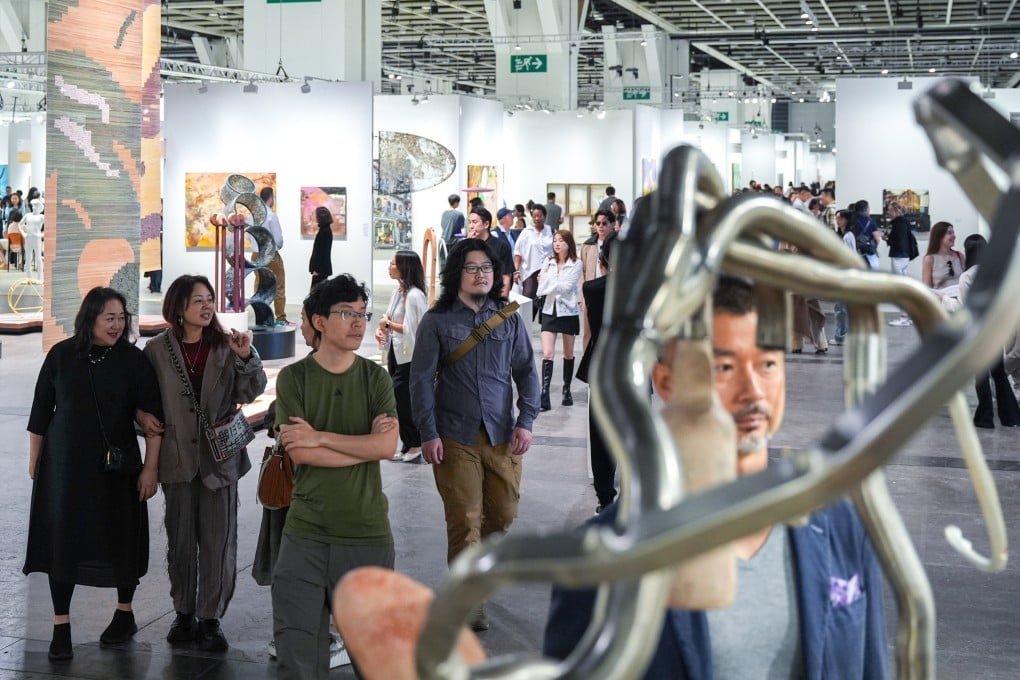
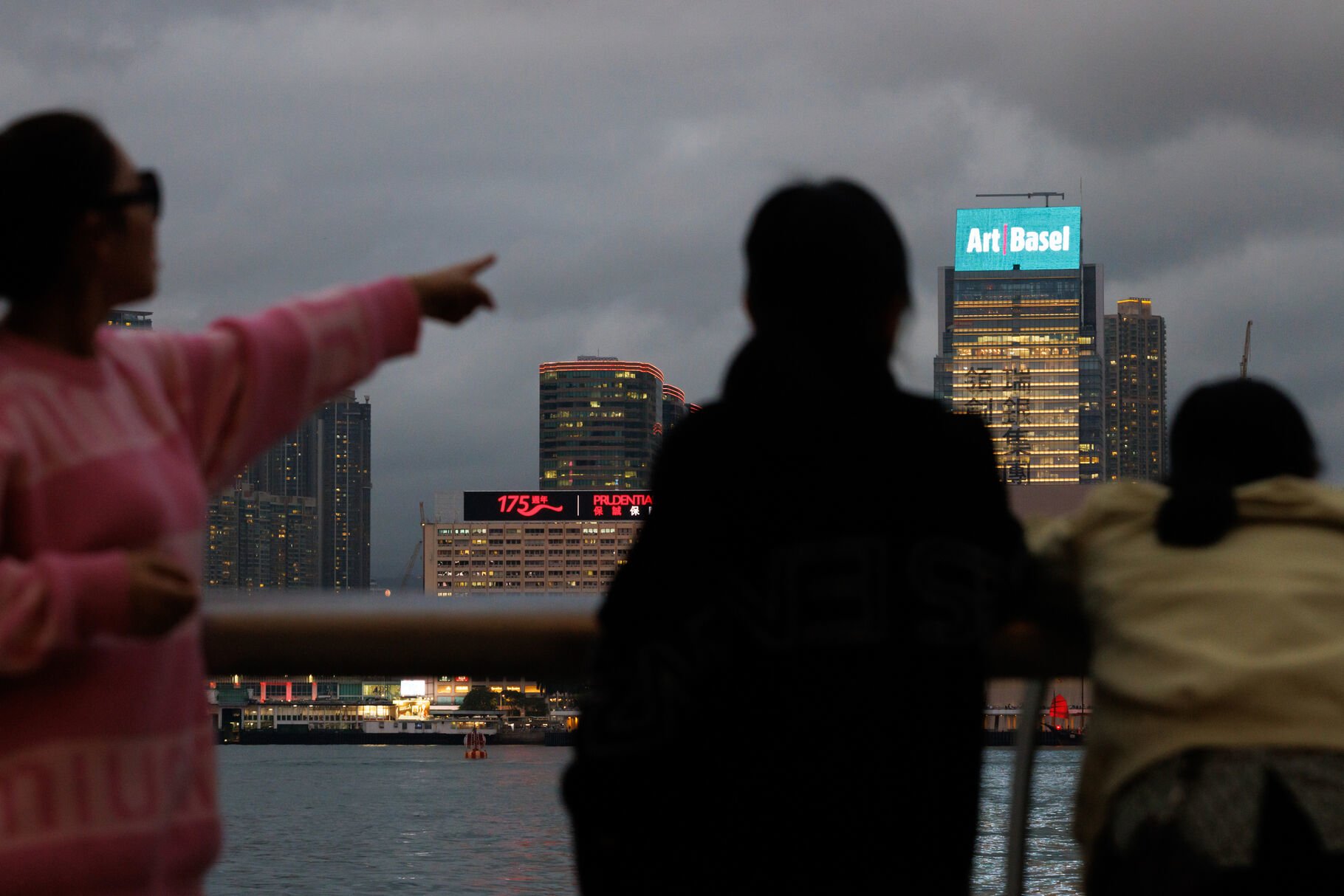
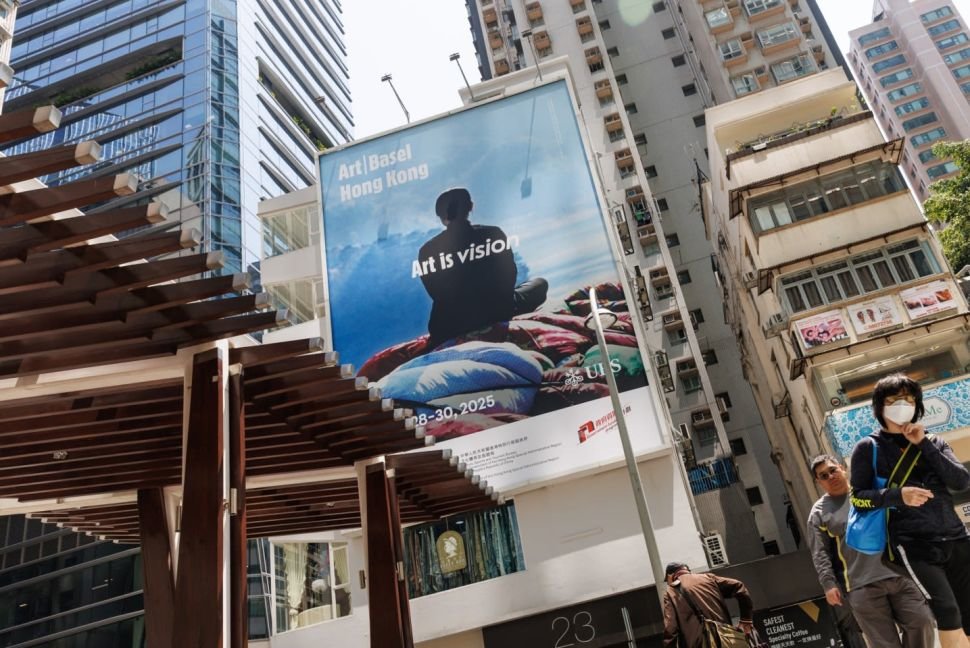
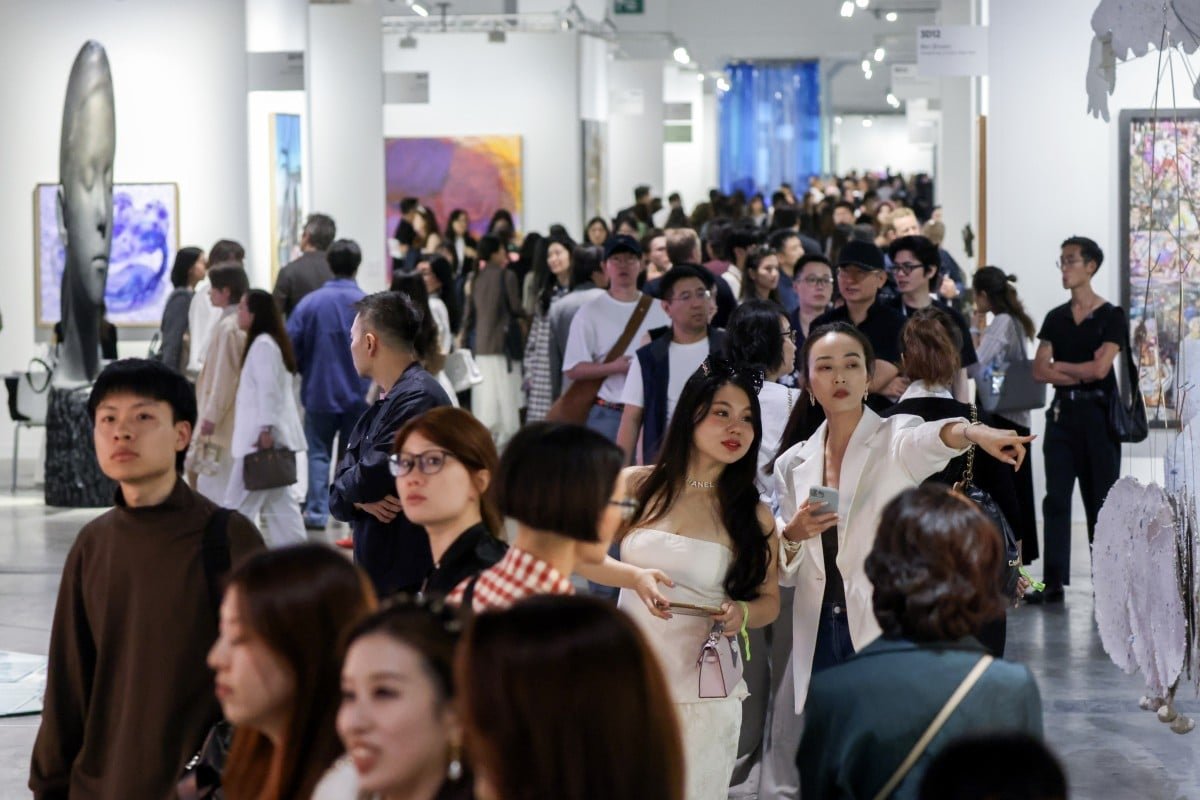
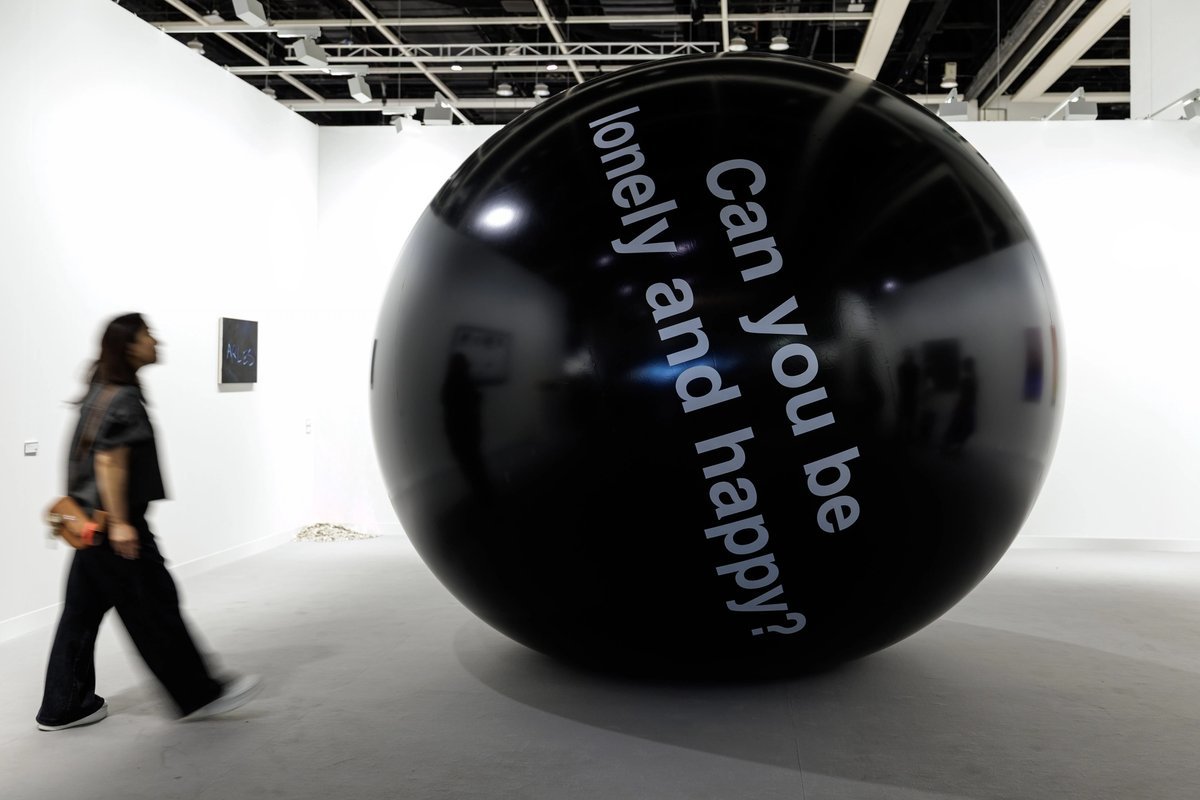
Sales at Art Basel Hong Kong are reflecting a more mature and discerning Asian art market, with collectors demonstrating increased selectivity and confidence in high-value acquisitions.
Dealers reported steady transactions across a range of price points, with particular strength in established artists and blue-chip works.
While headline-grabbing sales remained a feature of the fair, the broader pattern indicated a shift away from speculative buying toward more considered investment decisions.
This evolving approach is being driven by a growing base of experienced collectors across Asia, many of whom are focusing on long-term value and curatorial quality.
The trend suggests that the region’s art market is moving beyond rapid expansion into a phase characterised by stability and depth.
Galleries noted that demand remains robust, but buyers are increasingly conducting detailed research and exercising caution before committing to major purchases.
This behaviour aligns with broader global patterns, where economic conditions and market awareness are influencing acquisition strategies.
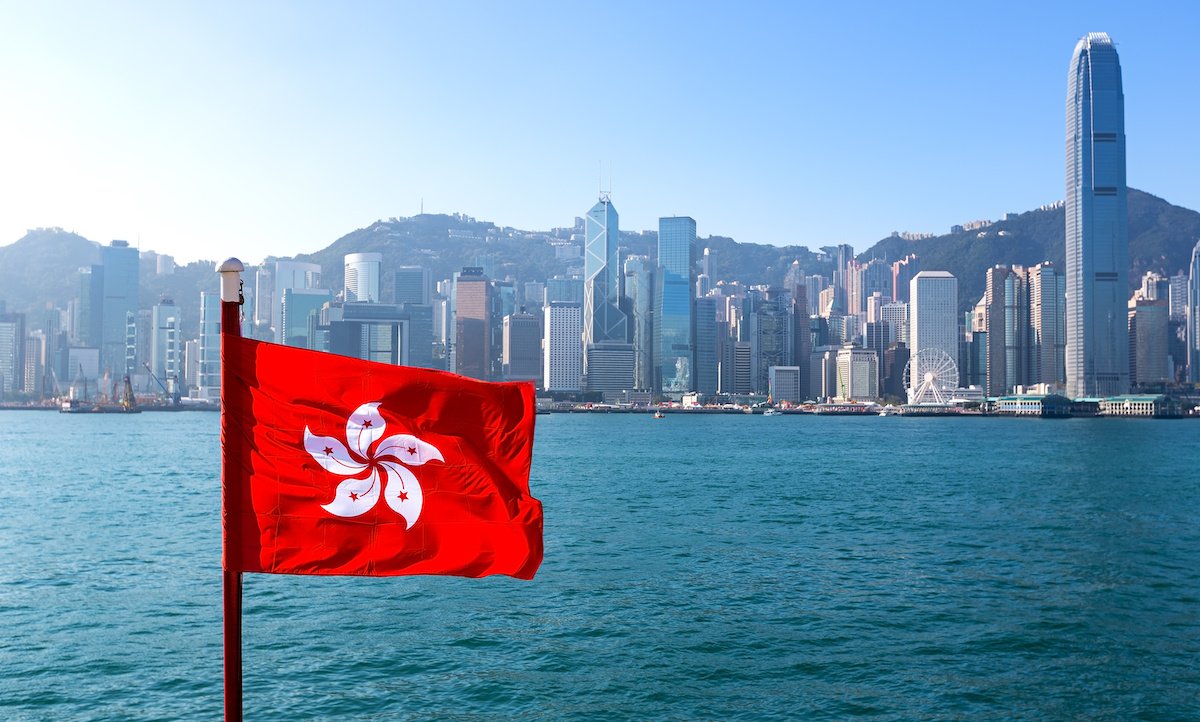
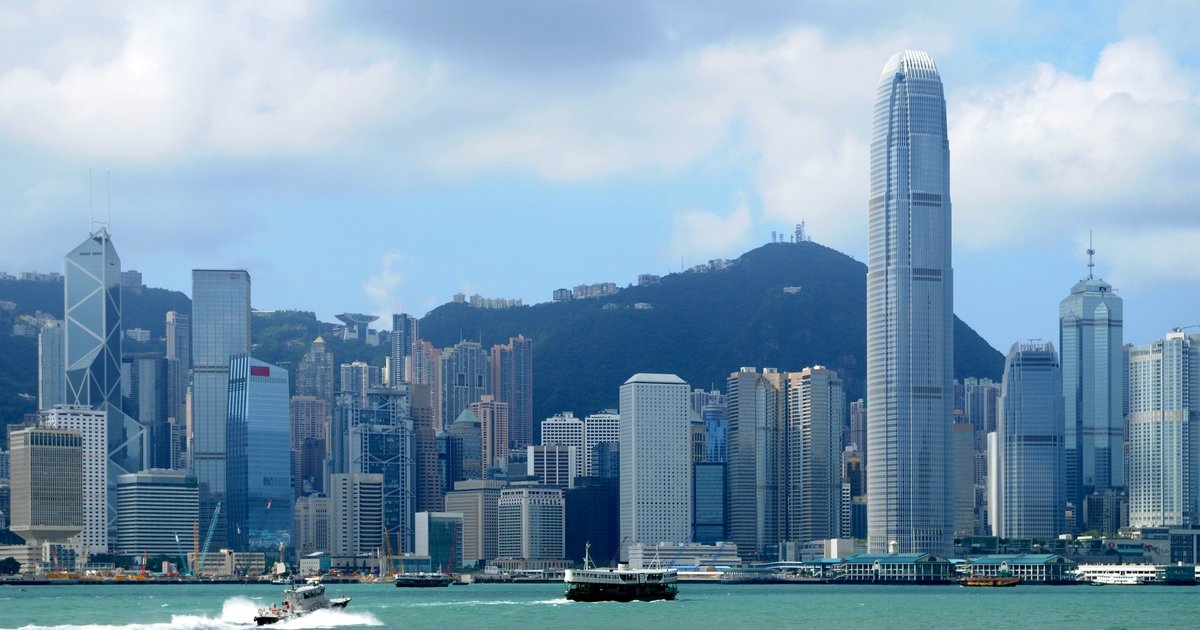
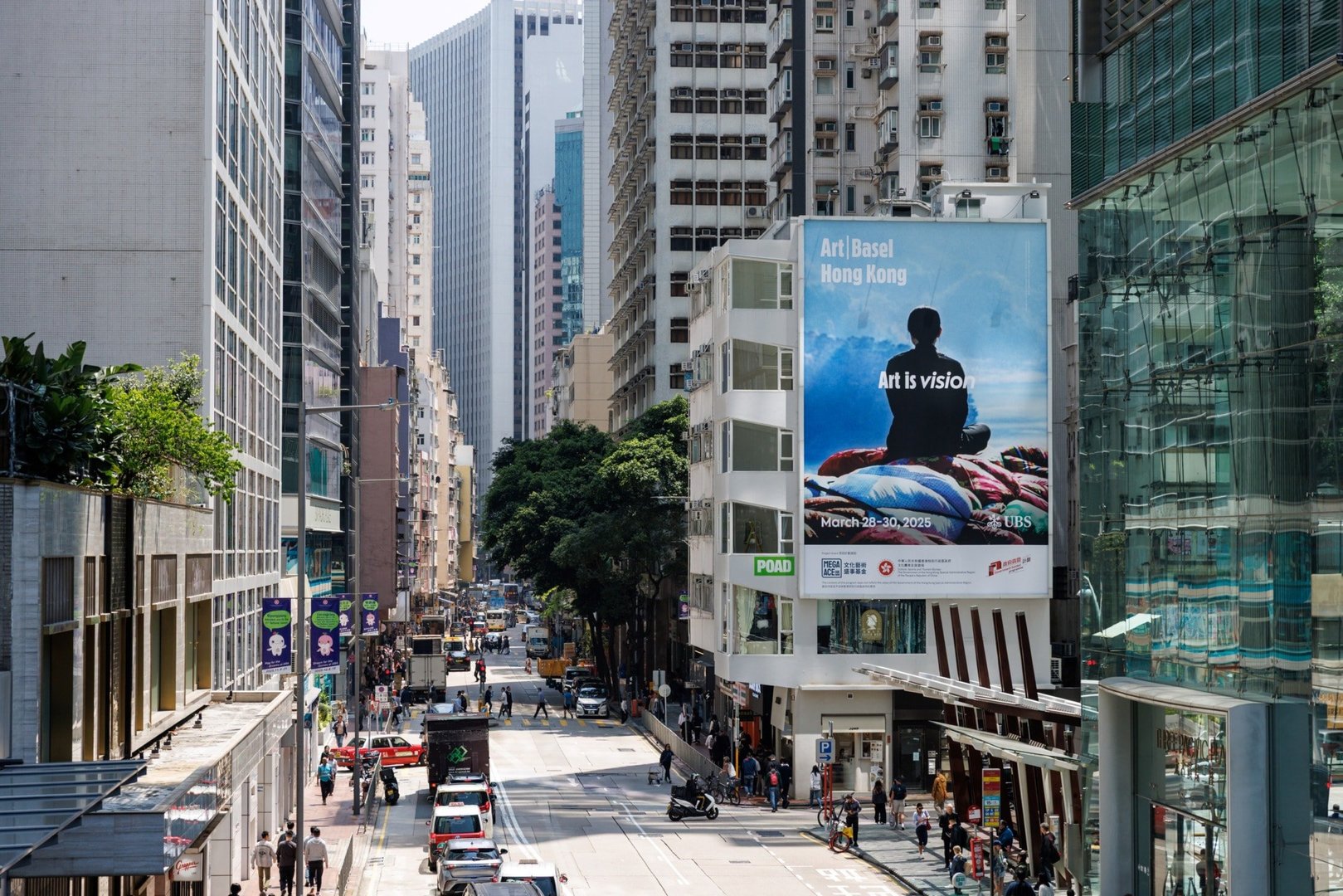
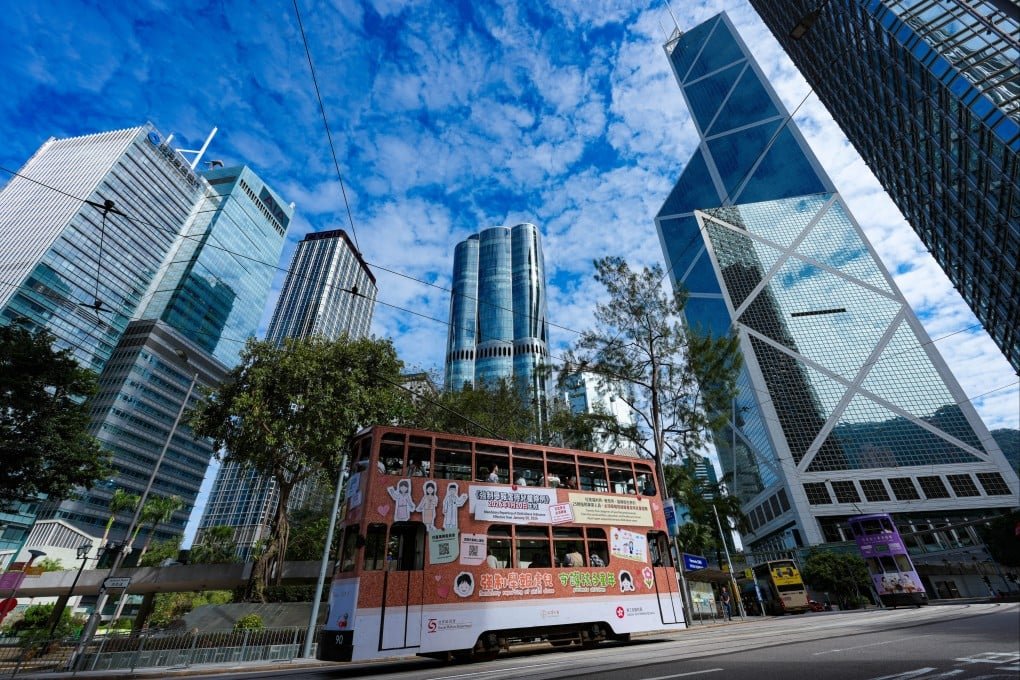
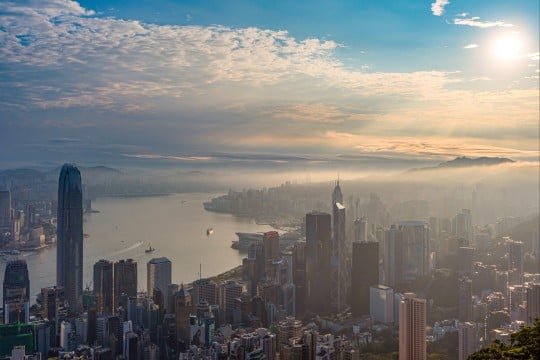
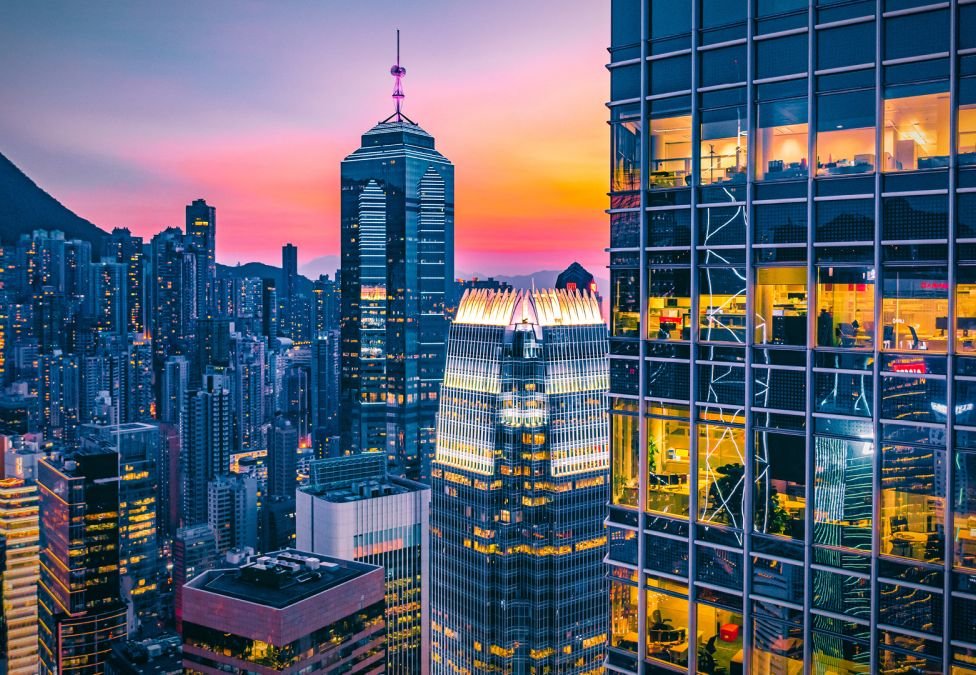
The fair also highlighted the continued importance of Hong Kong as a central hub for the international art trade in Asia.
Despite wider economic uncertainties, the city’s role as a gateway between regional and global markets remains firmly intact.
Participants observed that the presence of both established collectors and a new generation of buyers is contributing to a more balanced and resilient market environment.
This combination is helping to sustain activity while encouraging a more sophisticated engagement with art.
As Art Basel Hong Kong continues to evolve, the latest sales trends point to a market that is consolidating its gains and developing a stronger foundation, positioning Asia as an increasingly influential force in the global art landscape.
Dealers reported steady transactions across a range of price points, with particular strength in established artists and blue-chip works.
While headline-grabbing sales remained a feature of the fair, the broader pattern indicated a shift away from speculative buying toward more considered investment decisions.
This evolving approach is being driven by a growing base of experienced collectors across Asia, many of whom are focusing on long-term value and curatorial quality.
The trend suggests that the region’s art market is moving beyond rapid expansion into a phase characterised by stability and depth.
Galleries noted that demand remains robust, but buyers are increasingly conducting detailed research and exercising caution before committing to major purchases.
This behaviour aligns with broader global patterns, where economic conditions and market awareness are influencing acquisition strategies.
The fair also highlighted the continued importance of Hong Kong as a central hub for the international art trade in Asia.
Despite wider economic uncertainties, the city’s role as a gateway between regional and global markets remains firmly intact.
Participants observed that the presence of both established collectors and a new generation of buyers is contributing to a more balanced and resilient market environment.
This combination is helping to sustain activity while encouraging a more sophisticated engagement with art.
As Art Basel Hong Kong continues to evolve, the latest sales trends point to a market that is consolidating its gains and developing a stronger foundation, positioning Asia as an increasingly influential force in the global art landscape.