China and Hong Kong authorities strongly condemn U.S. legislative efforts to revoke privileges of Hong Kong’s trade representation in the United States
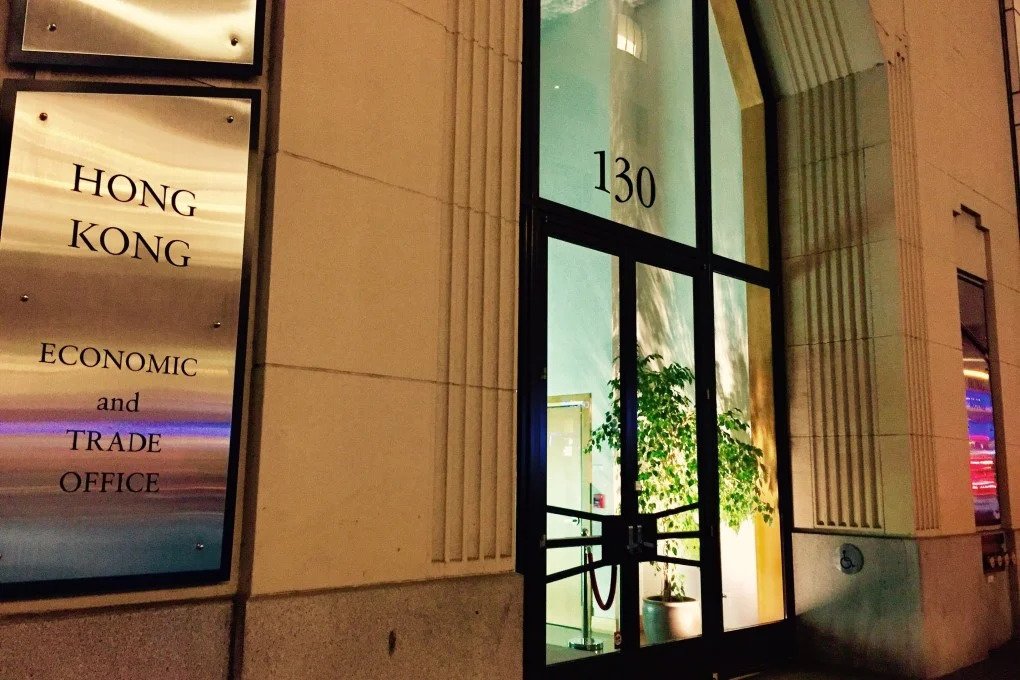
Chinese and Hong Kong authorities have issued emphatic denunciations of a recently advanced United States Senate bill that seeks to subject Hong Kong’s Economic and Trade Offices in the United States to review and potential closure, framing the proposal as malicious interference in sovereign affairs and an affront to international norms.
The legislation, introduced by a bipartisan group of U.S. senators, would require the President of the United States to determine whether Hong Kong’s representative offices in Washington, New York and San Francisco should retain their diplomatic privileges and immunities.
If the White House determines the offices do not merit continued status, they could be forced to cease operations within six months.
Beijing’s Commissioner's Office of the Chinese Foreign Ministry in the Hong Kong Special Administrative Region issued a forceful statement criticising the bill as an unreasonable and politically driven attempt to undermine Hong Kong’s legitimate external engagement and to smear the city’s status as an international trade and economic hub, urging United States lawmakers to “stop maliciously interfering in the affairs of the Hong Kong Special Administrative Region” and respect basic norms governing international relations.
Officials reiterated that the Hong Kong Economic and Trade Offices play a constructive role in fostering economic cooperation and cultural exchange between Hong Kong and the United States and that their lawful operation under the “one country, two systems” principle should not be subject to unilateral disruption.
Hong Kong’s government echoed these objections, emphasising that the proposed legislation mischaracterises the offices’ functions and could harm bilateral commercial ties.
SAR government representatives stressed that Hong Kong continues to uphold the rule of law and protect the rights and freedoms of residents in accordance with its legal framework, and that the trade offices serve vital economic and diplomatic purposes within that context.
Analysts noted that critics of the bill argue it reflects broader geopolitical tensions and that any action to curtail the offices’ privileges could have adverse repercussions for U.S.–Hong Kong economic relations.
The Senate measure follows earlier efforts in the U.S. House of Representatives to legislate enhanced scrutiny over Hong Kong’s representation and must still clear both chambers of Congress before it can be enacted.
The legislation, introduced by a bipartisan group of U.S. senators, would require the President of the United States to determine whether Hong Kong’s representative offices in Washington, New York and San Francisco should retain their diplomatic privileges and immunities.
If the White House determines the offices do not merit continued status, they could be forced to cease operations within six months.
Beijing’s Commissioner's Office of the Chinese Foreign Ministry in the Hong Kong Special Administrative Region issued a forceful statement criticising the bill as an unreasonable and politically driven attempt to undermine Hong Kong’s legitimate external engagement and to smear the city’s status as an international trade and economic hub, urging United States lawmakers to “stop maliciously interfering in the affairs of the Hong Kong Special Administrative Region” and respect basic norms governing international relations.
Officials reiterated that the Hong Kong Economic and Trade Offices play a constructive role in fostering economic cooperation and cultural exchange between Hong Kong and the United States and that their lawful operation under the “one country, two systems” principle should not be subject to unilateral disruption.
Hong Kong’s government echoed these objections, emphasising that the proposed legislation mischaracterises the offices’ functions and could harm bilateral commercial ties.
SAR government representatives stressed that Hong Kong continues to uphold the rule of law and protect the rights and freedoms of residents in accordance with its legal framework, and that the trade offices serve vital economic and diplomatic purposes within that context.
Analysts noted that critics of the bill argue it reflects broader geopolitical tensions and that any action to curtail the offices’ privileges could have adverse repercussions for U.S.–Hong Kong economic relations.
The Senate measure follows earlier efforts in the U.S. House of Representatives to legislate enhanced scrutiny over Hong Kong’s representation and must still clear both chambers of Congress before it can be enacted.