Eastern China’s tech hub outlines a strategic industrial blueprint to develop advanced semiconductors and equipment as export curbs intensify competition with the United States
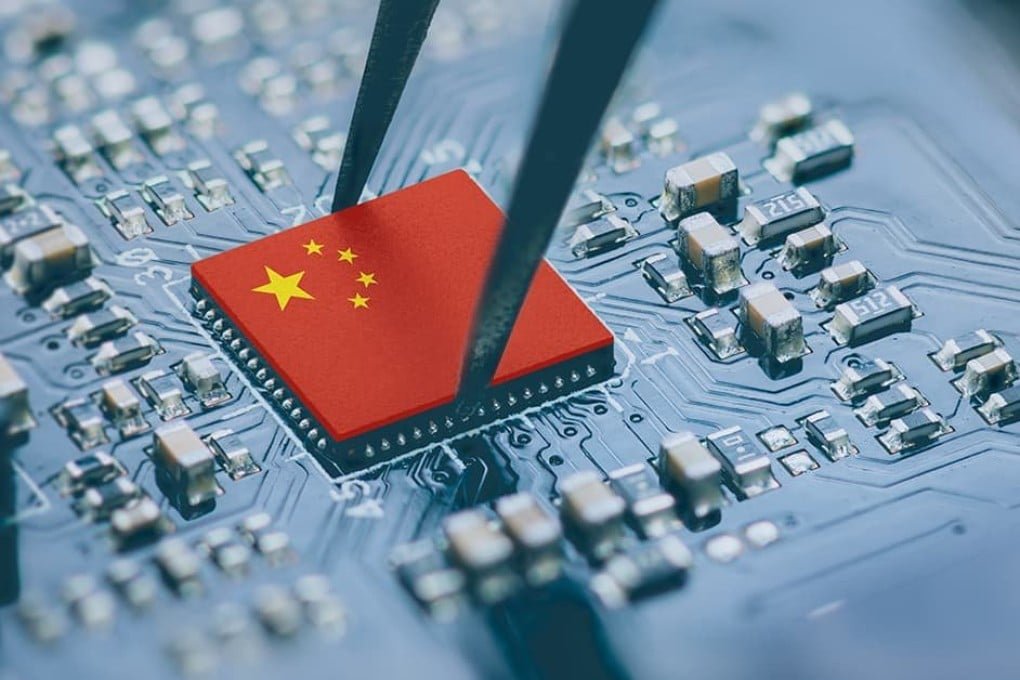
China’s eastern province of Zhejiang has unveiled a draft industrial blueprint for 2026–2030 that places semiconductor innovation at the centre of its economic modernisation strategy, with a focus on accelerating breakthroughs in 3- to 7-nanometre processing technologies and related chipmaking equipment.
The proposal, published as part of a public consultation on the province’s “fifteenth five-year” plan, underscores Zhejiang’s ambition to deepen its footprint in advanced chip design and wafer manufacturing at a time when U.S. export controls seek to limit China’s access to cutting-edge chip technologies.
Zhejiang’s economy and information technology authorities have called for intensified efforts to develop high-end general-purpose chips, specialised processors and intelligent semiconductors while also cultivating fifth-generation reduced instruction set computing (RISC-V) architectures and low-power designs.
In the wafer fabrication segment, the draft blueprint emphasises accelerating research on 3- to 7-nanometre nodes and advancing indigenous capabilities in key materials, chemicals and production processes.
At the same time, Zhejiang aims to promote domestic development of critical equipment such as advanced lithography machines and etchers, ion implantation tools and coating and development systems – areas traditionally dominated by foreign suppliers.
The plan also identifies enhancements in packaging and testing technologies, including three-dimensional heterogeneous integration and other advanced assembly methods, as key priorities for strengthening industry competitiveness.
In addition to chips and equipment, the blueprint advocates growth in compound semiconductor materials, high-purity target materials, electronic gases and other foundational inputs for an ecosystem that Zhejiang hopes will reduce dependency on foreign technology over the longer term.
The move aligns with broader national directives encouraging self-reliance in strategic technologies, even as U.S. sanctions continue to shape global semiconductor supply dynamics and constrain China’s access to the most advanced manufacturing tools.
Zhejiang’s draft strategy reflects an emerging consensus among Chinese industrial hubs to mobilise resources, talent and capital toward narrowing the technology gap with global leaders and ensuring sustained progress in next-generation semiconductor capabilities.
Ultimately, the province’s focus on 3- to 7-nanometre chips and supporting infrastructure seeks to bolster both commercial innovation and long-term strategic resilience in an increasingly competitive geopolitical environment.
The proposal, published as part of a public consultation on the province’s “fifteenth five-year” plan, underscores Zhejiang’s ambition to deepen its footprint in advanced chip design and wafer manufacturing at a time when U.S. export controls seek to limit China’s access to cutting-edge chip technologies.
Zhejiang’s economy and information technology authorities have called for intensified efforts to develop high-end general-purpose chips, specialised processors and intelligent semiconductors while also cultivating fifth-generation reduced instruction set computing (RISC-V) architectures and low-power designs.
In the wafer fabrication segment, the draft blueprint emphasises accelerating research on 3- to 7-nanometre nodes and advancing indigenous capabilities in key materials, chemicals and production processes.
At the same time, Zhejiang aims to promote domestic development of critical equipment such as advanced lithography machines and etchers, ion implantation tools and coating and development systems – areas traditionally dominated by foreign suppliers.
The plan also identifies enhancements in packaging and testing technologies, including three-dimensional heterogeneous integration and other advanced assembly methods, as key priorities for strengthening industry competitiveness.
In addition to chips and equipment, the blueprint advocates growth in compound semiconductor materials, high-purity target materials, electronic gases and other foundational inputs for an ecosystem that Zhejiang hopes will reduce dependency on foreign technology over the longer term.
The move aligns with broader national directives encouraging self-reliance in strategic technologies, even as U.S. sanctions continue to shape global semiconductor supply dynamics and constrain China’s access to the most advanced manufacturing tools.
Zhejiang’s draft strategy reflects an emerging consensus among Chinese industrial hubs to mobilise resources, talent and capital toward narrowing the technology gap with global leaders and ensuring sustained progress in next-generation semiconductor capabilities.
Ultimately, the province’s focus on 3- to 7-nanometre chips and supporting infrastructure seeks to bolster both commercial innovation and long-term strategic resilience in an increasingly competitive geopolitical environment.