Authorities cite security and recent tragedies in reshaping traditional New Year’s festivities in Paris and Hong Kong
Paris and Hong Kong, two of the world’s most iconic year-end destinations, have made significant changes to their New Year’s Eve plans, reflecting heightened concerns about public safety and recent local events.
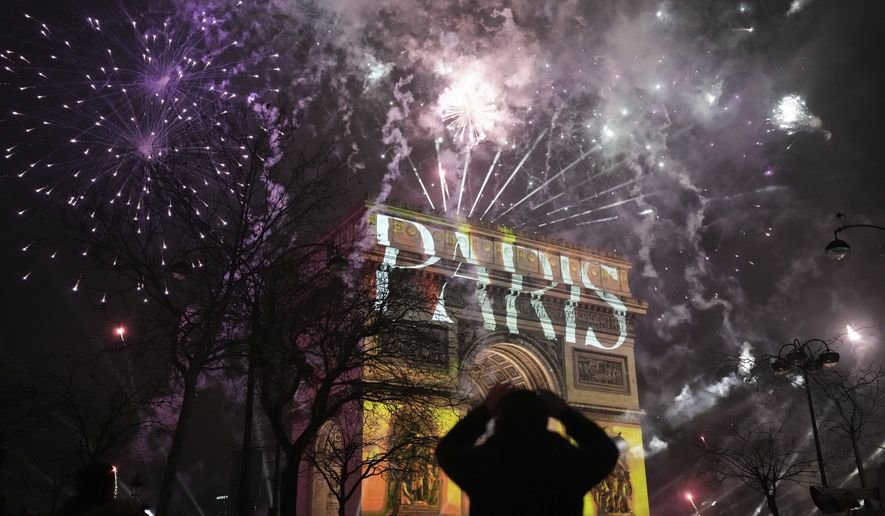
In Paris, officials have cancelled the traditional open-air concert on the Champs-Élysées that typically draws hundreds of thousands of revellers, opting instead for a broadcast-style countdown and fireworks at the Arc de Triomphe.
The move follows warnings from the Paris police prefecture about crowd-control risks and the potential for disorder during dense gatherings on one of the city’s busiest boulevards.
Authorities have emphasised that while the concert stage and live performance will not take place, other elements of the celebration, including the midnight pyrotechnic display and televised countdown, remain part of the city’s transition to 2026. Paris organisers have also put in place heightened security measures and access controls to manage crowds safely.
In Hong Kong, authorities have cancelled the traditional Victoria Harbour fireworks display that has long served as the crowning spectacle of the city’s New Year’s Eve festivities.
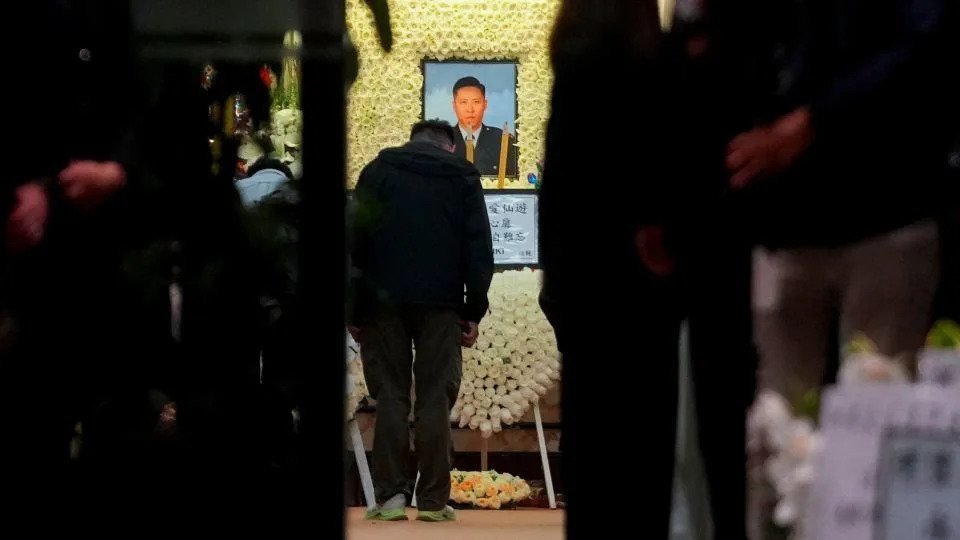
The Hong Kong Tourism Board announced the cancellation in the wake of the deadly Tai Po residential fire in November, which claimed more than a hundred lives and led officials to rethink large public gatherings amid ongoing community sensitivities.
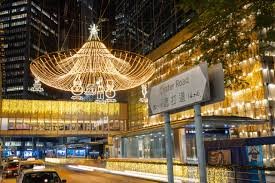
Instead of the pyrotechnic show over the harbour, the city will host a countdown event at the Chater Road pedestrian precinct in Central, designed to foster a sense of communal goodwill and optimism as 2026 approaches.
Officials said the alternative celebration will extend border crossing hours and enhance transport options for visitors, with further details expected to be announced.
These decisions underscore a broader pattern among global cities adapting traditional celebrations to new security, social and logistical realities.
While both Paris and Hong Kong will still mark the arrival of the New Year, officials have tailored their programmes to prioritise safety and community welfare, even as they seek to preserve the spirit of festivity in ways that respond to present-day circumstances.
In Paris, officials have cancelled the traditional open-air concert on the Champs-Élysées that typically draws hundreds of thousands of revellers, opting instead for a broadcast-style countdown and fireworks at the Arc de Triomphe.
The move follows warnings from the Paris police prefecture about crowd-control risks and the potential for disorder during dense gatherings on one of the city’s busiest boulevards.
Authorities have emphasised that while the concert stage and live performance will not take place, other elements of the celebration, including the midnight pyrotechnic display and televised countdown, remain part of the city’s transition to 2026. Paris organisers have also put in place heightened security measures and access controls to manage crowds safely.
In Hong Kong, authorities have cancelled the traditional Victoria Harbour fireworks display that has long served as the crowning spectacle of the city’s New Year’s Eve festivities.
The Hong Kong Tourism Board announced the cancellation in the wake of the deadly Tai Po residential fire in November, which claimed more than a hundred lives and led officials to rethink large public gatherings amid ongoing community sensitivities.
Instead of the pyrotechnic show over the harbour, the city will host a countdown event at the Chater Road pedestrian precinct in Central, designed to foster a sense of communal goodwill and optimism as 2026 approaches.
Officials said the alternative celebration will extend border crossing hours and enhance transport options for visitors, with further details expected to be announced.
These decisions underscore a broader pattern among global cities adapting traditional celebrations to new security, social and logistical realities.
While both Paris and Hong Kong will still mark the arrival of the New Year, officials have tailored their programmes to prioritise safety and community welfare, even as they seek to preserve the spirit of festivity in ways that respond to present-day circumstances.