Pro-democracy media tycoon elected to stay in Hong Kong despite chances to leave, becoming a symbolic figure in struggle for rights and press freedom
Jimmy Lai, the 78-year-old Hong Kong pro-democracy media tycoon and founder of the now-defunct Apple Daily newspaper, has been convicted on multiple national security charges, a verdict that has reverberated around the world as emblematic of the city’s tightening political environment.
Lai, who could have chosen to leave Hong Kong and avoid imprisonment, remained in the city and faced trial, a decision his supporters and family characterise as a deliberate stand for freedom of expression and democratic values in the territory.
Lai was found guilty on charges including conspiracy to collude with foreign forces and conspiracy to distribute seditious publications under Hong Kong’s national security law and colonial-era sedition statutes.
The charges stem from his meetings with foreign officials and his advocacy for international support of Hong Kong’s rights movement, actions authorities interpreted as threats to national security.
He now faces a possible life sentence when he is formally sentenced in January 2026 after nearly five years in detention.
During his long confinement, much of it in solitary conditions, his health has reportedly deteriorated substantially.
Family members and advocates have highlighted the severity of his ordeal and called for humanitarian considerations amid global diplomatic pressure for his release.
Supporters and rights groups stress that Lai’s decision to stay in Hong Kong rather than seek safety abroad was deeply tied to his personal beliefs and sense of duty.
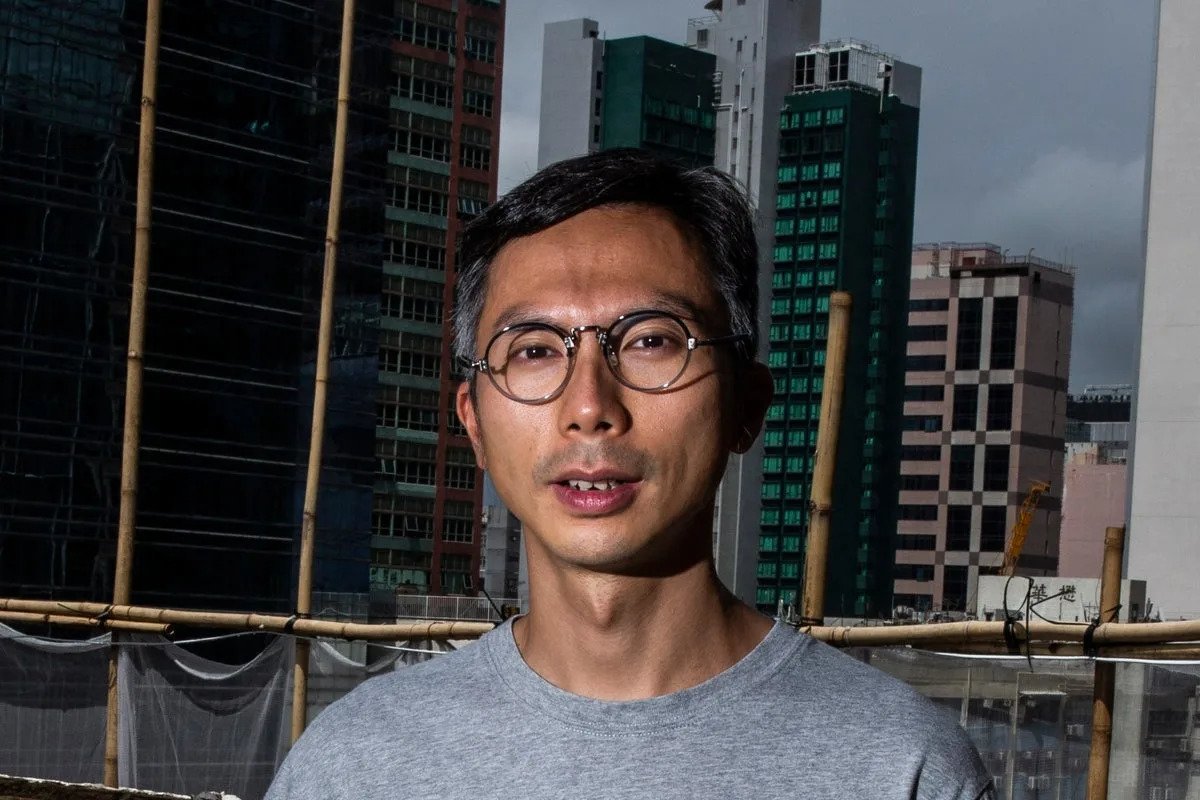
His son, Sebastien, has said that despite opportunities to leave, his father chose to remain to show that Hong Kongers are prepared to bear great personal cost for the cause of freedom.
This sentiment has resonated with activists who view Lai not just as a businessman but as a symbol of resistance against encroachments on civil liberties.
International reactions have been swift, with calls from governments and rights organisations urging Hong Kong and Chinese authorities to reconsider the verdict and emphasising the broader implications for press freedom and democratic space in the city.
Lai’s journey from child refugee and successful entrepreneur to media pioneer and outspoken critic of Beijing’s policies illustrates both his personal resilience and the broader trajectory of Hong Kong’s political evolution.
Once a vibrant hub of press freedom and civic debate, Hong Kong today faces scrutiny over the enforcement of national security laws that many observers argue have fundamentally altered its legal and civic landscape.
As Lai awaits sentencing, his choice to remain and confront legal peril continues to provoke discussion about individual agency, political conviction and the meaning of freedom in a changing Hong Kong.
Lai, who could have chosen to leave Hong Kong and avoid imprisonment, remained in the city and faced trial, a decision his supporters and family characterise as a deliberate stand for freedom of expression and democratic values in the territory.
Lai was found guilty on charges including conspiracy to collude with foreign forces and conspiracy to distribute seditious publications under Hong Kong’s national security law and colonial-era sedition statutes.
The charges stem from his meetings with foreign officials and his advocacy for international support of Hong Kong’s rights movement, actions authorities interpreted as threats to national security.
He now faces a possible life sentence when he is formally sentenced in January 2026 after nearly five years in detention.
During his long confinement, much of it in solitary conditions, his health has reportedly deteriorated substantially.
Family members and advocates have highlighted the severity of his ordeal and called for humanitarian considerations amid global diplomatic pressure for his release.
Supporters and rights groups stress that Lai’s decision to stay in Hong Kong rather than seek safety abroad was deeply tied to his personal beliefs and sense of duty.
His son, Sebastien, has said that despite opportunities to leave, his father chose to remain to show that Hong Kongers are prepared to bear great personal cost for the cause of freedom.
This sentiment has resonated with activists who view Lai not just as a businessman but as a symbol of resistance against encroachments on civil liberties.
International reactions have been swift, with calls from governments and rights organisations urging Hong Kong and Chinese authorities to reconsider the verdict and emphasising the broader implications for press freedom and democratic space in the city.
Lai’s journey from child refugee and successful entrepreneur to media pioneer and outspoken critic of Beijing’s policies illustrates both his personal resilience and the broader trajectory of Hong Kong’s political evolution.
Once a vibrant hub of press freedom and civic debate, Hong Kong today faces scrutiny over the enforcement of national security laws that many observers argue have fundamentally altered its legal and civic landscape.
As Lai awaits sentencing, his choice to remain and confront legal peril continues to provoke discussion about individual agency, political conviction and the meaning of freedom in a changing Hong Kong.