Shanghai-based AI chip designer advances Hong Kong IPO plans to raise capital despite accumulating operating deficits tied to GPU development
Biren Technology, a Shanghai-based developer of graphics processing units (GPUs) focused on artificial intelligence and high-performance computing, has cleared key regulatory hurdles in its pursuit of a Hong Kong initial public offering, positioning itself to become the city’s first pure-play GPU stock and a flagship listing for China’s burgeoning chip sector.
The China Securities Regulatory Commission has approved Biren’s overseas IPO filing, paving the way for the company to float as many as 372.5 million shares on the Hong Kong Stock Exchange as early as January, with a potential fundraising target in the region of three hundred million dollars, according to people familiar with the matter.
This move comes amid China’s broader strategic effort to cultivate domestic semiconductor champions in the face of restrictive export controls by Washington on advanced chips.
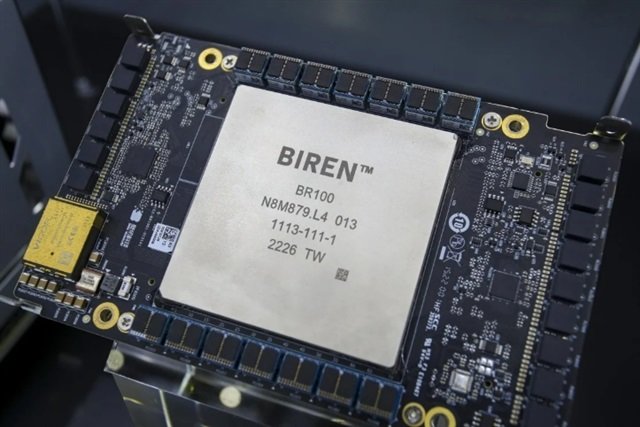
Founded in two thousand and nineteen by industry veterans including Zhang Wen and Jiao Guofang, Biren has developed high-performance general-purpose GPUs such as its BR100 chip, which it has pitched as competitive with some of the leading products from global rivals.
The company has drawn substantial investment from state-linked and private backers, including government-supported funds, venture capital firms and strategic partners, boosting its valuation to around two billion dollars prior to the IPO process.
However, the technology-intensive nature of GPU development has taken a financial toll: reports indicate the company has recorded cumulative operating losses of roughly forty-seven point six billion yuan (about eight hundred and ninety million dollars) over the past three years, as it has poured capital into research and development and scaling up its computing architectures.
Despite the ongoing deficits, Biren’s planned Hong Kong listing is seen as a significant test of investor appetite for China’s semiconductor innovators.
It follows a wave of offerings by domestic AI chip firms, including oversubscribed debuts by Moore Threads and MetaX, that have underscored strong demand for technology equities.
Biren’s IPO will also include the conversion of hundreds of millions of onshore shares into freely tradable stock under China’s “full circulation” mechanism, broadening the potential shareholder base.
Success in Hong Kong could provide Biren with the capital needed to expand production, enhance research capabilities and reinforce its position in a competitive market increasingly shaped by geopolitics and supply-chain diversification, as Beijing pushes to reduce reliance on foreign semiconductor technology.
The China Securities Regulatory Commission has approved Biren’s overseas IPO filing, paving the way for the company to float as many as 372.5 million shares on the Hong Kong Stock Exchange as early as January, with a potential fundraising target in the region of three hundred million dollars, according to people familiar with the matter.
This move comes amid China’s broader strategic effort to cultivate domestic semiconductor champions in the face of restrictive export controls by Washington on advanced chips.
Founded in two thousand and nineteen by industry veterans including Zhang Wen and Jiao Guofang, Biren has developed high-performance general-purpose GPUs such as its BR100 chip, which it has pitched as competitive with some of the leading products from global rivals.
The company has drawn substantial investment from state-linked and private backers, including government-supported funds, venture capital firms and strategic partners, boosting its valuation to around two billion dollars prior to the IPO process.
However, the technology-intensive nature of GPU development has taken a financial toll: reports indicate the company has recorded cumulative operating losses of roughly forty-seven point six billion yuan (about eight hundred and ninety million dollars) over the past three years, as it has poured capital into research and development and scaling up its computing architectures.
Despite the ongoing deficits, Biren’s planned Hong Kong listing is seen as a significant test of investor appetite for China’s semiconductor innovators.
It follows a wave of offerings by domestic AI chip firms, including oversubscribed debuts by Moore Threads and MetaX, that have underscored strong demand for technology equities.
Biren’s IPO will also include the conversion of hundreds of millions of onshore shares into freely tradable stock under China’s “full circulation” mechanism, broadening the potential shareholder base.
Success in Hong Kong could provide Biren with the capital needed to expand production, enhance research capabilities and reinforce its position in a competitive market increasingly shaped by geopolitics and supply-chain diversification, as Beijing pushes to reduce reliance on foreign semiconductor technology.