Hong Kong’s High Court is poised to deliver its long-awaited judgment in the high-profile case of media tycoon Jimmy Lai, drawing international attention and political sensitivity.
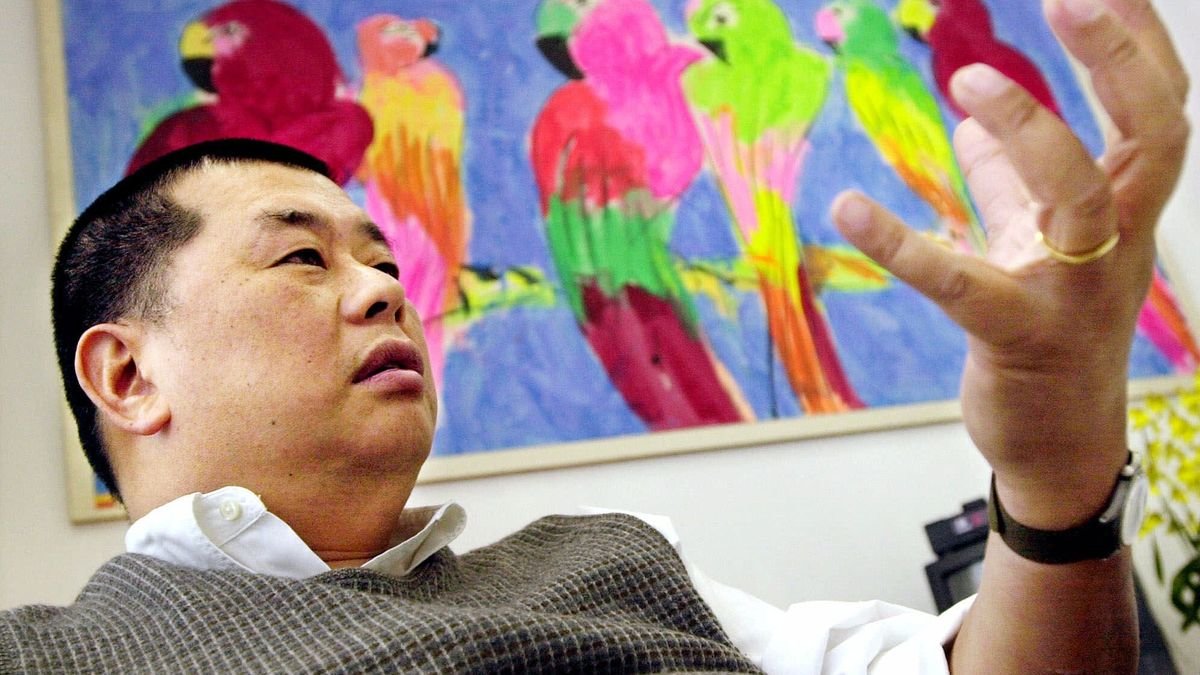
Hong Kong’s High Court is preparing to issue a verdict on December 15 in the protracted national security trial of Jimmy Lai, the veteran media entrepreneur and founder of the now-defunct Apple Daily newspaper.
The 78-year-old, who faces charges of conspiracy to collude with foreign forces and conspiracy to publish seditious material under the territory’s national security law, has pleaded not guilty and stands to receive a life sentence if convicted.
The case has become one of the most closely watched tests of the law’s application since it was introduced by Beijing in 2020, reflecting the broader scrutiny of Hong Kong’s legal autonomy and freedom of expression.
:contentReference[oaicite:0]{index=0}
Lai’s trial, which began in December 2023 and extended over 156 days, has drawn sustained international interest and commentary.
Western governments, including the United States and the United Kingdom, have repeatedly expressed concerns about the proceedings, framing them as politically driven and urging the defendant’s release.
American leaders have publicly raised the matter in bilateral engagement with Chinese officials, underscoring the case’s diplomatic weight.
:contentReference[oaicite:1]{index=1}
Hong Kong and Chinese authorities, for their part, assert that the process adheres to legal standards and vindicates the imperative of upholding national security.
The judiciary, composed of three judges appointed under the national security law framework, has overseen extensive evidence and witness testimony, with defence arguments emphasising Lai’s advocacy for civil liberties and press freedom.
International observers have interpreted the proceedings as emblematic of the evolving political and legal landscape in the territory.
:contentReference[oaicite:2]{index=2}
Lai has already endured years in detention, much of it in solitary confinement, prompting concern among his family and supporters regarding his deteriorating health.
Advocates for democratic rights have highlighted the physical and psychological toll of prolonged imprisonment on an ageing defendant.
The looming verdict marks a climactic moment in a legal saga that has become a diplomatic flashpoint, with potential ramifications for Hong Kong’s global image and its relations with Western capitals that champion rule-of-law principles and civil liberties.
:contentReference[oaicite:3]{index=3}
The 78-year-old, who faces charges of conspiracy to collude with foreign forces and conspiracy to publish seditious material under the territory’s national security law, has pleaded not guilty and stands to receive a life sentence if convicted.
The case has become one of the most closely watched tests of the law’s application since it was introduced by Beijing in 2020, reflecting the broader scrutiny of Hong Kong’s legal autonomy and freedom of expression.
:contentReference[oaicite:0]{index=0}
Lai’s trial, which began in December 2023 and extended over 156 days, has drawn sustained international interest and commentary.
Western governments, including the United States and the United Kingdom, have repeatedly expressed concerns about the proceedings, framing them as politically driven and urging the defendant’s release.
American leaders have publicly raised the matter in bilateral engagement with Chinese officials, underscoring the case’s diplomatic weight.
:contentReference[oaicite:1]{index=1}
Hong Kong and Chinese authorities, for their part, assert that the process adheres to legal standards and vindicates the imperative of upholding national security.
The judiciary, composed of three judges appointed under the national security law framework, has overseen extensive evidence and witness testimony, with defence arguments emphasising Lai’s advocacy for civil liberties and press freedom.
International observers have interpreted the proceedings as emblematic of the evolving political and legal landscape in the territory.
:contentReference[oaicite:2]{index=2}
Lai has already endured years in detention, much of it in solitary confinement, prompting concern among his family and supporters regarding his deteriorating health.
Advocates for democratic rights have highlighted the physical and psychological toll of prolonged imprisonment on an ageing defendant.
The looming verdict marks a climactic moment in a legal saga that has become a diplomatic flashpoint, with potential ramifications for Hong Kong’s global image and its relations with Western capitals that champion rule-of-law principles and civil liberties.
:contentReference[oaicite:3]{index=3}