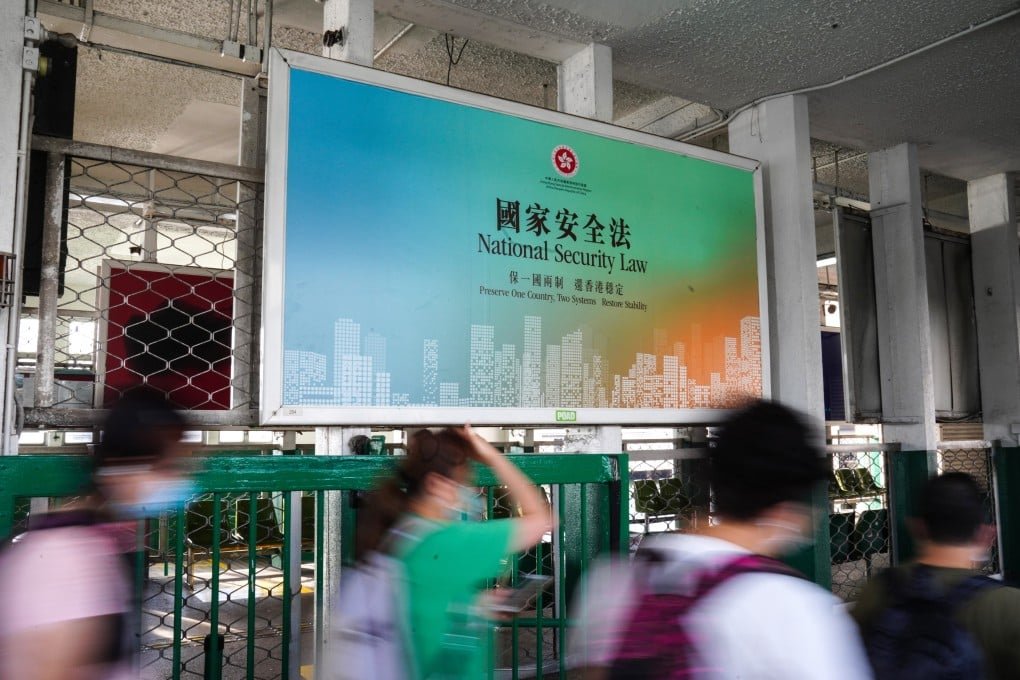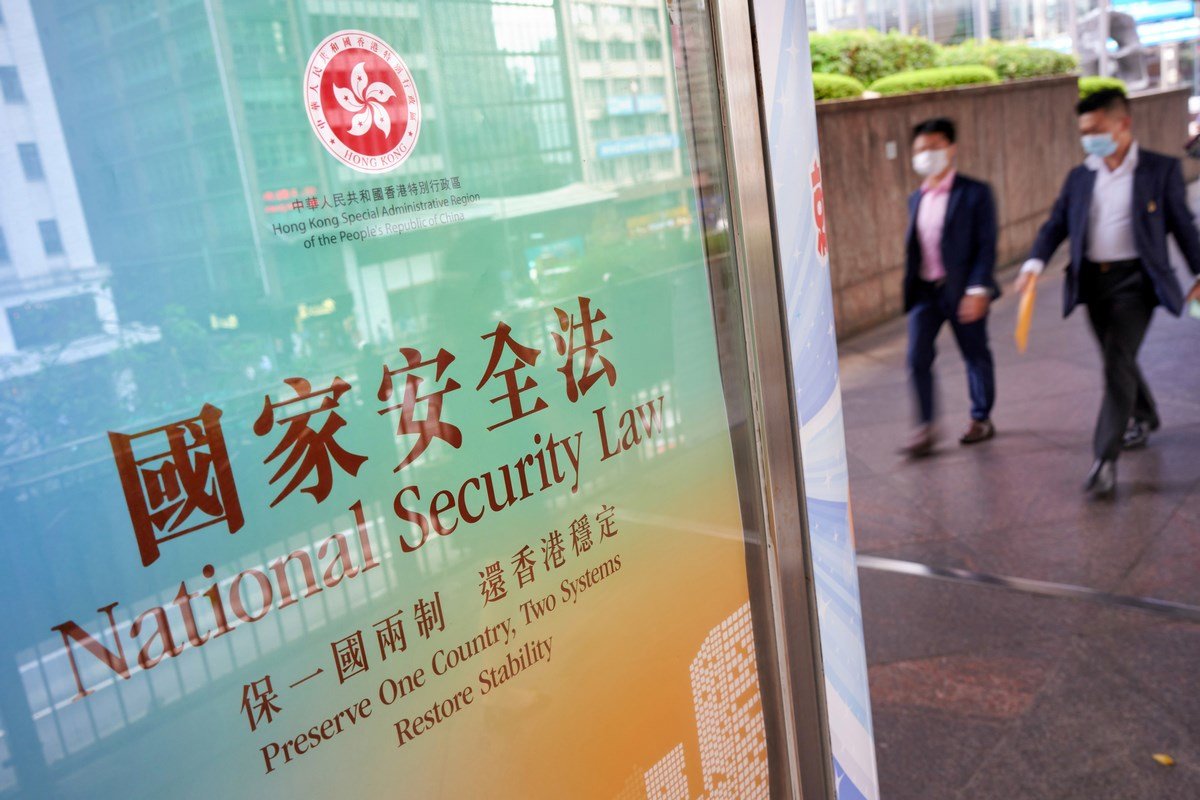
New enforcement powers extend to airports and checkpoints, raising questions about digital privacy and security compliance
Hong Kong authorities have introduced new legal provisions making it an offence to refuse police requests for access to digital devices, including at border points such as airports, marking a significant expansion of enforcement powers.
Under the updated framework, individuals may be required to provide passwords or otherwise unlock electronic devices when requested by law enforcement.
Failure to comply can result in legal consequences, reflecting a stricter approach to security and investigative procedures.
The measure is designed to support law enforcement in accessing potentially relevant information during investigations, particularly in cases involving national security or serious offences.
Officials have indicated that the policy is intended to strengthen operational effectiveness and ensure that authorities can act decisively when required.
The extension of these powers to airport and border settings means that travellers may be subject to such requests upon entry or departure, underscoring the broad scope of the provisions.
Authorities emphasise that the rules are part of a wider effort to maintain security and uphold legal standards.
The development has prompted wider discussion about the balance between security enforcement and personal privacy, particularly in the context of digital data.
As electronic devices increasingly store sensitive personal and professional information, the implications of such requirements are being closely examined.
Legal experts note that the changes reflect a growing global trend toward expanding digital access powers for law enforcement, as governments respond to evolving technological and security challenges.
The new provisions are now in effect, with authorities expected to apply them as part of routine enforcement and investigative activities.
Under the updated framework, individuals may be required to provide passwords or otherwise unlock electronic devices when requested by law enforcement.
Failure to comply can result in legal consequences, reflecting a stricter approach to security and investigative procedures.
The measure is designed to support law enforcement in accessing potentially relevant information during investigations, particularly in cases involving national security or serious offences.
Officials have indicated that the policy is intended to strengthen operational effectiveness and ensure that authorities can act decisively when required.
The extension of these powers to airport and border settings means that travellers may be subject to such requests upon entry or departure, underscoring the broad scope of the provisions.
Authorities emphasise that the rules are part of a wider effort to maintain security and uphold legal standards.
The development has prompted wider discussion about the balance between security enforcement and personal privacy, particularly in the context of digital data.
As electronic devices increasingly store sensitive personal and professional information, the implications of such requirements are being closely examined.
Legal experts note that the changes reflect a growing global trend toward expanding digital access powers for law enforcement, as governments respond to evolving technological and security challenges.
The new provisions are now in effect, with authorities expected to apply them as part of routine enforcement and investigative activities.