Shifting buyer behaviour, regional strength and cautious optimism define post-pandemic art landscape
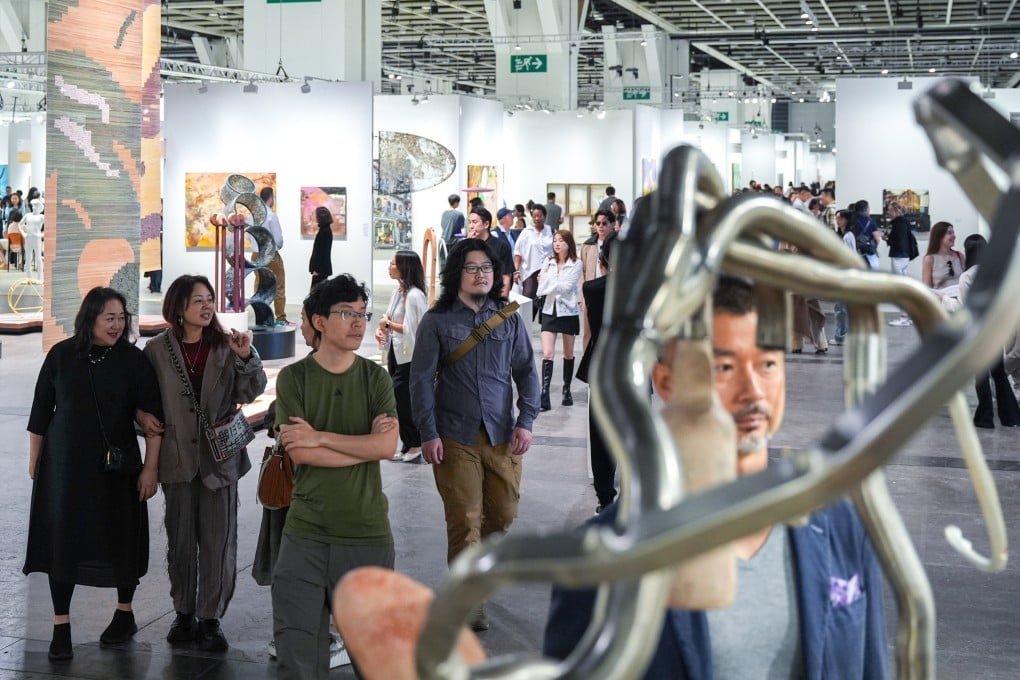
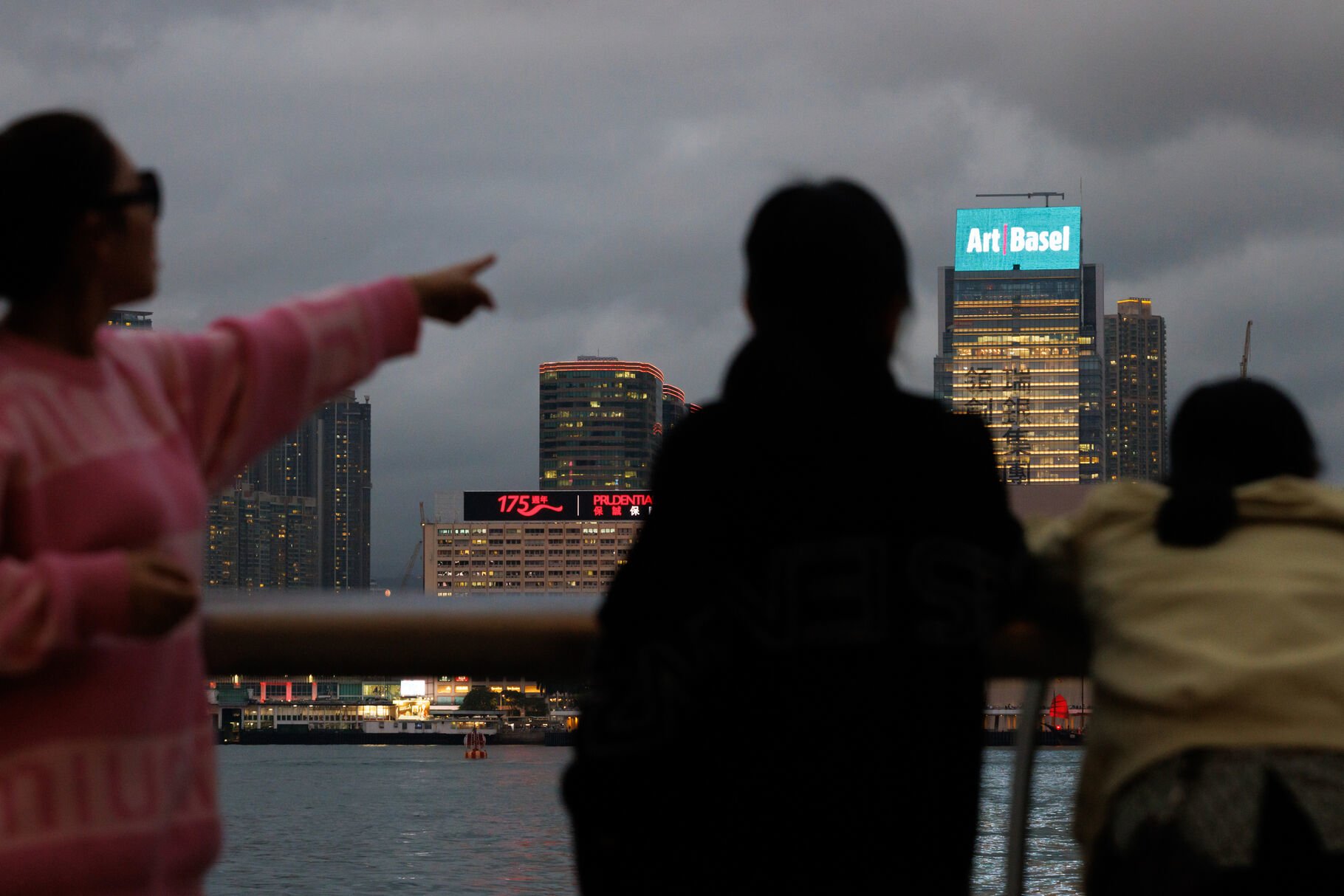
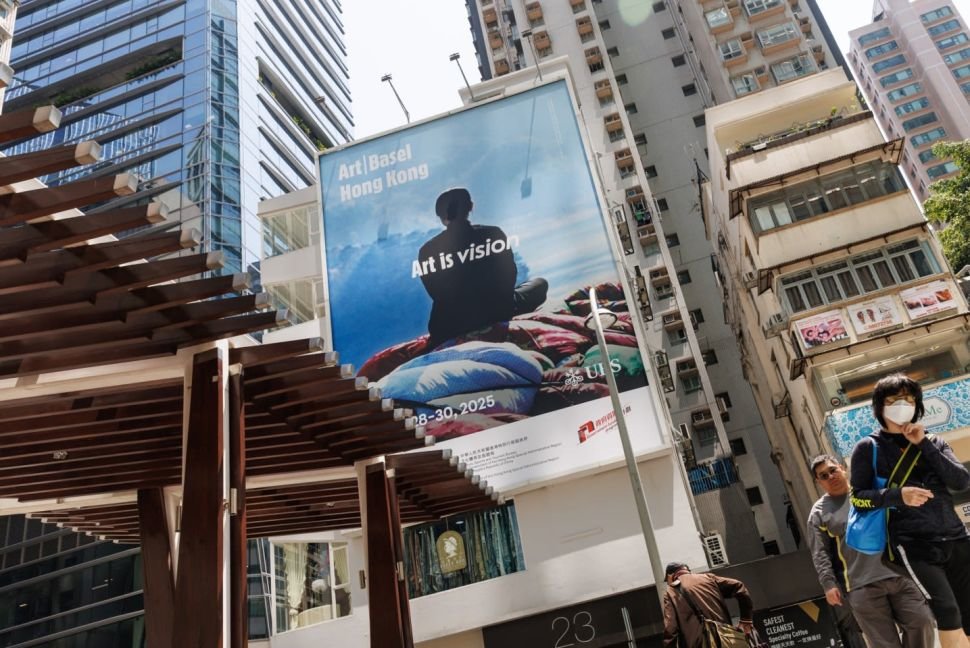
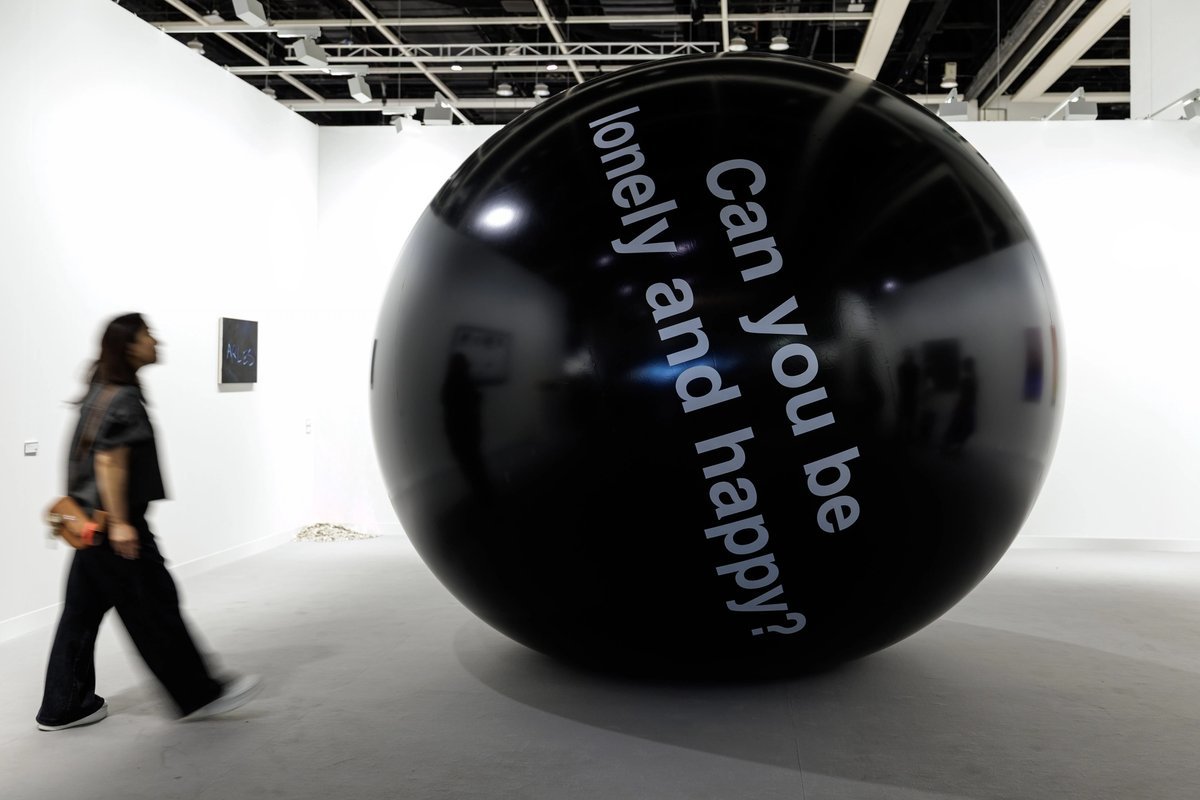
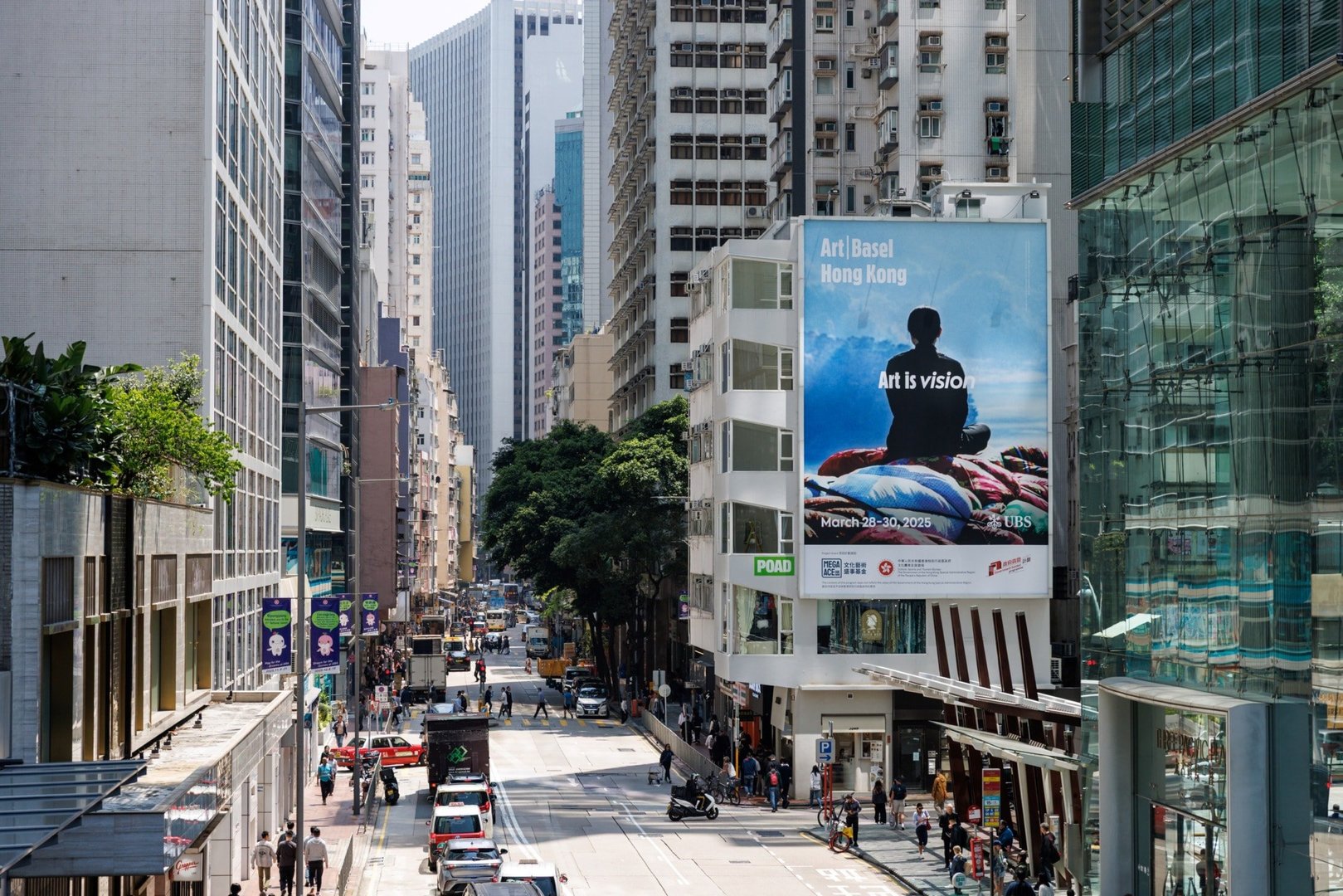
Hong Kong’s Art Week has highlighted a changing landscape in the global art market, with evolving buyer behaviour and regional dynamics pointing to what many describe as a “new normal” for the industry.
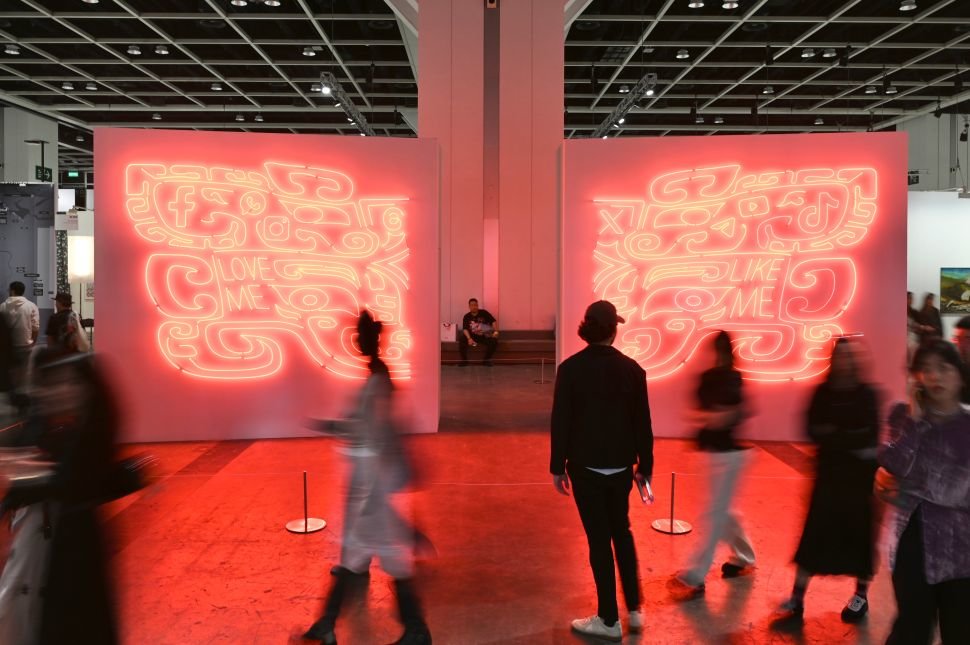
The event, a major fixture on the international art calendar, brought together galleries, collectors and institutions amid a backdrop of economic uncertainty and shifting global demand.
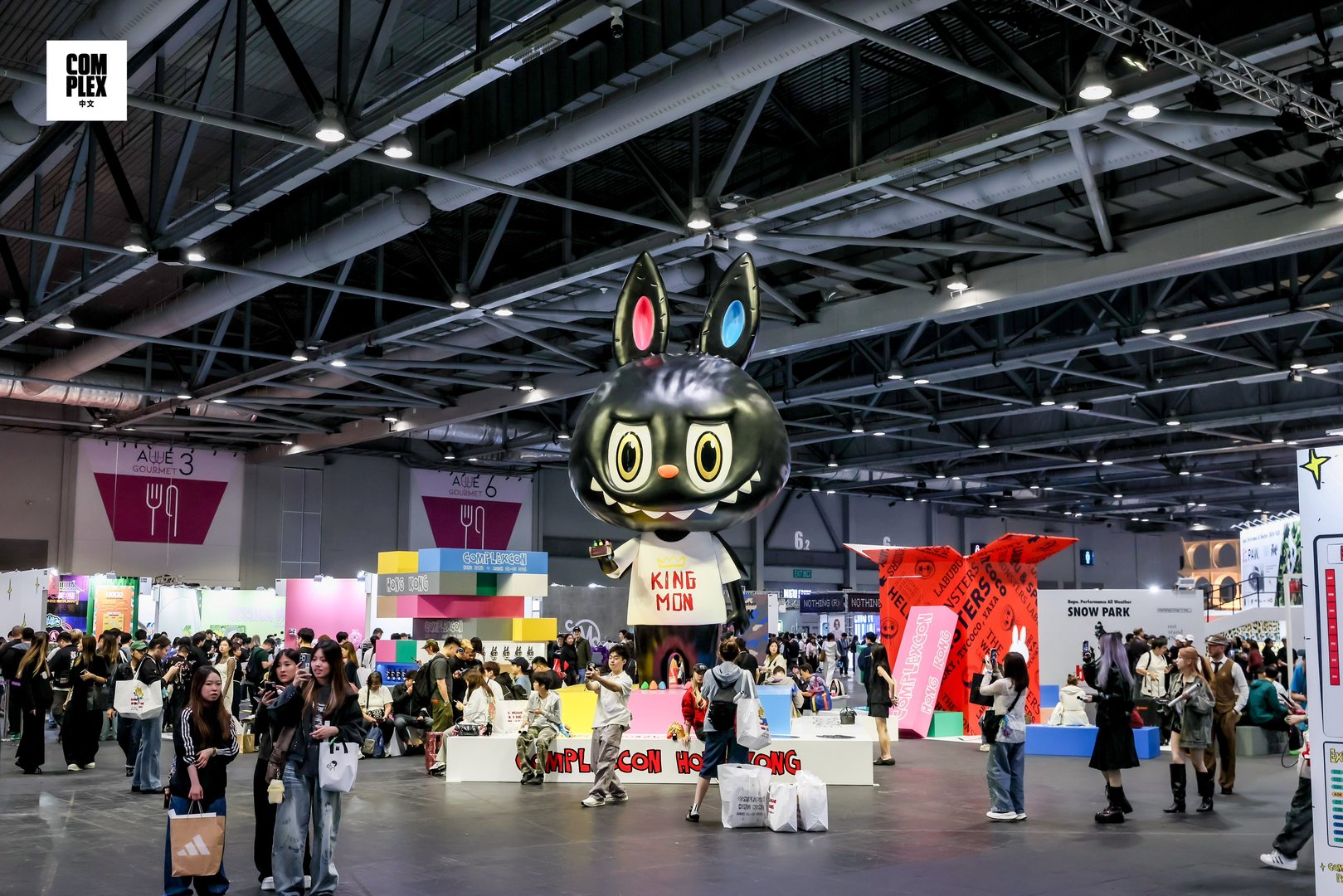
While attendance and engagement remained strong, the tone reflected a more measured and strategic approach compared with previous boom periods.
Collectors are increasingly selective, focusing on established artists, high-quality works and pieces with strong provenance.
This trend has been accompanied by a more disciplined pricing environment, as both buyers and sellers adjust expectations in response to broader market conditions.
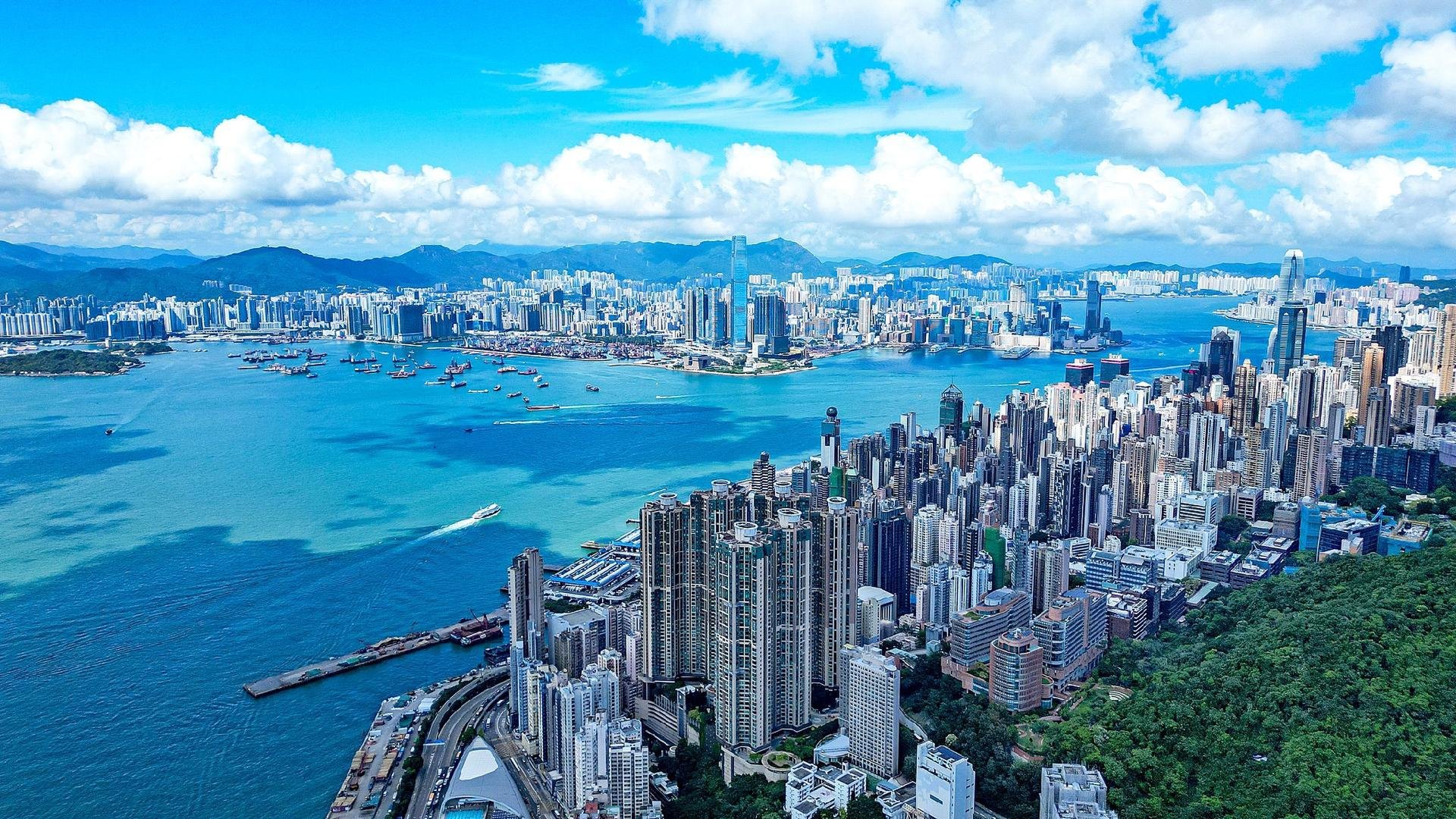
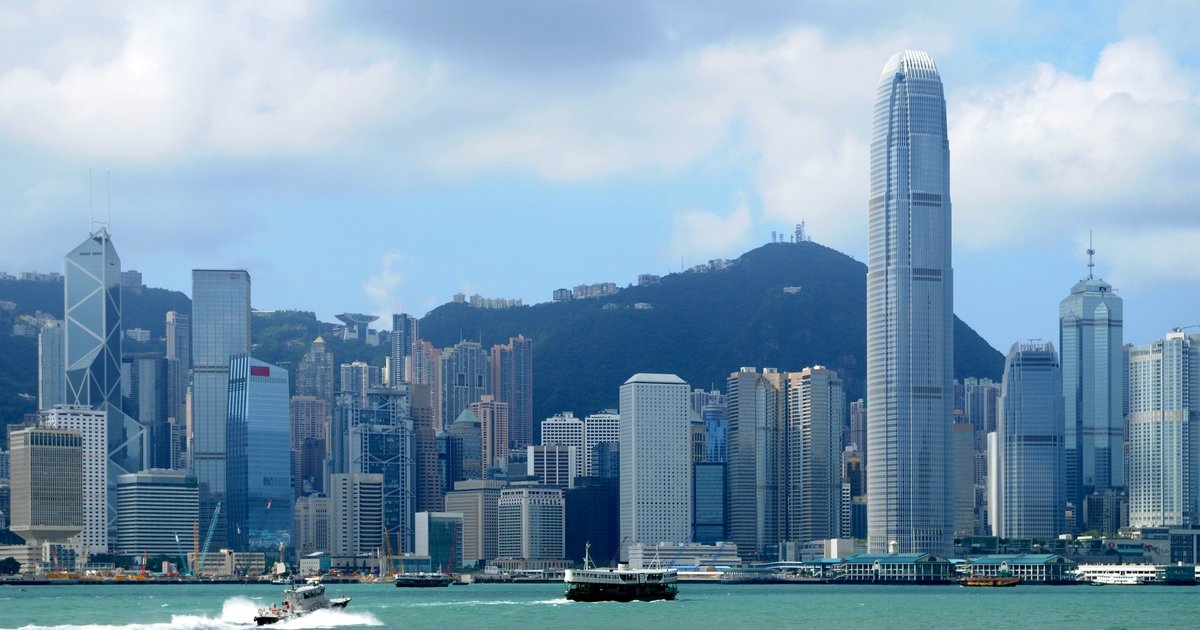
Hong Kong’s position as a key hub for art in Asia remains evident, with regional collectors playing a growing role in shaping demand.
The city continues to serve as a gateway between Eastern and Western markets, even as global economic factors influence purchasing patterns.
Dealers reported steady interest rather than rapid, speculative buying, suggesting a shift toward long-term value considerations.
The pace of transactions has moderated, but confidence in the market’s resilience remains, particularly in segments supported by strong collector bases.
The concept of a “new normal” reflects an art market that is less driven by rapid expansion and more by stability, selectivity and regional diversification.
Digital engagement, hybrid events and evolving collector demographics are also contributing to this transformation.
As Hong Kong’s Art Week concludes, it offers a snapshot of an industry adapting to new realities, where careful decision-making and sustained interest are shaping the next phase of global art market activity.
The event, a major fixture on the international art calendar, brought together galleries, collectors and institutions amid a backdrop of economic uncertainty and shifting global demand.
While attendance and engagement remained strong, the tone reflected a more measured and strategic approach compared with previous boom periods.
Collectors are increasingly selective, focusing on established artists, high-quality works and pieces with strong provenance.
This trend has been accompanied by a more disciplined pricing environment, as both buyers and sellers adjust expectations in response to broader market conditions.
Hong Kong’s position as a key hub for art in Asia remains evident, with regional collectors playing a growing role in shaping demand.
The city continues to serve as a gateway between Eastern and Western markets, even as global economic factors influence purchasing patterns.
Dealers reported steady interest rather than rapid, speculative buying, suggesting a shift toward long-term value considerations.
The pace of transactions has moderated, but confidence in the market’s resilience remains, particularly in segments supported by strong collector bases.
The concept of a “new normal” reflects an art market that is less driven by rapid expansion and more by stability, selectivity and regional diversification.
Digital engagement, hybrid events and evolving collector demographics are also contributing to this transformation.
As Hong Kong’s Art Week concludes, it offers a snapshot of an industry adapting to new realities, where careful decision-making and sustained interest are shaping the next phase of global art market activity.