Growing demand for offline storage reflects shifting attitudes toward privacy, security and control over personal information
Physical storage devices such as SD cards and external hard drives are increasingly being treated as “digital gold” in Hong Kong, as residents and businesses turn to offline solutions to safeguard sensitive data in a changing technological and regulatory environment.
The trend reflects a growing emphasis on data control, with individuals seeking alternatives to cloud-based storage systems that rely on constant connectivity.
By storing files offline, users retain direct ownership and reduce exposure to potential external access.
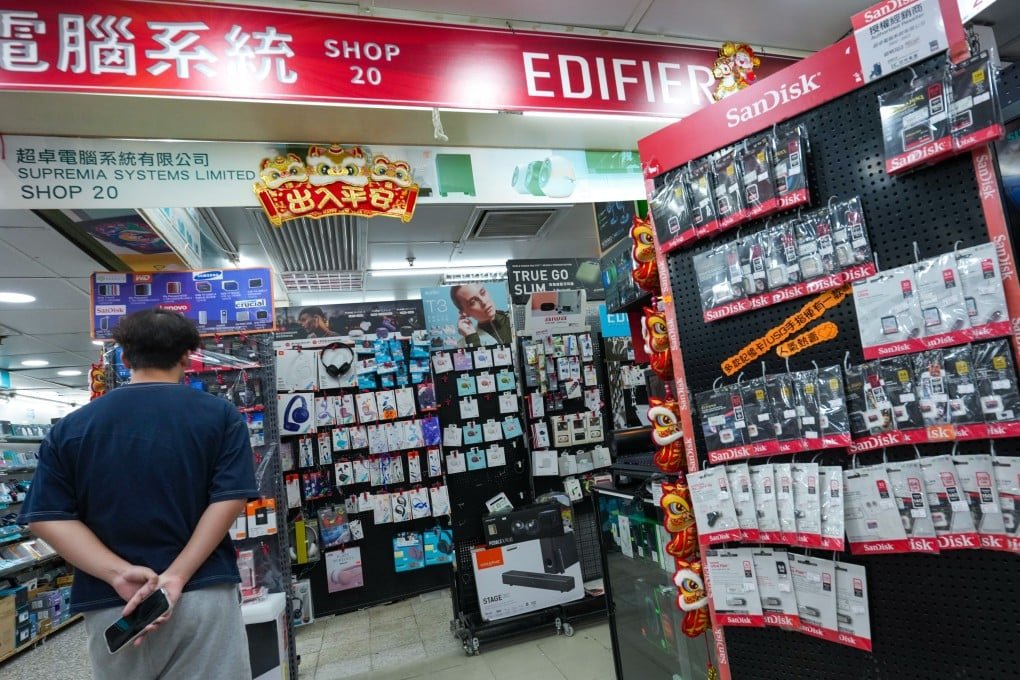
Demand for portable storage devices has risen noticeably, with retailers reporting increased interest in high-capacity and secure formats.
These devices are being used to store a wide range of materials, from personal records and business documents to creative content and archives.
The appeal of offline storage lies in its simplicity and perceived reliability.
Without reliance on internet access or third-party platforms, users can maintain a higher degree of autonomy over their data.
This has become particularly relevant in environments where concerns about digital security and data access are intensifying.
The shift also highlights a broader re-evaluation of how information is managed, with some users prioritising physical control over convenience.
While cloud services continue to dominate global storage trends, the renewed interest in hardware-based solutions underscores the importance of flexibility in data management strategies.
Industry observers note that the value placed on physical storage devices is likely to remain elevated as awareness of data security continues to grow.
The concept of “digital gold” reflects both the practical utility and symbolic importance of owning and protecting information in an increasingly digital world.
The trend reflects a growing emphasis on data control, with individuals seeking alternatives to cloud-based storage systems that rely on constant connectivity.
By storing files offline, users retain direct ownership and reduce exposure to potential external access.
Demand for portable storage devices has risen noticeably, with retailers reporting increased interest in high-capacity and secure formats.
These devices are being used to store a wide range of materials, from personal records and business documents to creative content and archives.
The appeal of offline storage lies in its simplicity and perceived reliability.
Without reliance on internet access or third-party platforms, users can maintain a higher degree of autonomy over their data.
This has become particularly relevant in environments where concerns about digital security and data access are intensifying.
The shift also highlights a broader re-evaluation of how information is managed, with some users prioritising physical control over convenience.
While cloud services continue to dominate global storage trends, the renewed interest in hardware-based solutions underscores the importance of flexibility in data management strategies.
Industry observers note that the value placed on physical storage devices is likely to remain elevated as awareness of data security continues to grow.
The concept of “digital gold” reflects both the practical utility and symbolic importance of owning and protecting information in an increasingly digital world.